A place called "growth" -Regeneration through contextual evolution
Lisboa (PT) - Mention spéciale
TEAM PORTRAIT
INTERVIEW
Click on the images to enlarge
1. How do you define the main issues of your project in relation with the theme “Re-sourcing”? Re-sourcing thanks to nature, to social dynamics, to new materiality? In which way do you think your project can contribute to an ecological and/or social evolution? And in which way do you think your project can be called a “regenerative project”?
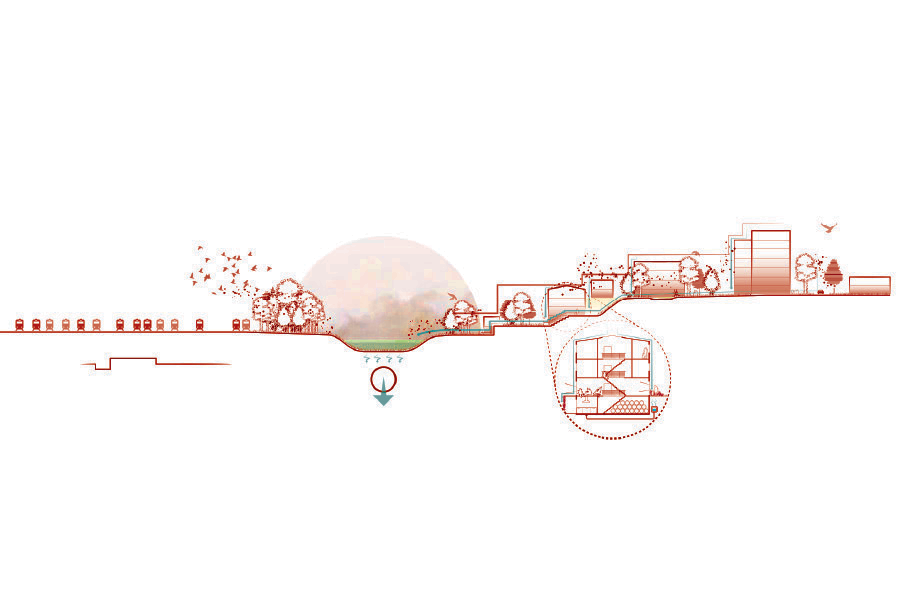
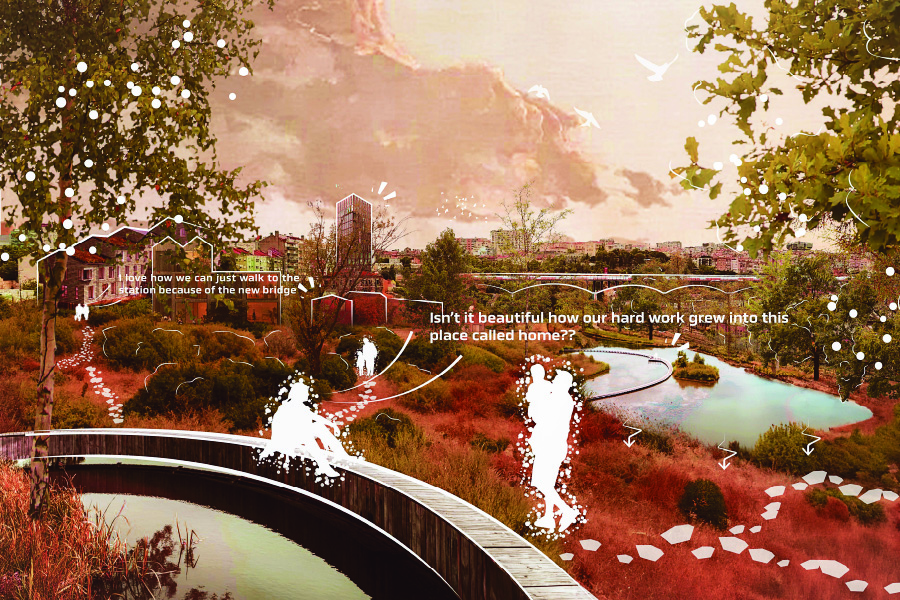
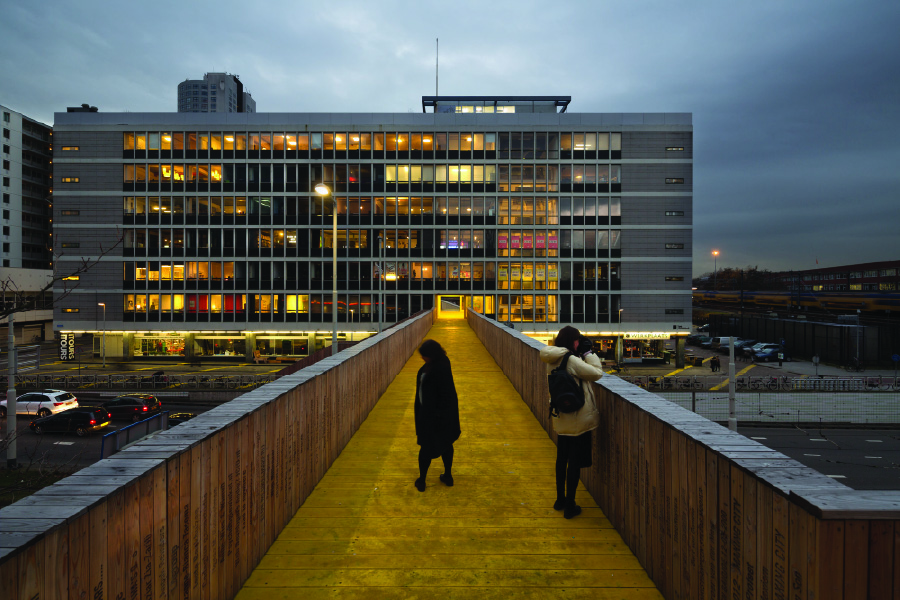
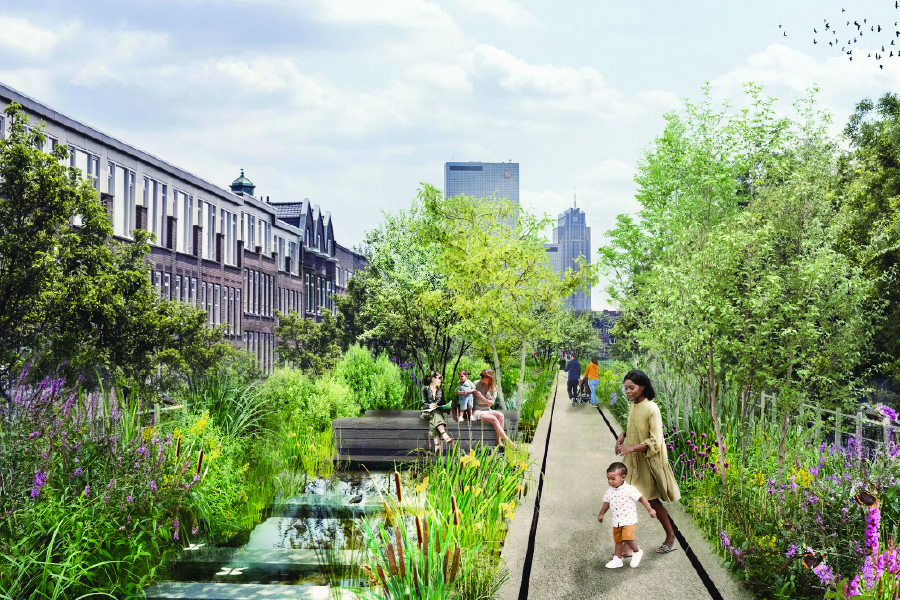
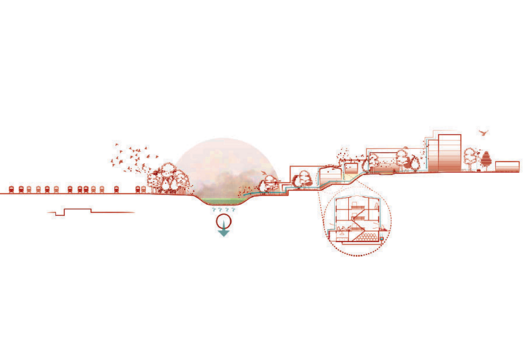
We re-source Campolide by linking water repair to social and economic uplift: sponge landscapes cut heat/flood risk, a co-built bridge and commons connect neighborhoods, and a value-capture model reinvests development gains into housing upgrades, local jobs, and long-term stewardship.
2. How did the issues of your design and the questions raised by the site mutation meet?
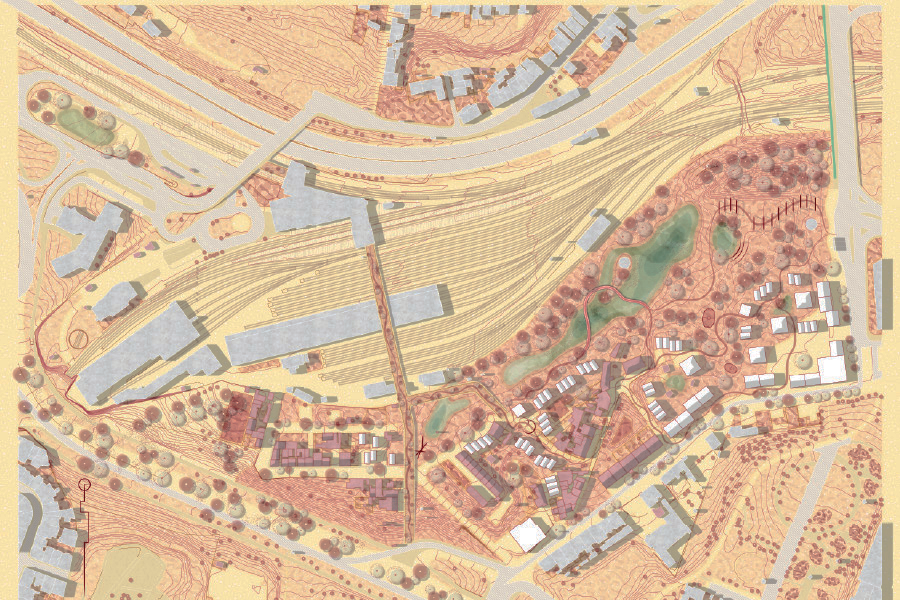
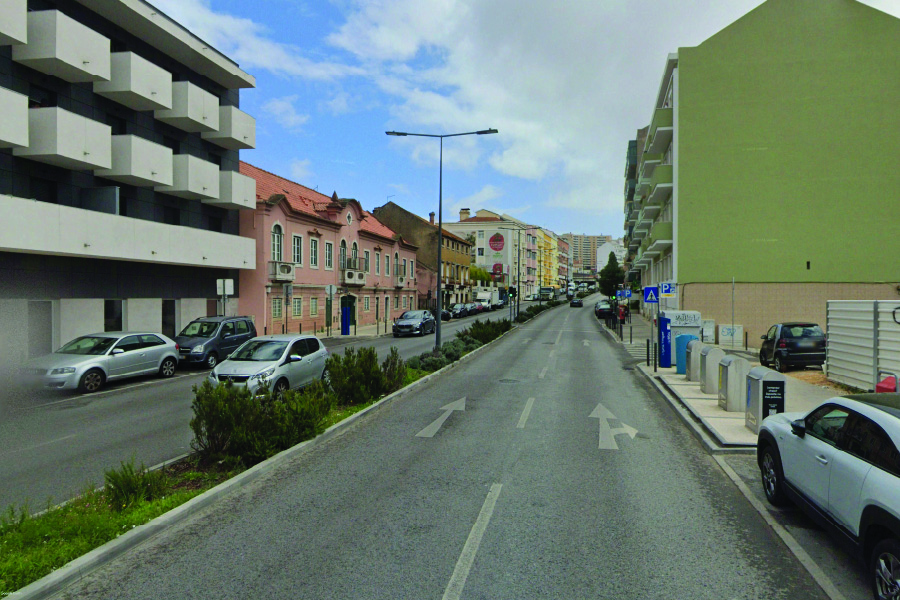
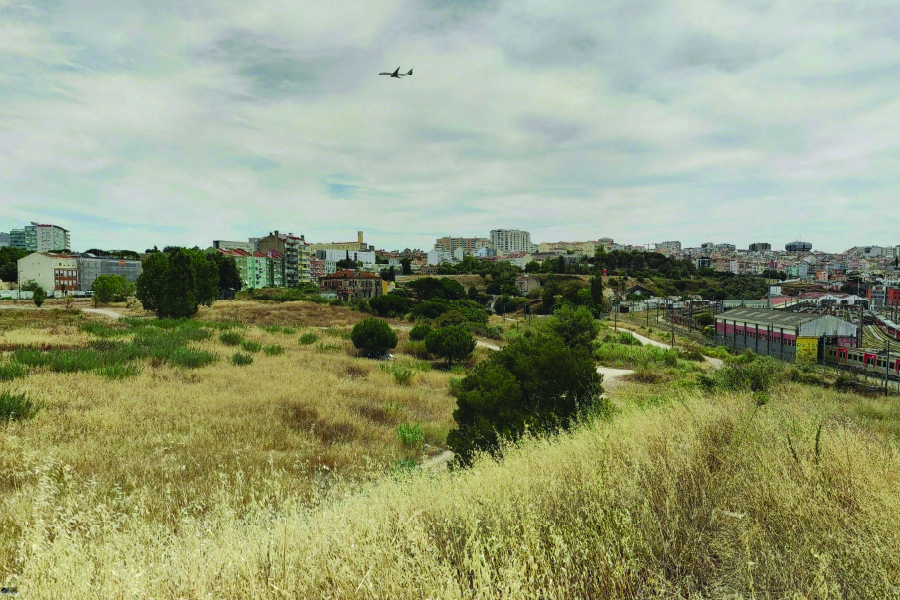
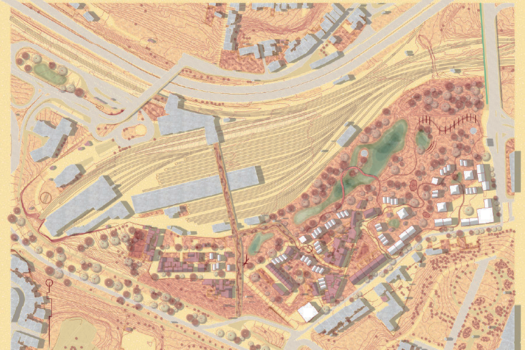
The site’s mutation (new drainage tunnel + station pressure) meets its steep hydrology and fragmentation. We work with the west–east ecological gradient, making water flows visible and programmable, and using a bridging strategy to stitch slopes, park and station into one everyday network.
PROJECT:
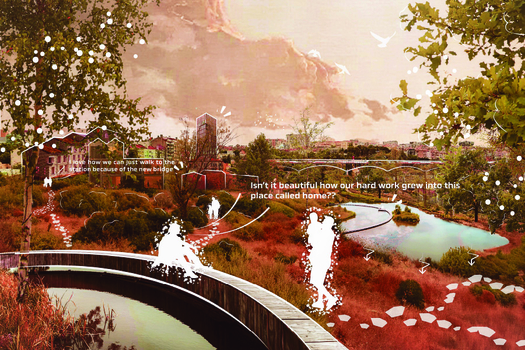
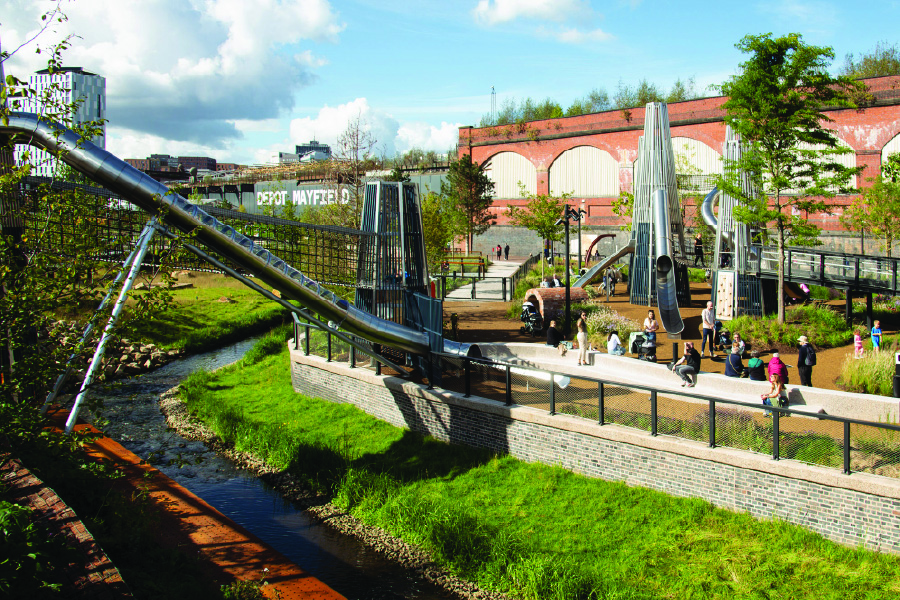
Yes: we’ve explored water-led urban frameworks, incremental housing and commons before. Key references: DELVA’s Doesburger Broek (Timothy), sponge-city landscapes, and circular value capture models that reinvest development surplus into public and ecological assets.
SITE:
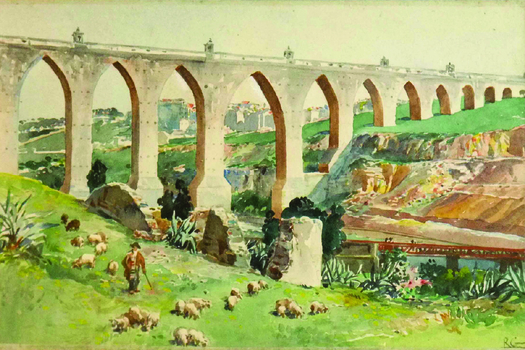
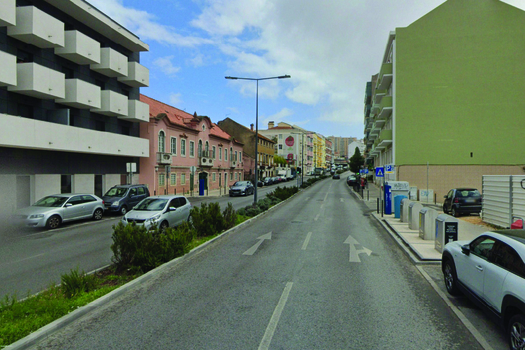
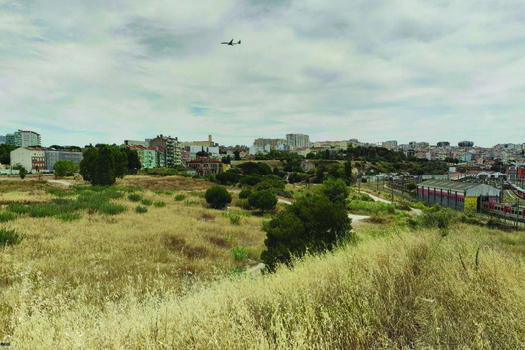
Implementation is phased and negotiated: Phase 1 repairs soil and water, upgrades existing housing, and co-builds a temporary CLT bridge; its parts are later reused as park structures. Phase 2 densifies a developer edge under profit-sharing that funds the commons, then a permanent water-filtering bridge.
REFERENCES:
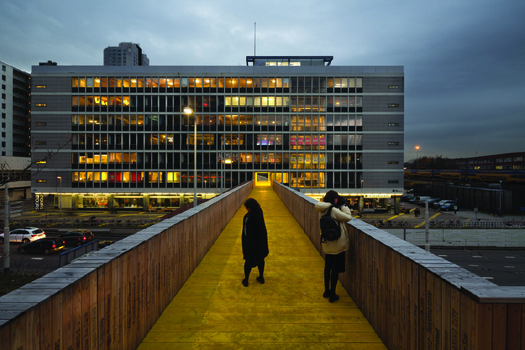
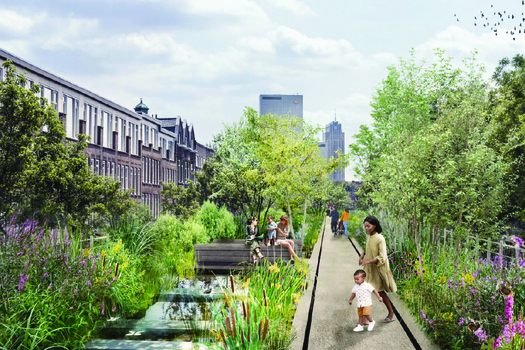
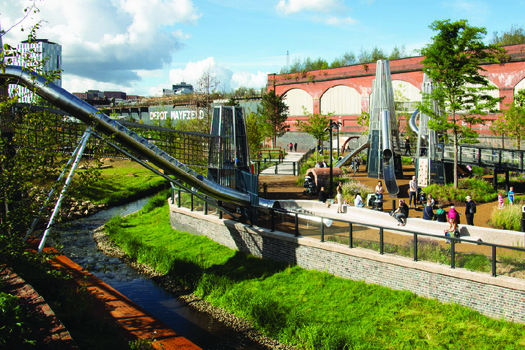
We formed the team to cover strategy and delivery: urban design (framework + phasing), landscape/hydrology (sponge systems), architecture (housing typologies + adaptive reuse), and governance/economy (coop model + value capture). The mix let us link ecology to feasible negotiation.
6. How could this prize help you in your professional career?
Yes. The Special Mention is a credible signal that our work is strategic, implementable urbanism. It helps start municipal conversations, attracts partners (developers, NGOs, engineers), and strengthens our portfolio around regenerative, participatory frameworks rather than one-off form making.
TEAM IDENTITY
Legal status:
Team name:
Average age of the associates: 28 years old
Has your team, together or separately, already conceived or implemented some projects and/or won any competition? if so, which ones?
None.