ALL-RING. Una plaza para todos.
Getafe (ES) - Lauréat
TEAM PORTRAIT
VIDEO (by the team)
INTERVIEW
Click on the images to enlarge
1. How do you define the main issues of your project in relation with the theme “Re-sourcing”? Re-sourcing thanks to nature, to social dynamics, to new materiality? In which way do you think your project can contribute to an ecological and/or social evolution? And in which way do you think your project can be called a “regenerative project”?
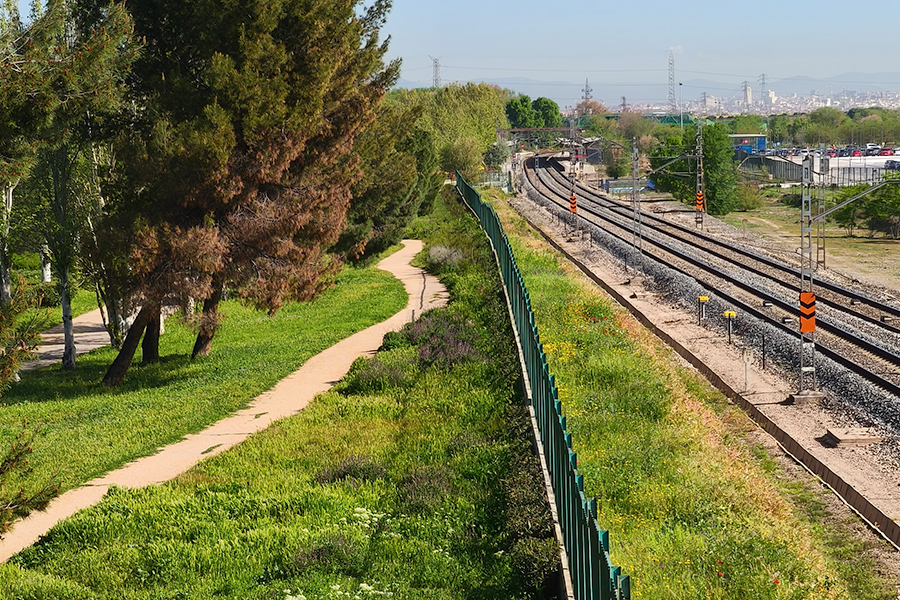
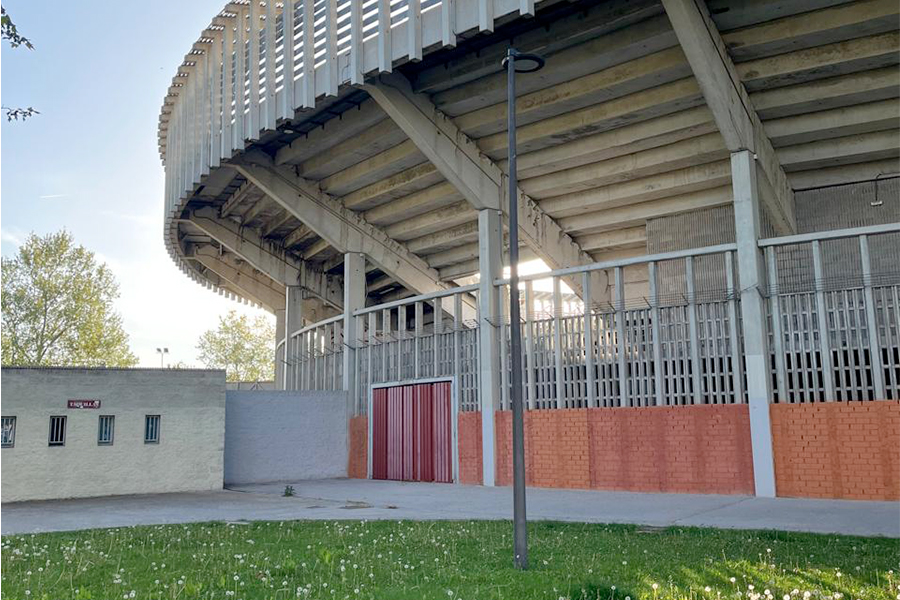
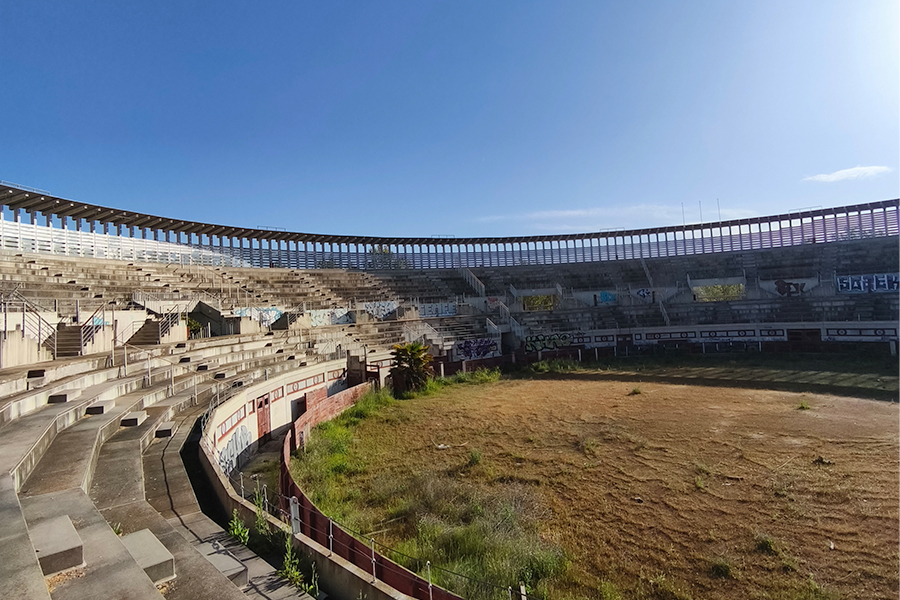
We believe that the project brings together several elements related to the concept of "re-source," in its various senses and scales, using it as a methodology for reinterpreting the site. On a larger scale, the project recovers the site's history, which strengthens its character and identity. Through landscape design, it contributes to social and ecological revitalization. Furthermore, by leveraging the existing potential, it conserves resources and recovers synergies that have always existed in the place but were previously untapped.
2. How did the issues of your design and the questions raised by the site mutation meet?
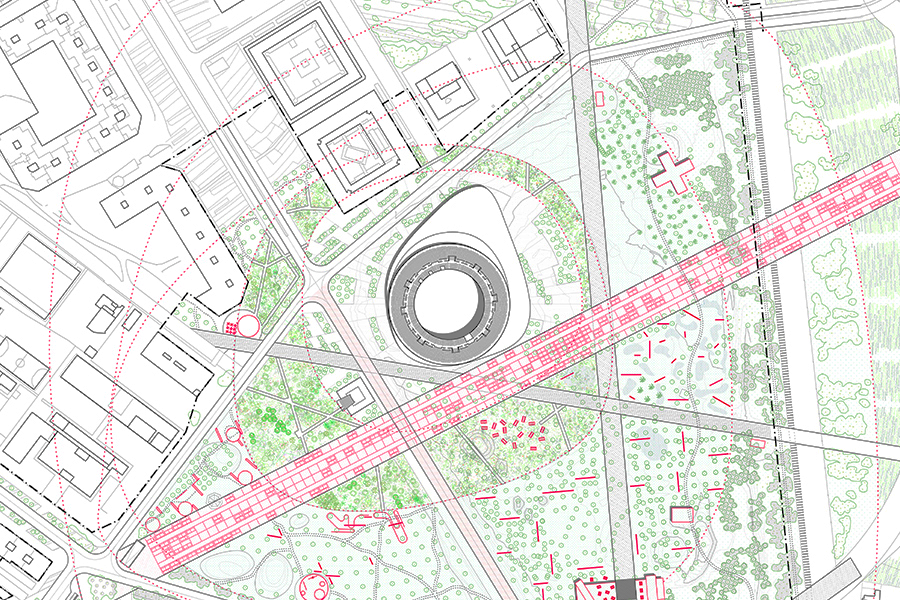
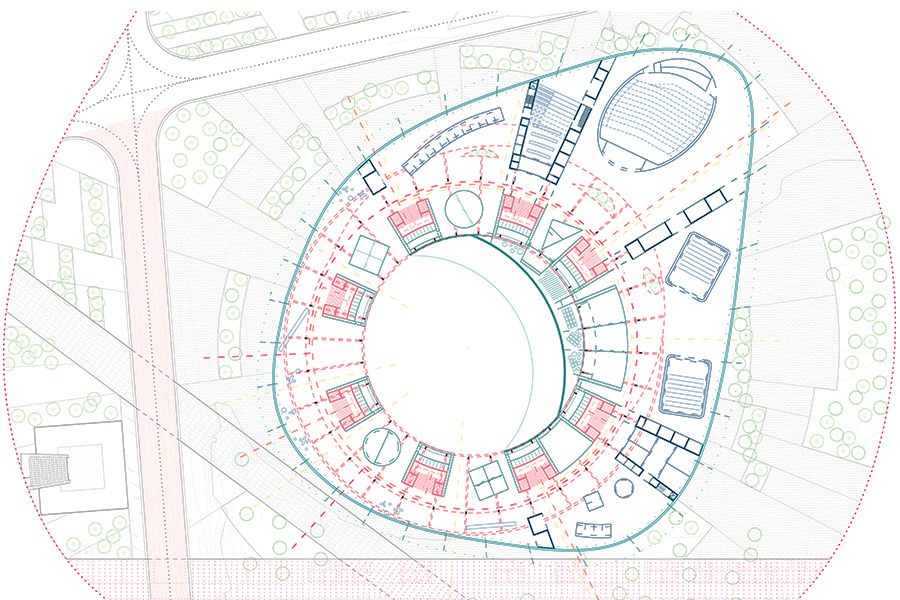
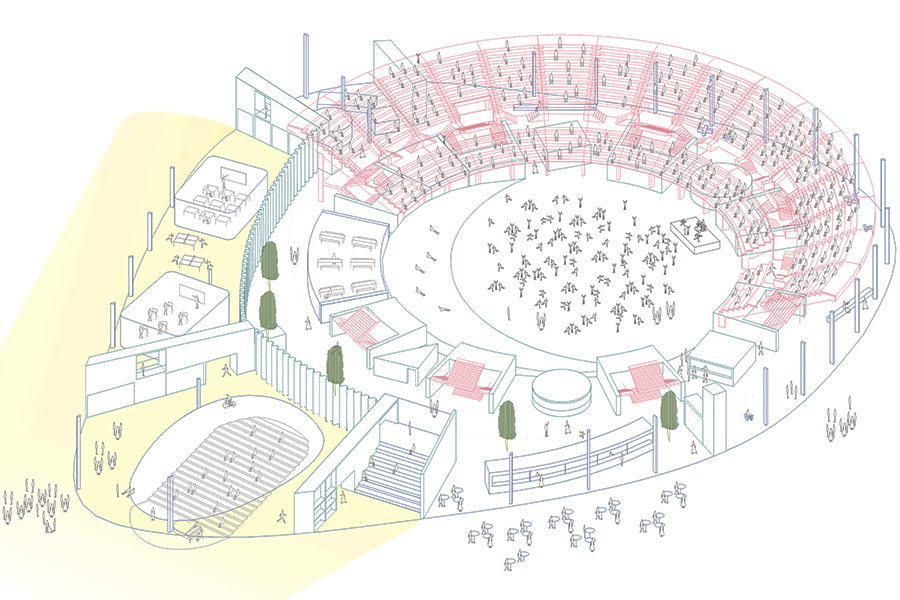
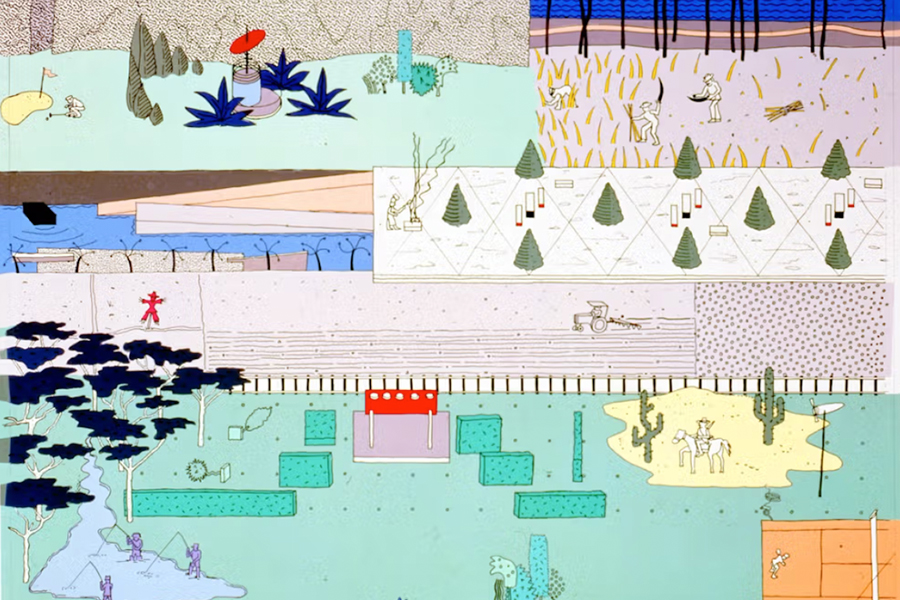
The proposed project stems from a conscious analysis of the site. This led to a series of questions related to abstract themes, which were resolved through a series of adaptive systems that addressed the site's inherent indeterminacy. First, recognizing the central role of the bullring, a concentric logic organized the landscape using rings that could be adapted to accommodate the existing park features. Second, a centrifugal logic, operating tangentially to the first system, connected nodes or flows hierarchically determined by use.
PROJECT:
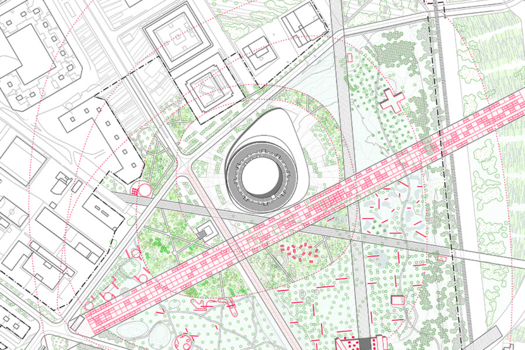
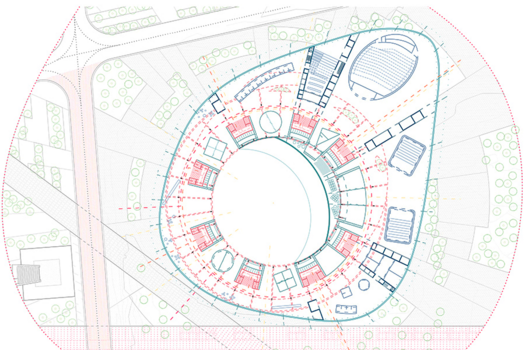
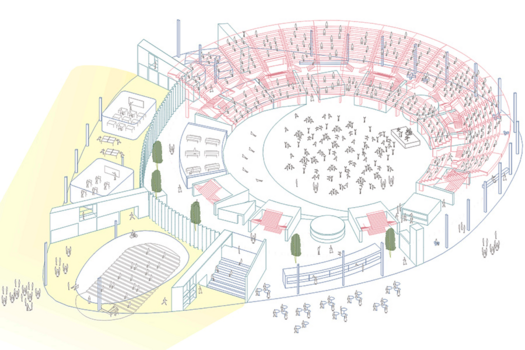
Our professional interest lies in finding potential within existing structures, considering the ecological emergency, identity, memory, and the value of the landscape as a design resource. We have drawn inspiration from numerous sources, such as the La Villette competition entries, the architectural styles of current contemporary studios, and projects from previous editions of Europan.
SITE:
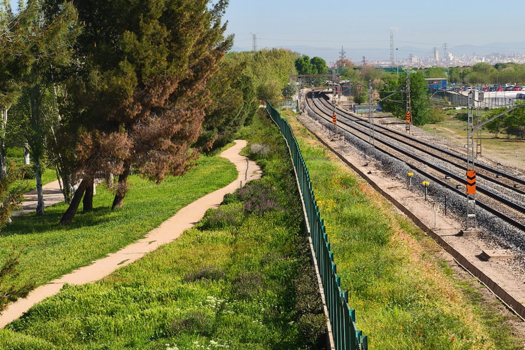
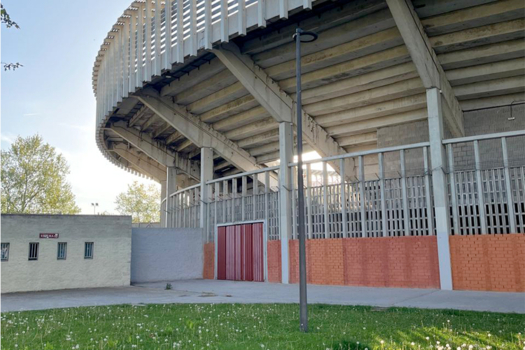
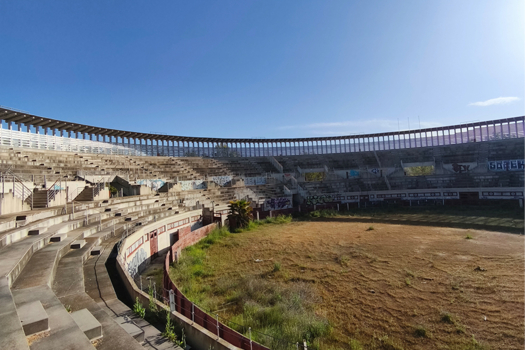
We consider sustainability an inherent condition of the project, which can be adapted to the needs and possibilities of the stakeholders. The open and versatile system allows for coordinating phases, managing the scale of the intervention, and integrating new stakeholders not initially considered, such as the community, social, cultural, and sports groups.
REFERENCES:
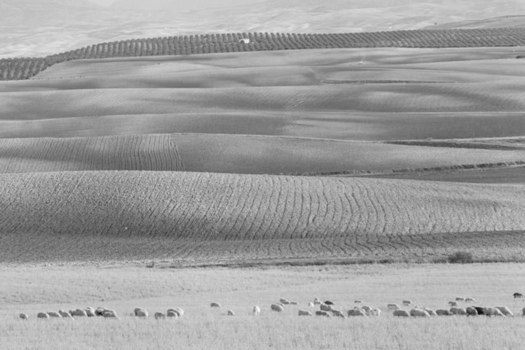
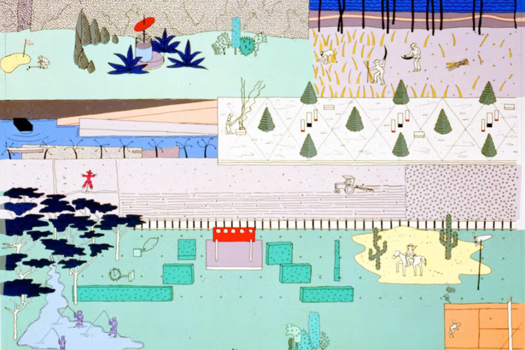
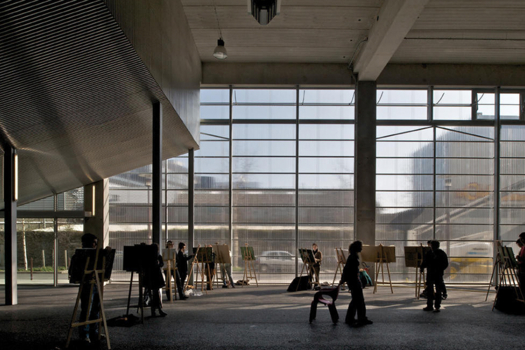
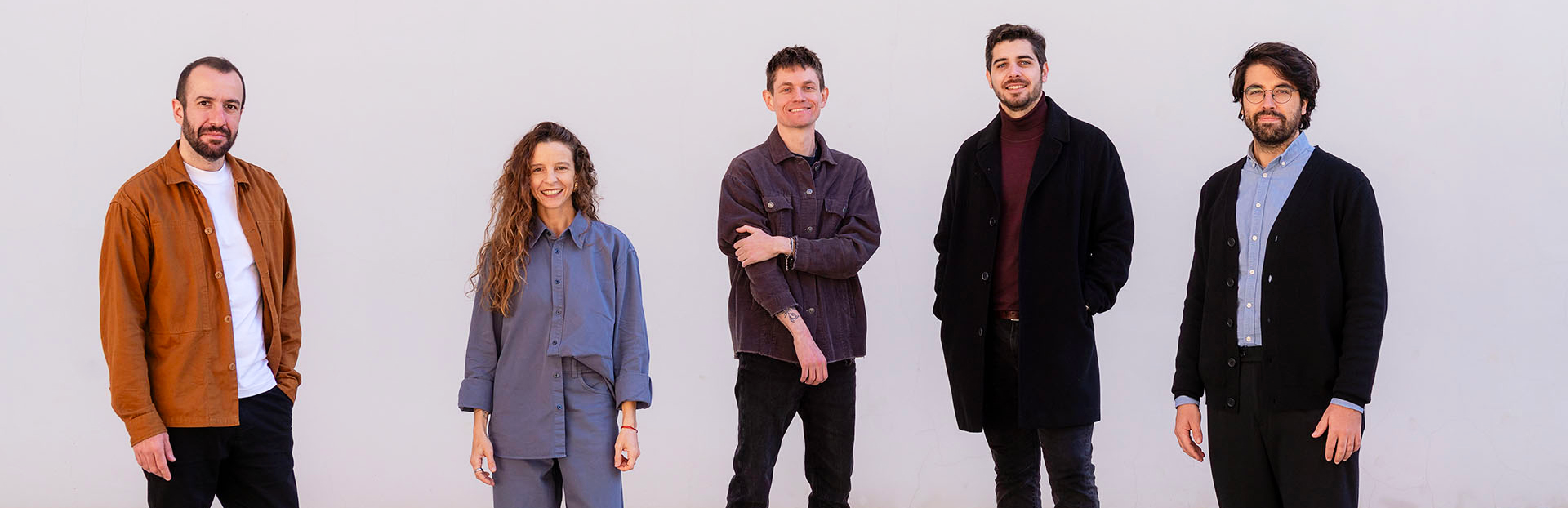
We were all students in the same master's program in advanced architectural design at the Polytechnic University of Madrid. We all come from different universities in Argentina and Spain, which provided diverse perspectives on the conceptual, instrumental, and design aspects.
6. How could this prize help you in your professional career?
We believe this award is a great opportunity to catapult our work as an office and position ourselves in a scene with greater exposure and reach, which will invite us to participate in new experiences in the future. In turn, this entails a great responsibility for the practice, critique, and disciplinary research that we wish to deepen.
TEAM IDENTITY
Legal status:
Team name:
Average age of the associates: 34 years old
Has your team, together or separately, already conceived or implemented some projects and/or won any competition? if so, which ones?
In their individual practice, some of the members has won some architectural competitions in their local practice.