Alleyways
Madrid (ES) - Lauréat
TEAM PORTRAIT
VIDEO (by the team)
INTERVIEW
Click on the images to enlarge
1. How do you define the main issues of your project in relation with the theme “Re-sourcing”? Re-sourcing thanks to nature, to social dynamics, to new materiality? In which way do you think your project can contribute to an ecological and/or social evolution? And in which way do you think your project can be called a “regenerative project”?
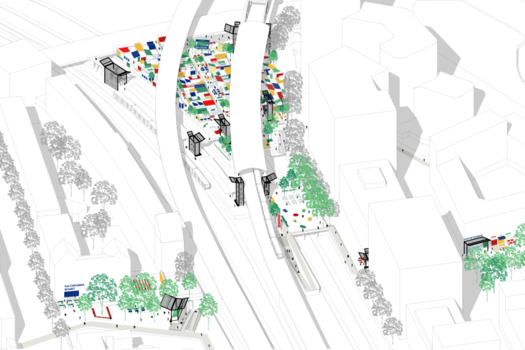
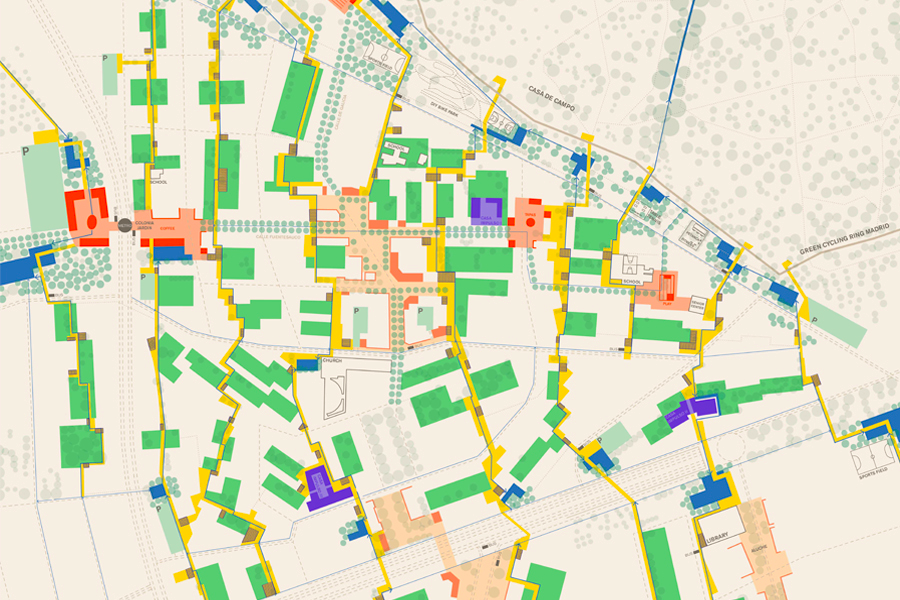
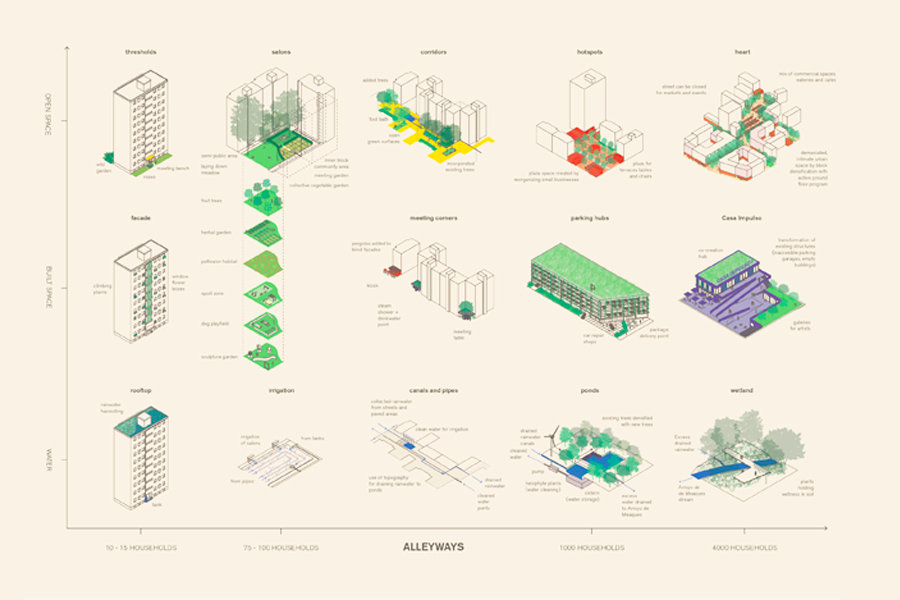
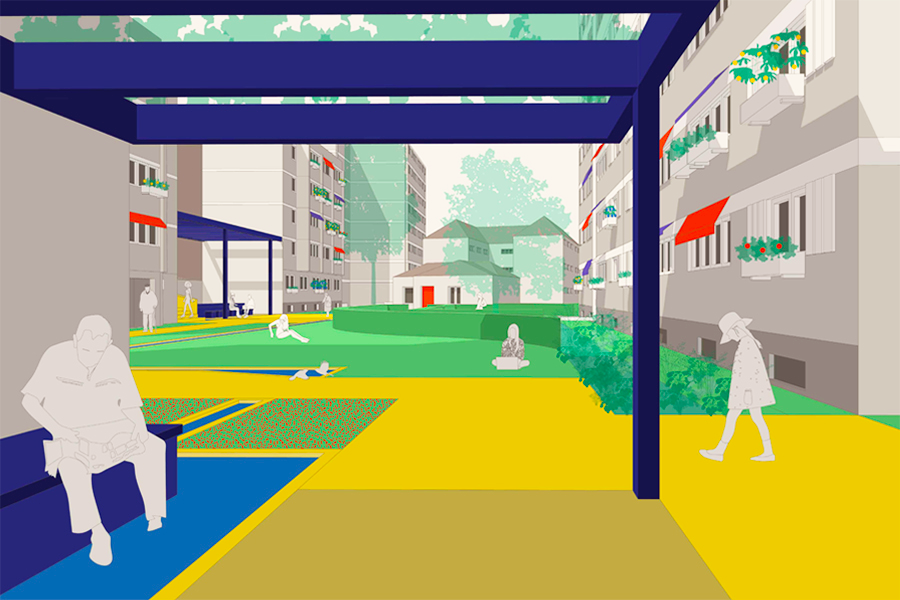
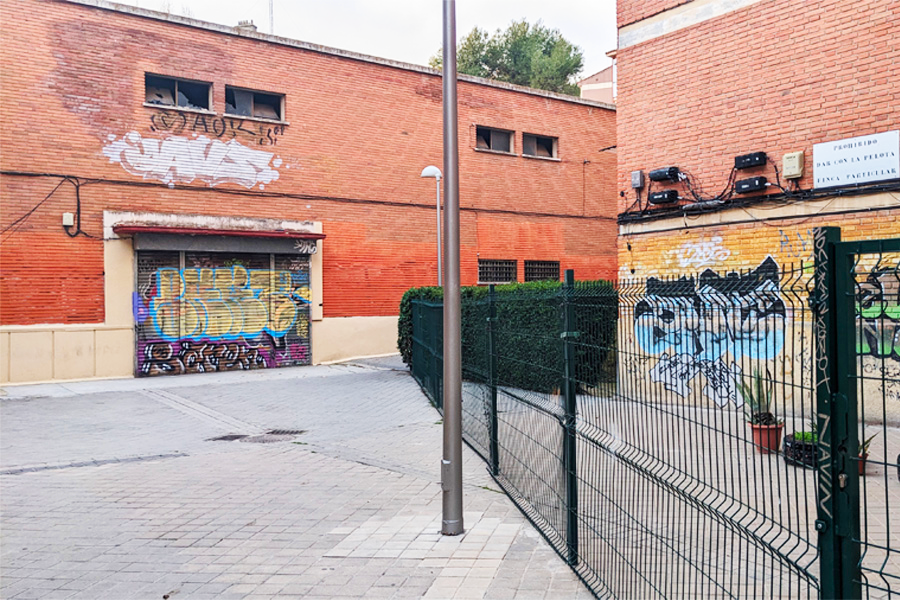
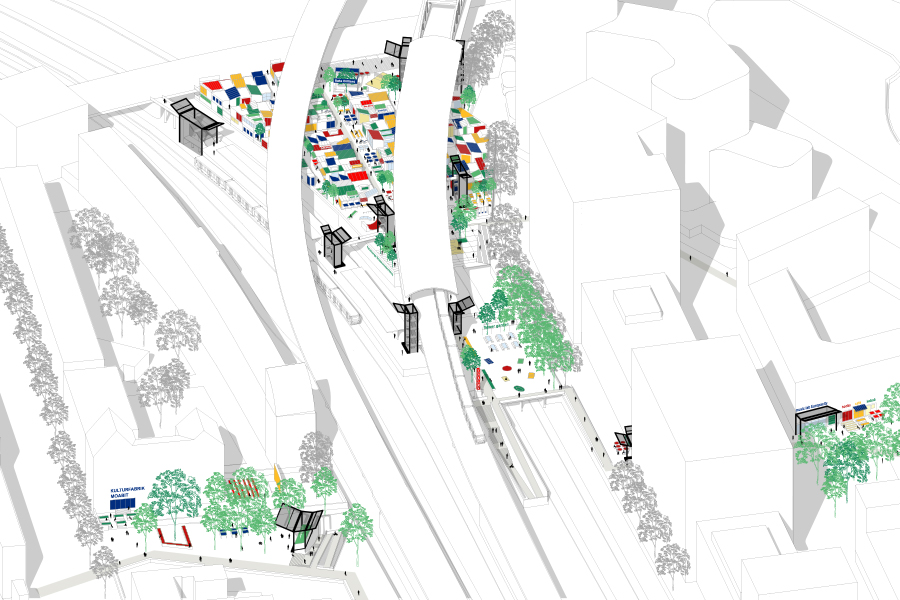
We aim to facilitate spaces and a spatial network that stimulate social interaction and community inventiveness. Rather than destroying areas and introducing large interventions, it reinterprets existing built density, enabling pedestrian infrastructure to overcome spatial barriers. We hope to inspire urban planning to think beyond administrative and car-traffic borders, prioritizing connected social spaces as drivers of neighborhood transformation.
2. How did the issues of your design and the questions raised by the site mutation meet?
The municipality challenged us to consider multiple scales: from designing open spaces in municipal areas to developing a vision for the whole neighborhood, and even exploring transferable interventions to similar areas in Madrid. We made multiscalarity a core strength of our project, linking the experience of stepping outside one’s apartment with larger public space interventions, enhancing indoor privacy while also opening up spaces for social interaction.
PROJECT:
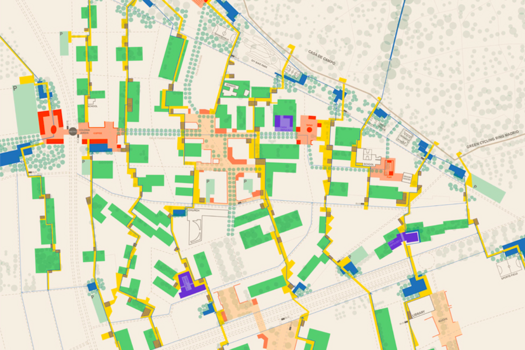
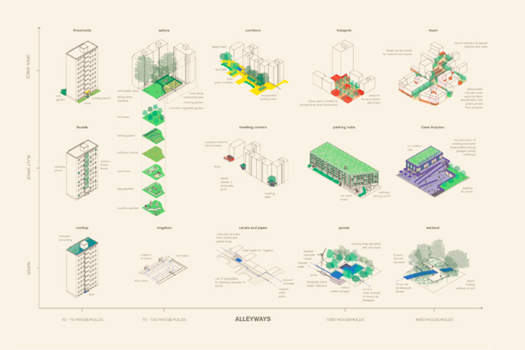
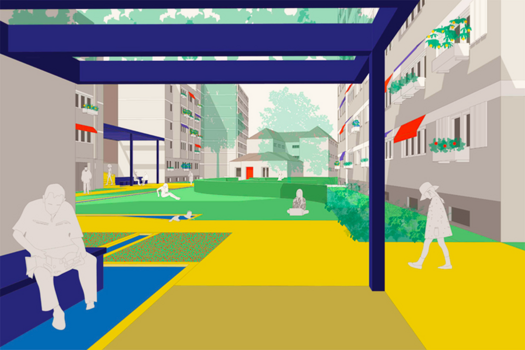
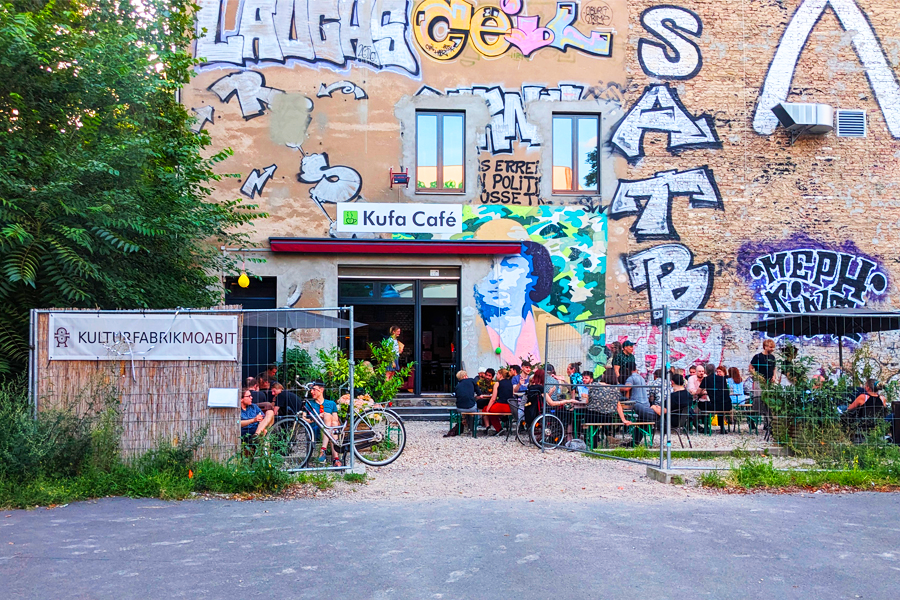
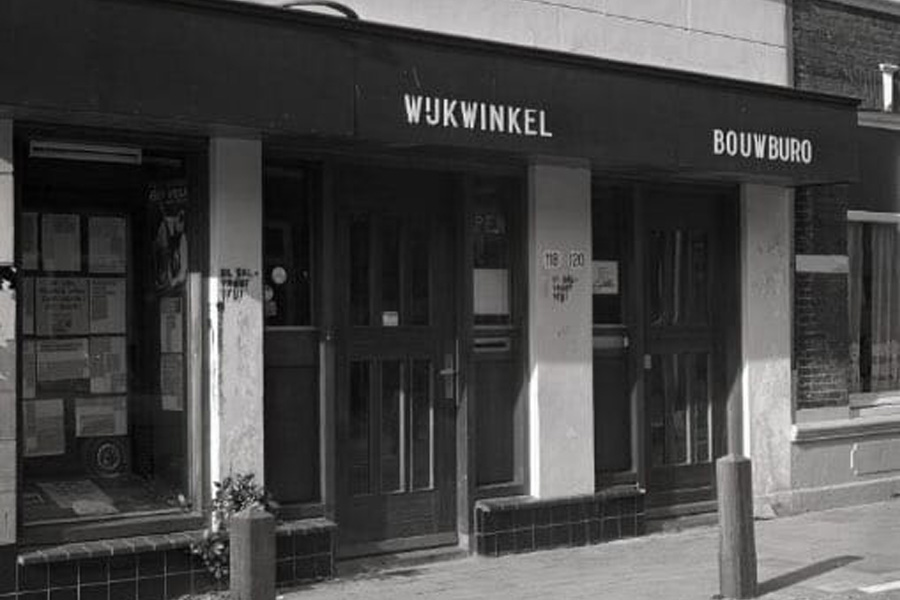
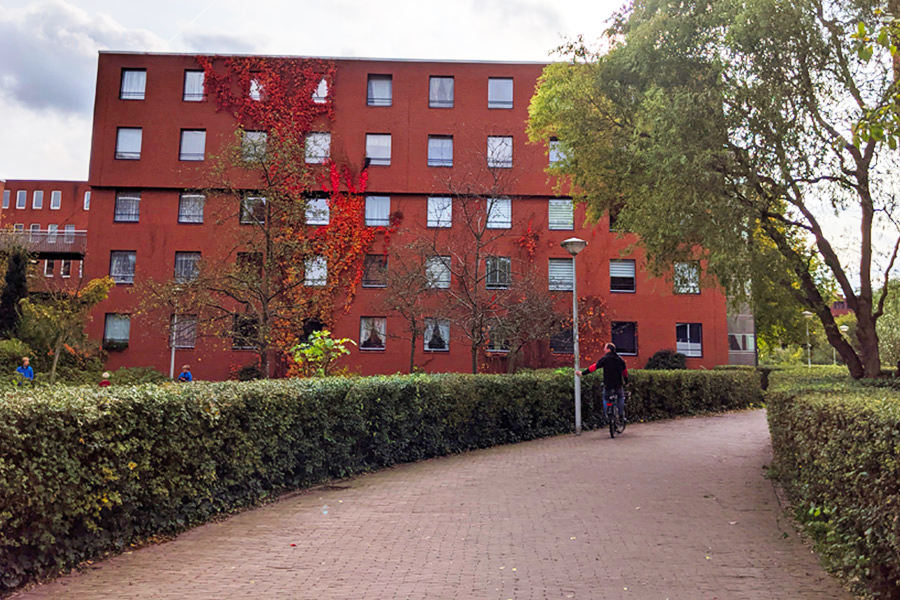
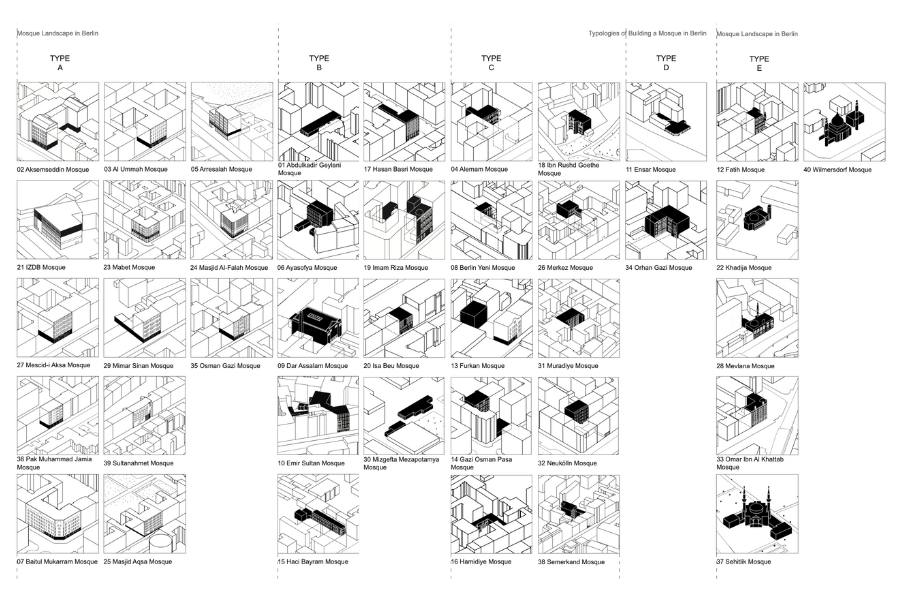
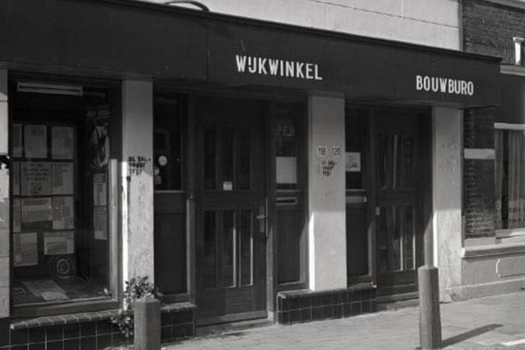
During our studies, we explored how urban design can stimulate interacting communities, including a thesis on reintegrating the isolated area Europacity in Berlin. Our inspiration for Madrid came from Utrecht’s 1980s ‘Bouwburo’ in Wittevrouwen, where engineers had an office on-site to support residents with practical housing improvements to tackle the poor condition, and from Amsterdam’s GWL Terrein, known for its layered private, semi-public and public spaces.
SITE:
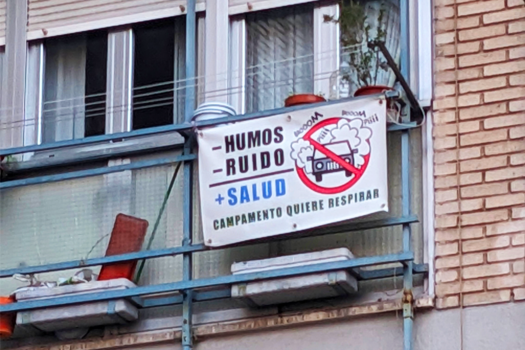
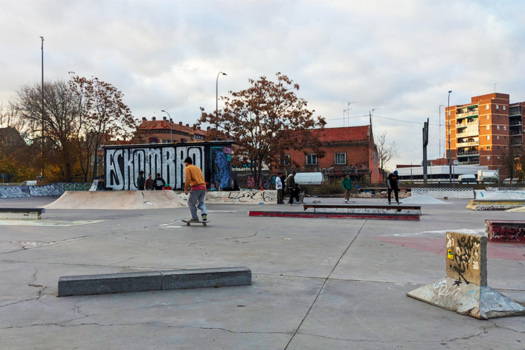
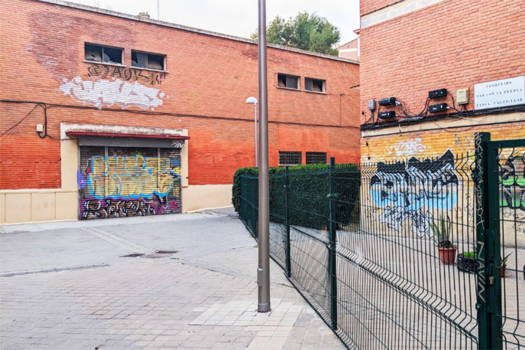
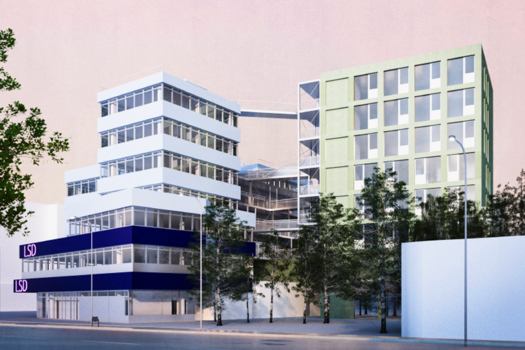
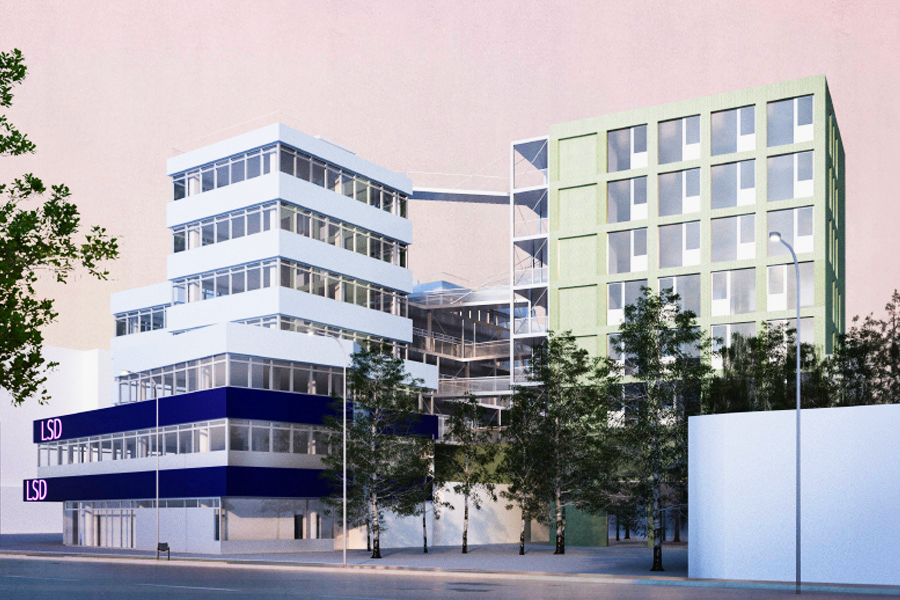
We propose a trajectory from short- to long-term interventions. Yet, we acknowledge that reality will be more complex than our proposal. Therefore, we emphasize that the first step and quick win with high impact, should be realizing the co-creation hubs, the Casa Impulsos, bringing planners and engineers on site to support residents making small-scale, tactical interventions and create a buzz that initiates urban regeneration as a collective endeavor.
REFERENCES:
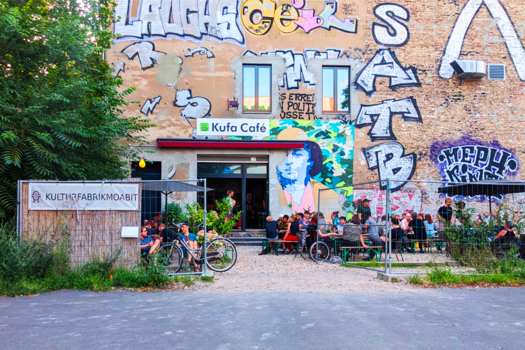
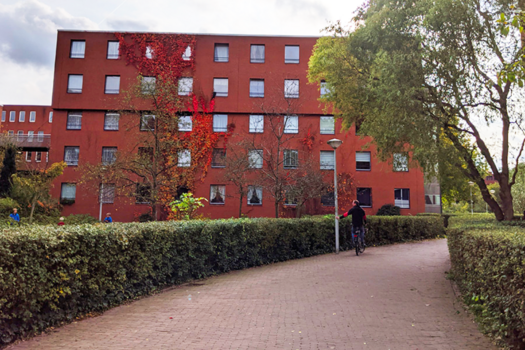
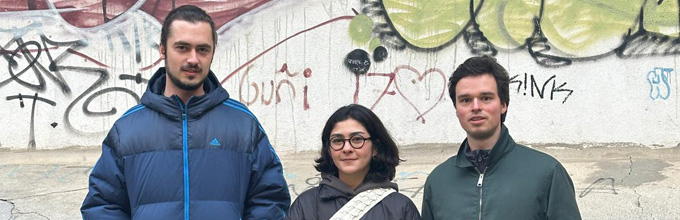
We came together after studying at TU Berlin, driven by a shared curiosity for bottom-up, socially driven approaches to architecture and urban design. This Europan edition, with also focus on re-sourcing of social dynamics, offered a unique opportunity to express our shared vision. With diverse backgrounds in urban planning, research-driven design, and energy consultancy, our complementary skills help connect scales and themes in projects.
6. How could this prize help you in your professional career?
In the transition from studies to practice, we all had doubts about whether our thinking connects to urban reality. Winning the prize gives us confidence to continue pursuing socially and culturally grounded urban approaches. We hope it connects us to like-minded architects, planners, and policymakers, especially across national borders, given Europan’s international nature and exposure.
TEAM IDENTITY
Legal status:
Team name:
Average age of the associates: 29 years old
Has your team, together or separately, already conceived or implemented some projects and/or won any competition? if so, which ones?
Europan 18 is our first collaborative project.
WORKS: