Chroniques d'une Seine vivante
Mantes-la-Jolie (FR) - Mention spéciale
TEAM PORTRAIT
INTERVIEW
Click on the images to enlarge
1. How do you define the main issues of your project in relation with the theme “Re-sourcing”? Re-sourcing thanks to nature, to social dynamics, to new materiality? In which way do you think your project can contribute to an ecological and/or social evolution? And in which way do you think your project can be called a “regenerative project”?
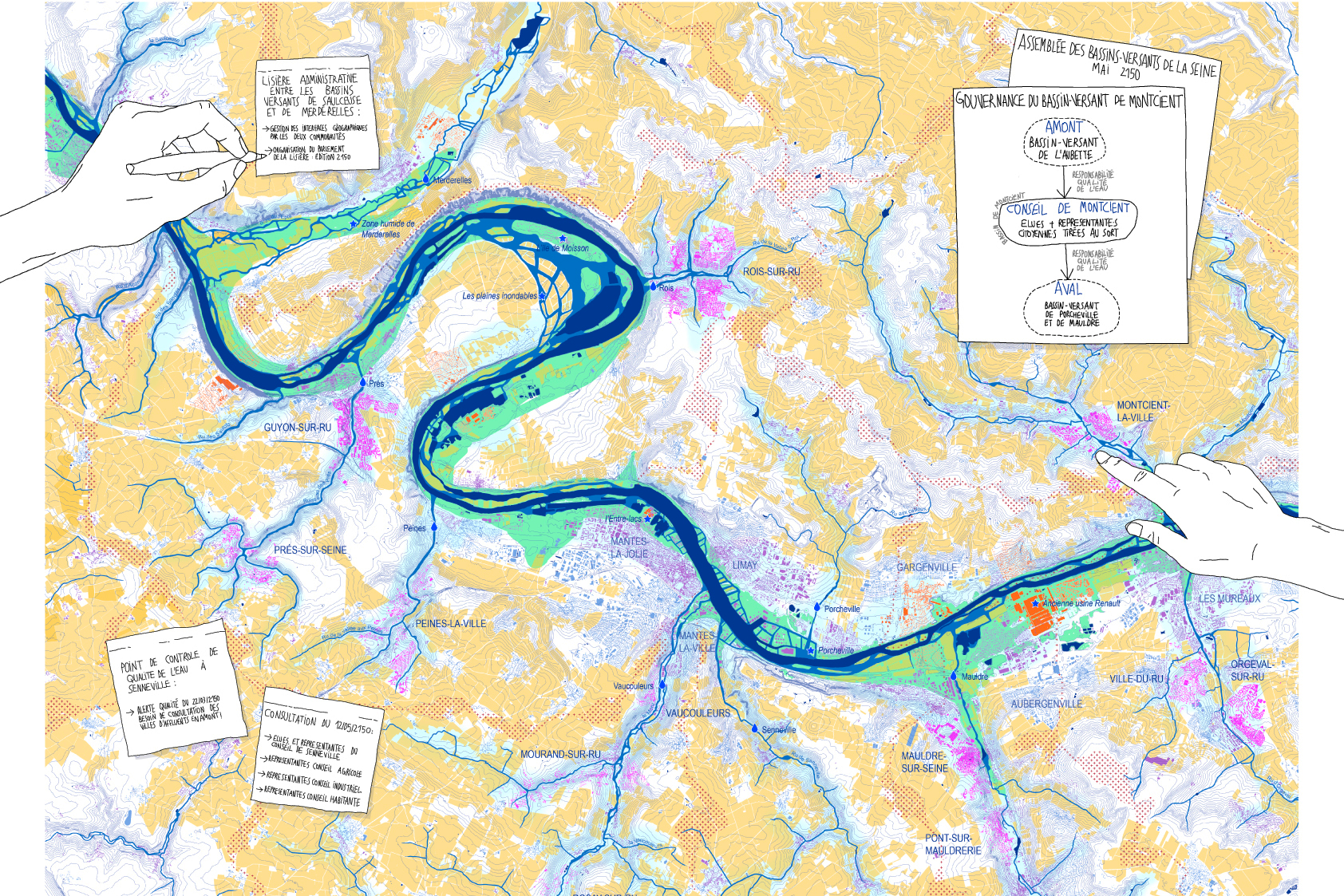
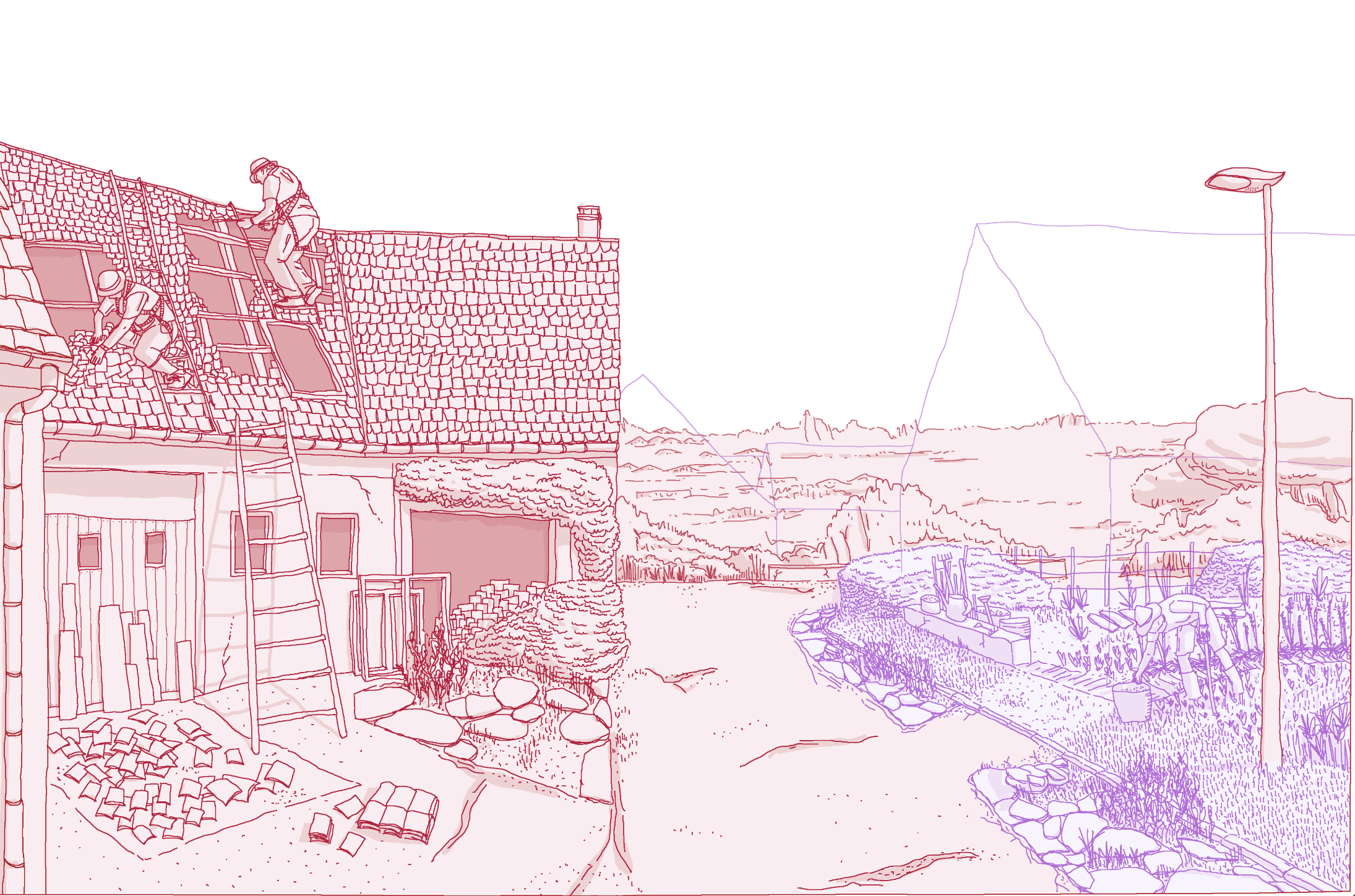
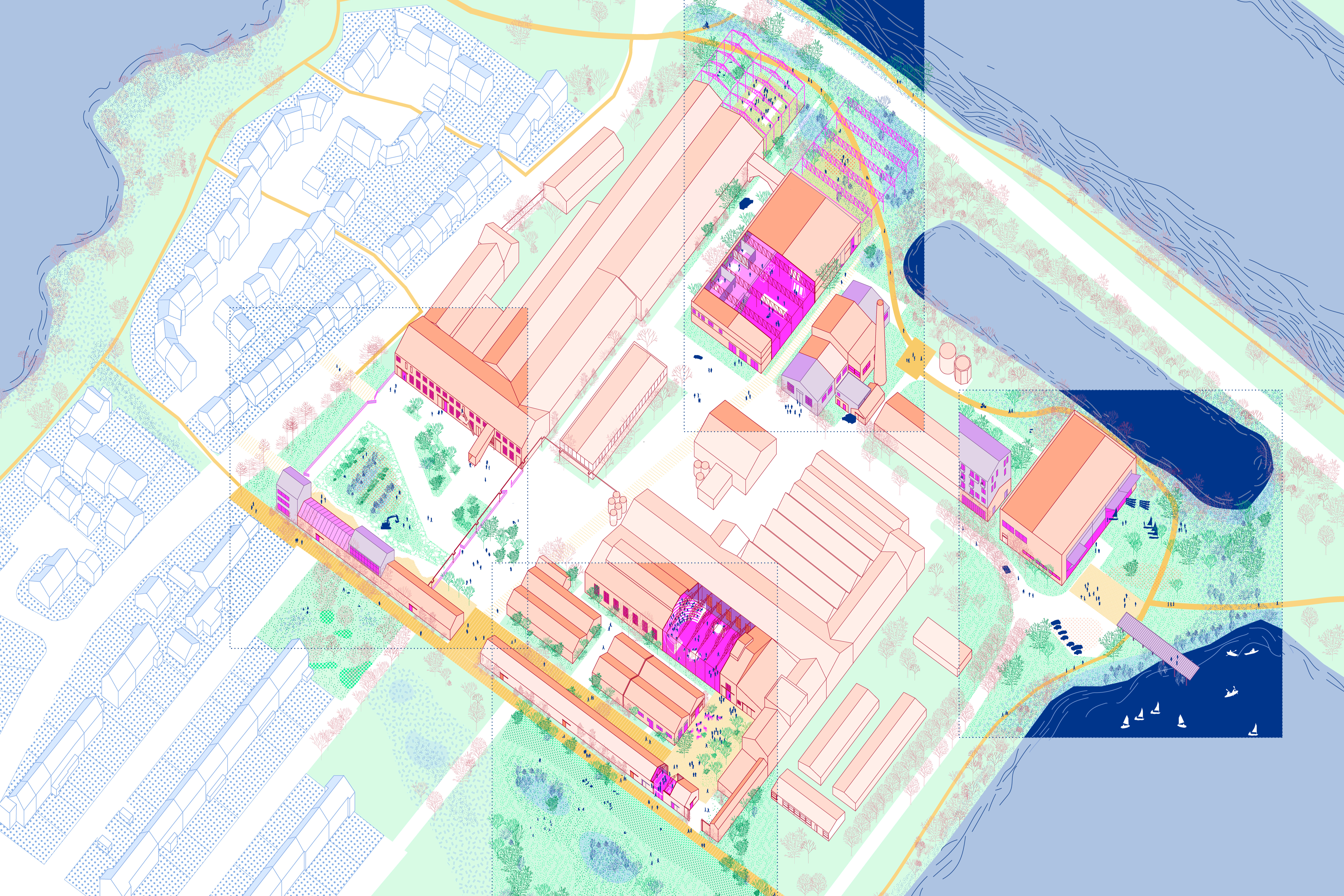
The future unpredictability of water echoes the present uncertainty surrounding the Entre Lacs site. In this place shaped by a productive memory, and located between neighborhoods with strong identities, fiction becomes a tool to imagine a dense, multi-voiced future. Our project relies not on certainties, but on adaptability, enabled by work on temporalities, scales, and dialogue.
2. How did the issues of your design and the questions raised by the site mutation meet?
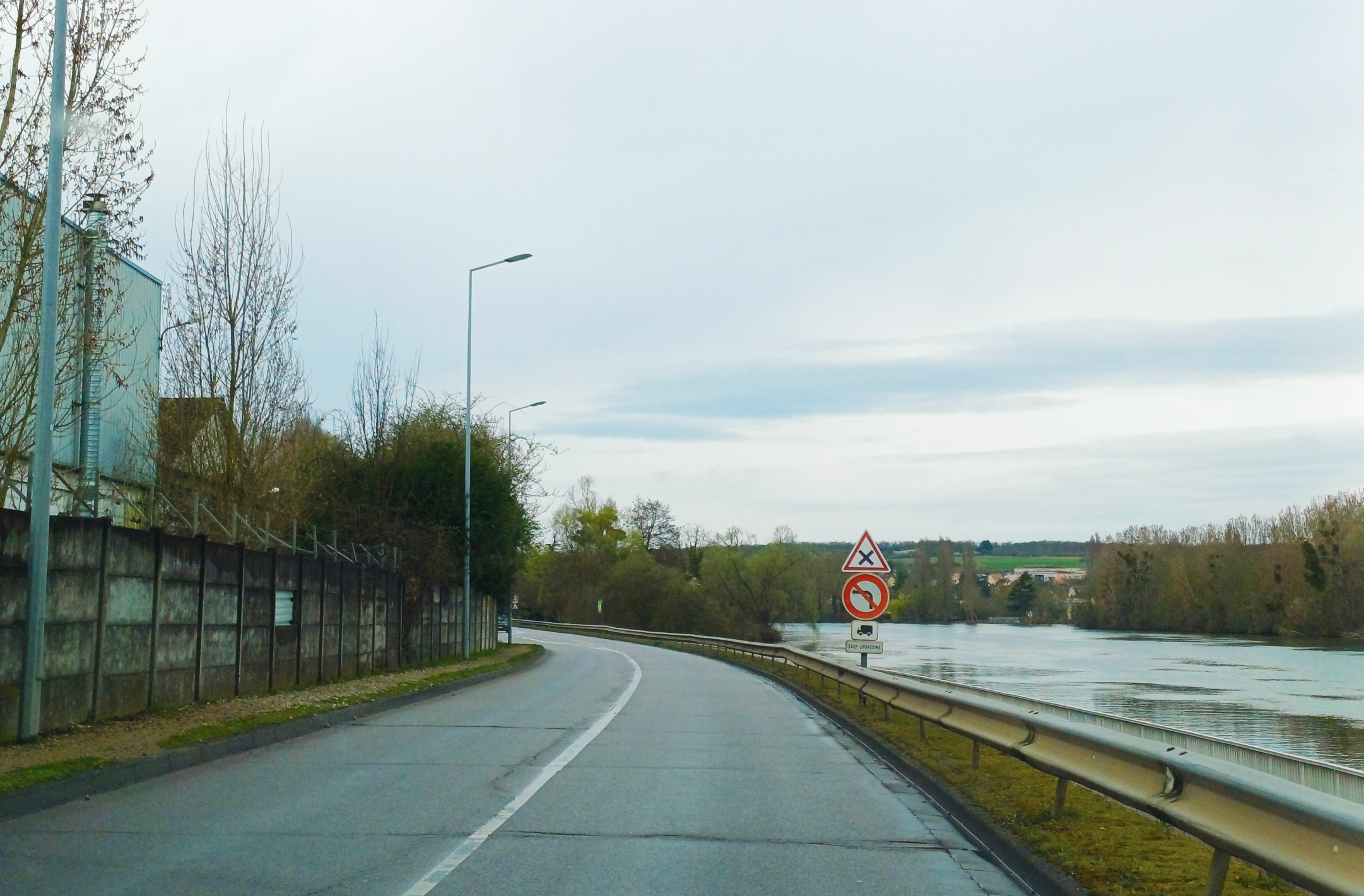
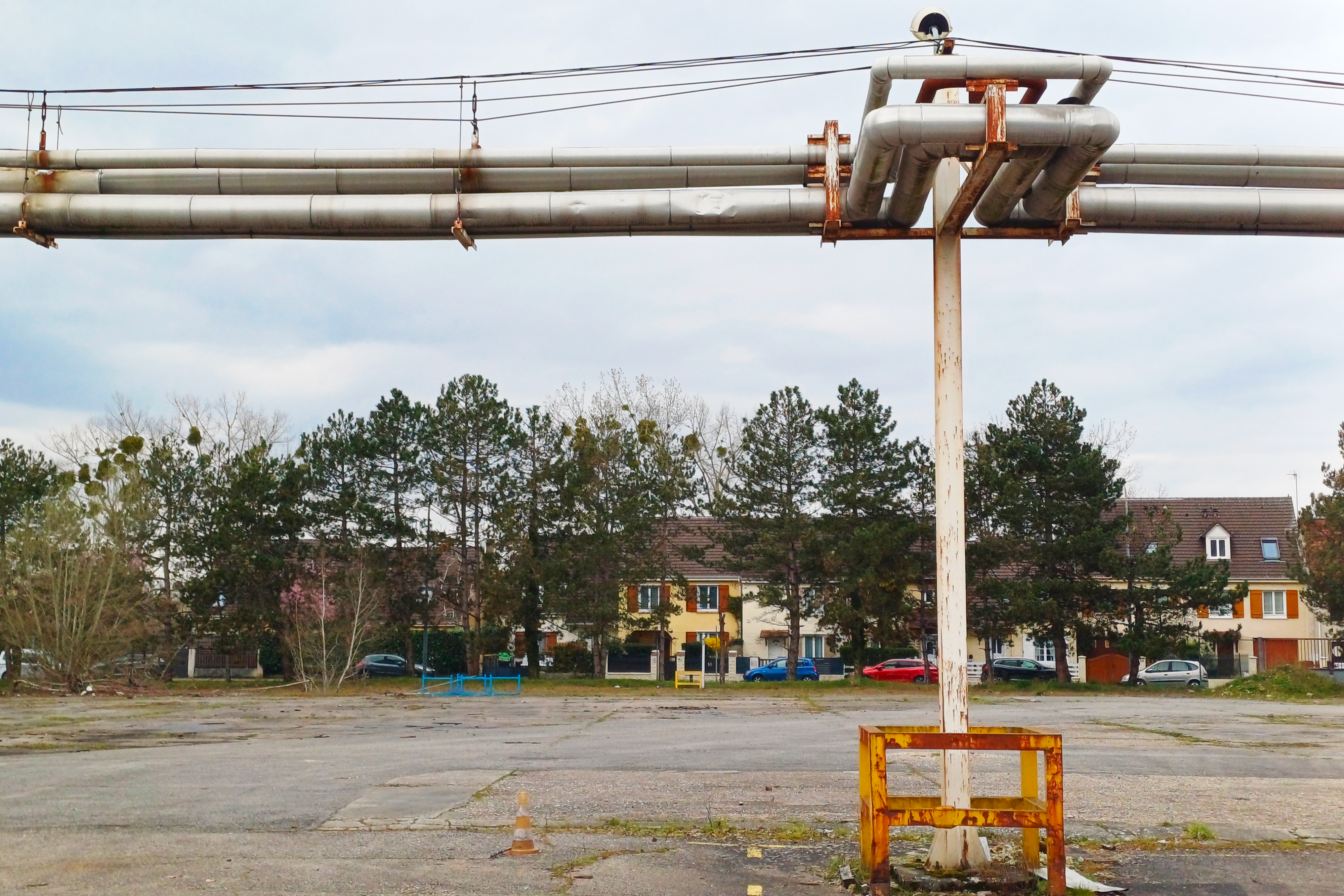
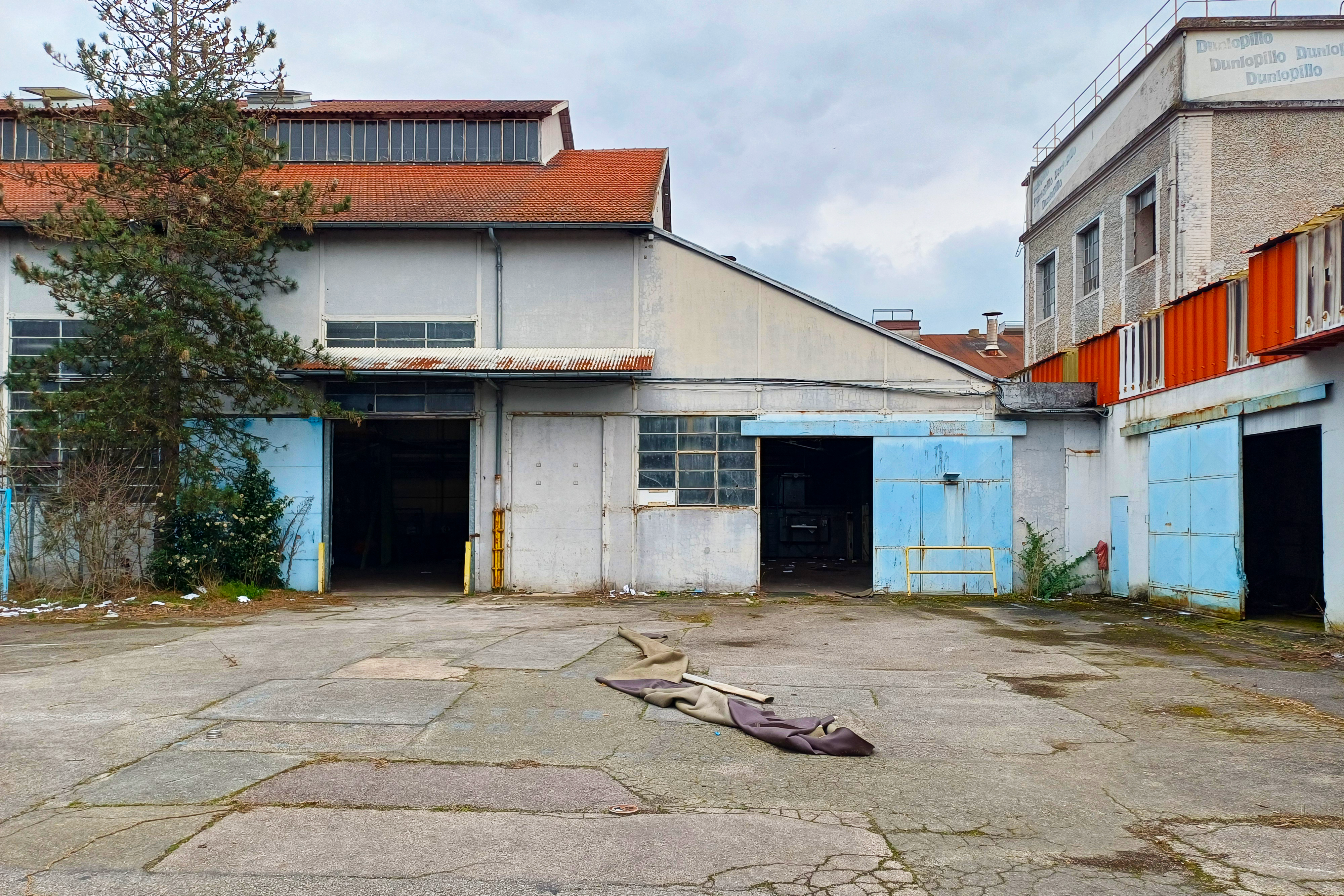
The Entre Lacs site brings together buildings and infrastructures from different times. This composite condition invites us to go on with its story rather than detach from it. Choosing fiction over a fixed urban figure opens up possibilities and deepens our understanding of the site and its context before decisions about demolition or programming are made, within a complex social and climatic era.
PROJECT:
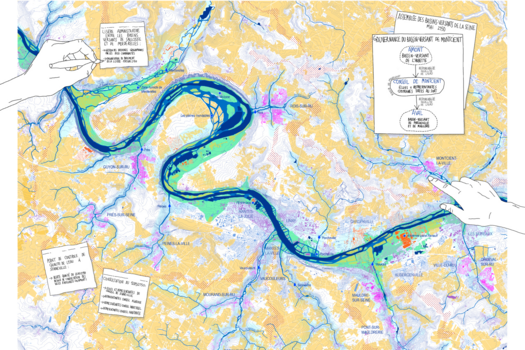
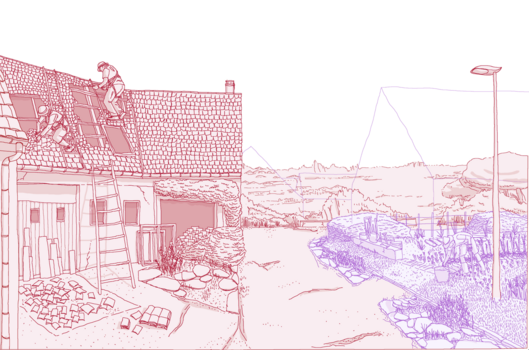
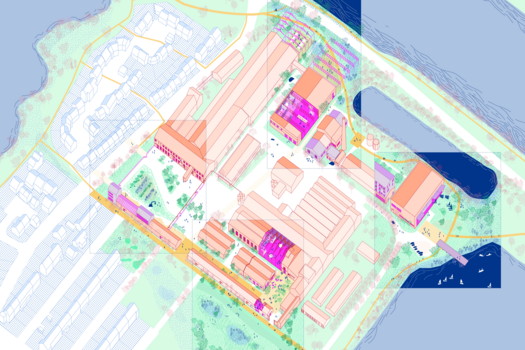
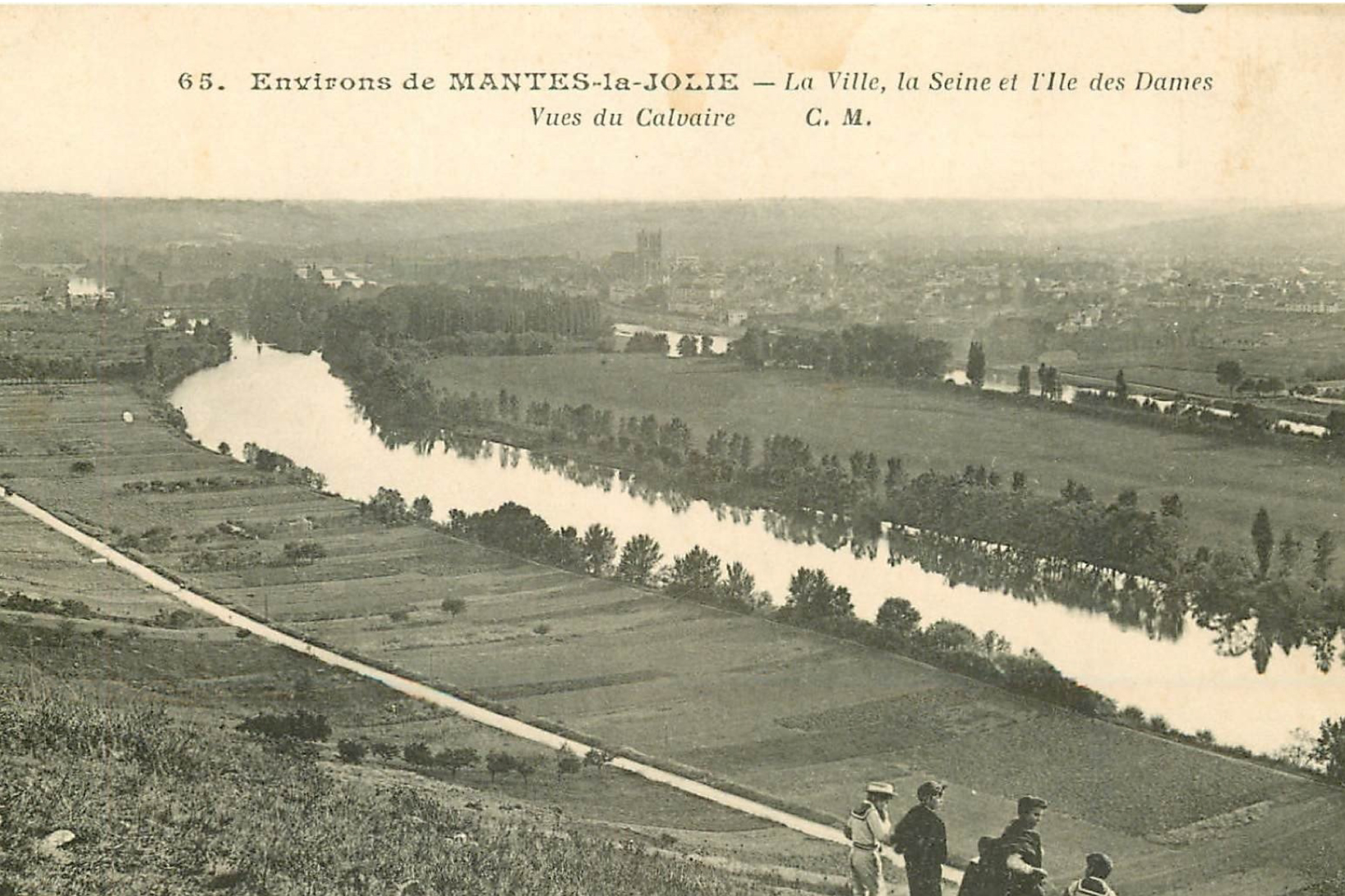
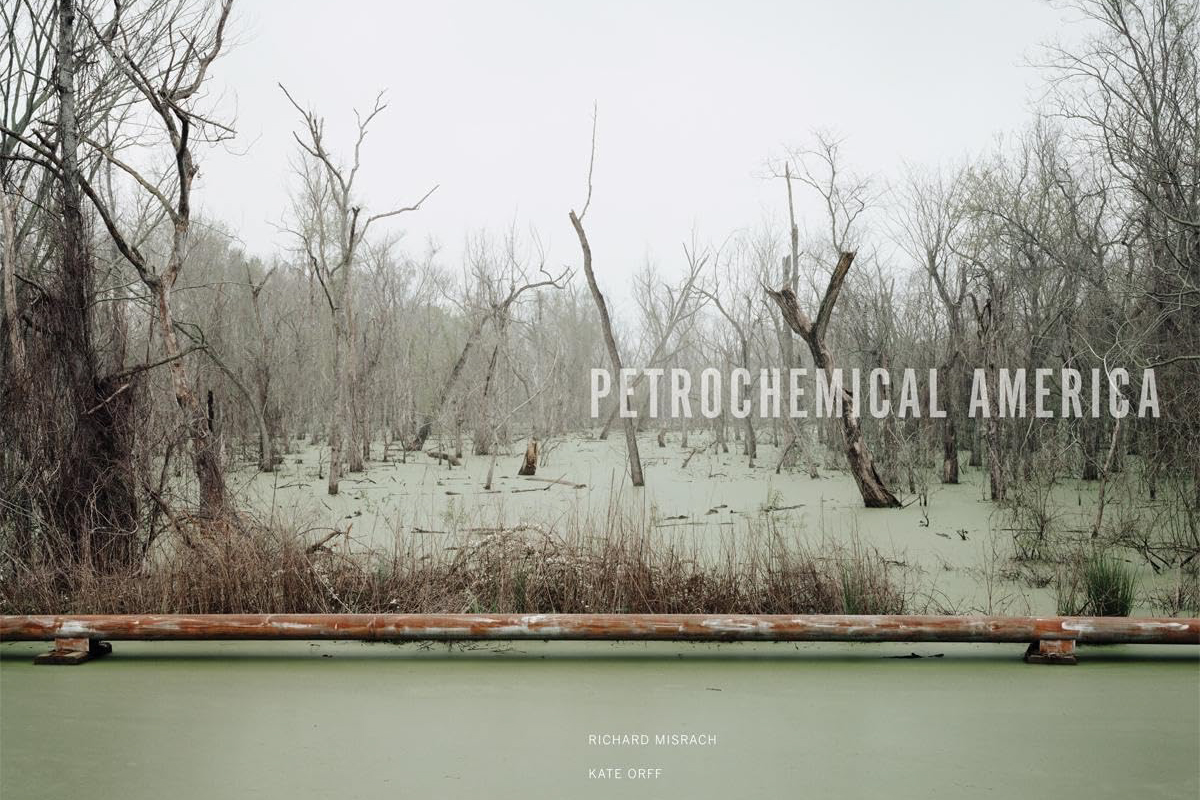
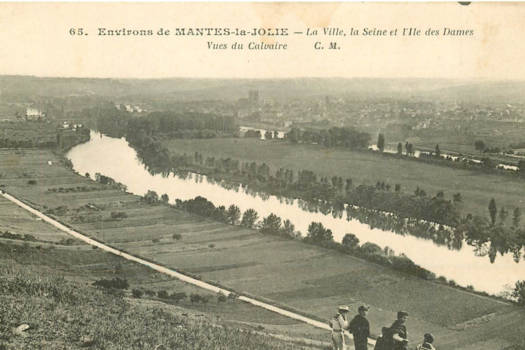
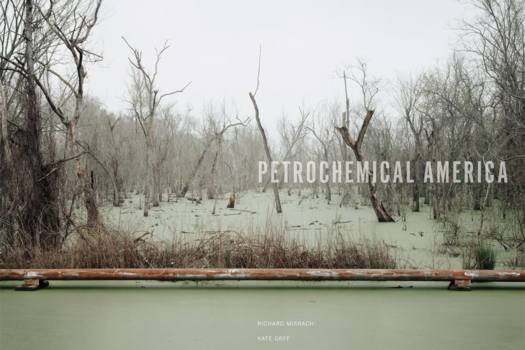
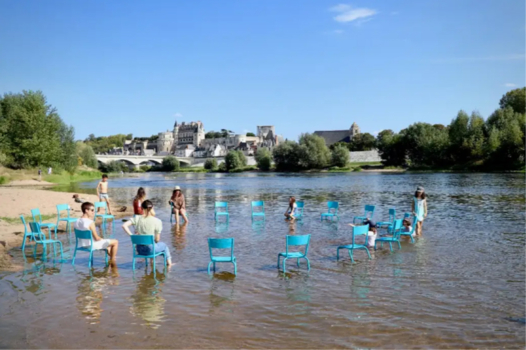
This project allowed us to explore two key interests: developing more inclusive narrative tools—such as fiction and game—to address diverse stakeholders, and examining water-related risks like erosion, rising water levels, and pollution. Our reflections were informed by Petrochemical America, archival imagery documenting the site’s evolution, and The Immaterial Assembly, linked to the Loire Parliament’s work on the legal identity of rivers and non-human entities.
SITE:
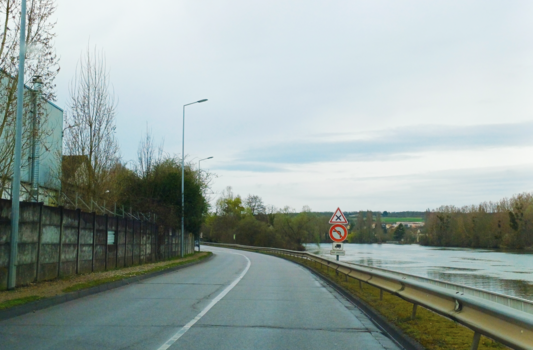
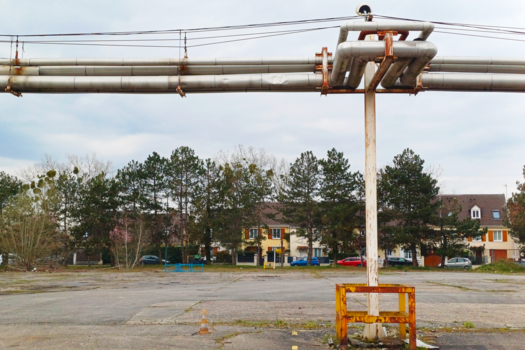
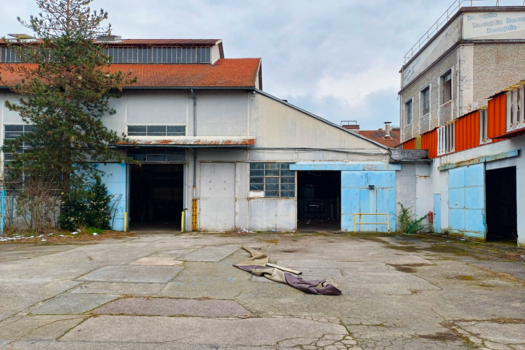
Human and non-human actors are central to the project process. Fiction helps engage stakeholders sometimes distant from planning processes, from elected officials to residents. The board game enables direct and inclusive participation across age groups. Finally, working through three temporalities—tomorrow, when we are old, when we are dead—allows us to address current issues without being confined to immediacy.
REFERENCES:
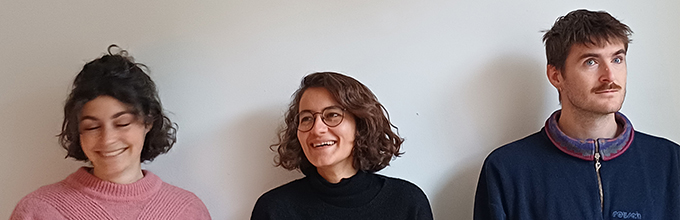
We first met at our architecture school. Today, all three of us work in architecture and urban design practices. Our shared interest in the elasticity of spatial and temporal scales led us to collaborate. We share common concerns through complementary approaches, ranging from sensitive territorial diagnosis to implementation, and from multiple scenarios to a unifying vision.
6. How could this prize help you in your professional career?
This recognition strengthens our desire to work together, to pursue the subjects that drive us, and to deepen them through our shared method.
TEAM IDENTITY
Legal status:
Team name:
Average age of the associates: 30 years old
Has your team, together or separately, already conceived or implemented some projects and/or won any competition? if so, which ones?
We don’t have any team’s project to mention here.