CTRL ALT, FLINT !
Amersfoort-Flint (NL) - Mention spéciale
TEAM PORTRAIT
INTERVIEW
Click on the images to enlarge
1. How do you define the main issues of your project in relation with the theme “Re-sourcing”? Re-sourcing thanks to nature, to social dynamics, to new materiality? In which way do you think your project can contribute to an ecological and/or social evolution? And in which way do you think your project can be called a “regenerative project”?
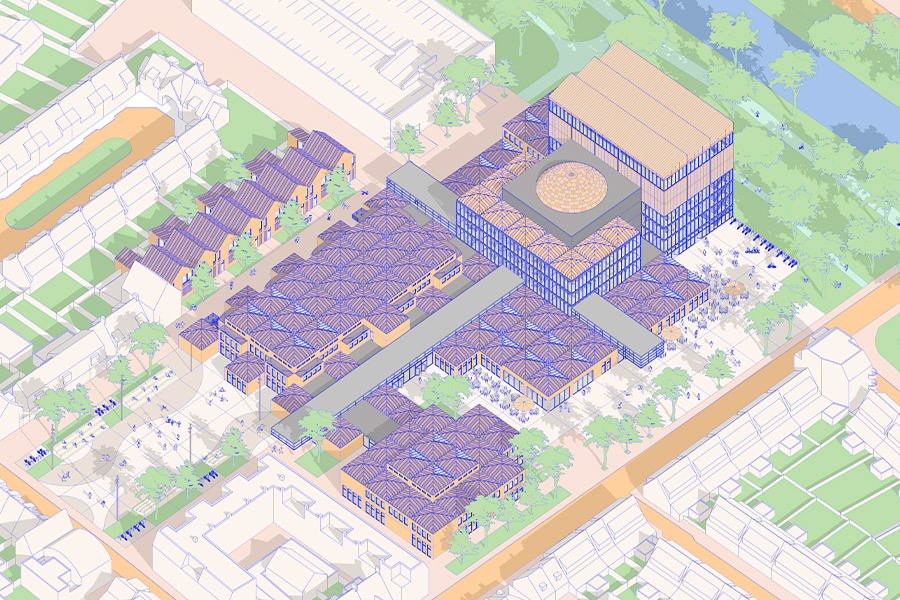
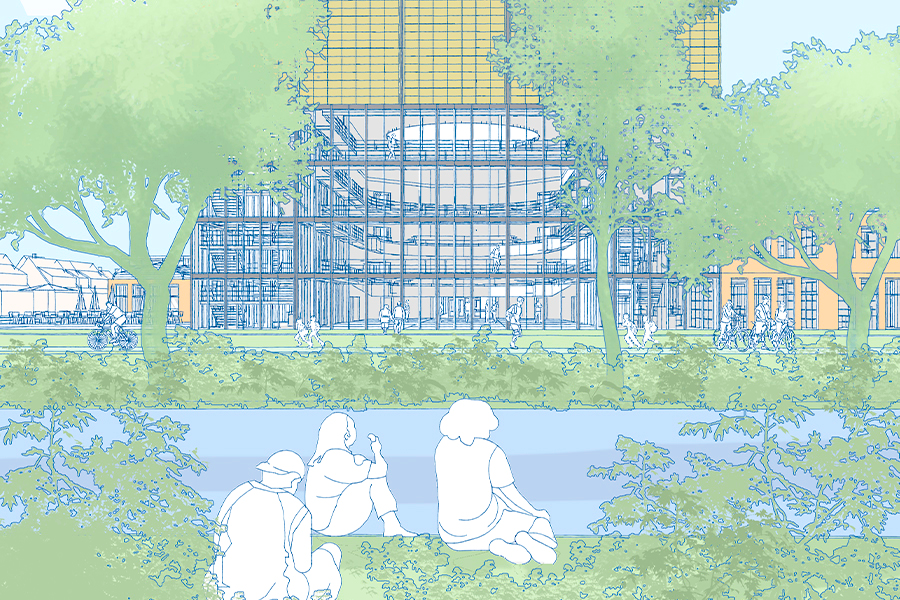
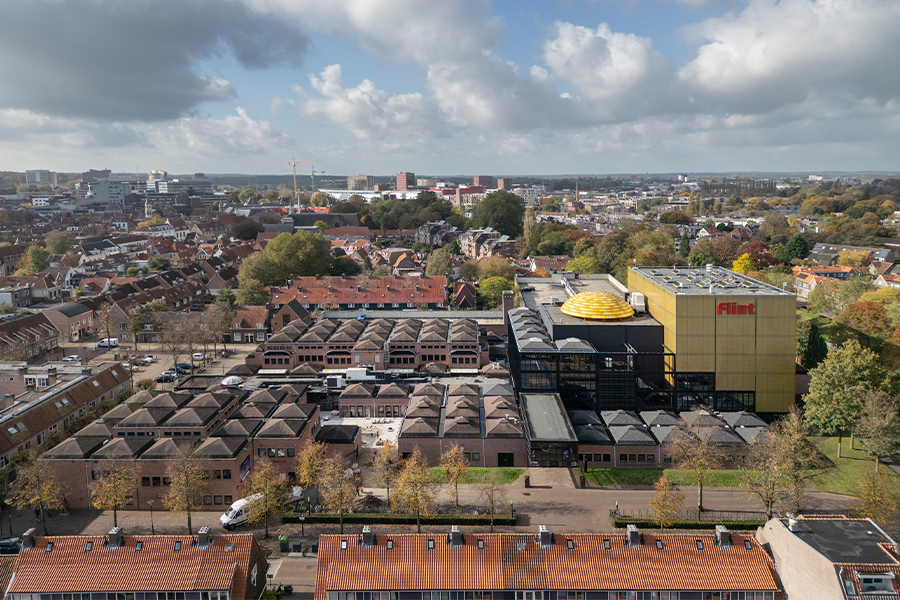
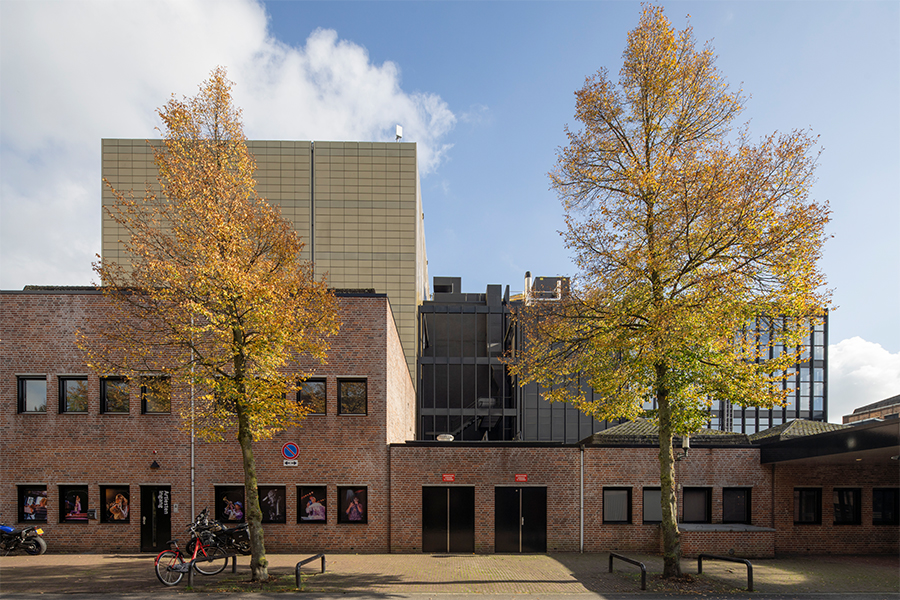
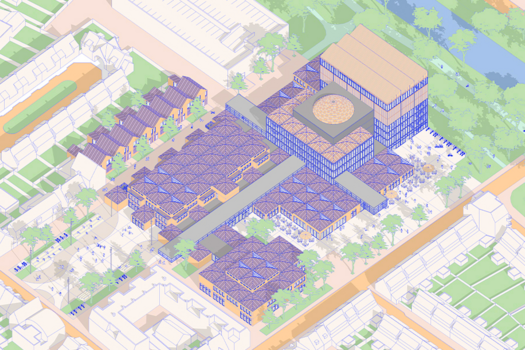
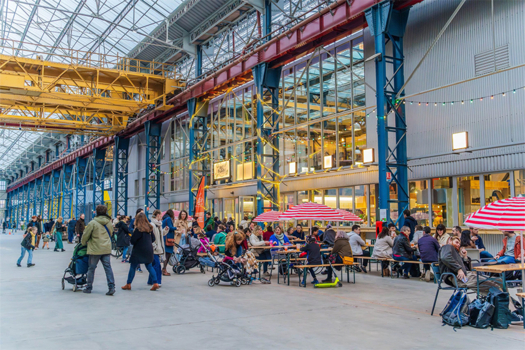
The project reactivates existing resources within an urbanly introverted Flint: structure, materials, social dynamics, and the connection to the landscape. The proposal transforms the former theatre into an open stage, aiming to reconnect the programs with their environment, fostering new uses, cultural and social dynamics.
2. How did the issues of your design and the questions raised by the site mutation meet?
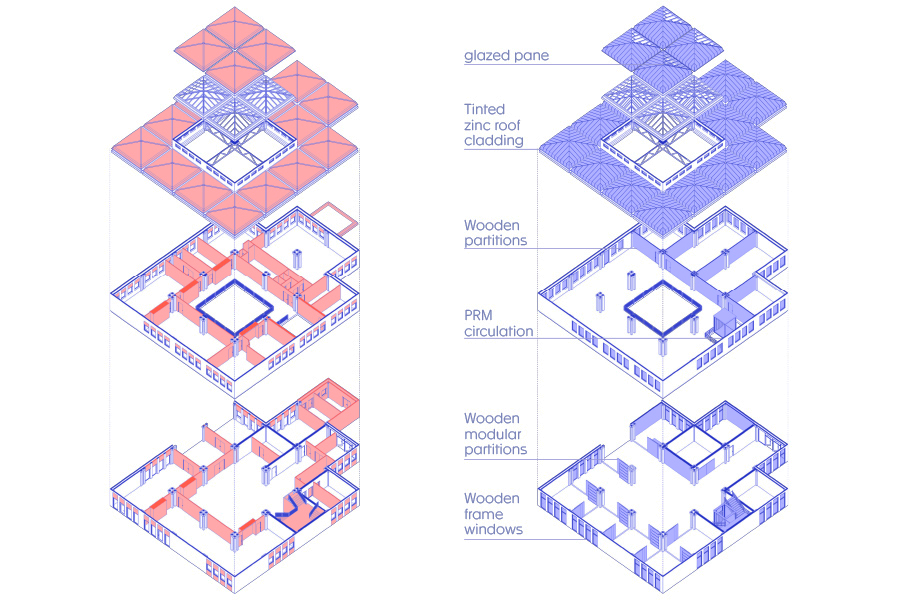
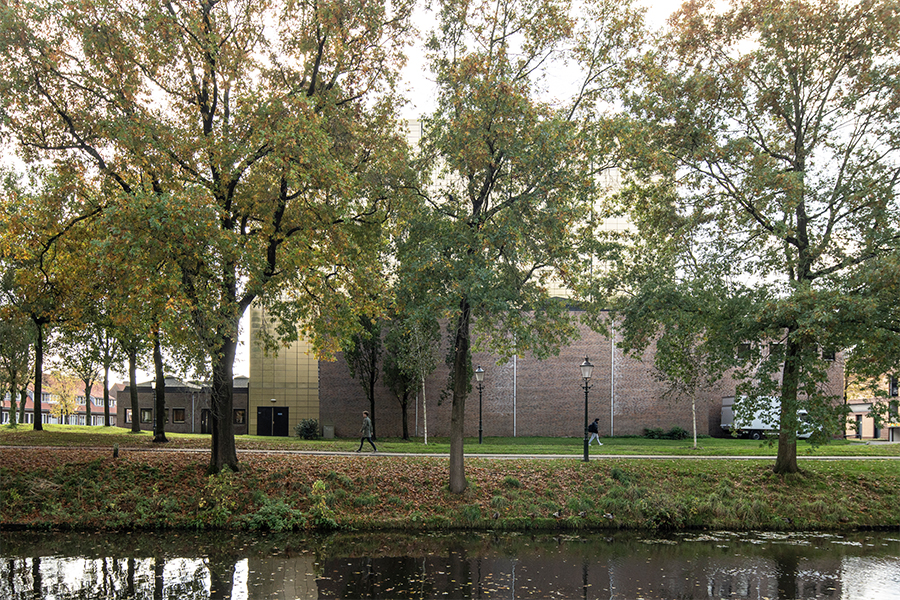
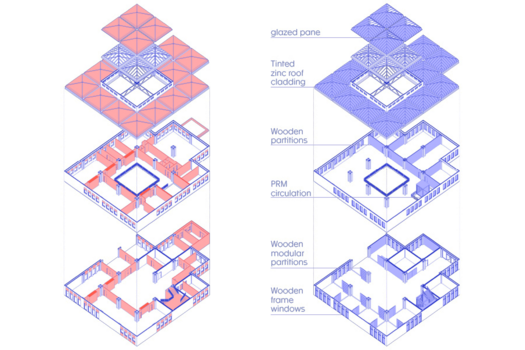
The site's challenges guided a fair and measured rehabilitation, respecting Flint's identity while opening it up to the green belt and new connections. The original framework is revealed, pathways and spaces are clarified, and facades are reinterpreted without being distorted. In this way, conception and transformation unite in coherent continuity.
PROJECT:
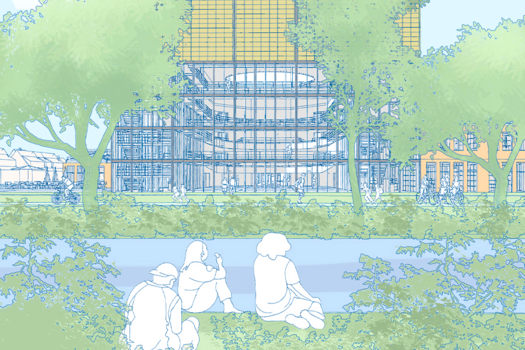
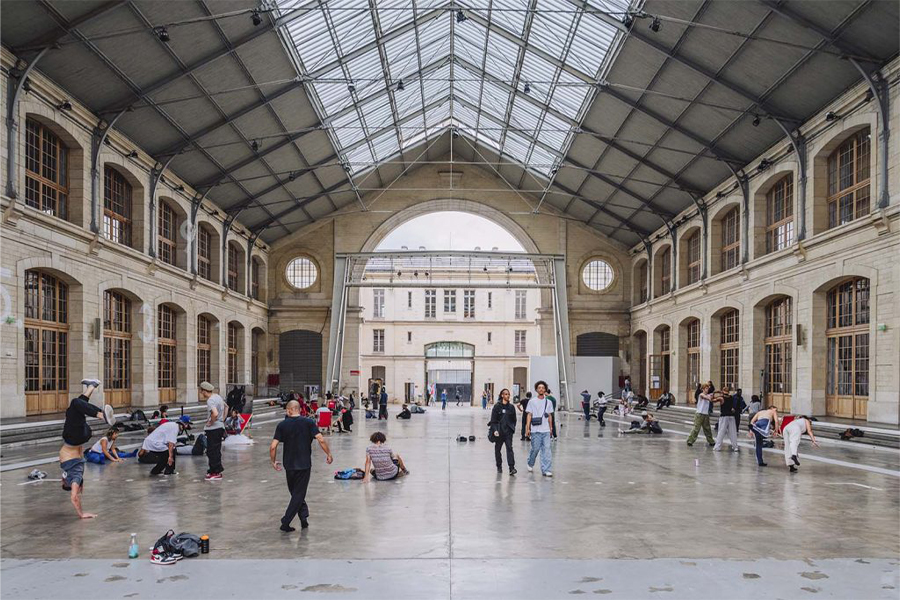
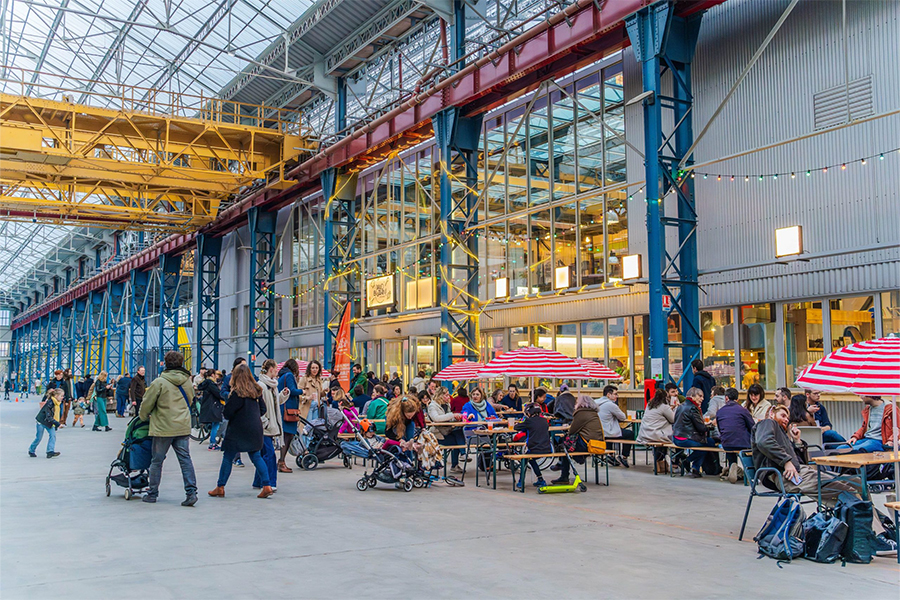
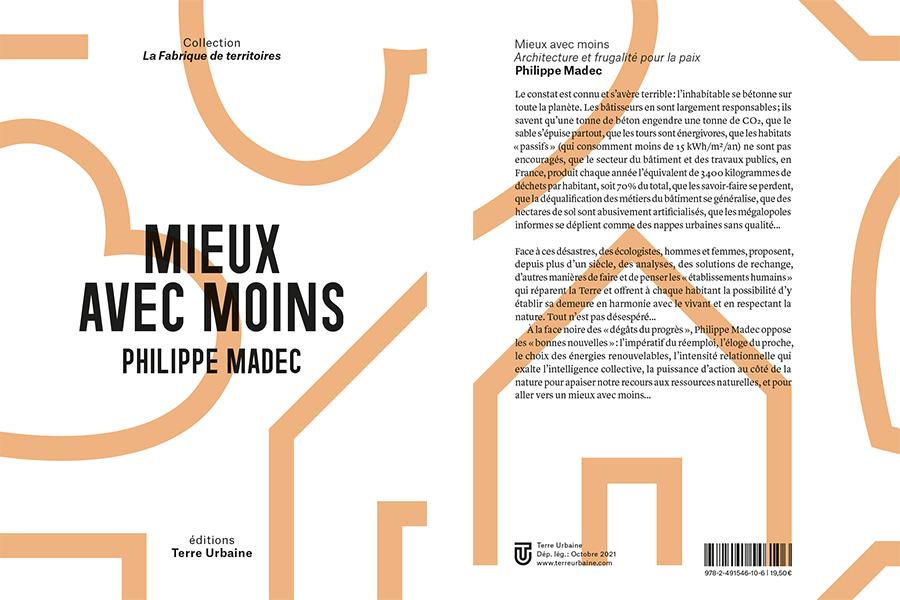
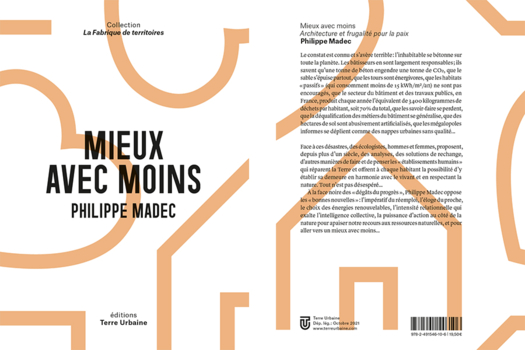
We have already addressed similar challenges in study projects and competitions. Regarding shared governance and programming, we drew inspiration from the “Halle Centquatre” in Paris by Atelier Novembre, as well as “Fives Cail Babcock” in Lille, directed by the AUC. For the interventionist approach and the respect due to the existing, we were inspired by the writings of Philippe Madec.
SITE:

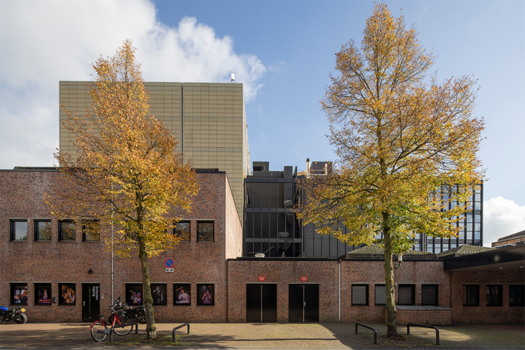
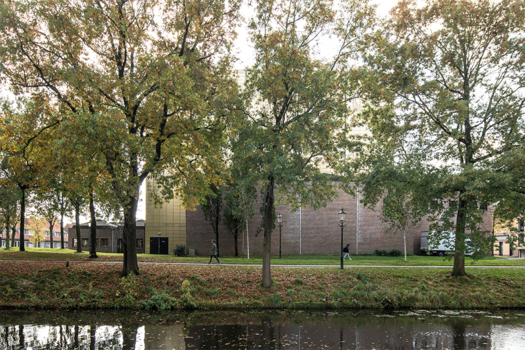
The project is designed to be achievable in dialogue with the city and various stakeholders. The intervention, intentionally fair and measured, allows for progressive phasing, guaranteeing continuity of activity and the possibility of making adjustments at each stage. Certain lucrative programs ensure financial input, making the transformation realistic, shared, and sustainable.
REFERENCES:
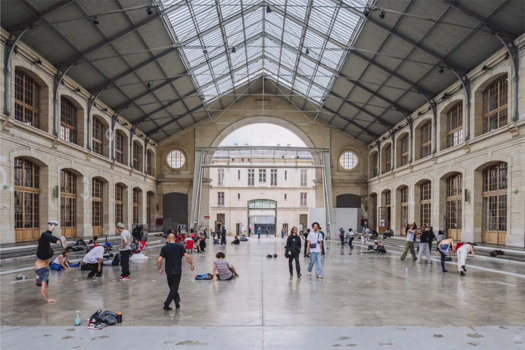
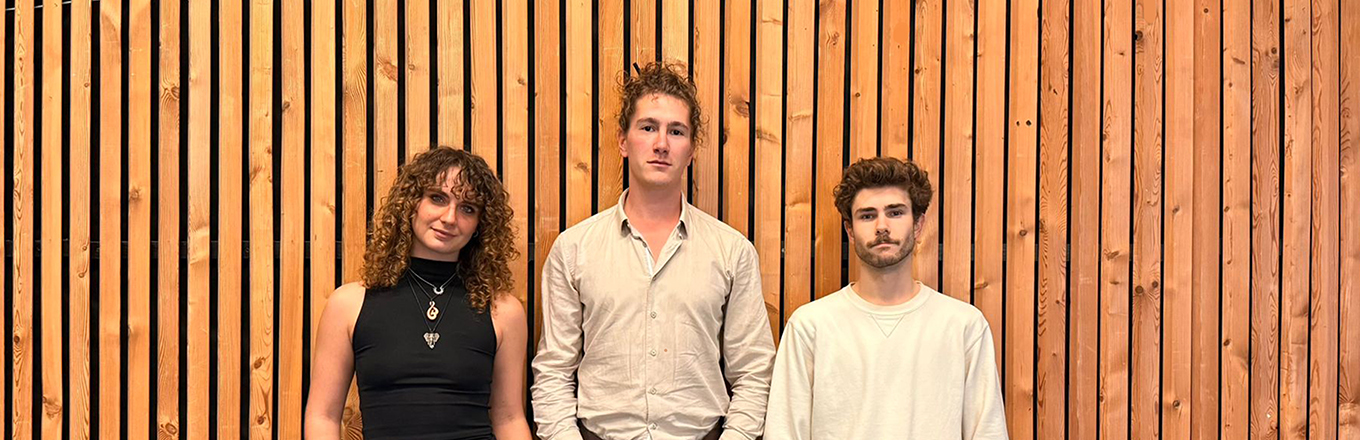
We met at architecture school, where we shared common values and skills in rehabilitation, sensitivity, and reuse. Europan offered us the opportunity to work together and confront our visions on a project that presents concrete challenges.
6. How could this prize help you in your professional career?
This award is an opportunity that strengthens our credibility in the fields of urban transformation, rehabilitation, and cultural programs. Europan is a platform for realizing ambitious ideas with a committed city, and for asserting a practice dedicated to the existing, its identity, reuse, and the involvement of stakeholders in the design process.
TEAM IDENTITY
Legal status:
Team name:
Average age of the associates: 25 years old