Cultivating the Commons
Madrid (ES) - Mentionné
TEAM PORTRAIT
VIDEO (by the team)
INTERVIEW
Click on the images to enlarge
1. How do you define the main issues of your project in relation with the theme “Re-sourcing”? Re-sourcing thanks to nature, to social dynamics, to new materiality? In which way do you think your project can contribute to an ecological and/or social evolution? And in which way do you think your project can be called a “regenerative project”?
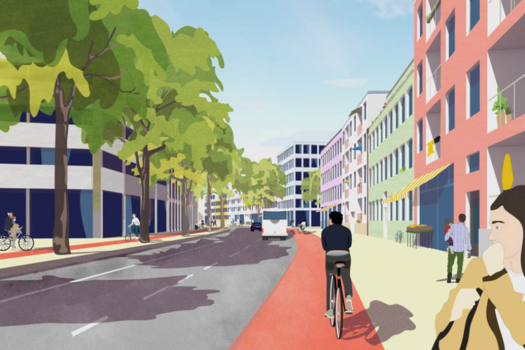
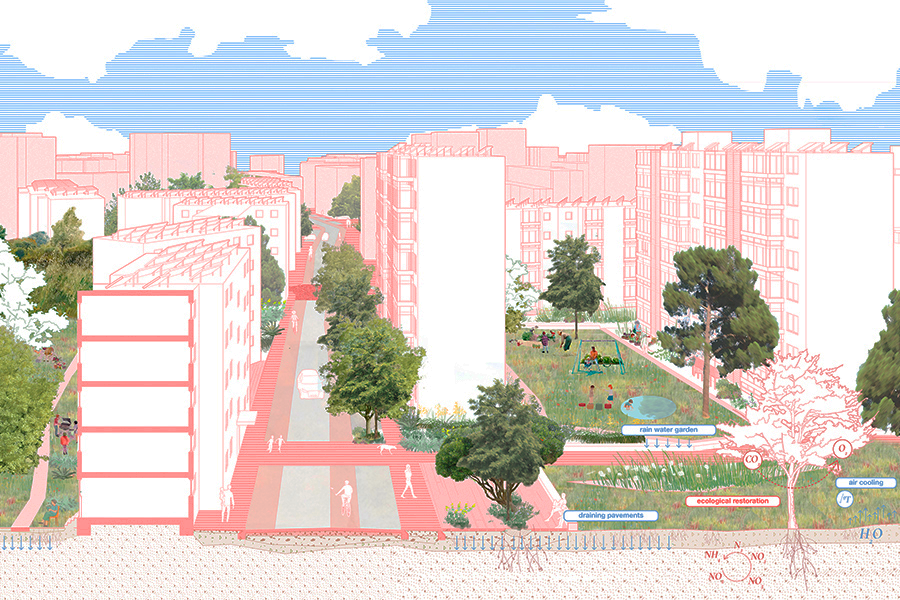
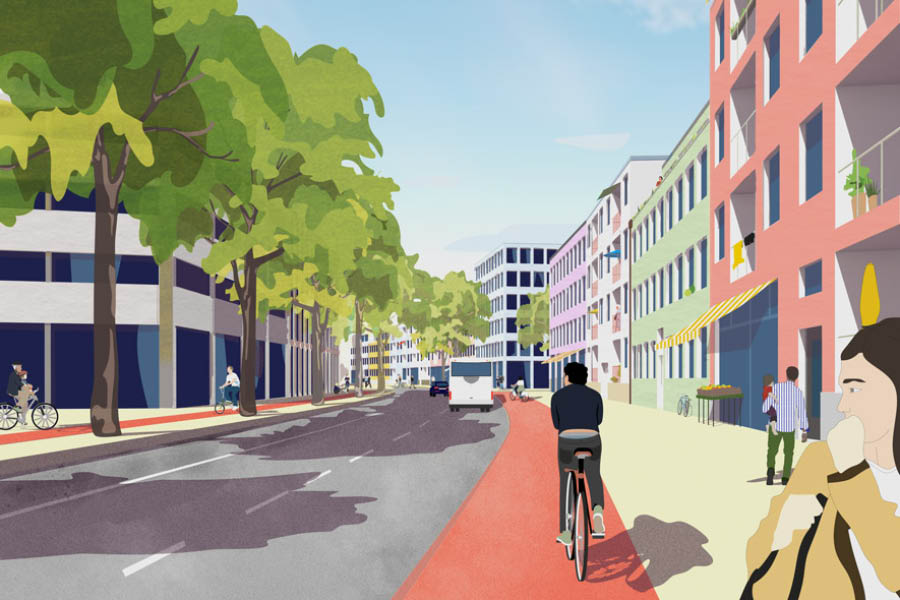
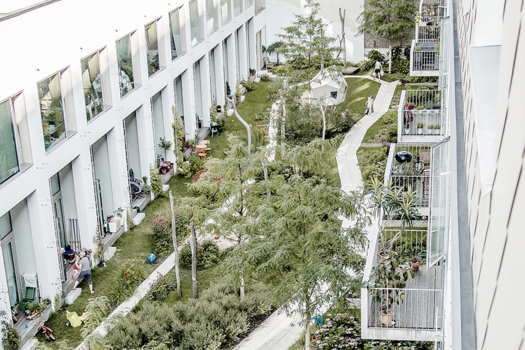
Cultivating the Commons, means to give a new attention to what and who is already there. Existing places obtain new meaning by getting connected to each other. Long-time inhabitants gain new agency, by establishing new organisational forms. The care routines for open spaces are adapted to welcome new non-human inhabitants adapted to the local climate. Putting the agency in the hands of the neighbours themselves allows for locally grounded and sustainable transformations, if these meet with visionary and trustful public authorities, setting the right support and incentive structures. In this way Cultivating the Commons can establish a new way of ‘making city’.
2. How did the issues of your design and the questions raised by the site mutation meet?
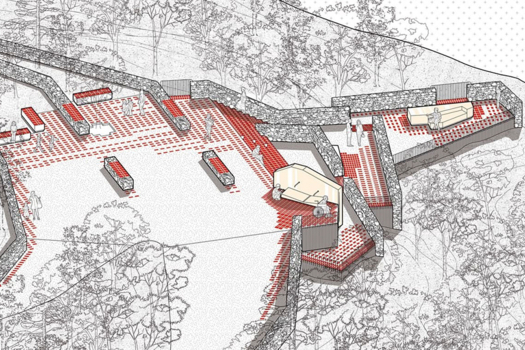
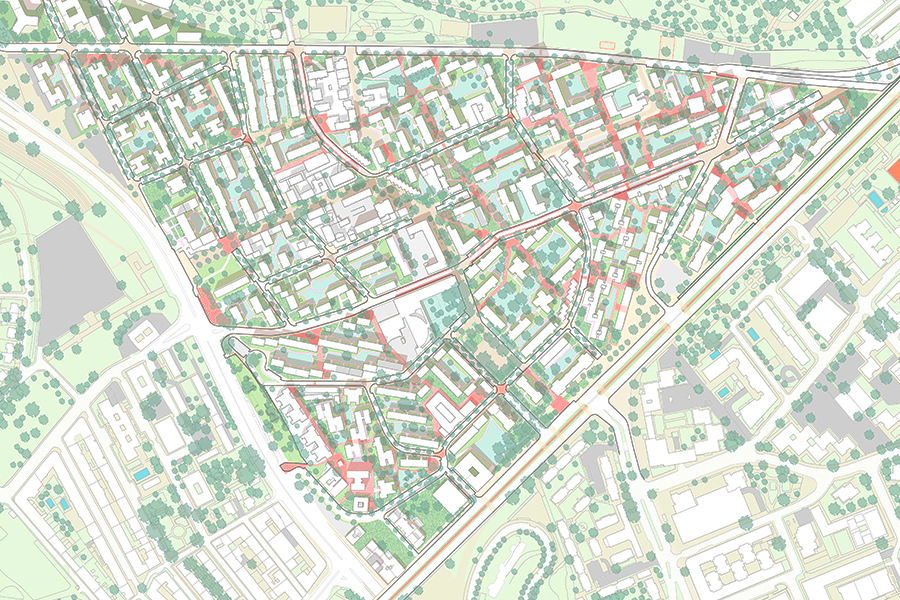
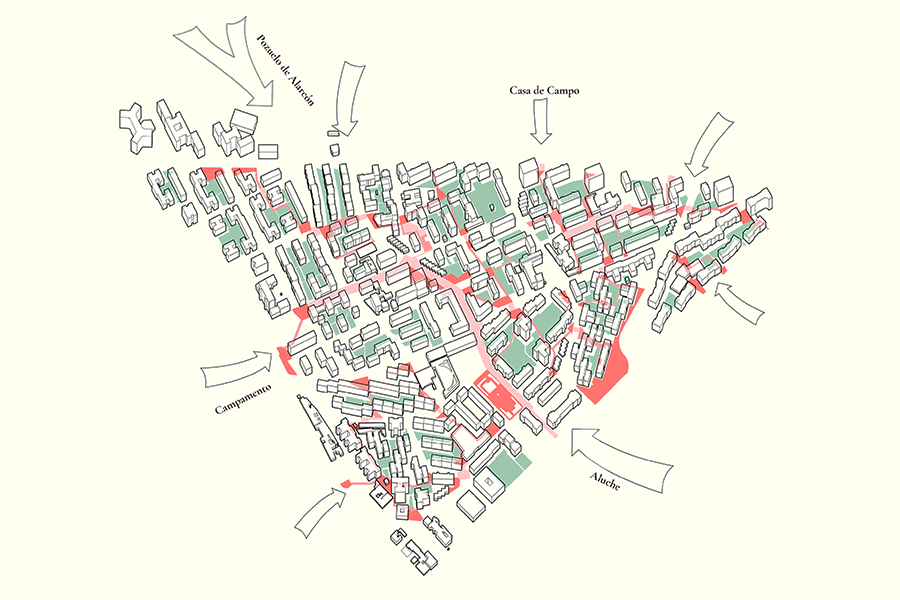
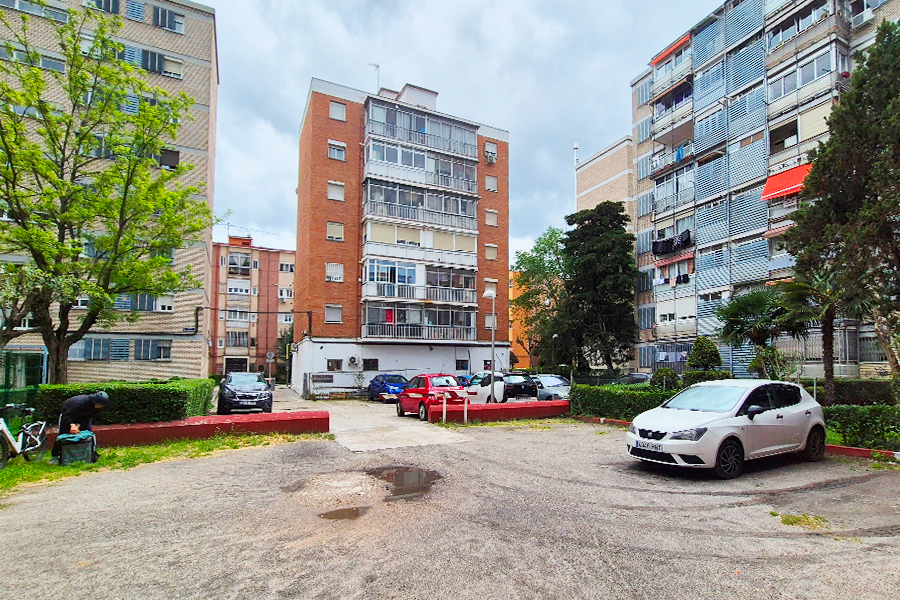
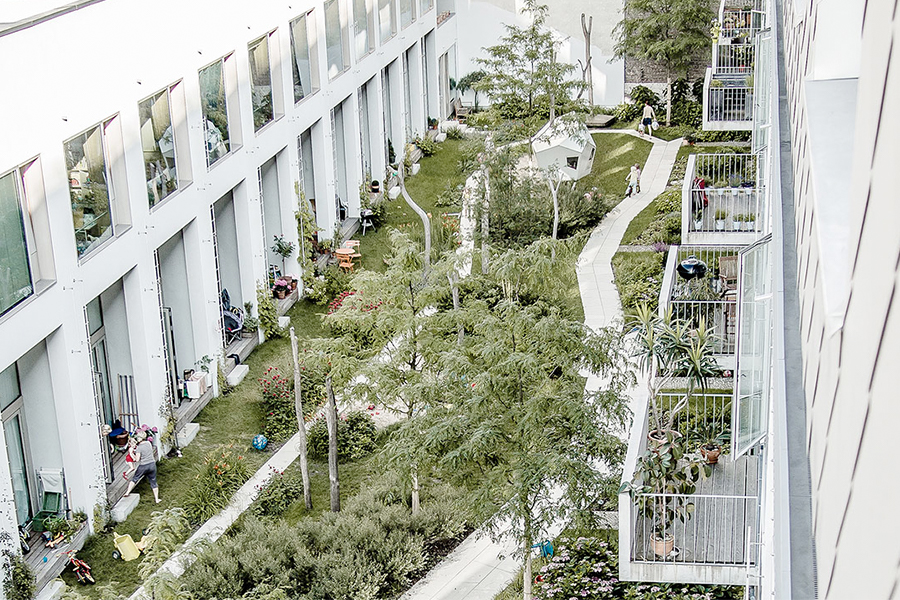
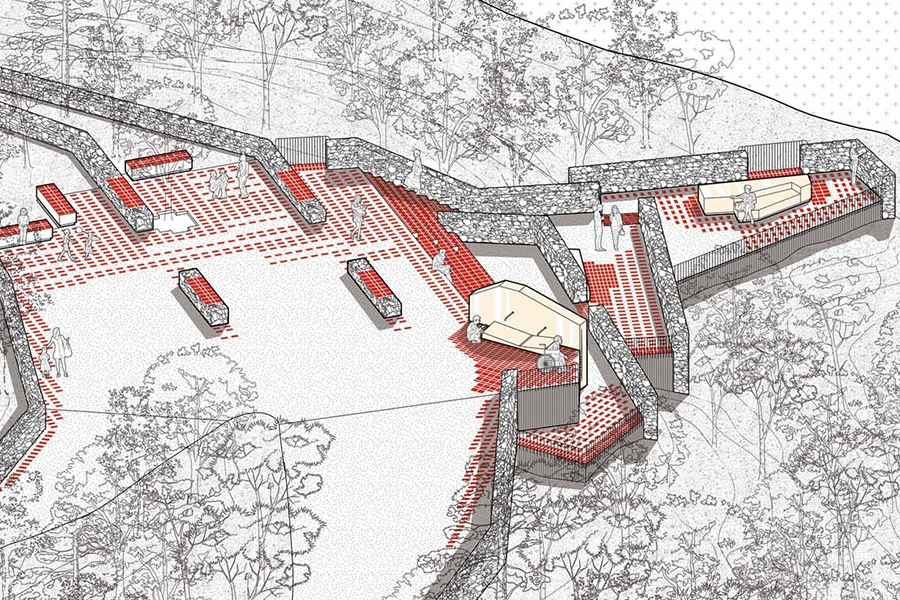
Central in approaching the Colonia Casa de Campo was the question, how a strategic approach, which starts with the open spaces, lead to a further transformation that might extend into the built environment, the energy supply and more. Thus a central point of discussion was the format in which to organize and empower the inhabitants, eventually leading us to the transformed corrala - a traditional typology of Madrid, that fosters neighbourly connections.
PROJECT:
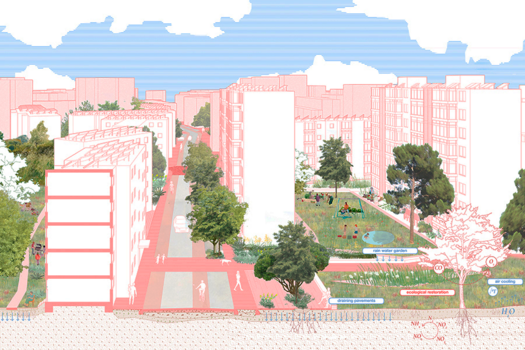
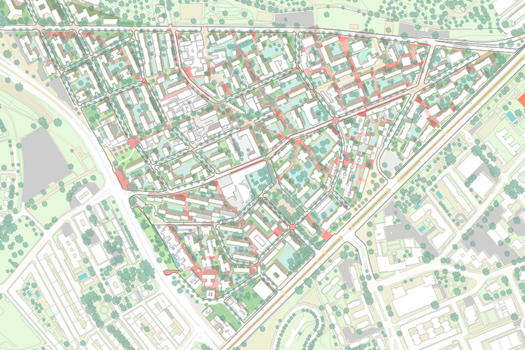
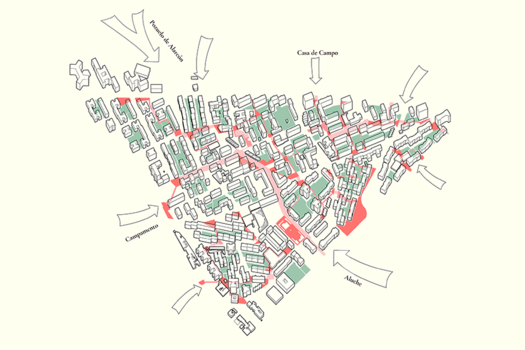
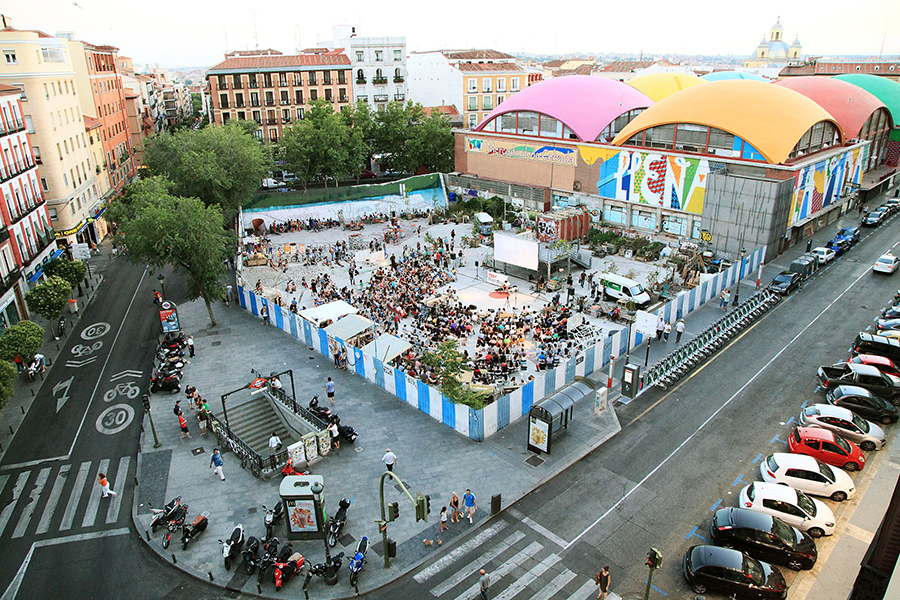
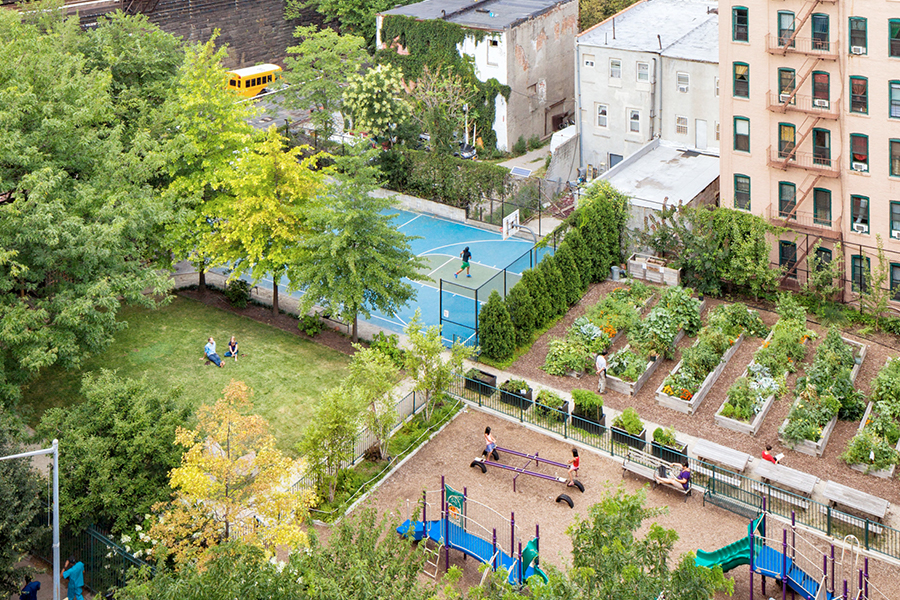
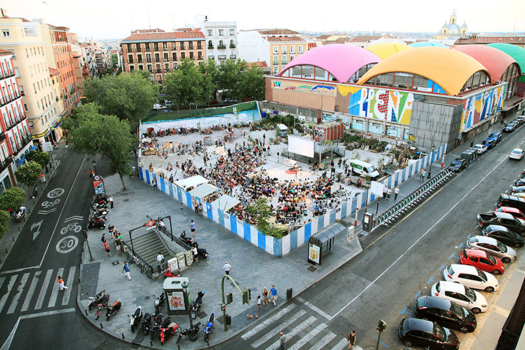
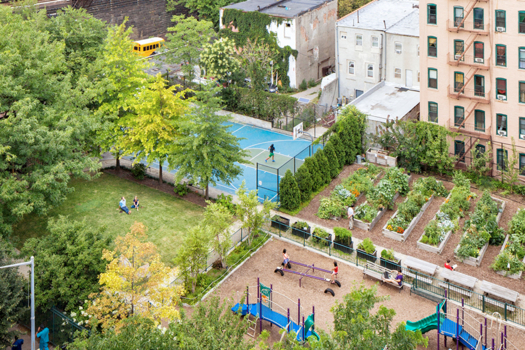
Central in approaching the Colonia Casa de Campo was the question, how a strategic approach, which starts with the open spaces, lead to a further transformation that might extend into the built environment, the energy supply and more. Thus, a central point of discussion was the format in which to organize and empower the inhabitants, eventually leading us to the transformed corrala – a traditional typology of Madrid, that fosters neighbourly connections. Thinking strategically working on community-led designs has been present in our previous works as collectives in previous Europan proposals but also in small-scale interventions that implied citizens participation. Projects such as Campo de Cebada in Madrid, the platform Urban Rights by Zuloark or 103rd Street Community Garden by SCAPE were inspiring initiatives for thinking of bottom-up regeneration processes.
SITE:
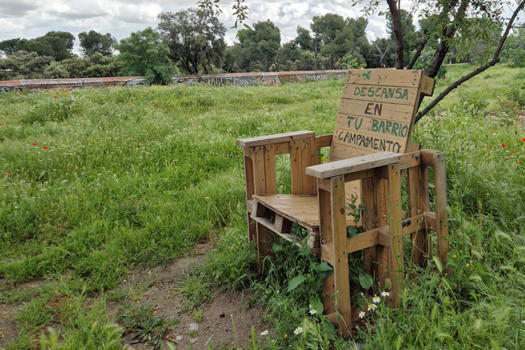
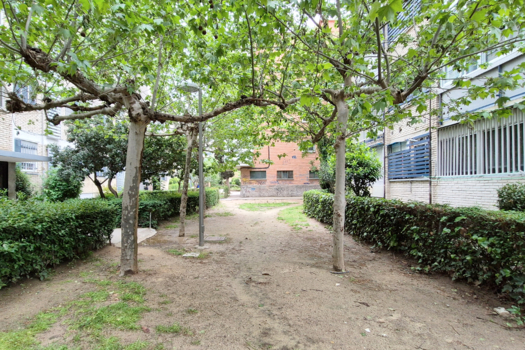
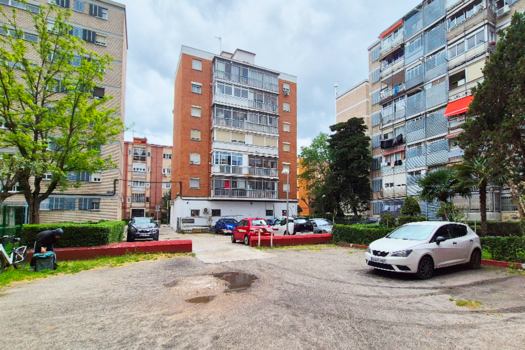
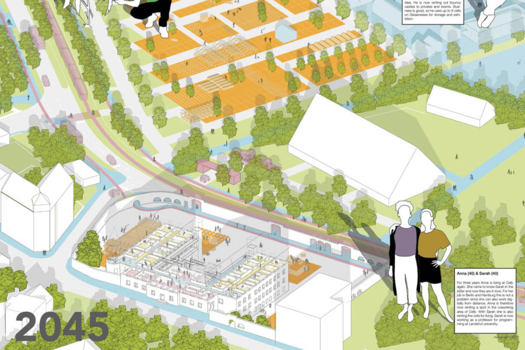
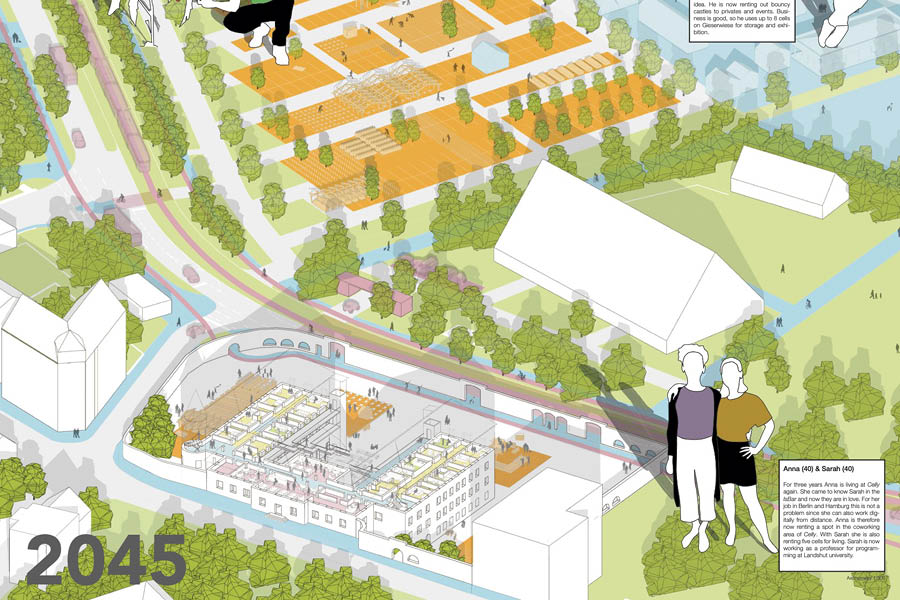
Participation and iterative co-creation stand in the centre of our design. In a nutshell, the process set-up is designed as follows: 1: the public authorities create incentives for sustainable development goals. 2: neighbours organise in corrala communities to give first feedback to public interventions in the neighbourhood. 3: the public authorities implement/renovate a backbone of public infrastructures (pedestrian network, parking, social institutions etc.) 4: the corrala communities develop their own corralas depending on their personal needs, but with public support.
REFERENCES:
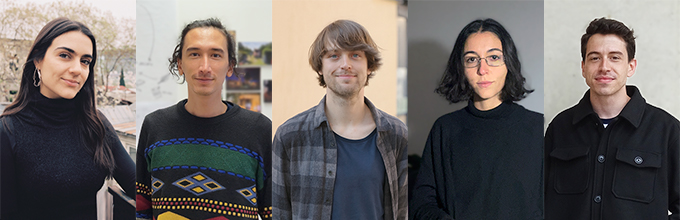
Nami, based in Spain, and Jonas, in Germany, met during their studies at TU Delft and had long wanted to enter a competition together. EUROPAN Madrid aligned strongly with the topics we explore in our studies and practice, so we teamed up with friends and colleagues Matti, Eduardo and Mar, combining research, architecture and urban design skills to bring complementary perspectives both to the creative process and the critical thinking behind the proposal.
6. How could this prize help you in your professional career?
Definitely!
TEAM IDENTITY
Legal status: Private partnership
Team name: CLAB collective
Average age of the associates: 30.8 years old
Has your team, together or separately, already conceived or implemented some projects and/or won any competition? if so, which ones?
alltägliche Räume has amongst others participated in the two last EUROPANs:
- EUROPAN 16: See you at Celly: Matti Drechsel, Maria Frölich-Kulik, Atidh Jonas Langbein with Pia Müller, Gianna Neumann und Malte Schrader
- EUROPAN 17: Inge: Matti Drechsel, Maria Frölich-Kulik, Atidh Jonas Langbein
CLAB has participated amongst others:
- CRU VII: “Llegar es revelar” 1st Mention
- Playstreet Competition Valencia: PA-TRA-IX!!!!, 1st Prize
- Concéntrico Logroño, 10th Edition: HASTA QUE SALGA EL SOL
WORKS: