DIE DEN GLETSCHER BEWOHNEN
St Gallen (CH) - Lauréat
TEAM PORTRAIT
VIDEO (by the team)
INTERVIEW
Click on the images to enlarge
1. How do you define the main issues of your project in relation with the theme “Re-sourcing”? Re-sourcing thanks to nature, to social dynamics, to new materiality? In which way do you think your project can contribute to an ecological and/or social evolution? And in which way do you think your project can be called a “regenerative project”?
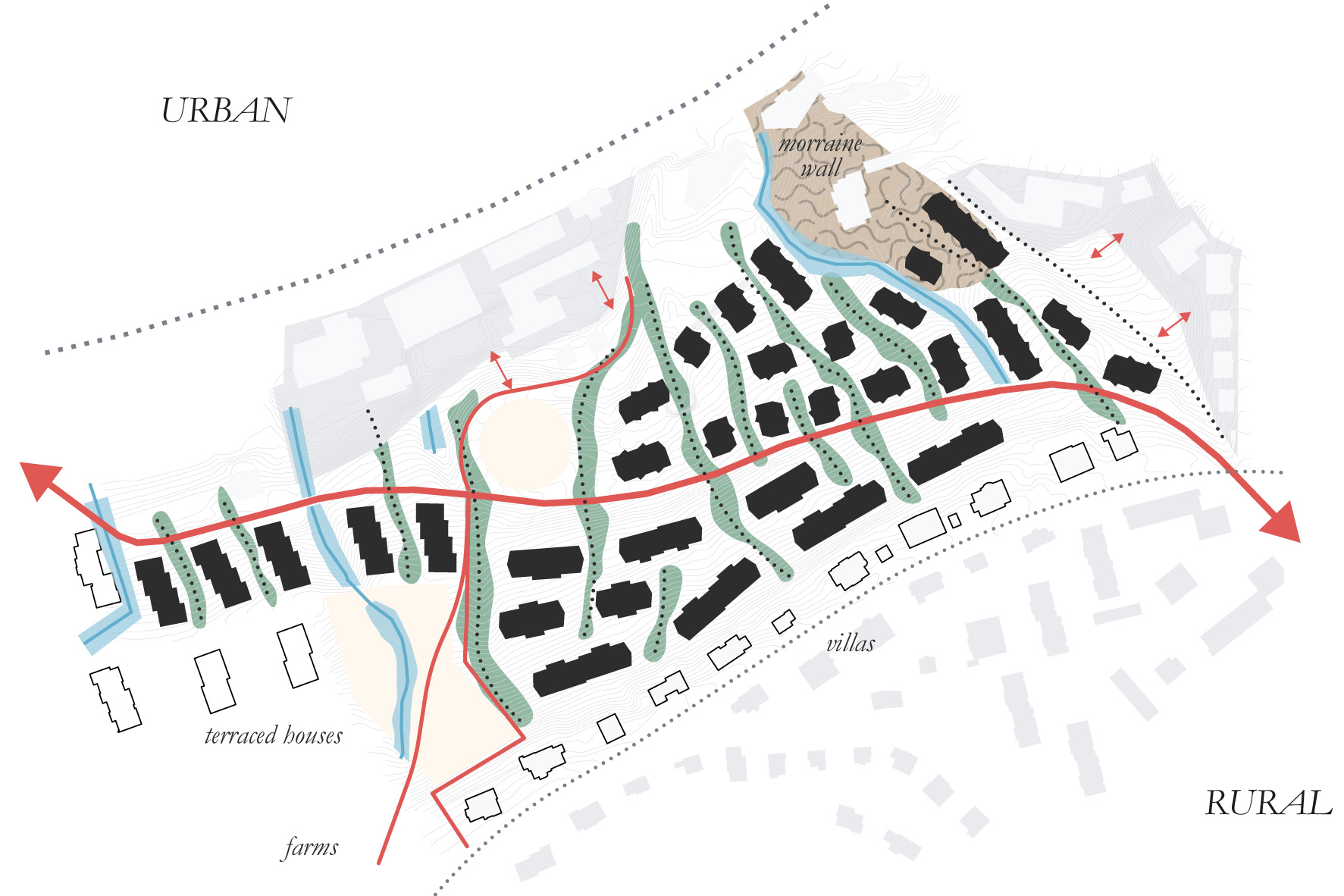
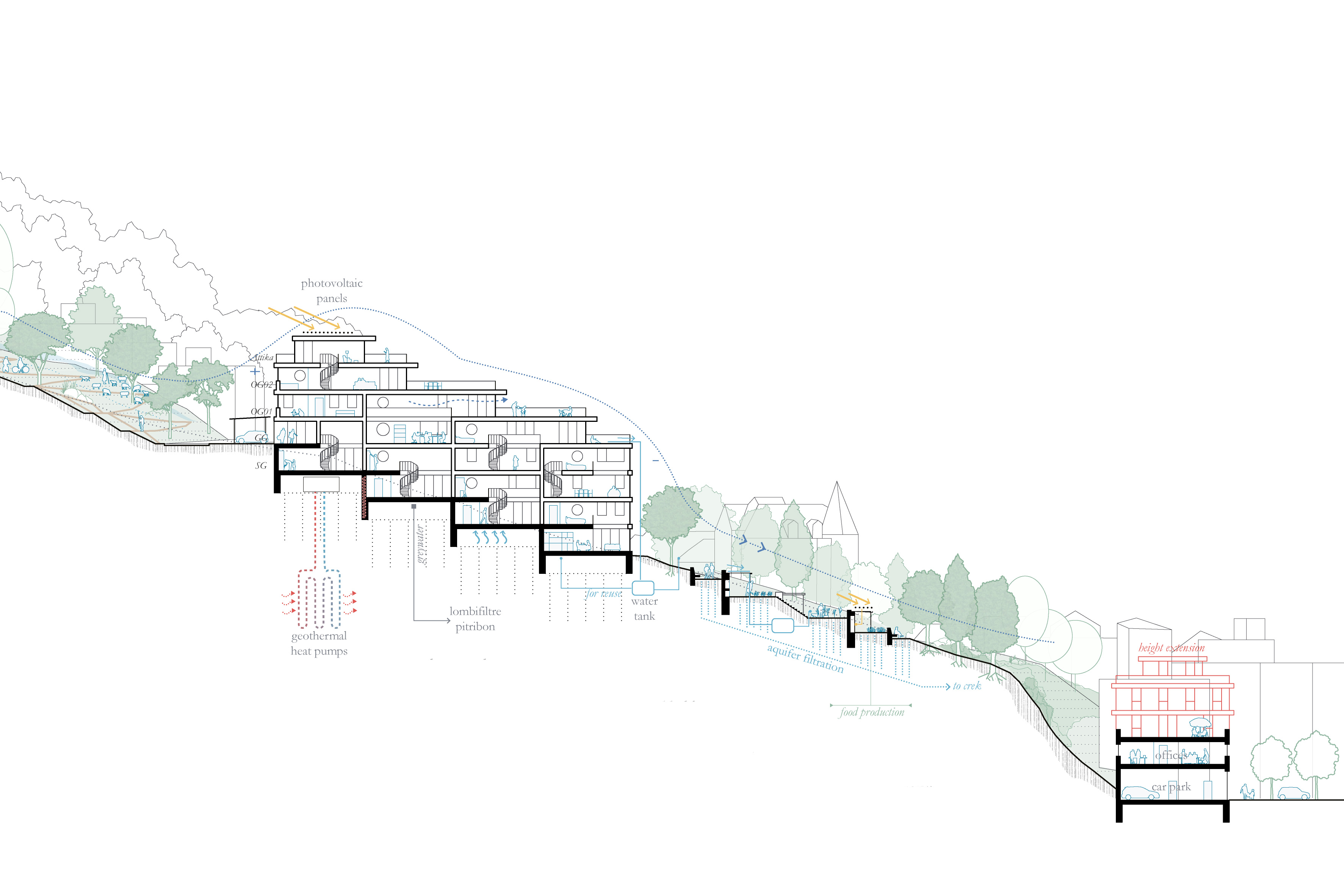
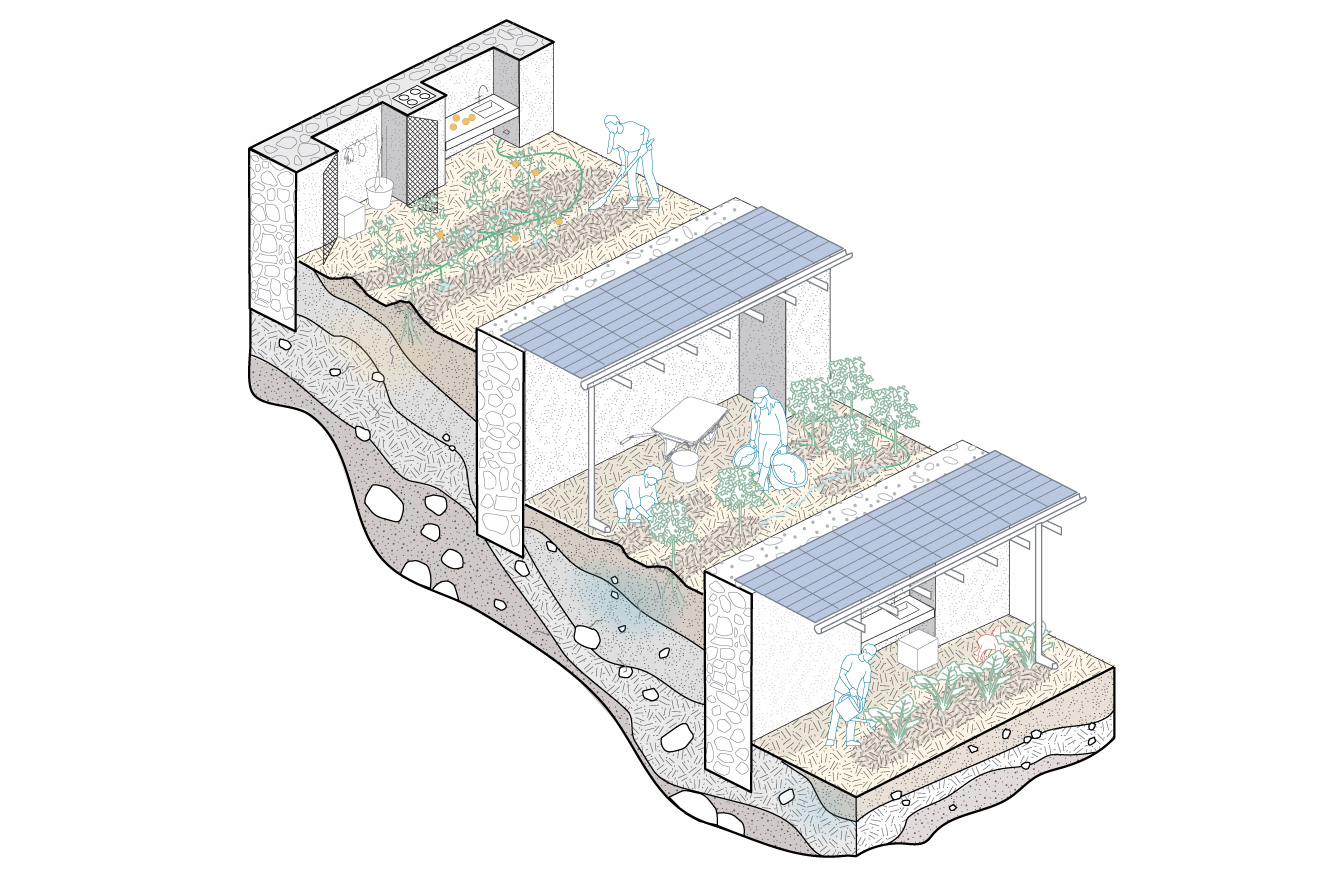
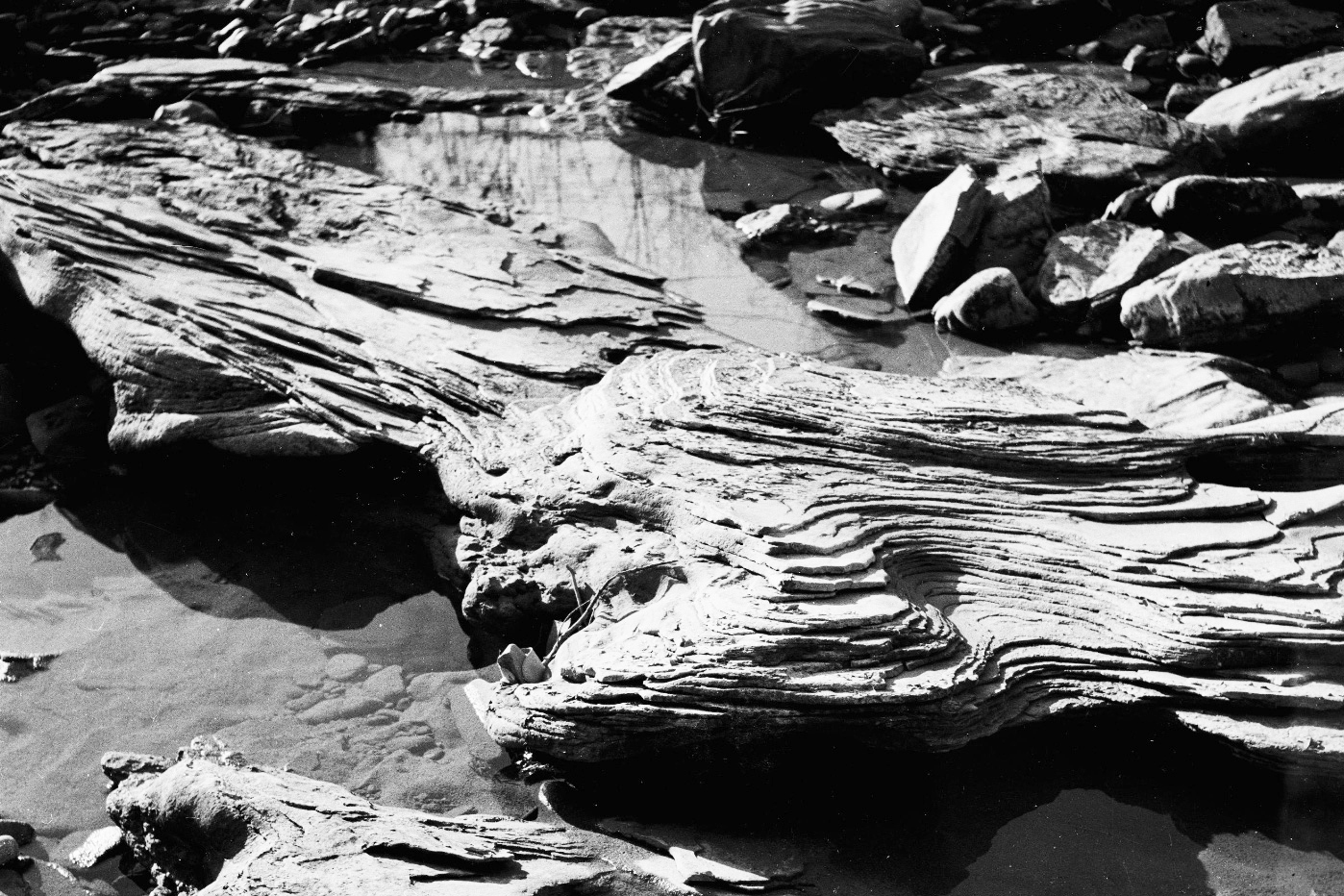
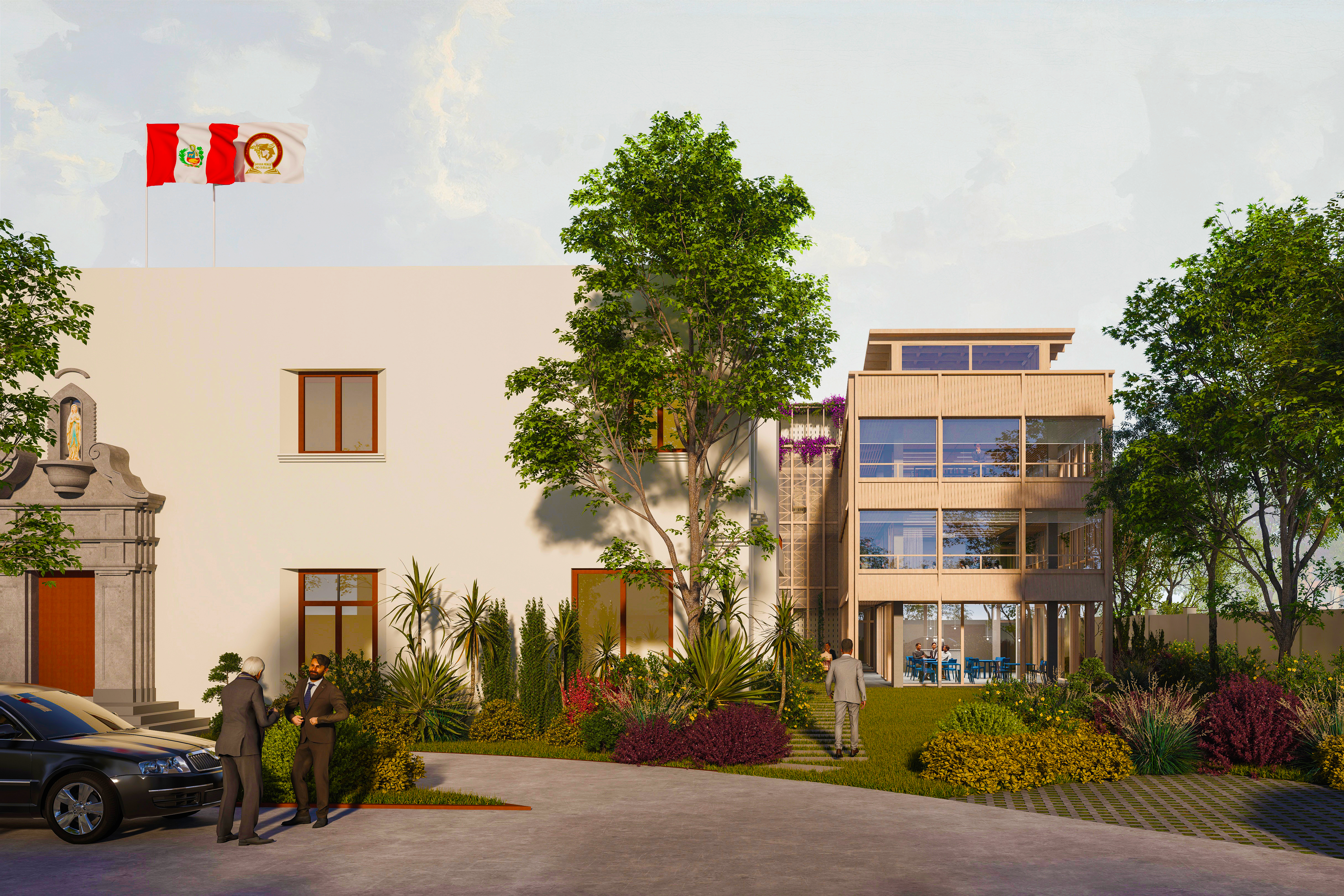
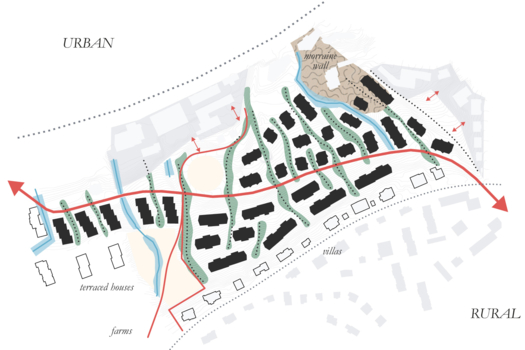
Our project starts from the site’s geological and ecological history. By reading the moraine, forgotten watercourses and sedimented layers, we propose a metabolic approach: production, consumption and reuse are linked through local resources, water management and adaptable typologies. Regeneration emerges from restoring ecological systems and enabling social co-creation.
2. How did the issues of your design and the questions raised by the site mutation meet?
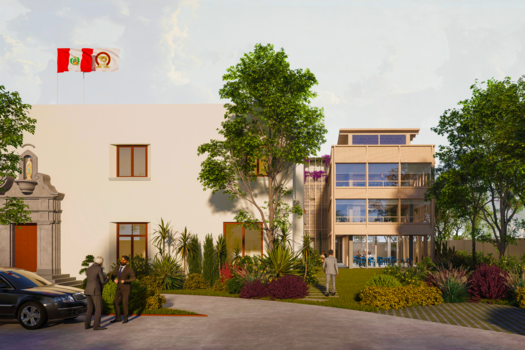
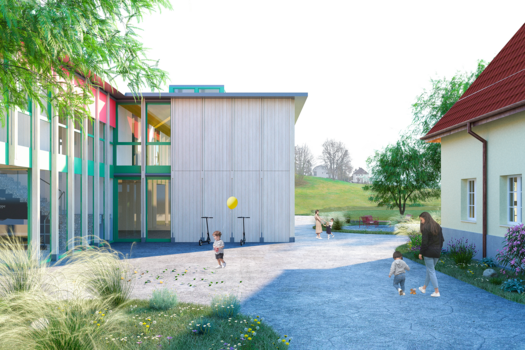
The site’s mutation—its geological threshold, steep topography, fragmented fabric and former cog railway—directly shaped our strategy. The three typologies, the preserved green and water corridors, and the terraced structure translate these conditions into a resilient framework that addresses long-term ecological and social dependencies.
PROJECT:
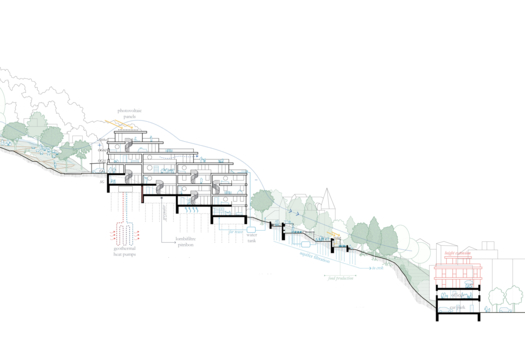
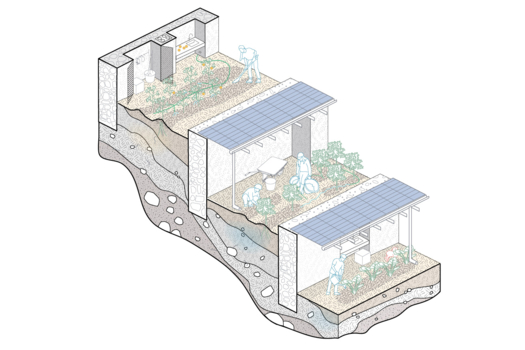
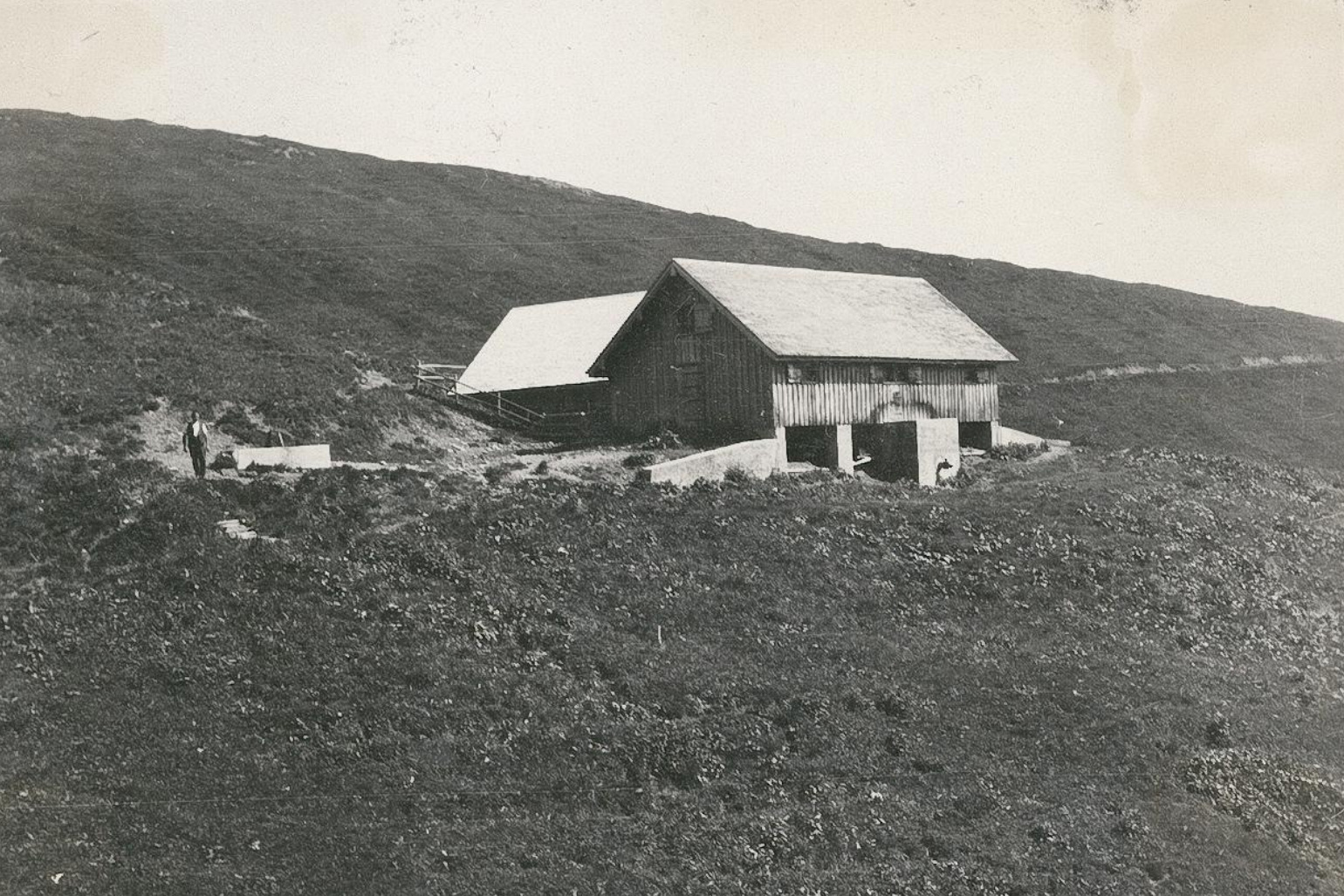
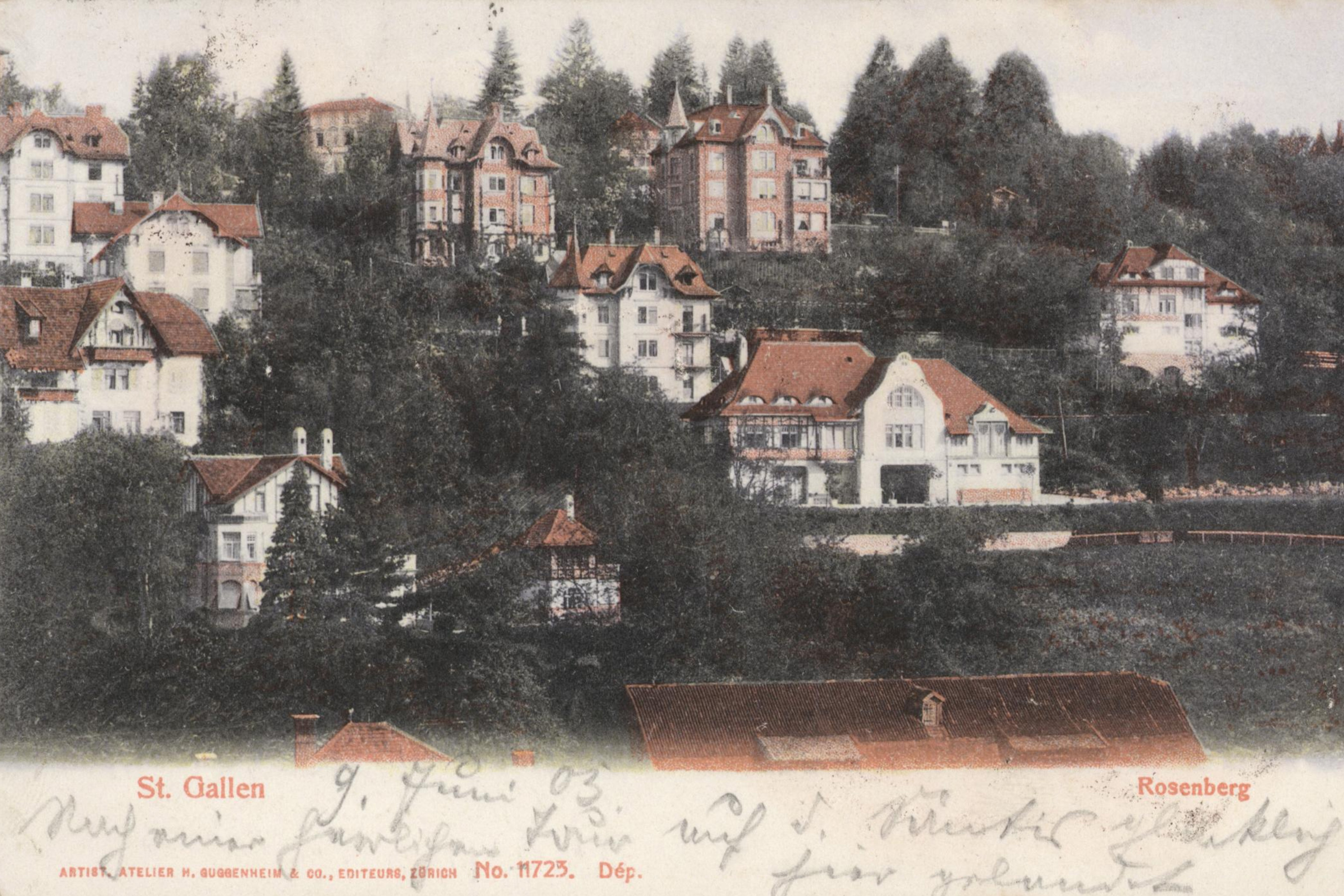
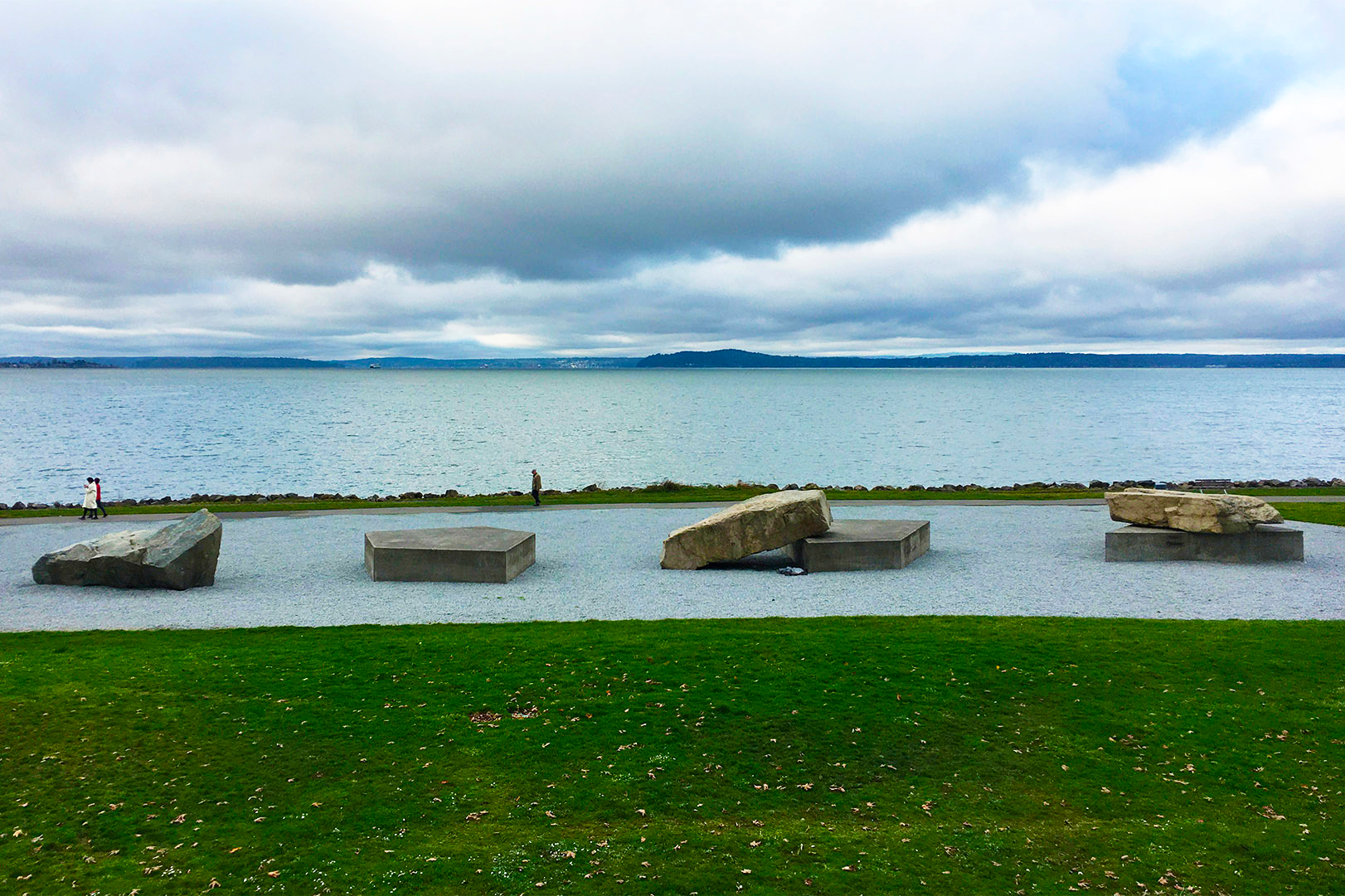
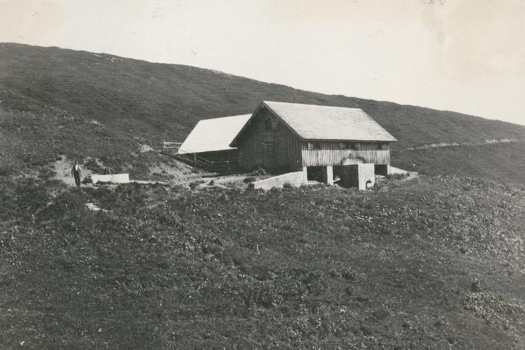
We have worked on projects engaging landscape logics, vernacular architectures and topographical settlements. Inspirations included Alpine terraces, St. Gallen’s villa structures, and design approaches using plinths, foundations and ground morphologies as architectural drivers. These references informed our metabolic, multi-scalar method for the Ruckhalde.
SITE:
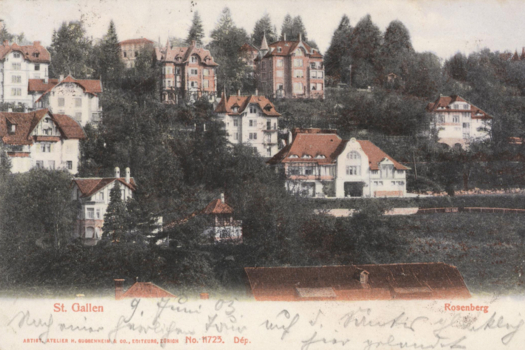
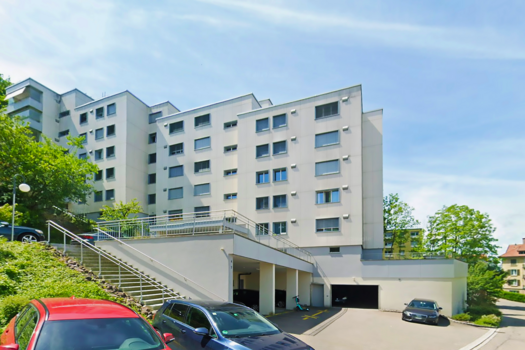
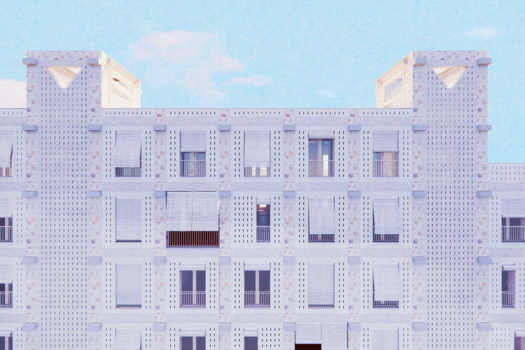
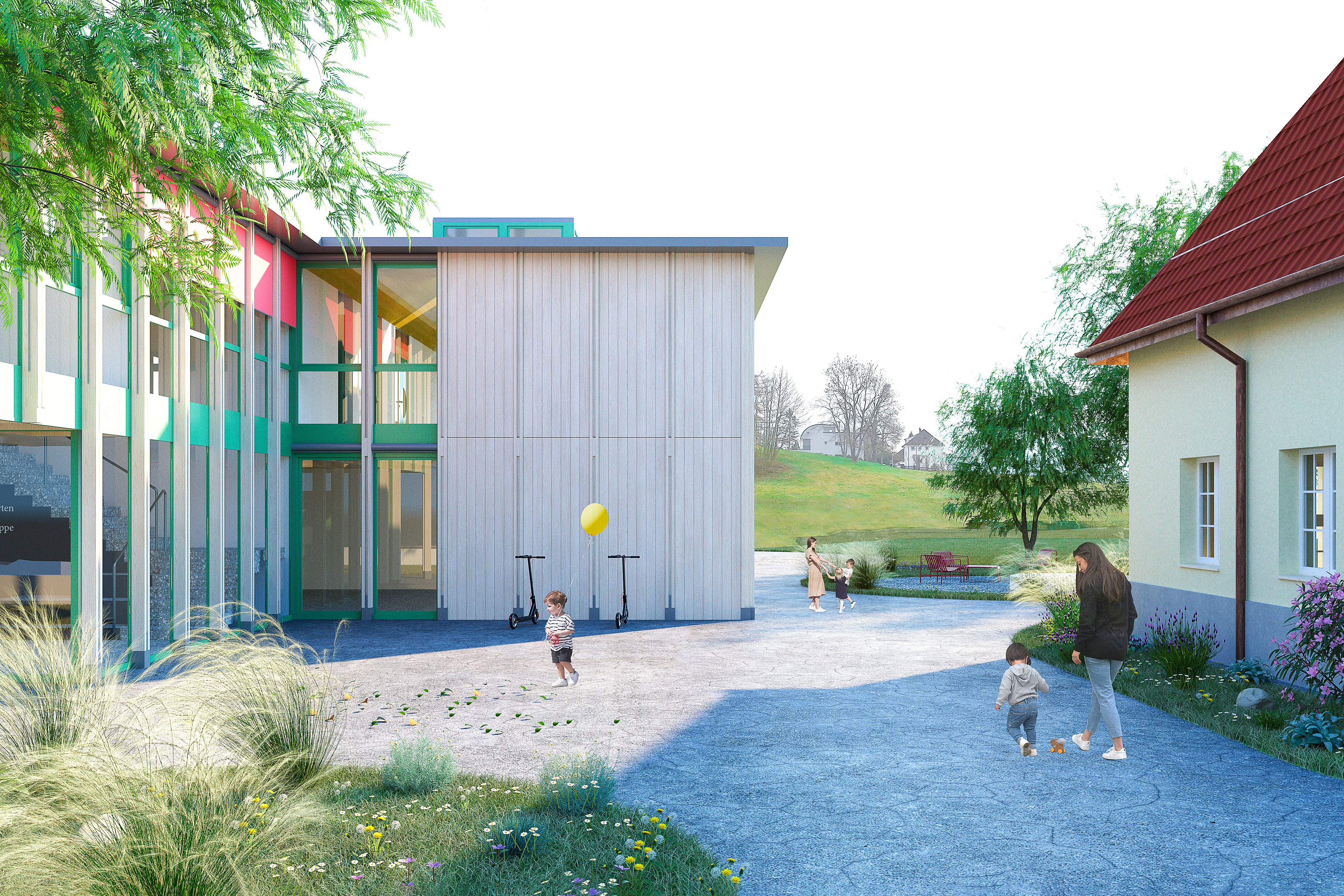
The project is conceived as a phased, negotiable framework. Its three clusters—terraces, row buildings and solitaires—allow incremental realisation and reduce risk. By aligning with topography, existing paths and local identities, the plan can evolve with stakeholders, integrating shared resources and adapting to future environmental or social demands.
REFERENCES:
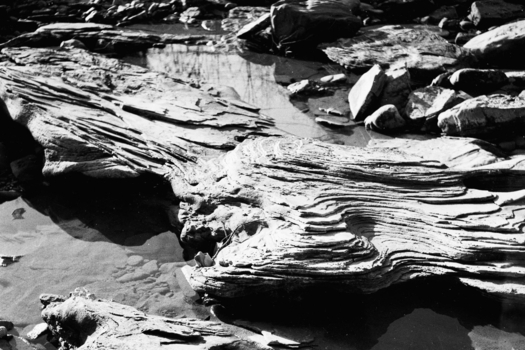
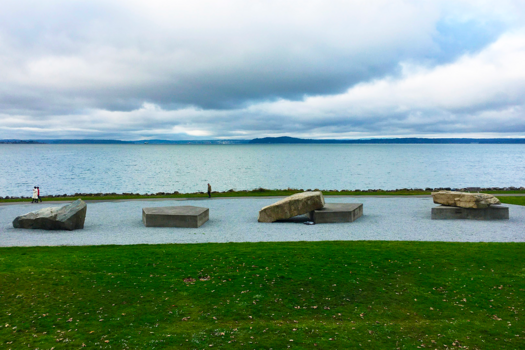
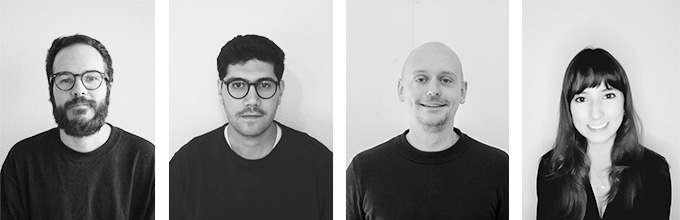
Jorge, Andrew and Bettina met during the Master in Collective Housing at UPM/ETH, where shared interests in housing, metabolism, construction and landscape shaped our collaboration. Through Bettina we connected with Roman, whose local insight into St. Gallen strengthened the team. Our skills—urban strategy, research, housing design and visualisation—formed a coherent approach.
6. How could this prize help you in your professional career?
Beyond recognition, Europan enables young architects to explore ideas outside established practice and engage with themes such as ecology, resources and metabolic urbanism. The prize affirms our approach, motivates future work and connects us with peers, institutions and potential partners—opening paths for collaboration and built projects.
TEAM IDENTITY
Legal status:
Team name:
Average age of the associates: 31,75 years old
Has your team, together or separately, already conceived or implemented some projects and/or won any competition? if so, which ones?
Yes. Some team members have won competitions while working in architectural offices, and others have won competitions independently. At the same time, we are developing small residential projects separately. Together and individually, we have gained experience through several implemented projects and competition entries, which strengthens our collaborative work.
WORKS: