Four Rs For Dembéni
Dembeni (FR) - Mentionné
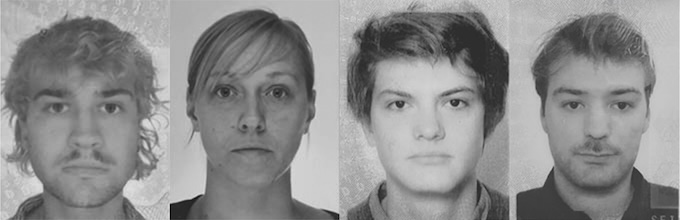
DONNÉES DE L’ÉQUIPE
Associés: Felix Ridder (DE) – étudiant en paysage, Irina Schmidt (DE) – architecte, Luiz Seitz (DE) – étudiant architecture, David Seitz (DE) – géographe
mail@space-practice.com / space-practice.com
TEAM PORTRAIT
VIDEO (by the team)
INTERVIEW
Click on the images to enlarge
1. How do you define the main issues of your project in relation with the theme “Re-sourcing”? Re-sourcing thanks to nature, to social dynamics, to new materiality? In which way do you think your project can contribute to an ecological and/or social evolution? And in which way do you think your project can be called a “regenerative project”?
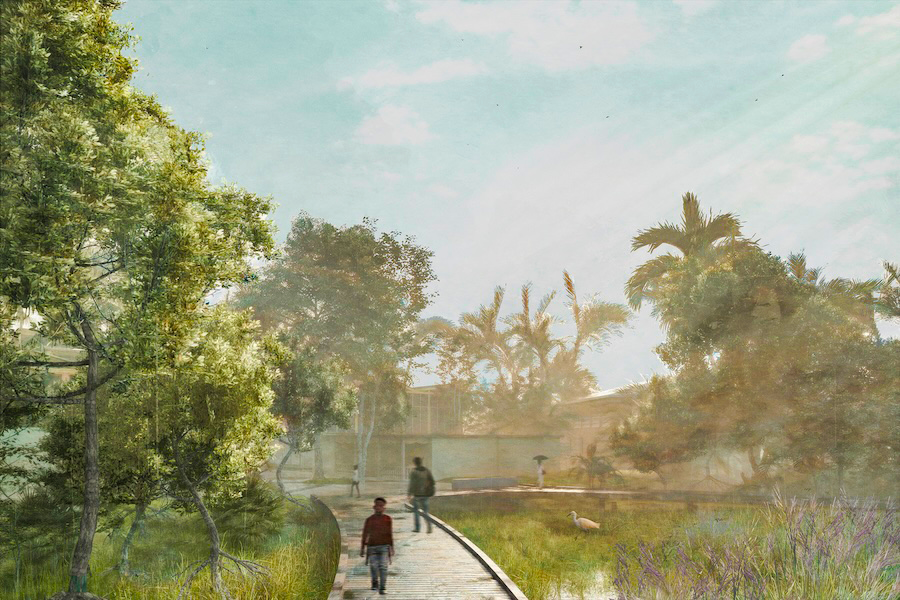
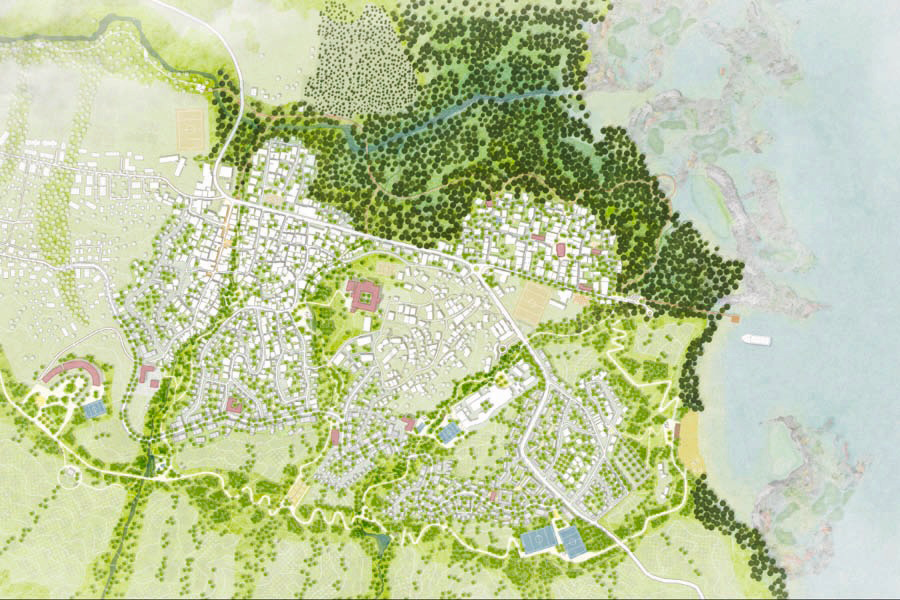
"Reknowledge" was our addition of a fourth R in this context. For us, in the sensitive context of Mayotte, it means that existing knowledge, materials, and local networks must form the core of any transformation on the site. Rather than a master plan or large-scale new construction, the focus is on careful re-sourcing and strengthening ecological relationships.
2. How did the issues of your design and the questions raised by the site mutation meet?
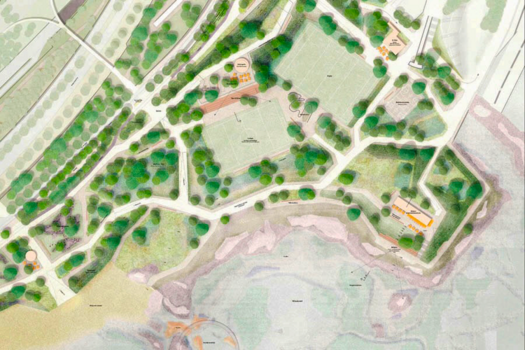
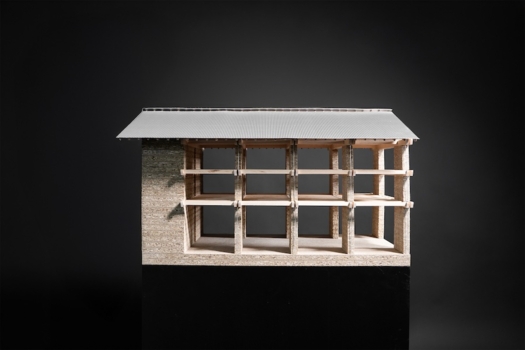
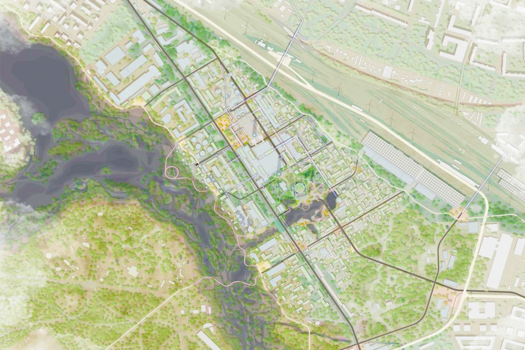
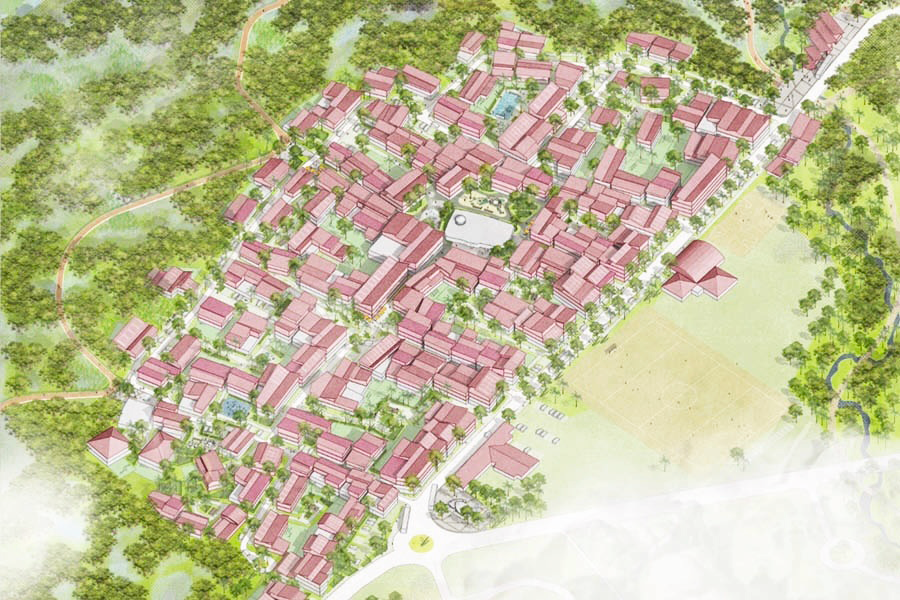
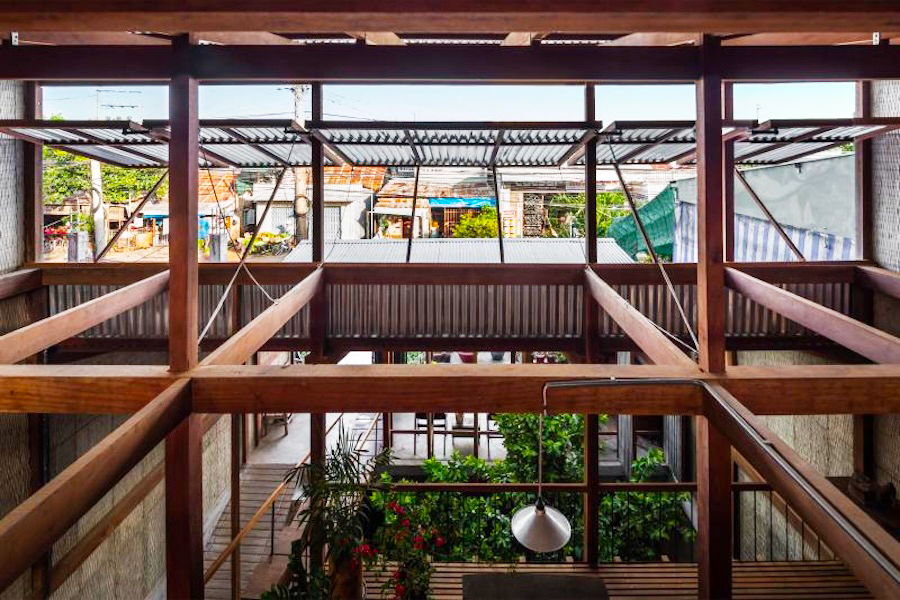
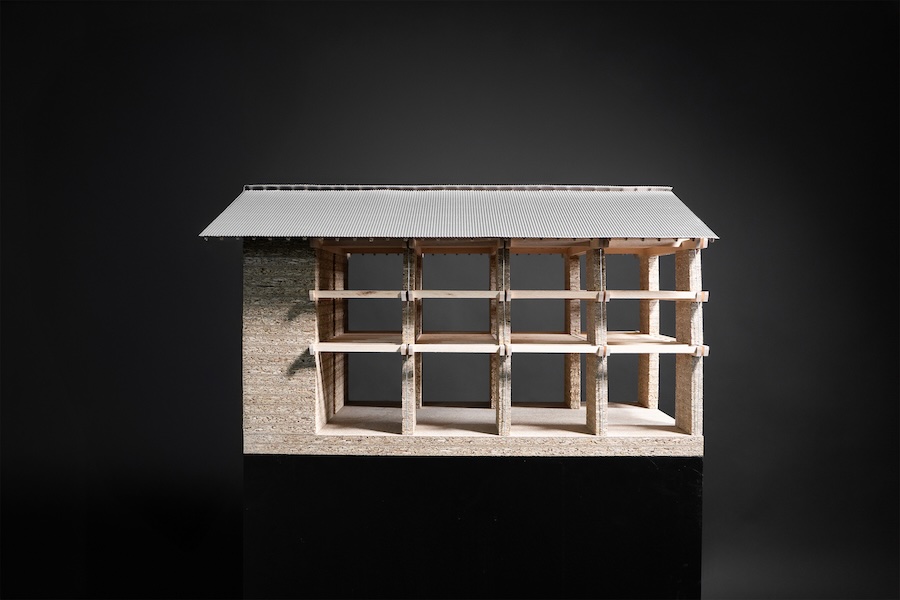
We aimed to find concrete answers to common debates around resourcing. Our approach was to truly anchor local material cycles with existing actors and integrate them into the design of the architecture and built environment, which was shaped and constructed primarily using local materials, particularly clay. This was considered at multiple scales: from the island level, to the municipal level, and finally at the scale of the site itself.
PROJECT:
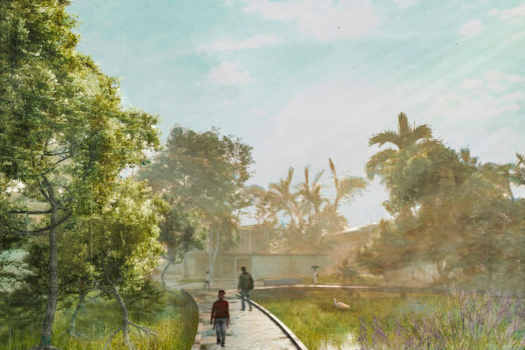
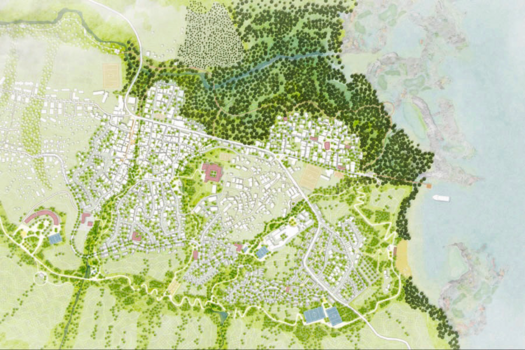
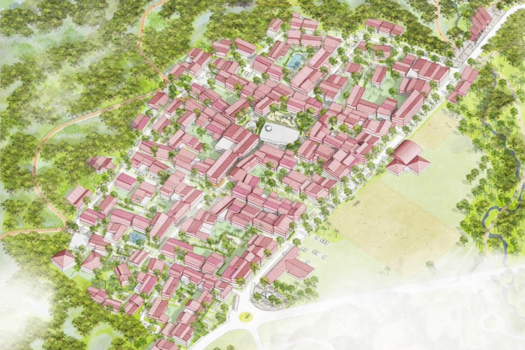
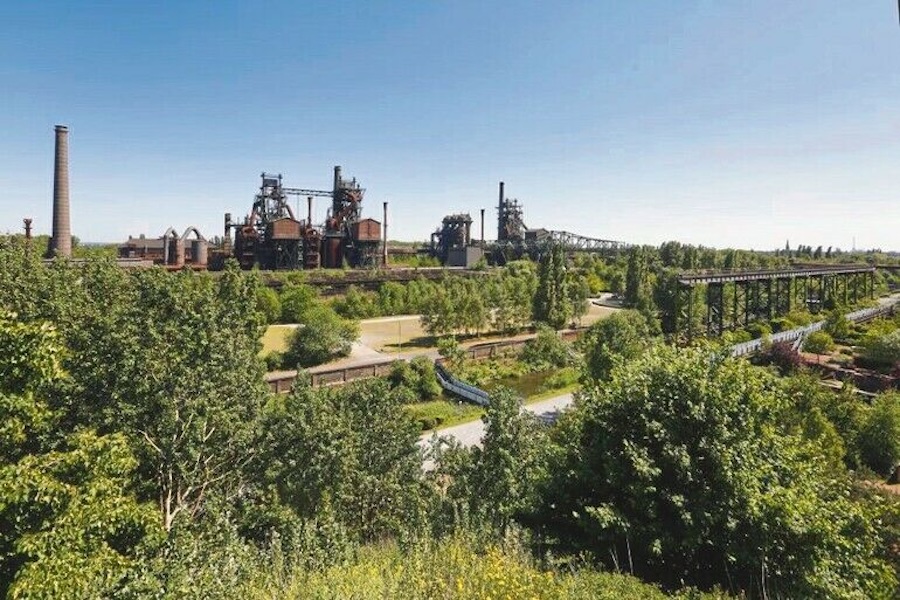
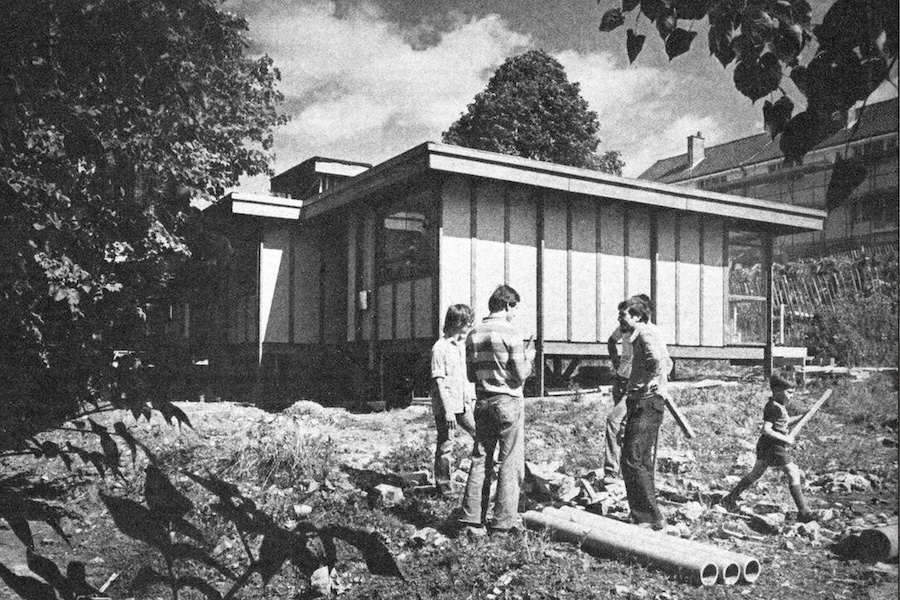
Yes, team members have previously worked on designs using clay and conducted structural tests with the material. Restoring ecological relationships, here with the mangroves, was a unique challenge, though similar approaches have been applied in urban biotopes. What was truly new was dealing with the sometimes demanding local living conditions and ensuring that improving them remained the primary goal in every decision.
4. How can your project be implemented together with the actors through a negotiated process and in time. How did you consider this issue in your project?
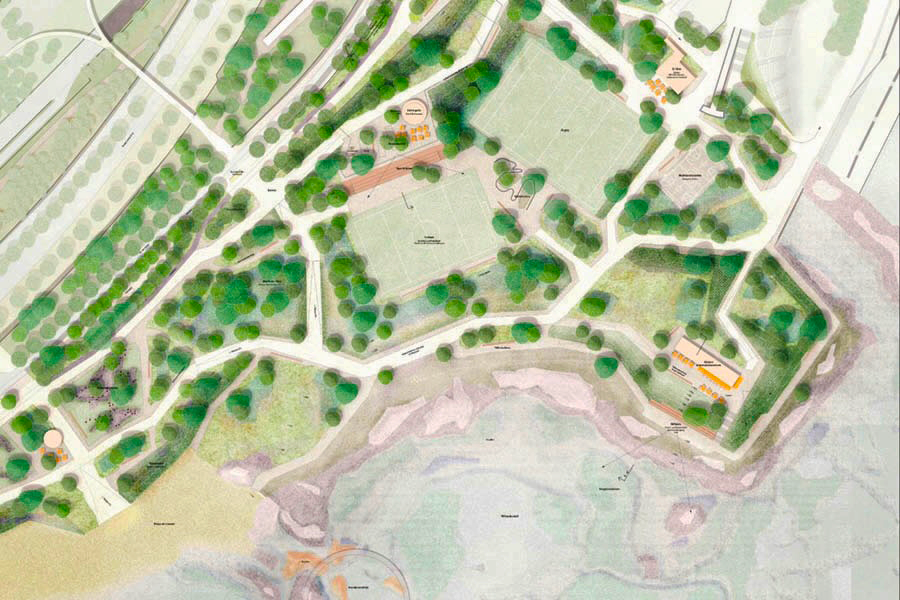
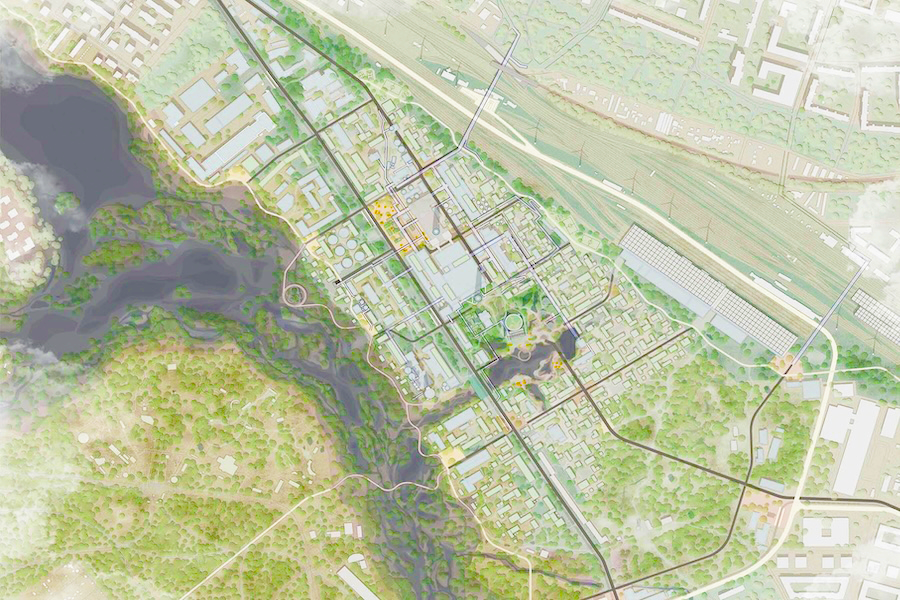
One of the greatest challenges of the project is its location on an island with a history requiring sensitive handling. We placed great importance on engaging local actors, including materials and other non-human actors, as well as involving the local community. Careful mapping and actor-based planning were central principles for the site.
REFERENCES:
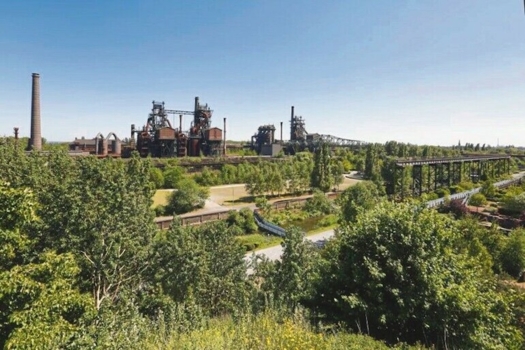
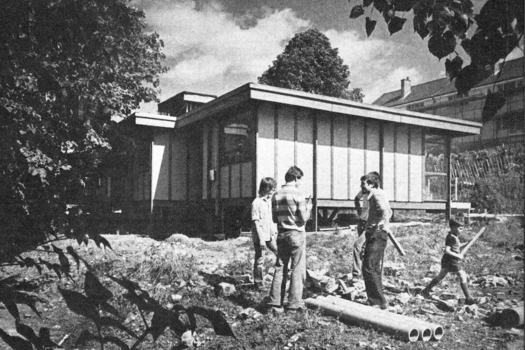
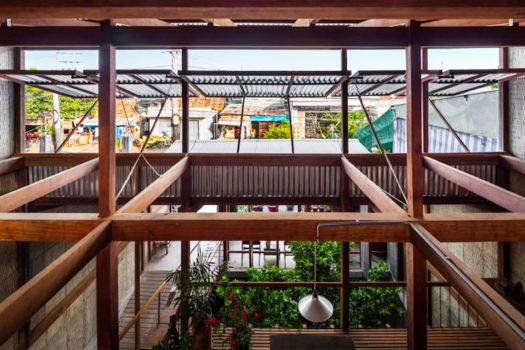
We formed our team through a combination of prior collaborations and shared connections. Some of us know each other from previous projects and are part of the same network, while others came together through studies, work, or family. What unites us most is a shared analytical, context-sensitive, and ecological approach to design spaces.
6. How could this prize help you in your professional career?
Europan is a great competition and a unique opportunity to translate creative ideas into spatial practice. But most importantly, if projects are implemented, it is crucial that these ideas meaningfully improve local conditions. In our case, it personally supports our network and provides invaluable experience.
TEAM IDENTITY
Legal status:
Team name: space+practice
Average age of the associates: 27 years old
Has your team, together or separately, already conceived or implemented some projects and/or won any competition? if so, which ones?
Yes, we were personally involved in projects awarded with the 1. Prize Schinkel Preis 2024, the 1. Prize Peter-Joseph-Lenné-Preis 2024, the 1. Prize Domo Award 2024, Competitionline Campus Award 2025 and the Heinze Award 2025 and with a Special Mention, Innovationspreis der Bayerischen Ingenieurkammer.
WORKS: