Hauska Tavata!
Lahti (FI) - Mention spéciale
@Federico Castelli
DONNÉES DE L’ÉQUIPE
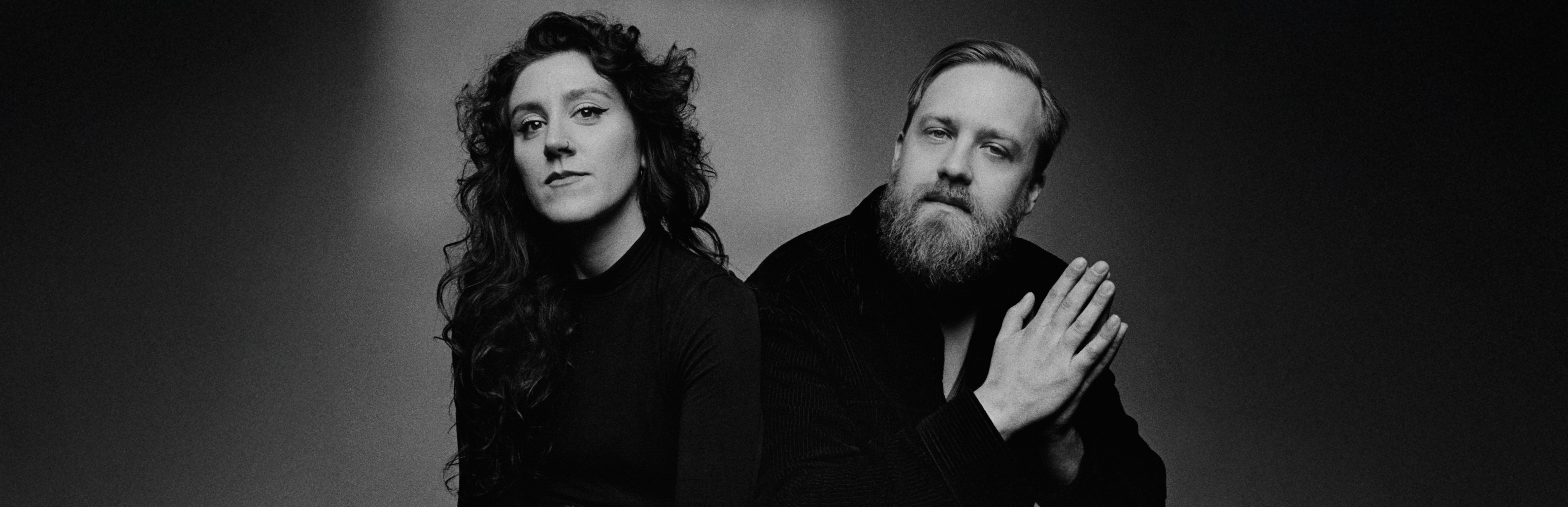
Associés: Andrea Verni (CY) – architecte urbaniste, André Backlund (FI) – architecte
abave@abave.eu / www.abave.eu
TEAM PORTRAIT
INTERVIEW
Click on the images to enlarge
1. How do you define the main issues of your project in relation with the theme “Re-sourcing”? Re-sourcing thanks to nature, to social dynamics, to new materiality? In which way do you think your project can contribute to an ecological and/or social evolution? And in which way do you think your project can be called a “regenerative project”?
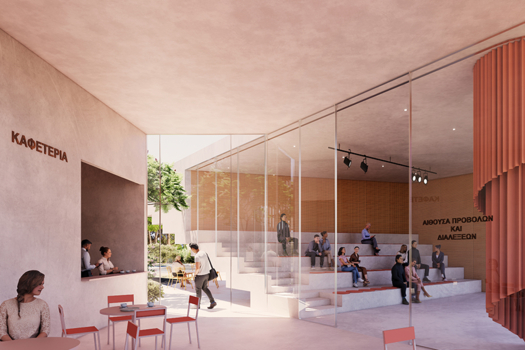
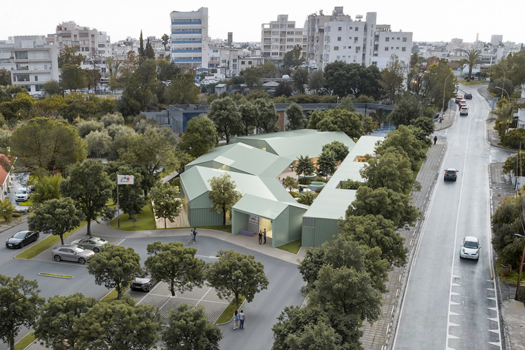
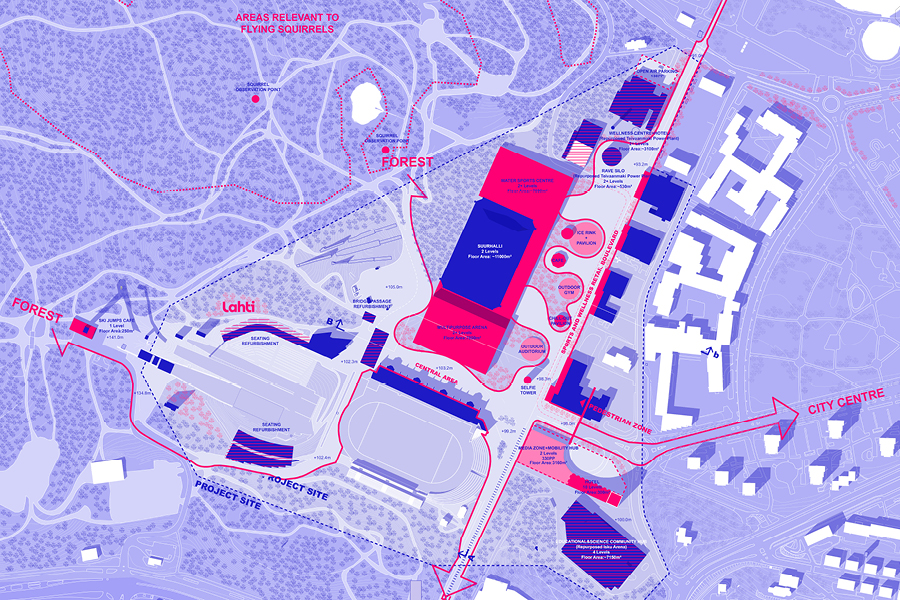
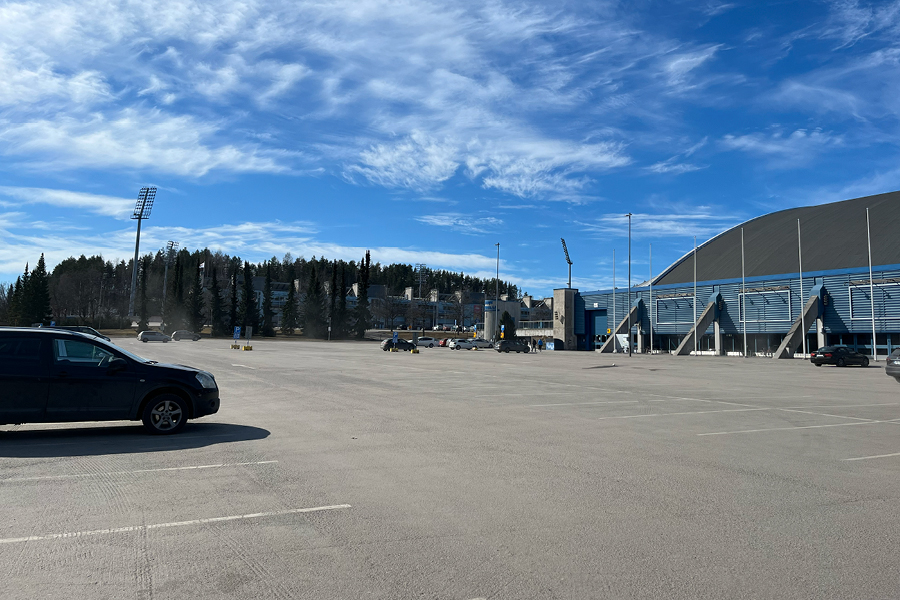
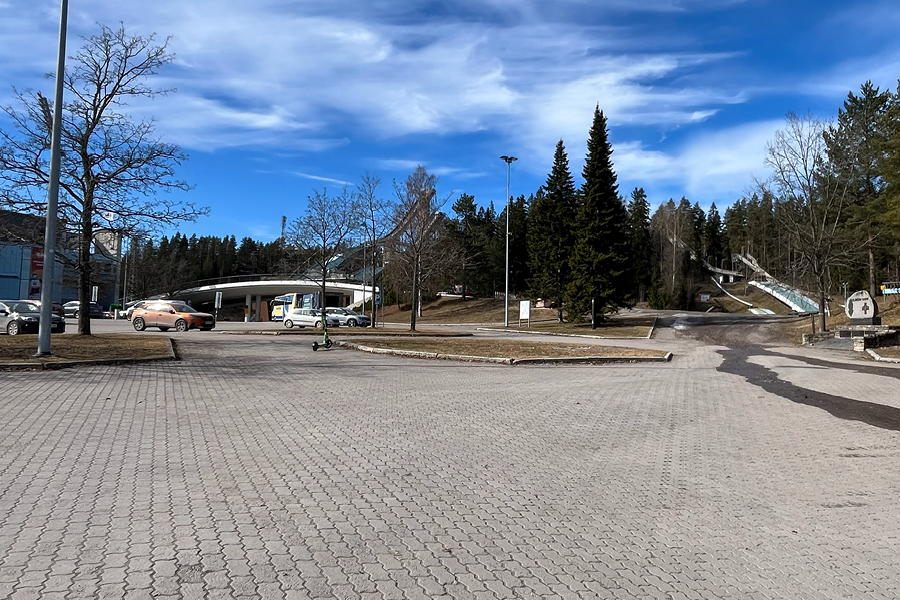
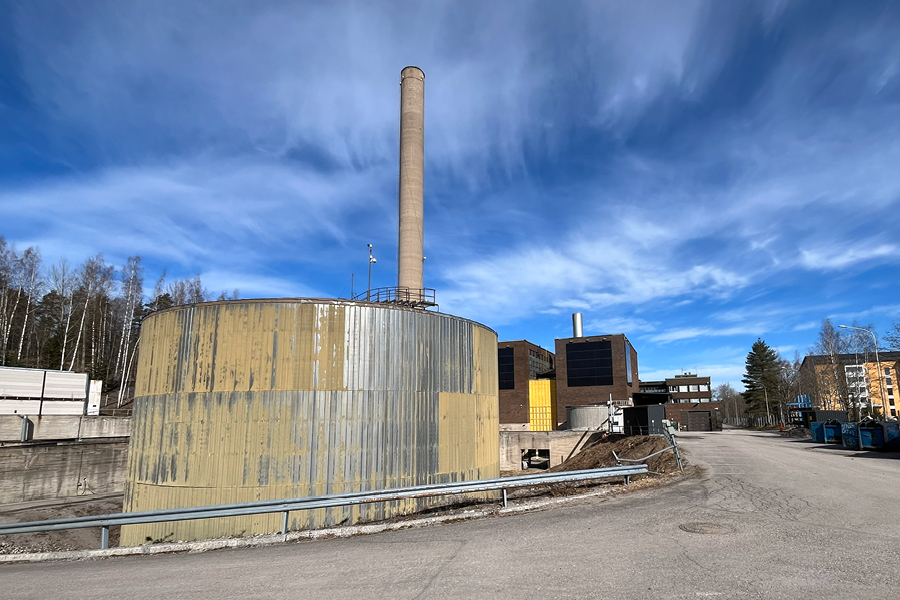
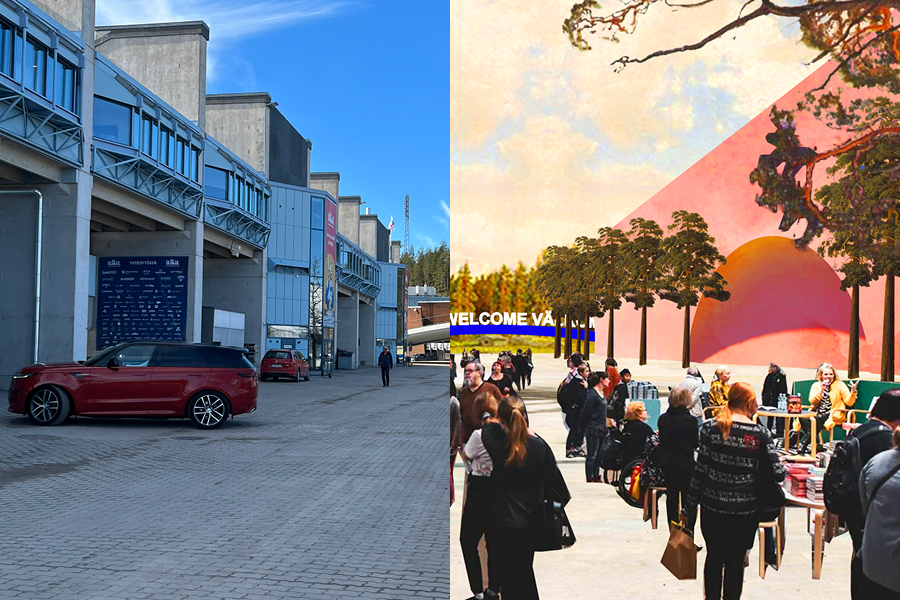
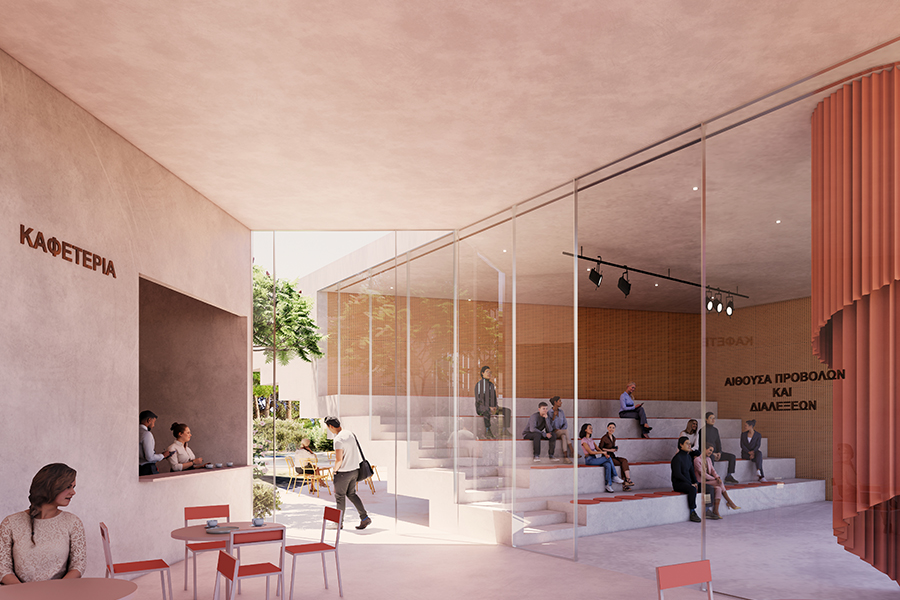
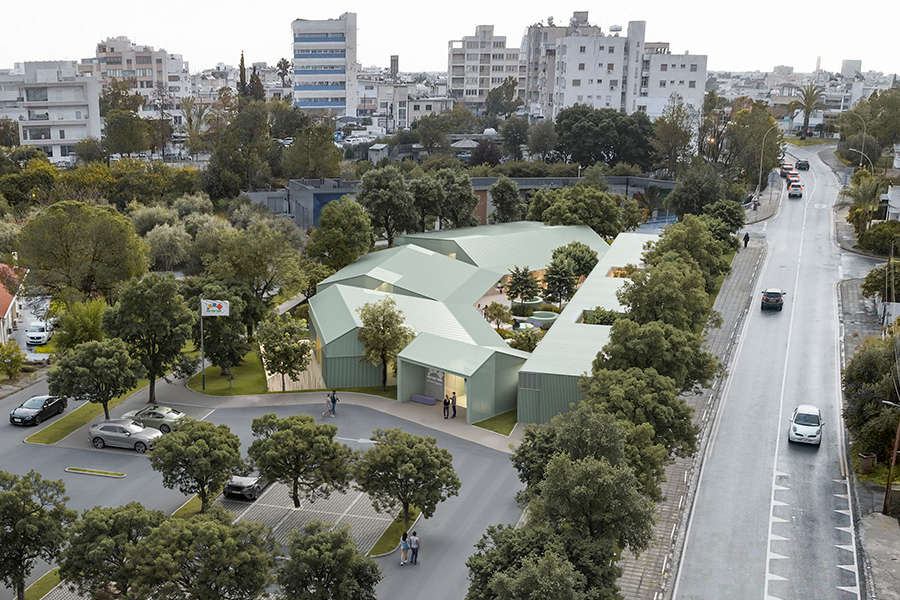
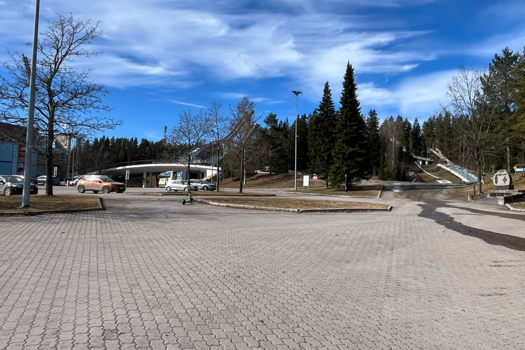
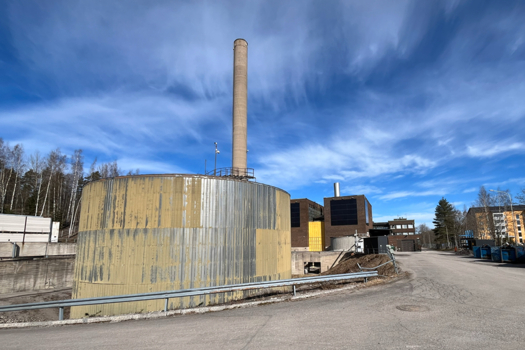
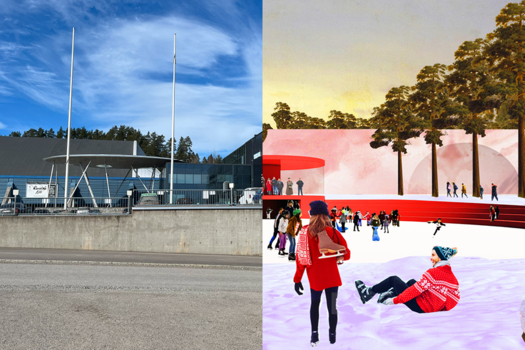
The project starts with a simple observation: the site is dominated by parking. As the first point of arrival, it disconnects and confuses existing amenities and social dynamics. Reversing this condition allows people to reconnect, nature to seep in, and asphalt to become vegetation and social space, activating latent potentials already on site.
2. How did the issues of your design and the questions raised by the site mutation meet?
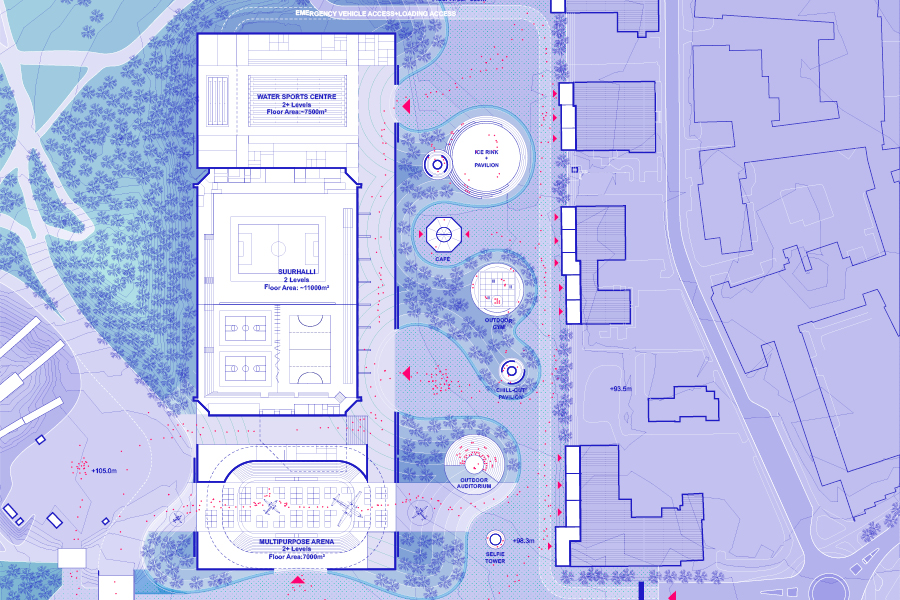
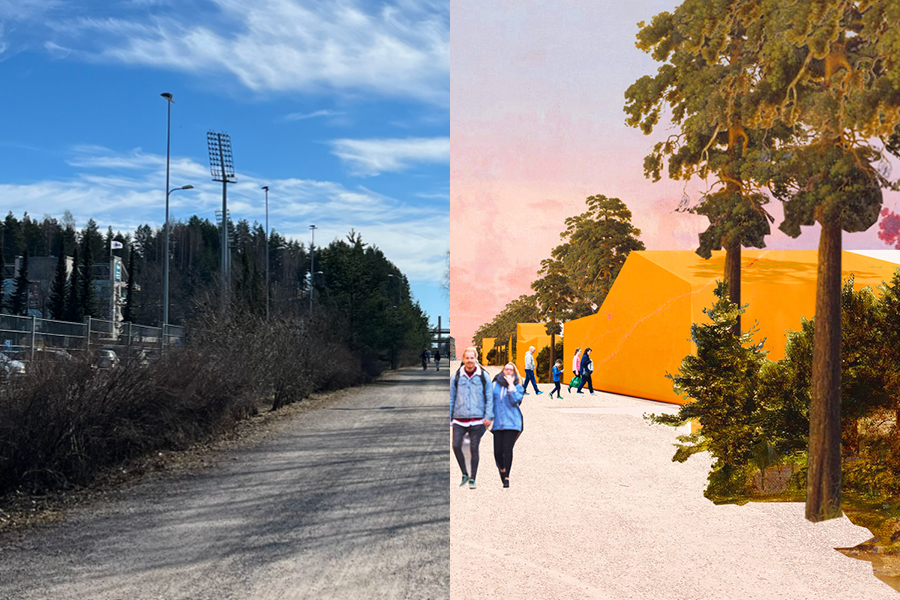
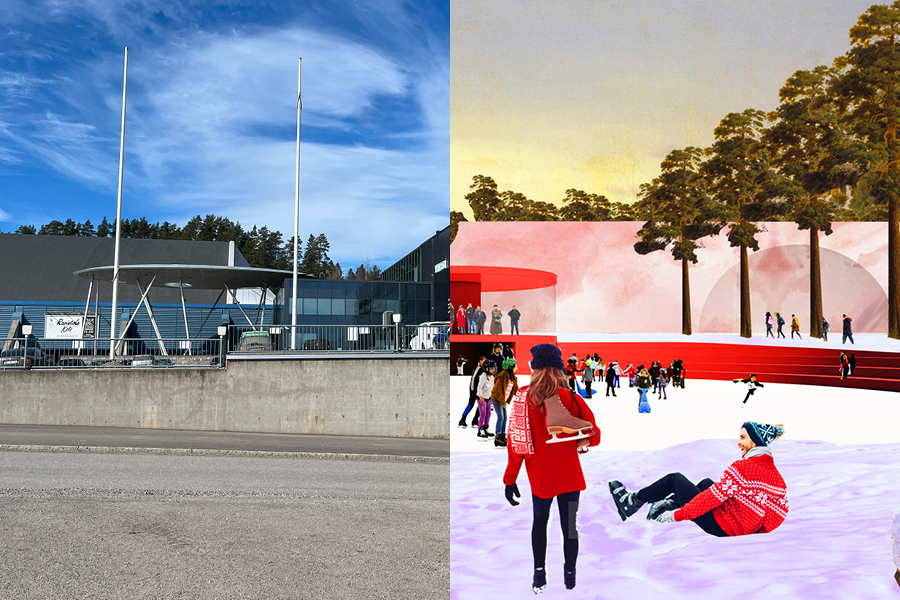
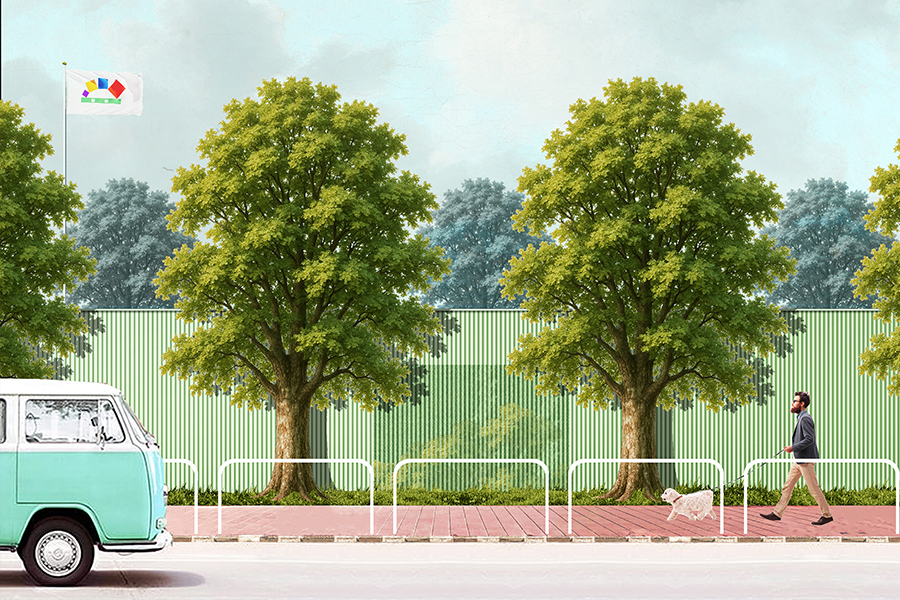
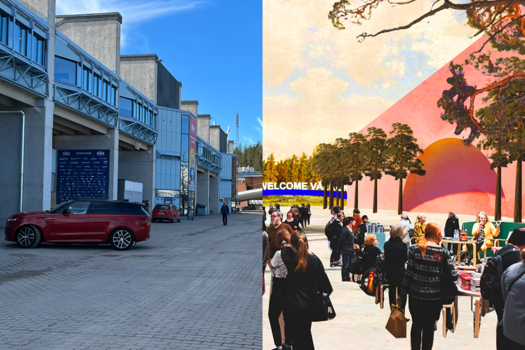
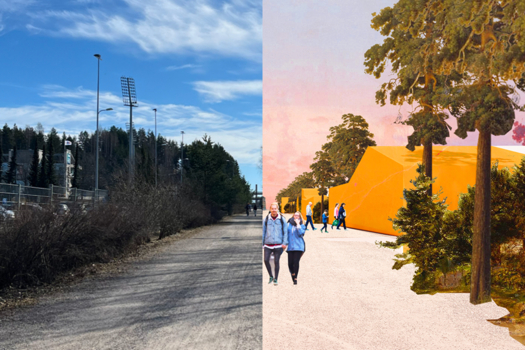
We propose the activation of a primary spine. Forest seeping in, social pavilions and rentable units connect key nodes through the site, shifting it from thoroughfare to destination. Scattered sports programs are consolidated into a singular mass, allowing unexpected social connections through interventions that connect what already exists.
PROJECT:
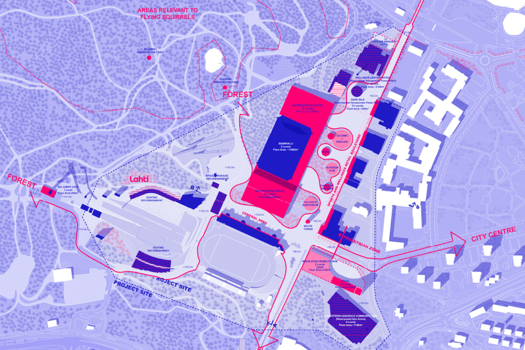
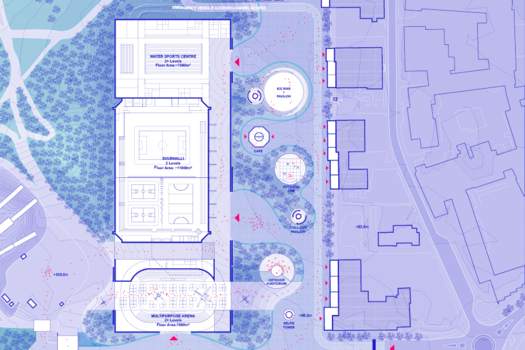
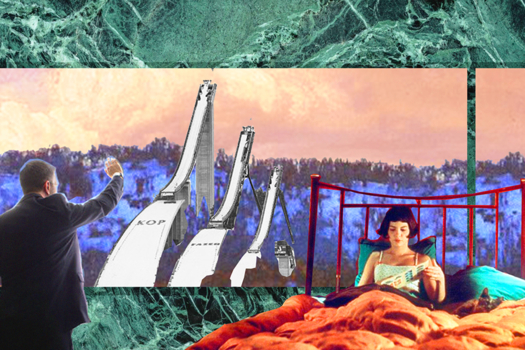
These are themes we consistently work with: tapping into what is already there. Through close observation of social, spatial and environmental conditions, we let sites and relations reveal themselves and guide the project, often leading to unexpected connections and outcomes.
SITE:
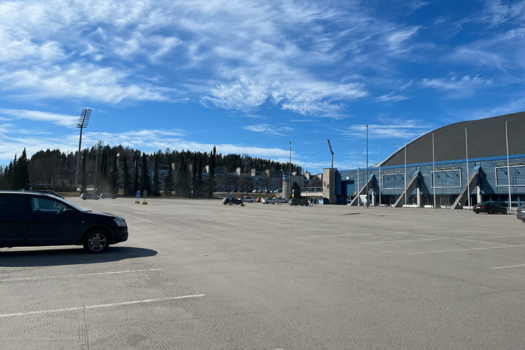
Our vision is bold and critical. Implementation is understood as a negotiated, time-based process involving political conviction and willingness. The proposal includes a phasing strategy, using temporary installations as testing beds for permanent transformation.
REFERENCES:
The team consists of two architects working across scales, programs and timescales, both architecturally and urbanistically. The collaboration was formed through a shared excitement for the topic and the specific conditions of the site and Lahti.
6. How could this prize help you in your professional career?
Yes. The prize strengthens our position as young practitioners, giving visibility, confidence and an international platform. It supports our commitment to critical urban projects and encourages us to pursue ambitious, research-driven work in future commissions.
TEAM IDENTITY
Legal status:
Team name: ABAVE Spatial Practice
Average age of the associates: 34 years old
Has your team, together or separately, already conceived or implemented some projects and/or won any competition? if so, which ones?
Prior to establishing our office, we have built/won a variety of projects as part of other offices. As the newly established ABAVE Spatial Practice, we have had success with competitions in Cyprus, including a second prize placement for a day center for severely autistic adults.
WORKS: