Learning from Klara
Zagreb (HR) - Mention spéciale
TEAM PORTRAIT
INTERVIEW
Click on the images to enlarge
1. How do you define the main issues of your project in relation with the theme “Re-sourcing”? Re-sourcing thanks to nature, to social dynamics, to new materiality? In which way do you think your project can contribute to an ecological and/or social evolution? And in which way do you think your project can be called a “regenerative project”?
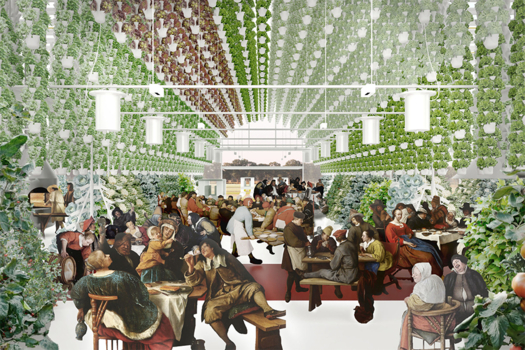
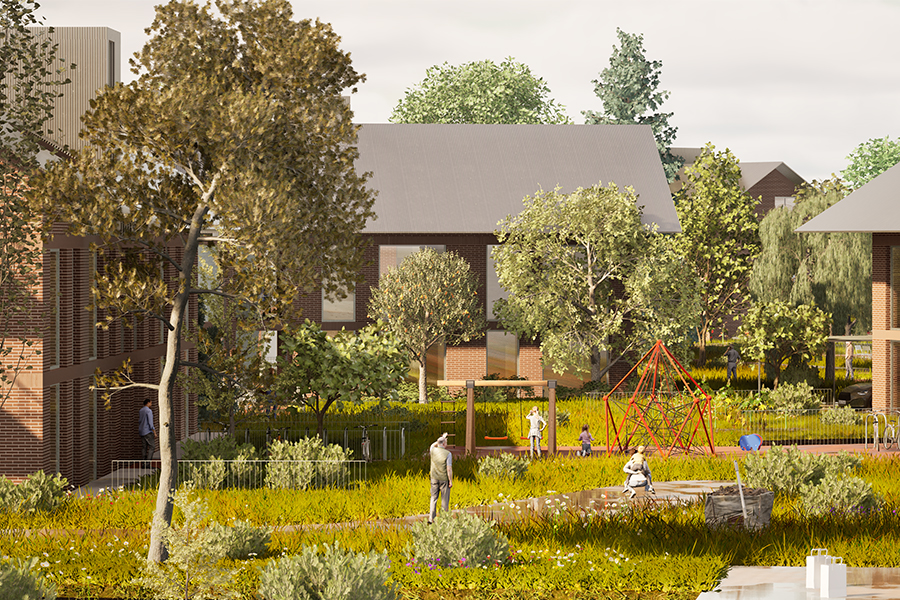
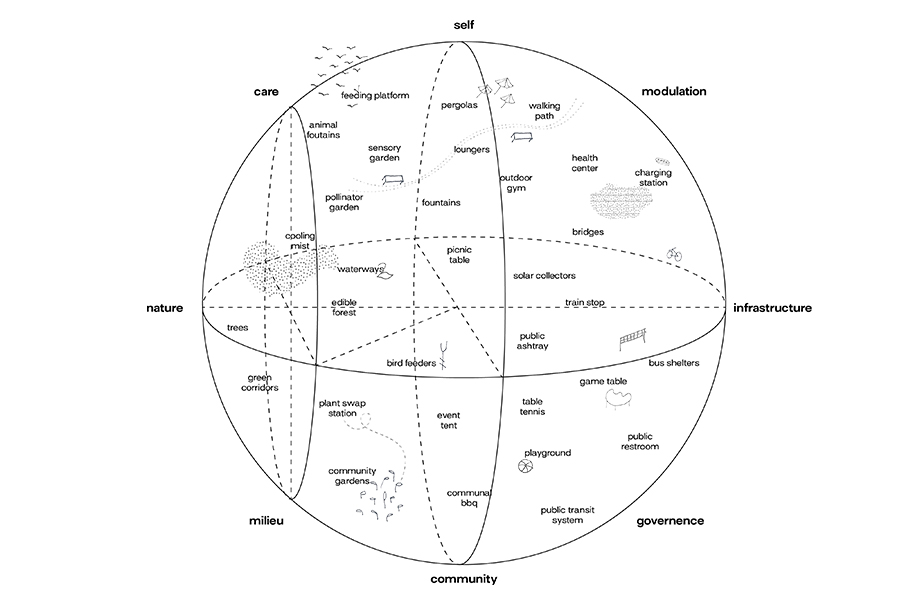
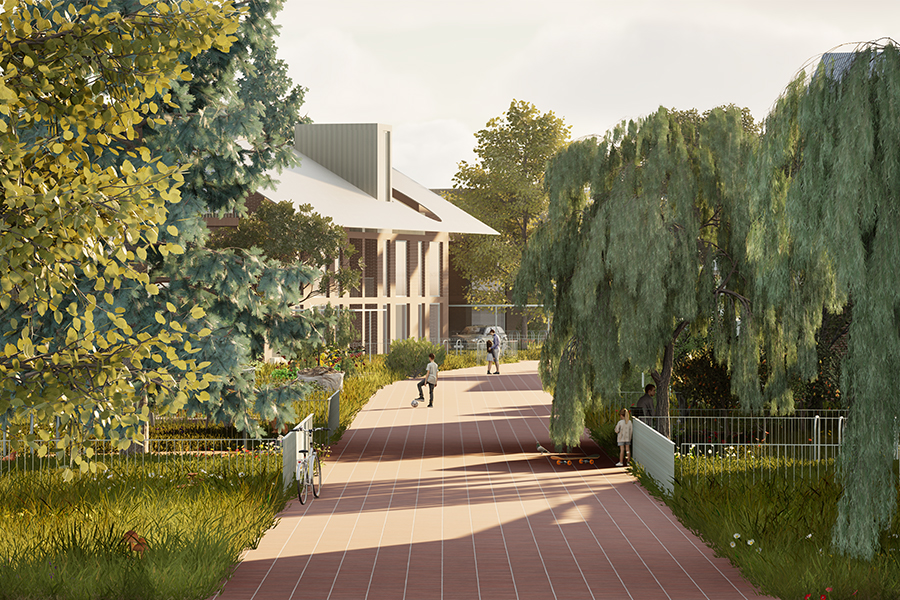
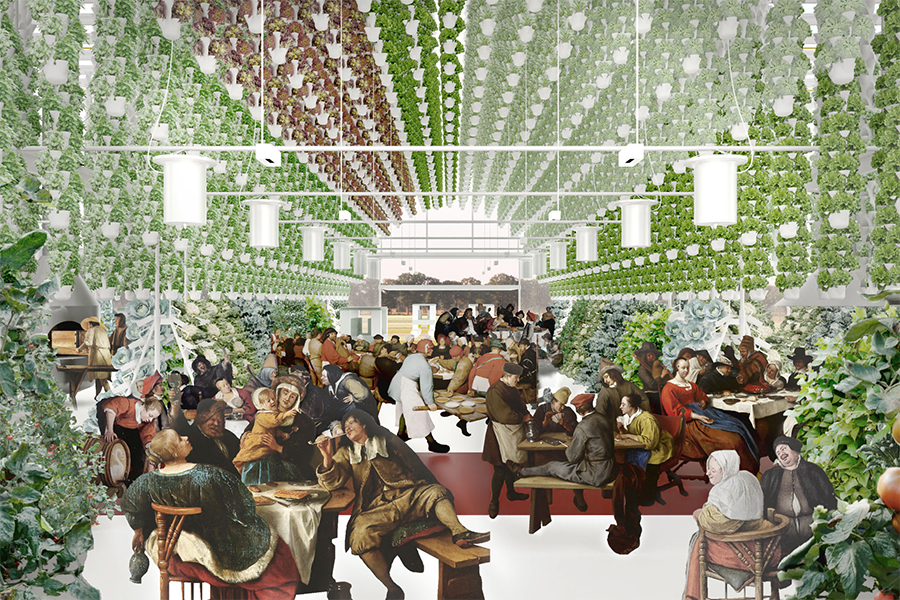
Our project re-sources what already exists, including social practices, informal spatial logics, ecological cycles, and time. Instead of importing form, it regenerates capacity through minimal interventions that strengthen publicness, care, and adaptability over time. By reusing material, spatial, and social resources, the project enables continuous renewal rather than finite solutions.
2. How did the issues of your design and the questions raised by the site mutation meet?
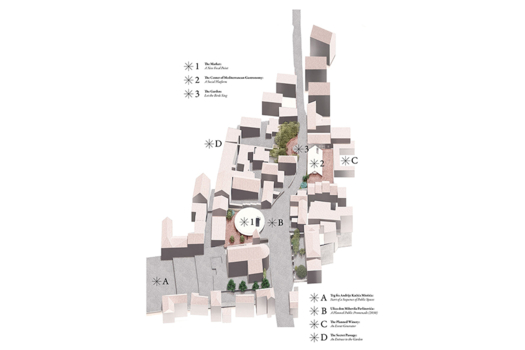
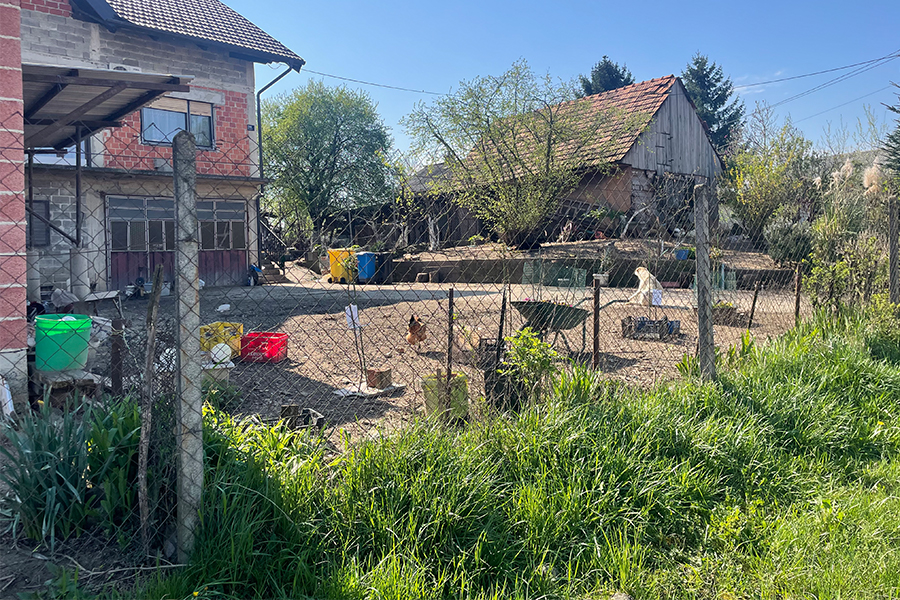
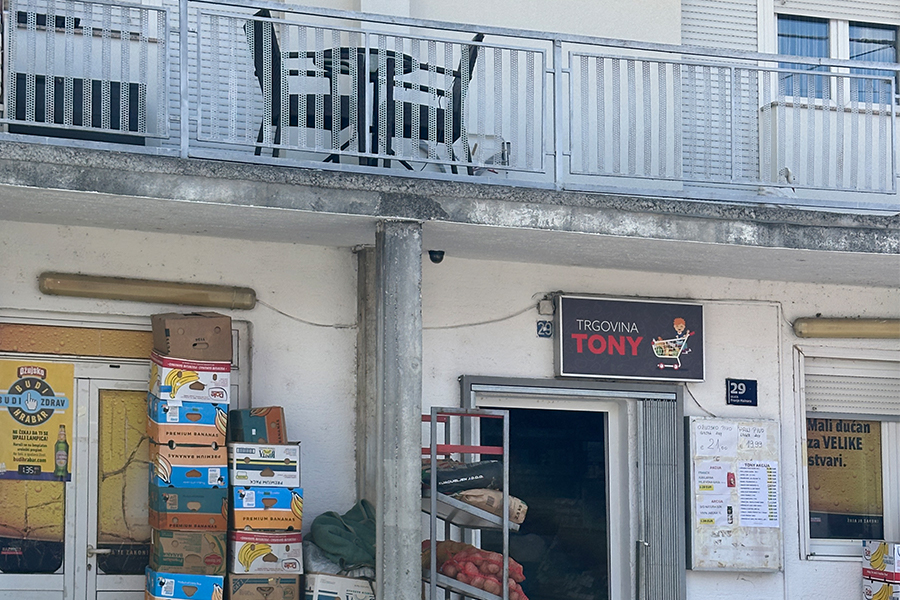
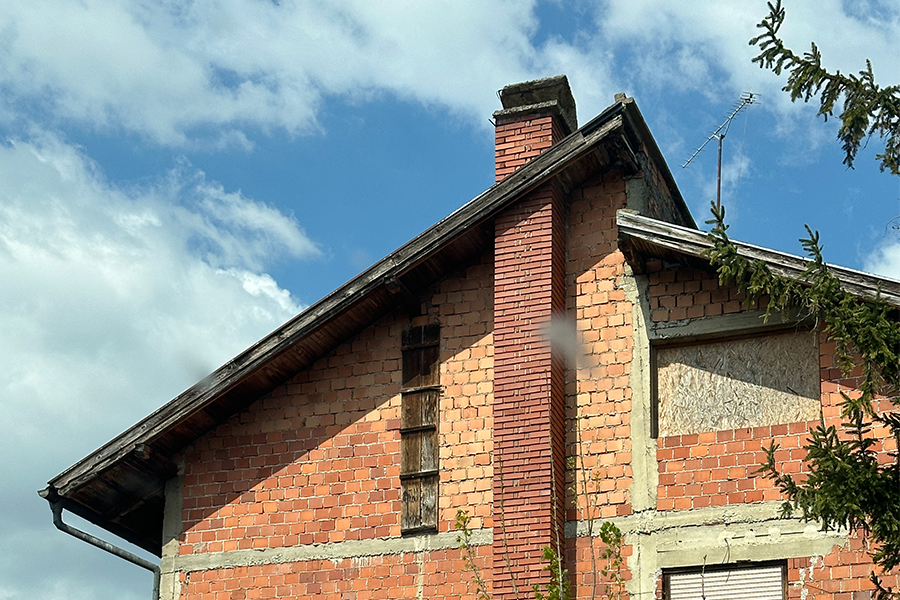
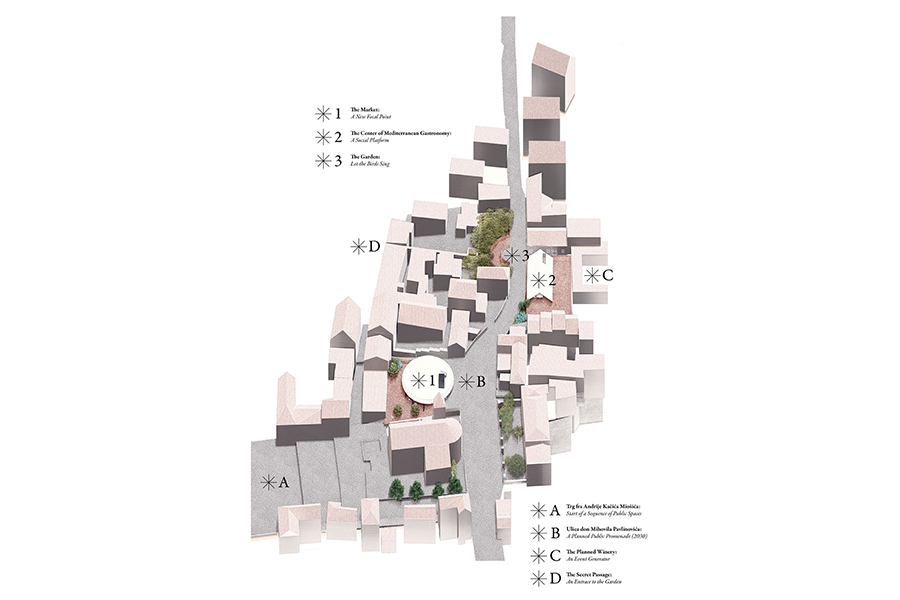
Sveta Klara’s fragmented growth, lack of public space, and informal adaptations revealed both vulnerability and intelligence. Our design emerged from this mutation: translating improvised thresholds, shared rituals, and additive building logics into a coherent yet open framework. The project does not correct the site, but clarifies and amplifies its latent structures.
PROJECT:
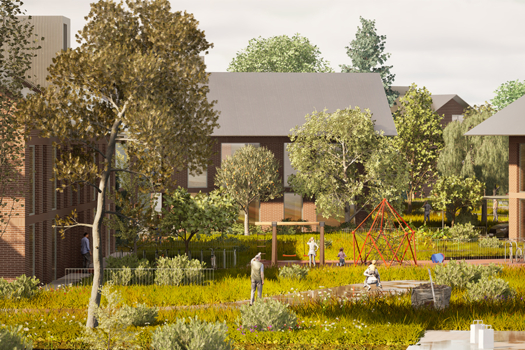
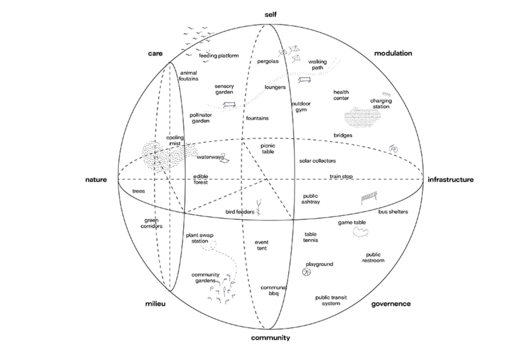
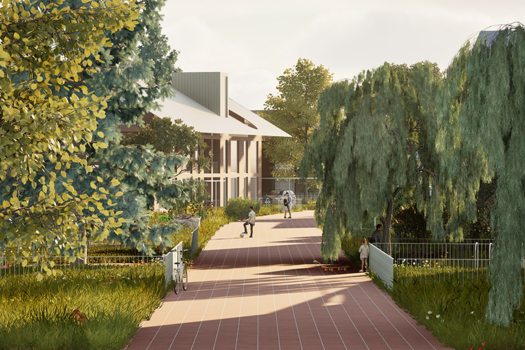
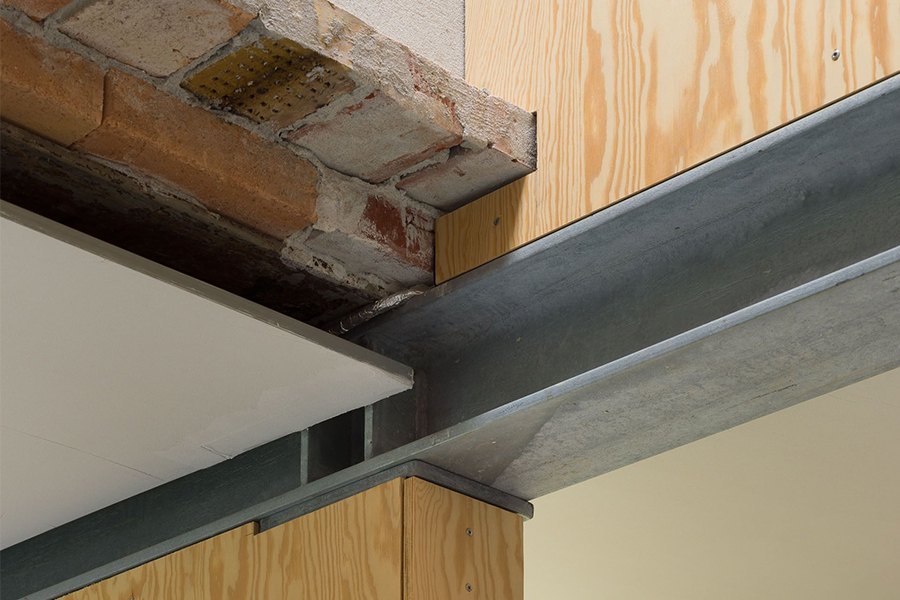
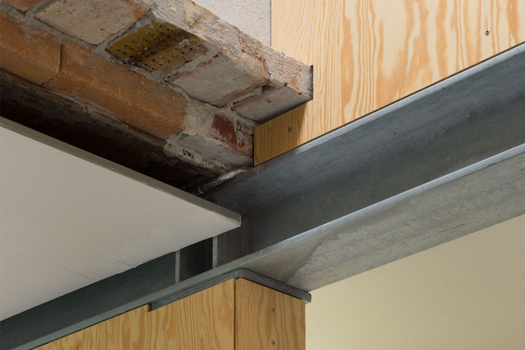
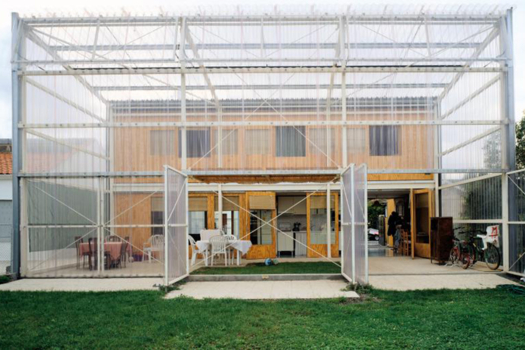
These issues build on our ongoing research into commons, informal urbanism, and everyday architecture. References include Learning from Las Vegas, Aureli’s political reading of form, and our own projects exploring adaptive reuse, cooperative housing, and gradual urban transformation, where social dynamics and material cycles shape spatial strategies over time.
SITE:
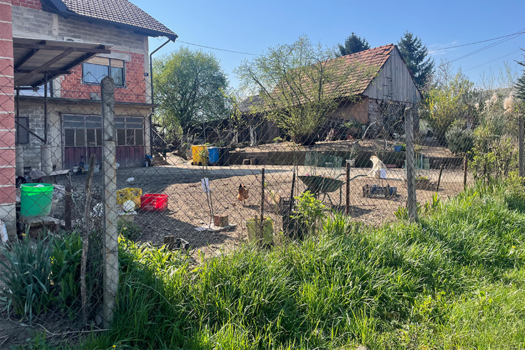
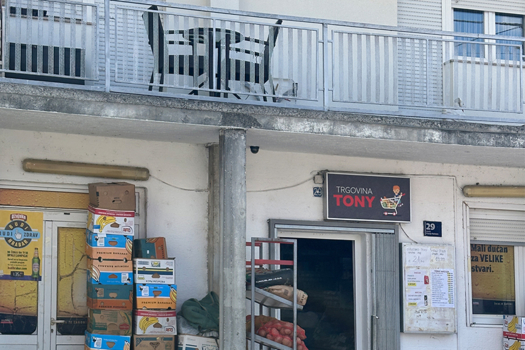
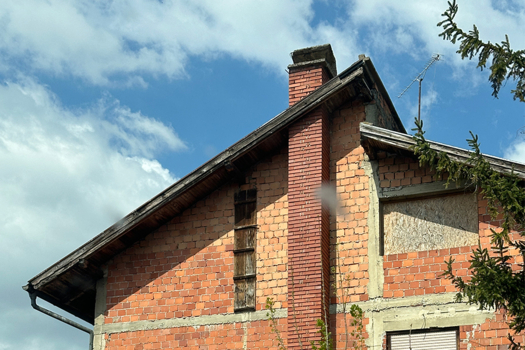
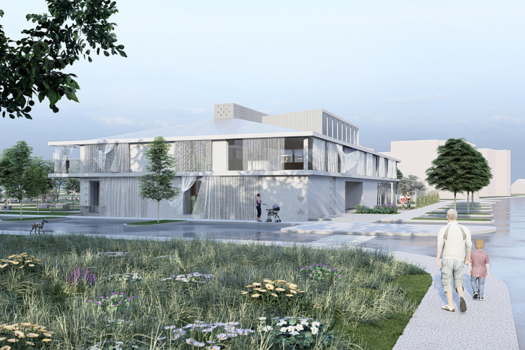
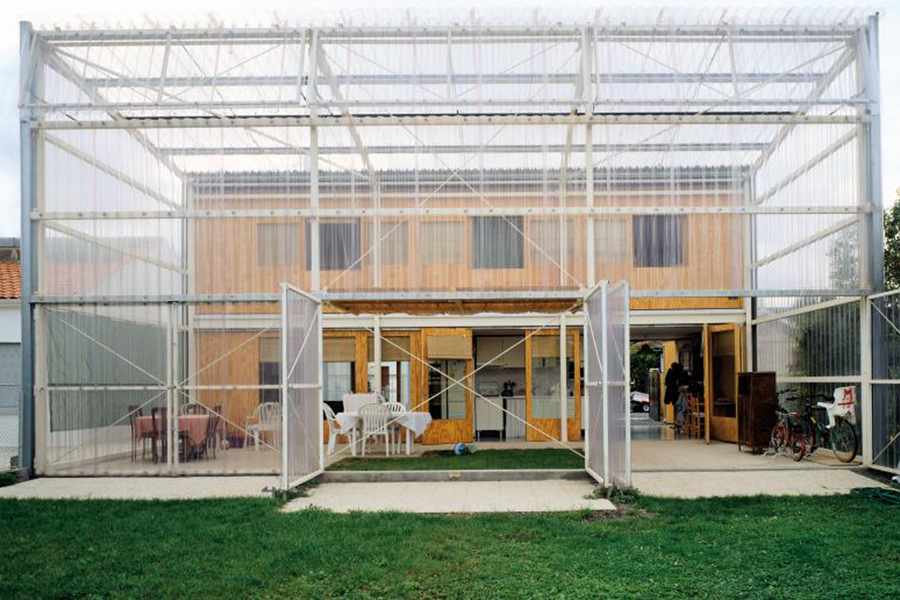
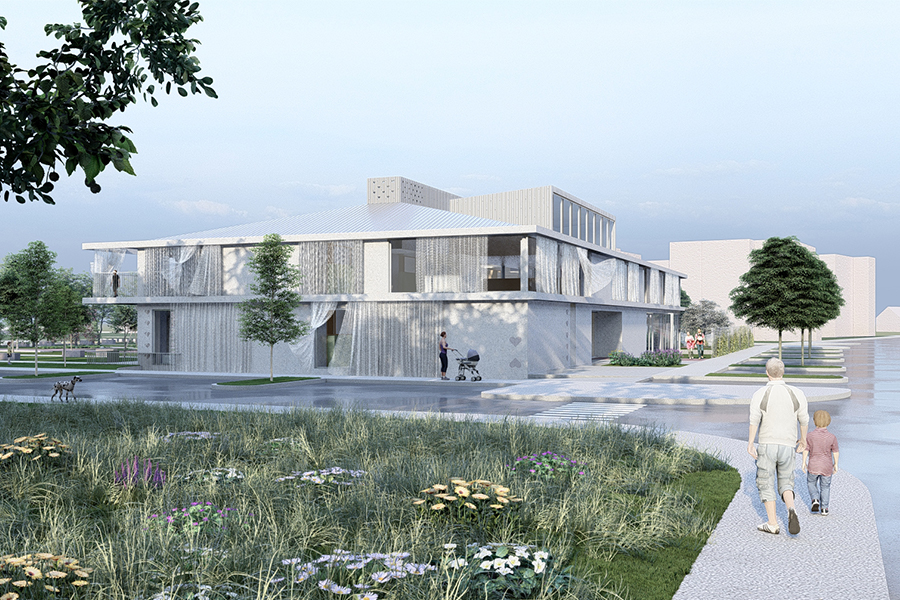
The project is conceived as a toolbox rather than a masterplan. It allows phased implementation, negotiation with residents, and incremental growth. Small-scale interventions build trust and public life first, while larger infrastructures follow. This temporal approach supports collective ownership, adaptability, and long-term social and ecological resilience.
REFERENCES:
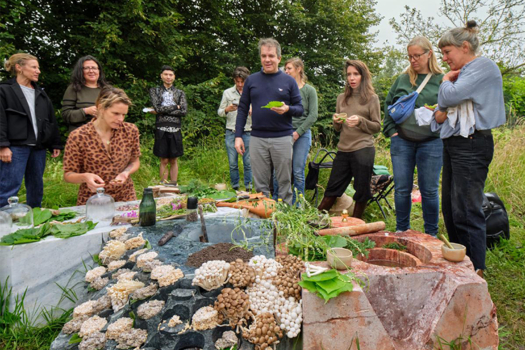
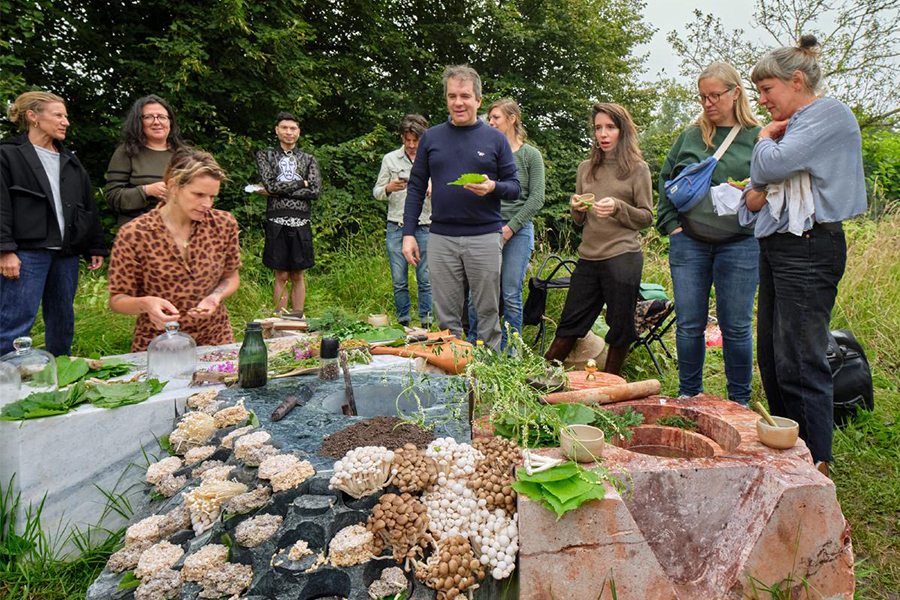
The team grew out of a shared experience of living in the Netherlands. Though now dispersed, this common ground brings together complementary skills in architecture, urban design, research by design, and participatory processes. We combine strong conceptual thinking with technical, ecological, and social sensitivity to translate everyday practices into robust spatial frameworks.
6. How could this prize help you in your professional career?
Yes. Europan offers a critical platform to deepen our research-driven practices and test ideas at an urban scale. It supports the transition from speculative research to real implementation, strengthens international dialogue, and reinforces our commitment to architecture as a social, ecological, and political practice.
TEAM IDENTITY
Legal status:
Team name:
Average age of the associates: 32 years old
Has your team, together or separately, already conceived or implemented some projects and/or won any competition? if so, which ones?
We have received several awards and recognitions in international architectural competitions, spanning kindergartens, public spaces, and masterplans, as well as for architectural research. Selected distinctions include:
2024 — Jarun Kindergarten — 3rd Prize Sara Blekić (Baum Studios) & Antea Divić (post studio), with Hana Dašić, Jana Horvat, Ria Tursan
2023 — Europan 17, Makarska — Runner-up Sara Blekić (Baum Studios) & Antea Divić (post studio), with Hana Dašić, Jana Horvat, Ria Tursan
2022 — Prix de Rome — Finalist Maciej Wieczorkowski (Dividual), with Andrea Bit 2021 — Superscape — Finalist Maciej Wieczorkowski (Dividual), with Andrea Bit
2019 — Europan 15 — Special Mention Maciej Wieczorkowski (Dividual), with Robert van der Pol and Andrea Bit
WORKS: