Lit mineur, lien majeur
Brignoles (FR) - Mentionné
TEAM PORTRAIT
VIDEO (by the team)
INTERVIEW
Click on the images to enlarge
1. How do you define the main issues of your project in relation with the theme “Re-sourcing”? Re-sourcing thanks to nature, to social dynamics, to new materiality? In which way do you think your project can contribute to an ecological and/or social evolution? And in which way do you think your project can be called a “regenerative project”?
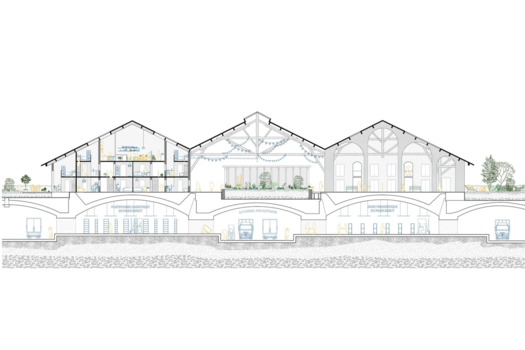
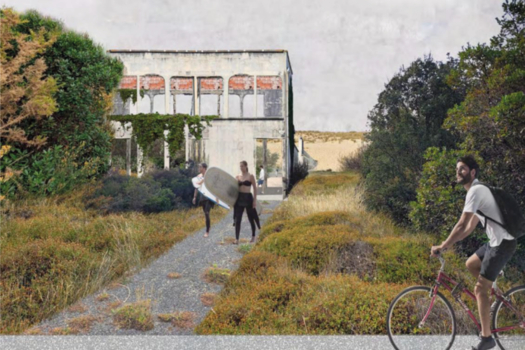
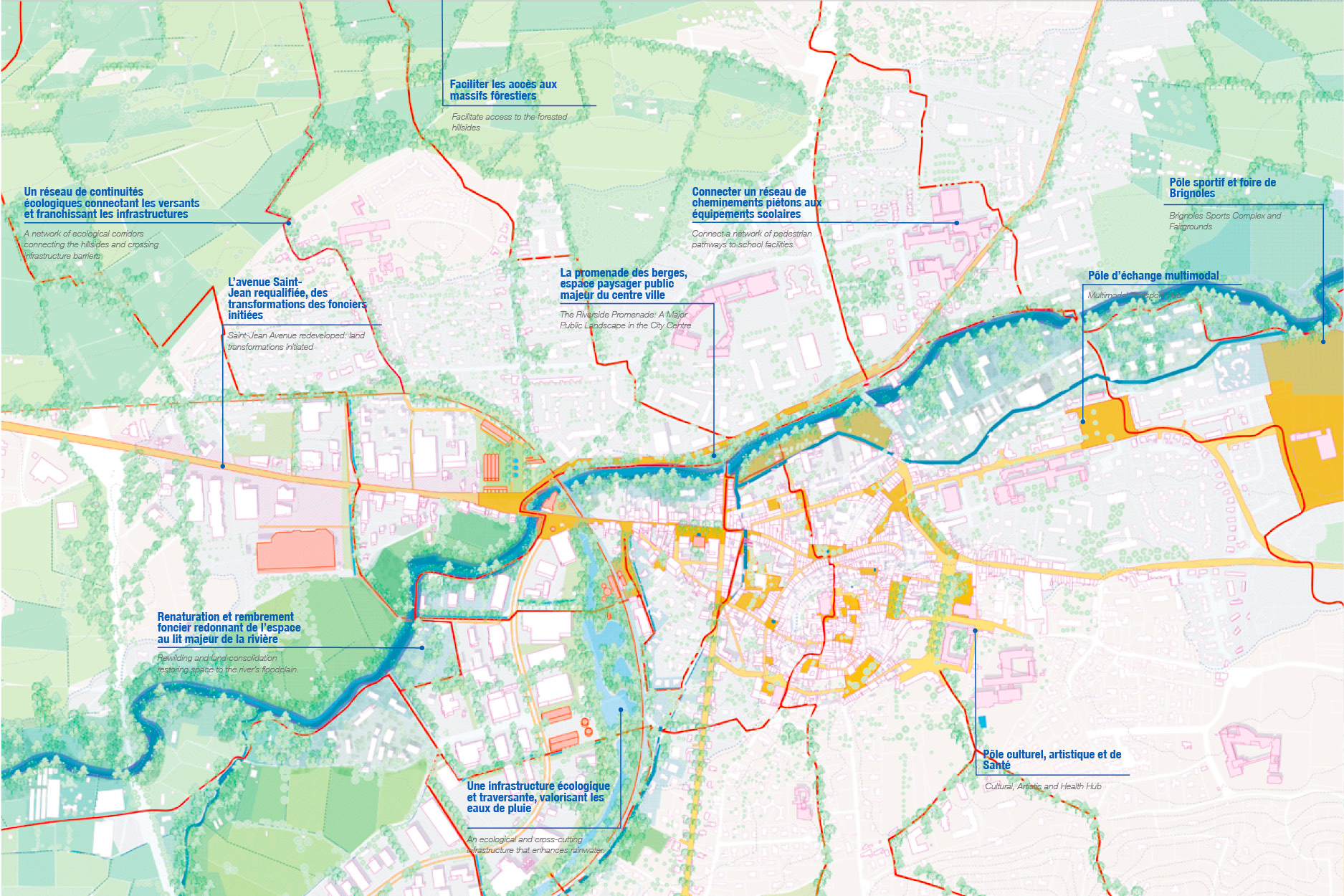
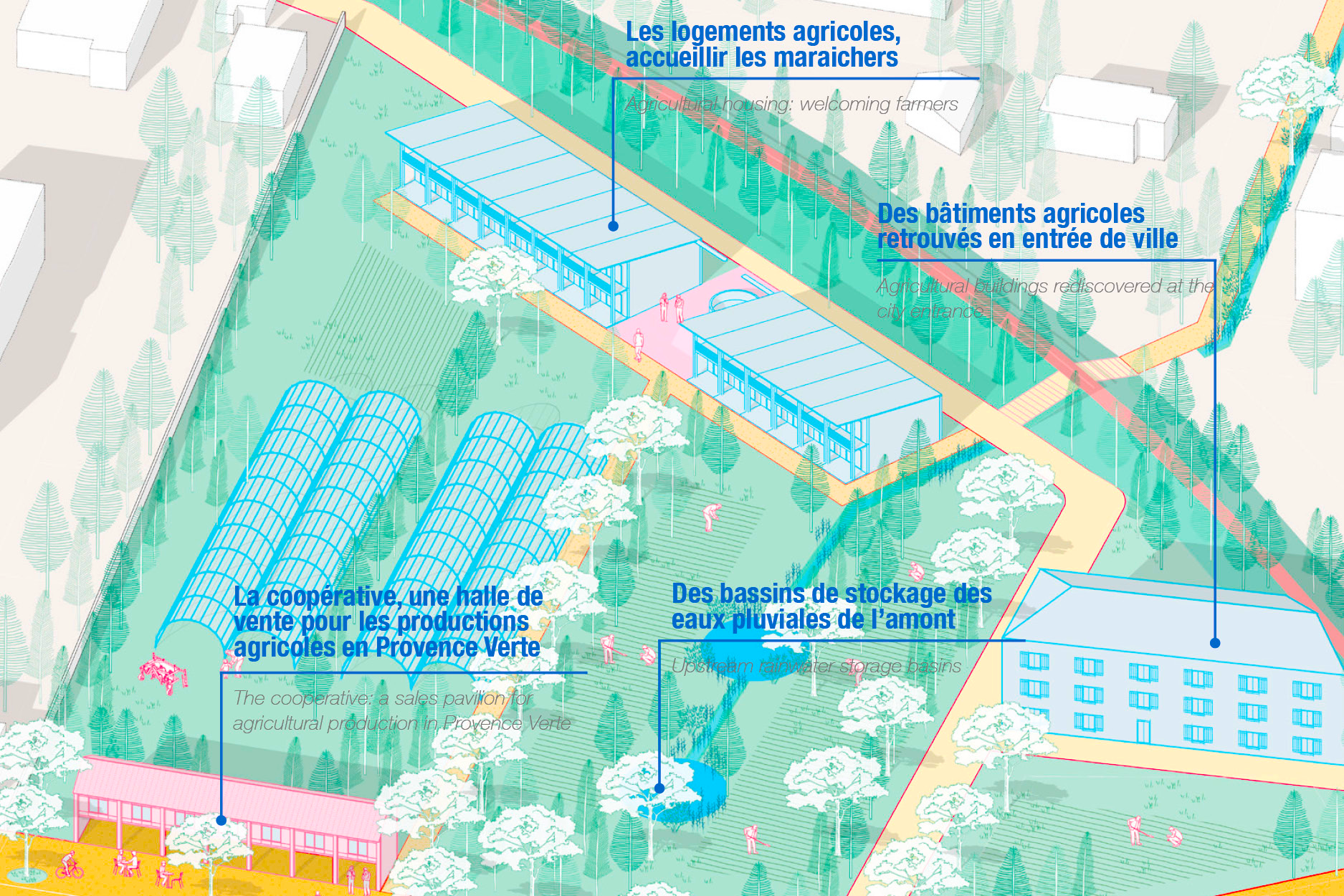
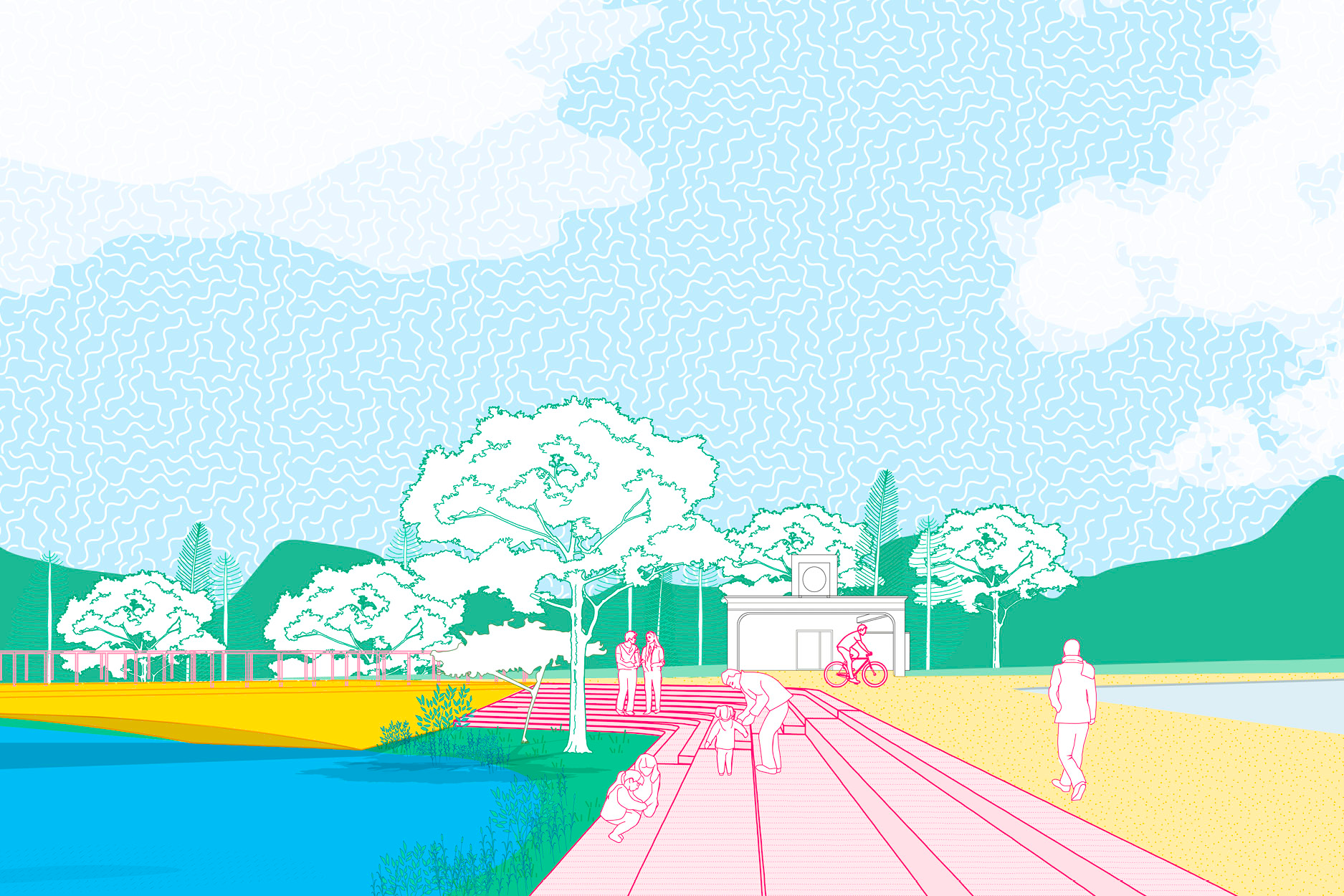
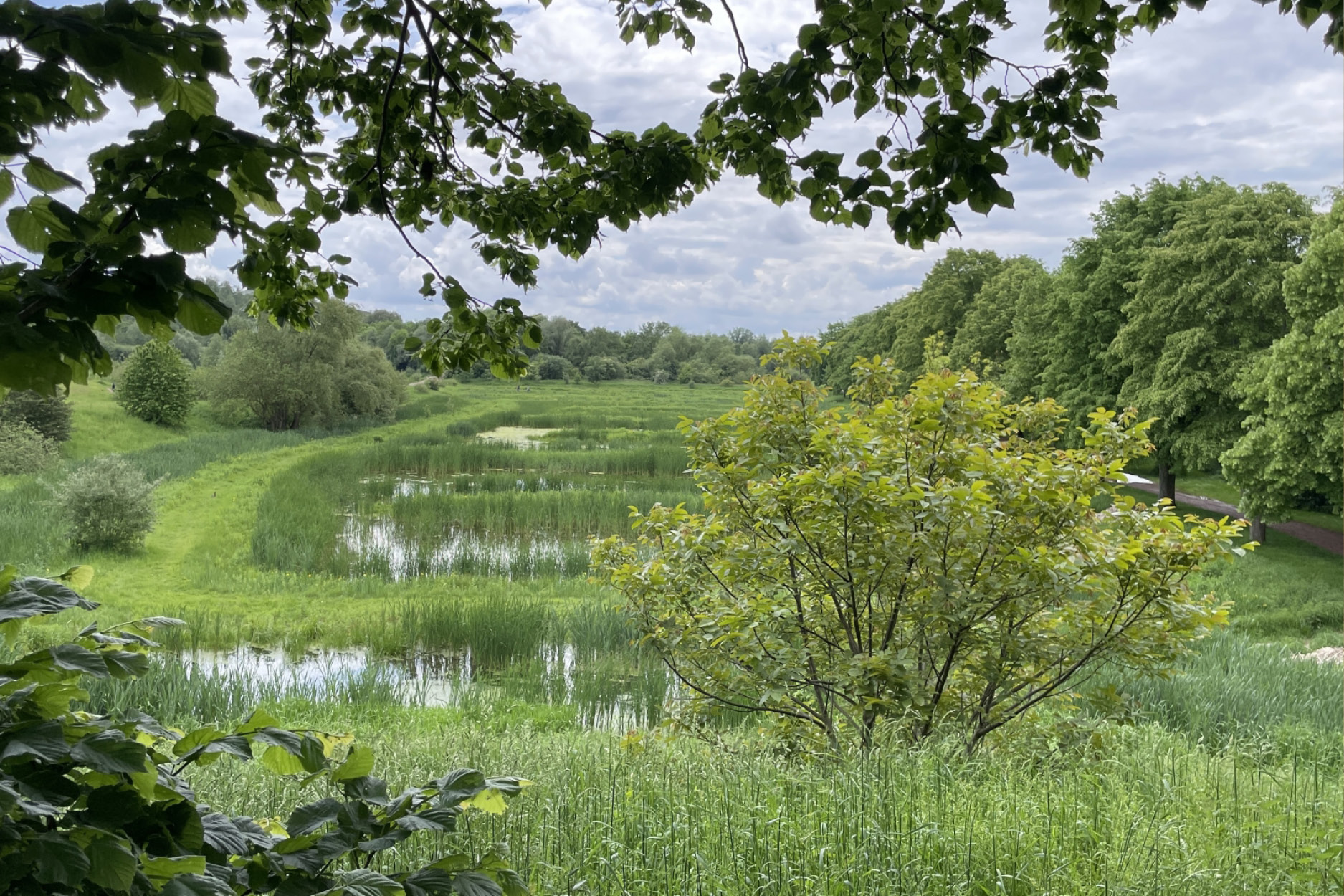
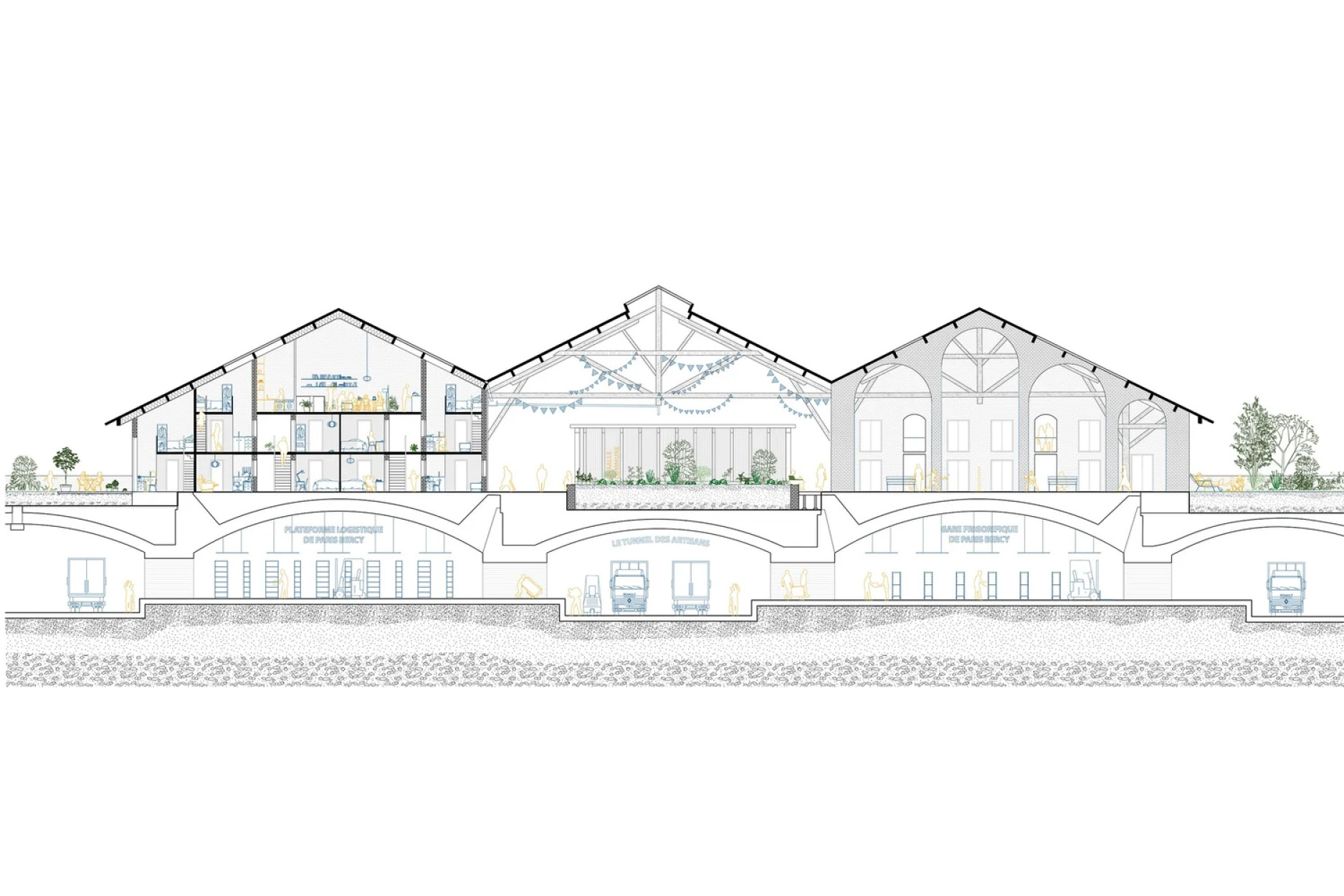
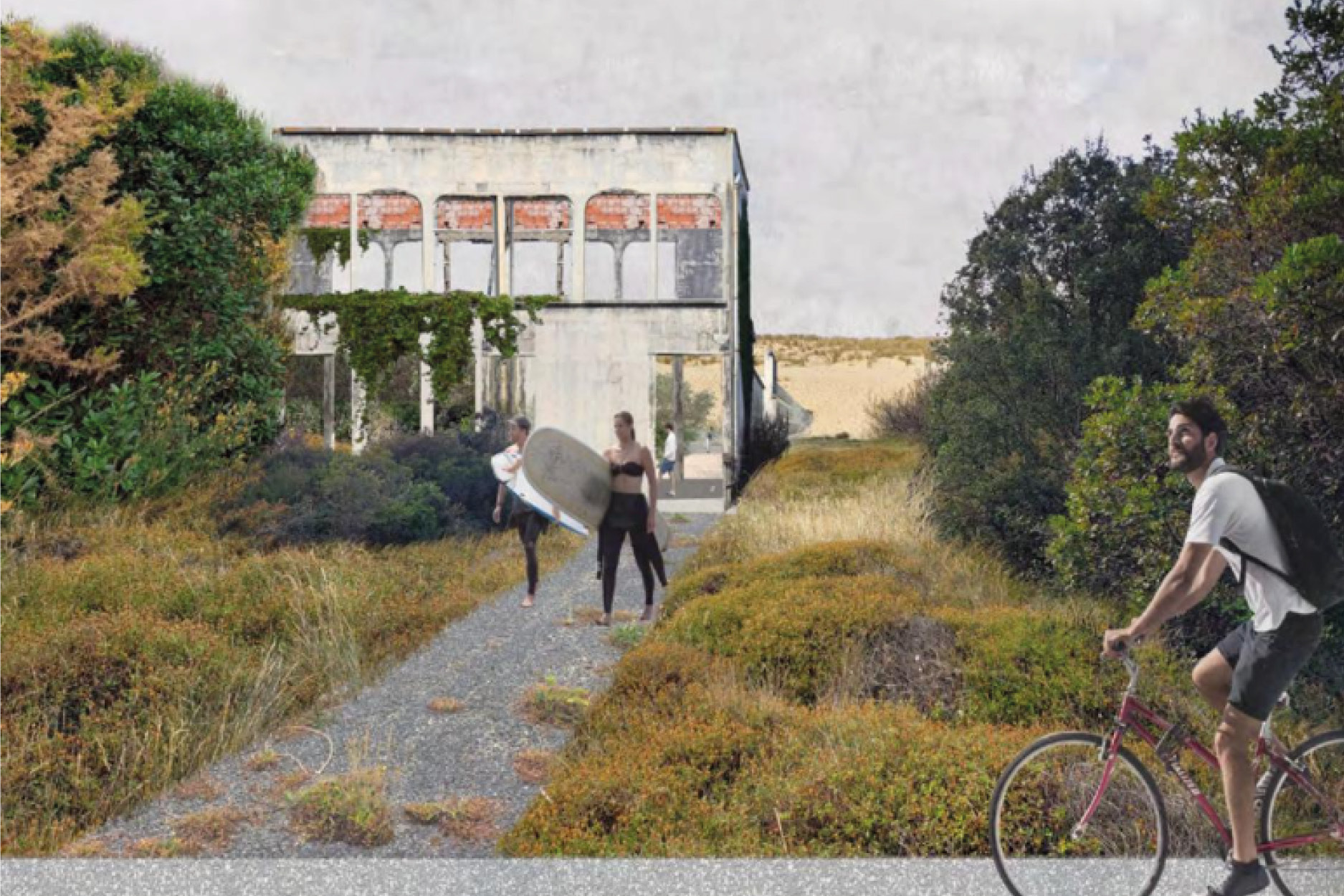
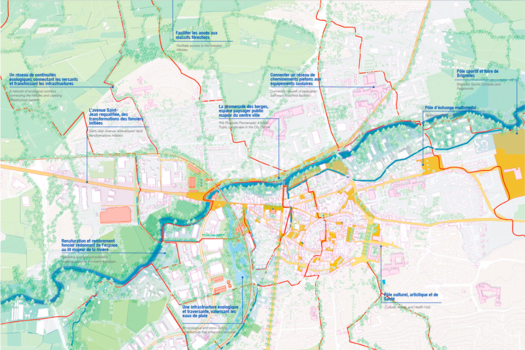
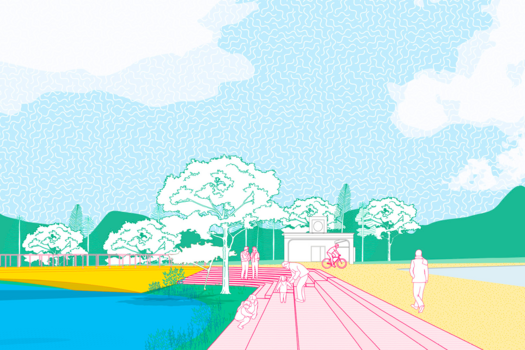
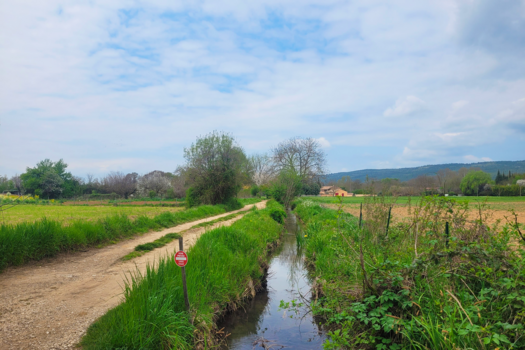
Water, a foundational but threatened resource, shapes the territory, its uses, and its social interactions. The project restores the connections between the watershed and the city center by enhancing the value of this resource to create cool spaces, soft mobility frames, and new living environments, fostering ecological and social transformation.
2. How did the issues of your design and the questions raised by the site mutation meet?
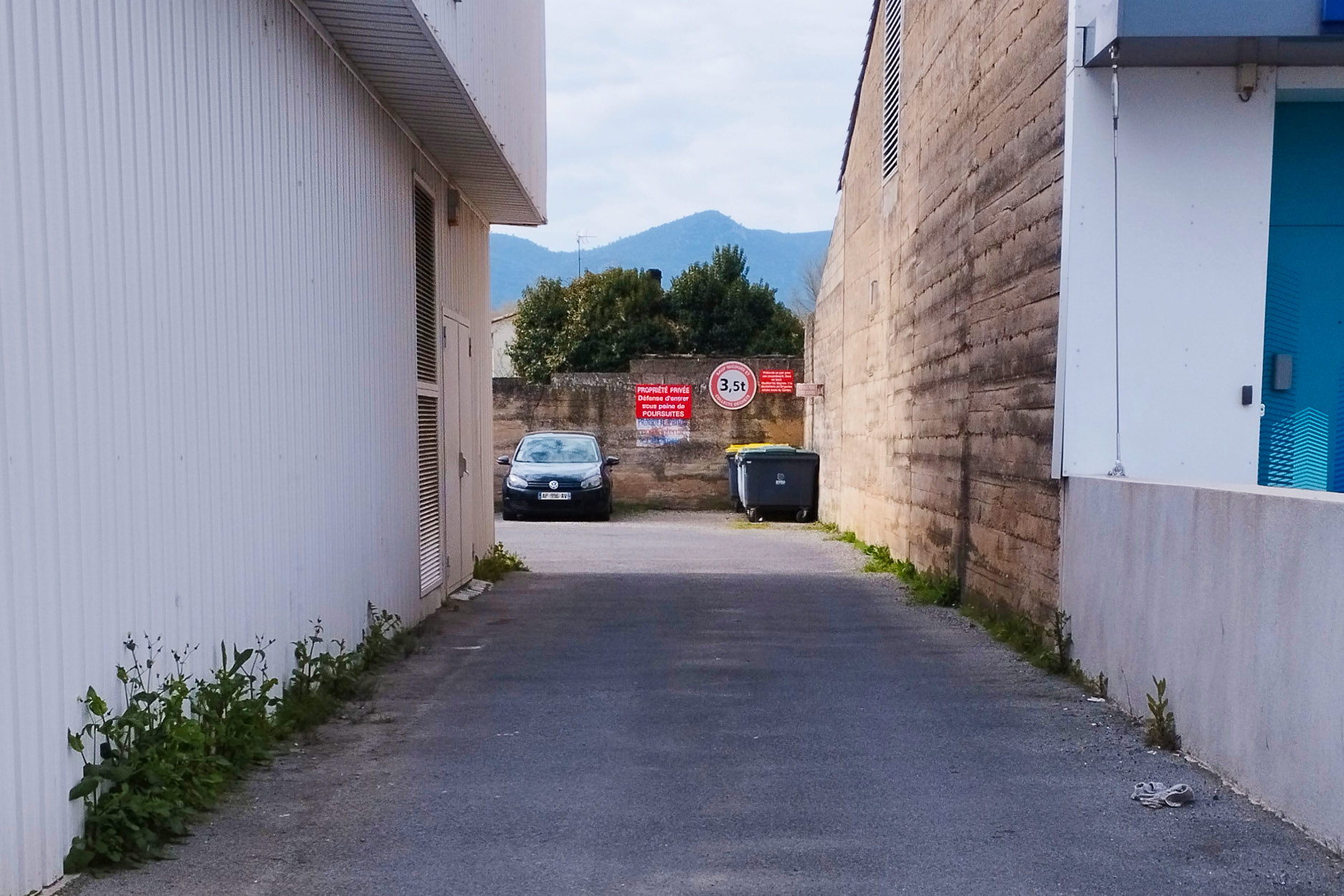
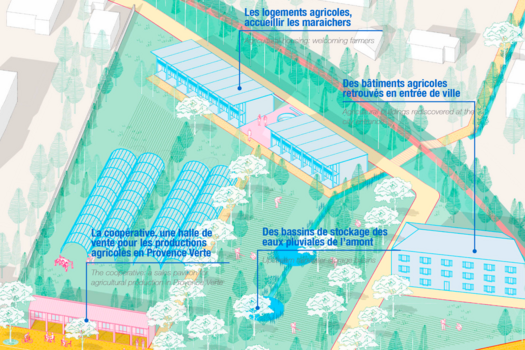
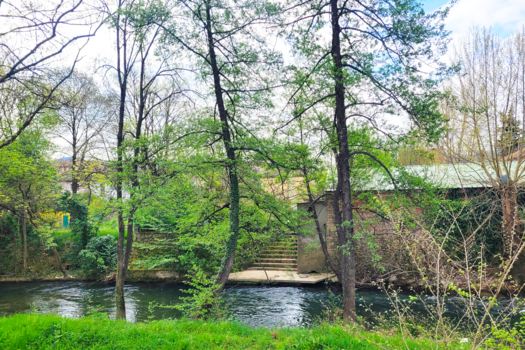
Our approach is based on understanding water as a multifaceted resource: sanitation, flood prevention, maintenance of irrigation systems. By addressing the site’s hydraulic challenges, the project reactivates a shared understanding of water, renews its role in urban planning, and makes it possible to reshape both the landscape and the functioning of the city’s gateway.
PROJECT:
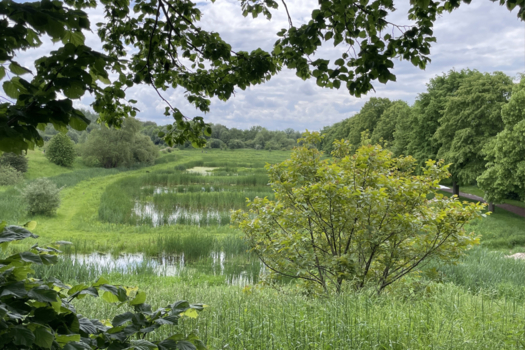
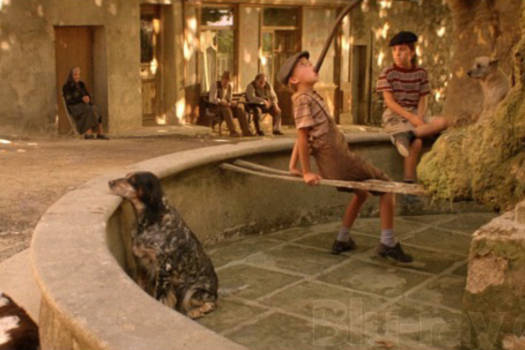
The issue of resources and territorial resilience has informed our work since our studies in urban planning. It shapes our reading of sites and feeds into our projects, where risks, geographical specificities, and their translation at the scale of public space are constant references. The inclusion of various stakeholders—both policymakers and inhabitants —within the urban project is also a key concern in our professional practice.
SITE:
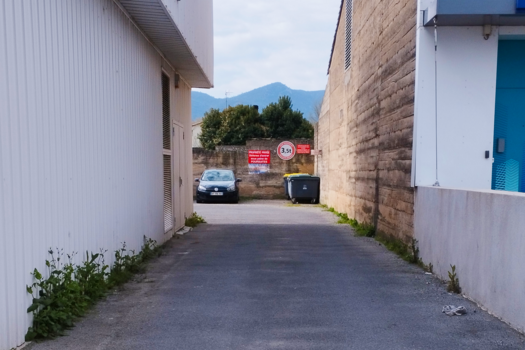
Planning practice today must be aware of its own limits, in a context of uncertainty. Traditional governance and project tools must give way to open and adaptable long-term foresight approaches. The aim is less to predict than to learn how to respond collectively. In Brignoles, we propose the “Water Game,” a participatory framework and a decision-support tool.
REFERENCES:
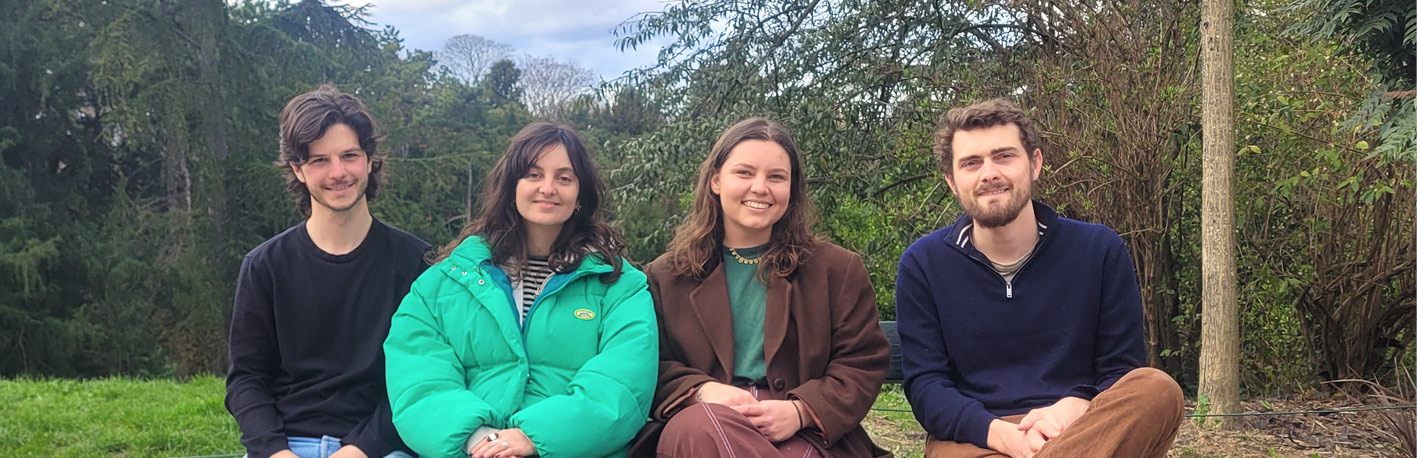
We are four graduates of the DSA Architect-Urbanist program at the EAVT Paris-Est School of Architecture. All four of us have previously worked together on themes and scales similar to those addressed by Europan. Following diverse professional experiences, it seemed relevant to form this team—grounded in a shared foundation and enriched by our individual paths.
6. How could this prize help you in your professional career?
As four young qualified architect-urbanists, this award represents for us an initial recognition of the early stages of our work and reflections. It could also, through continued collaboration with the local authority, become a remarkable gateway to a field of experimentation and professional development.
TEAM IDENTITY
Legal status:
Team name:
Average age of the associates: 27 years old
Has your team, together or separately, already conceived or implemented some projects and/or won any competition? if so, which ones?
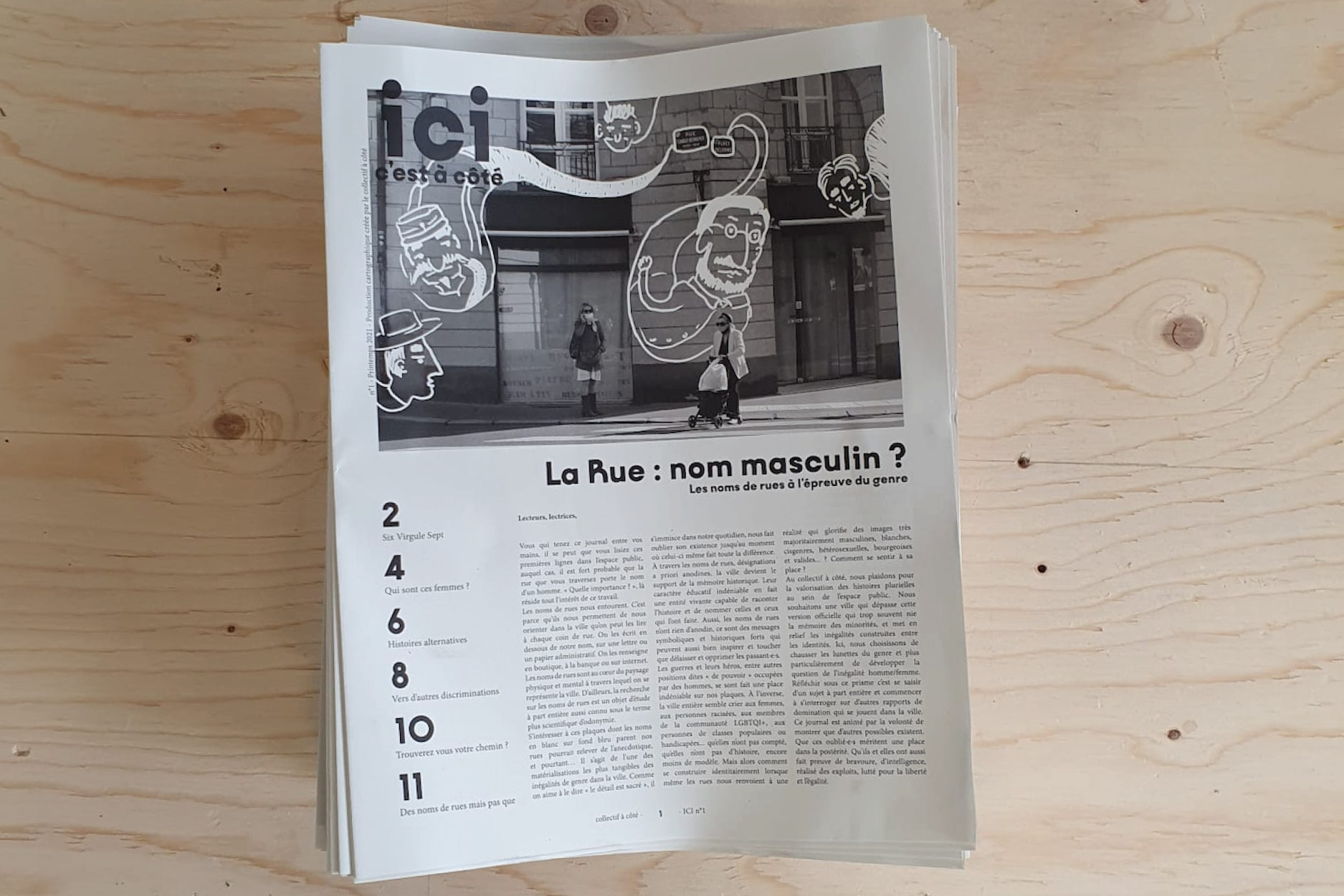
Some team members have taken part in multiple architecture and urban planning competitions, where they have been awarded prizes, such as the W Prize and « Habiter le littoral manchois en 2050 » (CAUE 50).
WORKS: