Rendez-vous sous les ormes
Romainville (FR) - Lauréat
TEAM PORTRAIT
VIDEO (by the team)
INTERVIEW
Click on the images to enlarge
1. How do you define the main issues of your project in relation with the theme “Re-sourcing”? Re-sourcing thanks to nature, to social dynamics, to new materiality? In which way do you think your project can contribute to an ecological and/or social evolution? And in which way do you think your project can be called a “regenerative project”?
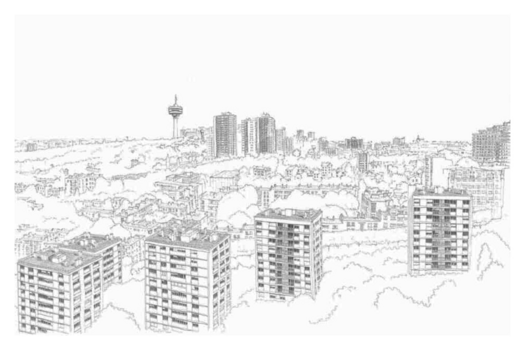
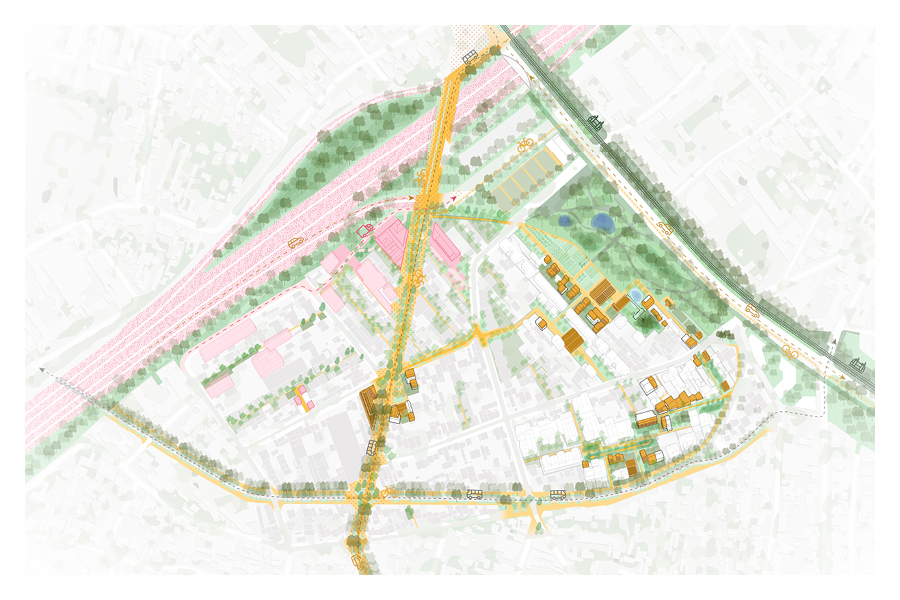
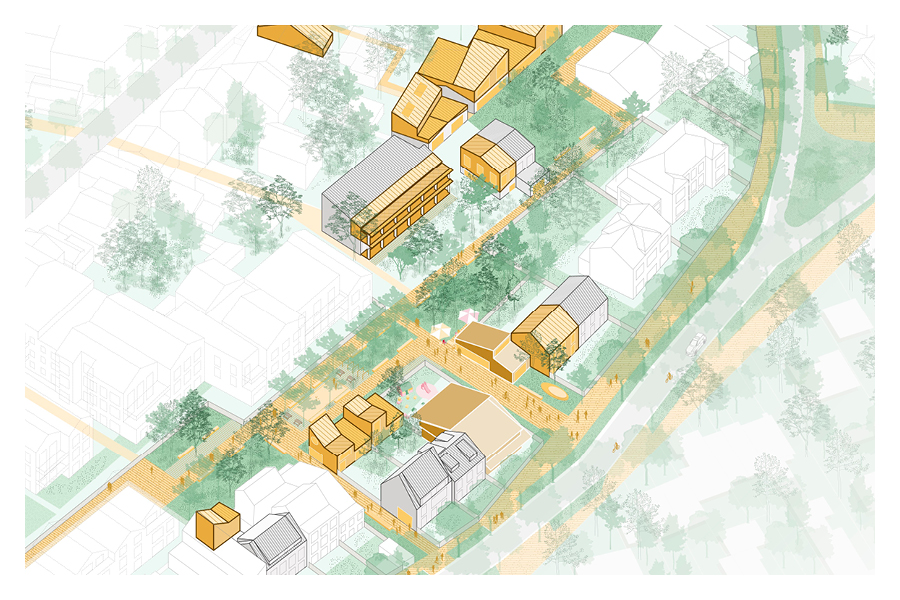
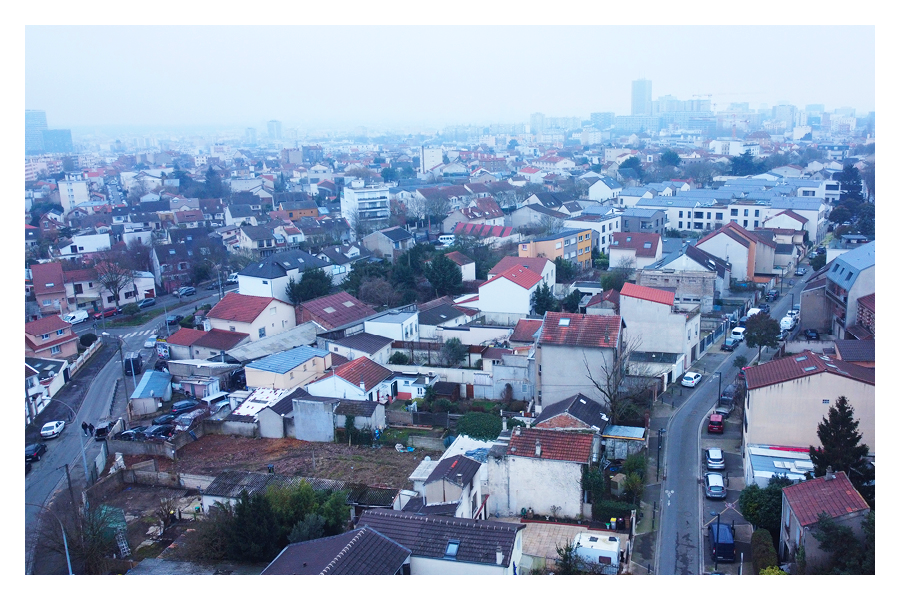
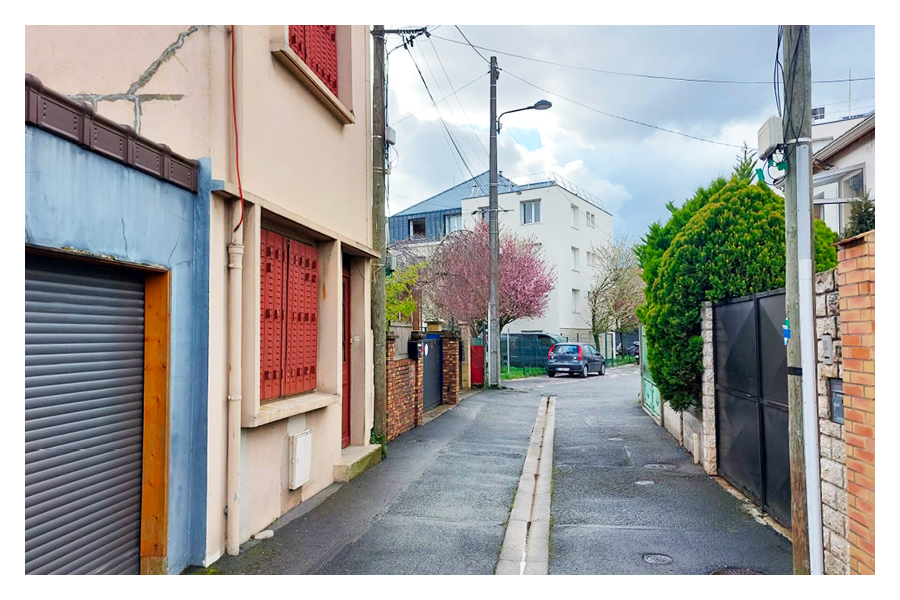
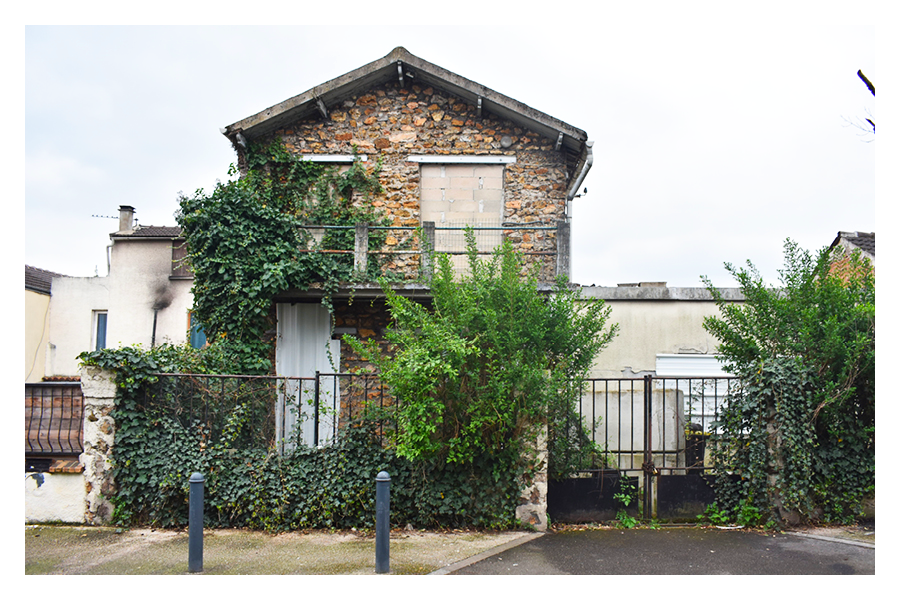
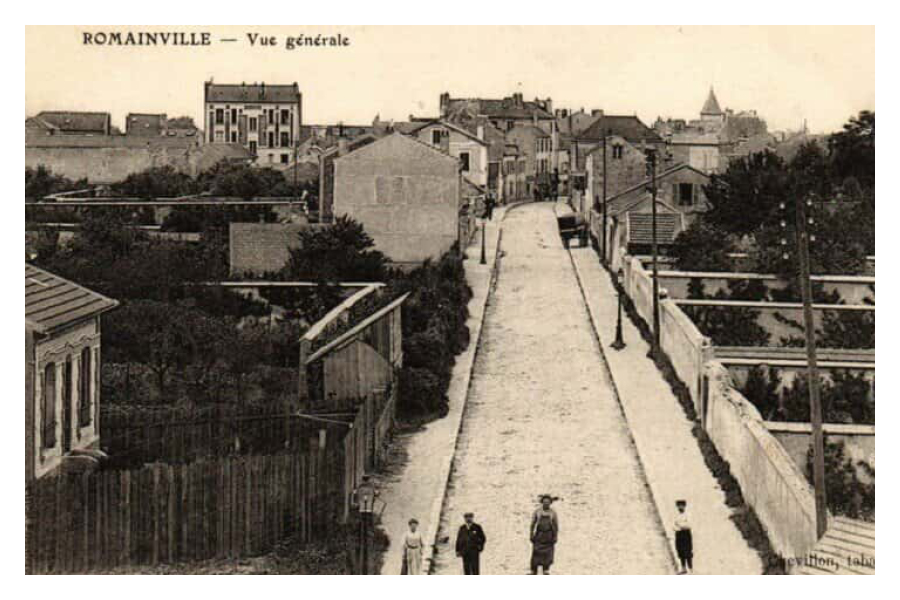
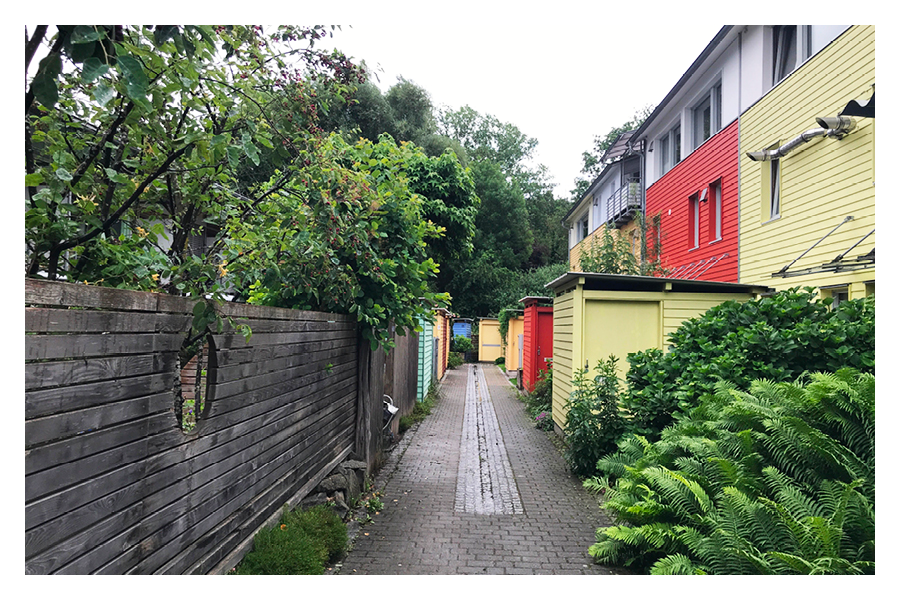
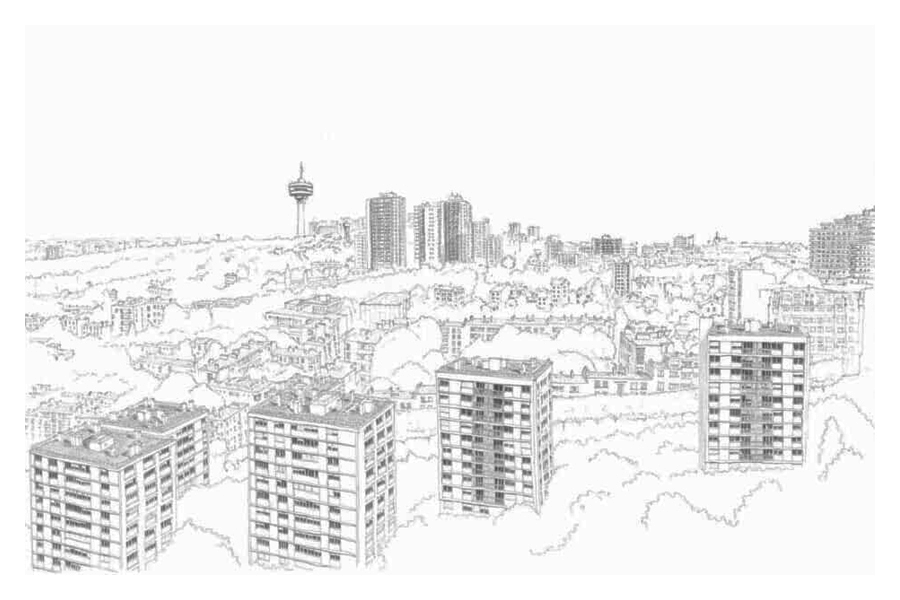
The Ormes neighbourhood, a popular residential area developed on former agricultural land, has a vibrant green network, permeable block centres, a network of alleyways, a close-knit community and a fragile local craft economy. The neighbourhood is at a turning point in its history with the arrival of the tramway and increased pressure on land. Today, it must simultaneously contend with the appetite of developers, strengthen the neighbourhood's ecological resilience, and maintain its artisanal activity. Building on these assets, the project aims to work with residents to forge an alliance based on the recognition and promotion of commons: shared everyday spaces that enhance community life and allow a gentle regeneration of the neighbourhood.
2. How did the issues of your design and the questions raised by the site mutation meet?
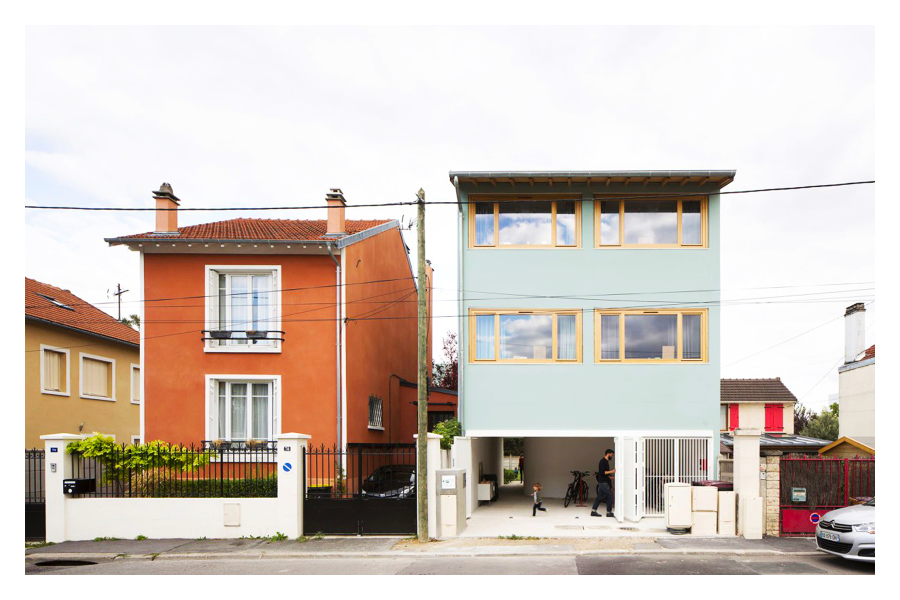
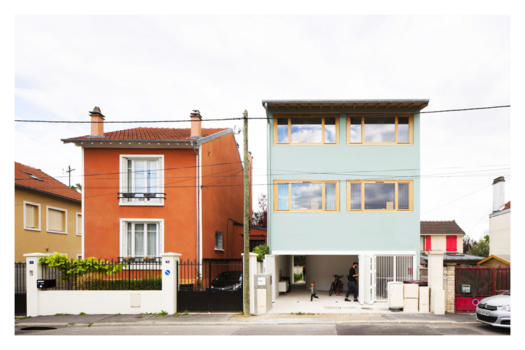
In recent years, property development projects have been built on the site. These have led to a rise in land prices and urban and architectural forms that are at odds with the identity of the neighbourhood. Some small houses now stand directly opposite new three- to four-storey buildings. Private gardens are disappearing, as are the narrow lanes that once criss-crossed the old agricultural plots. Our project aims to control these changes by redeveloping existing public spaces, through municipal and citizen land management that integrates new transport links, by installing public facilities and by developing new forms of housing, such as cooperative housing.
PROJECT:
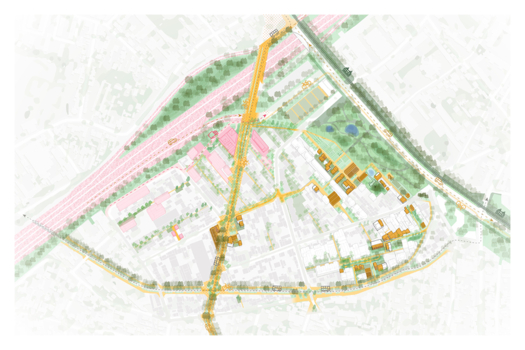
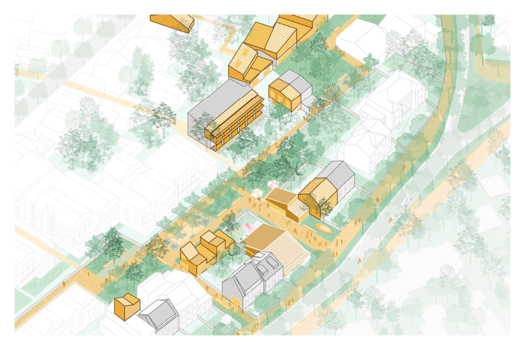
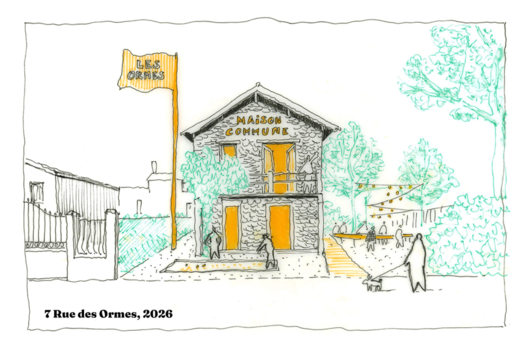
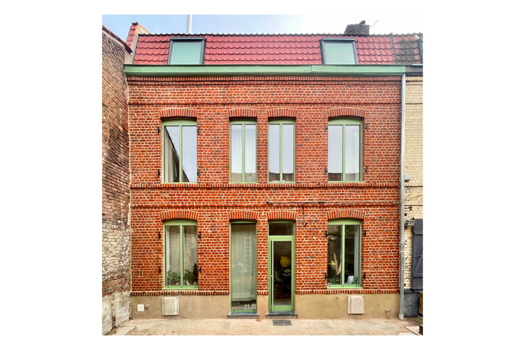
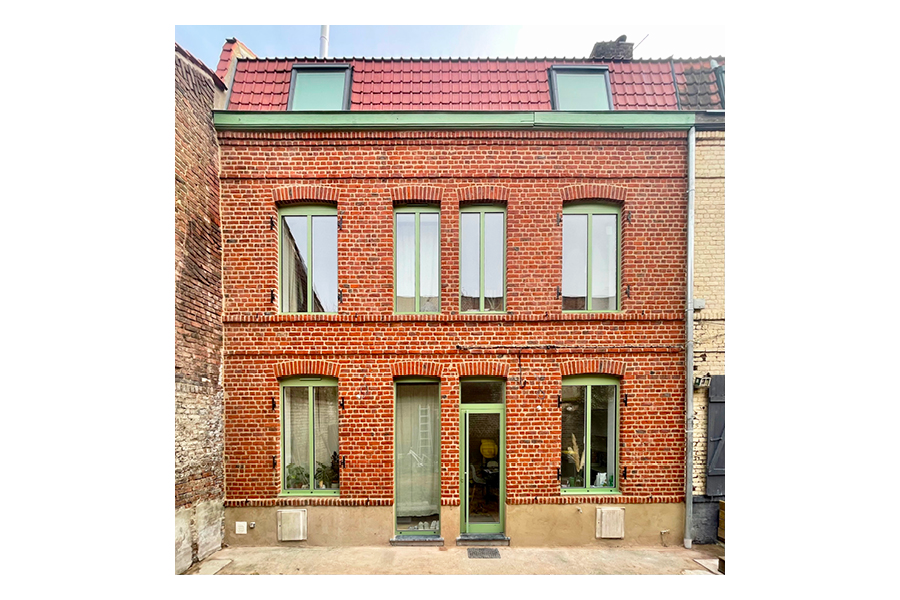
Our respective backgrounds as architects, urban planners, landscape architects and designers have shaped our shared understanding of the territory. Our project is conceived as an urban process rather than a form, based on a demanding participatory approach to urban planning. This approach is linked to municipal land management, alternative allocation methods, and a focus on the quality of buildings and public spaces. The Vauban district in Freiburg im Breisgau is a key reference in this regard. At the plot level, a project such as the alternative housing development of six dwellings built by Atelier de l'Ourcq as a self-promotion project is, for us, a concrete example in Romainville of the direction to take.
SITE:
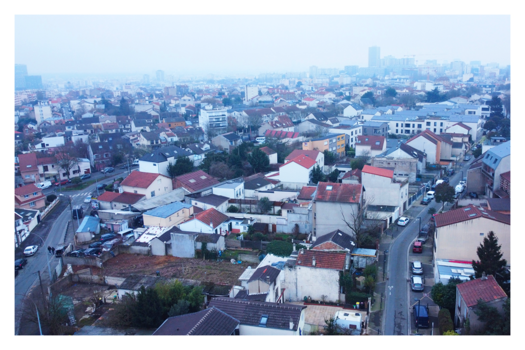
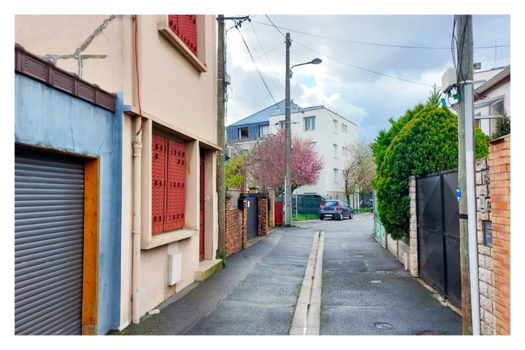
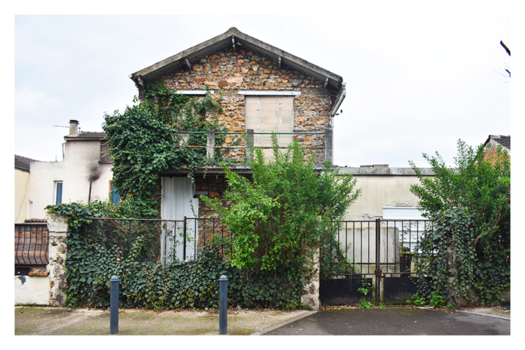
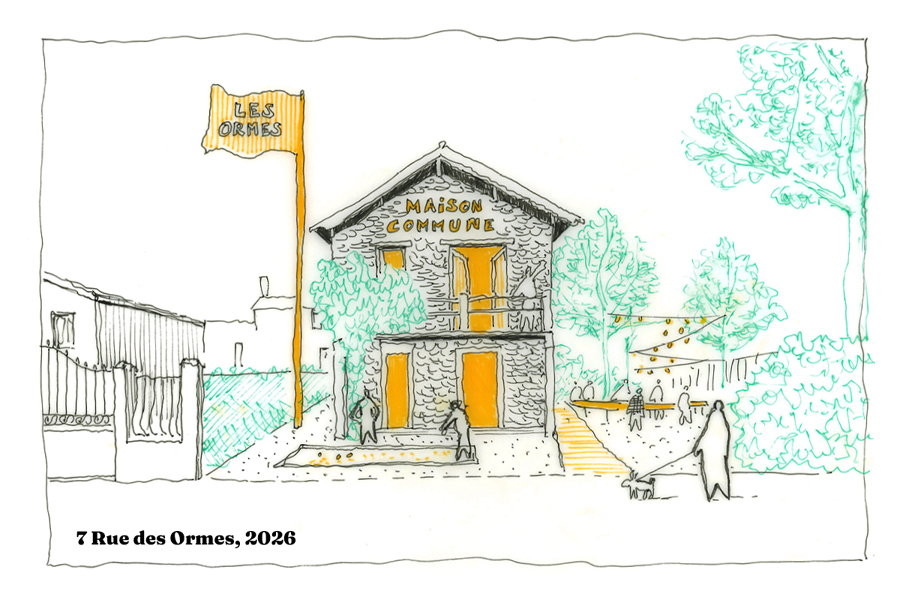
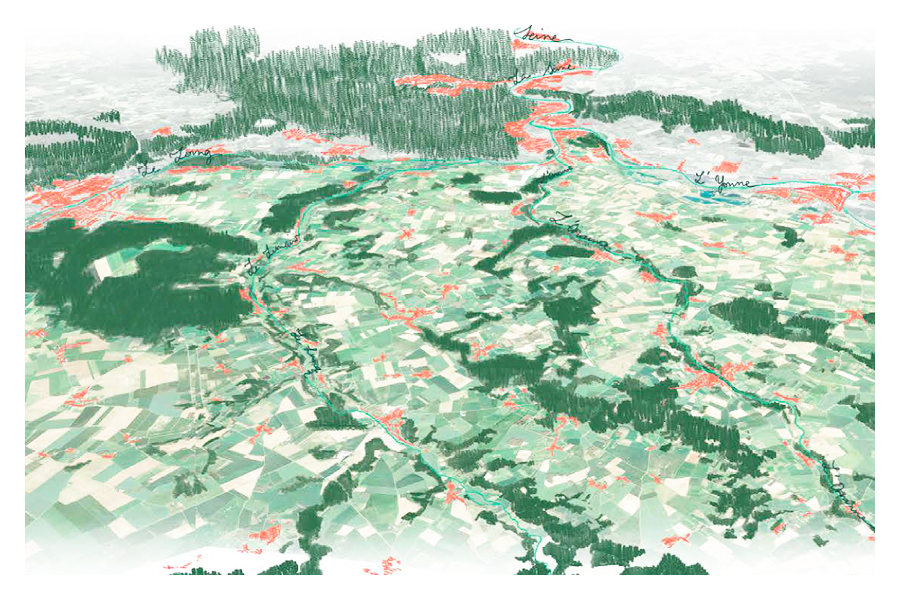
Our project is conceived as a collaborative process, negotiated with residents, elected representatives and institutional partners. It is structured around three complementary strands: citizen mobilisation, through events and the activation of public spaces such as the Maison Commune, aimed at building a shared understanding of the neighbourhood; the co-design of public spaces and a flexible master plan, developed through participatory workshops; and support for private property, including land management that encourages alternative housing models, alongside tailored guidance for renovations and private projects, ensuring inclusivity and ongoing consultation.
REFERENCES:
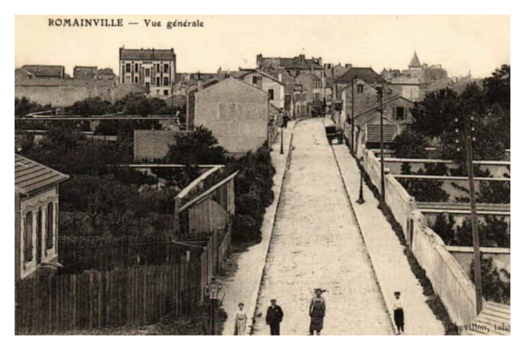
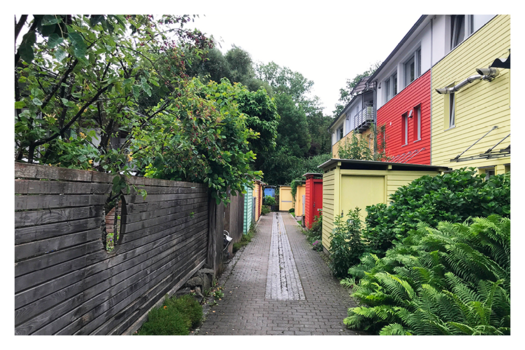
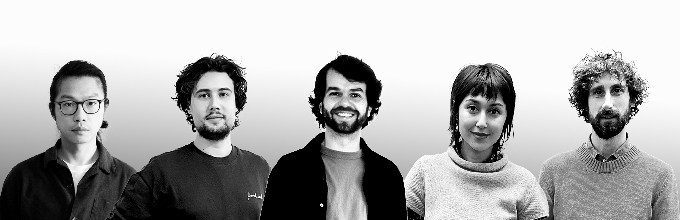
The team was formed based on professional and geographical affinities. It brings together complementary profiles — architecture, urban planning, landscaping — who share the same project culture and a common focus on ordinary territories. Several members have worked or lived in this part of the Île-de-France region and the suburban neighbourhoods in this area. This experience of the places, their fragilities but also their resources, served as the foundation for the collective.
6. How could this prize help you in your professional career?
This award enables us to uphold a demanding vision of urban development and broaden the scope of our professional activities by creating a collective to pursue the project and respond to future opportunities.
TEAM IDENTITY
Legal status:
Team name:
Average age of the associates: 33 years old
Has your team, together or separately, already conceived or implemented some projects and/or won any competition? if so, which ones?
Our team was formed during the Europan competition, which remains our only shared reference to date, but we do not intend to stop there. Although we will continue to work on urban, architectural and landscape projects within our respective organisations, we wish to build on this team synergy through new projects and competitions with our collective ‘Sous les Ormes’.aOur team was formed during the Europan competition, which remains our only shared reference to date, but we do not intend to stop there. Although we will continue to work on urban, architectural and landscape projects within our respective organisations, we wish to build on this team synergy through new projects and competitions with our collective ‘Sous les Ormes’.
WORKS: