The Cape flows to the sea (and back again)
Santa Pola (ES) - Mention spéciale
DONNÉES DE L’ÉQUIPE
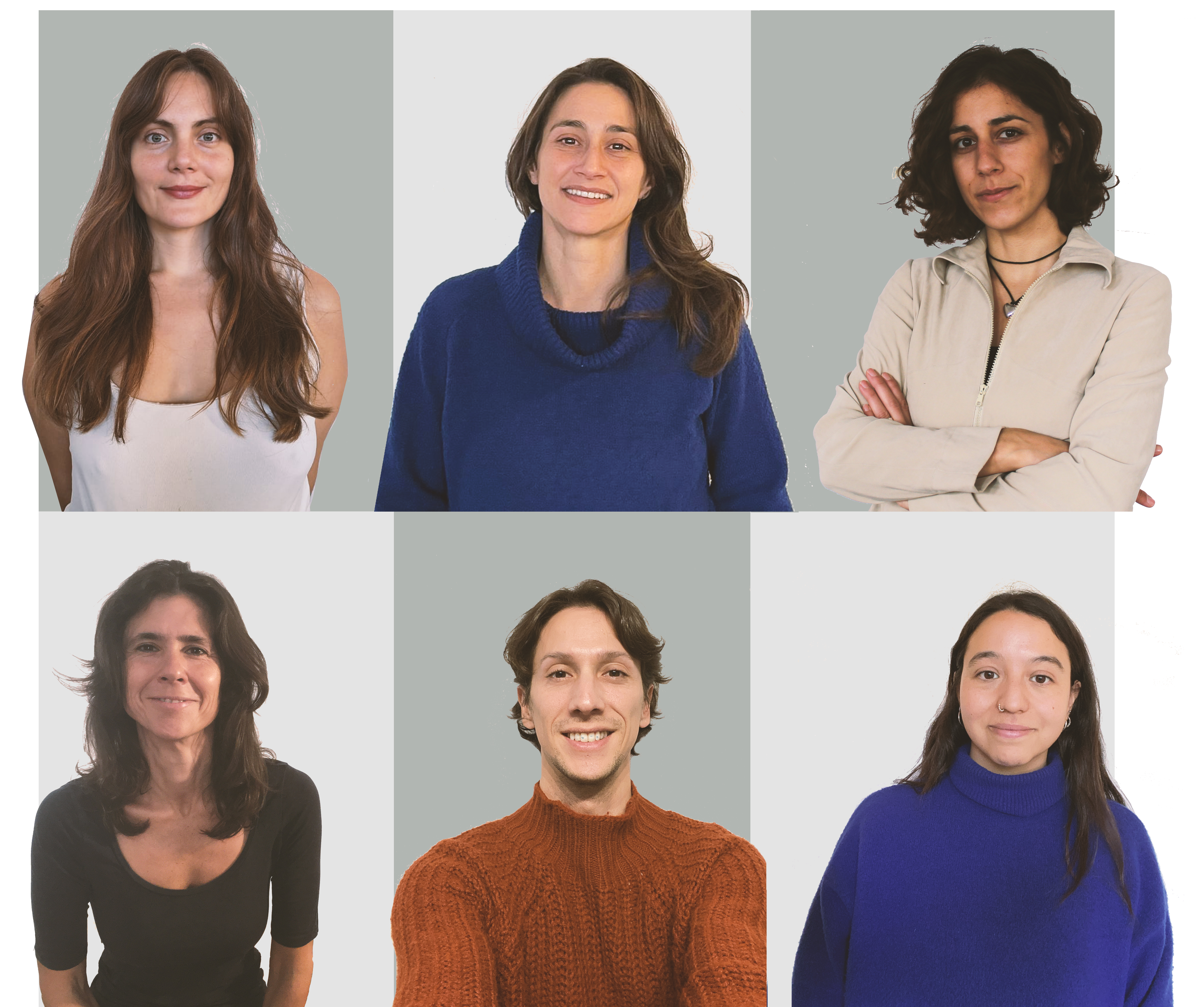
Associés: Valentina Piliego (IT), Melanie Theodosopoulou (GR), Evanthia Beristianou (GR), Giovanna Bartoleschi (IT) – architectes et architectes paysagistes, Daniel Gómez de Zamora Martínez (ES) – biologiste et architecte paysagiste
Contributor: Kai Romero (CL) – architecte et architecte paysagiste
info@coremaestudi.com / @corema.estudi
TEAM PORTRAIT
INTERVIEW
Click on the images to enlarge
1. How do you define the main issues of your project in relation with the theme “Re-sourcing”? Re-sourcing thanks to nature, to social dynamics, to new materiality? In which way do you think your project can contribute to an ecological and/or social evolution? And in which way do you think your project can be called a “regenerative project”?
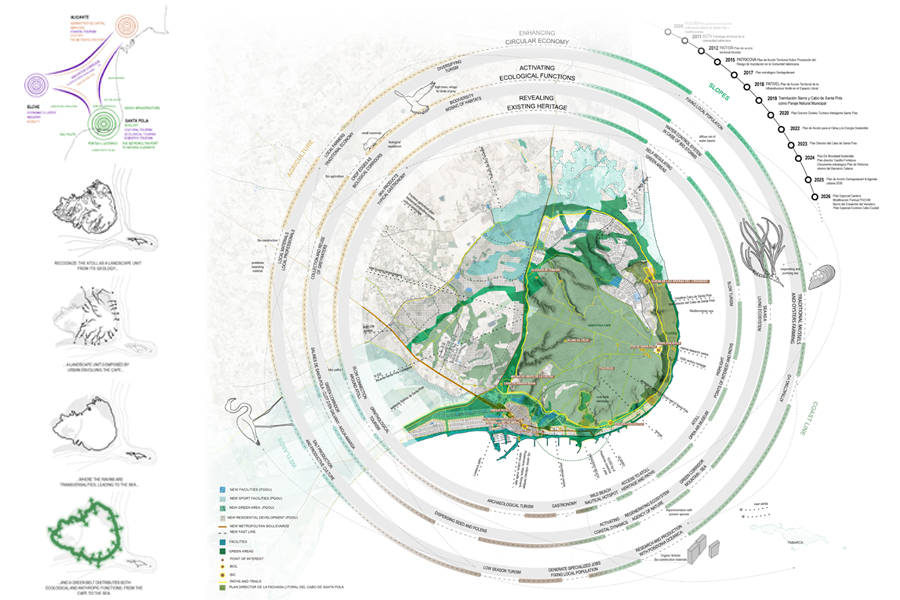
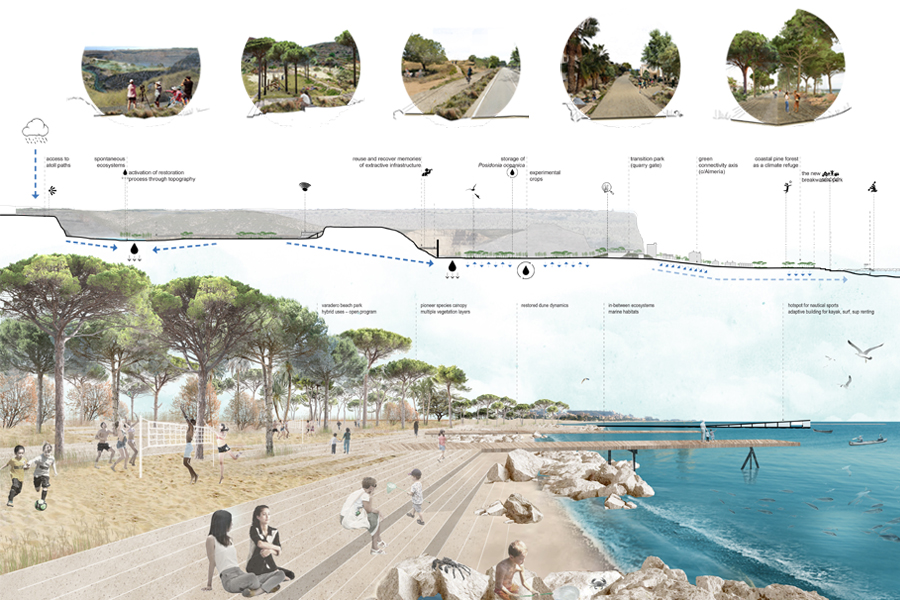
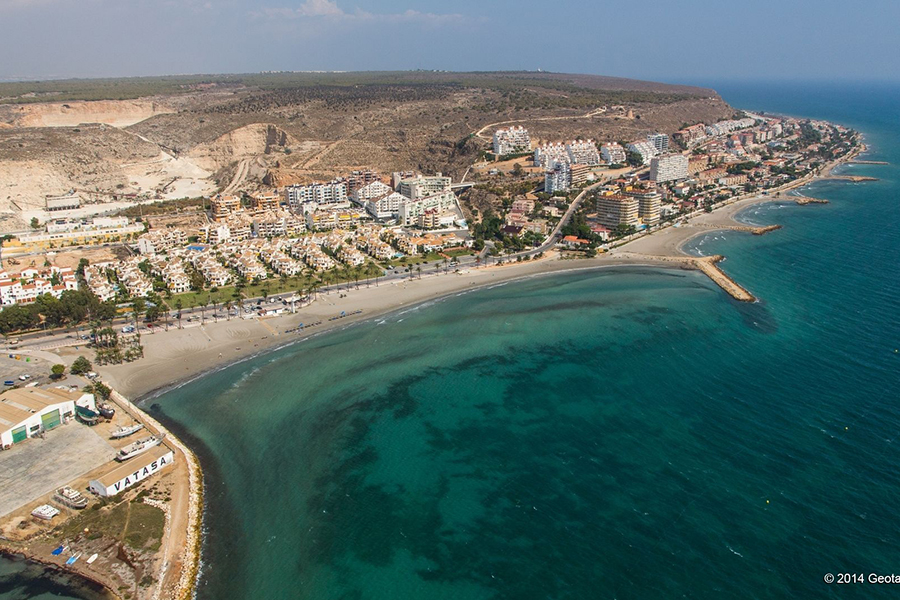
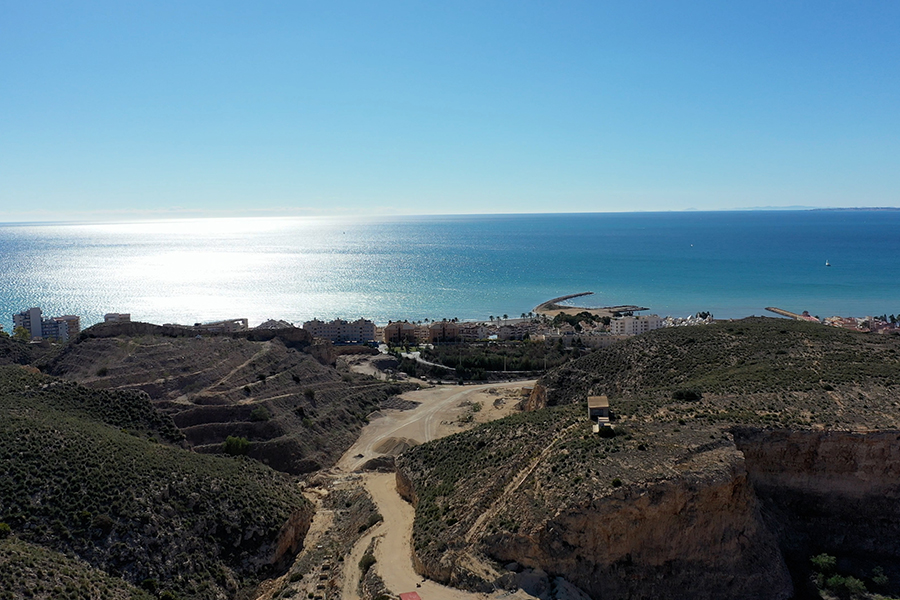
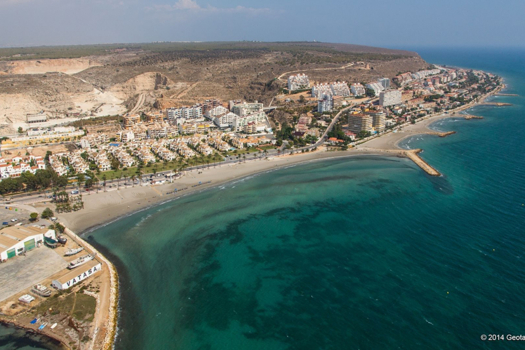
Re-sourcing is a shift from extracting to re-activating living systems. We read Cabo de Santa Pola as a sea/sierra and ravine/city metabolism, where water, sediment, pioneer ecologies and daily mobility become the “resources” that can trigger ecological services, spatial cohesion and long-term resilience.
2. How did the issues of your design and the questions raised by the site mutation meet?
All three. Nature works as infrastructure (ravines/buffers retain, slow and filter flooding water; dunes and sediment dynamics are restored). Social re-sourcing happens through a continuous walk/bike ronda that redistributes access year-round. Material re-sourcing comes from circular uses of Posidonia for restoration and bio-based construction.
PROJECT:
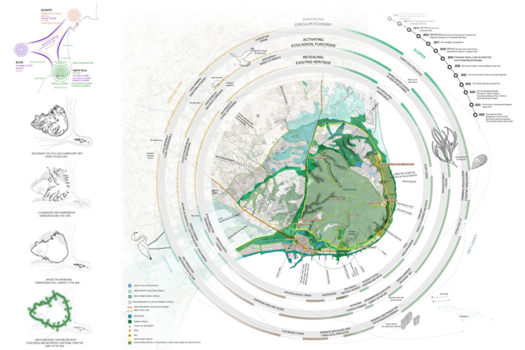
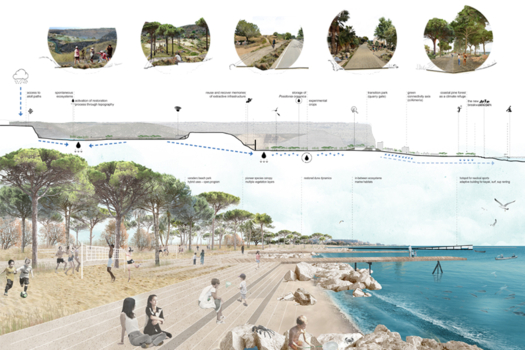
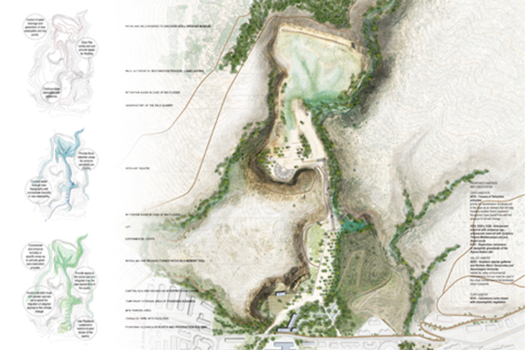
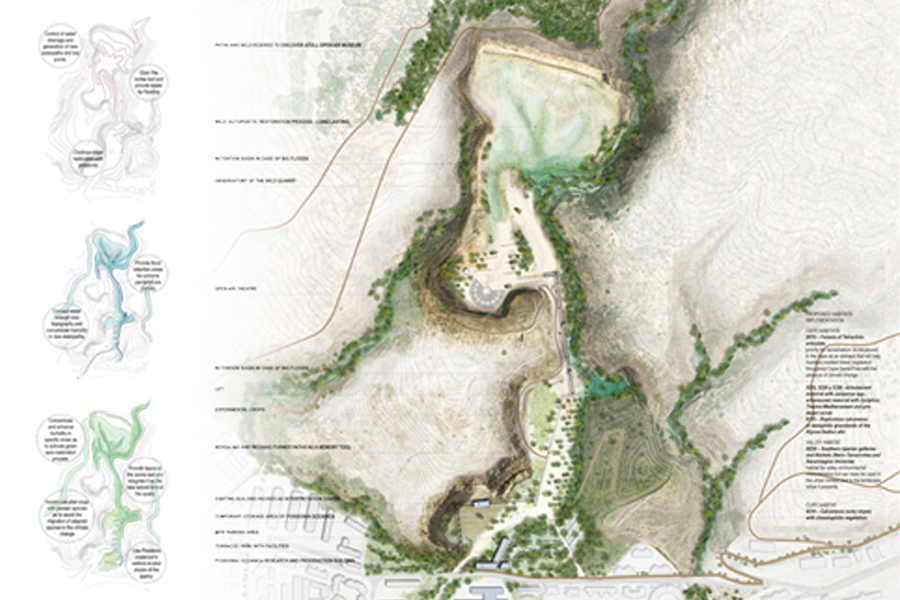
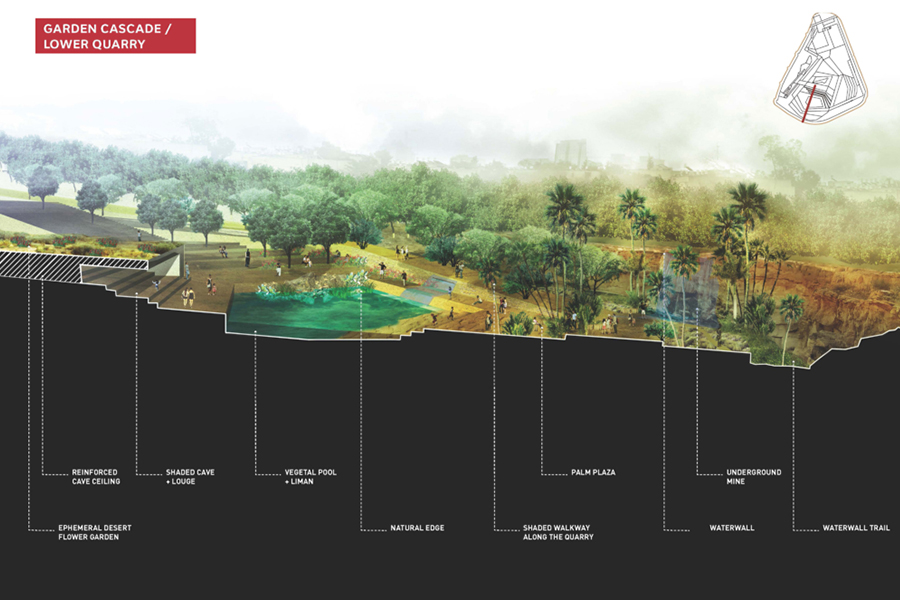
Ecologically, it reconnects mountain-city-sea through ravine corridors, dune recovery and a quarry that stores water and supports succession. Socially, it turns a seasonal area into an everyday landscape: cooler routes, shade, local facilities and an inclusive coastline that combines protection, recreation and local blue-economy opportunities.
SITE:
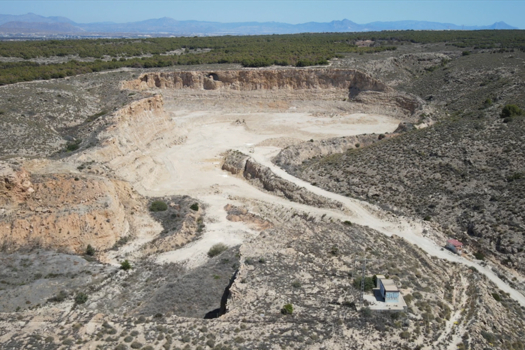
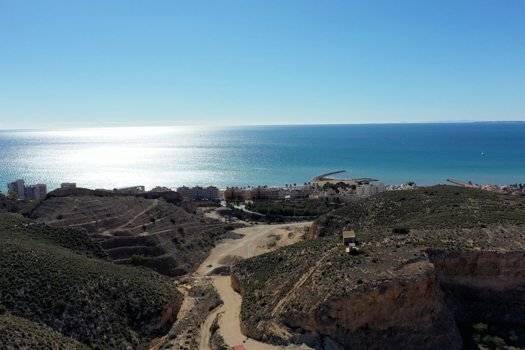
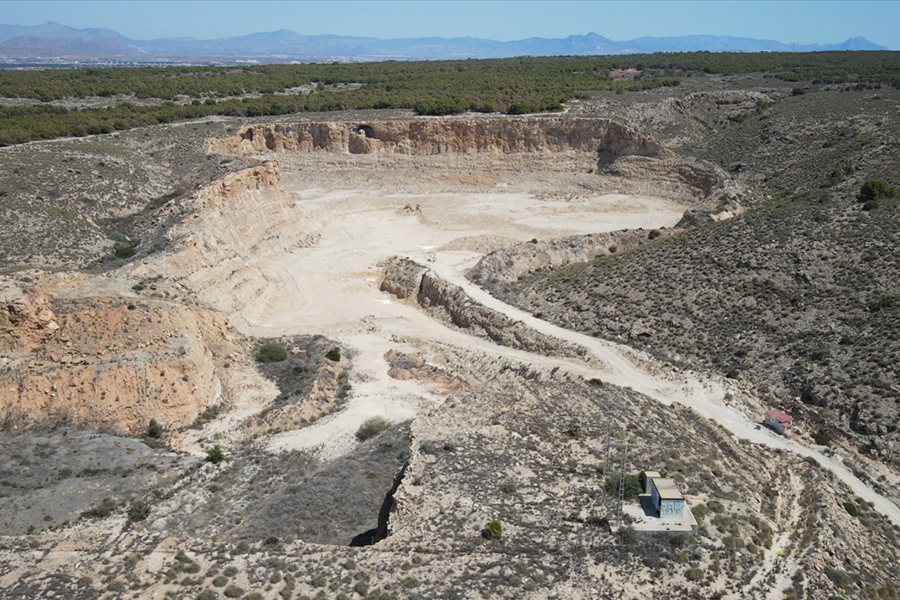
Because it increases ecological capacity over time instead of only reducing damage. It sets conditions for self-perpetuating landscapes in an arid climate, such as humidifying cuts, pioneer and multilayer planting, soil cycles and low-water crops, while reworking the quarry as a living monument where existing scars guide new ecologies.
REFERENCES:
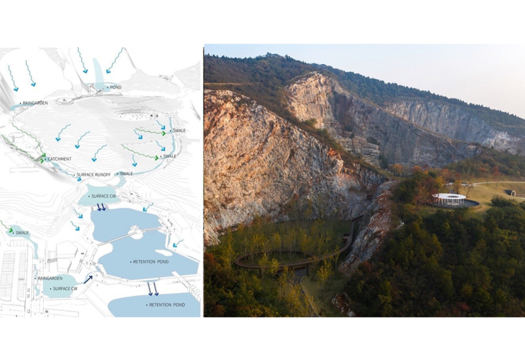
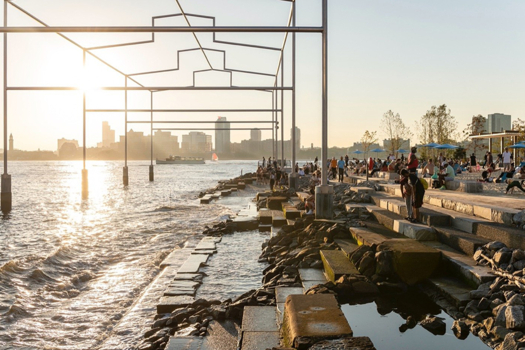
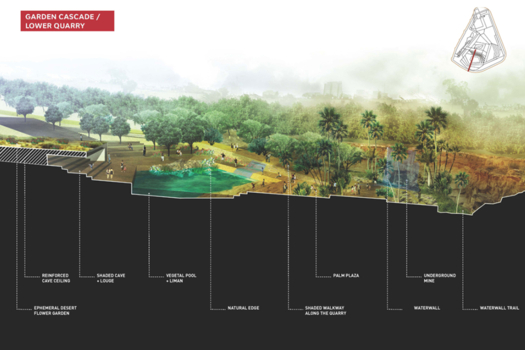
The site mutation (drought, DANA floods, sea-level rise and urban pressure) became the core of the design. We replace road-driven fragmentation with an ecotone corridor on existing traces, pair dune restoration with a programmatic breakwater park, and turn the quarry void into a protected water-and-life condenser guided by natural regeneration.
6. How could this prize help you in your professional career?
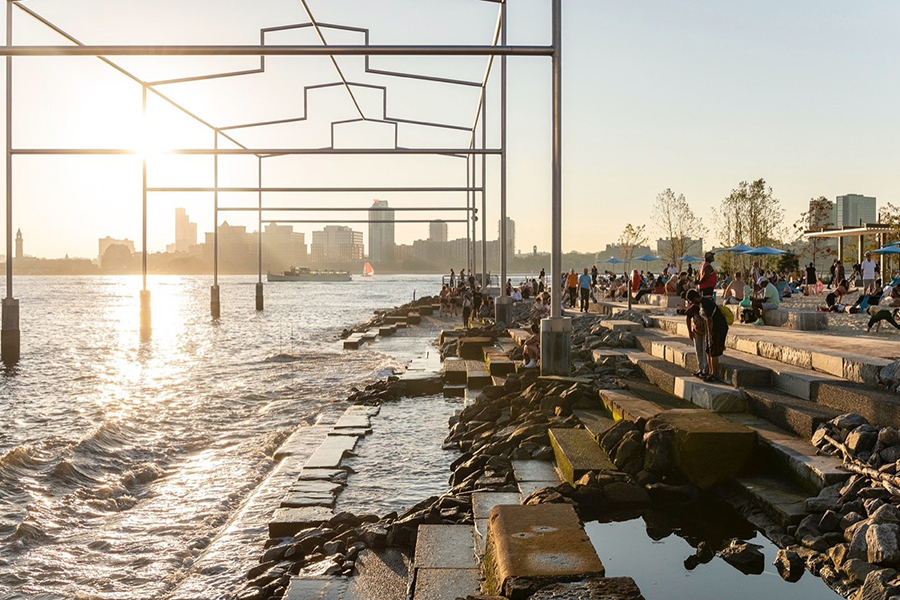
Yes. Our practice often works with an idea of systemic, metabolic landscapes that connect ecology, infrastructure and public space. We were inspired by SCAPE’s approach Be’er Sheva Quarry, Hudson River Park’s Gansevoort Peninsula (Field Operations) as a model for hybrid coastal edges combining engineering, habitat and public life.
TEAM IDENTITY
Legal status:
Team name:
Average age of the associates: 35 years old
Has your team, together or separately, already conceived or implemented some projects and/or won any competition? if so, which ones?
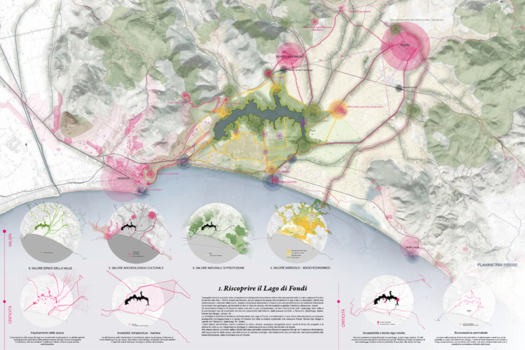
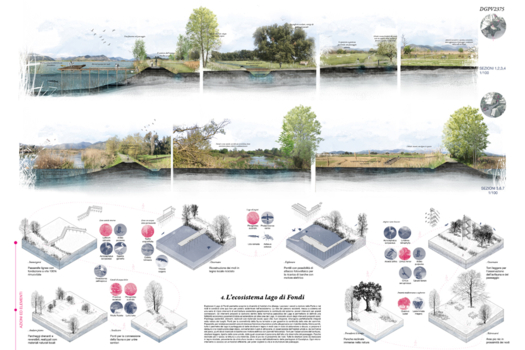
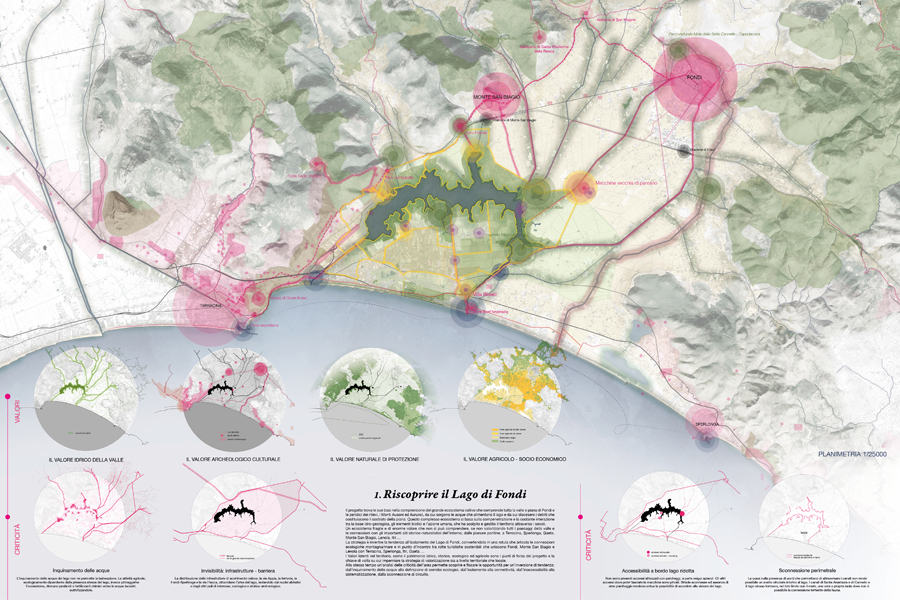
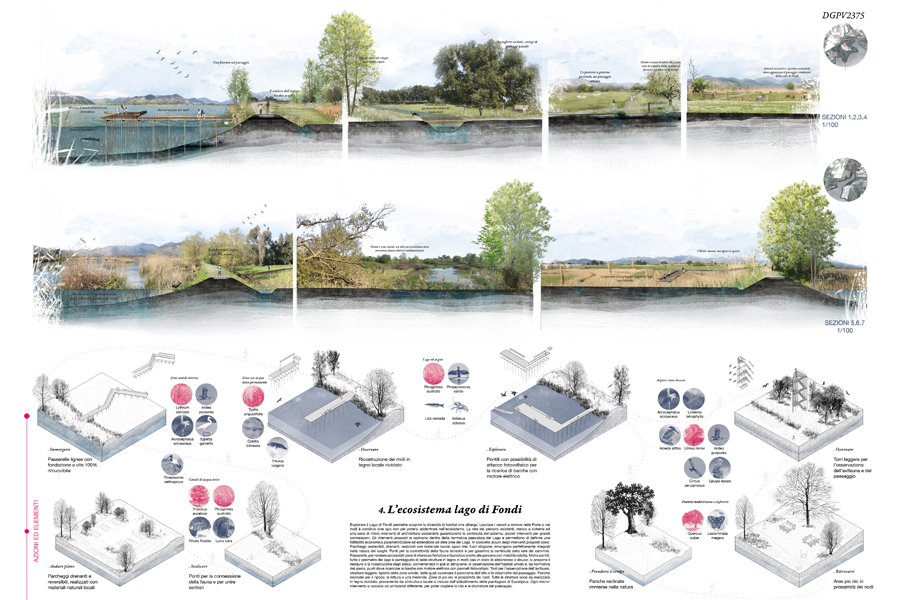
Second prize, “Concorso di Idee per la valorizzazione del Lago di Fondi”, 2022- 2023
team: Valentina Piliego, Giovanna Bartoleschi, Daniel Gómez de Zamora y Martínez, Paola Cuitiva
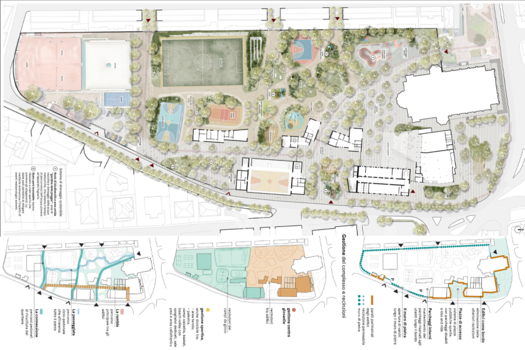
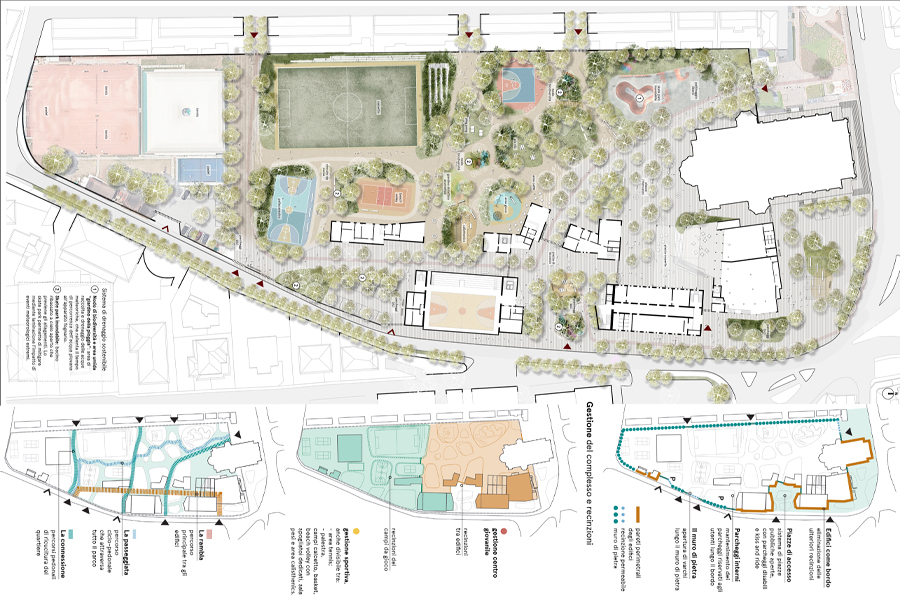
Special mention, “Masterplan per la riqualificazione del complesso immobiliare del Centro giovanile di Bassano del Grappa”, Italia, 2025.
archivio.concorsiawn.it
team: Enrico Redetti, UP Urban planning srl, Valentina Piliego, Melantho Eleni Giannetaki, Diana Giarola, Fausto Paganin, Maria Giulia Milanim, Andrea Pittaro, Pietro Pecovela, Anna Cecchin
WORKS: