VERTICAL Reforestation
Genève (CH) - Mention spéciale
DONNÉES DE L’ÉQUIPE
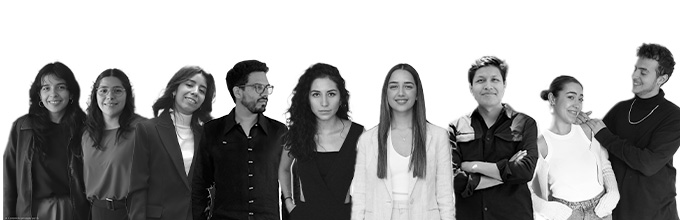
Associés: Wladimir Pulupa (CH), Mirari Cimadevilla Cuesta (ES) – architectes, İçim Atlı (TR) – architecte urbaniste, Pablo Hernando del Amo (ES), Karla Paola López Carillo (CH) – architectes paysagistes
Collaborateurs: Carlos Alberto Ríos Limón (MX), Catalina de Jesús Lima Morales (MX) Fernanda Cervantes Rojas (MX), Valeria Itzel Pozos Espinosa (MX) – architectes paysagistes
wladimirp.arch@gmail.com / @mutation__studio
TEAM PORTRAIT
INTERVIEW
Click on the images to enlarge
1. How do you define the main issues of your project in relation with the theme “Re-sourcing”? Re-sourcing thanks to nature, to social dynamics, to new materiality? In which way do you think your project can contribute to an ecological and/or social evolution? And in which way do you think your project can be called a “regenerative project”?
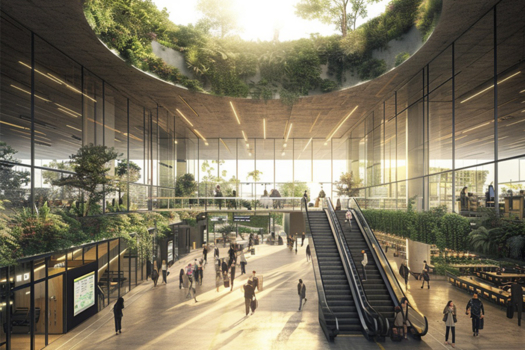
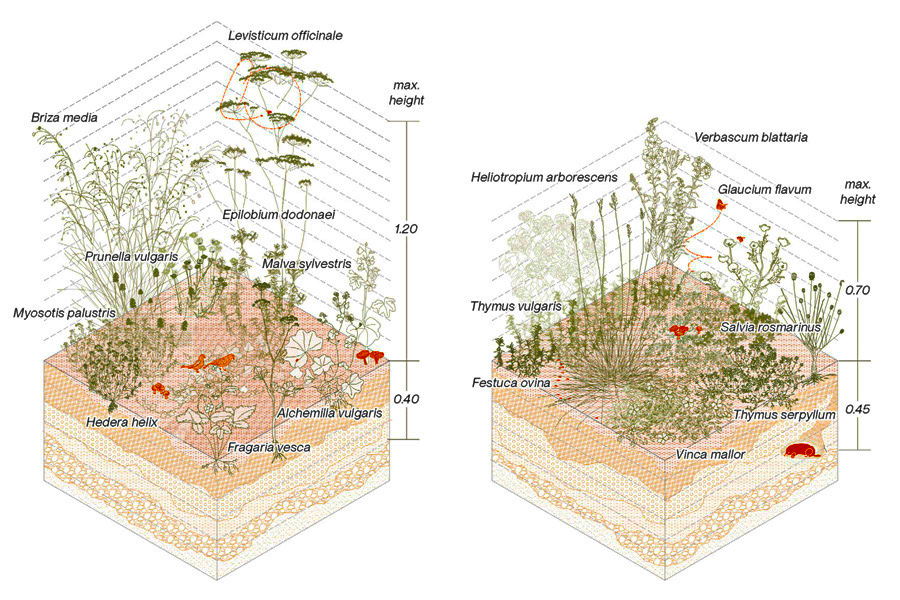
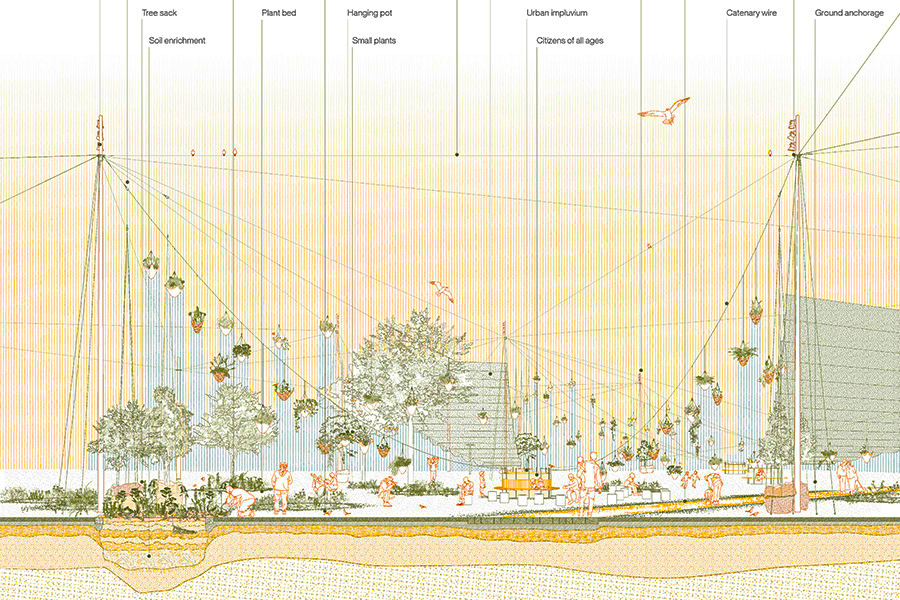
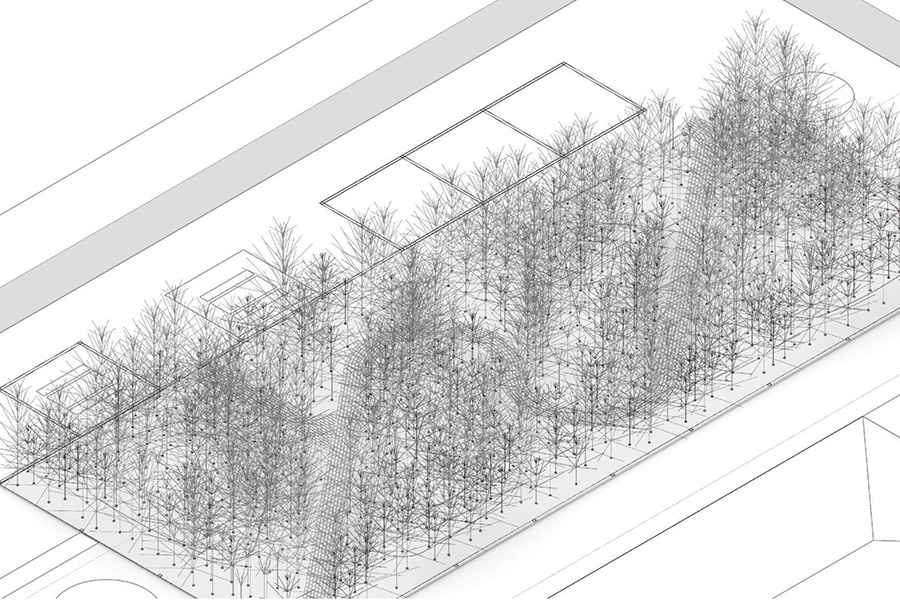
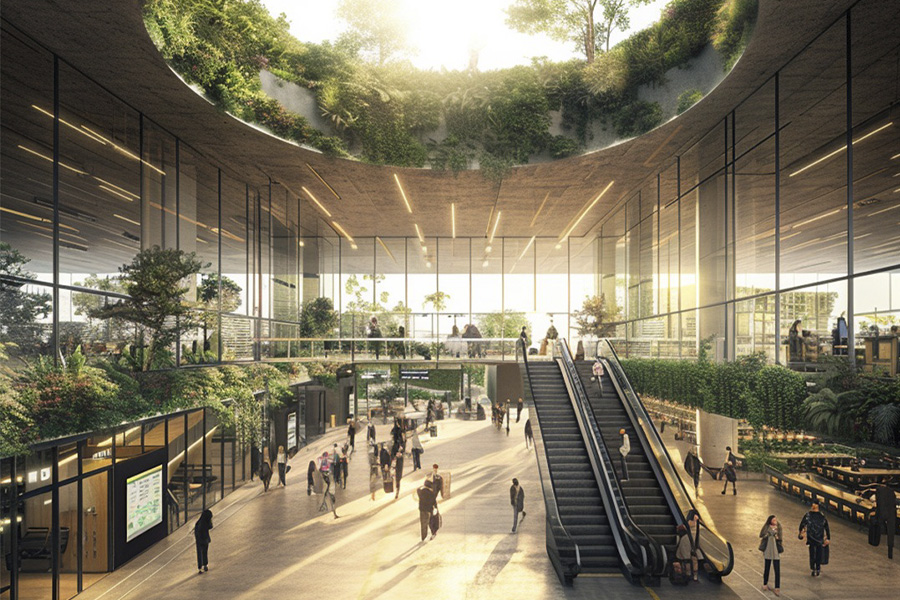
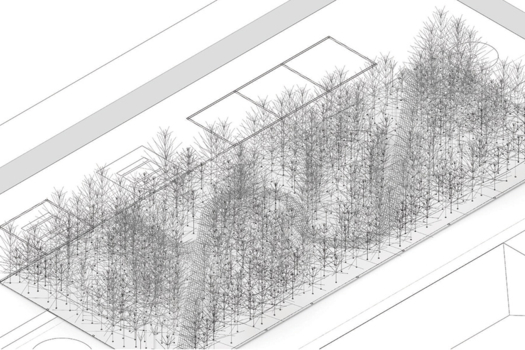
Our project re-sources the city by converting heat-affected squares into sites for ecological renewal. Vegetation is first cultivated in elevated structures before being transferred to the soil, allowing a clear and controlled growth process. This method strengthens urban biodiversity, supports climate resilience, and contributes to a regenerative transformation of public space.
2. How did the issues of your design and the questions raised by the site mutation meet?
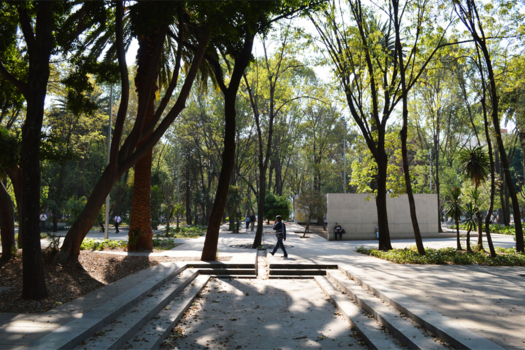
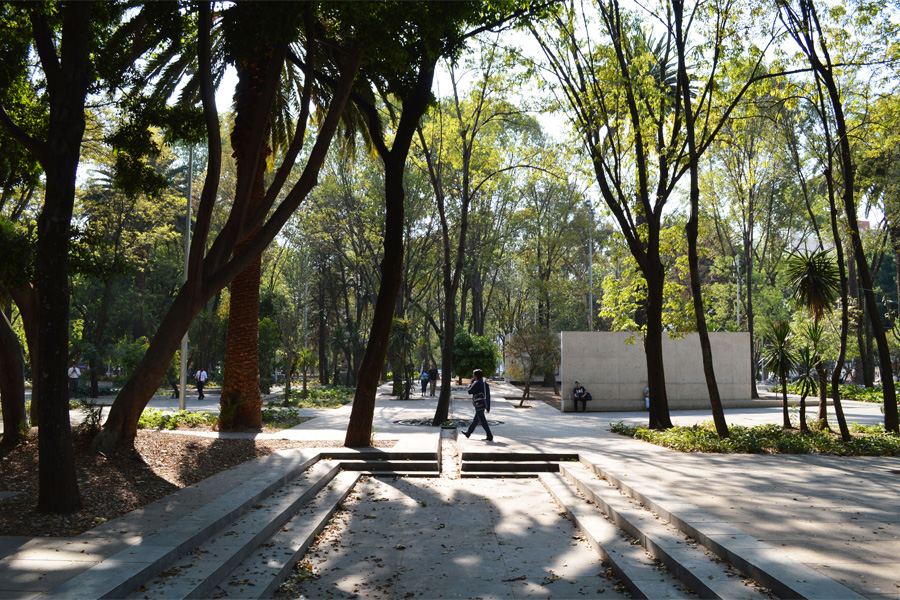
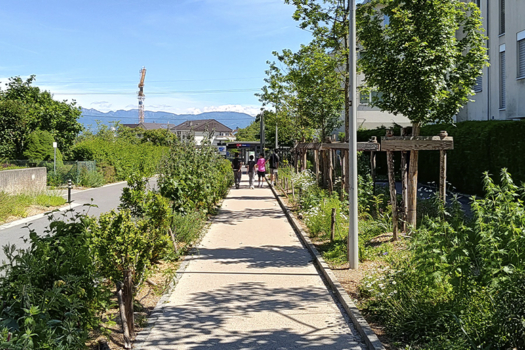
The site’s heat-island effects and mineral surfaces directly aligned with our goal of introducing living systems. Our design responds to the city’s mutation by transforming hard, sterile squares into dynamic ecological refuges that evolve over time, fostering biodiversity and enhancing urban environmental quality.
PROJECT:
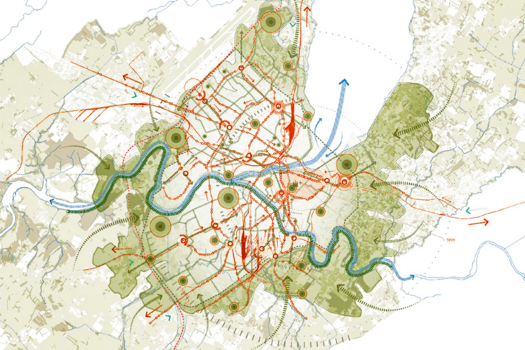
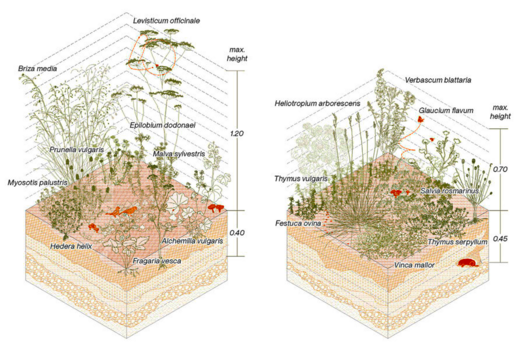
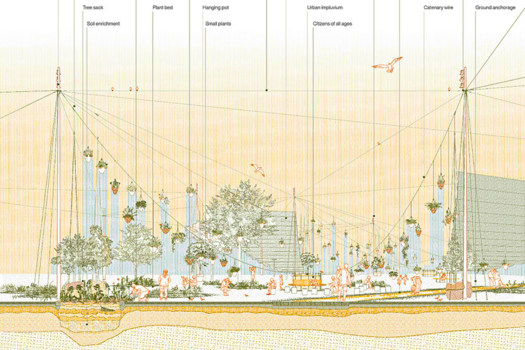
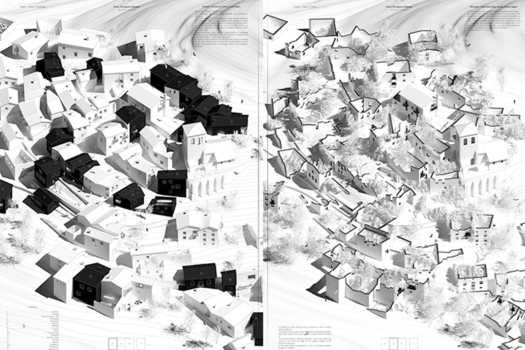
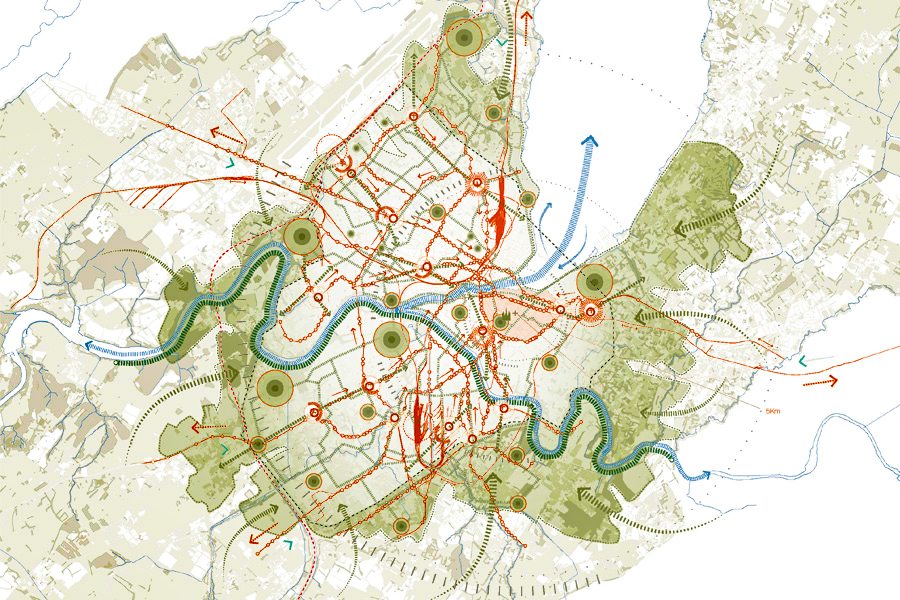
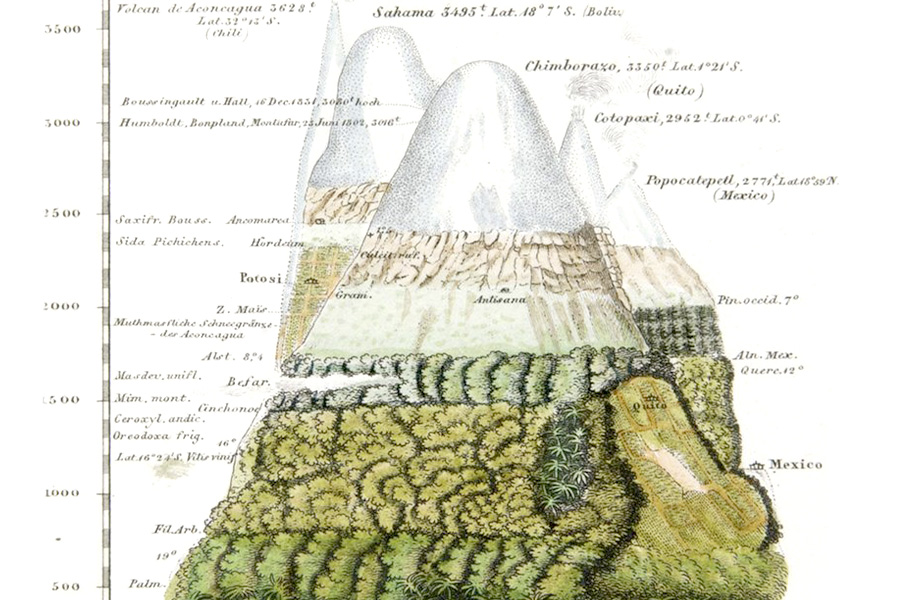
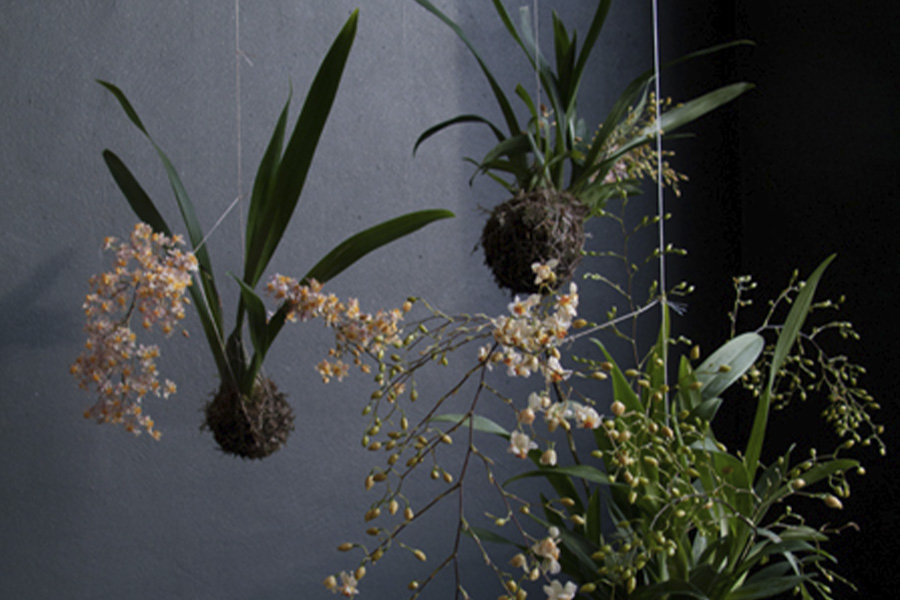
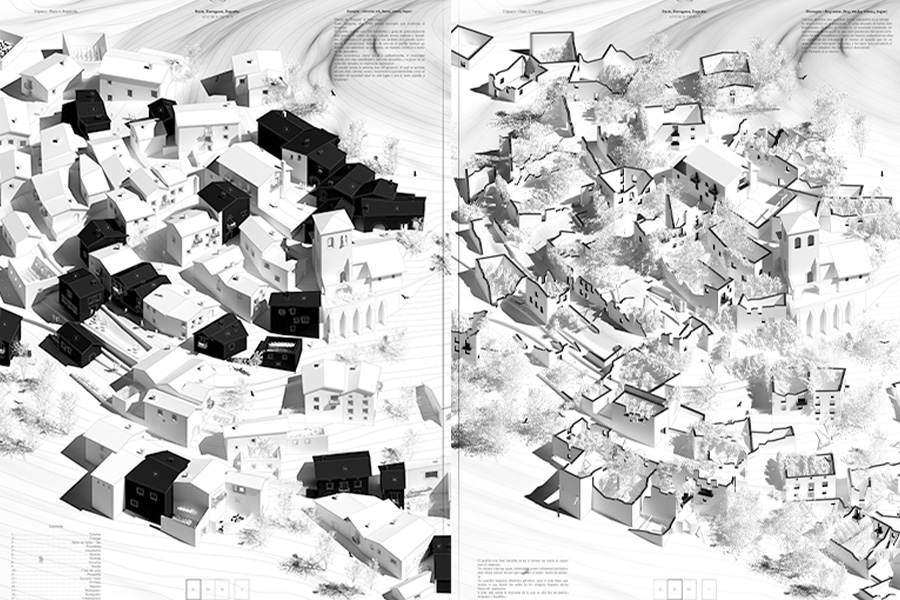
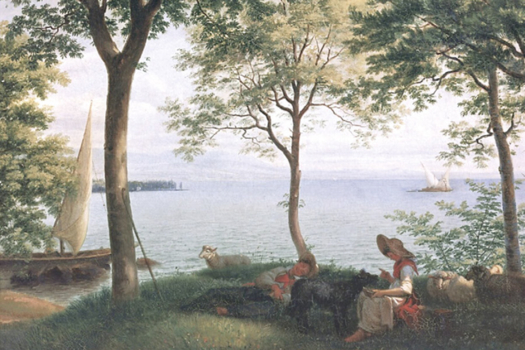
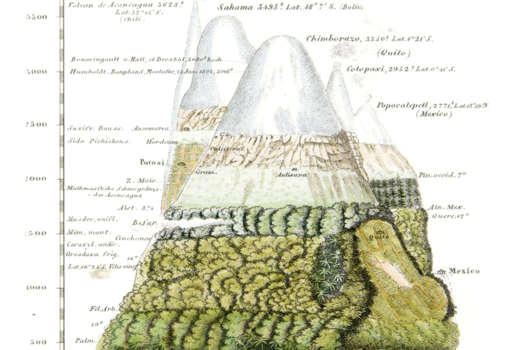
The proposal builds on prior research into ecological and urban systems. Key references include Humboldt’s elevation-based species logic, the Miyawaki method for dense and rapid forest growth adapted to urban climates, as well as String Gardens and Fedor van der Valk’s work on environmental networks and non-visible, layered ecological infrastructures.
SITE:
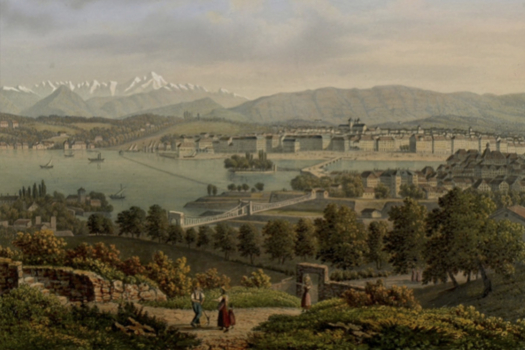
Implementation relies on collaboration with public authorities, ecologists, and local communities. We designed a phased, negotiable process where temporary infrastructures support long-term planting and shared stewardship.
REFERENCES:
The team was formed by bringing together architects, urban designers, and landscape specialists. This interdisciplinary combination allowed us to merge ecological knowledge, spatial design, and urban strategy, ensuring a holistic approach that integrates environmental systems with architectural and urban design to envision resilient future cities.
6. How could this prize help you in your professional career?
This prize enhances our visibility, validates our approach, and opens opportunities for collaboration. It connects us with a network of professionals dedicated to addressing urban challenges and ecological transitions, supporting the growth of our practice and the realization of innovative, resilient projects in the future.
TEAM IDENTITY
Legal status:
Team name: MUTATION
Average age of the associates: 28 years old
Has your team, together or separately, already conceived or implemented some projects and/or won any competition? if so, which ones?
MUTATION is an international emerging research practice, collaborating on this occasion with GAUR.A and PAAR Taller to combine complementary approaches and experience.
As a collective, this is an early stage of shared practice; however, the entire team bring individual experience from previous competitions, urban and landscape projects, and built works developed independently.
- 16th Venice International Architecture Biennale (Project exhibition)
- Lisbon Architecture Triennial “Building Futures Together” (Selected work)
- ”Urban Platform” Masterplan in Izmir (Project exhibition)
- IV Premio Félix Candela - Raquis 2022 (Honored Mention)
- Cannes Temporary Cinema 2020 (Honored Mention)
- Urban and landscape proposal for the new Bauhaus Museum, Germany. (Finalist)
- Urban Promenade, Mexico City. Urban and landscape proposal for park rehabilitation. (1st Place)
- Ethnobiological Garden – Environmental Cultural Center, Mexico City. Urban and landscape proposal for the ethnobotanical museum in Chapultepec Forest. (Finalist)
WORKS: