Visions for Vaxnäs
Karlstad (SE) - Mentionné
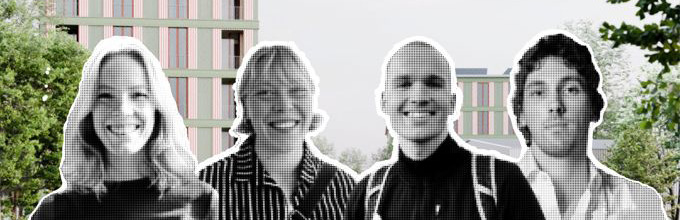
TEAM PORTRAIT
VIDEO (by the team)
INTERVIEW
Click on the images to enlarge
1. How do you define the main issues of your project in relation with the theme “Re-sourcing”? Re-sourcing thanks to nature, to social dynamics, to new materiality? In which way do you think your project can contribute to an ecological and/or social evolution? And in which way do you think your project can be called a “regenerative project”?
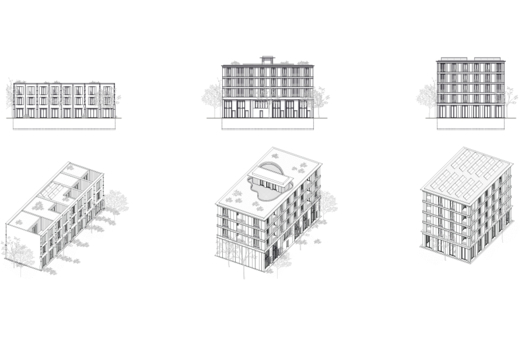
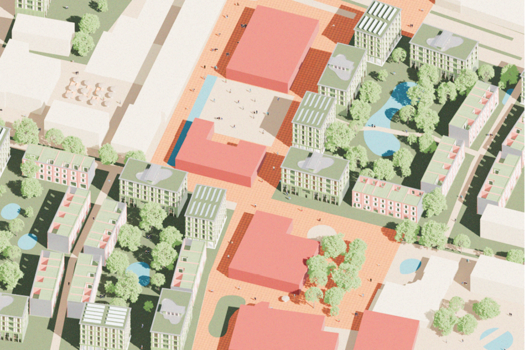
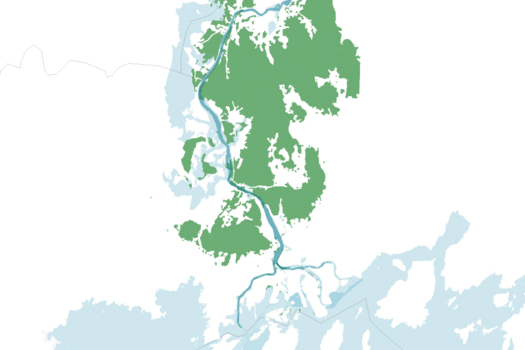
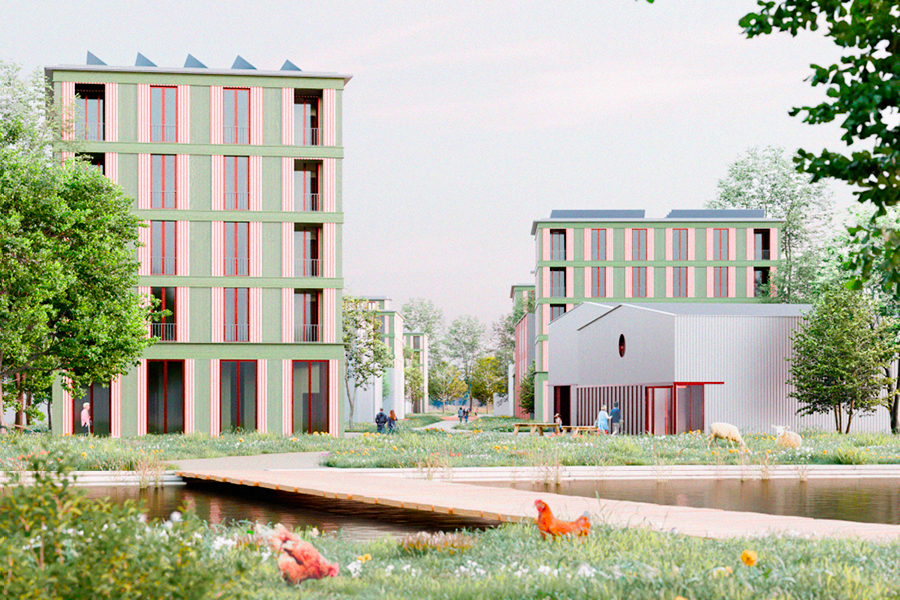
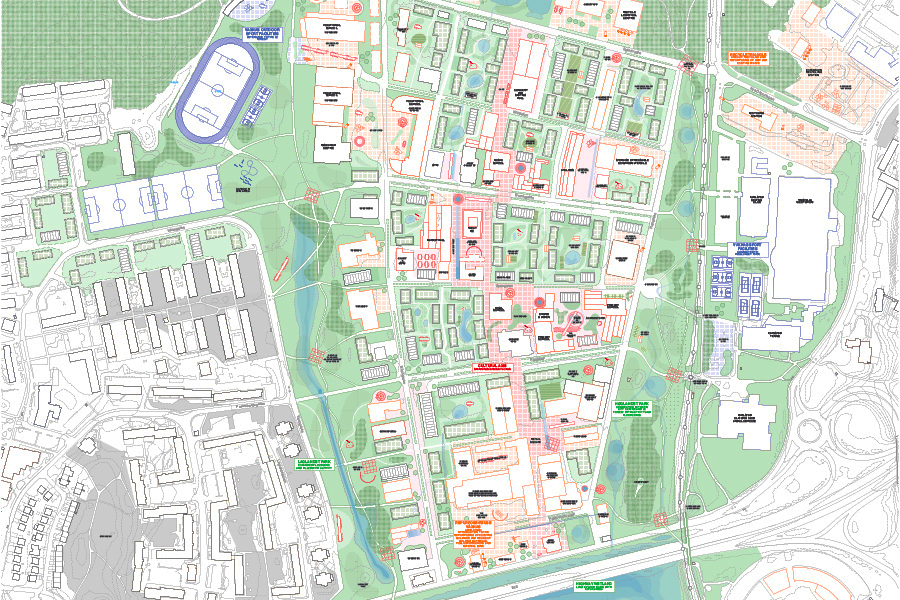
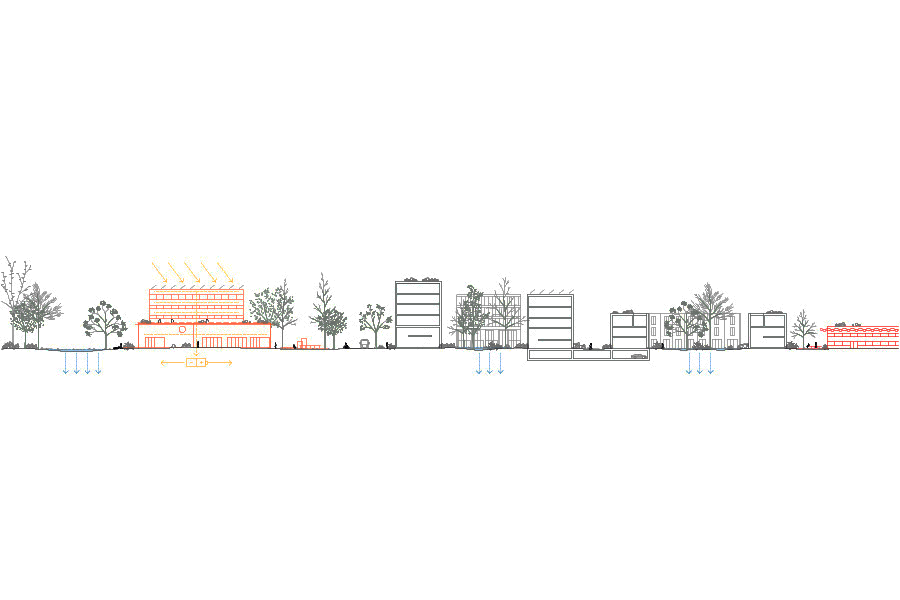
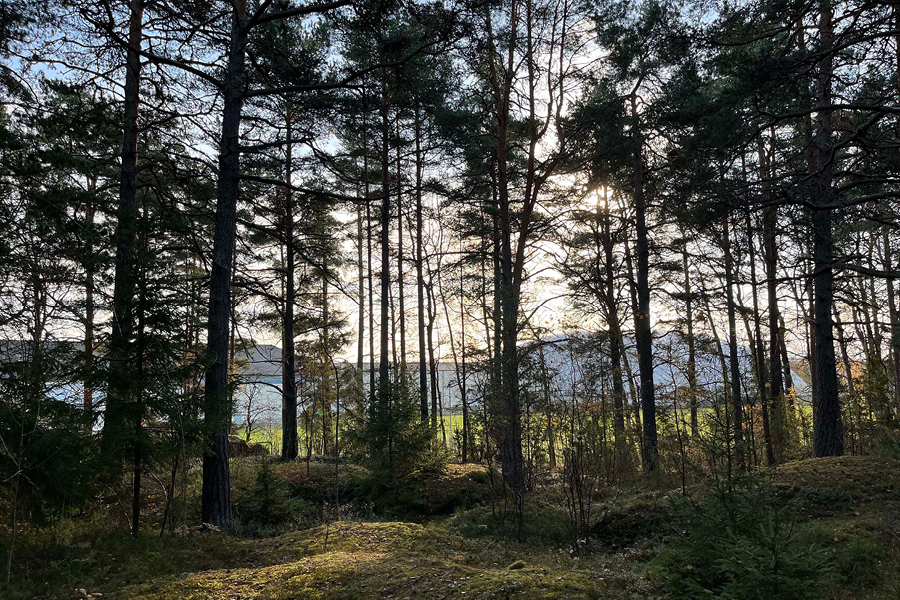
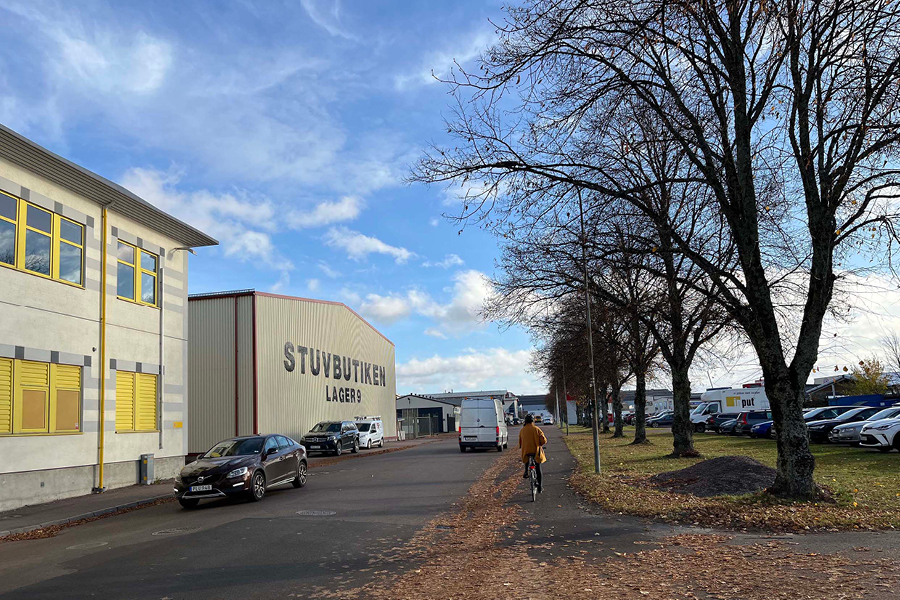
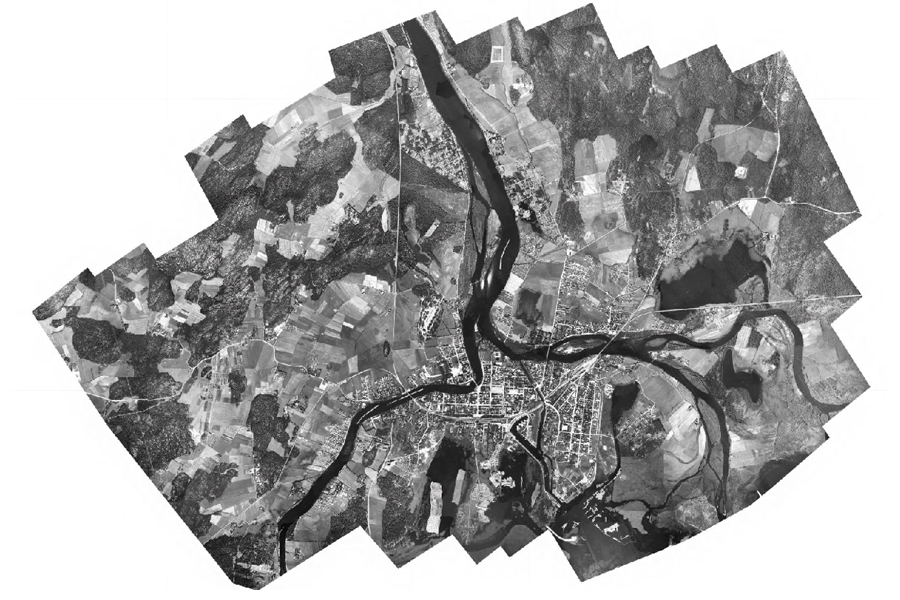
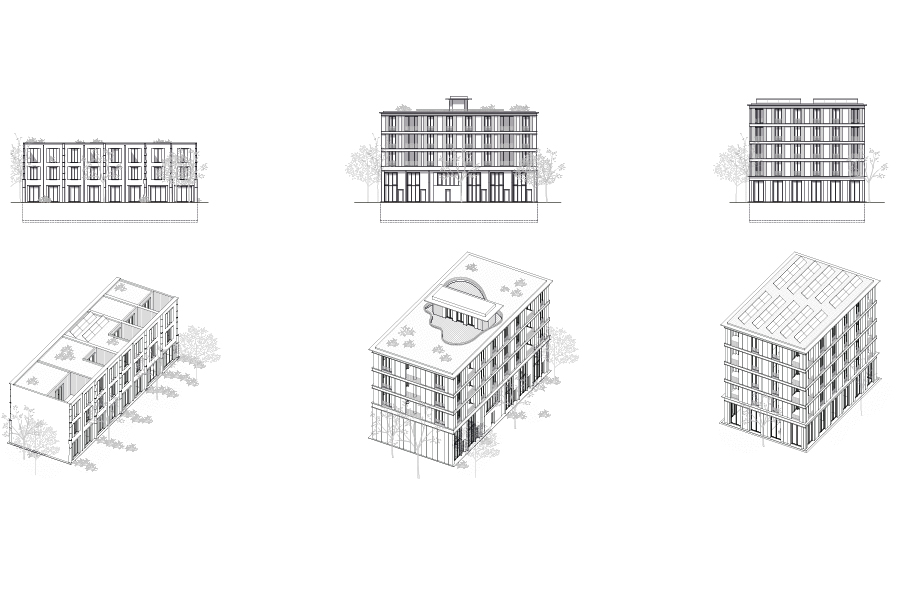
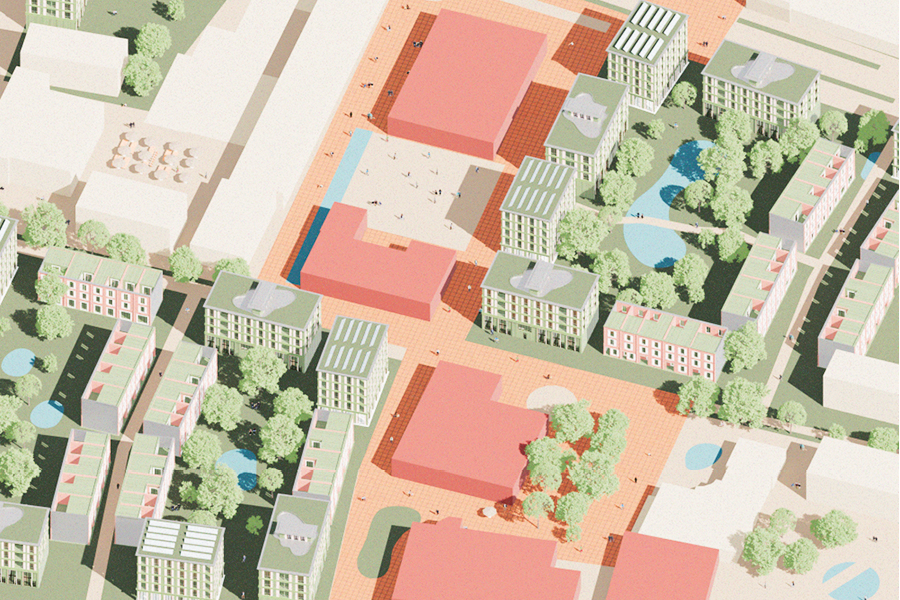
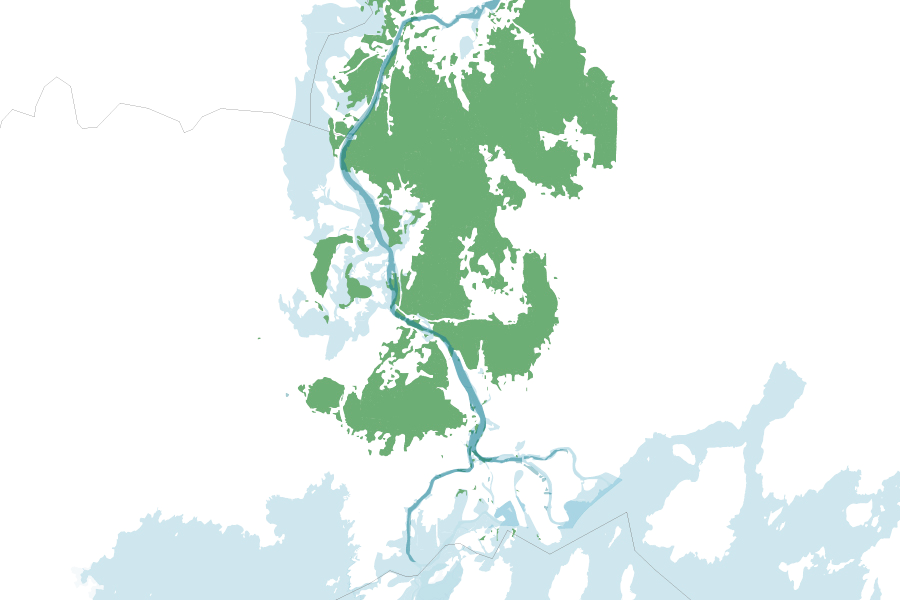
“Visions for Våxnäs” sees Re-sourcing as a way of working with Våxnäs inherent qualities: an important placement within the landscape of Karlstad, existing materials, buildings and infrastructure. The goal is to resource upon these qualities, building an ecologically densified neighborhood with a local identity. By working with both the landscape and historical layers of the site we think the project can contribute to a way of planning that emphasizes both ecological and social structures. The approach is regenerative as it strengthens resilience, identity, and inclusion through stepwise interventions able to change over time. By reconnecting the area of Våxnäs to the forest and water landscapes, supporting local communities, and reusing material and spatial resources, the project not only aims to be sustainable — it is regenerative. It improves the environmental performance of the site, strengthens social cohesion, and builds long-term resilience. Through regeneration rather than replacement, the proposal re-sources the area on three levels: the ecological landscape, the social public and semi-public spaces and adaptive reuse of historical sites within Våxnäs.
2. How did the issues of your design and the questions raised by the site mutation meet?
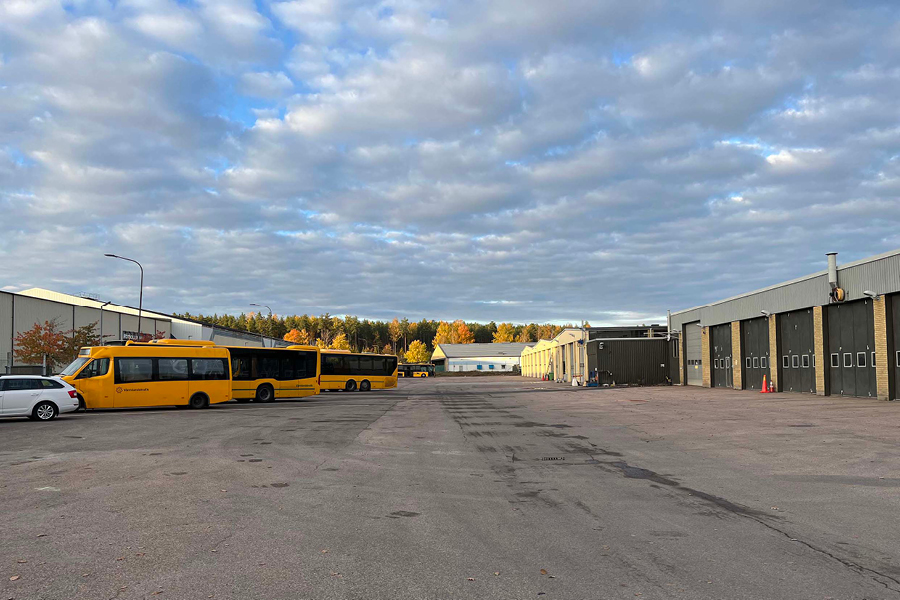
The site’s challenges and potential shape the project, ensuring a transformation grounded in what's already there. Våxnäs is dispersed and car-dependent but also surrounded by ecological richness. Blue-green corridors, active mobility, mixed uses and phased reuse of buildings resolves issues of flooding, connectivity and cohesion that directly shape the project into a resilient neighborhood.
PROJECT:

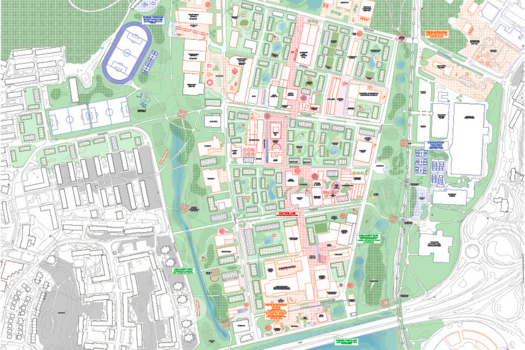
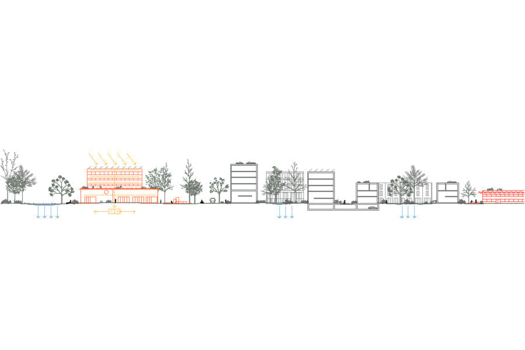
We build on the experience from our thesis projects – working with post-industrial sites, blue-green infrastructures, and adaptive reuse. Our approach to Våxnäs combines these interests and aims to emphasize the importance of nature and production within cities.
SITE:
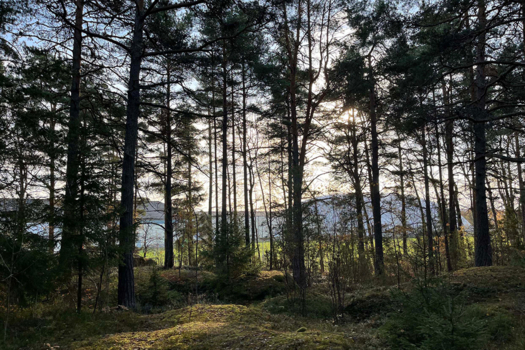
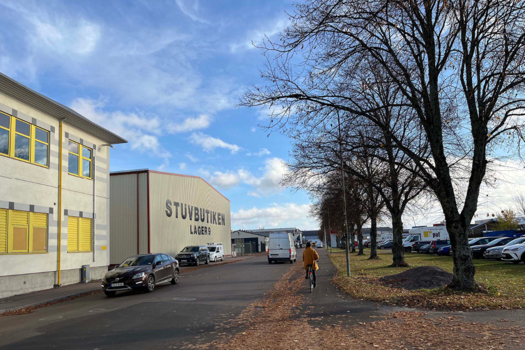
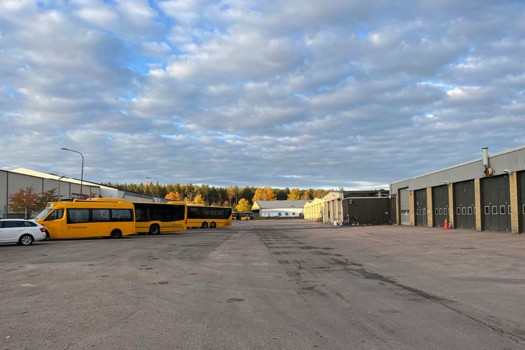
We intended to create a framework open to adaptation and change over time. This begins with the activation of key sites through “confetti planning” – small interventions that test new ideas for public spaces – followed by improvements to mobility and green infrastructure, and the staged incorporation of housing. Actors such as the municipality, local businesses, organizations, schools, and residents become active contributors throughout the process, ensuring a shared vision with lasting local value.
REFERENCES:
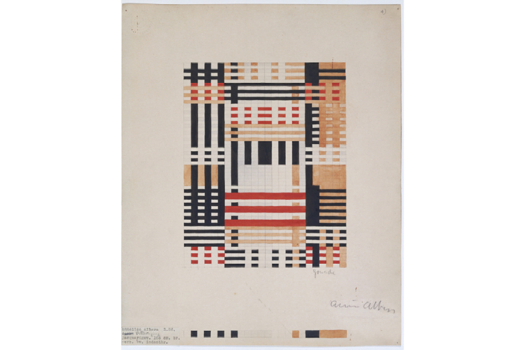
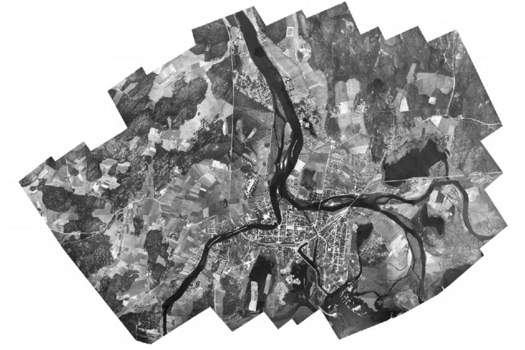
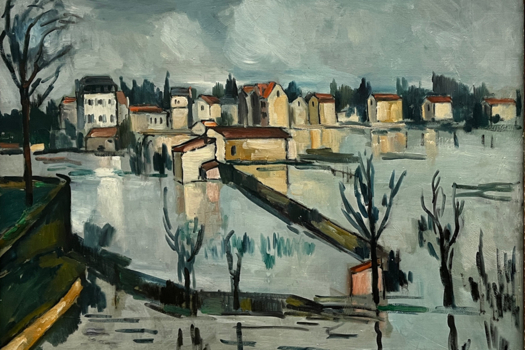
We have met through studies and internships. Our team combines backgrounds from architecture, landscape architecture, and urban planning, with diverse experiences from different fields and countries. This mix allowed us to rethink Våxnäs through ecology, existing structures, and community needs, creating a proposal where environmental and social resources form one cohesive strategy.
6. How could this prize help you in your professional career?
Absolutely – the opportunity to discuss and develop our ideas and interests in a setting where it is encouraged to be bold and creative, and to receive the recognition for it is very valuable and encouraging.
TEAM IDENTITY
Legal status:
Team name:
Average age of the associates: 26 years old
Has your team, together or separately, already conceived or implemented some projects and/or won any competition? if so, which ones?
No, this was the first time we worked together as a team. But perhaps you will see more from us in the future!
WORKS: