Amicitia Exchange
Amersfoort-Amicitia (NL) - Mention spéciale
TEAM PORTRAIT
INTERVIEW
Click on the images to enlarge
1. How do you define the main issues of your project in relation with the theme “Re-sourcing”? Re-sourcing thanks to nature, to social dynamics, to new materiality? In which way do you think your project can contribute to an ecological and/or social evolution? And in which way do you think your project can be called a “regenerative project”?
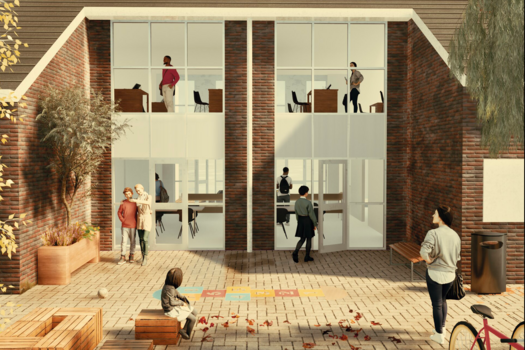
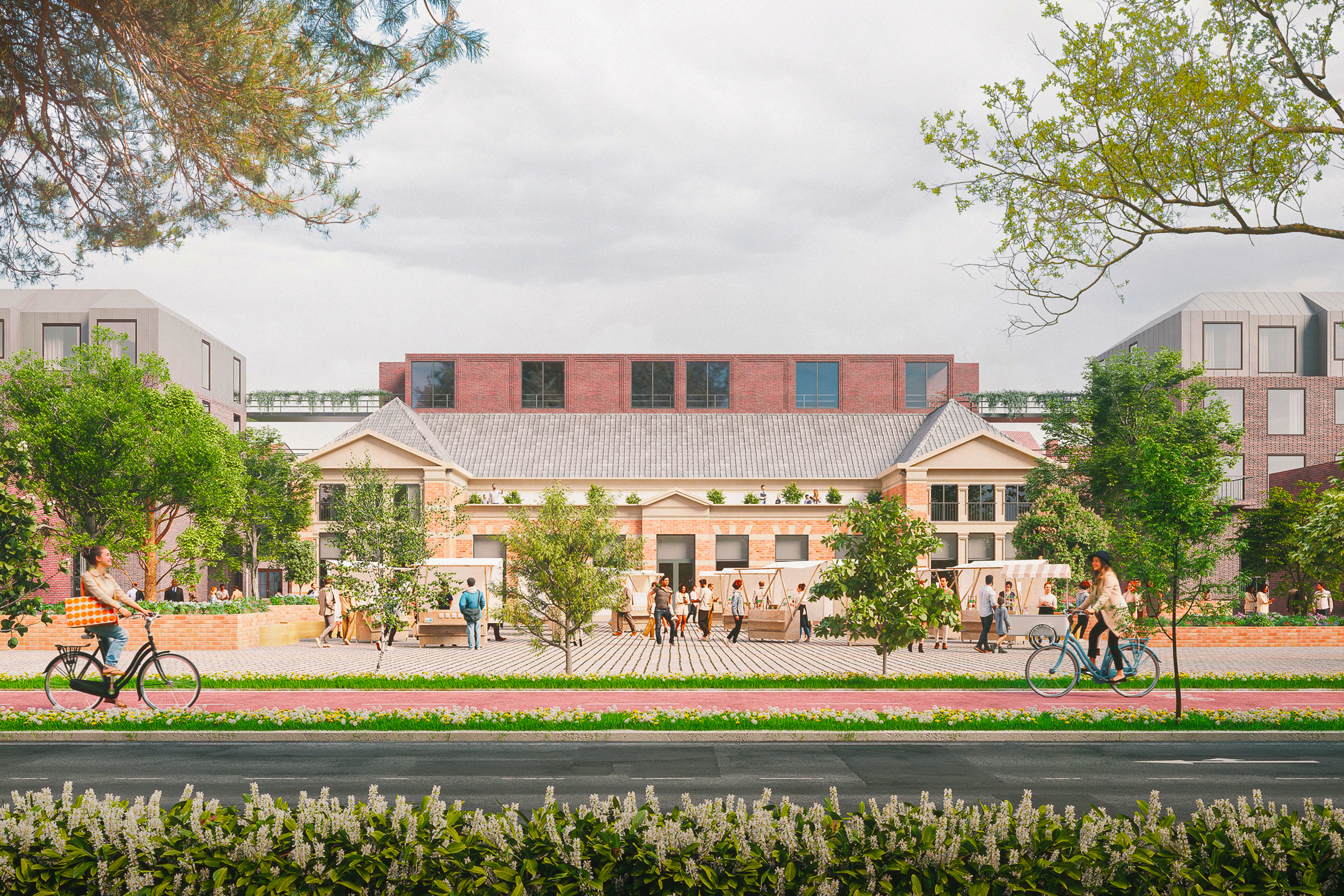
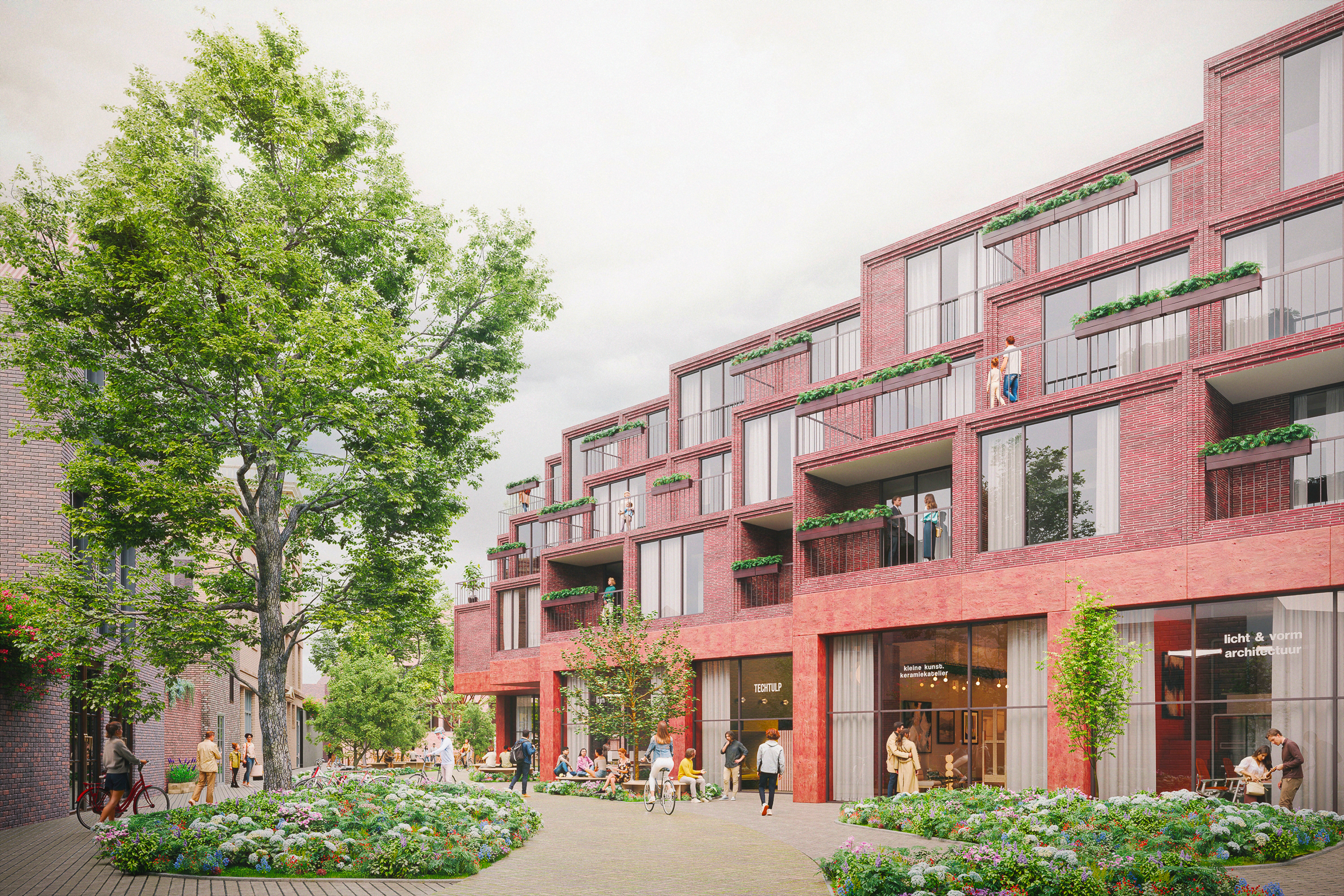
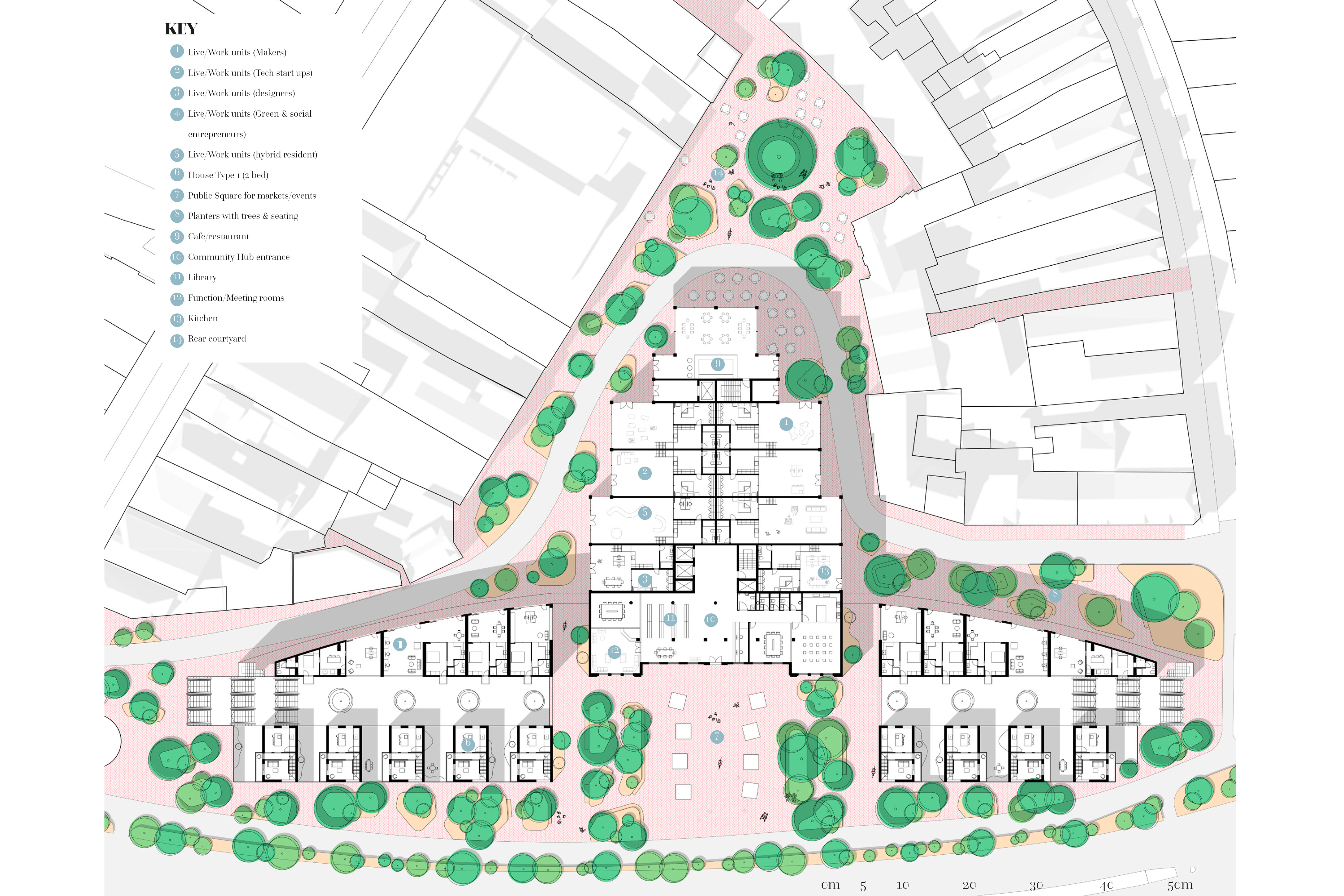
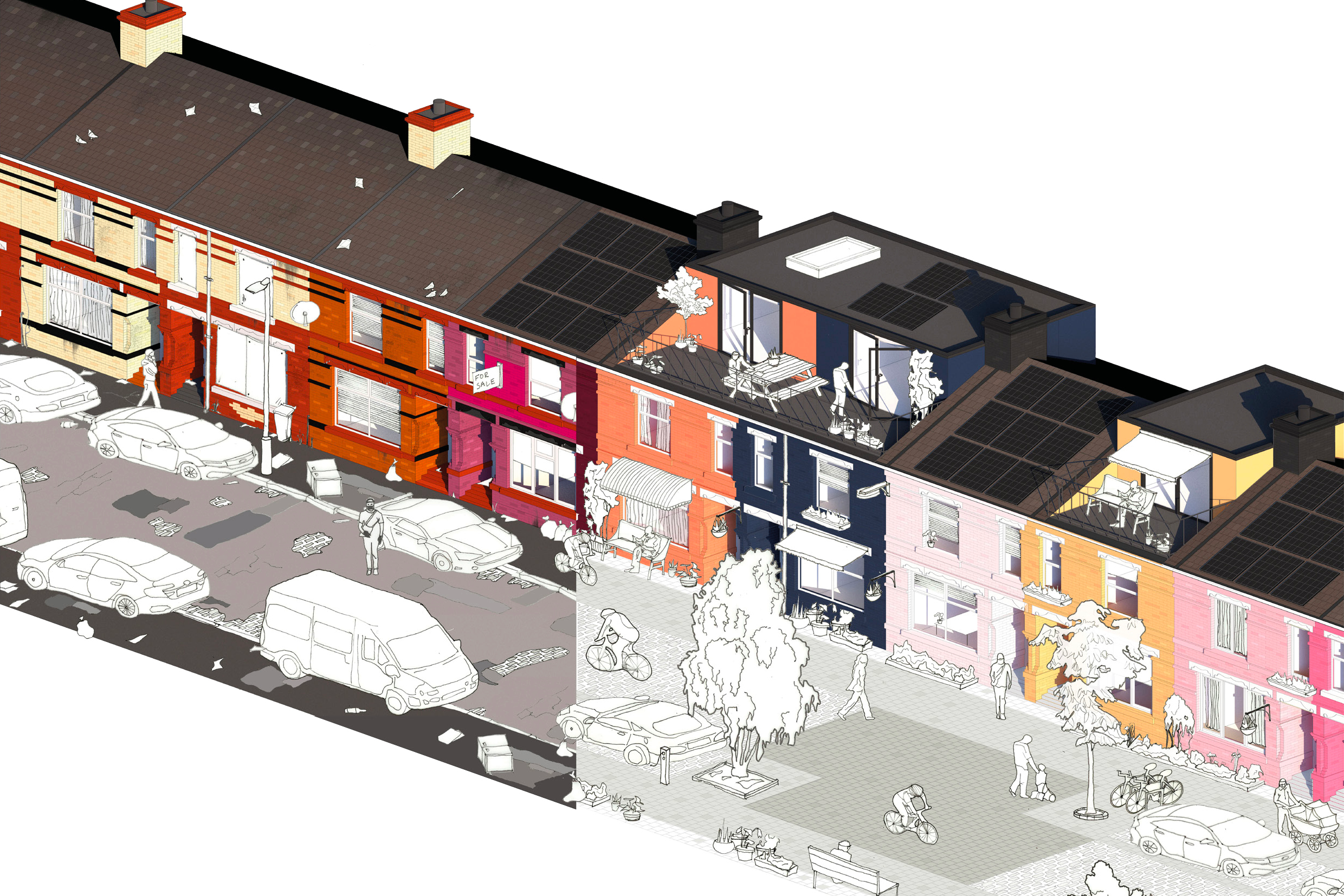
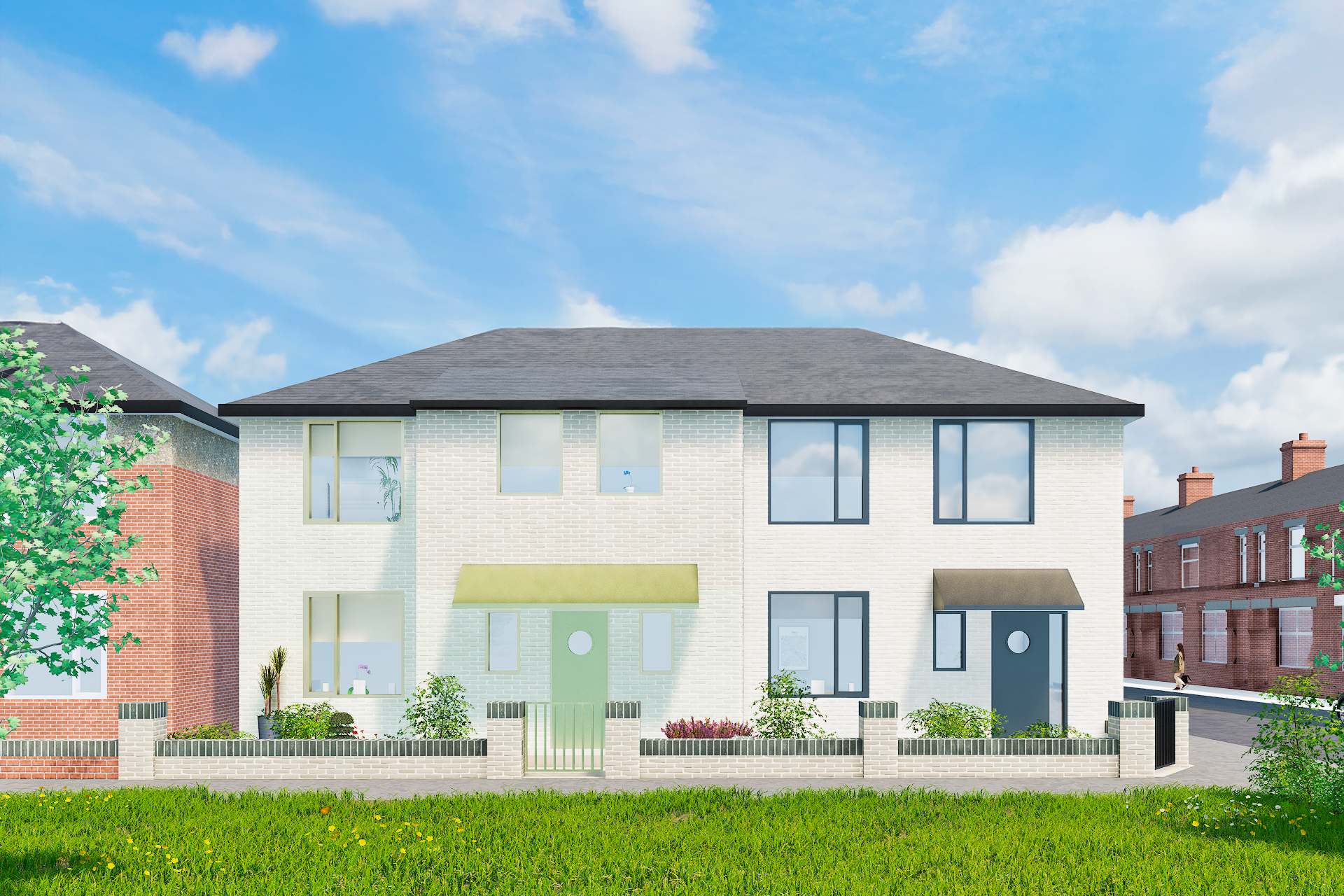
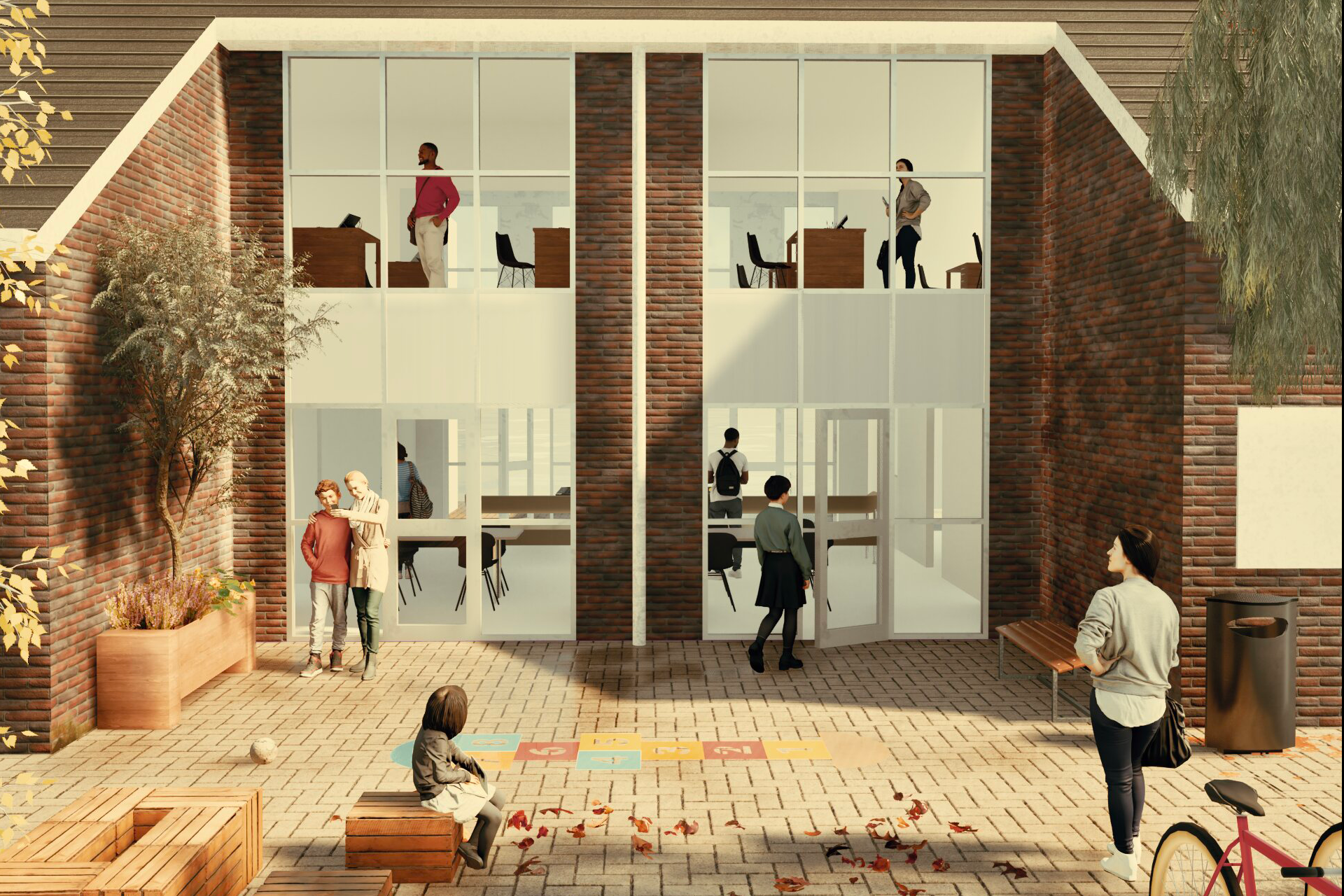
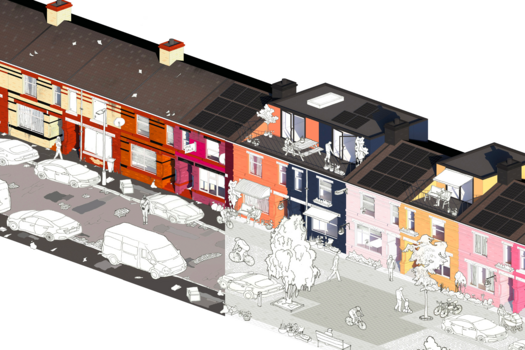
We approached re-sourcing by making the most of what already existed - the building, its structure, and its social and spatial potential. By combining living and working through flexible live/work units for small businesses at street level, and layering this with diverse housing, shared gardens, atriums and mews houses, the project aims to reactivate the site, improving light and scale, and creating a more social, adaptable and resilient neighbourhood.
2. How did the issues of your design and the questions raised by the site mutation meet?
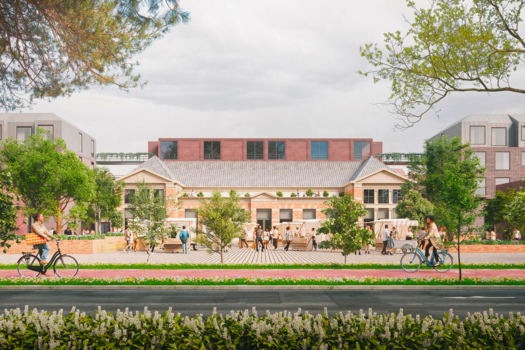
Designing without visiting the site meant we had to really piece together how the existing building functioned, using mapping, photos and research to understand its character and constraints. That pushed us towards clear, practical design moves: using brick to reflect Amersfoort’s material identity, bringing more light into the deep plan through atriums and staggered façades, and adding mews houses along the Stadsring to break down scale and open the site up to new public spaces.
PROJECT:
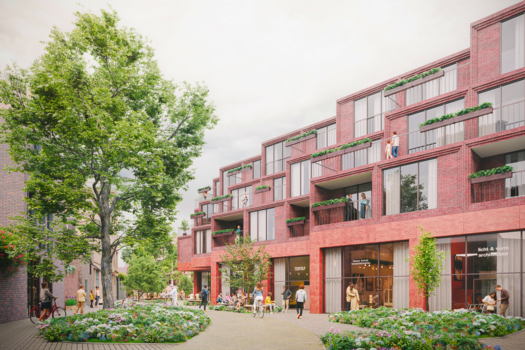
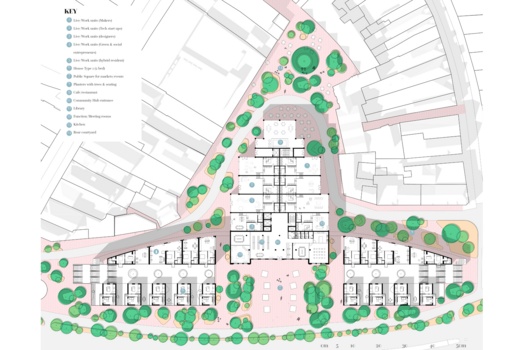
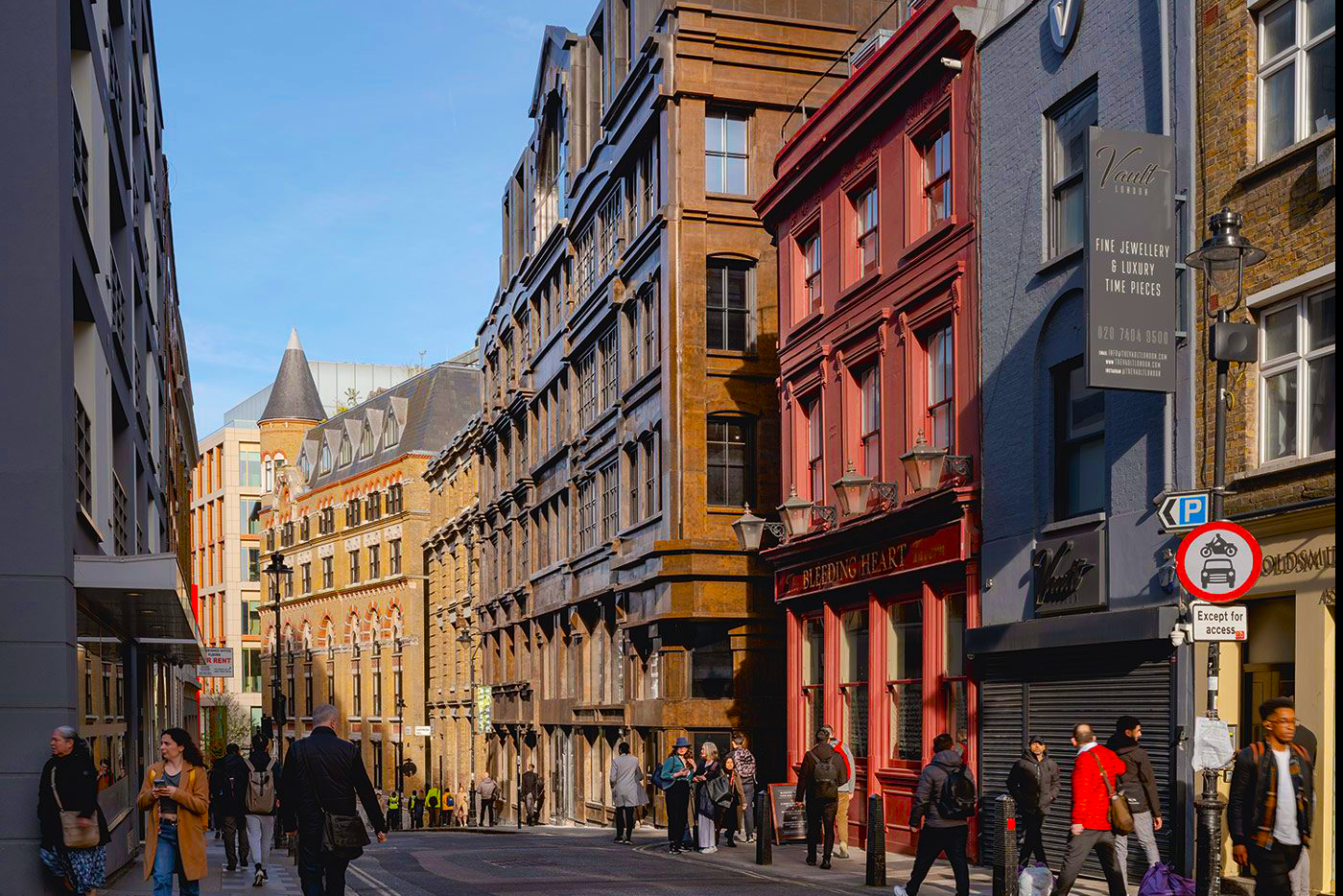
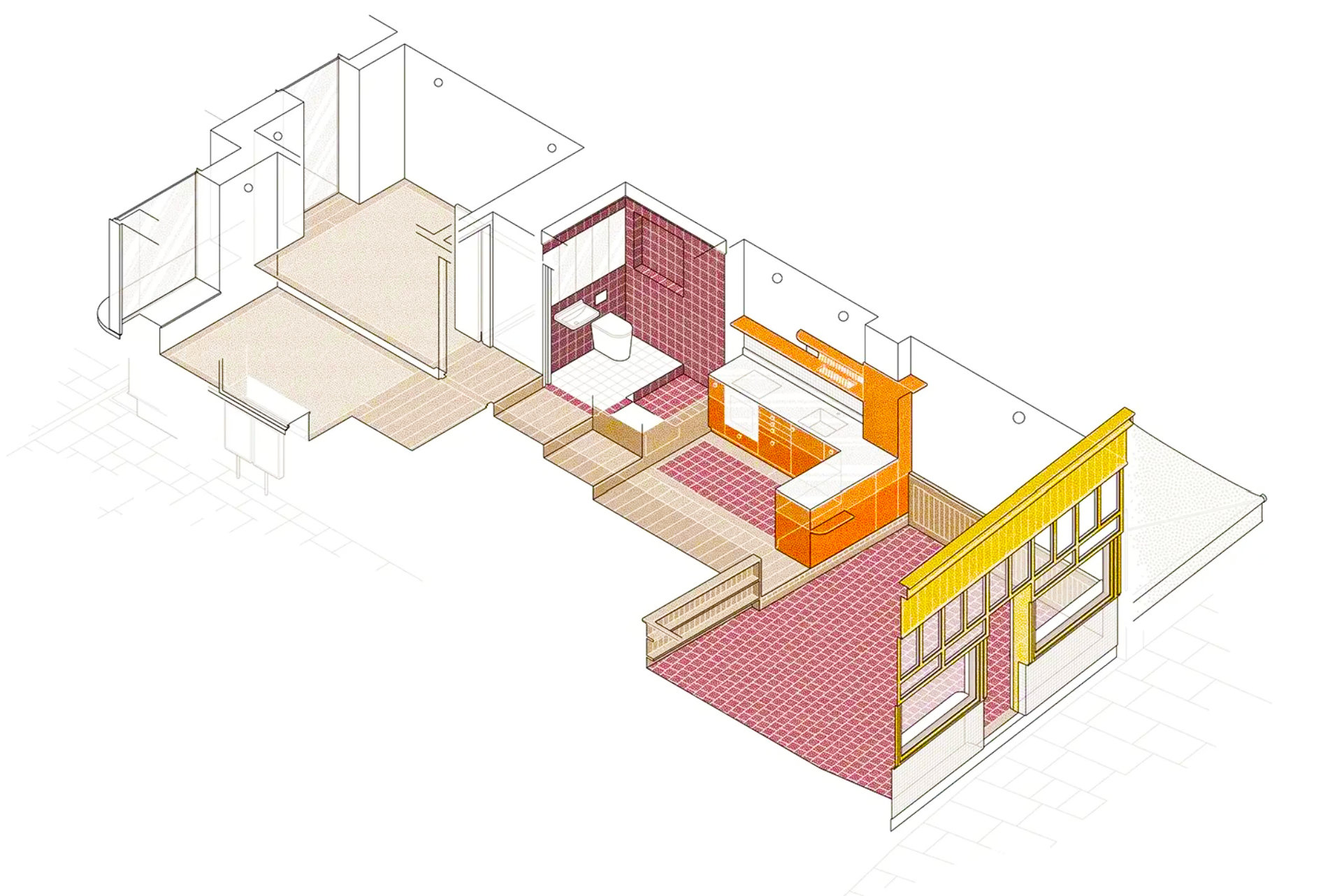
We both work in northern England, where many projects involve existing and often listed buildings. Working locally helps build an understanding of place, culture and use, and clarifies what should be retained, adapted or removed. Intervening in existing structures requires a respectful yet inventive approach. There are constraints, but they create a design puzzle. Projects such as Costa’s Barbers by Brisco Loran, which combines living and working to reinvigorate a neglected shop, was a key reference.
4. How can your project be implemented together with the actors through a negotiated process and in time. How did you consider this issue in your project?
The project is structured around three distinct phases, allowing it to be delivered over time while keeping the site active throughout construction. This phased approach supports negotiation with the different actors, from developers and local authorities to future users. The live/work units are designed as adaptable, “bare-bones” spaces, giving occupants agency to shape and transform them over time, supporting creativity and a circular relationship between living and working.
REFERENCES:
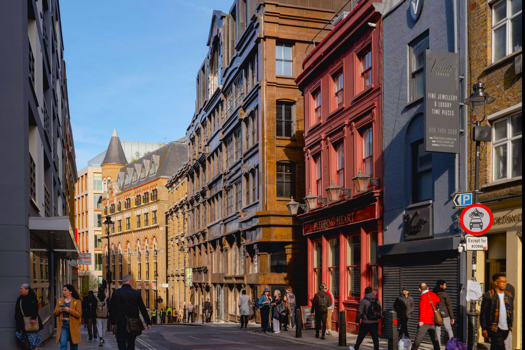
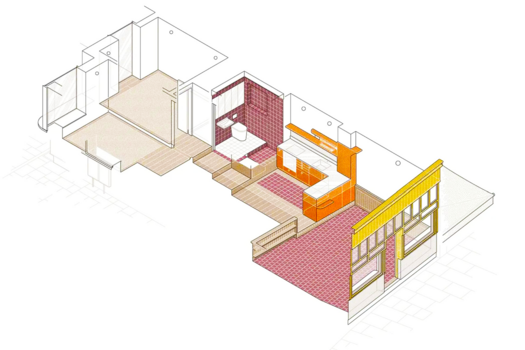
We met while working together as architecture design studio tutors at the University of Central Lancashire. Through teaching, we developed shared ideas and approaches to architecture. When Europan 18 opened, we decided to collaborate; having both worked on competitions before, we see them as opportunities to test ideas in new contexts and at different scales, regardless of outcome.
6. How could this prize help you in your professional career?
Definitely. Europan is such a prestigious competition for young, ambitious architects, and receiving a Special Mention gives us real validation and confidence that we are on the right path. It reinforces our approach to design and encourages us to keep testing ideas through future projects. Having our work recognised at an international level is both motivating and a valuable learning step in our development.
TEAM IDENTITY
Legal status:
Team name:
Average age of the associates: 30 years old
Has your team, together or separately, already conceived or implemented some projects and/or won any competition? if so, which ones?
Yes. Separately, the team has delivered a range of built projects, including large-scale mixed-use, commercial, educational and residential work, as well as complex retrofit and reuse schemes. We have also taken part in international competitions, including Europan 17 and RIBA competitions. This was our first collaboration together and brought our shared experience in practice and teaching into a single project.
WORKS: