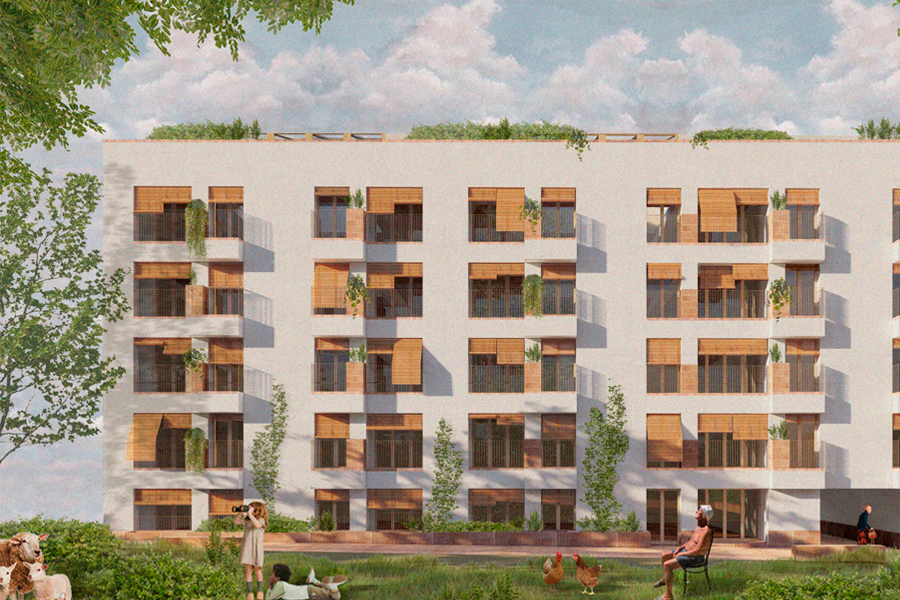
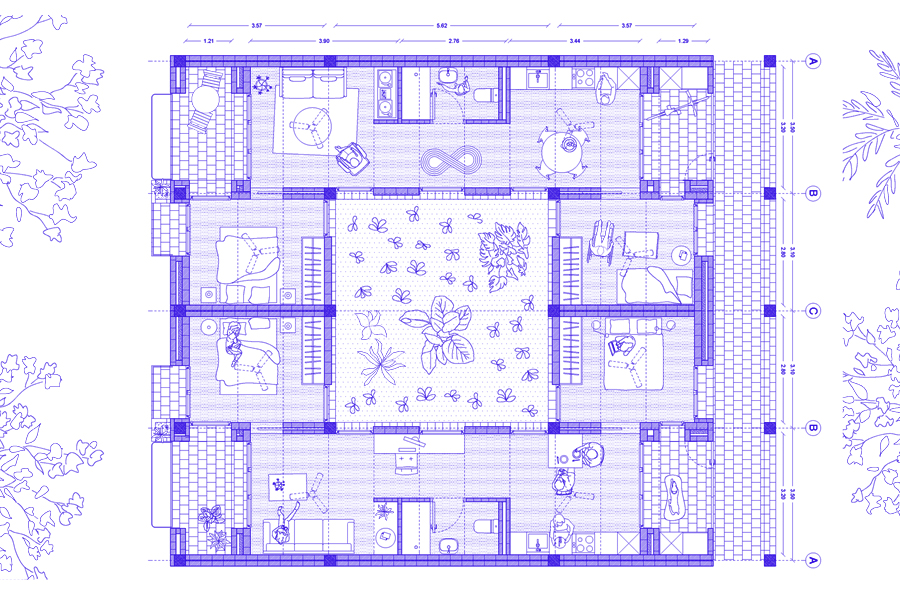
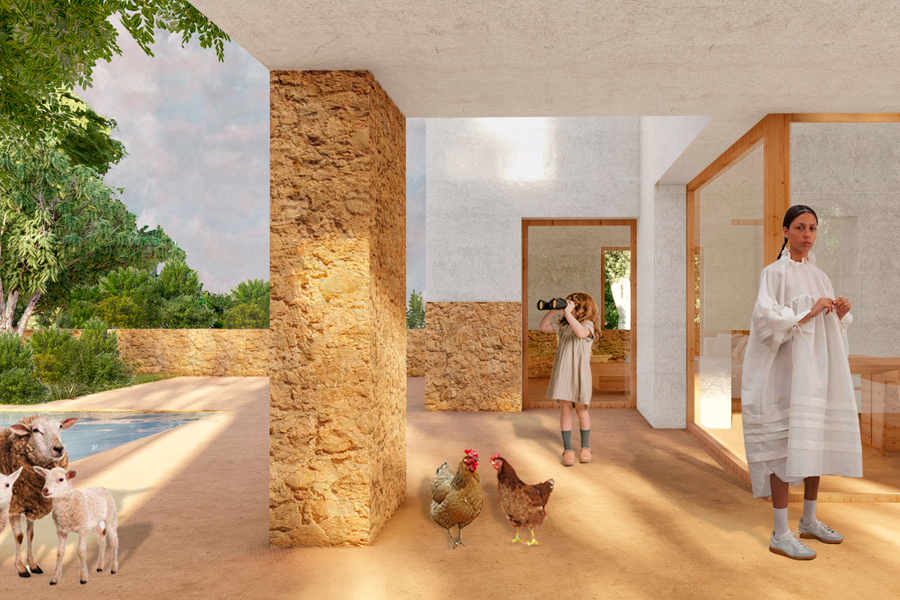
ANCORAR. Un espai per a quasi tot
Felanitx-Es Sindicat (ES) - Mention spéciale
DONNÉES DE L’ÉQUIPE
Associés: Claudia Ferrer Riera (ES), Iolanda Salca (RO), Javier Esteve Casañ (ES) – architectes
info@atzur-arquitectura.com / Atzur arquitectura / Iolanda Salca
TEAM PORTRAIT
INTERVIEW
Click on the images to enlarge
1. How do you define the main issues of your project in relation with the theme “Re-sourcing”? Re-sourcing thanks to nature, to social dynamics, to new materiality? In which way do you think your project can contribute to an ecological and/or social evolution? And in which way do you think your project can be called a “regenerative project”?
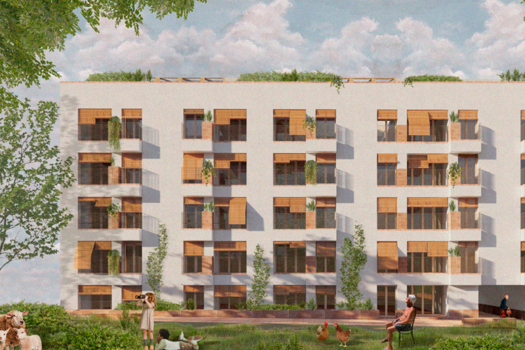
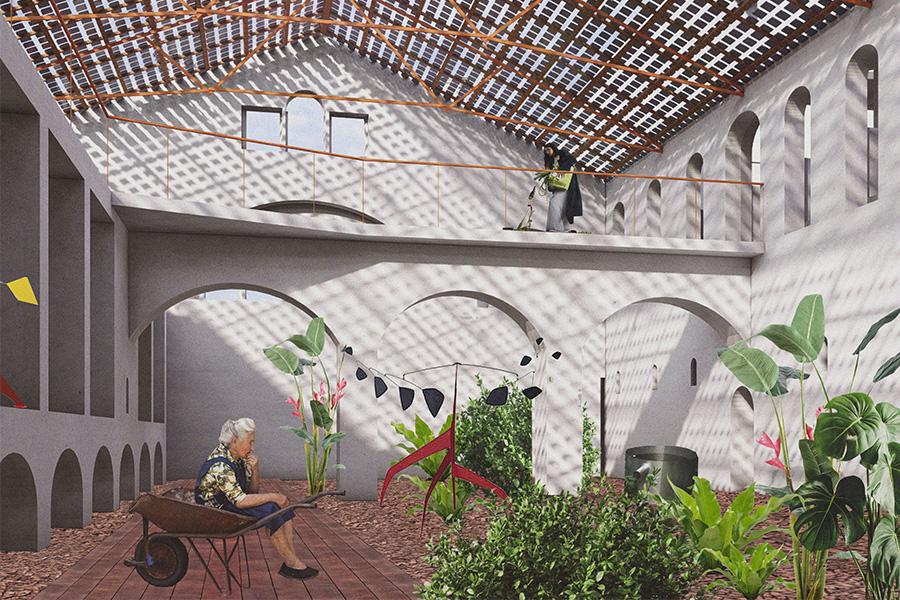
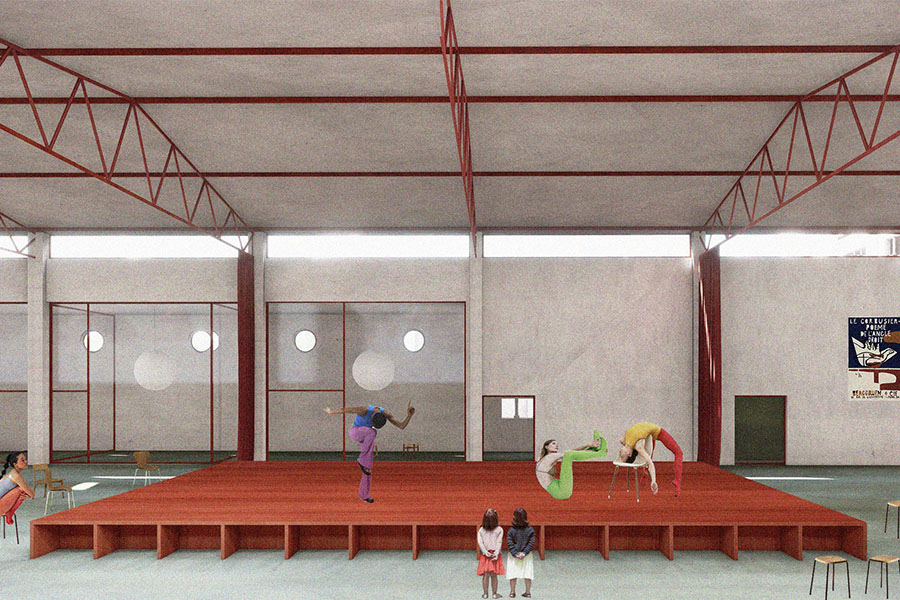
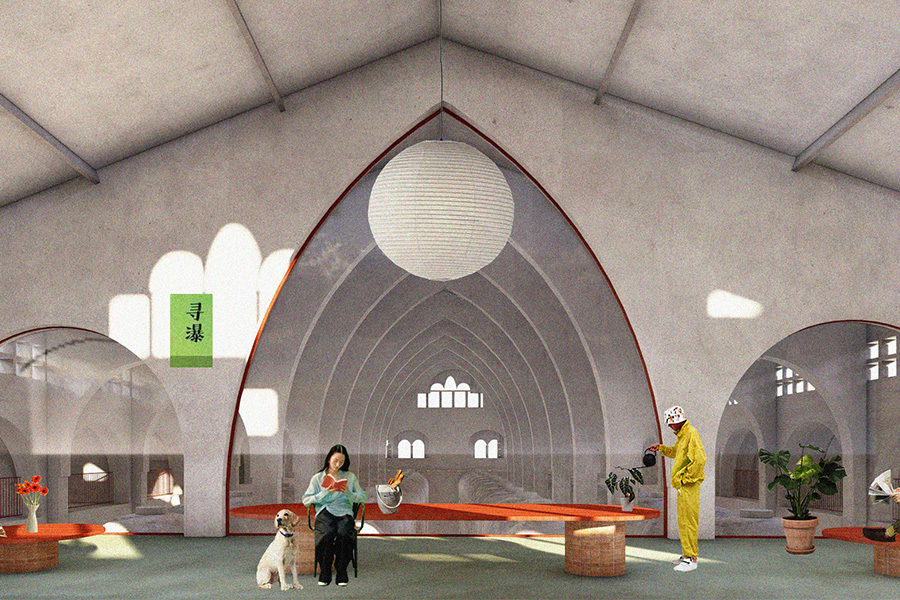
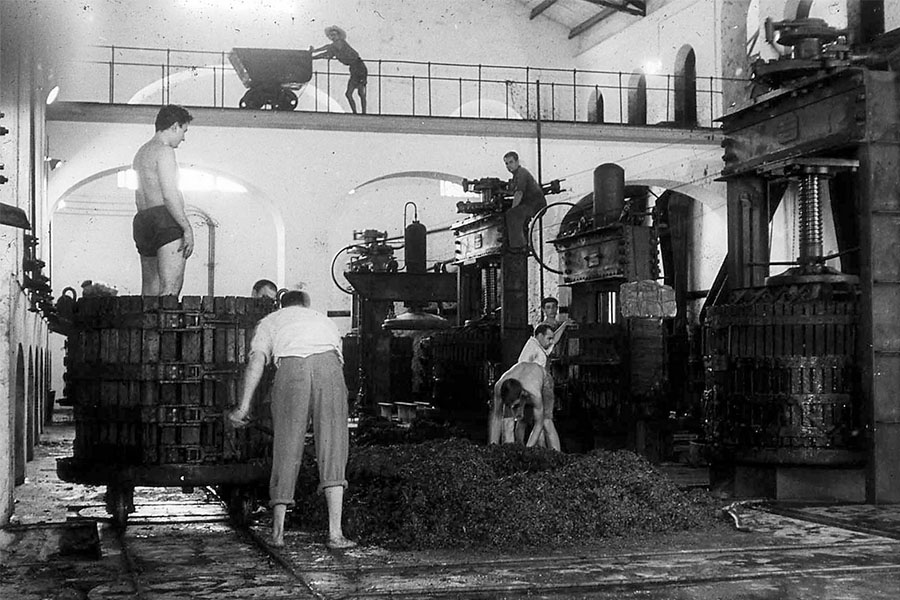
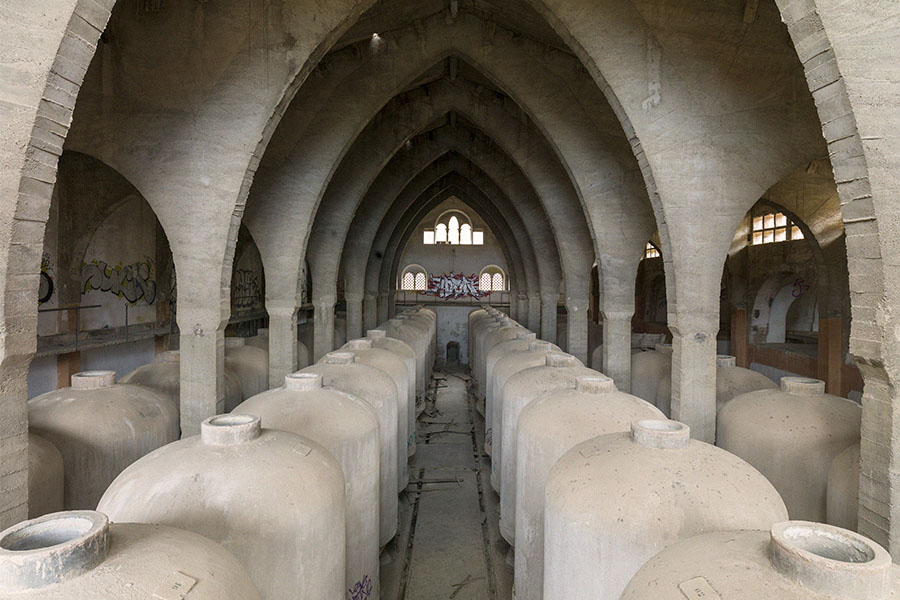
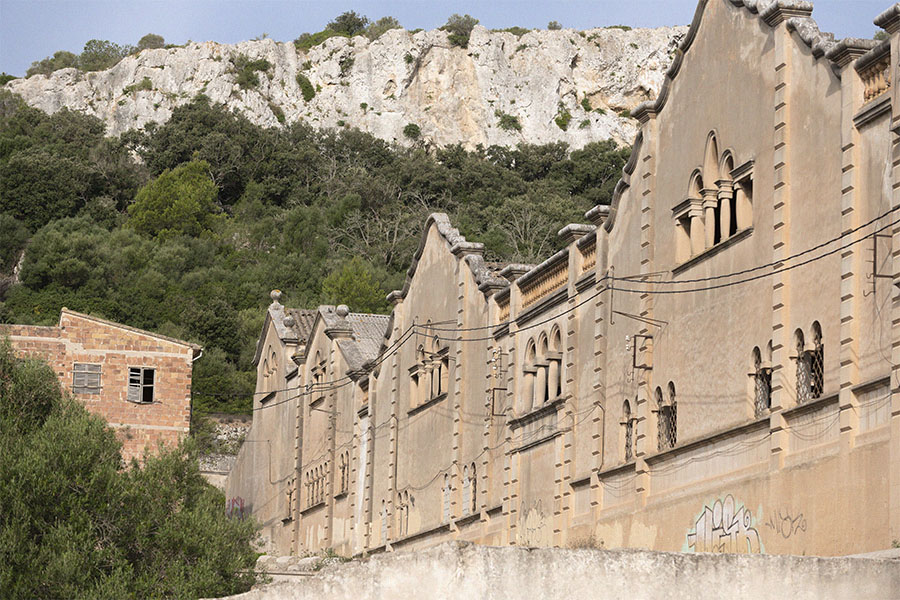
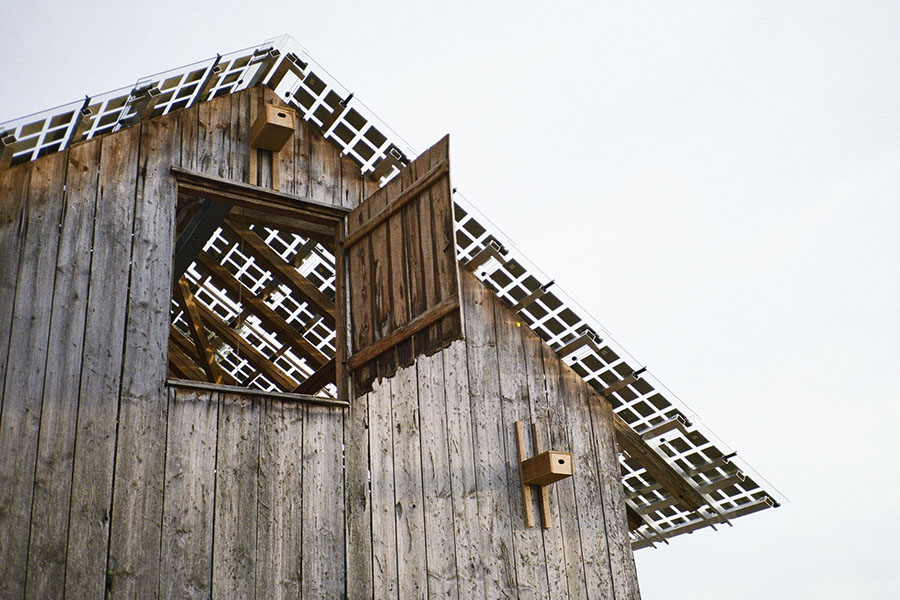
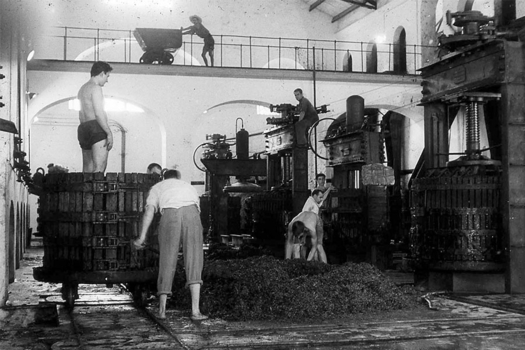
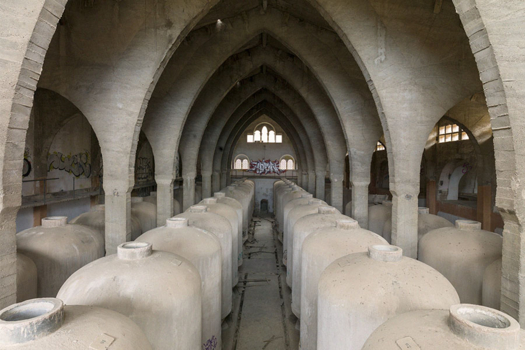
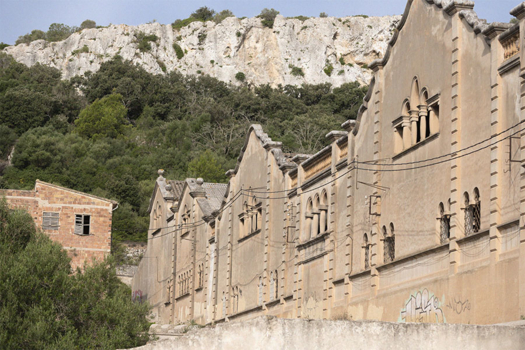
Since its origin, the Sindicat has been a building with a productive vocation, almost like a machine. The proposal aims to recover that essence: the new Sindicat is a functional and dynamic building that not only minimizes its energy demand but is also capable of generating its own energy. Locating technological systems on the roof frees up interior space to host new productive uses—different from the original ones, but still deeply connected to activity and community life. Ancorar is a forward-looking proposal rooted in optimism. It embraces the idea of motion so characteristic of a machine, but with memory. Avoiding the loss of continuity with the existing, it anchors itself in Felanitx, in the Sindicat, and in its memory—recovering the soul of a building and of a town.
2. How did the issues of your design and the questions raised by the site mutation meet?
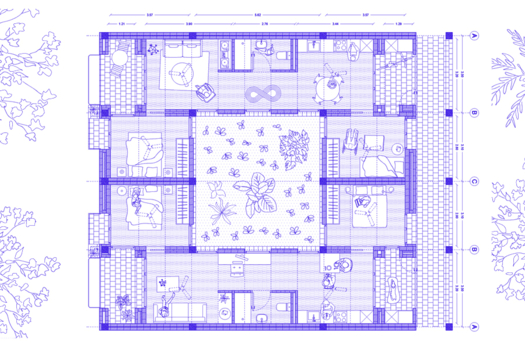
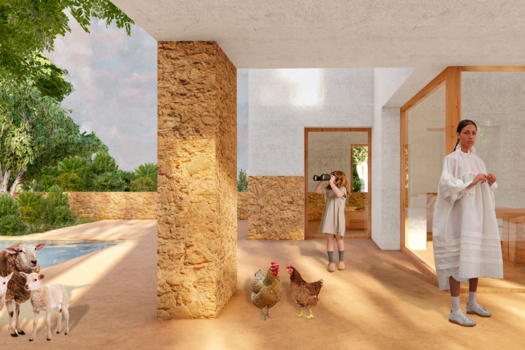
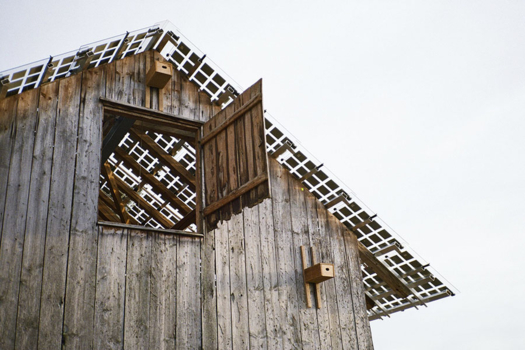
The proposal is based in adapting “el Sindicat” to the climate crisis (resoursing) through passive strategies inspired by traditional wisdom and efficient resource use. It integrates the four elements: water, air, fire, and earth: rainwater harvesting, natural ventilation using the “Embat” wind, reduced energy consumption with solar panels, and sustainable local materials. Green spaces and sustainable mobility enhance environmental quality. Minimal interventions create flexible, high-quality spaces for diverse community uses. The building regains its productive essence, combining technology, sustainability, and memory, anchored in Felanitx and the spirit of “el Sindicat”.
PROJECT:
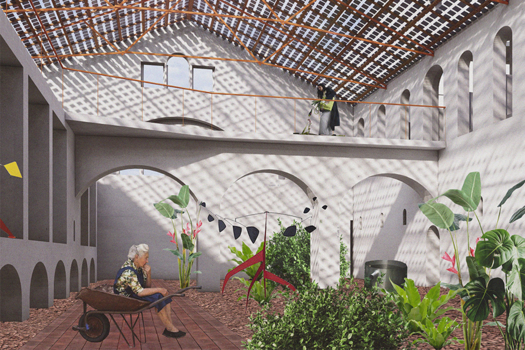
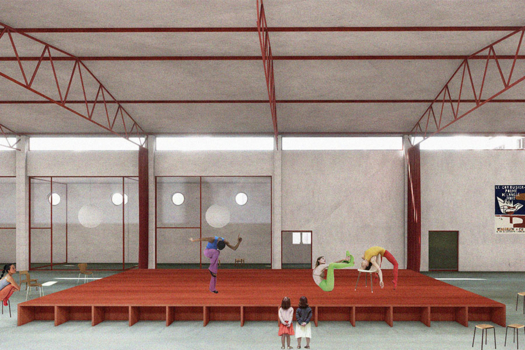
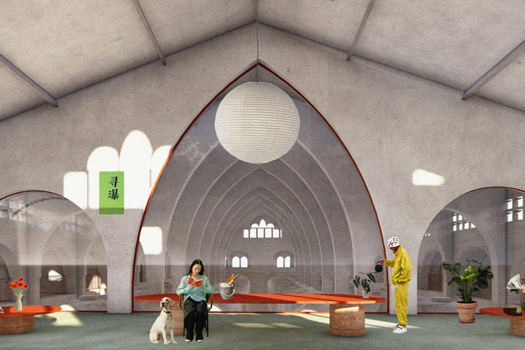
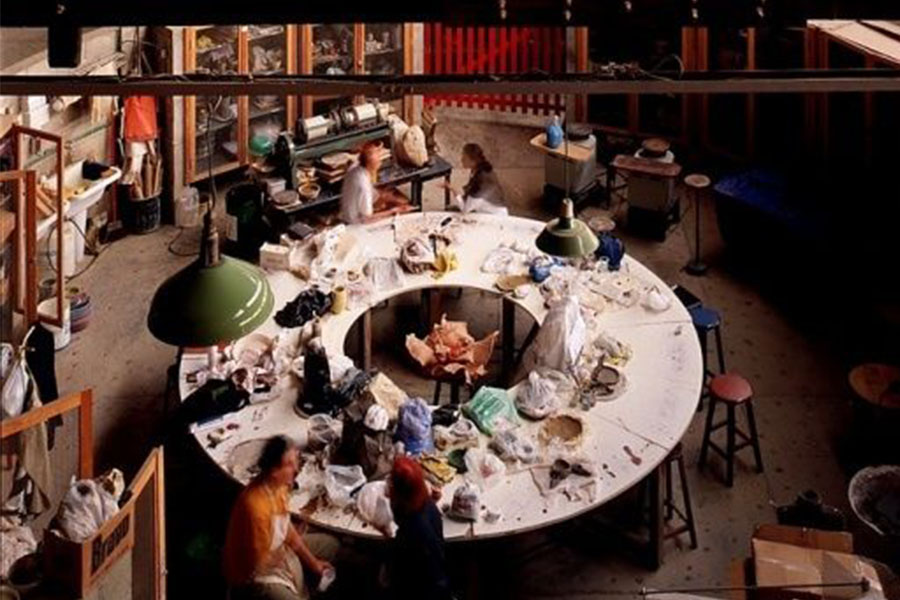
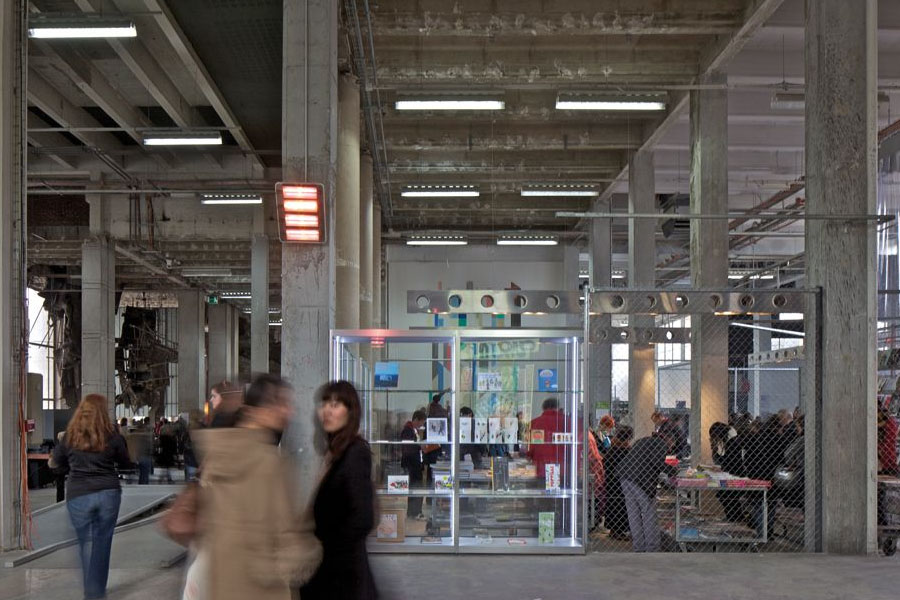
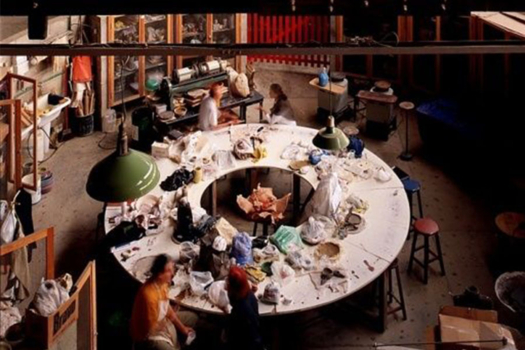
Atzur Arquitectura has developed several refurbishment projects, but none of them are of such a large scale or with the urban implications required in this competition. For this project, we have studied timeless examples, such as Lina Bo Bardi's Sesc Pompeia, but we have also consulted more contemporary examples to introduce the principles of minimum intervention and sustainable energy use, such as Palais de Tokyo by Lacaton & Vassal. The idea is that the user completes the building and its function.
SITE:
Although, for our team, the process ends here, it has still been an enriching experience. It has been an opportunity to explore the challenges of this project, and we remain fully committed to similar endeavors in the future.
REFERENCES:
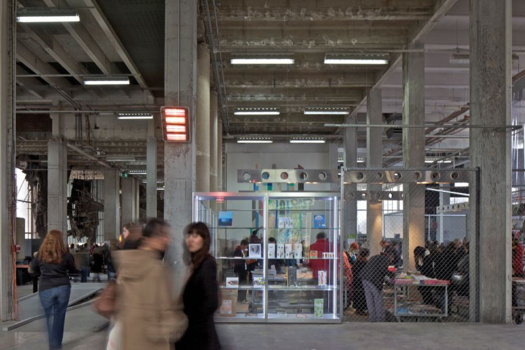
We already knew each other from working together in the previous Europan, and it was a truly enriching experience. For this competition, Iolanda joined the team.
6. How could this prize help you in your professional career?
Being awarded in Europan 18 gives us recognition that always pushes us to keep working with the same intensity and enthusiasm. We also believe it will bring us new and exciting job opportunities
TEAM IDENTITY
Legal status:
Team name: Javier Esteve + Iolanda Salca + Atzur Arquitectura
Average age of the associates: 32,5 years old
Has your team, together or separately, already conceived or implemented some projects and/or won any competition? if so, which ones?
Part of the team won first prize in Europan 18, Eivissa, with the project Vénda de ca n’Escandell.
WORKS: