As Memórias da água | Re-Thinking Campolide
Lisboa (PT) - Lauréat
DONNÉES DE L’ÉQUIPE
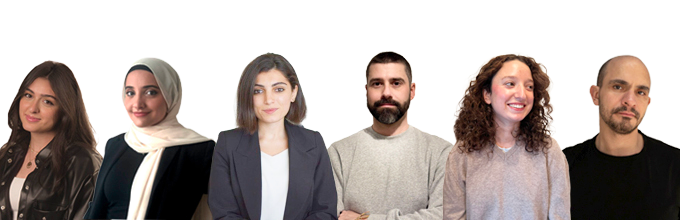
Associés: Marta Marino (IT), Damiano Ceriani (IT) – architectes paysagistes, João Henrique de Oliveira Conceição (PT) – architecte, Jide Sleiman Haidar (LB), Naya Aslan (SY), Sara Mahnoud Salem (EG) – architectes urbanistes
marta.marino1991@icloud.com
TEAM PORTRAIT
VIDEO (by the team)
INTERVIEW
Click on the images to enlarge
1. How do you define the main issues of your project in relation with the theme “Re-sourcing”? Re-sourcing thanks to nature, to social dynamics, to new materiality? In which way do you think your project can contribute to an ecological and/or social evolution? And in which way do you think your project can be called a “regenerative project”?
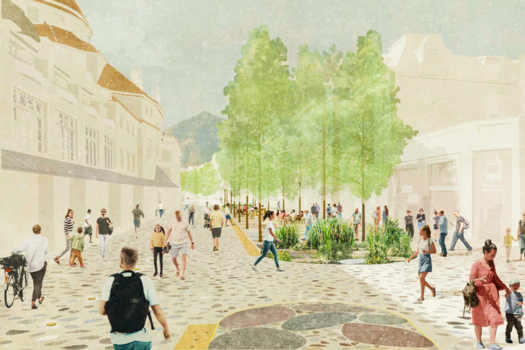
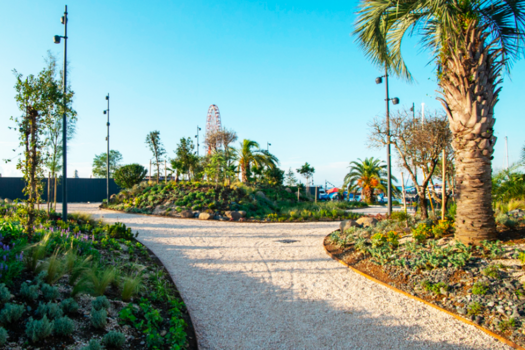
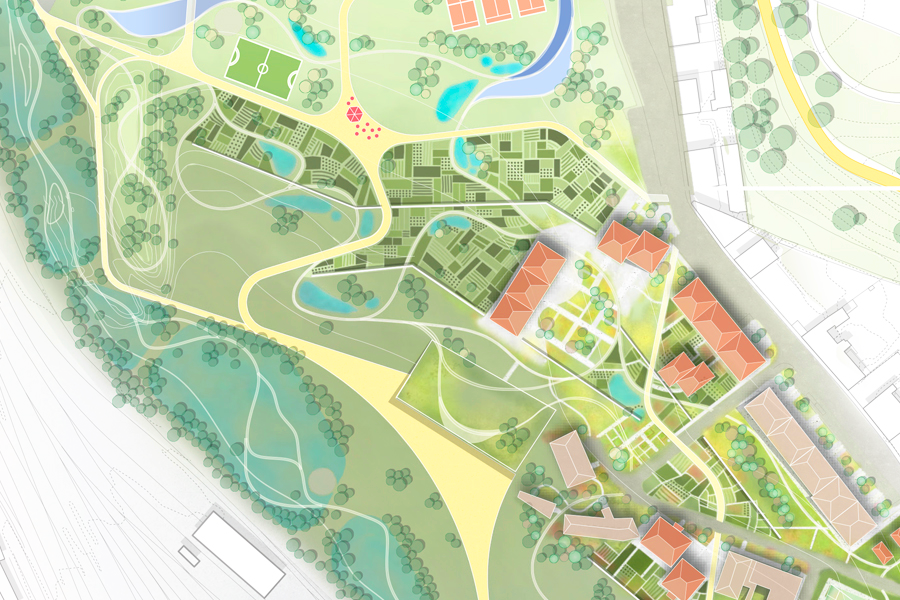
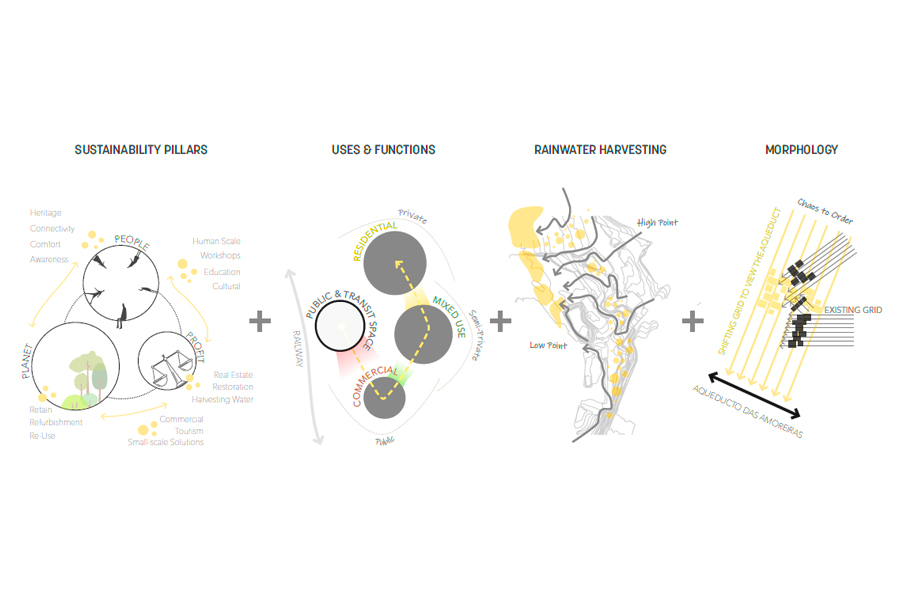
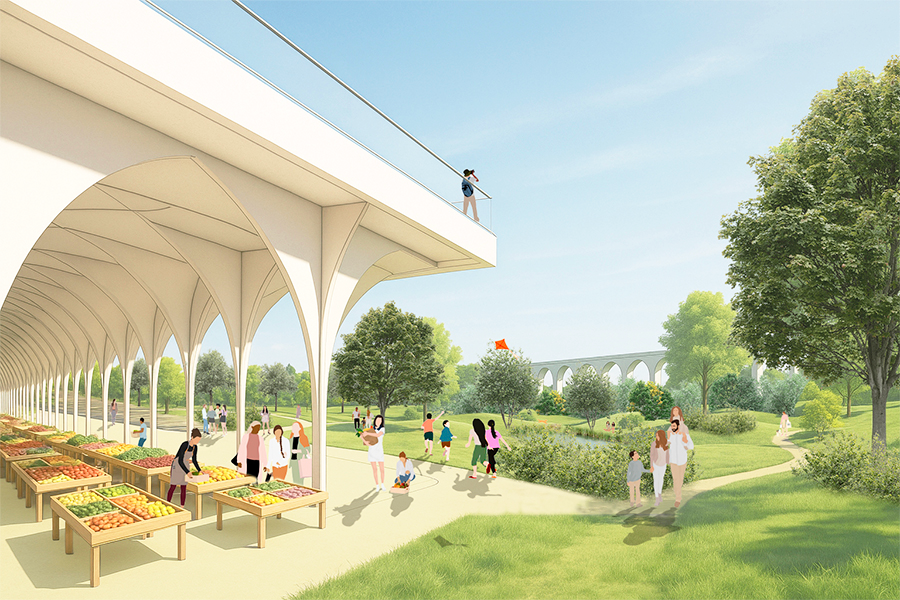
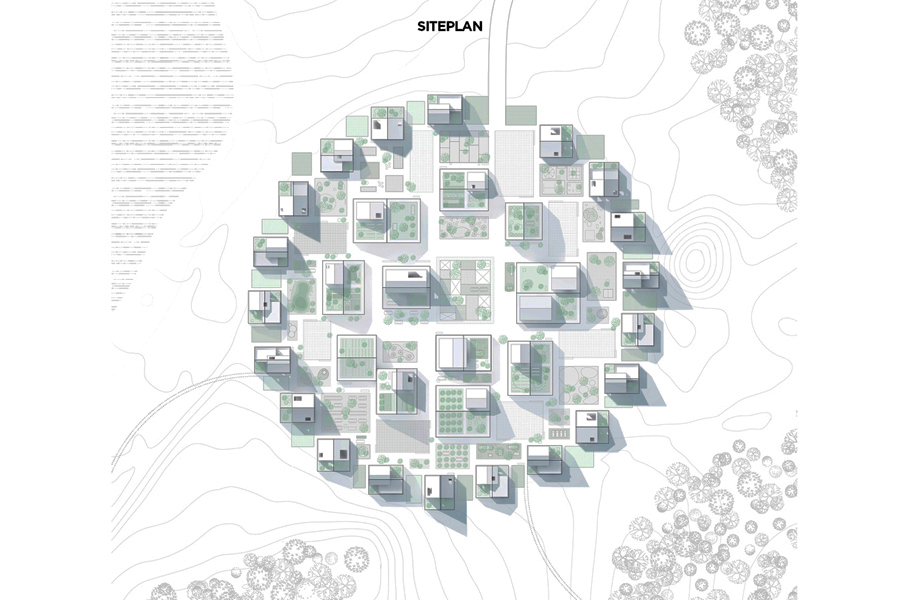
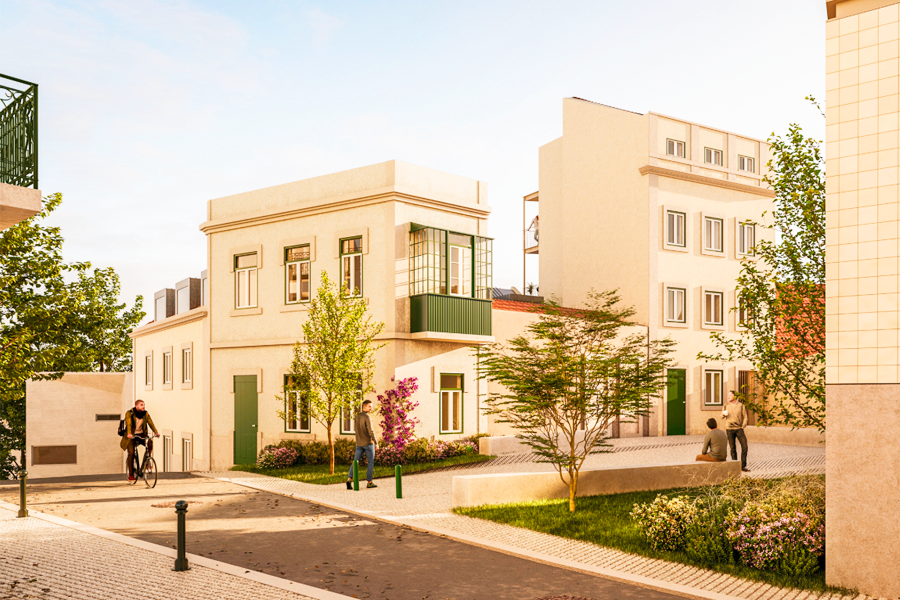
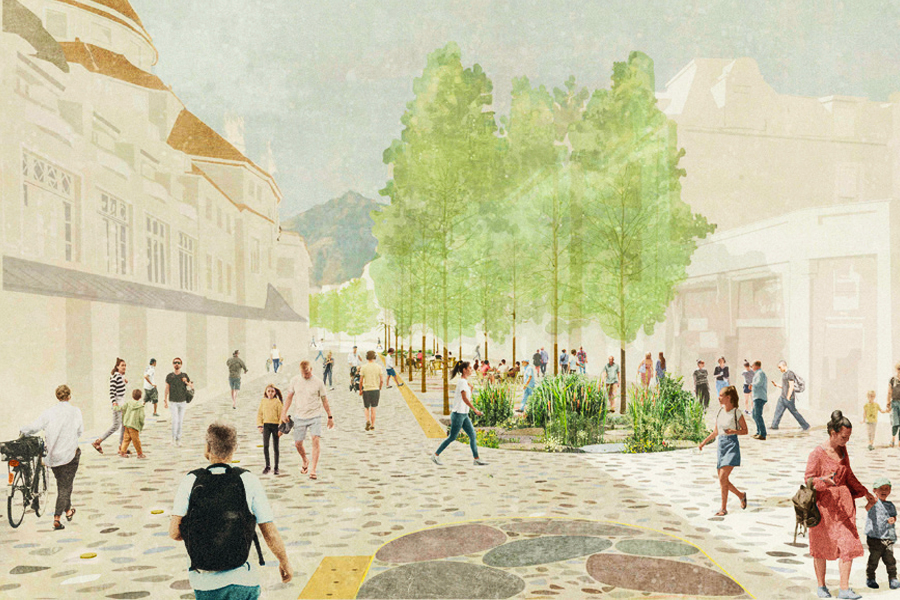
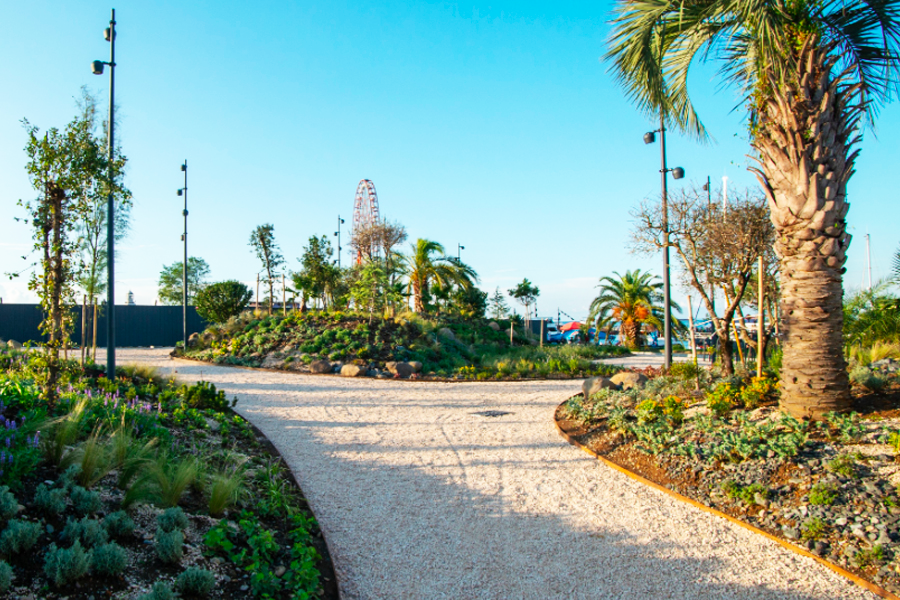
Our project re-sources the site by transforming abandoned land into productive ecological systems, restoring water cycles and creating spaces for community life. It acts as a regenerative framework, where soil, water and social dynamics reinforce each other, enabling both ecological and social renewal.
2. How did the issues of your design and the questions raised by the site mutation meet?
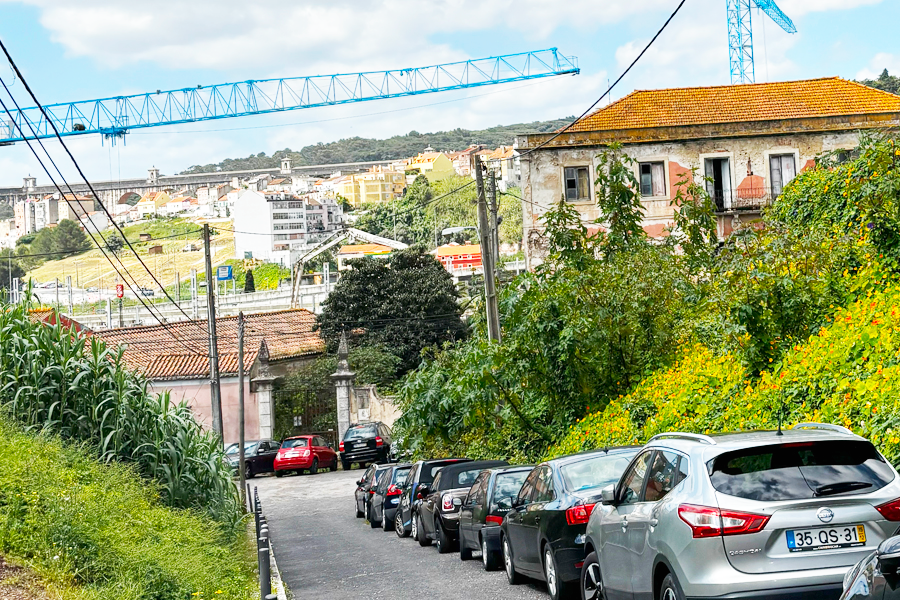
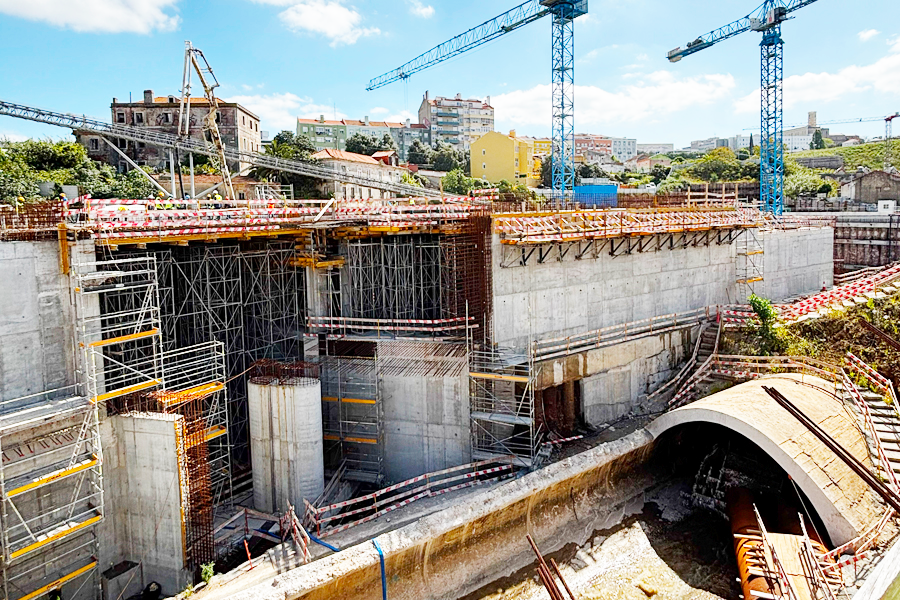
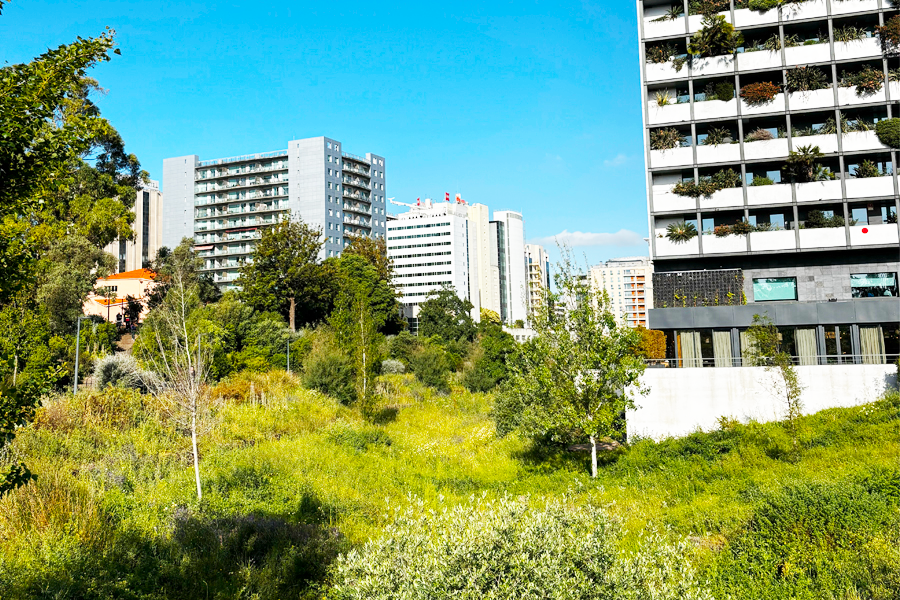
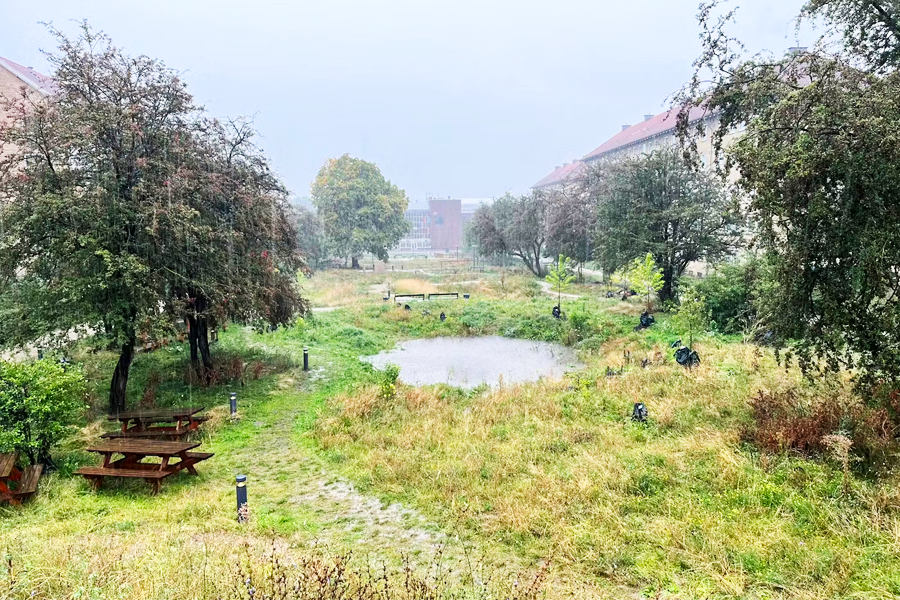
The site’s steep topography, isolation from the urban fabric, abandoned soil and fragmented ecologies directly shaped our proposal. By restoring water flows, creating productive slopes and reconnecting green and social networks, the project turns these constraints into opportunities for regeneration.
PROJECT:
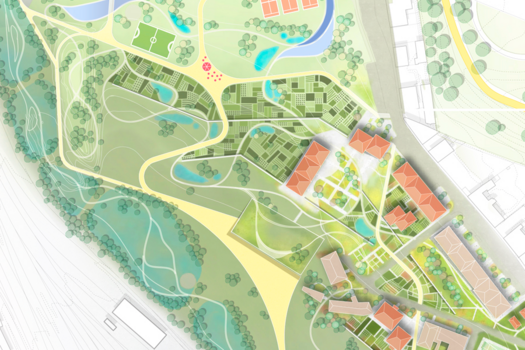
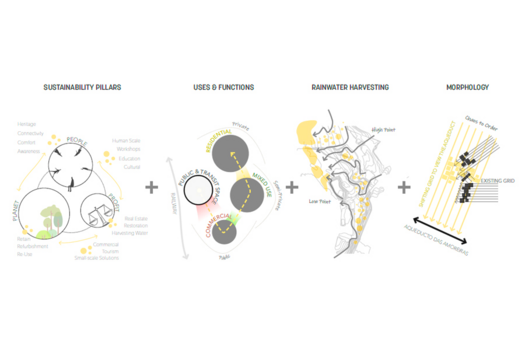
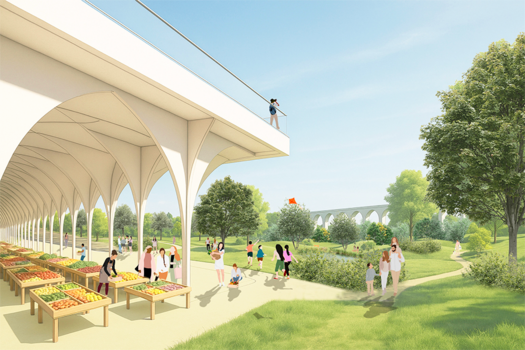
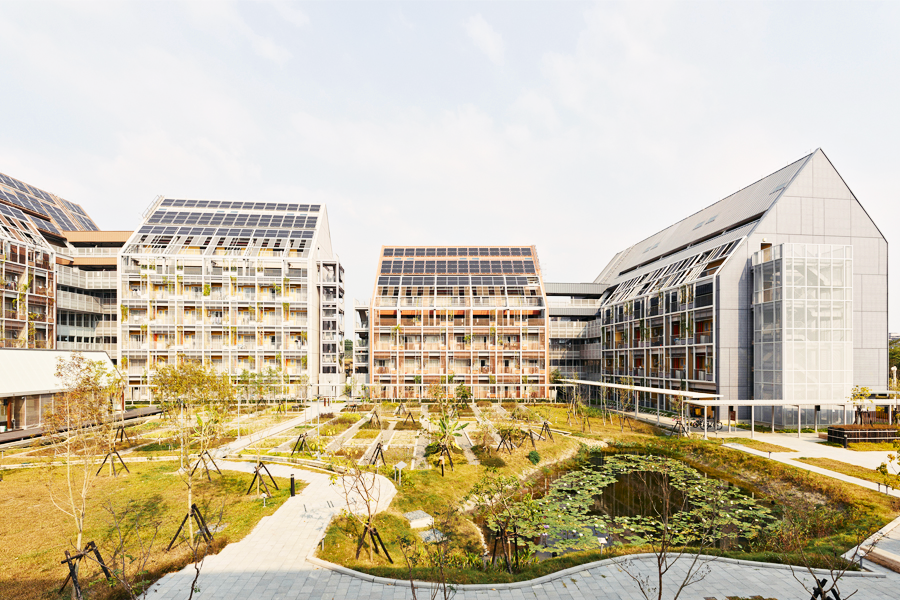
We had previously explored similar issues in projects dealing with water, productive landscapes and community-led programs. Our references included SLA’s nature-based climate adaptation (Grønningen–Bispeparken), EFFEKT’s regenerative ReGen Villages, and Upfarming’s participatory urban farming model.
SITE:
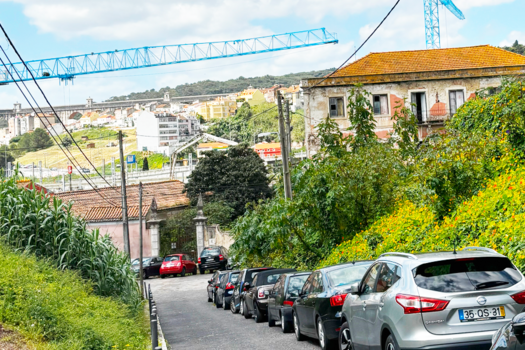
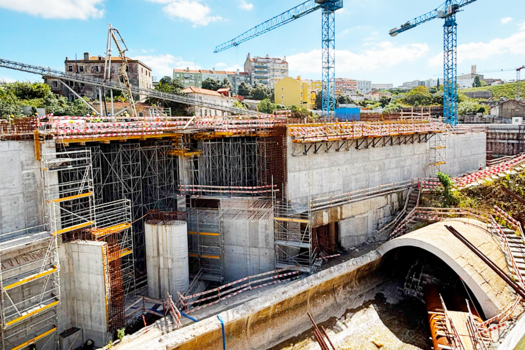
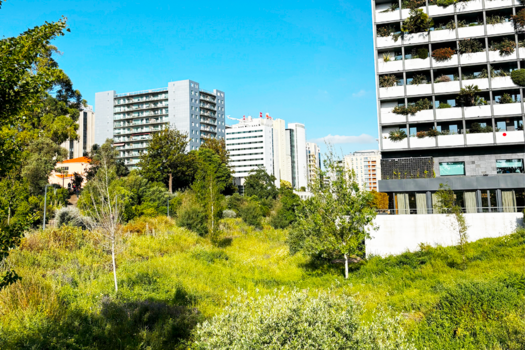
The project is conceived as a step-by-step process built through close communication between the municipality, local residents and the design team. Its phased structure allows testing and adaptation over time, ensuring that ecological actions and social uses evolve together according to community needs.
REFERENCES:
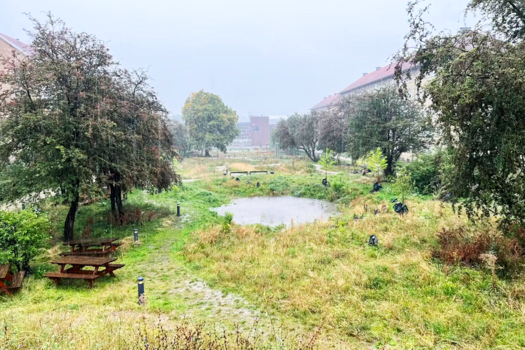
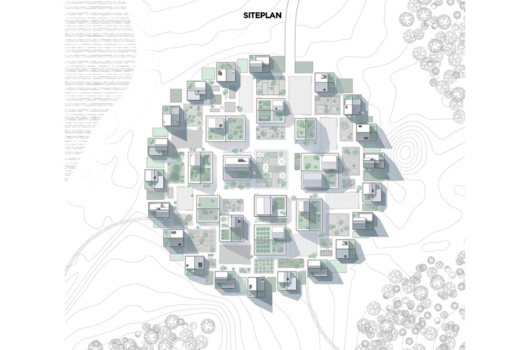
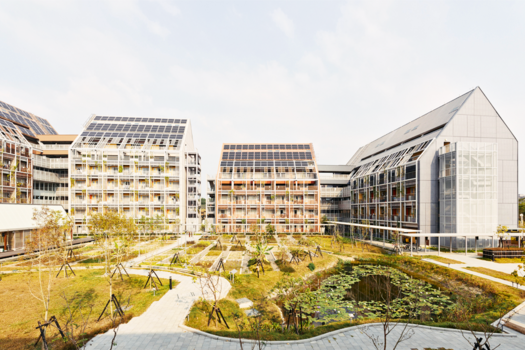
Our team was formed by bringing together complementary skills to read the site at different scales. Urban planners, landscape architects and architects collaborated closely, combining ecological, spatial and programmatic perspectives to create a coherent and multi-layered proposal.
6. How could this prize help you in your professional career?
Yes, this prize can significantly support our professional path. It strengthens our visibility, opens new opportunities for collaboration and gives us the chance to deepen the ecological and social topics we care about in future projects.
TEAM IDENTITY
Legal status:
Team name:
Average age of the associates: 31 years old
Has your team, together or separately, already conceived or implemented some projects and/or won any competition? if so, which ones?
We’ve individually worked on projects and entered competitions in different contexts (Europe and the Gulf). Some of us contributed to affordable housing projects and landscape/public space design in Lisbon and took part in public space competitions in Italy. As a team, this is our first collaboration, so we don’t have joint projects or awards yet.
WORKS: