Cascata Urbana
Lisboa (PT) - Mentionné
TEAM PORTRAIT
VIDEO (by the team)
INTERVIEW
Click on the images to enlarge
1. How do you define the main issues of your project in relation with the theme “Re-sourcing”? Re-sourcing thanks to nature, to social dynamics, to new materiality? In which way do you think your project can contribute to an ecological and/or social evolution? And in which way do you think your project can be called a “regenerative project”?
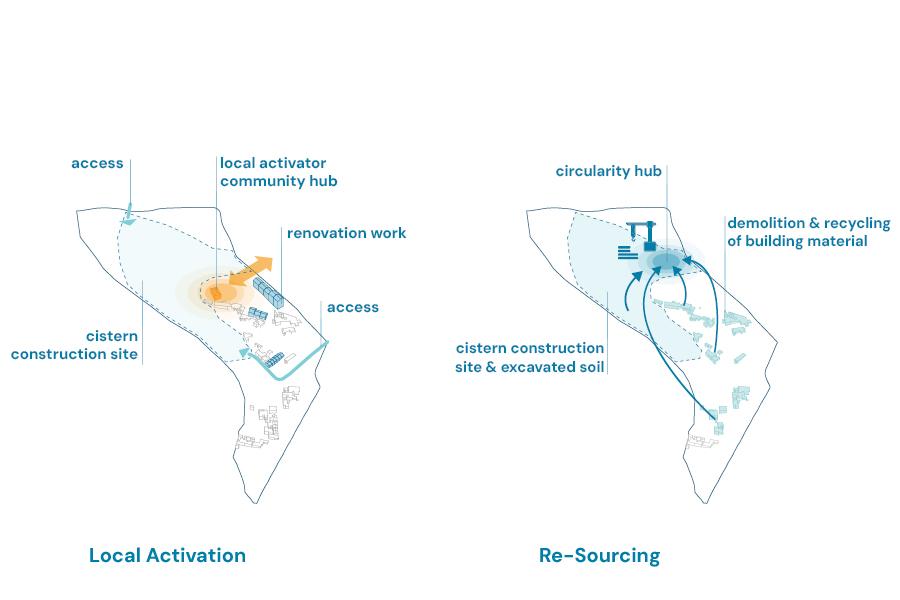
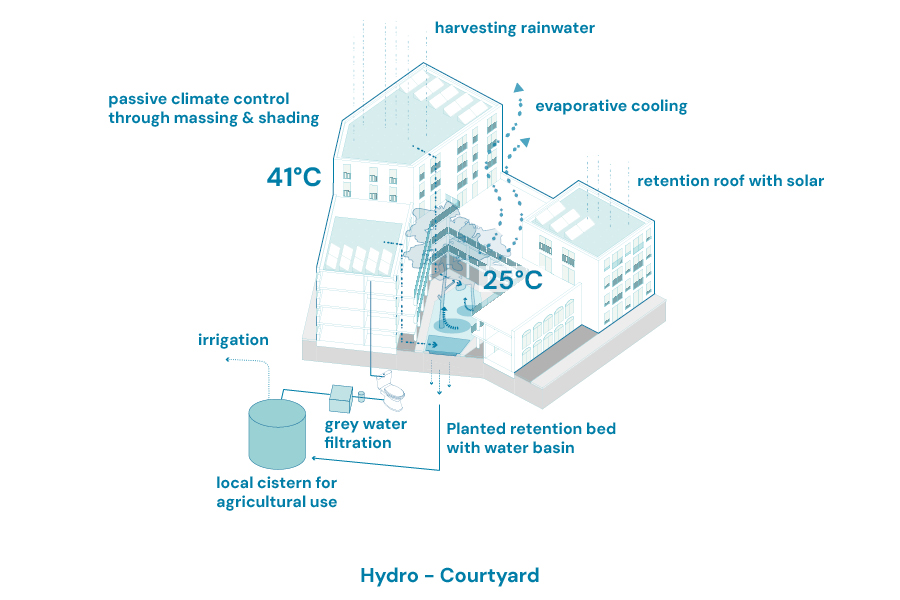
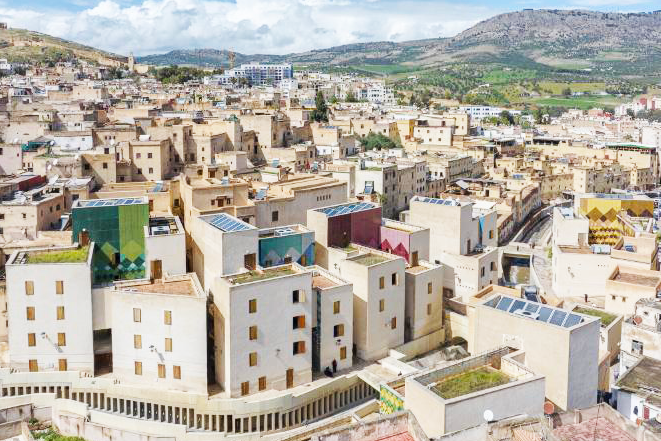
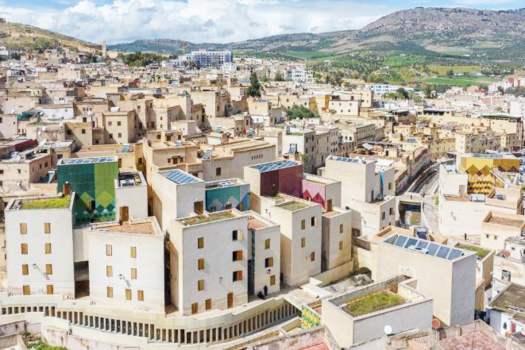
In our approach, the focus is on systemic relationships and correlations between conceptual key points. We also aim to learn from climate zones that are likely to become comparable to Lisbon and Southern Europe, which is why we drew inspiration from morrocan architectural and urban features.
2. How did the issues of your design and the questions raised by the site mutation meet?
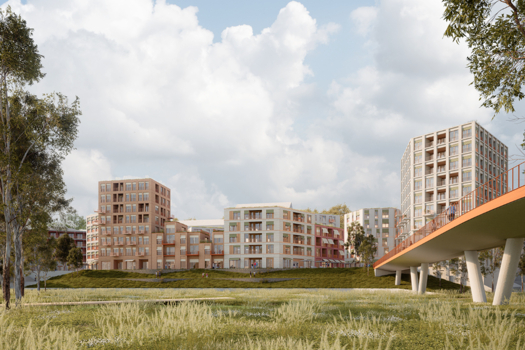
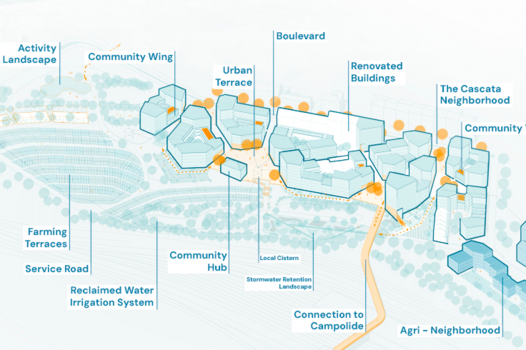
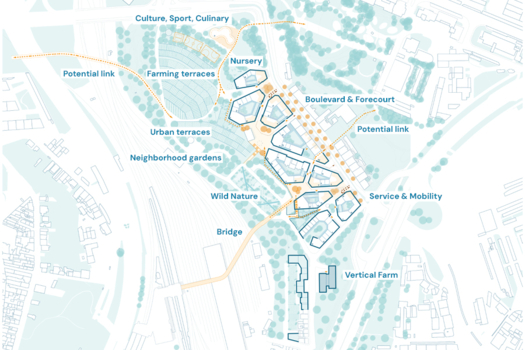
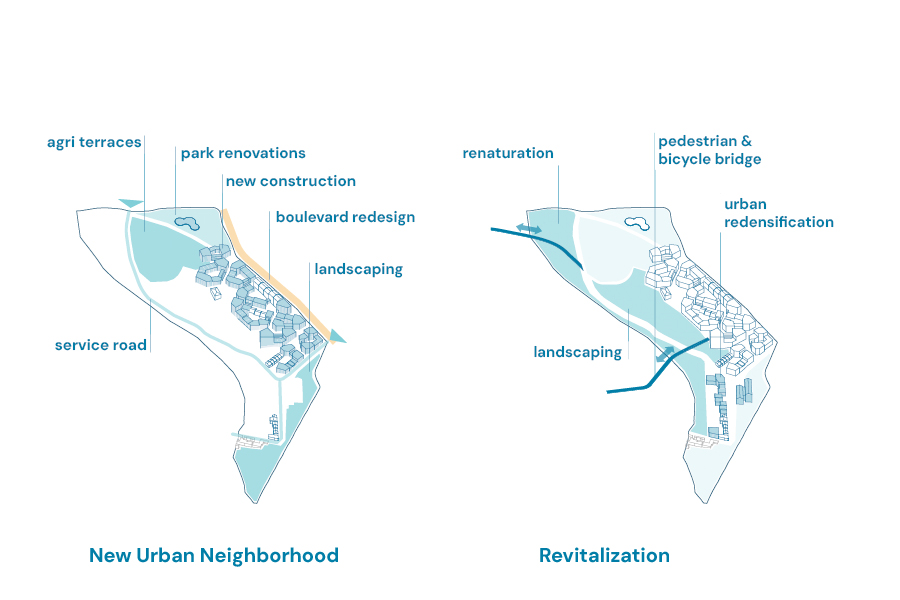
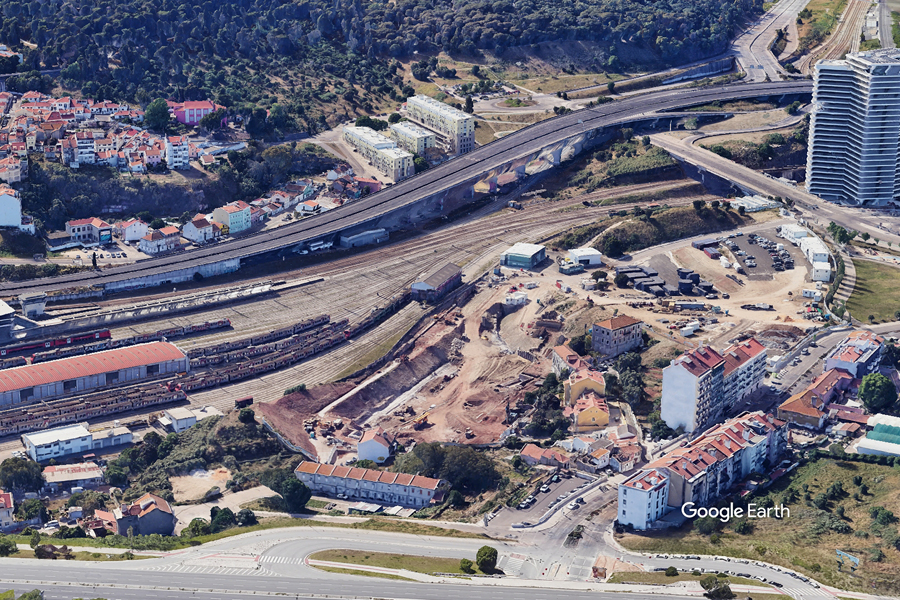
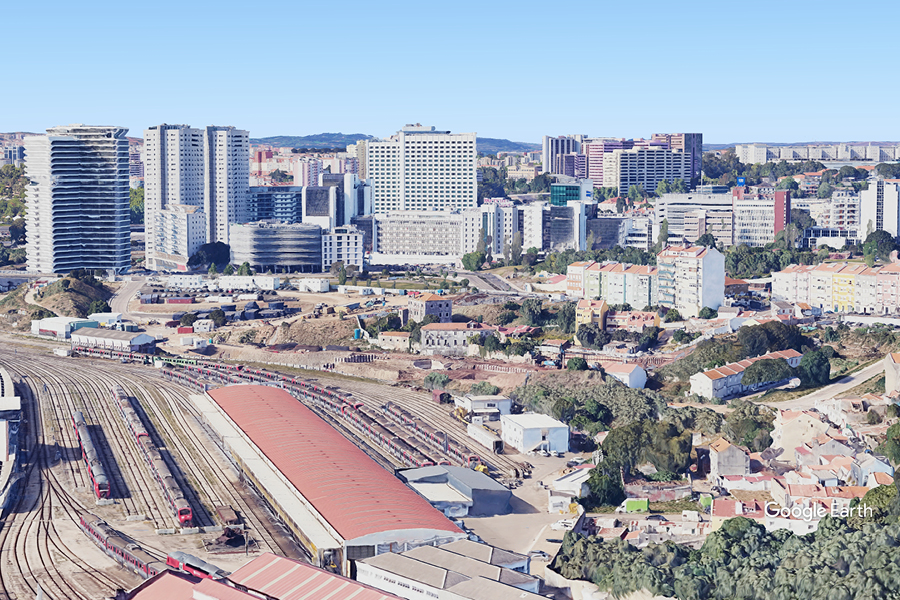
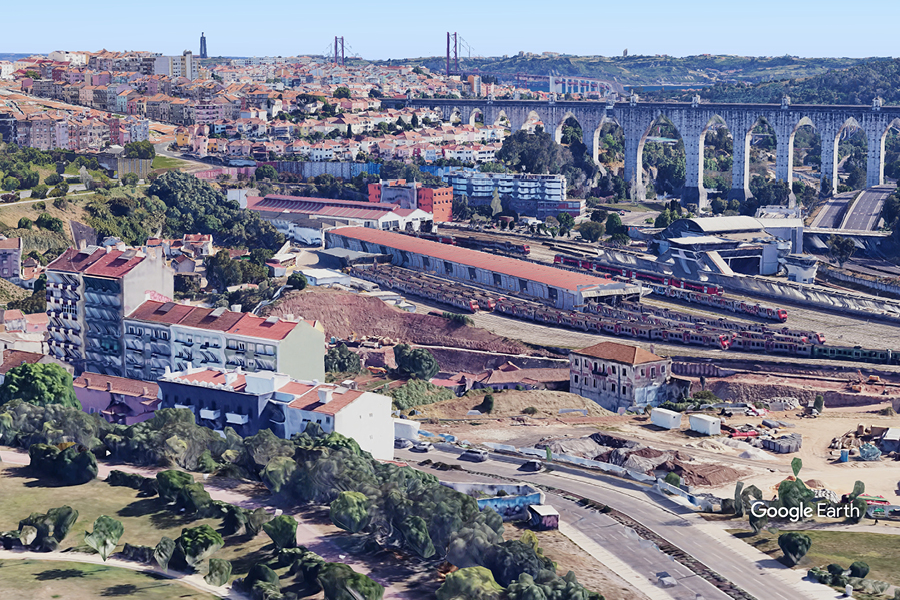
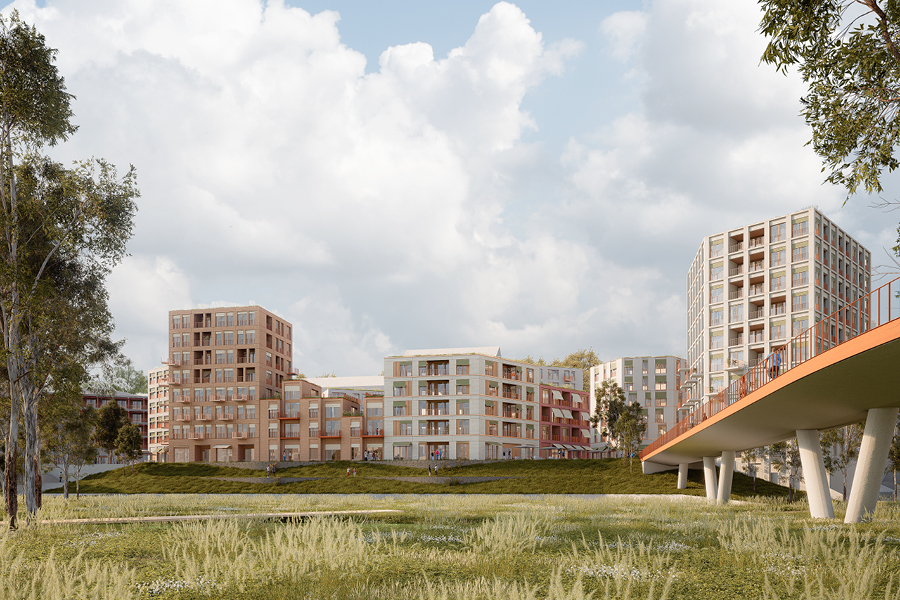
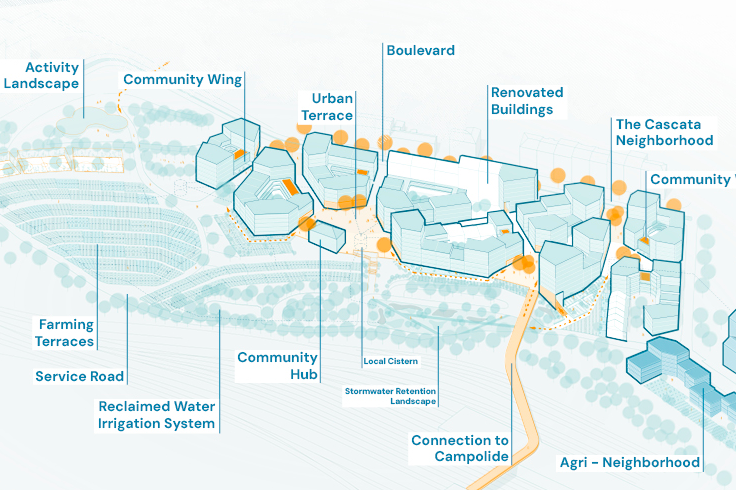
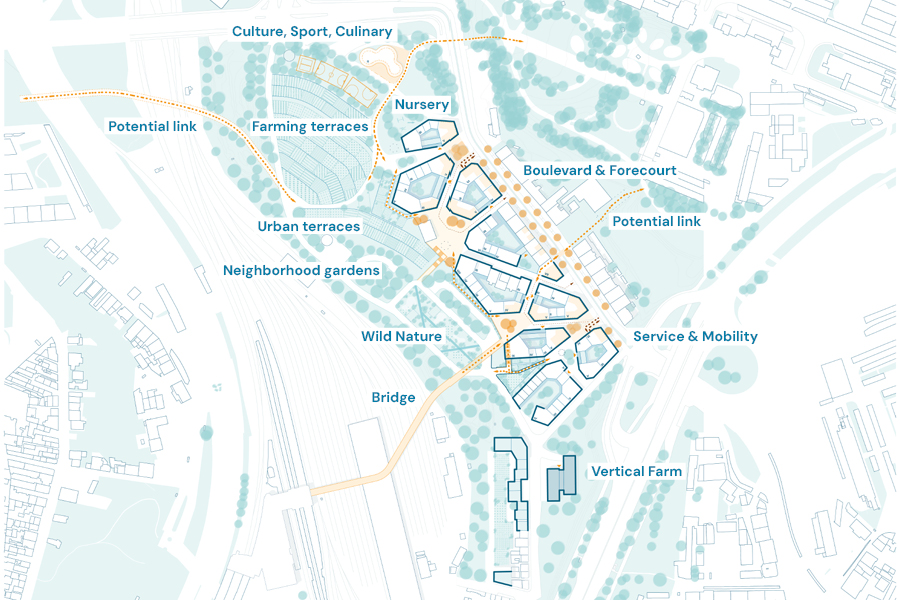
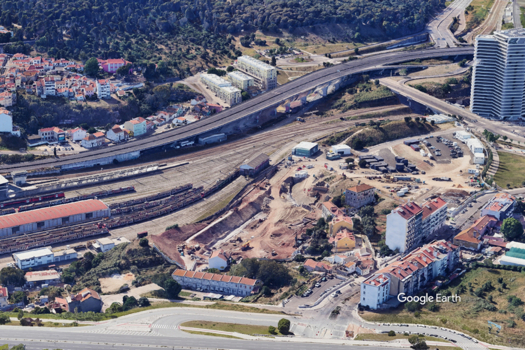
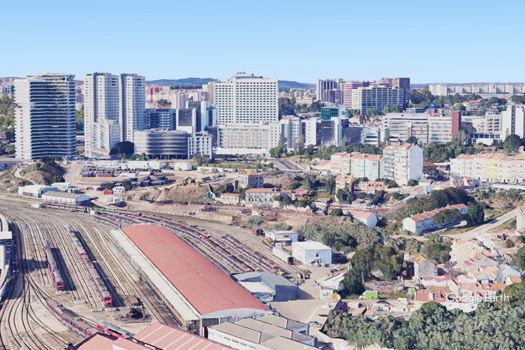
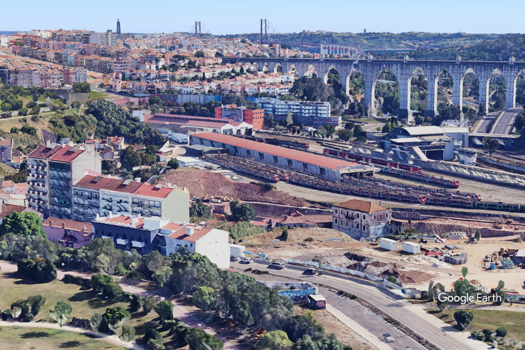
The design questions emerged from the site’s transformation: isolation, underused housing, and strong topography. By reconnecting the island to its neighborhood and activating existing structures, the terrain becomes a social landscape. Water acts as an omnipresent design driver throughout the masterplan, linking the site to Lisbon and surrounding districts.
PROJECT:
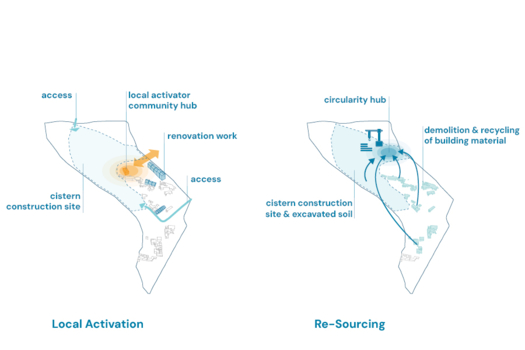
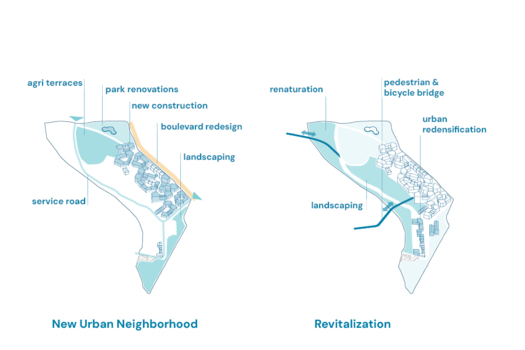
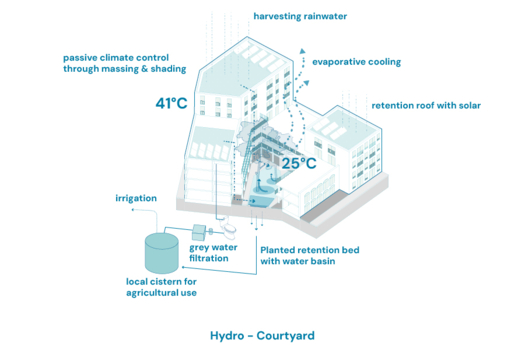
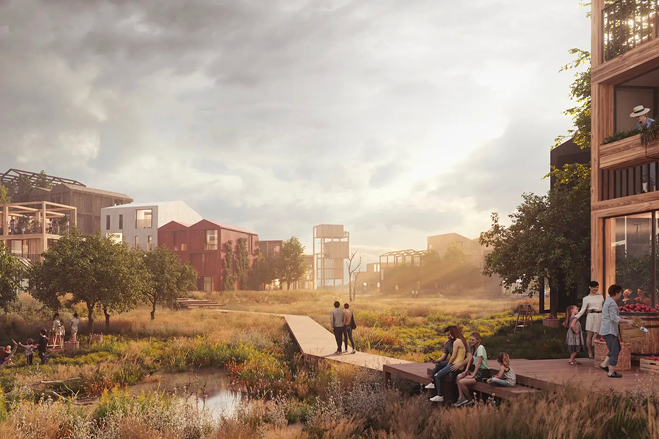
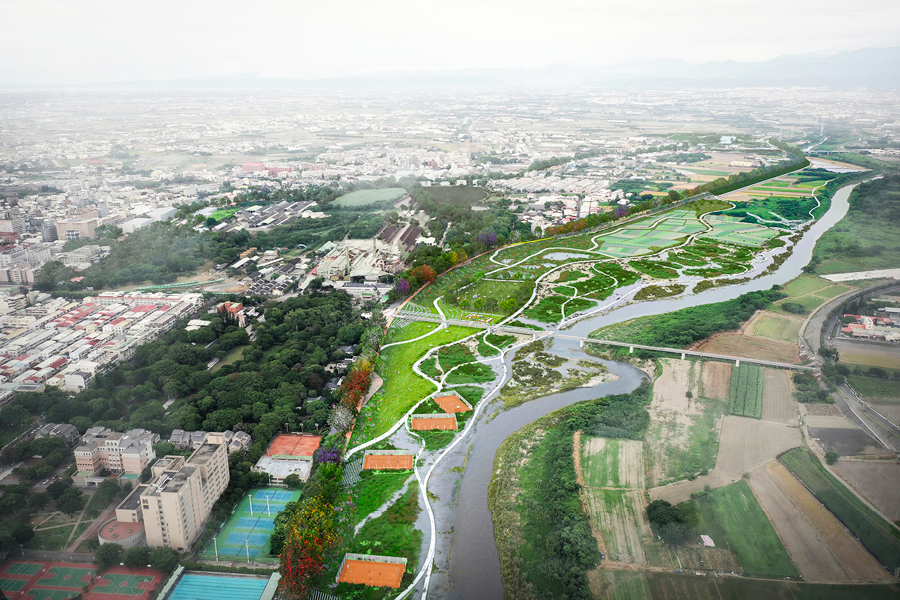
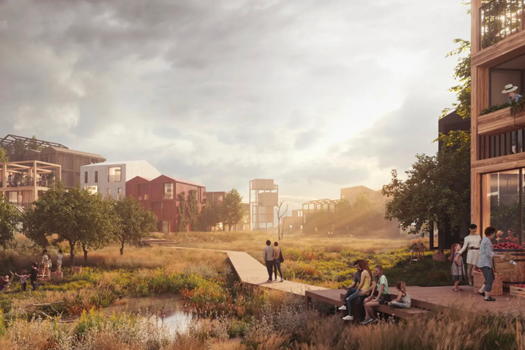
Yes, these issues build on previous work focused on adaptive reuse, landscape-driven urban design, and community activation. Reference projects include ecological waterway networks, housing densification, topography-based public spaces, and regenerative urban farming. These informed our approach to connectivity, social integration, and water as a structuring element.
SITE:
REFERENCES:
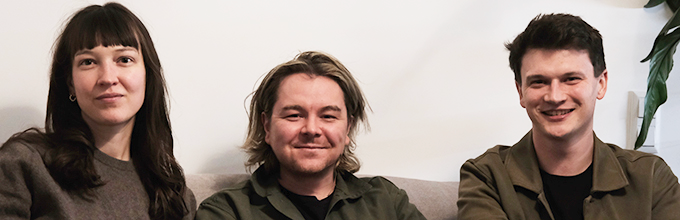
We are three architects, who met in an architectural studio 4 years ago. We stayed friends and discovered a strong shared mindset. Therefore, forming this team was a natural step for us, as we share aligned architectural and urban design interests, similar focuses as well as we have a common way of developing ideas.
6. How could this prize help you in your professional career?
Yes, of course the prize will support our future careers and help us further develop projects and strengthen our collaborative team for future competitions.
TEAM IDENTITY
Legal status:
Team name:
Average age of the associates: 32 years old
Has your team, together or separately, already conceived or implemented some projects and/or won any competition? if so, which ones?
No.
WORKS: