La Mémoire Circulaire
Caen (FR) - Mentionné
TEAM PORTRAIT
VIDEO (by the team)
INTERVIEW
Click on the images to enlarge
1. How do you define the main issues of your project in relation with the theme “Re-sourcing”? Re-sourcing thanks to nature, to social dynamics, to new materiality? In which way do you think your project can contribute to an ecological and/or social evolution? And in which way do you think your project can be called a “regenerative project”?
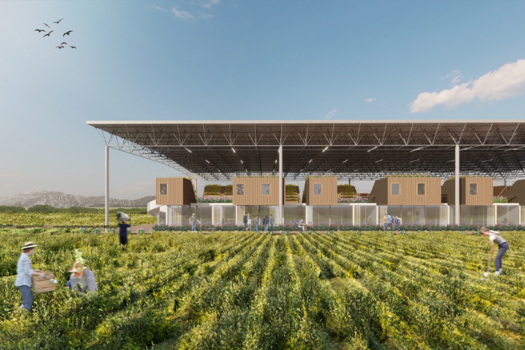
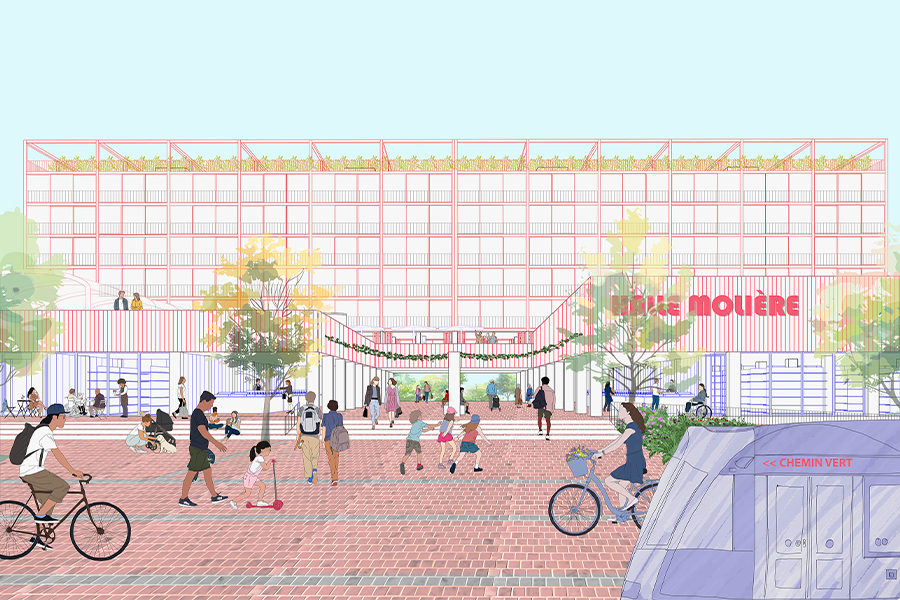
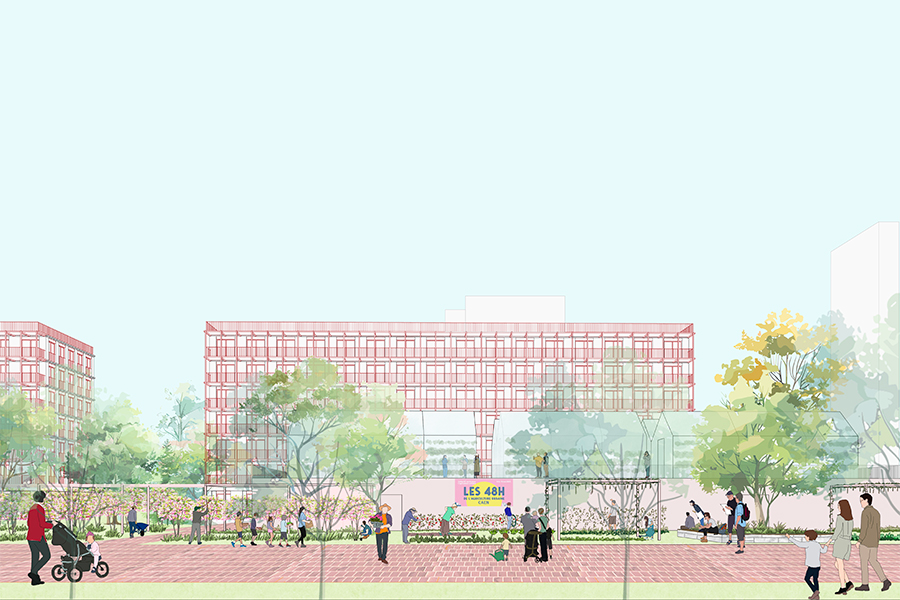
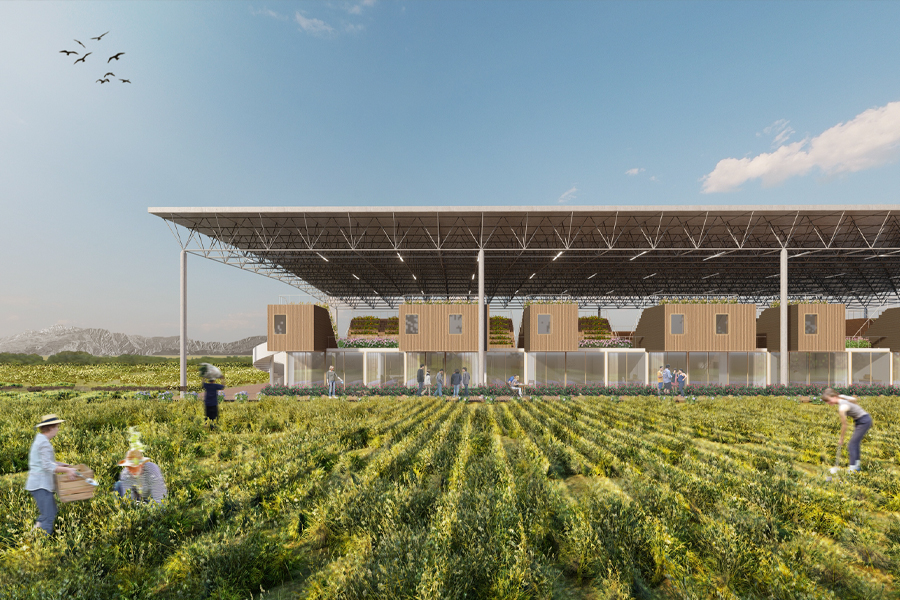
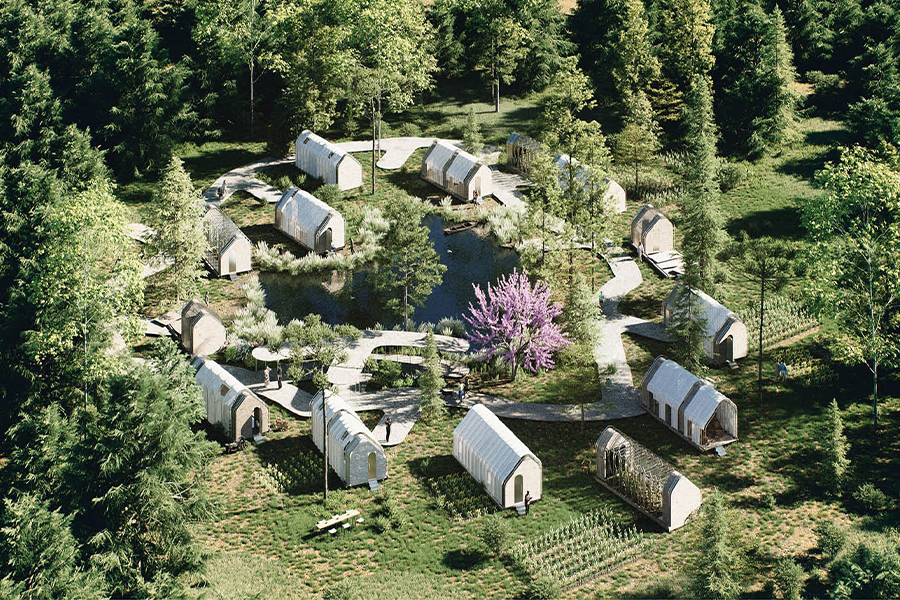
Since the beginning of the project, our goal has been driven by a simple and essential question: how can we preserve existing values, both visible and invisible, while adapting them to contemporary societal needs? We consider the city as the source itself. In Caen, and more specifically in the Le Chemin Vert neighborhood, the diversity of urban fabrics - collective housing and family dwellings - combined with a beautiful natural landscape, reveals significant potentials waiting to be explored and developed. Our approach does not focus on a single theme but theme but dealing with the three aspects as a whole: re-sourcing from the nature, from the social dynamic and from the materiality. This translates into our three complementary strategies: re-sourcing unbuilt spaces, collective memory, and modernist heritage, constantly articulated across multiple scales. We propose to transform the area into a productive neighborhood, where urban agriculture becomes a driver for regeneration. By renewing local resources, creating jobs, reusing existing buildings, and relying on eco-friendly materials, the project redesigns public spaces and mobility networks to create a safer and fresher environment, acting as an urban anchor between peripheral agricultural systems and the cultural life of the city.
2. How did the issues of your design and the questions raised by the site mutation meet?
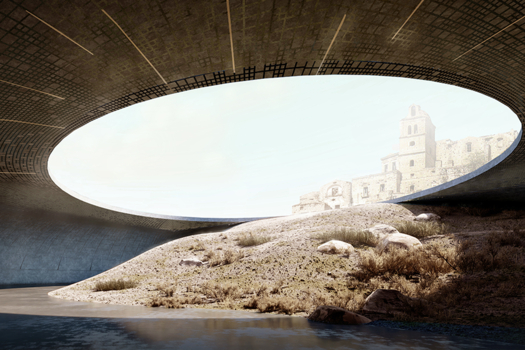
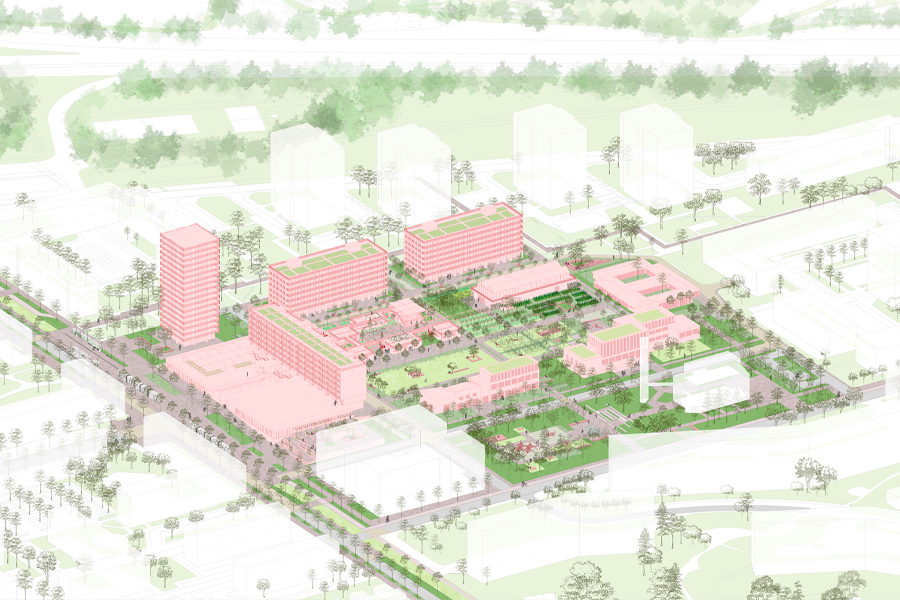
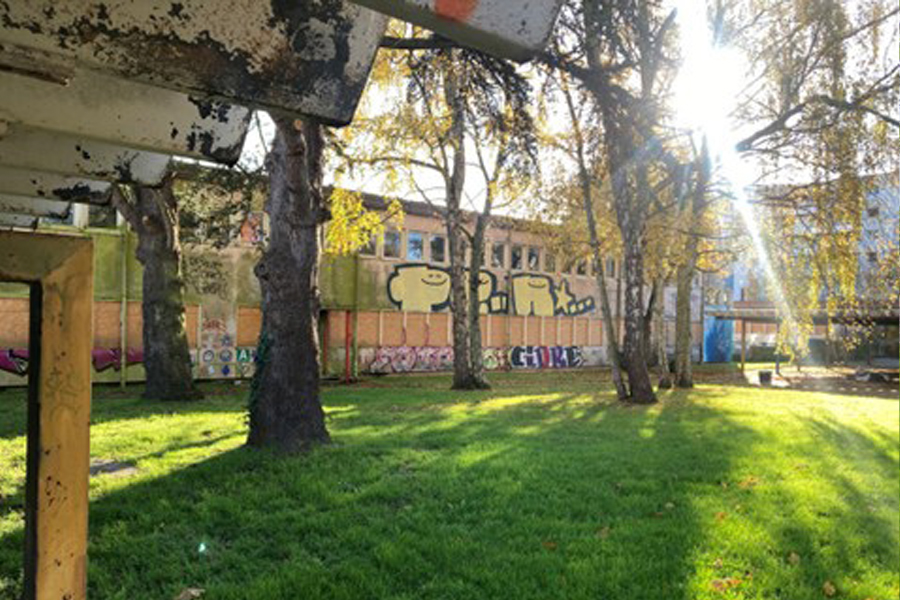
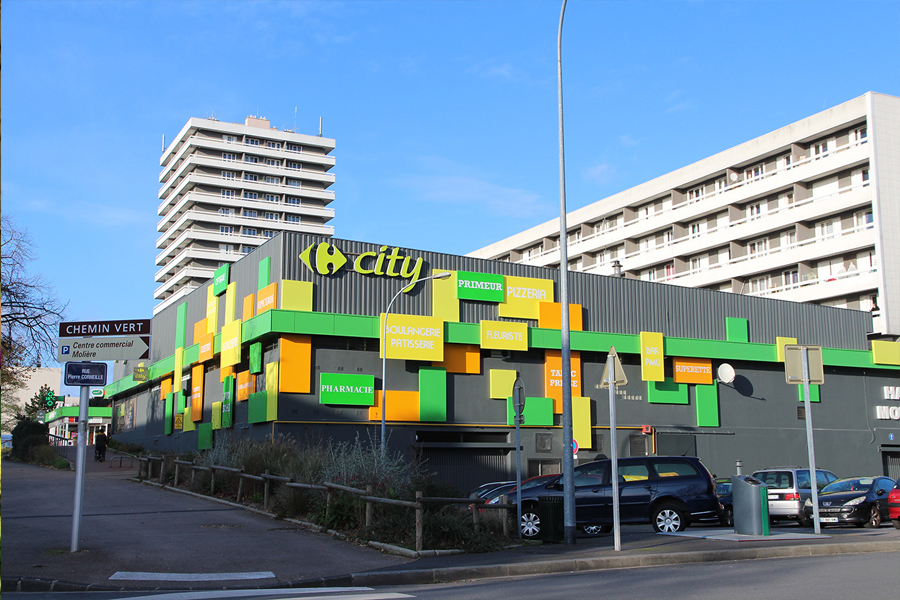
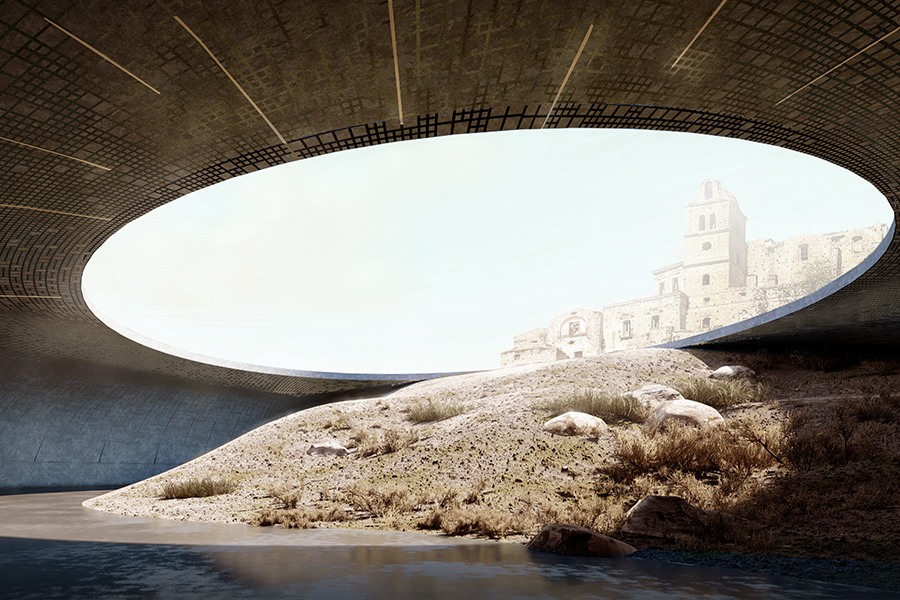
At the city scale, the project responds to site mutations by reconnecting the underused green corridor along the highway and the park with the urban dynamics. Two main structuring axes are reinforced: a north–south axis supported by the future tramway linking the site to the city center, and an east–west axis along the existing avenue, connecting residential areas to the Halle Molière. Within this framework, the Jacquard site becomes a new urban polarity, capable of generating social dynamics at the northern scale of the city. At the site scale, the demolition of the former Albert Jacquard school has left a central void—a gap in both the urban fabric and collective memory. Rather than filling it, the project preserves this emptiness and transforms it into a new public space. Conceived as an adaptable square, it hosts markets, seasonal events, and cultural activities, turning the void into a spatial resource charged with social and emotional value.
PROJECT:
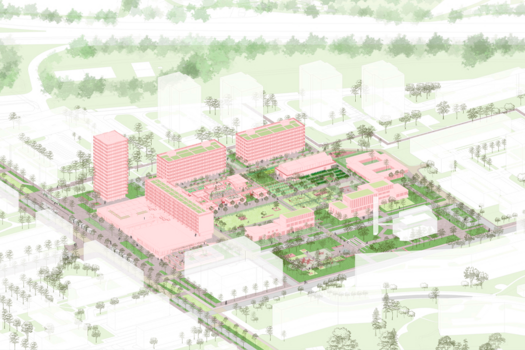
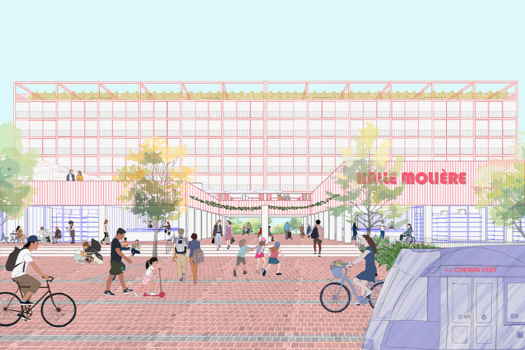
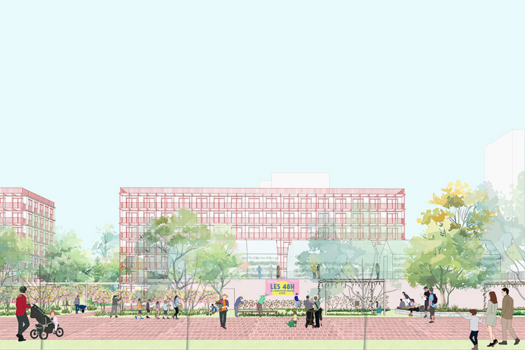
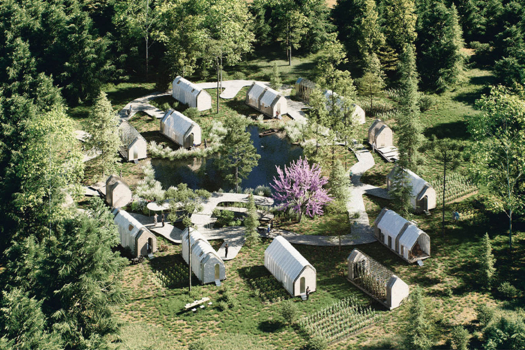
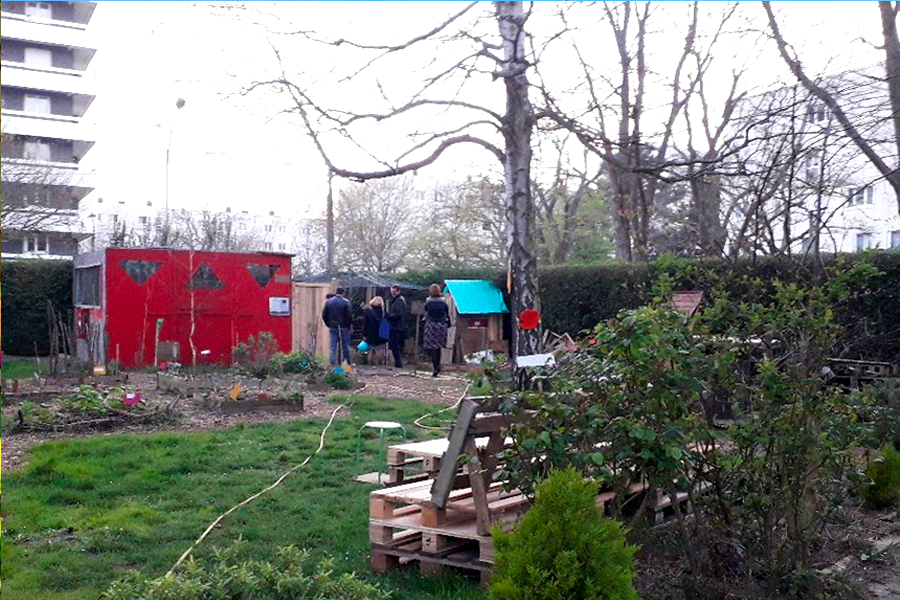
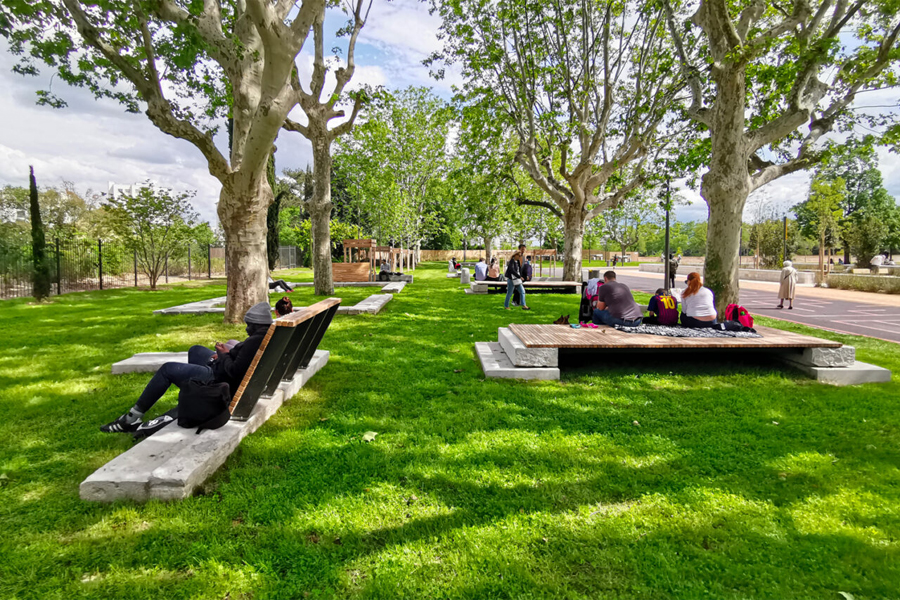
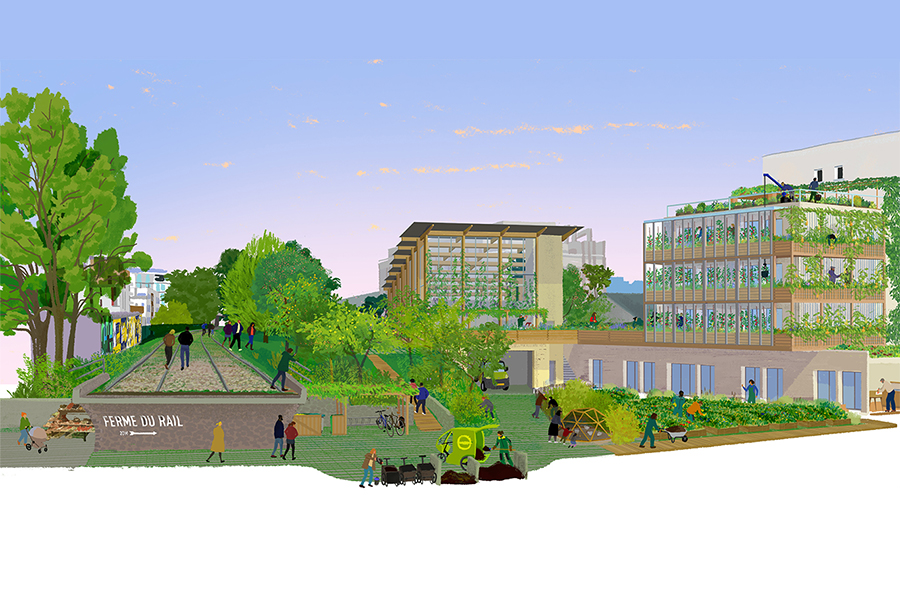
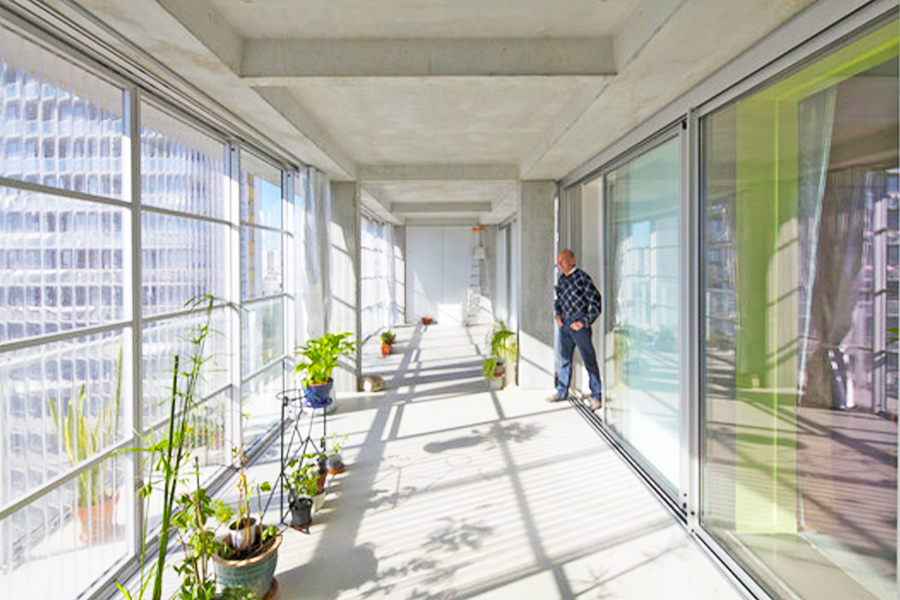
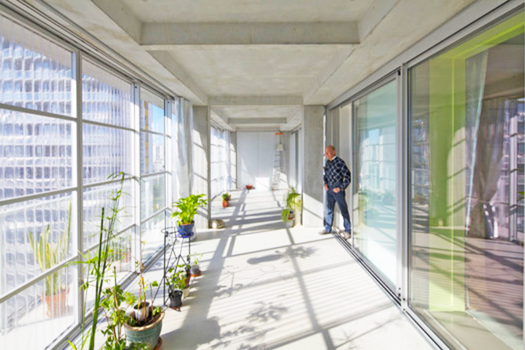
Yes. Both of us have previously worked on projects and competitions addressing similar issues. The Europan 18 proposal is not a spontaneous idea, but the result of continuous reflection and experimentation. Our research focused on built projects and theoretical approaches dealing with the reuse of abandoned spaces through ecological and economic strategies. By combining these references, we aim to shape a circular neighborhood ecosystem, generating impacts from the local to the territorial scale. Several projects and practices have strongly influenced our approach, including Lacaton & Vassal, La Ferme du Rail by Grand Huit Architectes, and Parc Blandan in Lyon by Agence BASE.…
SITE:
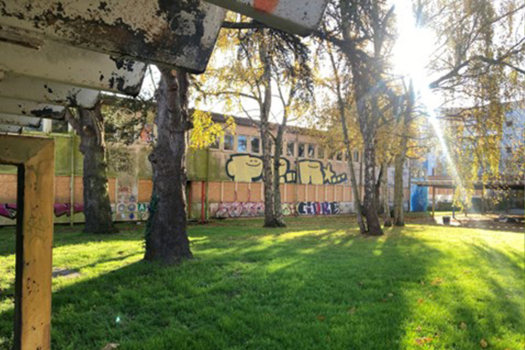
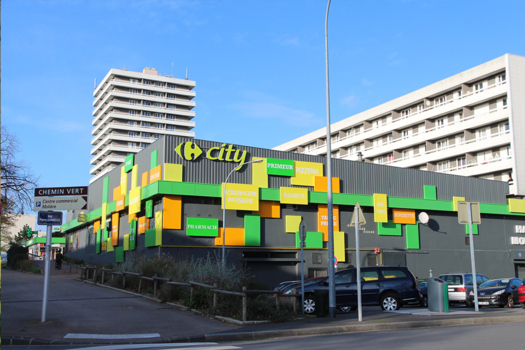
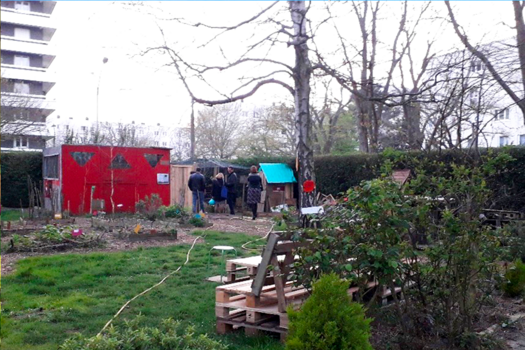
The project is conceived FROM the people and FOR the people. Its implementation relies on existing values and current needs of the inhabitants of Caen - Le Chemin Vert, through programs such as associative spaces, urban agriculture, and learning and sharing activities. Residents are not only users but key actors in building and maintaining the local ecosystem over time. The project is structured as a progressive and negotiated process, involving public authorities, associations, local producers, and citizens. These relationships are synthesized through an actor map, highlighting reciprocal economic and social impacts, and ensuring the project’s adaptability and long-term resilience.
REFERENCES:
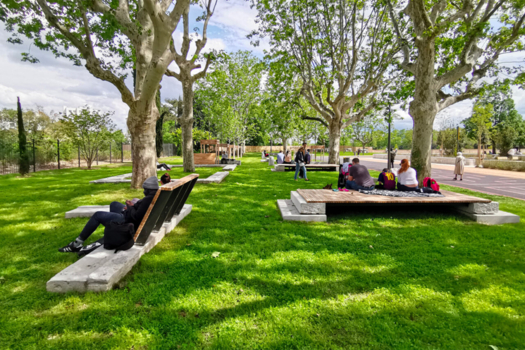
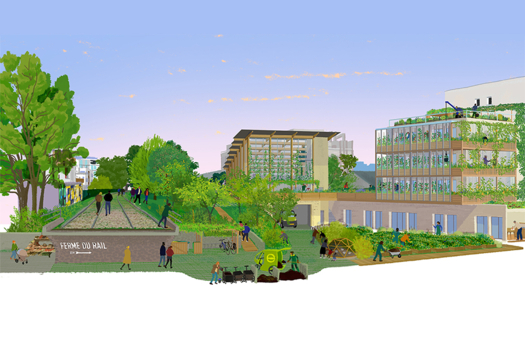
The team was formed through the “Compose your team” platform and worked entirely online. Bringing together skills in architecture, urban design, and landscape, the collaboration is based on complementary expertise, shared perspectives, and specialized knowledge, allowing a cross-disciplinary and integrated approach to the project.
6. How could this prize help you in your professional career?
This is our first Europan participation and winning is a major step for our professional development. It motivates us to pursue the project toward implementation and engage with public-sector initiatives. Europan provides valuable visibility and reinforces our ambition to refine our design philosophy. This recognition encourages us to continue developing the project and contribute meaningfully to the future transformation of cities. We are excited for the journey ahead.
TEAM IDENTITY
Legal status:
Team name:
Average age of the associates: 29 years old
Has your team, together or separately, already conceived or implemented some projects and/or won any competition? if so, which ones?
Individually, our member Viet-Thai Dang has participated and won some major competitions and projects in France and abroad, but this is the first success together as a team.
Young Architects Competition 2020 – Ghost town refuge: Second Prize
Prix W 2023: Third Prize
40 housings in Schiltigheim (associated with Apax Architectes): First Prize
WORKS: