La Parade du Vivant
Genève (CH) - Lauréat
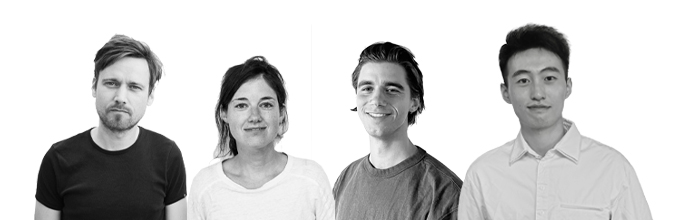
TEAM PORTRAIT
VIDEO (by the team)
INTERVIEW
Click on the images to enlarge
1. How do you define the main issues of your project in relation with the theme “Re-sourcing”? Re-sourcing thanks to nature, to social dynamics, to new materiality? In which way do you think your project can contribute to an ecological and/or social evolution? And in which way do you think your project can be called a “regenerative project”?
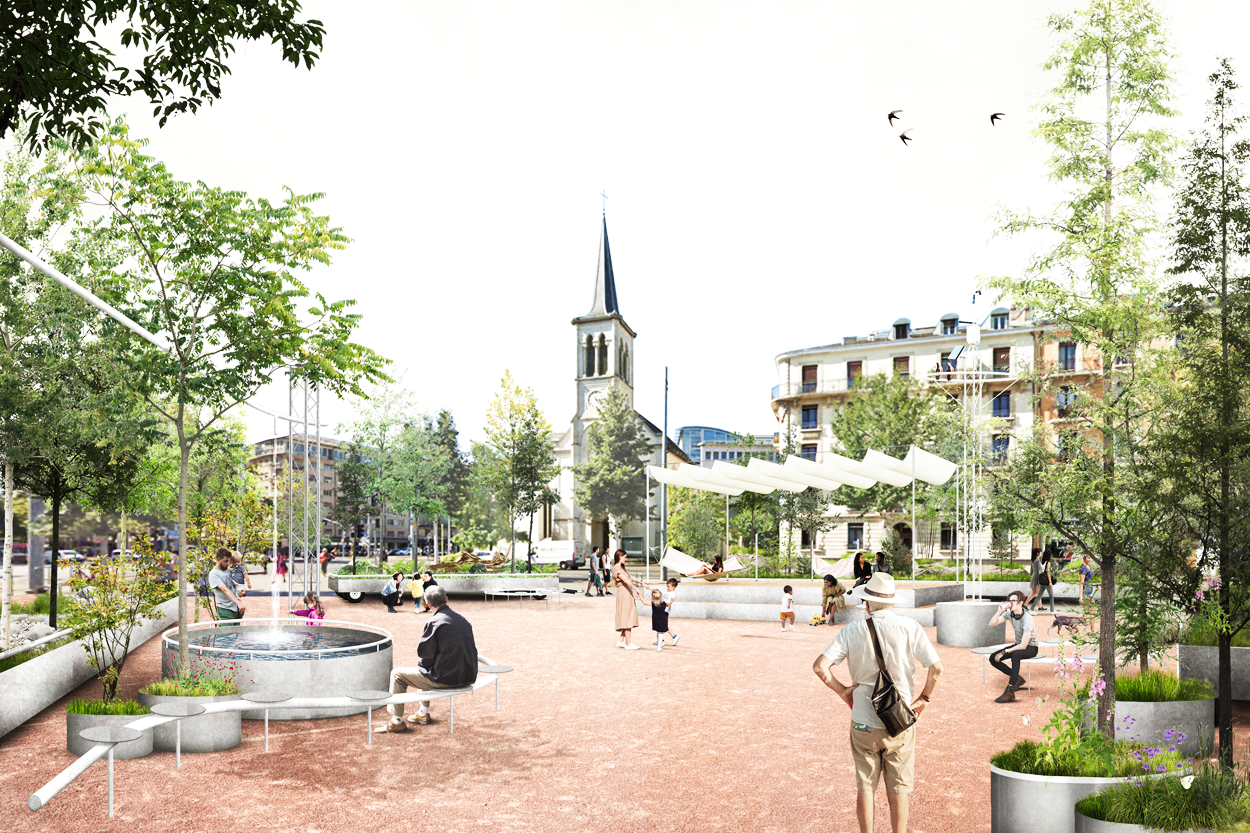
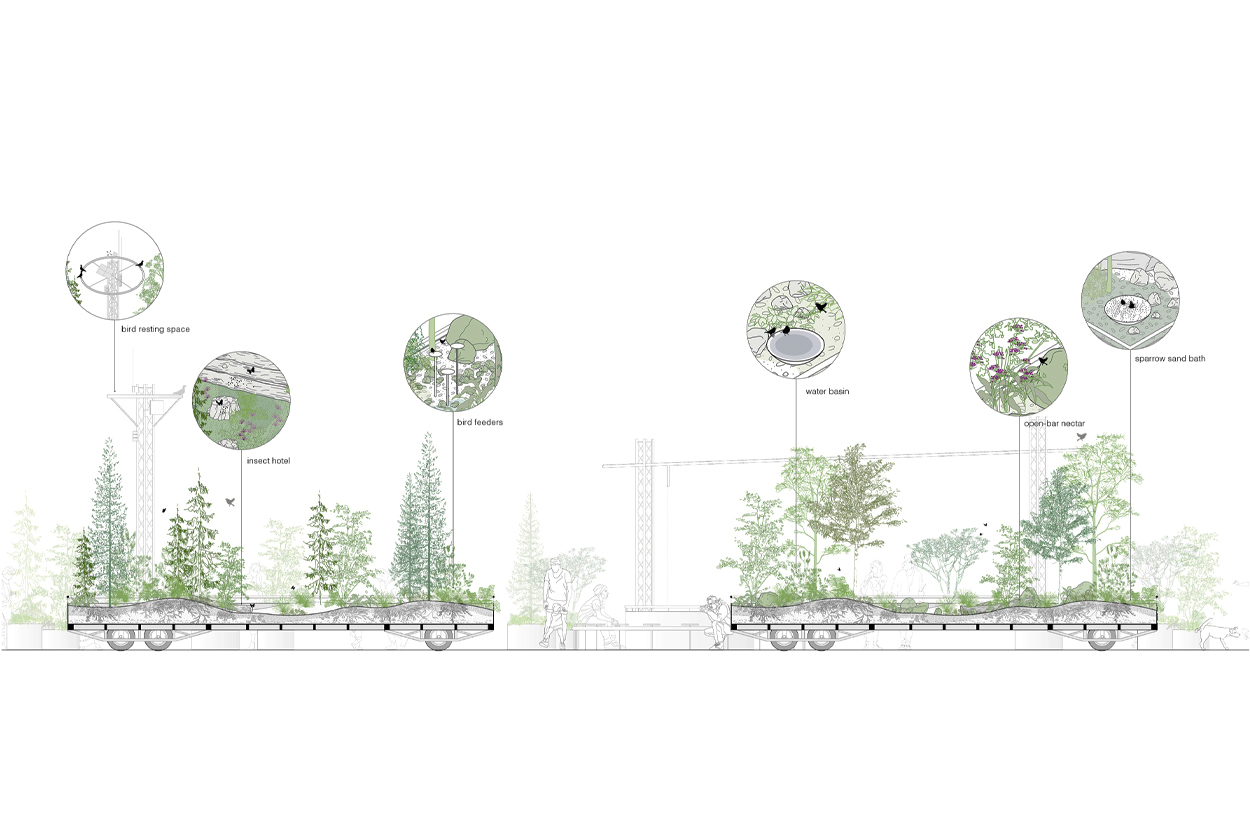
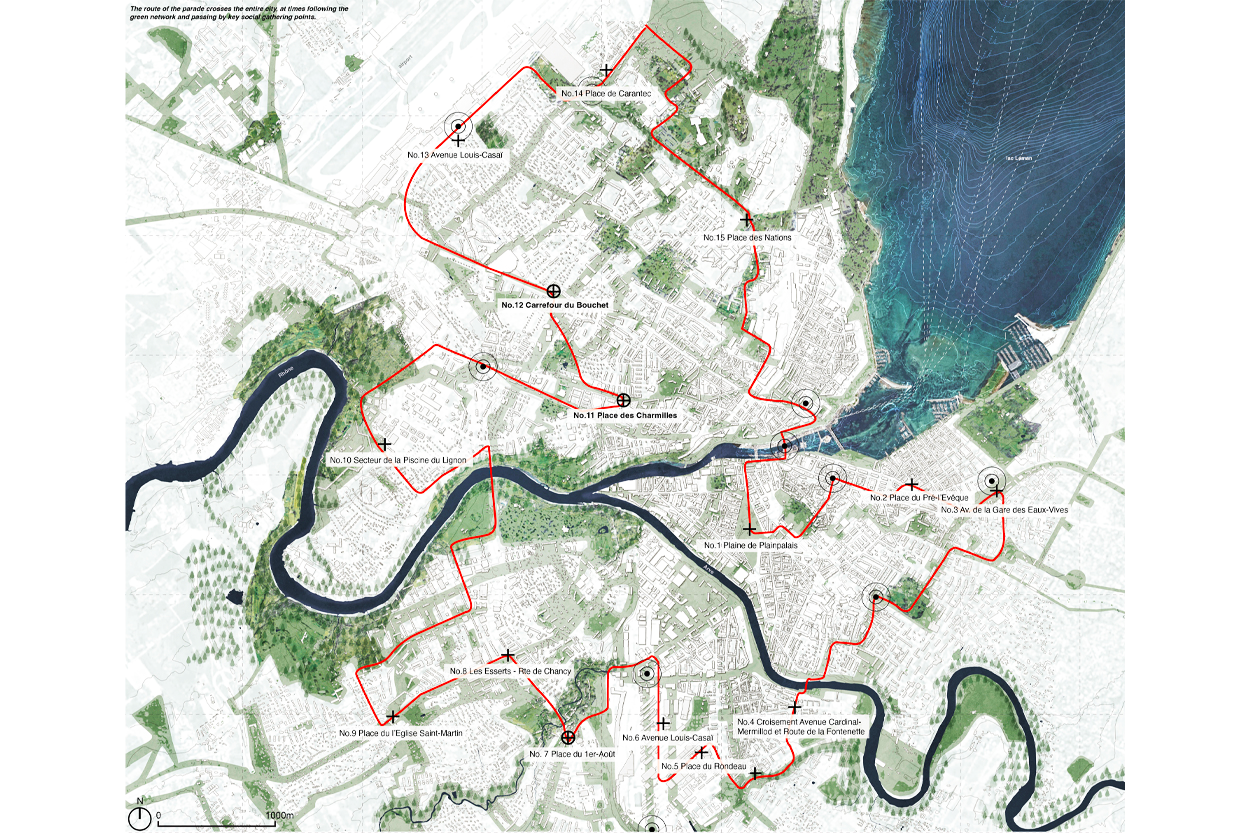
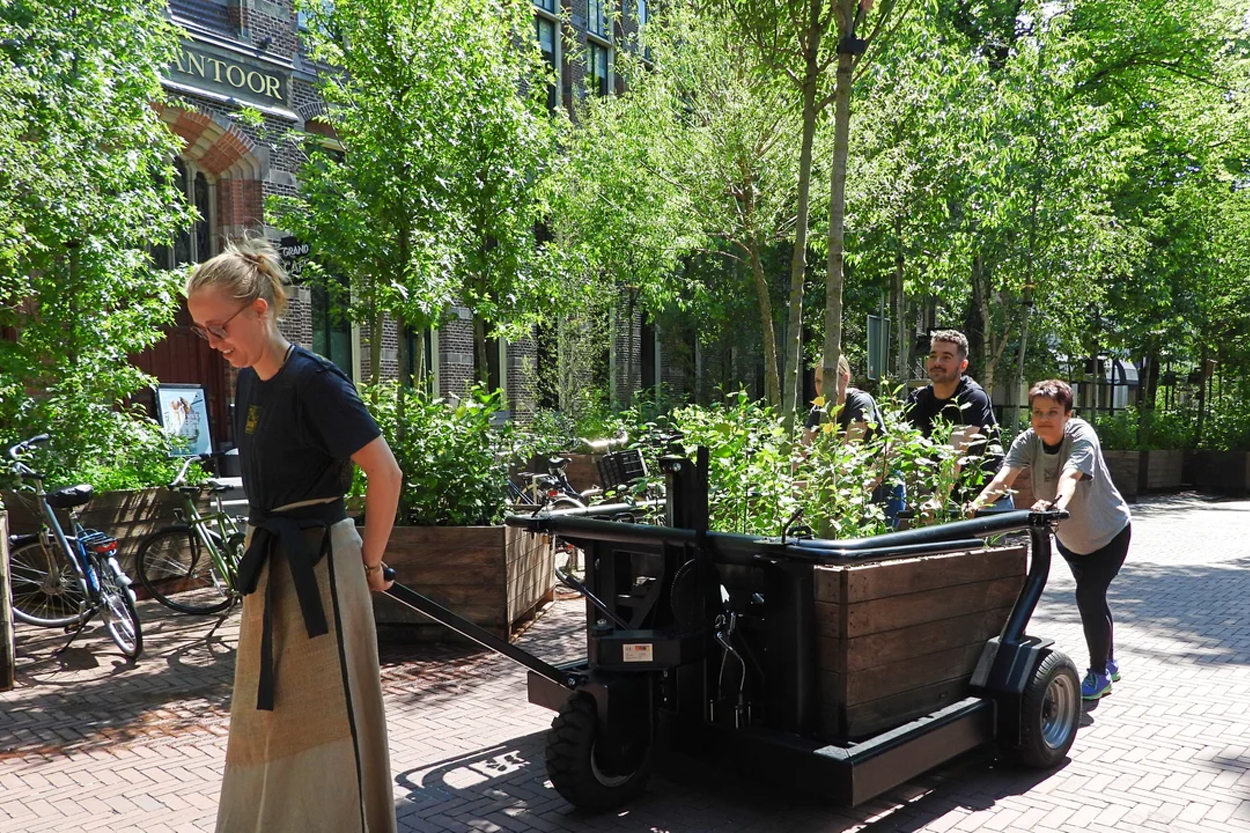
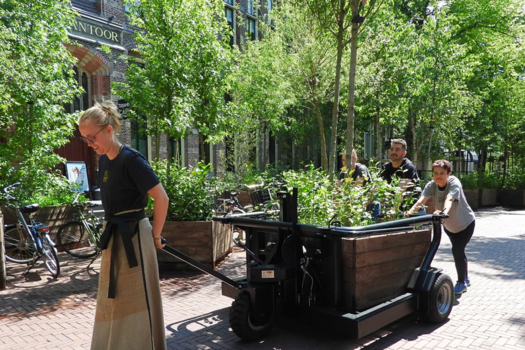
The project aims to bring nature into the daily life of people and link it to the social and cultural fabric of the city. We propose large ‘planted trailers’ that move around and animate urban life during summer. At the same time they bring cool and pleasant spaces to meet and play. The trailers are conceived as ‘bioramas’ that are inspired by different landscape typologies of the Geneva region. We hope it will be an engaging project that brings together local communities around an ecological intervention. In this sense it plays much more with the symbolic and social role of urban nature. We feel this approach is very much needed to build on awareness and connection.
2. How did the issues of your design and the questions raised by the site mutation meet?
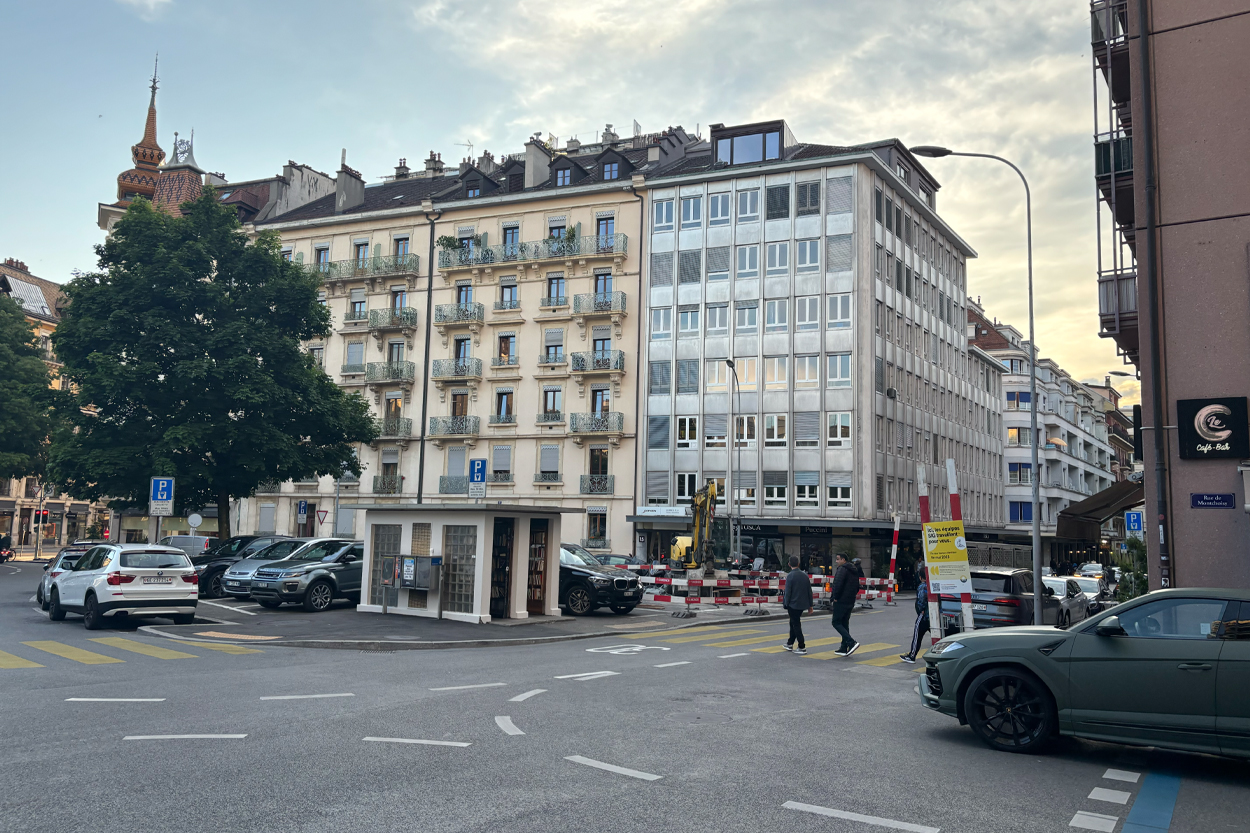
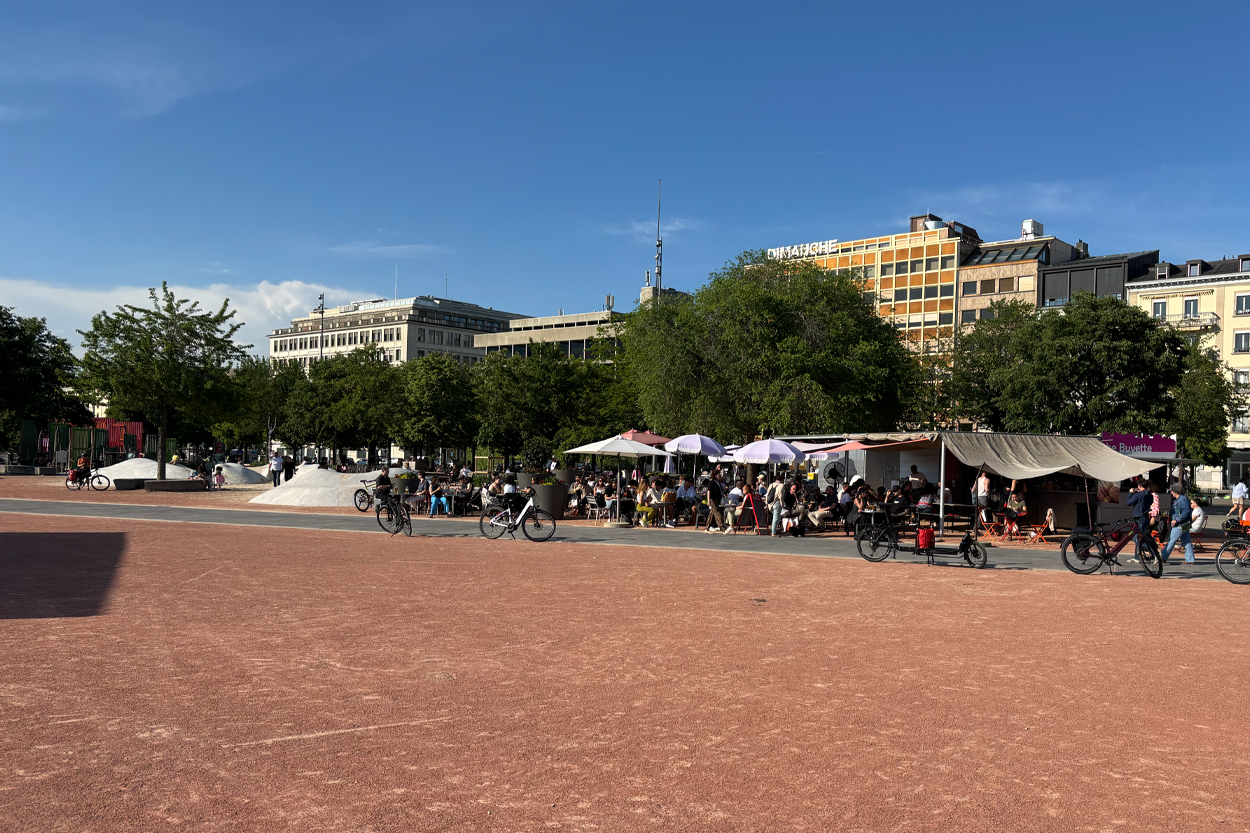
The proposal is very mobile and flexible so it can adapt at the big variety of sites that are proposed in the composition brief. The choice of the large trailers and big planting areas makes the planters less vulnerable and very easy to move.
PROJECT:
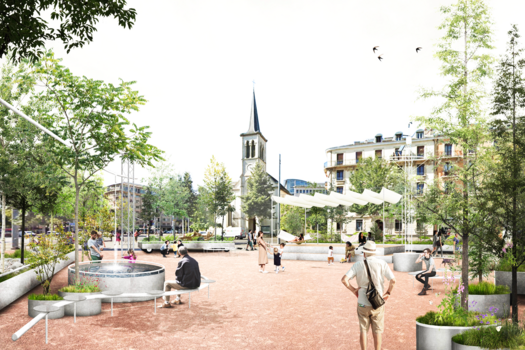
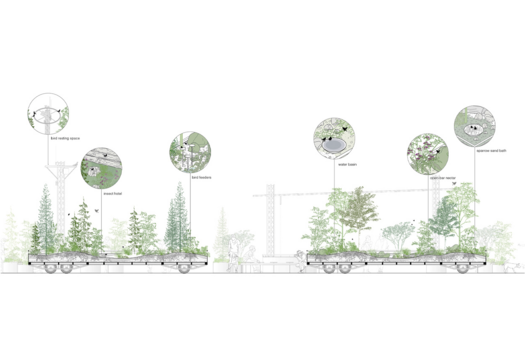
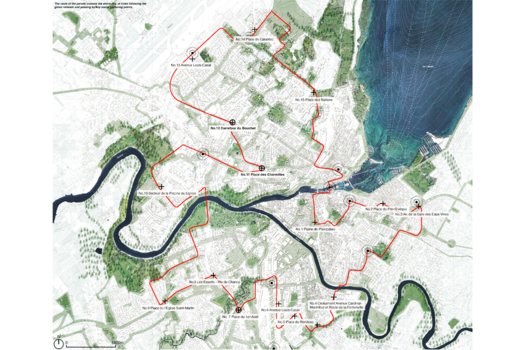
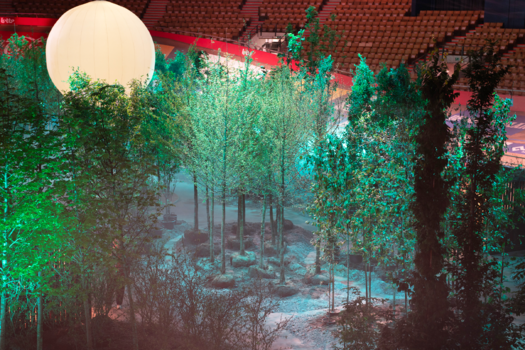
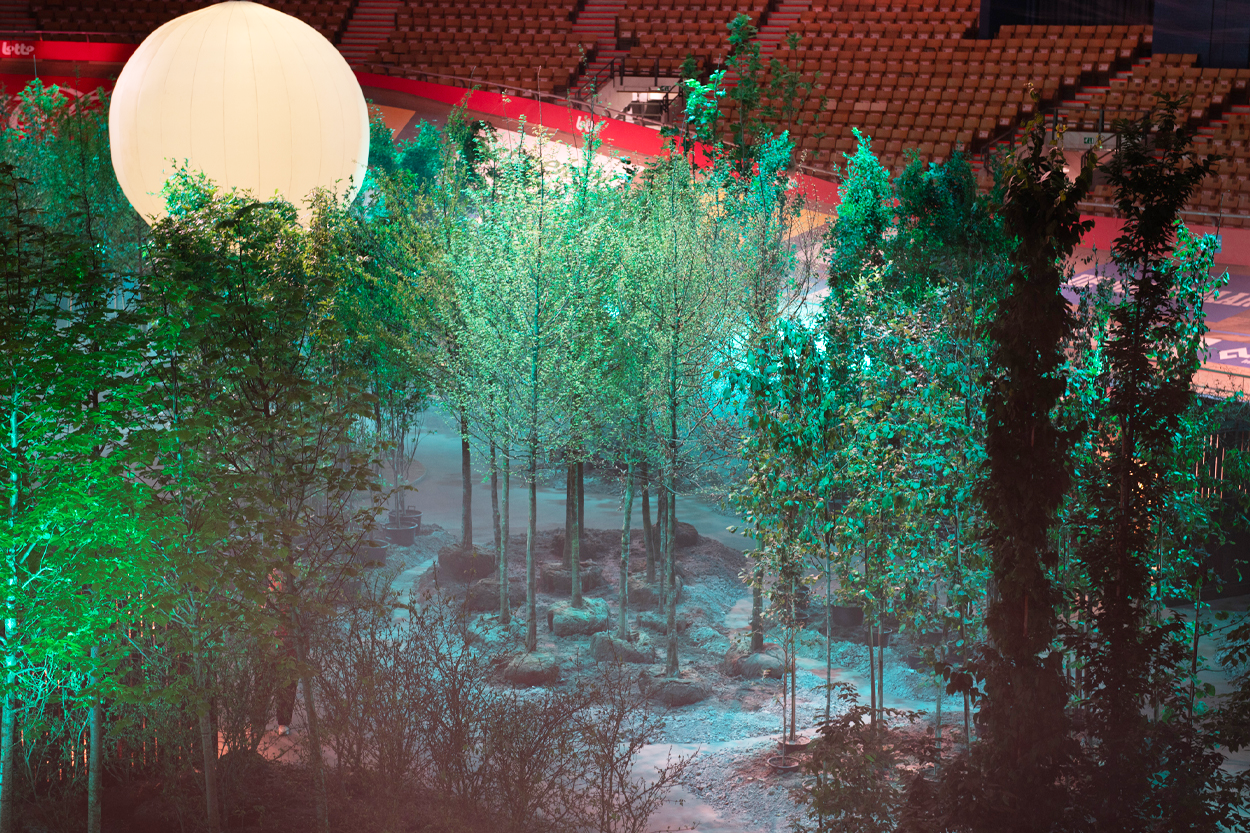
For the Floralien flower exhibition in Ghent in 2022, we proposed an tree installation as a ‘forest’ in a velodrome. In this project, the visitors could adopt a tree and were later invited for the reforestation project in which the trees were used. This type of engagement is also part of the current proposal. The expertise with rooftop gardens also proved very usefull. As a reference, the walking forest in Leeuwarden is a very inspirational example.
SITE:
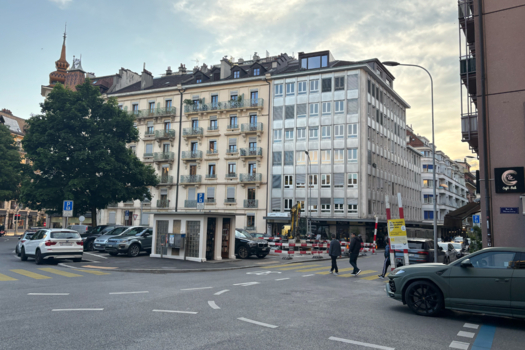
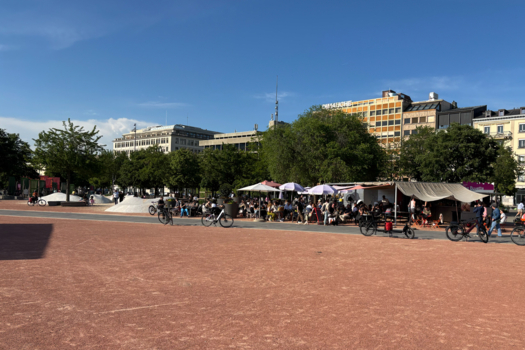
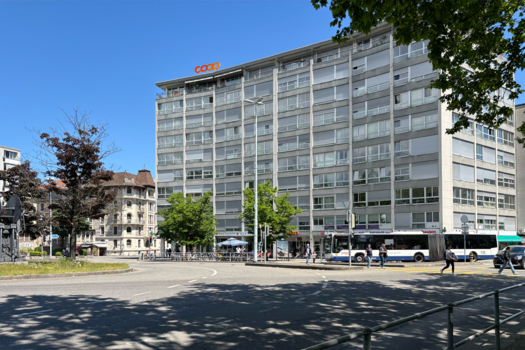
We consider the project to be very flexible so it can be adapted easily to the needs of the stakeholder. From the beginning we tried to think of a very pragmatic, modular and adaptable concept.
REFERENCES:
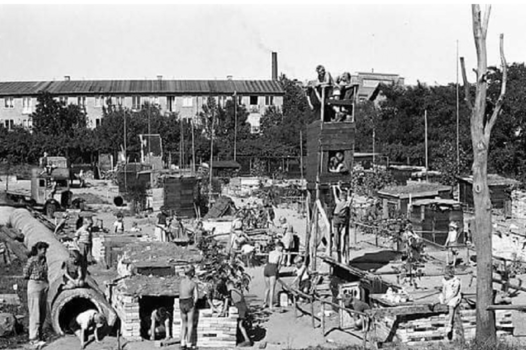
We’ve been working with this team for some years in a landscape architecture office. We collaborated with Wei who brought in a different perspective and approach. Each of us has skills in landscape architecture and urban design but everyone brings a very different skill set (strategic, writing, technical, graphics etc.).
6. How could this prize help you in your professional career?
Our first prize in the Europan 16 competition was fundamental to kickstart our office and adopt an international perspective. This prize in Europan 18 is a very nice recognition to further develop our young practice in the coming years.
TEAM IDENTITY
Legal status: Landscape architecture office
Team name: Kollektif Landscape
Average age of the associates: 33 years old
Has your team, together or separately, already conceived or implemented some projects and/or won any competition? if so, which ones?
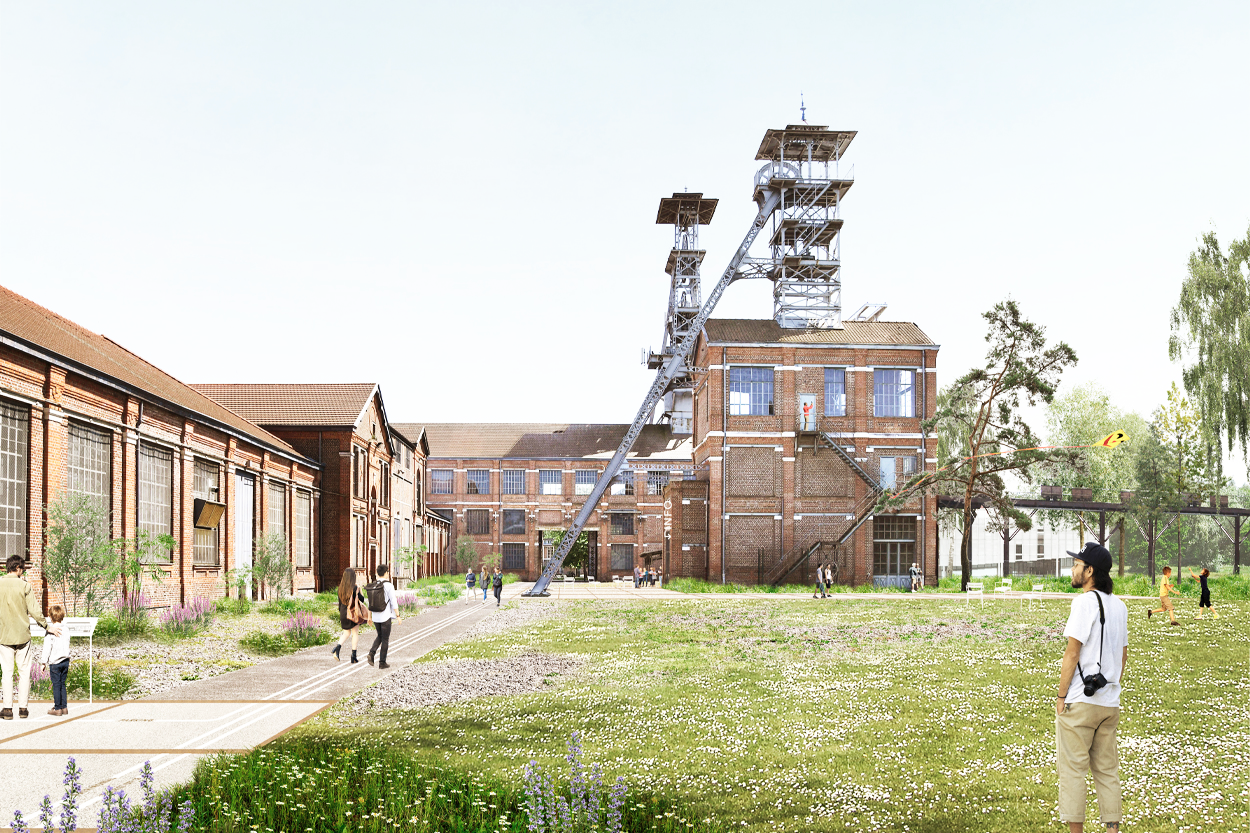
Yes, since 2021 we are working within the office Kollektif landscape on multiple projects and competitions. The start of the office coincided with the selection in the Europan 16 competition in La Porte du Hainaut (FR). Since then we were successful in competitions such as the greening of the Flagey square in Brussels or the Moorkensplein square in Antwerp.
WORKS: