Landscape of Possibilities
Vitoria-Gasteiz (ES) - Mentionné
DONNÉES DE L’ÉQUIPE
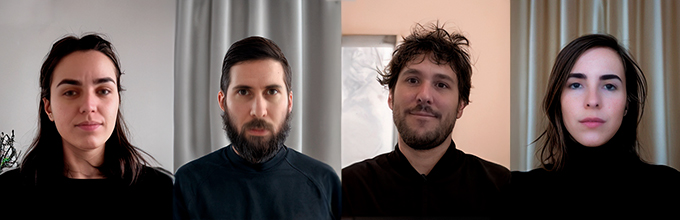
Associés: María de los Ángeles Peñalver Izaguirre (ES), David Jiménez Iniesta (ES), Francisco Manuel Andreo Tudela (ES), Consolación Ibáñez Gallardo (ES) – architectes
hola@estudiobrava.es / www.estudiobrava.es
TEAM PORTRAIT
VIDEO (by the team)
INTERVIEW
Click on the images to enlarge
1. How do you define the main issues of your project in relation with the theme “Re-sourcing”? Re-sourcing thanks to nature, to social dynamics, to new materiality? In which way do you think your project can contribute to an ecological and/or social evolution? And in which way do you think your project can be called a “regenerative project”?
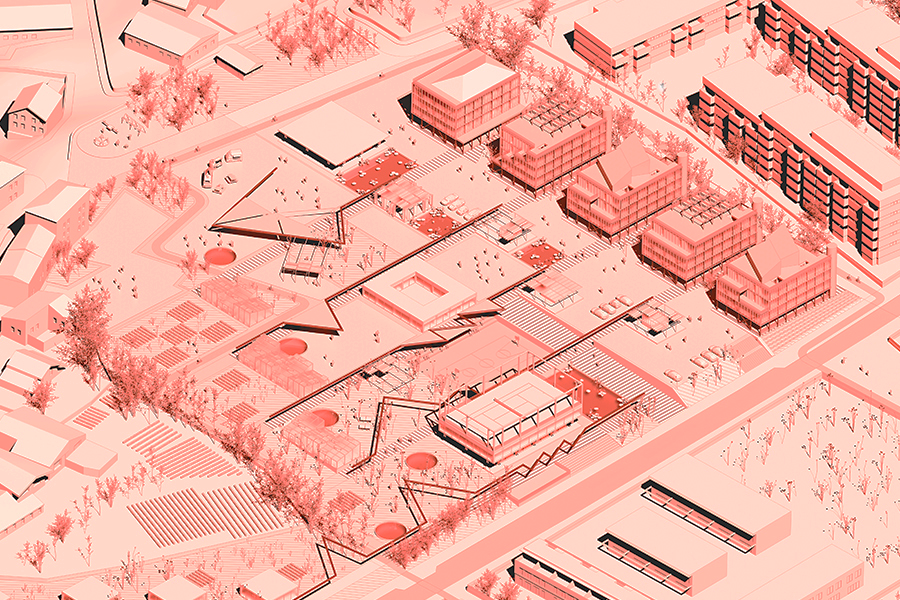
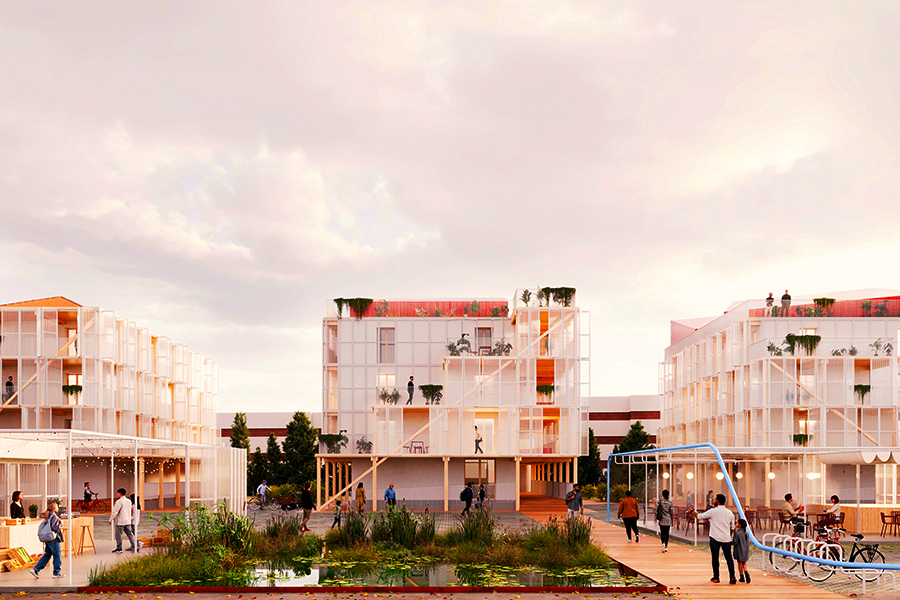
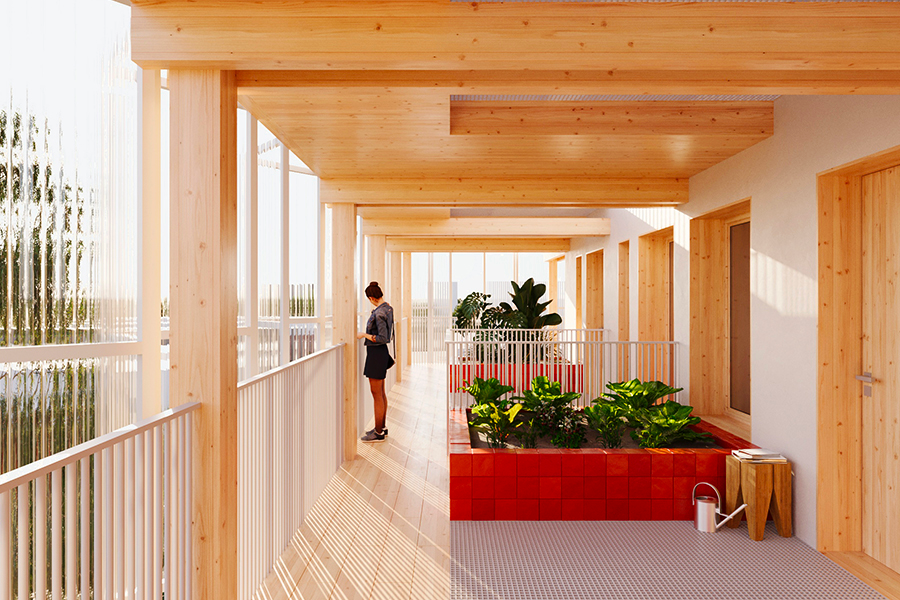
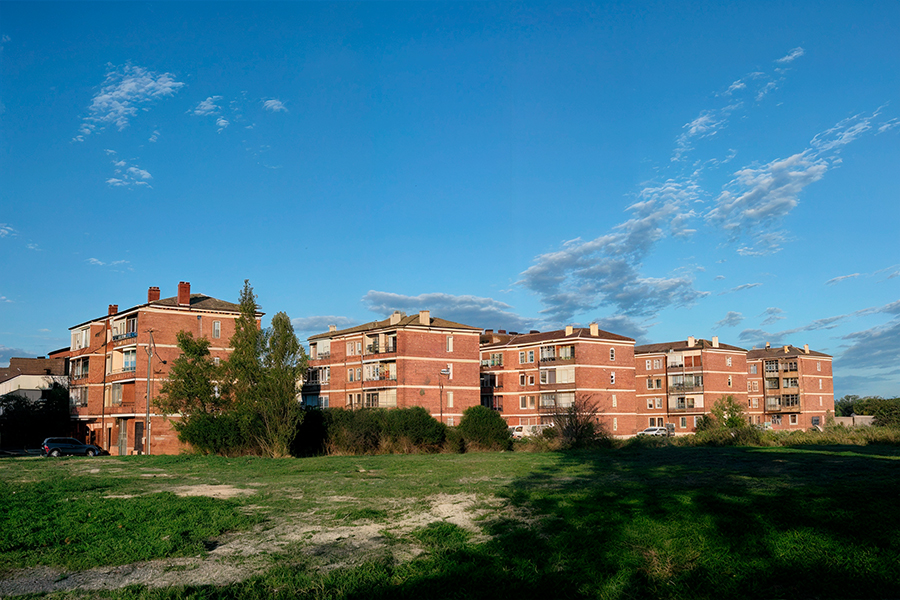
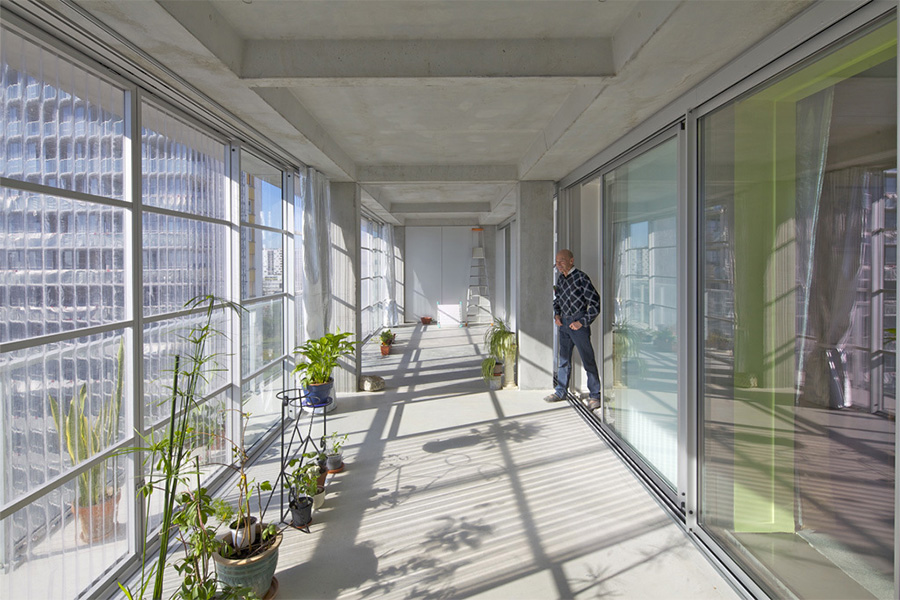
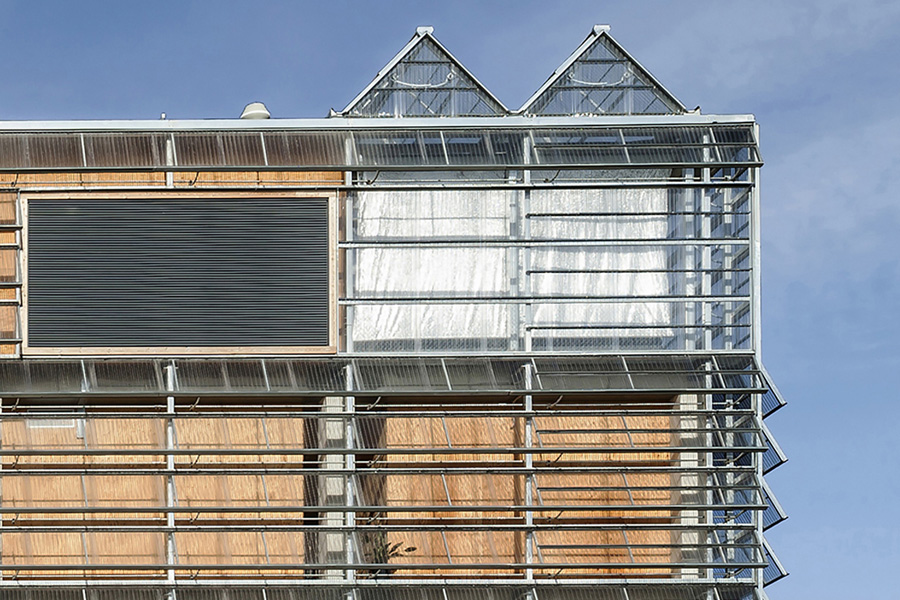
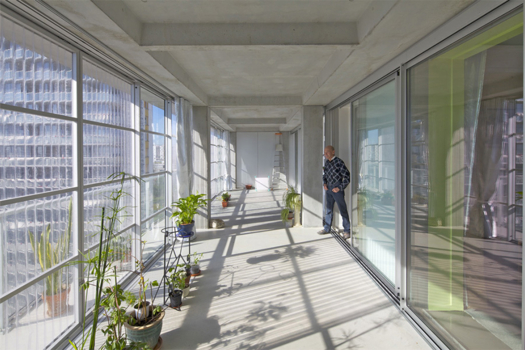
Re-sourcing is understood by us as enhancing existing assets. The project transforms open space into ecological infrastructure, strengthening water cycles and climate performance; reinforces social dynamics through new connective spaces; and upgrades the existing building with low-impact, high-efficiency layers that extend its material and energetic life.
2. How did the issues of your design and the questions raised by the site mutation meet?
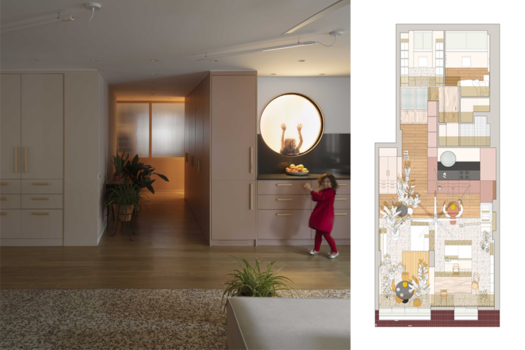
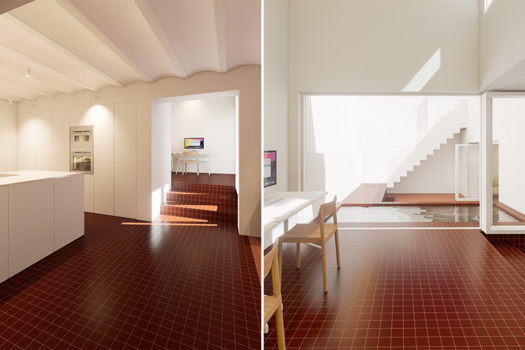
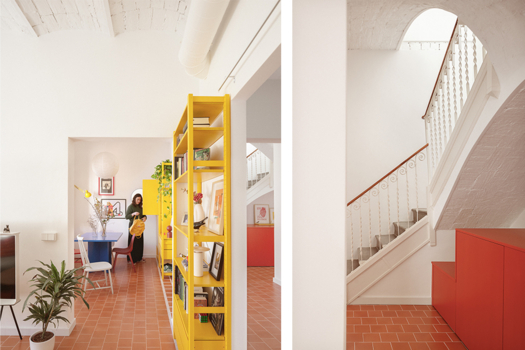
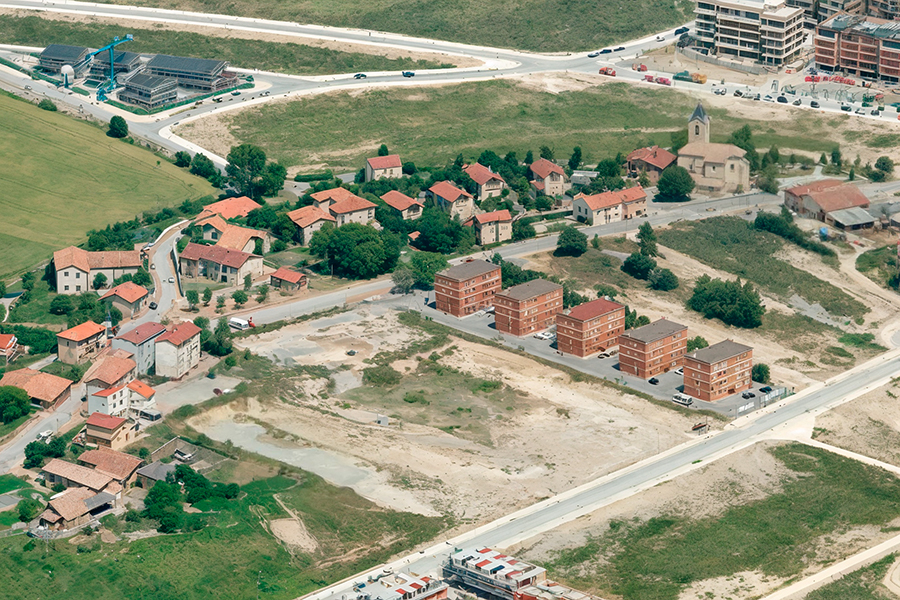
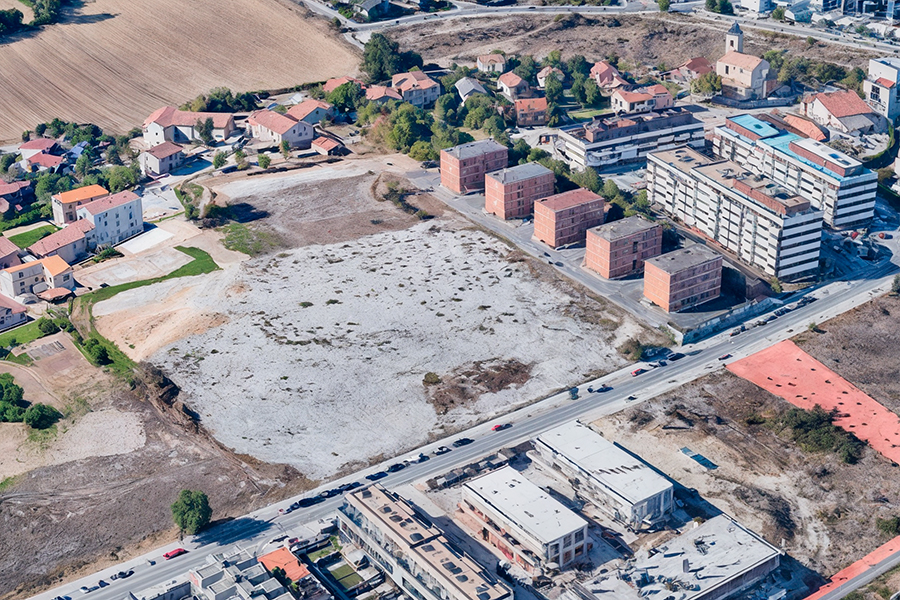
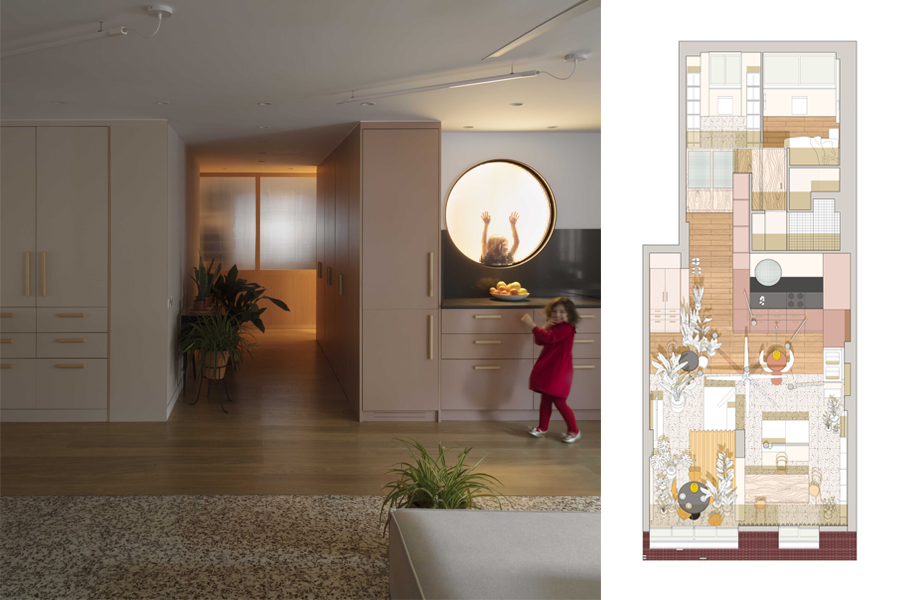
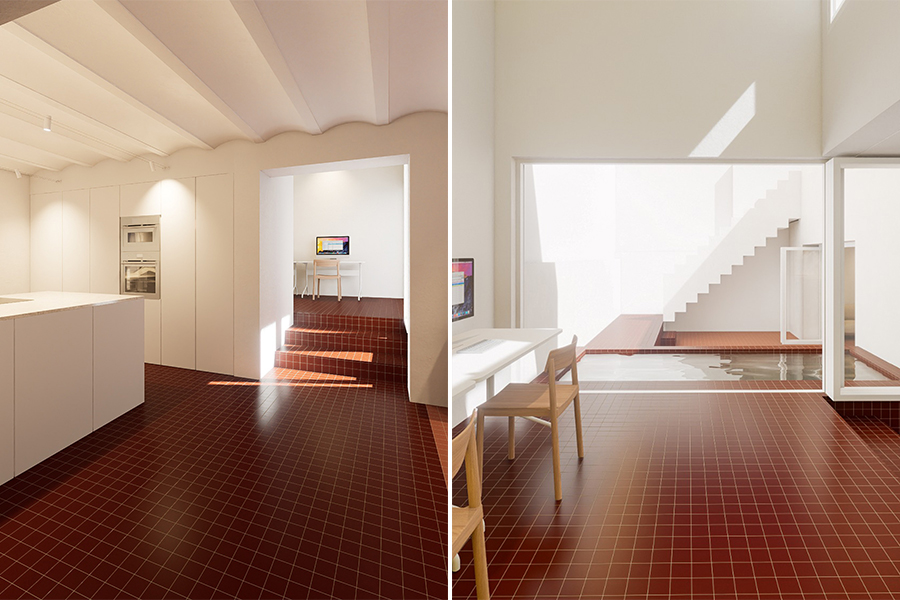
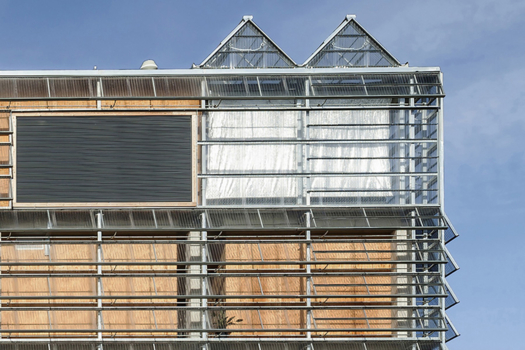
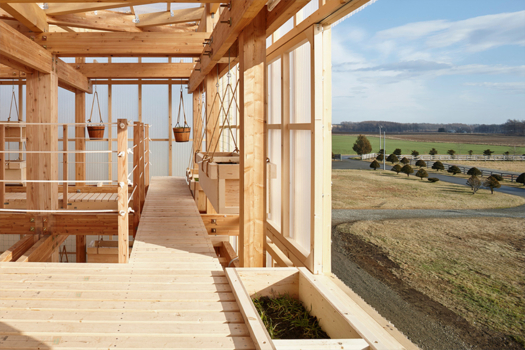
Landscape of Posibilities responds directly to the site’s mutation: social change required adaptable housing, so we propose an open, phased system; urban fragmentation required cohesion, so open spaces become ecological and social infrastructure; and energy vulnerability required repair, addressed through a performative second skin. Reuse becomes the driver for new, collective ways of living.
PROJECT:
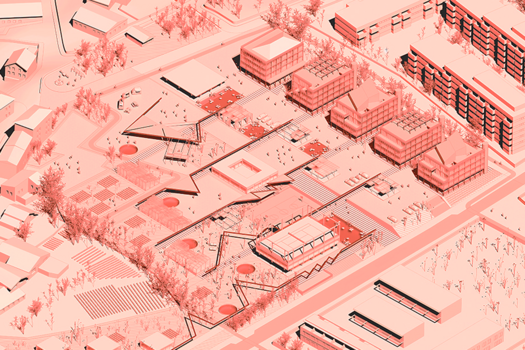
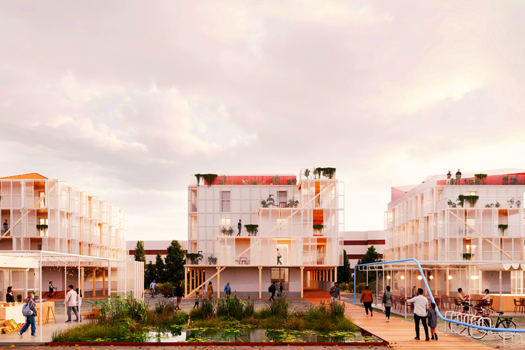
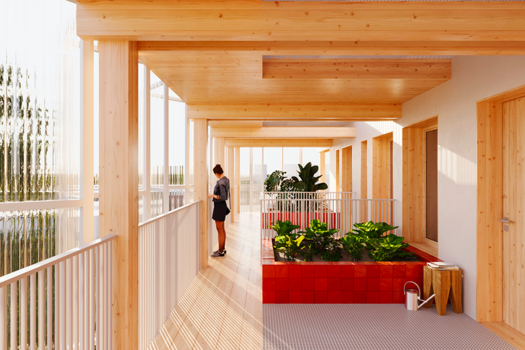
These questions have been addressed in our previous work through long-term research and practice. Experiences in collaborative urbanism with Arenas Basabe Palacios framed design as a negotiated process, while work with Carlos Arroyo Architects introduced layered “thermal onion” systems. References such as Lacaton & Vassal, mass timber research, and Andrés Jaque inform Bustaldea’s additive, ecological logic.
SITE:
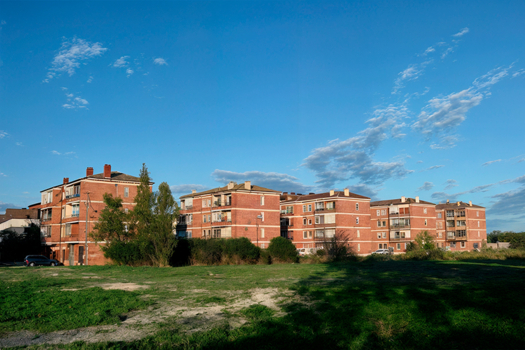
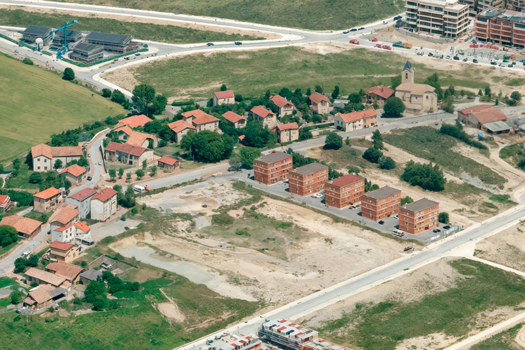
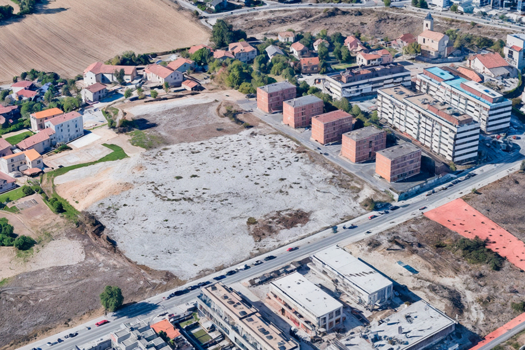
The proposal is conceived as a catalogue of adaptable solutions rather than a fixed design. Since neither residents’ profiles nor budgets are defined, the project offers modular strategies—core, second skin, ecological systems—that can be negotiated and phased with stakeholders, allowing Bustaldea to evolve coherently over time.
REFERENCES:
We are four young architects with complementary profiles. Our experience spans urbanism and architecture, housing and interior design, academic research and teaching, and advanced visualization. This combination allows us to address the project across multiple scales and disciplines.
6. How could this prize help you in your professional career?
For us, housing and its quality are central themes in our daily practice. Therefore, the opportunity to study and work more deeply in this field, as in the case of Bustaldea, has provided us with greater knowledge, and we value that it is the subject of a public proposal. We hope this award will lead to new opportunities to participate in architectural improvements with a direct impact on people.
TEAM IDENTITY
Legal status:
Team name:
Average age of the associates: 36 years old
Has your team, together or separately, already conceived or implemented some projects and/or won any competition? if so, which ones?
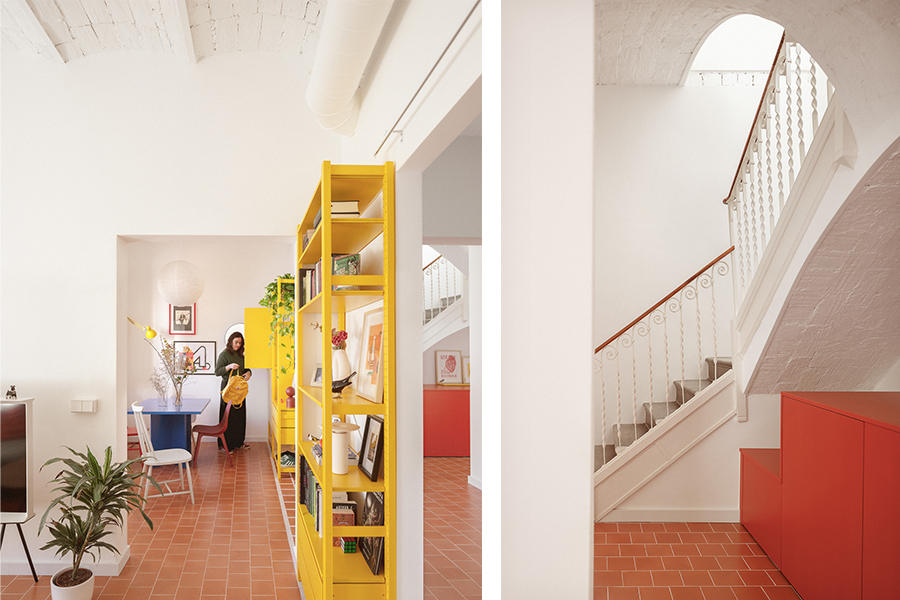
As a team, this is the first competition we have won together. The project brings together two practices with different professional trajectories, whose complementary experiences in practice, teaching and research have strengthened the collaborative process. Individually, we have developed and built architectural projects, both as principal authors and in collaboration with other offices, and have received recognition in several competitions. Within Estudio Brava’s practice, completed and ongoing residential projects include Casa AF36 (Cartagena, 2025), Casa EA3 (Cartagena, 2024) and Casa Dos (Cartagena, 2021). The studio has been shortlisted in Europan 17 (Knitting Krøgenes) and received a Special Mention in Europan 12 (P.F.A.F.F. Preserve Fable, Kaiserslautern), as well as an Honourable Mention in the Transiarte competition for Bubbleheim, later selected for the Arquia Próxima Awards and exhibited in Hinchables. Previous recognitions include a Third Prize in Think Space: Urban Borders (Zagreb, 2011) and First Prize in Cevisama Indi. ila estudio has developed residential projects such as Casa Jardín in Ciudad Jardín, Cartagena (2023), a 110 m² single-family dwelling.
WORKS: