Le contrat moral de la Nive
La Nive (FR) - Mention spéciale
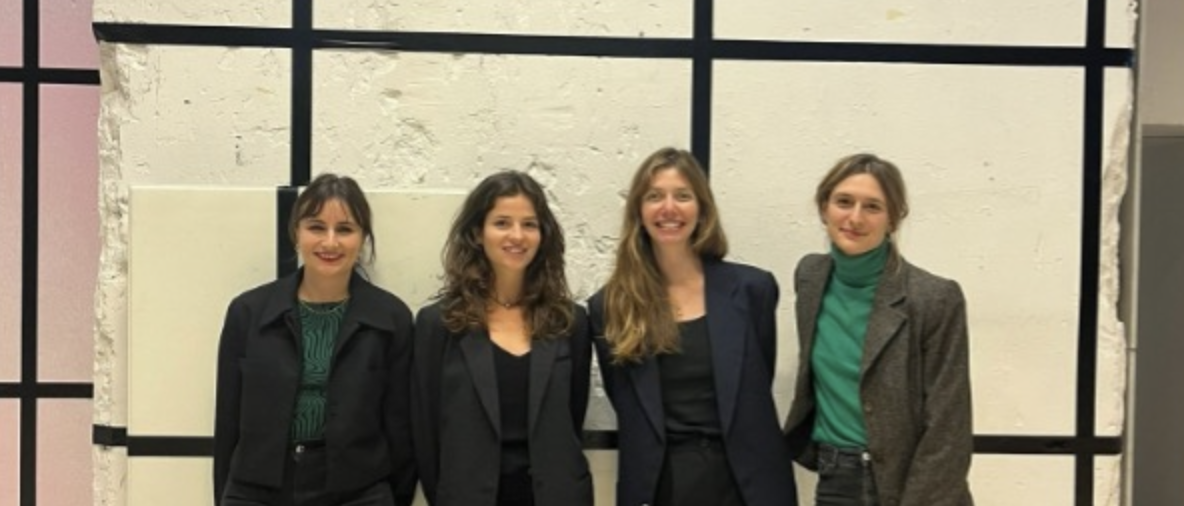
DONNÉES DE L’ÉQUIPE
Associés: Louise Deshayes (FR) – architecte ingénieure, Justine Laliche (FR) – architecte
Collaboratrices: Mathilde Martinot-Lagarde (FR) – architecte ingénieure, Léa Louis-Tardieu (FR) – architecte
louise.deshayes.96@gmail.com
TEAM PORTRAIT
INTERVIEW
Click on the images to enlarge
1. How do you define the main issues of your project in relation with the theme “Re-sourcing”? Re-sourcing thanks to nature, to social dynamics, to new materiality? In which way do you think your project can contribute to an ecological and/or social evolution? And in which way do you think your project can be called a “regenerative project”?
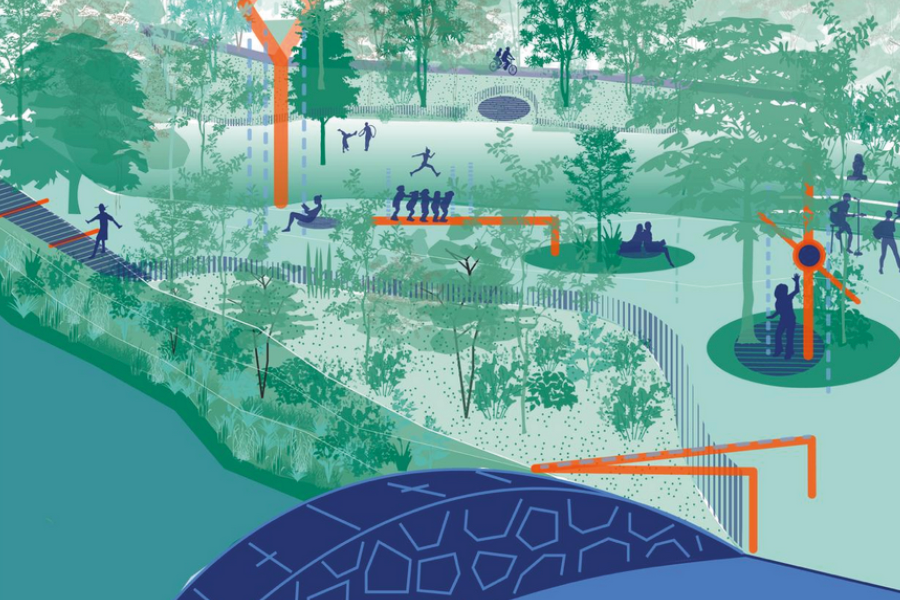
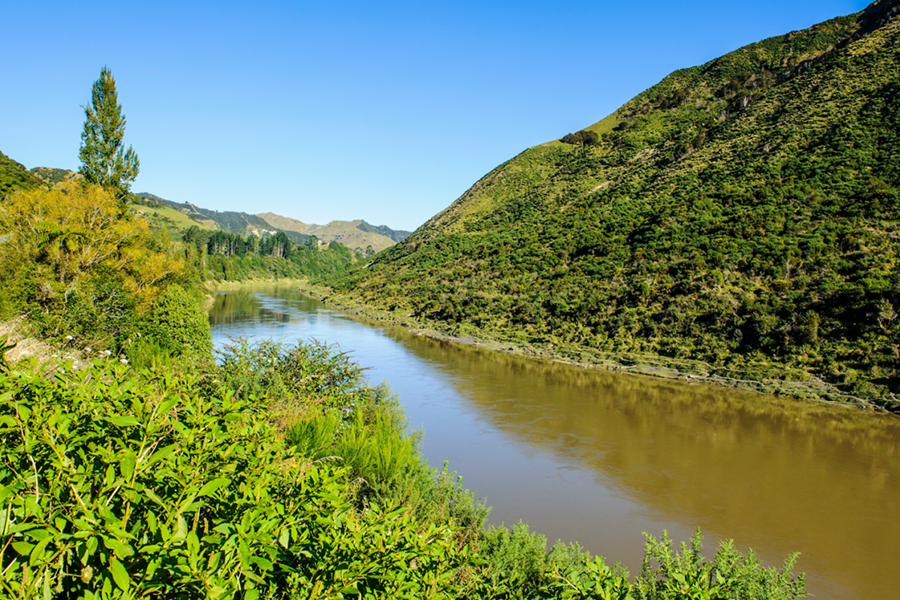
We wanted to consider the Nive River not as a resource to be exploited, but as a natural entity that sustains the territory through the ecosystem services it provides. We then asked ourselves how to repay these services, how to give back to the Source, to Re-source. Through the project “The Moral Contract of the Nive,” we propose that our human capacity to build community be harnessed in the form of citizen governance that guarantees a moral contract committing us to the Nive River to return all services rendered.In doing so, we aim to move from extraction to relationship, from use to care, and from passive benefit to active responsibility. The project then focuses on regenerating the "awareness of the Nive River," of the services it provides, among the inhabitants of its watershed. It draws on the citizen-led model of the former Bilçar du Labourd and reinvents it to enable renewed community involvement, serving and protecting the Nive. This awareness allows for action within the territory by understanding and respecting the hydro-sedimentary dynamics of the watershed, thereby reducing human impact.
2. How did the issues of your design and the questions raised by the site mutation meet?
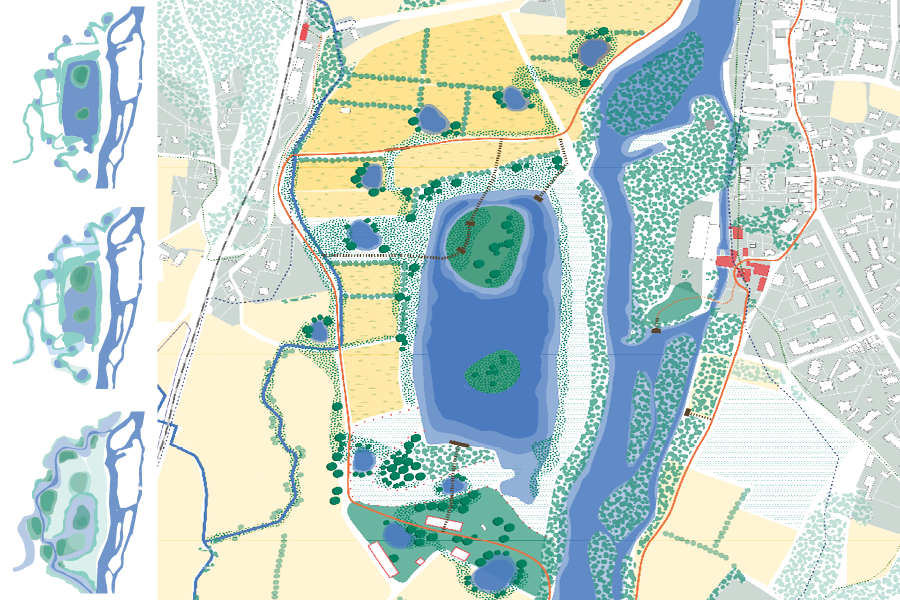
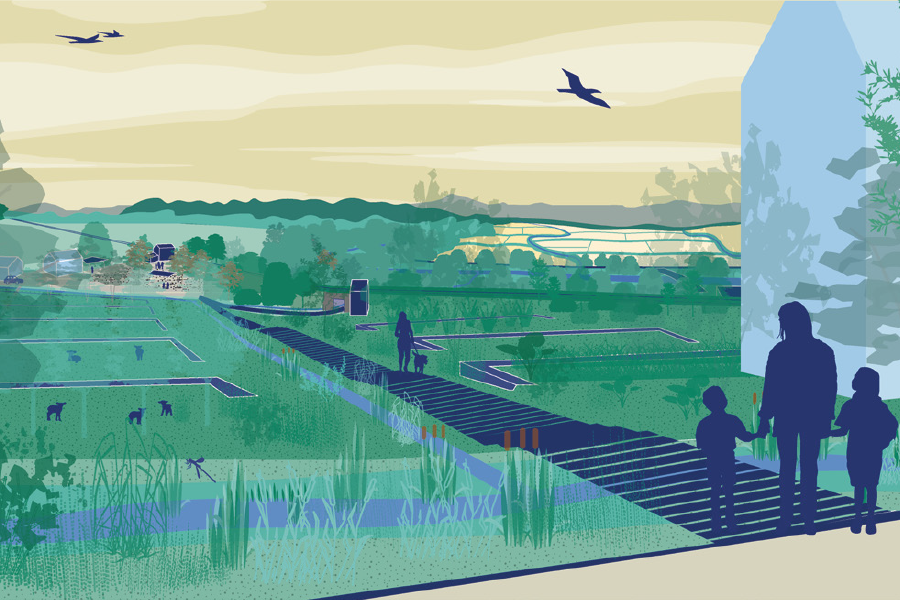
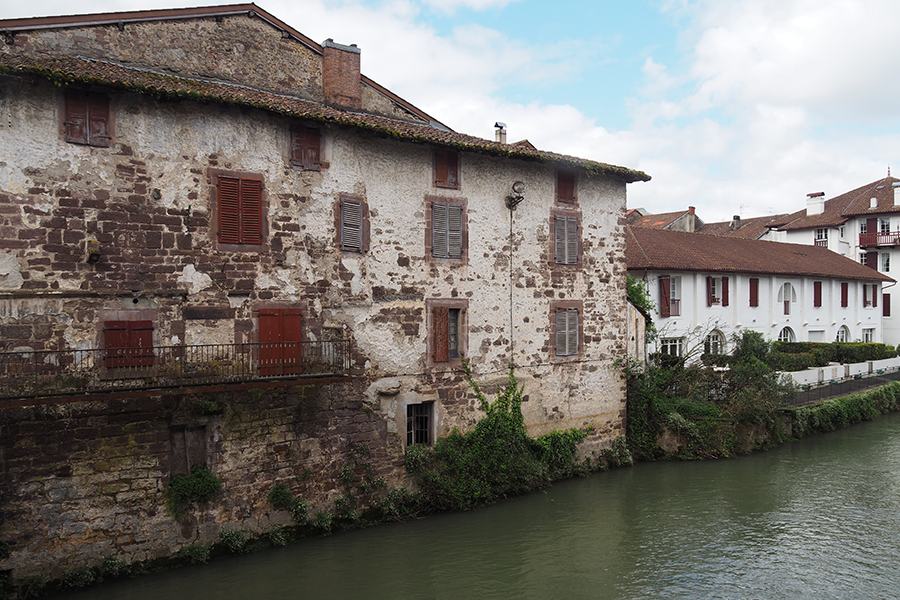
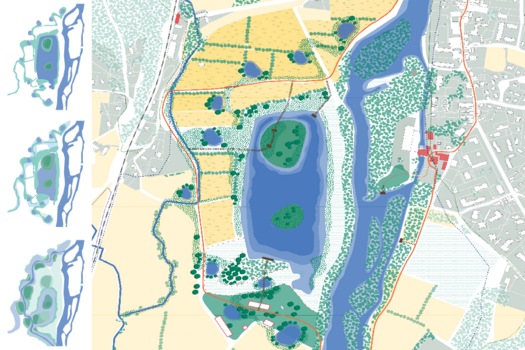
From the theoretical concept, a spatial translation was needed to implement such a governance system. To this end, we conceived the first articles of the “Nive Moral Contract.” Through these articles, the Nive River regains co-ownership of its floodplain. We then propose concrete actions and best practices to be implemented within this space for dialogue between the Nive and the users of the watershed. The project also proposes the repurposing of existing buildings to implement and disseminate this contract.
PROJECT:
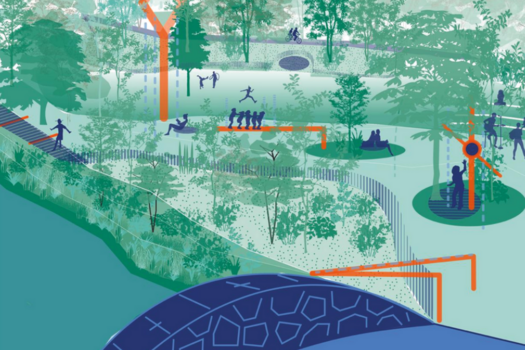
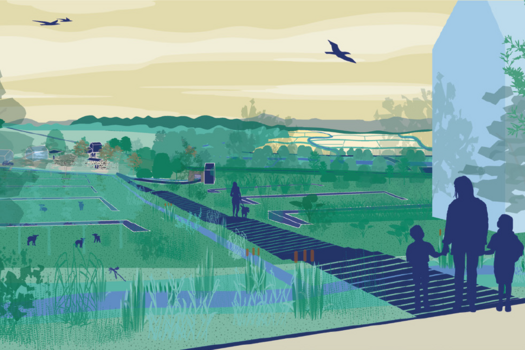
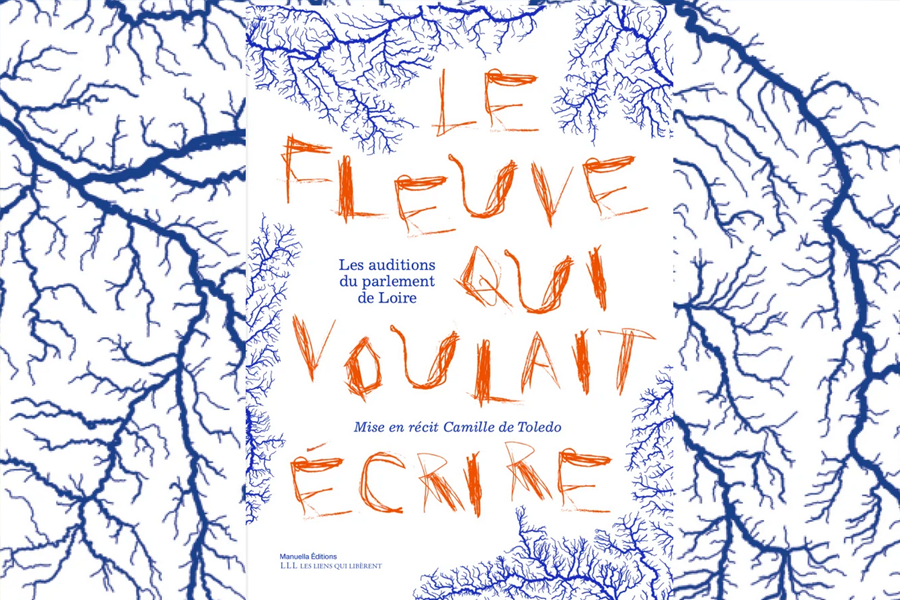
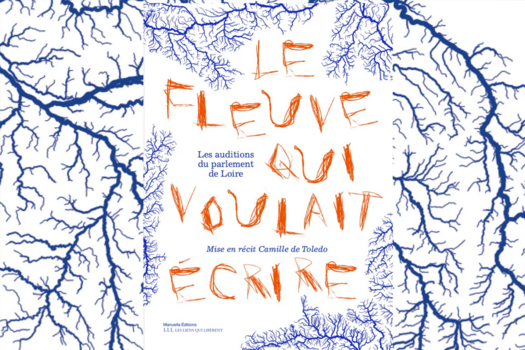
The issue of ecosystem services provided by natural entities and the balance of resources between these entities and their users is increasingly the subject of research and experimentation worldwide. Scientists are also working to quantify the economic value of the services provided by these natural entities. Among the many studies that inspire us, we can cite those of the Council of Witnesses, led by Camille de Toledo, on the recognition of the rights of natural entities, particularly the Loire River.
SITE:
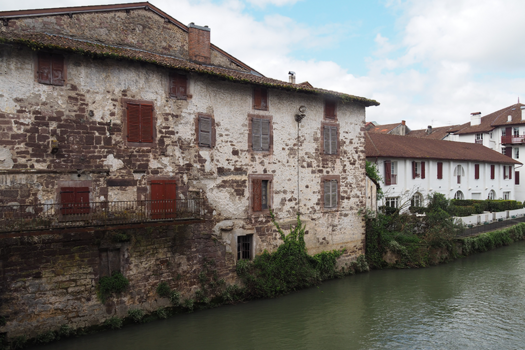
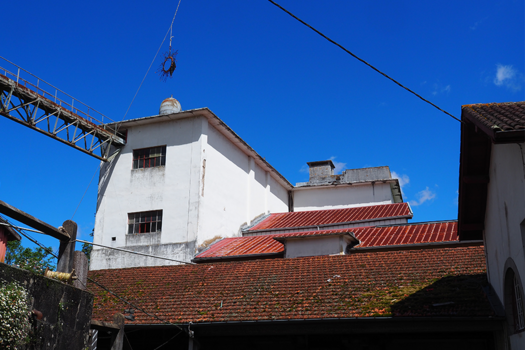
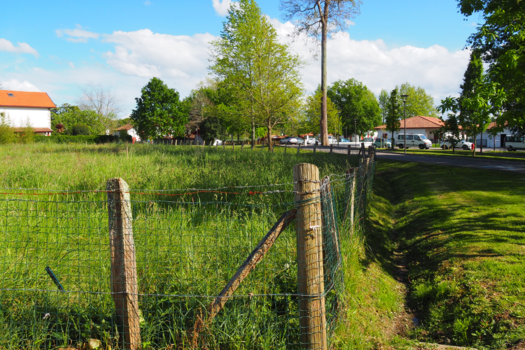
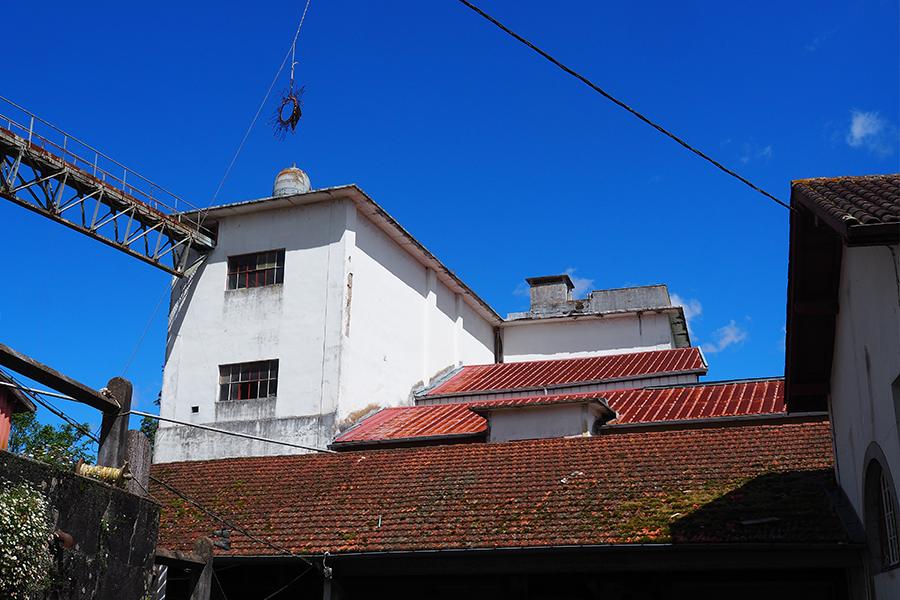
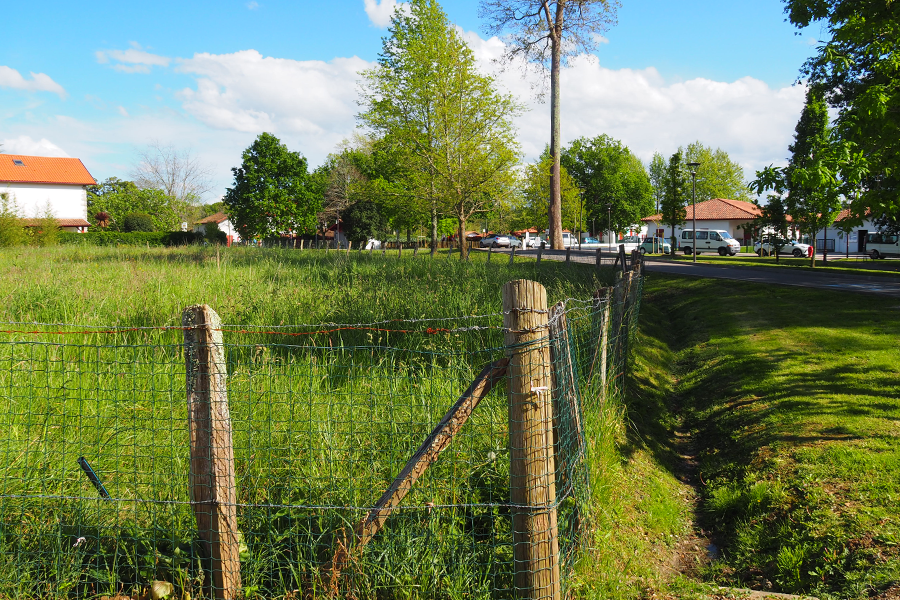
We propose three pilot projects in the region to implement this citizen-led initiative. In Saint-Jean Pied de Port, playful and artistic installations, along with a museum space, raise awareness of water-related issues. In Ustaritz, a brownfield site is being repurposed to house spaces for collective governance and a research laboratory, near a gravel pit restoration experiment. In Villefranque, a landscape design for water management offers best practices to be implemented across the watershed.
REFERENCES:
We are four architects, engineers, and friends with complementary skills and knowledge to tackle this project. Louise worked in an urban hydrology consulting firm and continues her training within the Parc Naturel Marin de Mayotte. Mathilde has led participatory and collective governance projects and works on promoting the use of wood in architecture. Justine has worked on territorial and landscape projects and is training to be a landscape architect. Léa is studying the issue of materials in its broadest sense, particularly reuse, at her firm and is also involved in research.
6. How could this prize help you in your professional career?
We hope so. But beyond the prize, all the reflections on this project are useful to us. Europan allows us to collectively question the very sensible definition of a watershed, a definition that is unfortunately too often absent from public contracts awarded to our professions. This seems essential to us for situating our practice within a world that is evolving so rapidly towards an uncertain future, and for working on projects that guarantee the long-term habitability of our territories.
TEAM IDENTITY
Legal status:
Team name: Les Riveuses
Average age of the associates: 30 years old
Has your team, together or separately, already conceived or implemented some projects and/or won any competition? if so, which ones?
Louise and Léa are also working together to develop a counter-proposal to the senseless urbanization of the Stella Plage coastline. We are currently organizing ourself to try to participate to other competitions or residencies.