LEARNING FROM POLIGNANO
Polignano a Mare (IT) - Mentionné
DONNÉES DE L’ÉQUIPE
Associées: Silvia Lanteri (IT) – architecte urbaniste, Sara Marzio (IT), Maicol Negrello (IT) – architectes paysagistes, Sara Barera (IT), Martina Mazzotta (IT) – architectes, Giulia Barone (IT), Maria Vittoria Nicastro (IT), Margherita Oberto (IT) – étudiantes en architecture
silvia.lanteri@polito.it
TEAM PORTRAIT
VIDEO (by the team)
INTERVIEW
Click on the images to enlarge
1. How do you define the main issues of your project in relation with the theme “Re-sourcing”? Re-sourcing thanks to nature, to social dynamics, to new materiality? In which way do you think your project can contribute to an ecological and/or social evolution? And in which way do you think your project can be called a “regenerative project”?
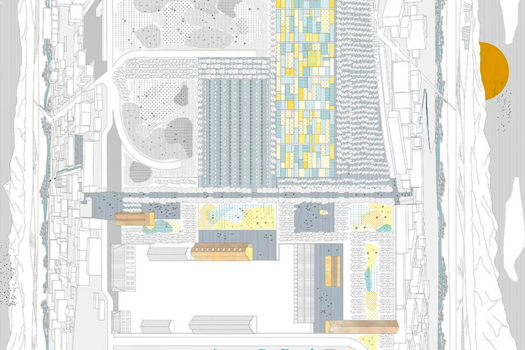
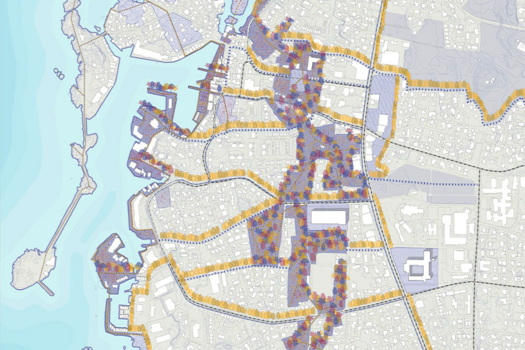
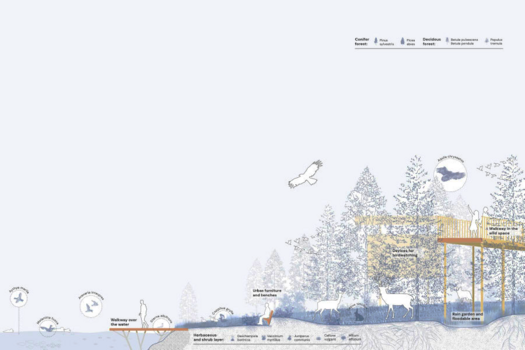
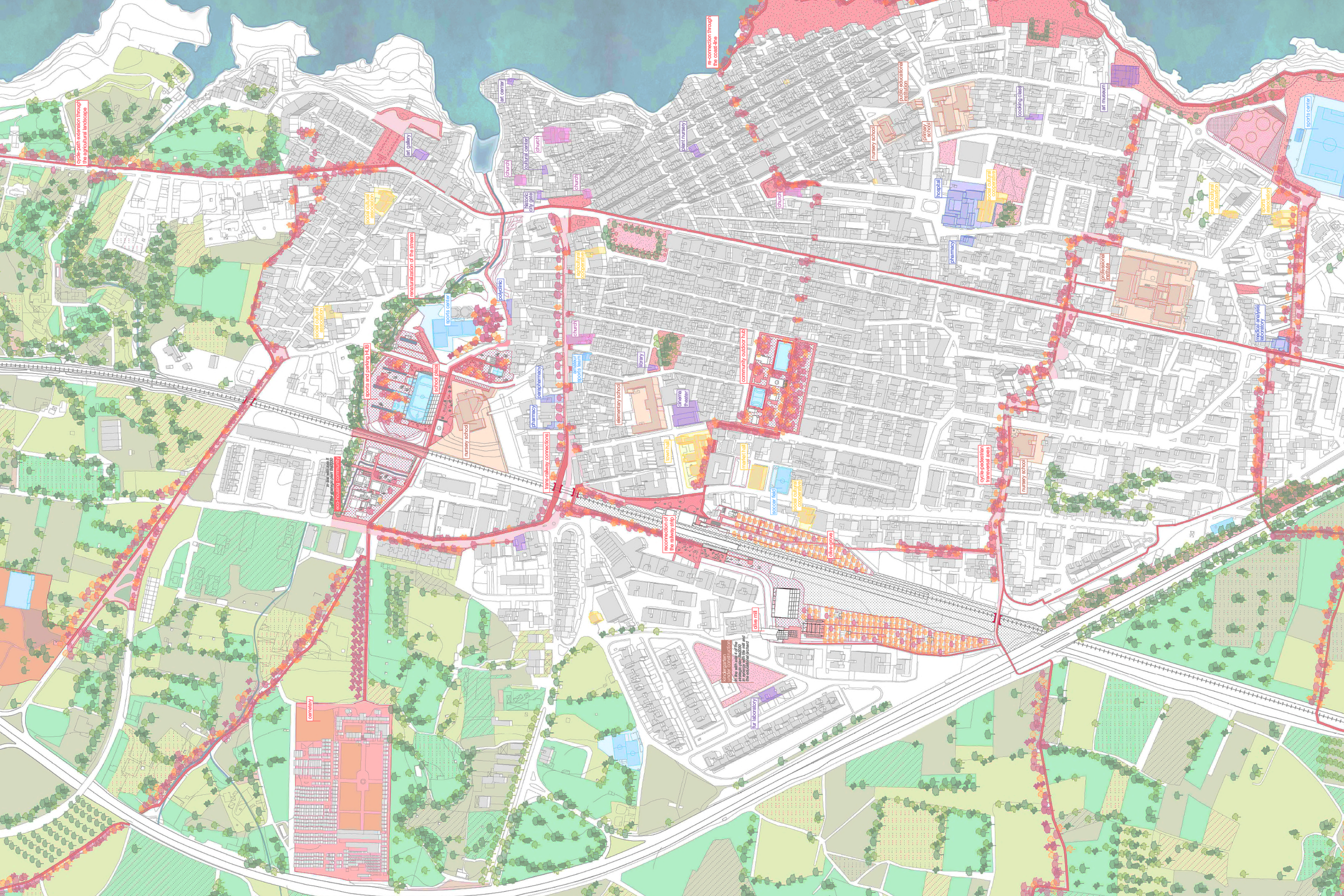
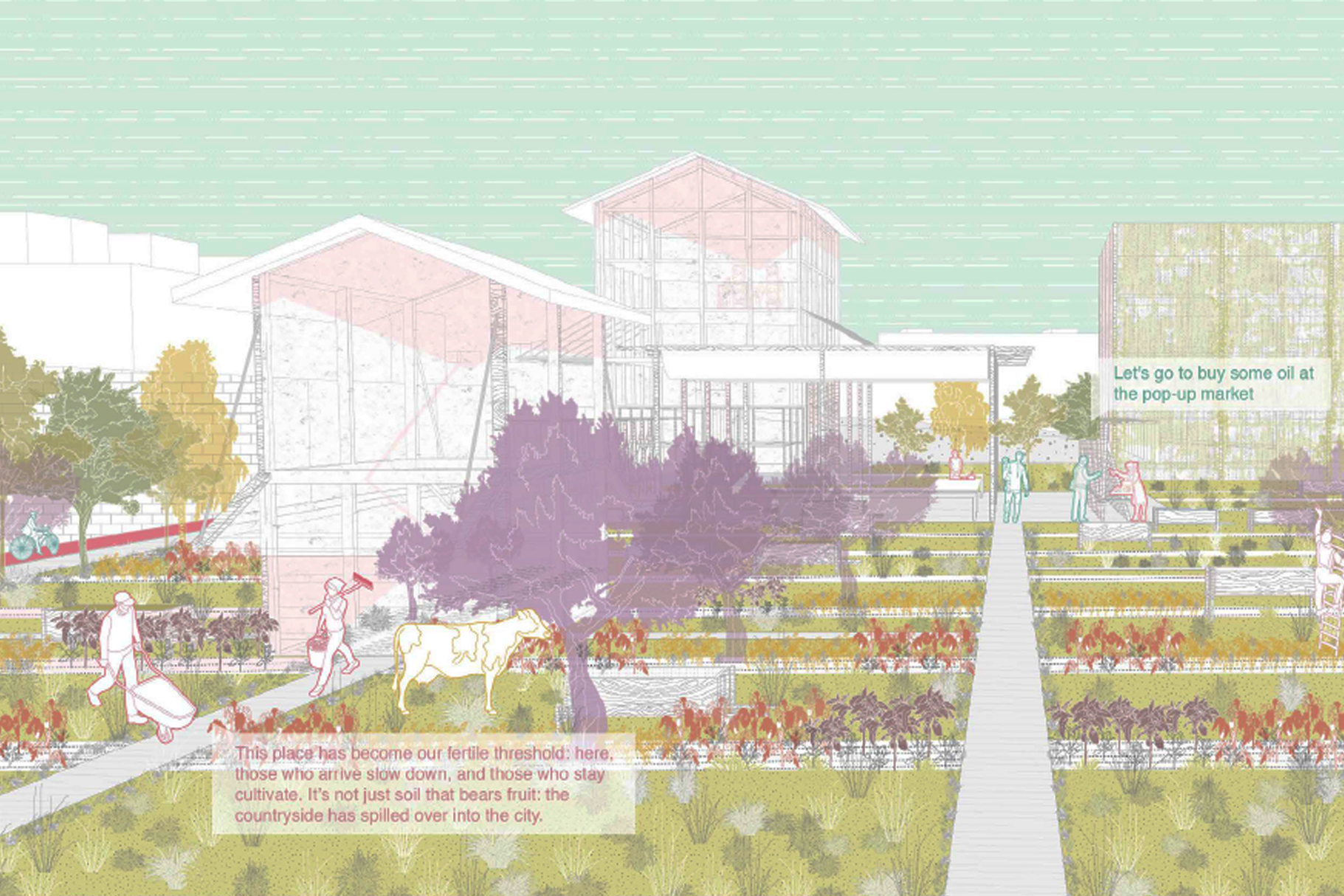
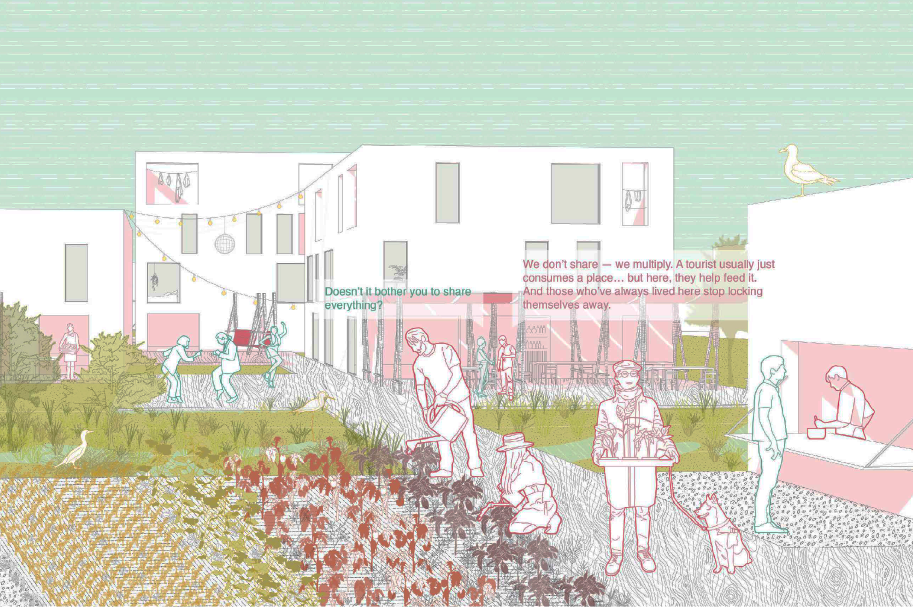
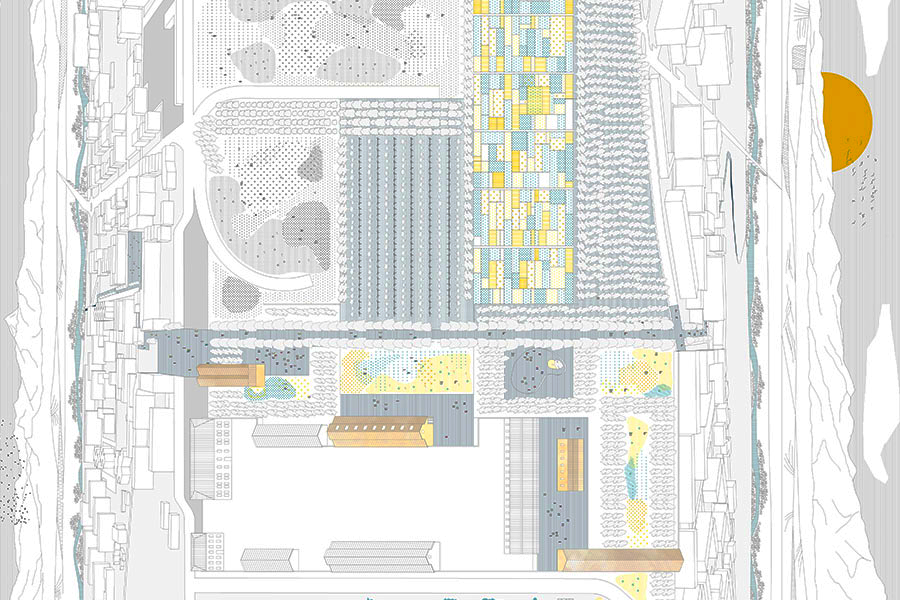
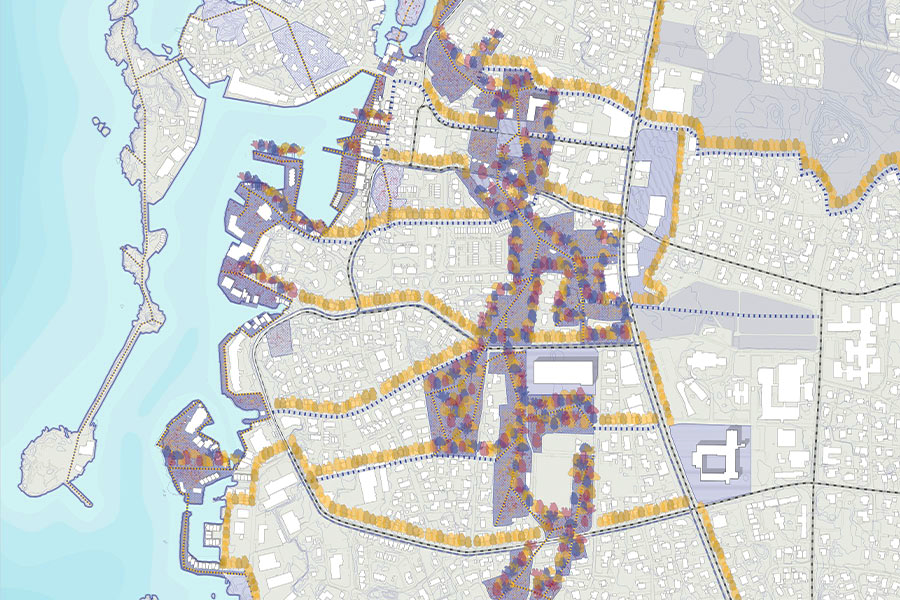
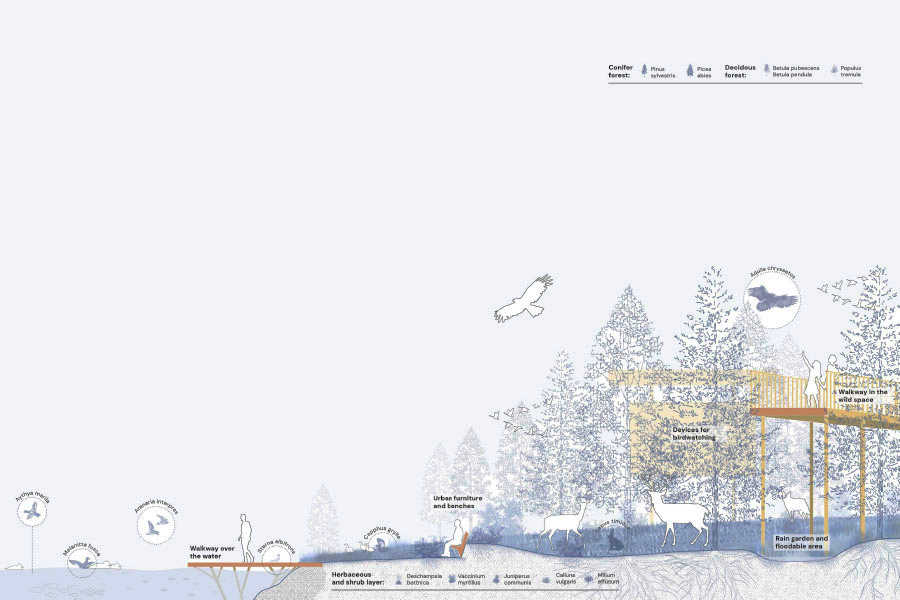
The project addresses Re-sourcing by reactivating Polignano a Mare’s latent ecological, social and agricultural resources, reconnecting the hinterland to the coast. Nature becomes living infrastructure, sociality is re-sourced through co-design and communitarian spaces, and regeneration emerges from restoring biodiversity, shared living and circular local economies rather than extractive tourism.
2. How did the issues of your design and the questions raised by the site mutation meet?
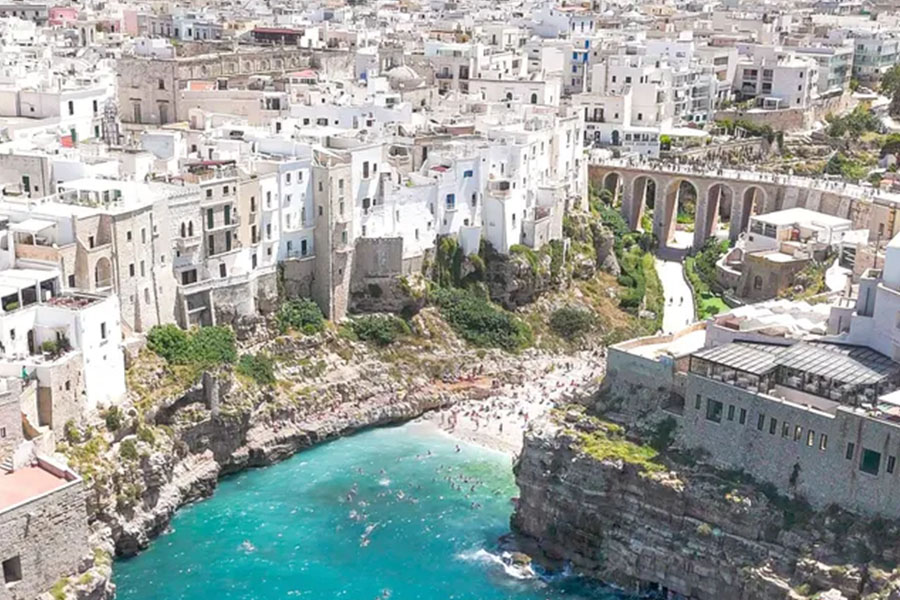
The design issues directly emerge from the site’s mutations: infrastructural barriers, seasonal tourism pressure, and the marginalization of the agricultural hinterland. These conditions revealed fractures - ecological, social, and spatial - that the project addresses by transforming the railway axis from a line of separation into a connective spine, reactivating inner landscapes, public spaces, and community centralities through a gradual, adaptive and site-specific strategy.
PROJECT:
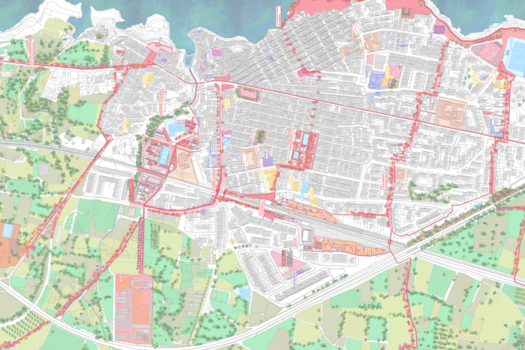
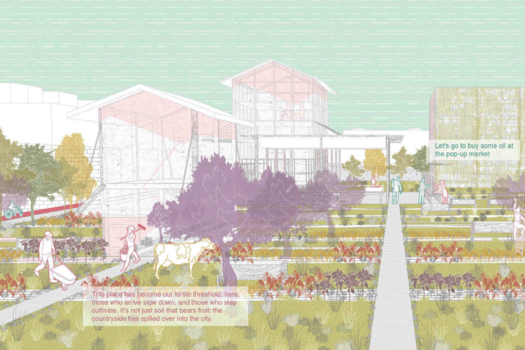
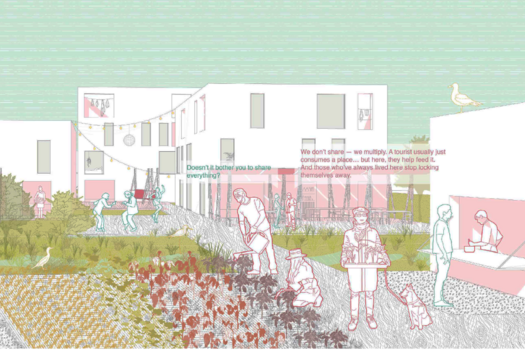
We are interested in the issues of urban regeneration in fragile areas, with a focus on nature-based solutions, with attention to the coexistence of different inhabitants, and also to temporality. Our references were various designers who approach these themes, such as SLA, Orizzontale, Collectif Etc, Studio Ossidiana, JAJA Architects.
SITE:
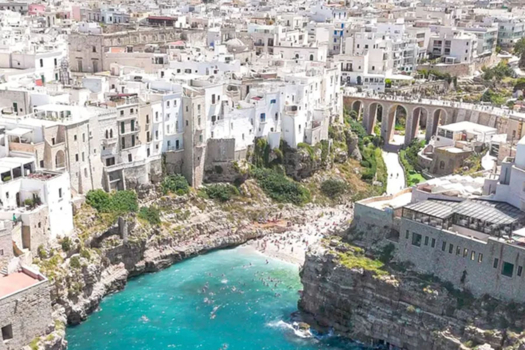
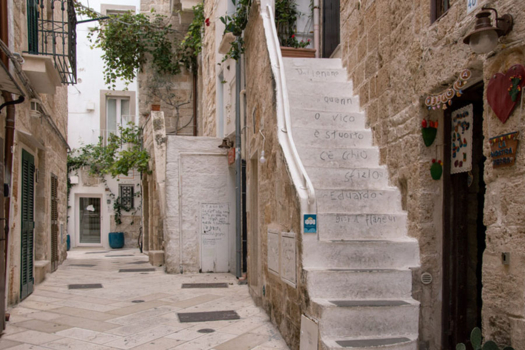
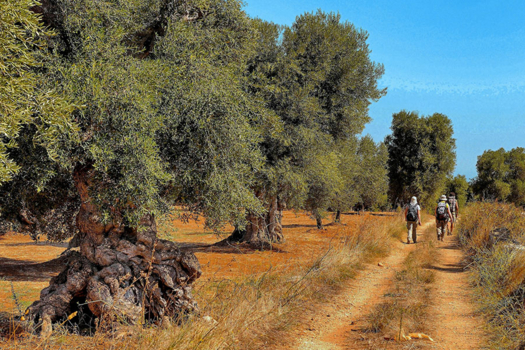
The project is conceived as an open and incremental framework rather than a fixed masterplan. Its implementation relies on a negotiated process involving the local administration, associations, cooperatives and inhabitants through co-design tables and communitarian devices such as the Agorà. Phased actions, from temporary and tactical interventions to permanent transformations, allow the project to adapt over time while building shared ownership and long-term resilience.
REFERENCES:
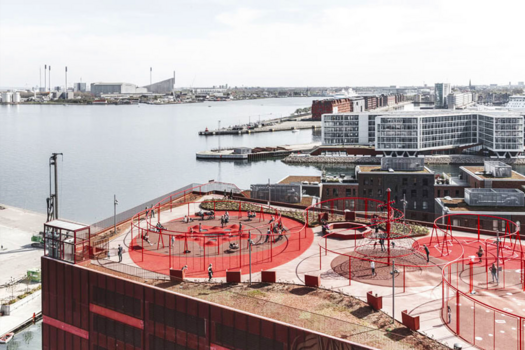
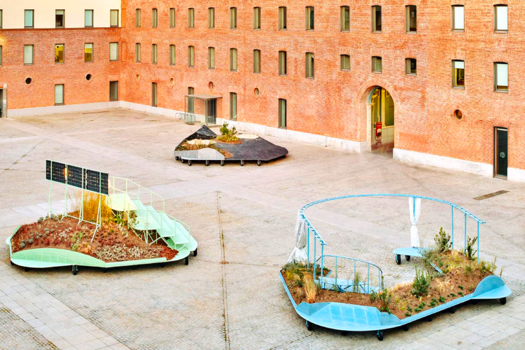
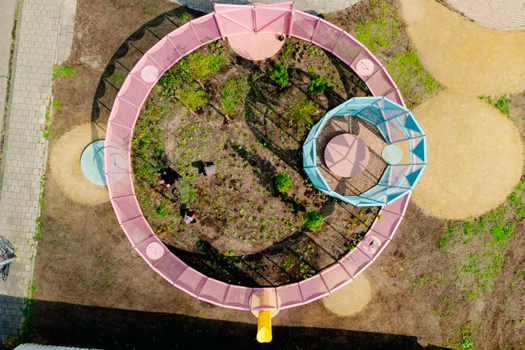
The team is a collective established three years ago through long-term collaboration. For Polignano a Mare project, it brings together architectural and urban design expertise with landscape, nature-based solutions and academic research, combined with a deep understanding of the Apulian context. The team’s familiarity with local territorial, agricultural and social dynamics is complemented by an international perspective developed across different European regions, ensuring a grounded yet forward-looking approach tailored to Puglia.
6. How could this prize help you in your professional career?
We are a team in between university and professional dimension. Considering the past experiences for some of us in other sites-editions (Cuneo in 2017, in particular), it is interesting how the project could lead not only to its realization, but also to strategic support for the city and its citizens moving from the first ideas, collaborating over the years to construct together future visions.
TEAM IDENTITY
Legal status:
Team name: Collettivo Selvaticus
Average age of the associates: 28 years old
Has your team, together or separately, already conceived or implemented some projects and/or won any competition? if so, which ones?
We are participating in various competitions together, with different sizes of the team. In particular, apart as this second prize in Polignano a Mare (IT) we already got runner-up prize in Cuneo in 2017 (IT), in Akrehamn in 2023 (NO), and special mentions in Pitea in 2023 (SE), Turku in 2025 (FI).
WORKS: