LES SENTINELLES DU LITTORAL
Jullouville (FR) - Mentionné
TEAM PORTRAIT
VIDEO (by the team)
INTERVIEW
Click on the images to enlarge
1. How do you define the main issues of your project in relation with the theme “Re-sourcing”? Re-sourcing thanks to nature, to social dynamics, to new materiality? In which way do you think your project can contribute to an ecological and/or social evolution? And in which way do you think your project can be called a “regenerative project”?
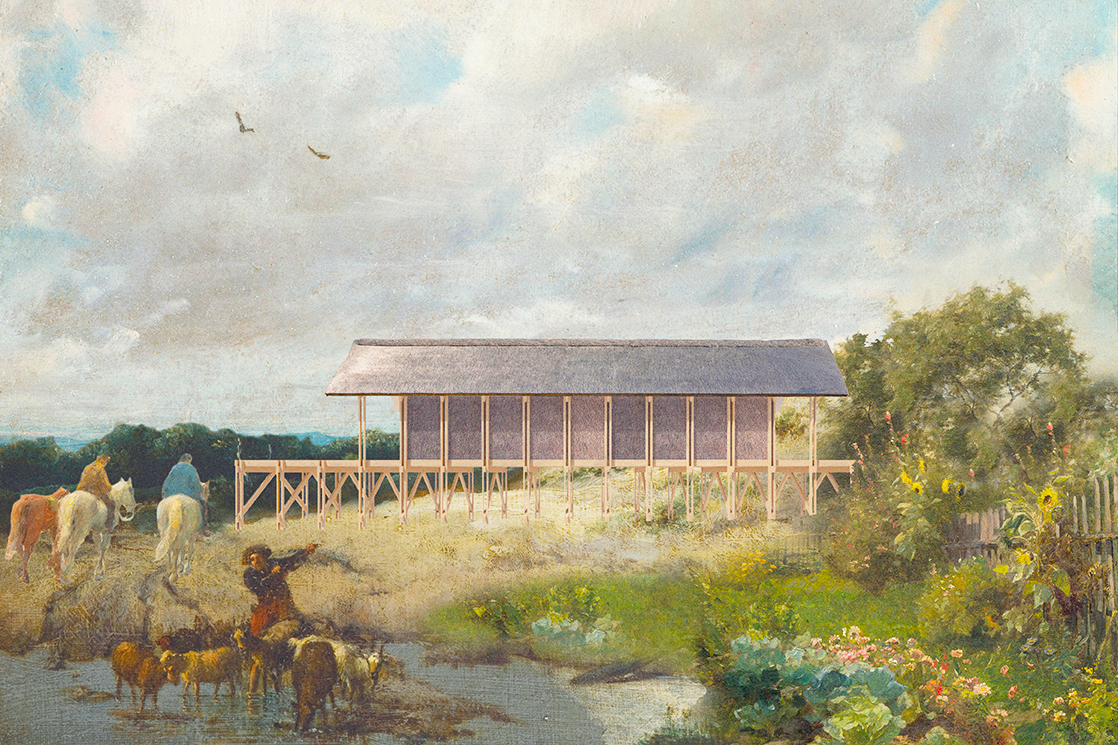
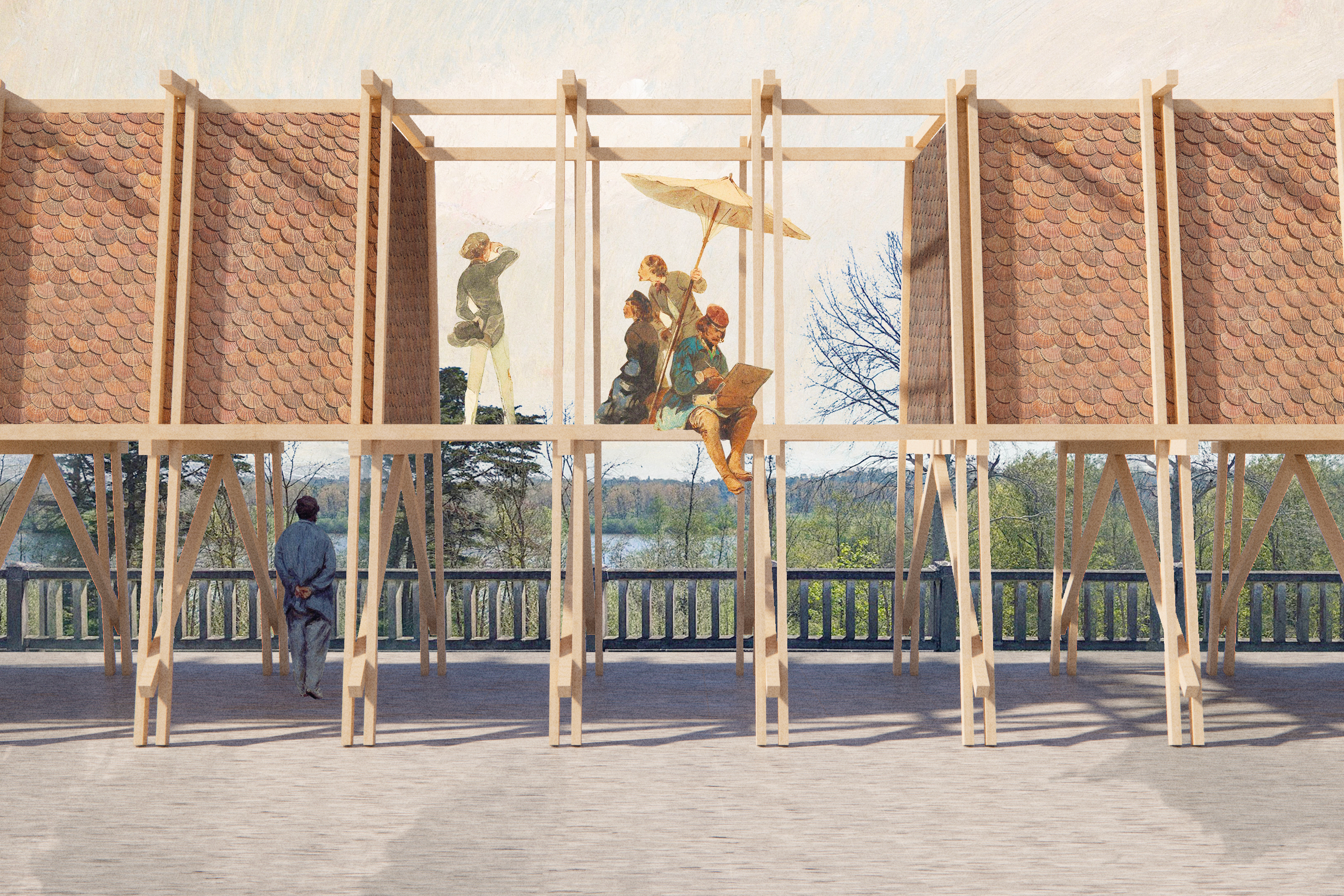
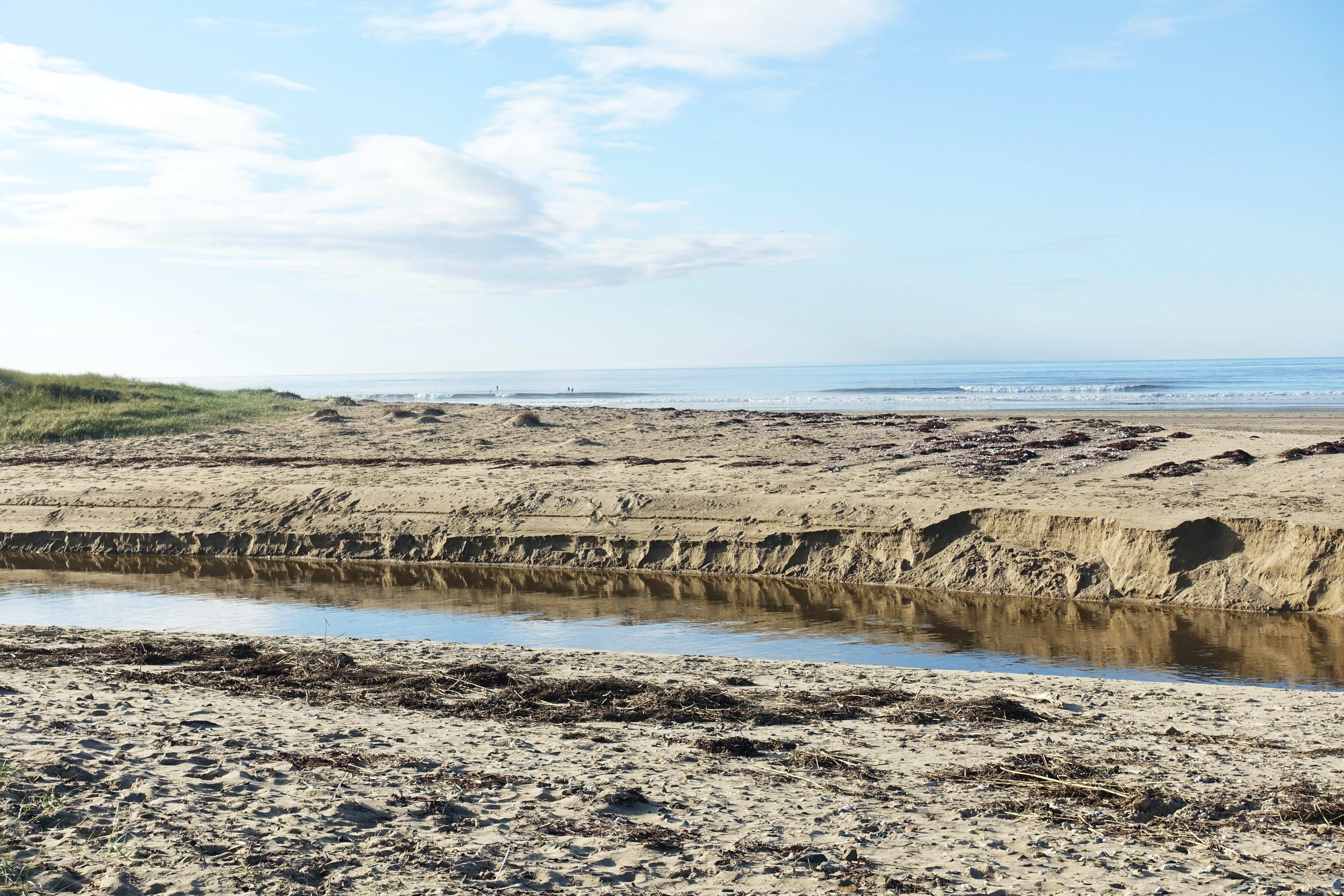
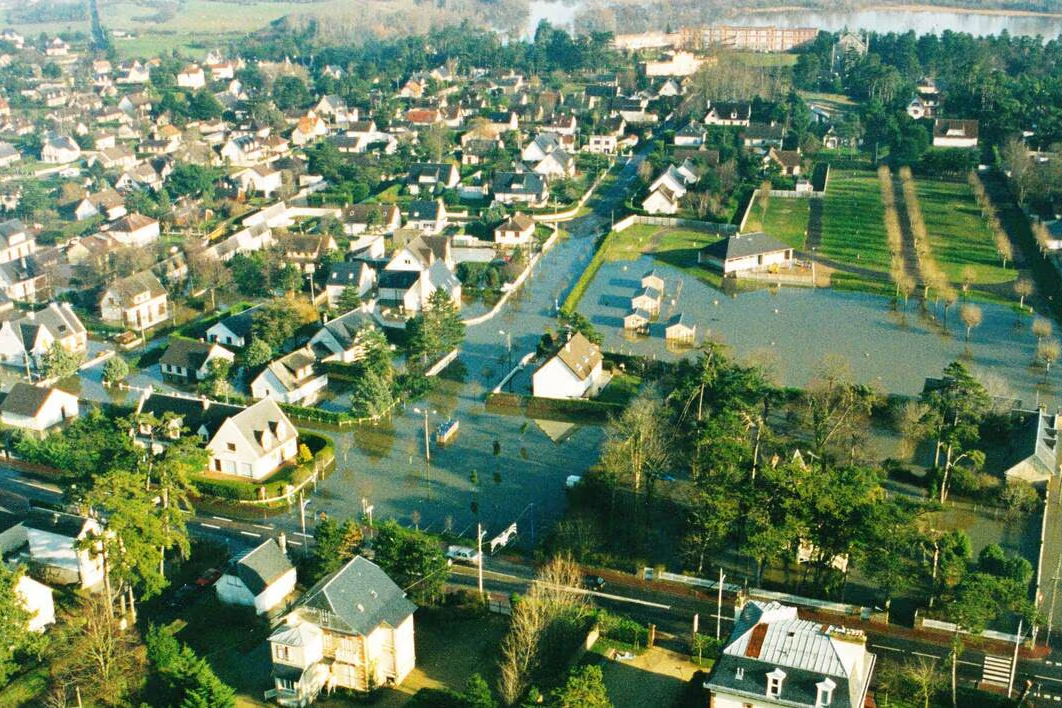
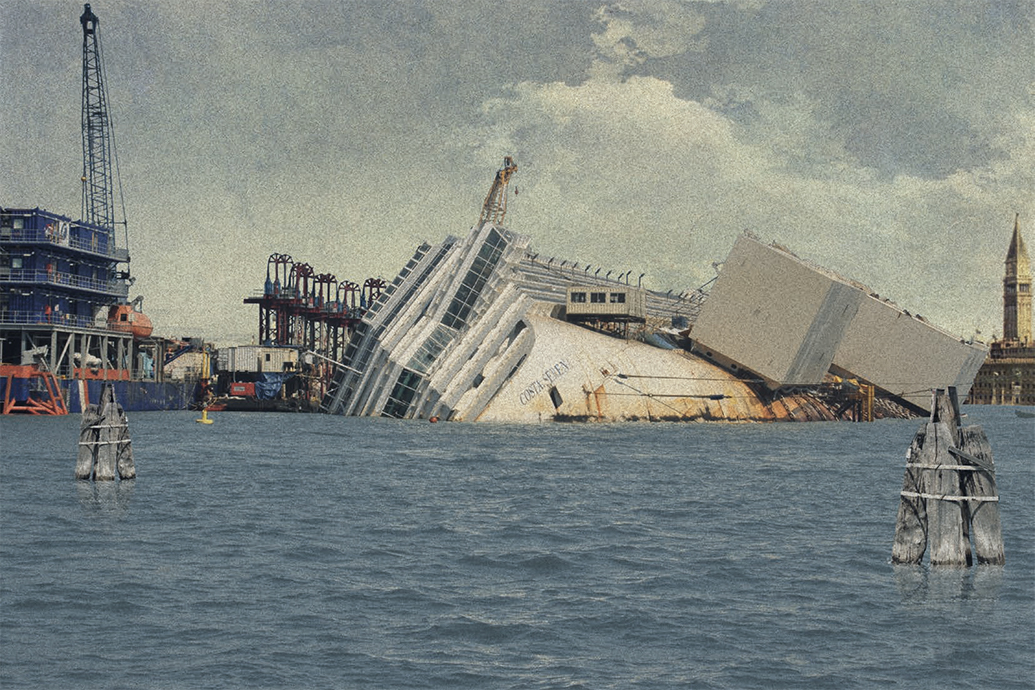
“Re-sourcing” means considering the coastline as a living system rather than a tourist setting. The project assumes that water will inevitably reclaim its space and relies on living dynamics to reorient the future of Jullouville. Site vulnerability becomes an ecological and social lever to imagine and transform a post-seaside territory.
2. How did the issues of your design and the questions raised by the site mutation meet?
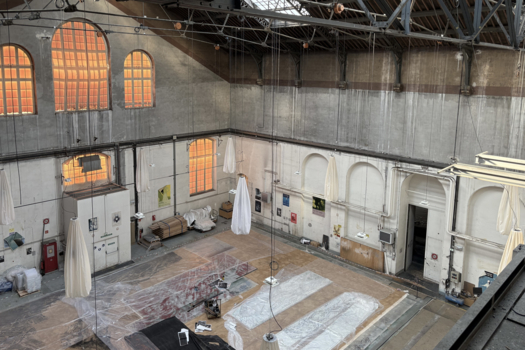
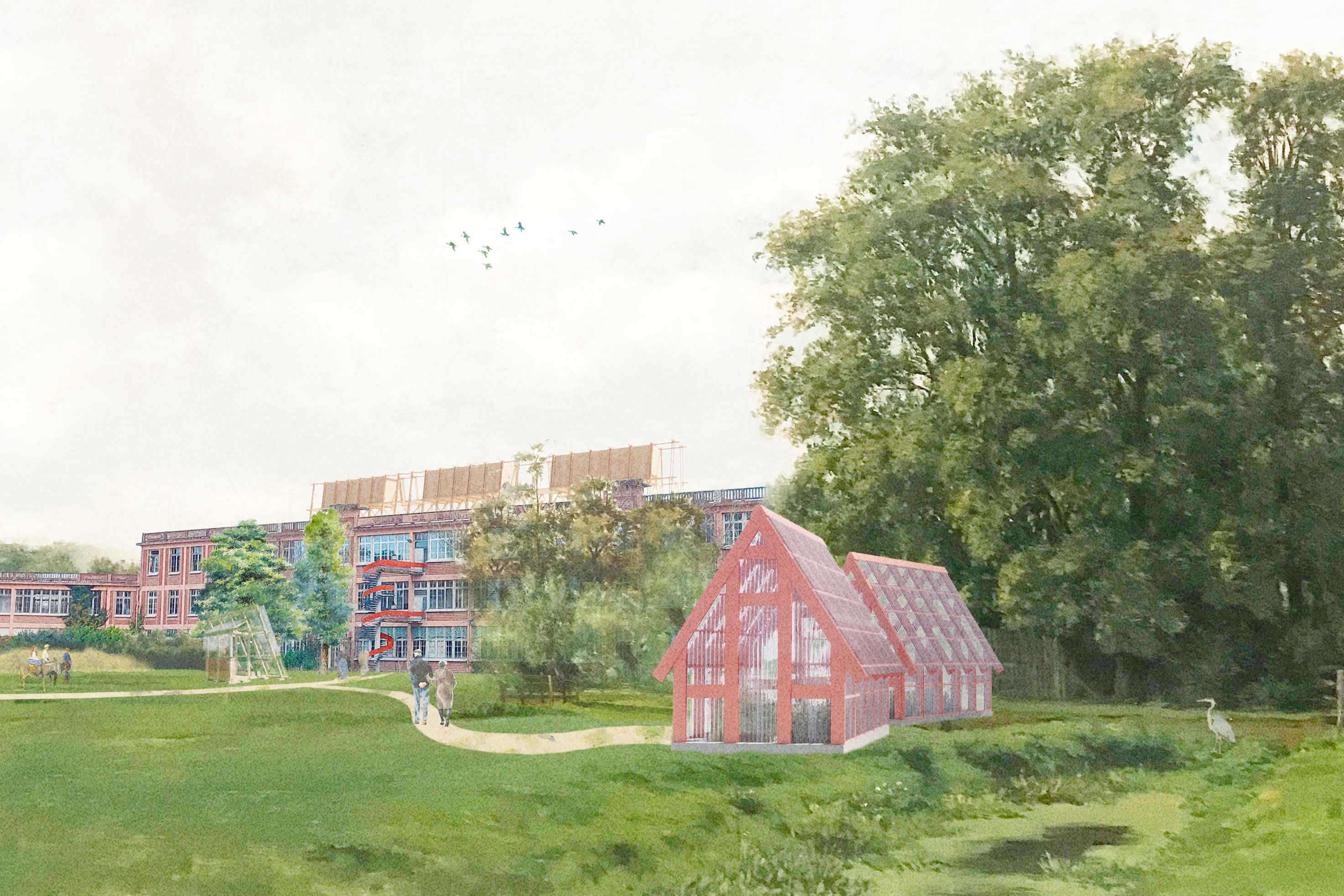
The former summer camp becomes the anchor point of this transformation and is reimagined as a Coastal Resilience Center. This hybrid place, combining pedagogy and ecological experimentation, acts as a laboratory for the future of coastal territories. The site asserts itself as a pioneering campus of sensitive urbanism, rooted in the Thar Valley Bioregion, where water is considered a common good and climate adaptation a collective project.
PROJECT:
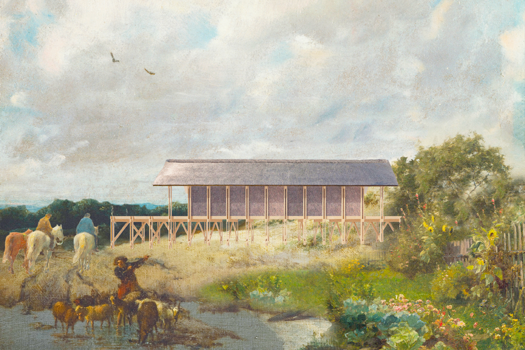
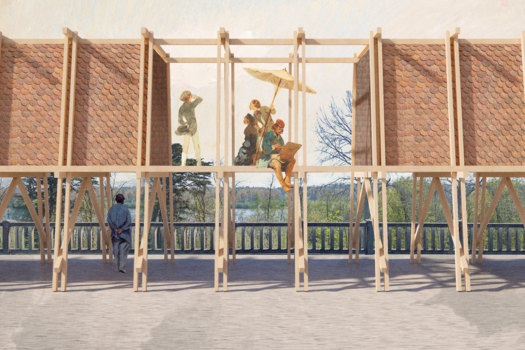
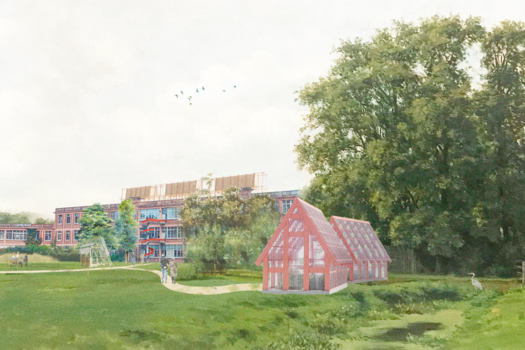
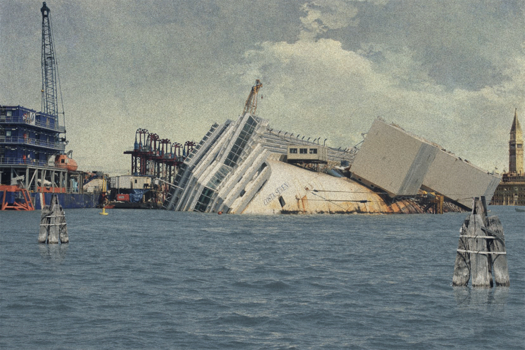
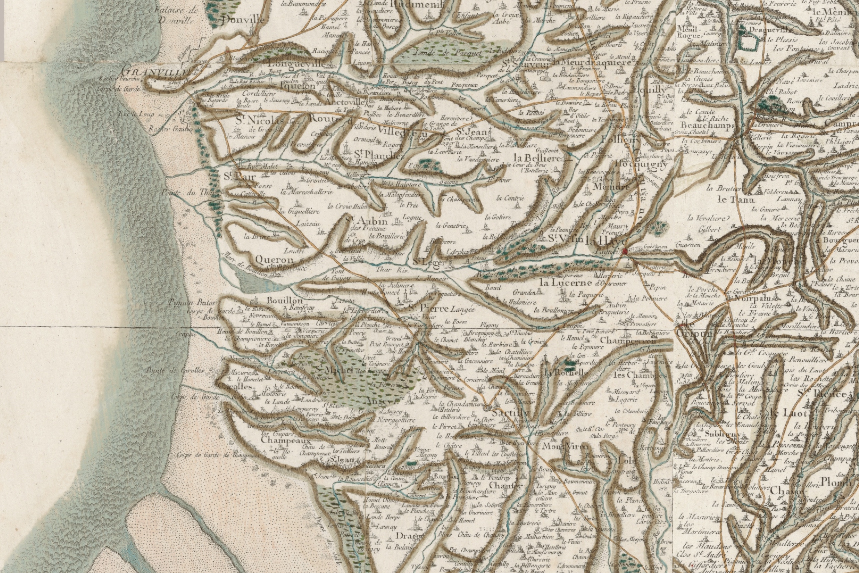
The team has previously addressed issues related to the rehabilitation of modern heritage and adaptation to climate change, notably through Pietro Mariat’s research on overtourism and rising water levels in Venice. However, the project is primarily grounded in an in-depth reading of the territory - its history, resources, and dynamics - to guide its design.
SITE:
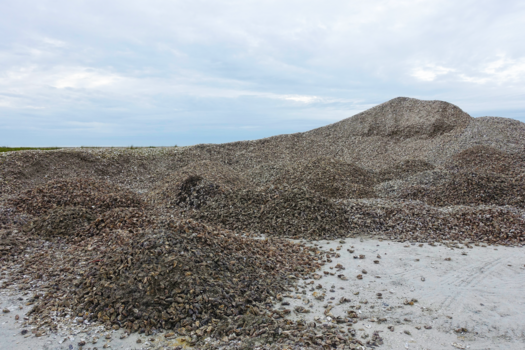
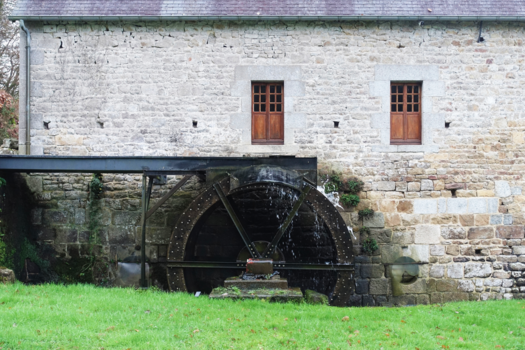
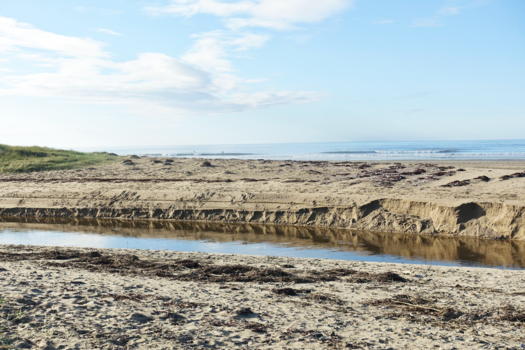
The project is conceived as a progressive transformation in which Jullouville becomes a key component of the Thar Valley Bioregion, defined by its watersheds and local dynamics. This framework integrates climate issues into public policies while enabling an evolving and collaborative process. The Coastal Resilience Center serves as a tool for experimentation and territorial pedagogy, where inhabitants, researchers, and public authorities co-construct the resilience strategy.
REFERENCES:
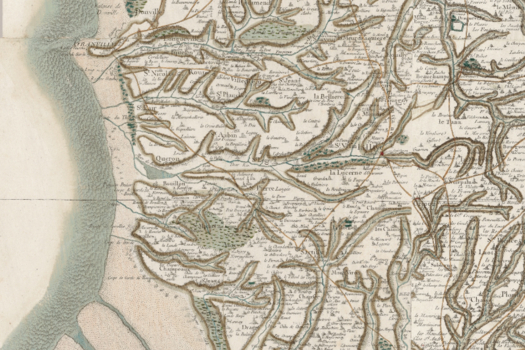
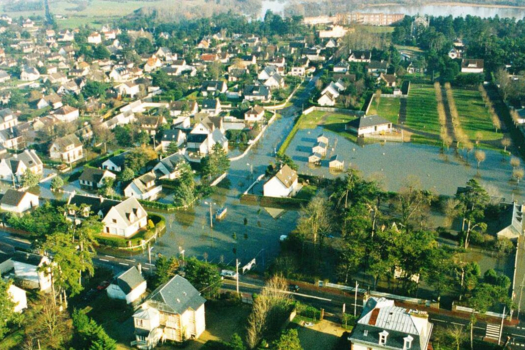
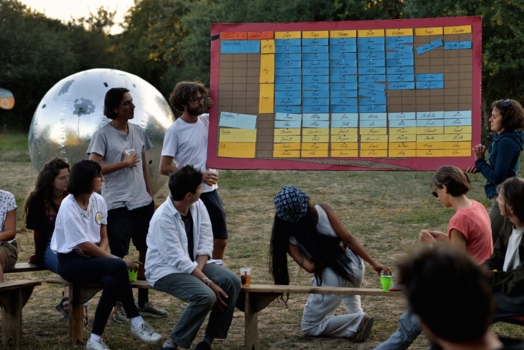
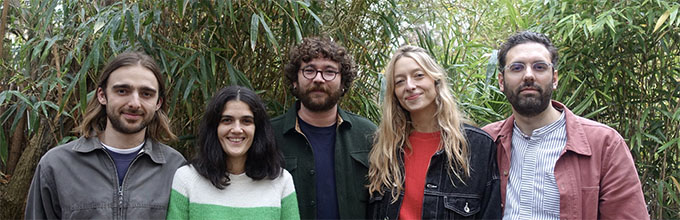
The team met at ENSA Paris-Malaquais and later collaborated on various projects. Selin Delamare combines architecture and research; Pierre Bertin specializes in public project management assistance; Jeanne Aïssaoui focuses on territorial dynamics and rural contexts; Pietro Mariat works on rehabilitation and materiality; and Charles Chepy is a heritage architect trained at the École de Chaillot. Most team members also teach at ENSA Paris-Malaquais and ENSA Paris-Belleville.
6. How could this prize help you in your professional career?
Europan would provide an opportunity to anchor our practices in a real process with a municipality willing to experiment. The prize would act as a lever to move from research and prospective thinking to public commissions, within an operational framework and in direct contact with local stakeholders.
TEAM IDENTITY
Legal status:
Team name:
Average age of the associates: 31 years old
Has your team, together or separately, already conceived or implemented some projects and/or won any competition? if so, which ones?
Each member of the team has designed and delivered projects individually, but this is our first competition award as a collective.
WORKS: