Parkplein aan de Eem
Amersfoort-Kop van Isselt (NL) - Mentionné
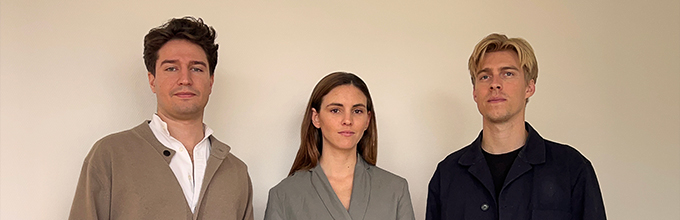
TEAM PORTRAIT
VIDEO (by the team)
INTERVIEW
Click on the images to enlarge
1. How do you define the main issues of your project in relation with the theme “Re-sourcing”? Re-sourcing thanks to nature, to social dynamics, to new materiality? In which way do you think your project can contribute to an ecological and/or social evolution? And in which way do you think your project can be called a “regenerative project”?
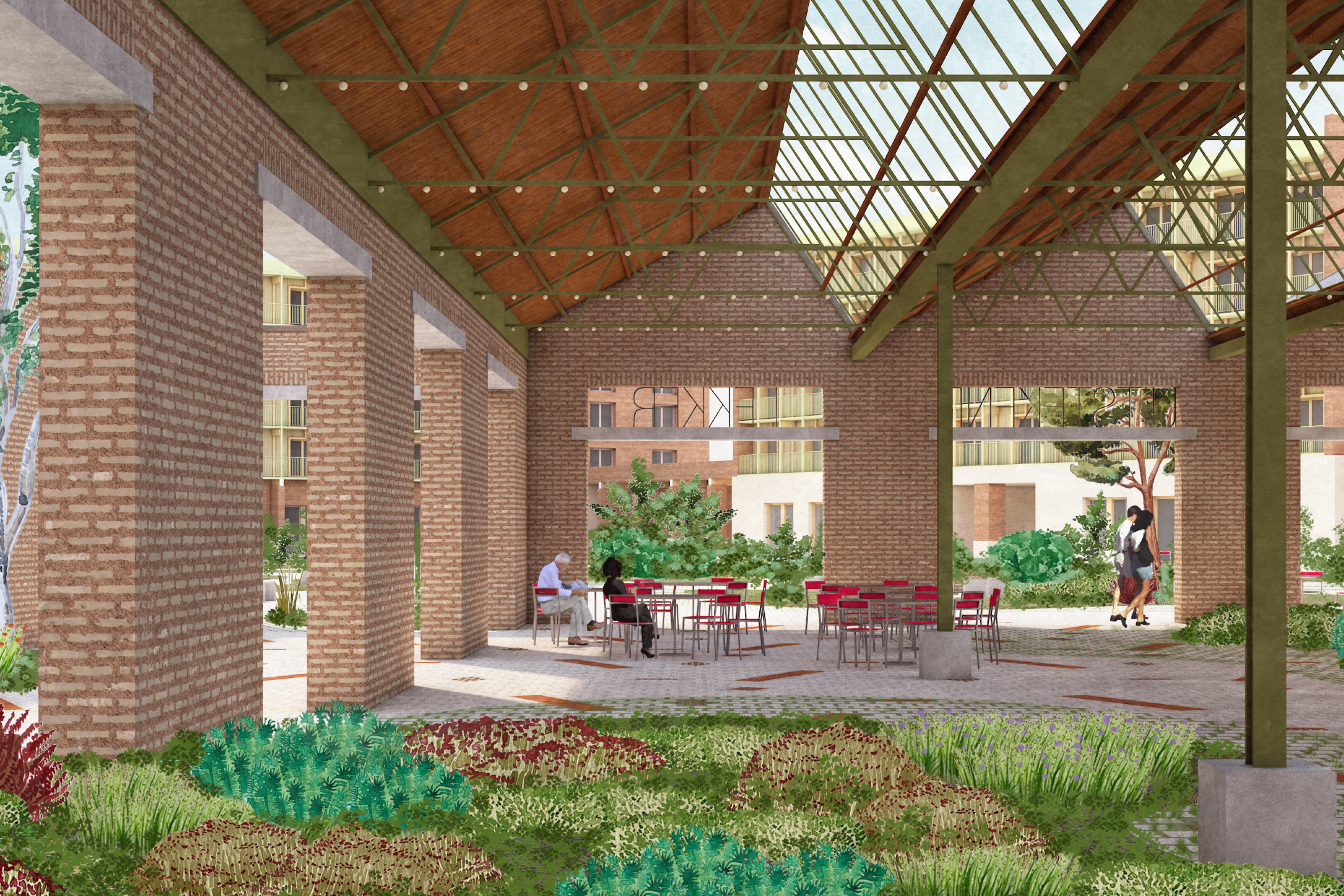
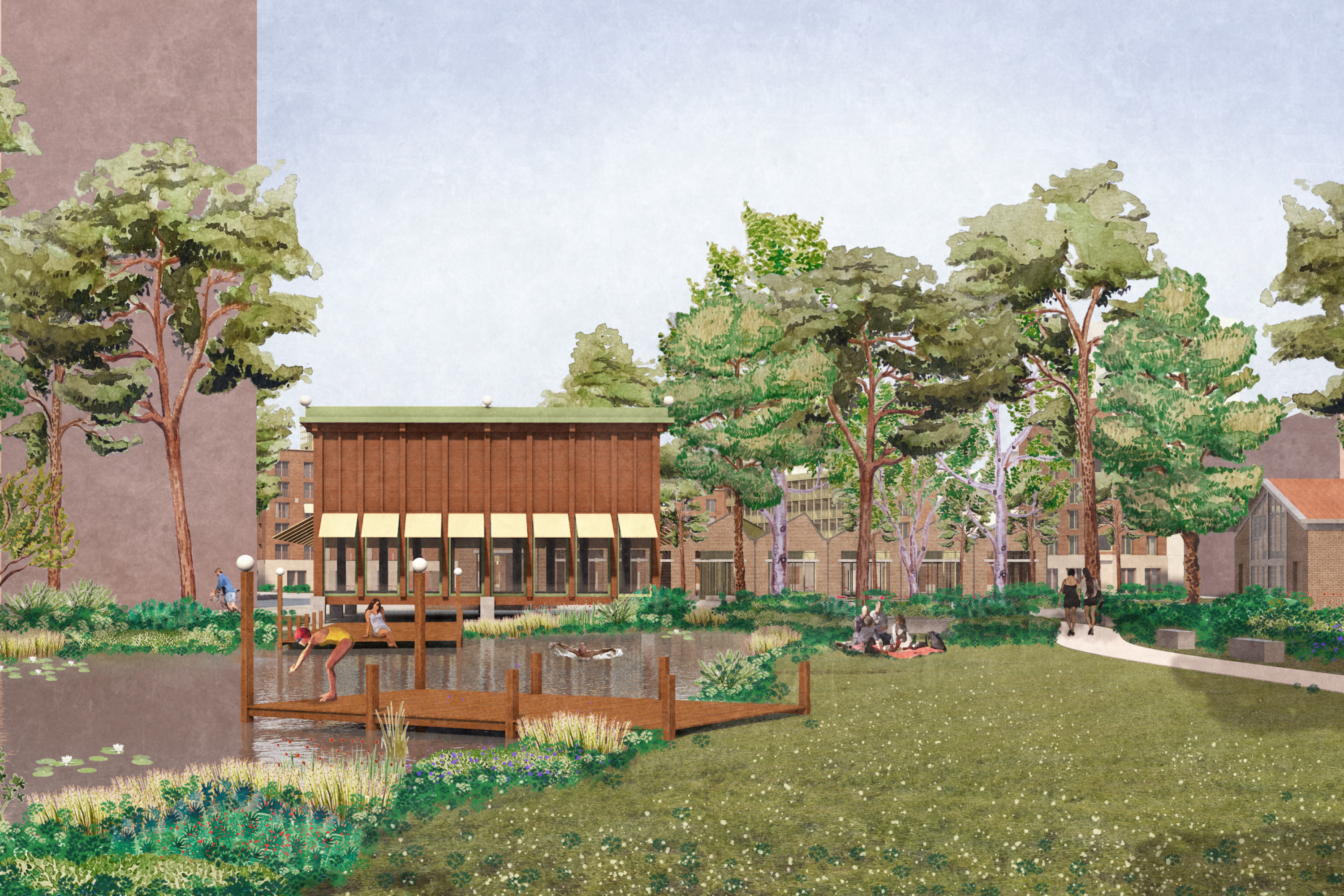
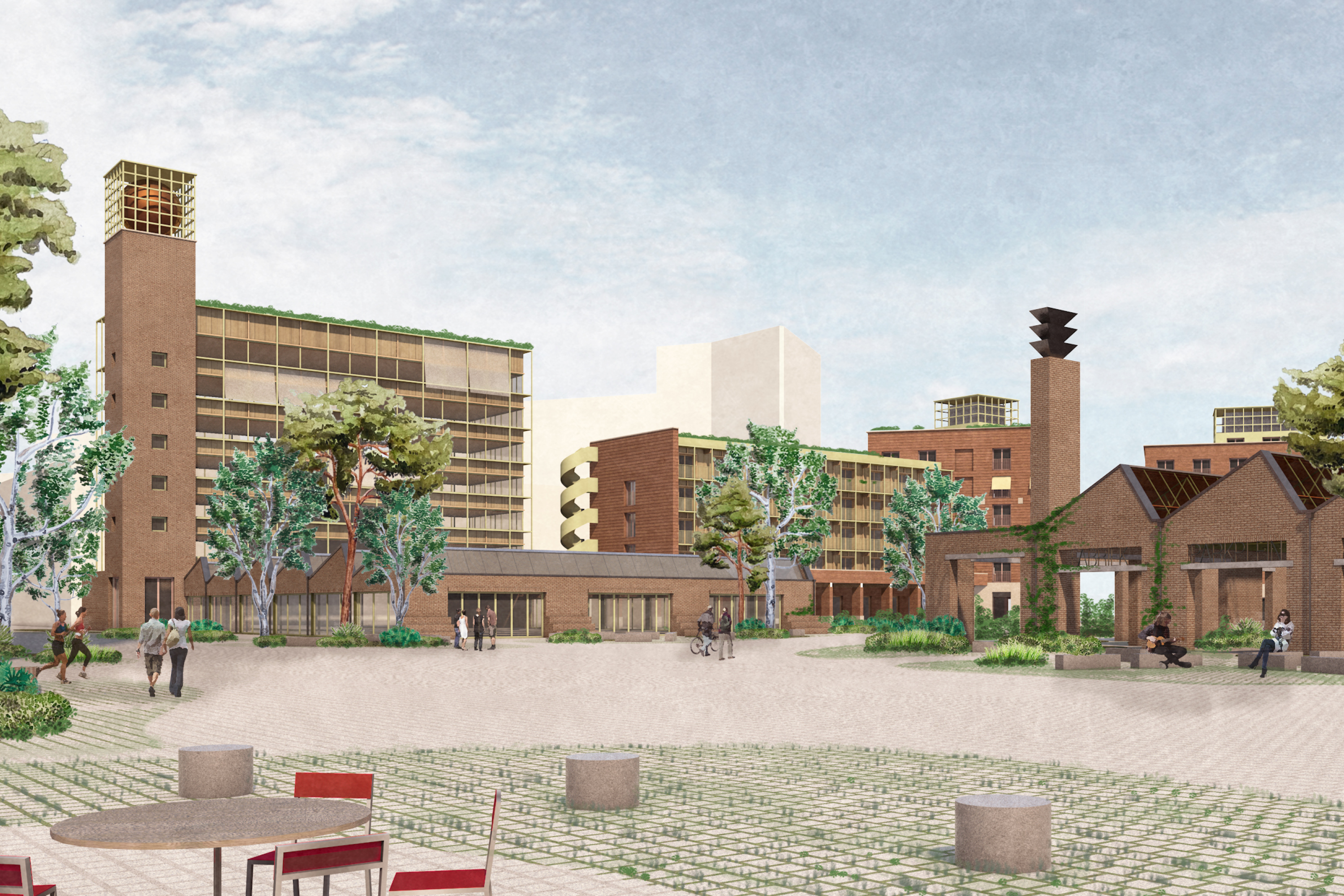
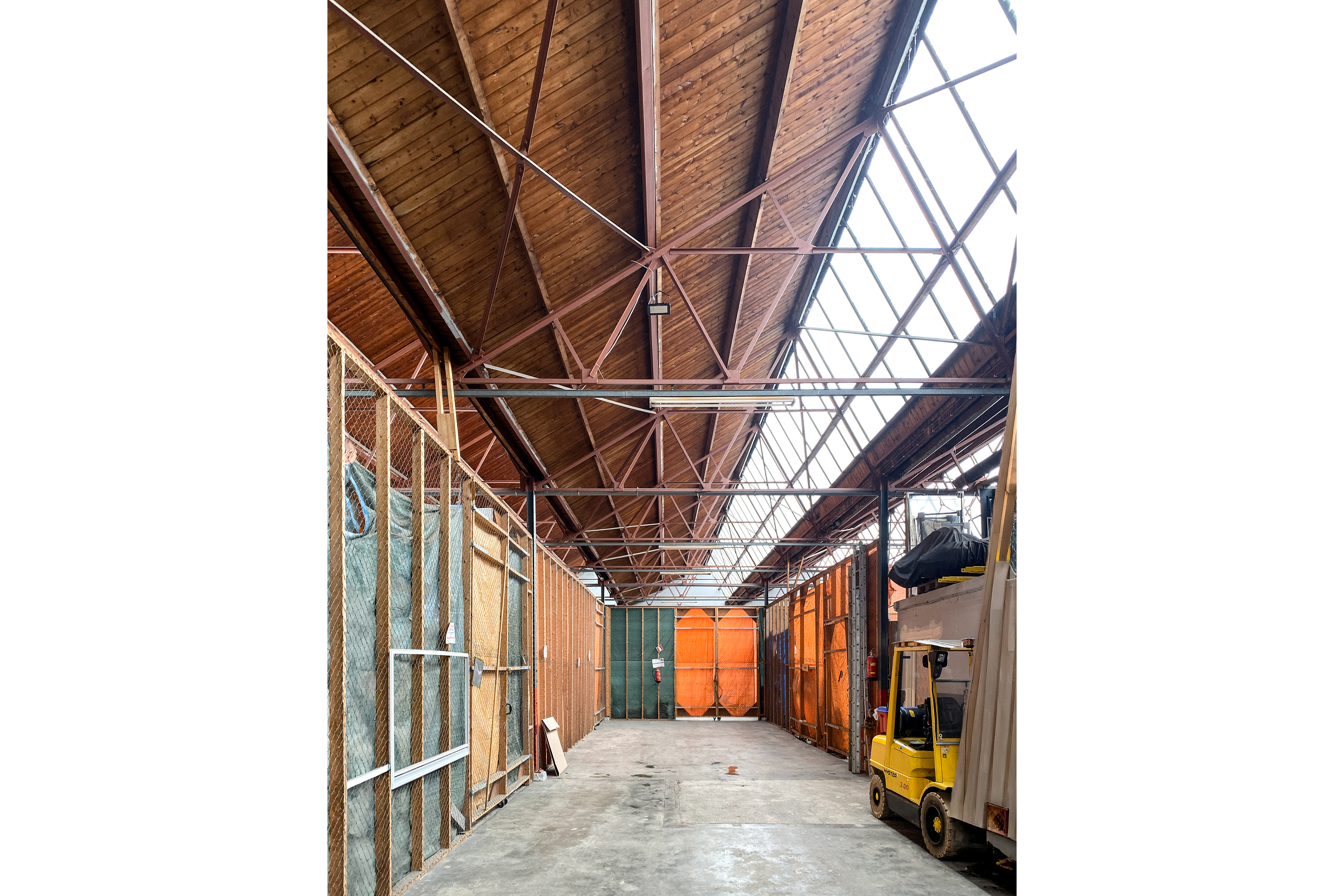
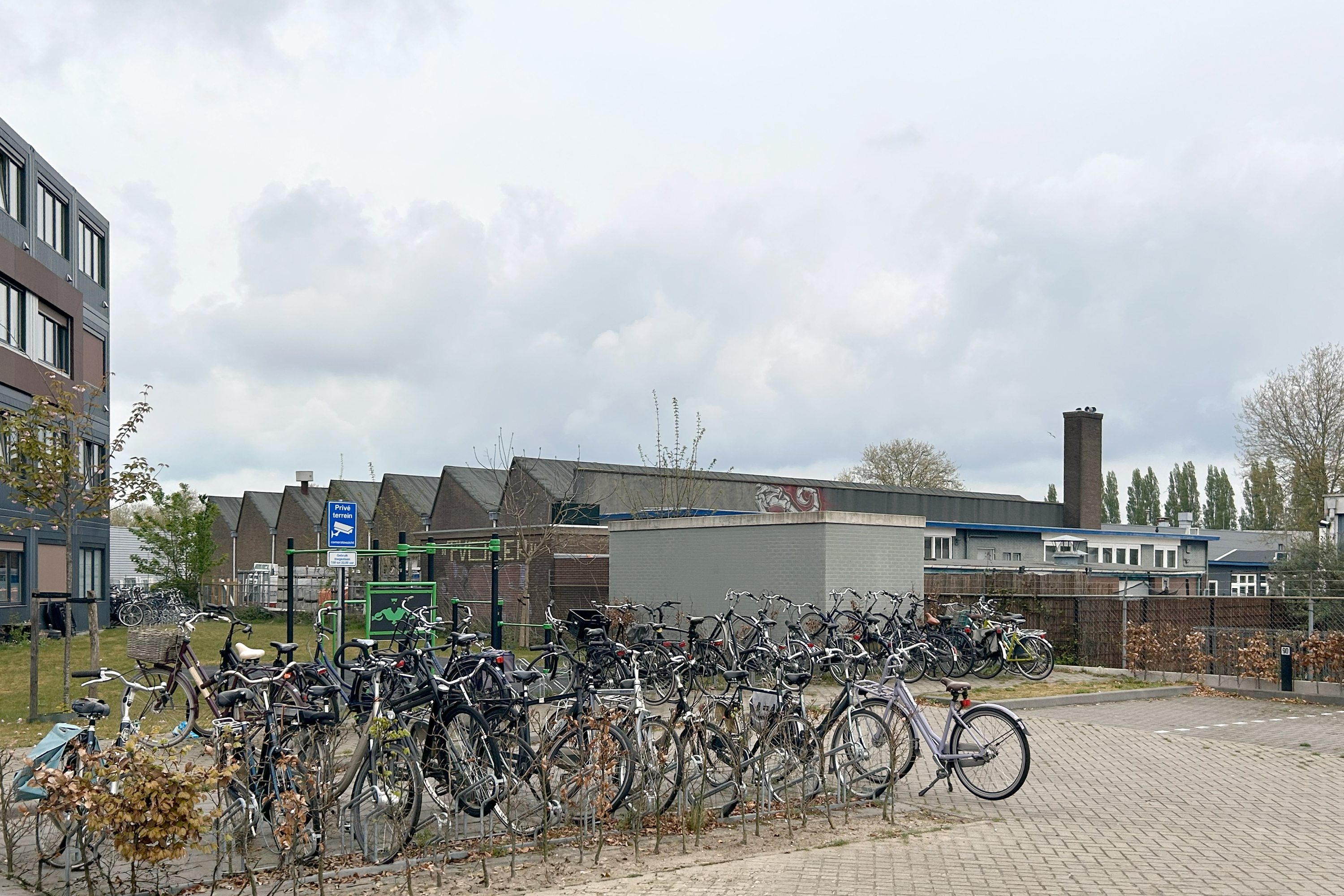
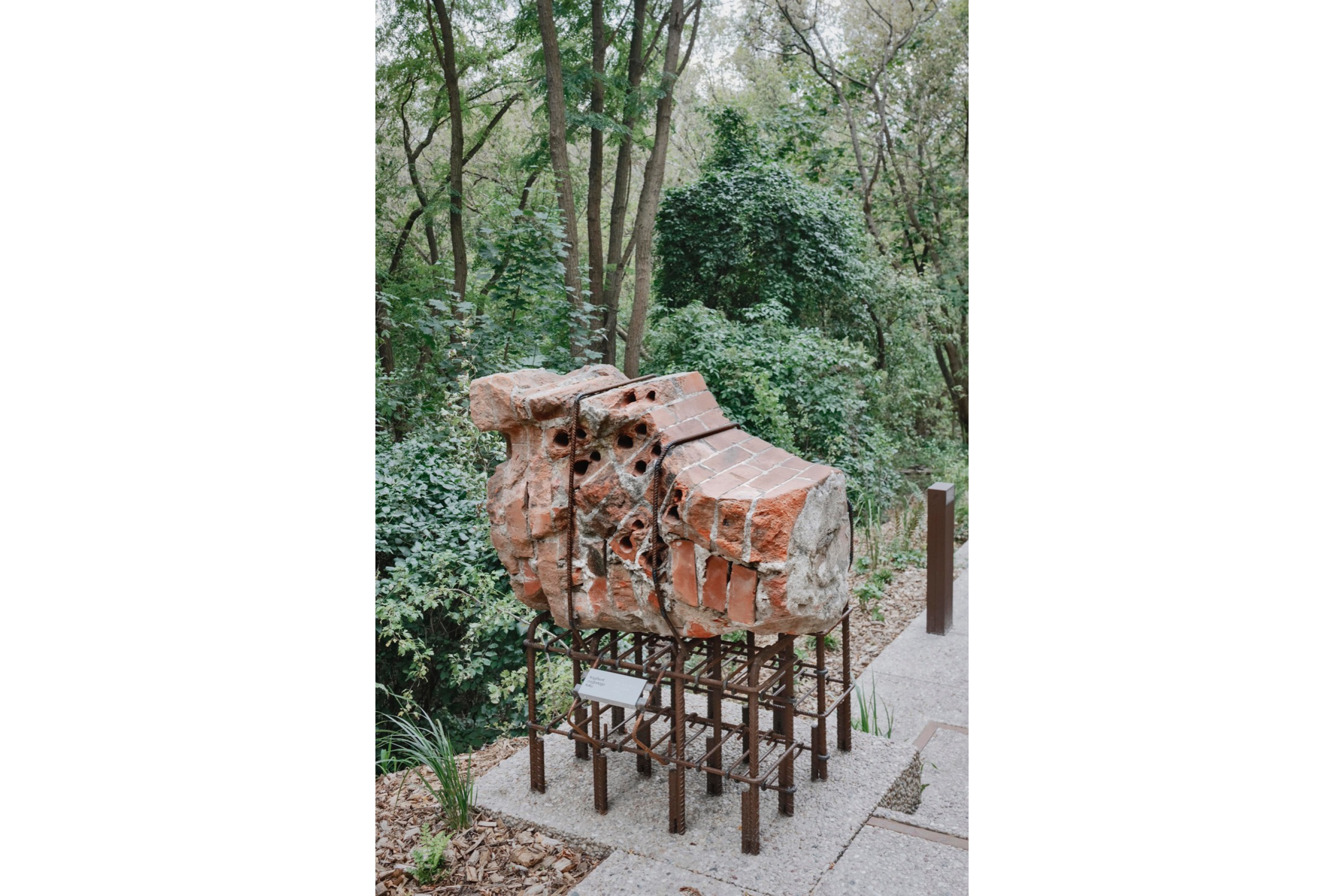
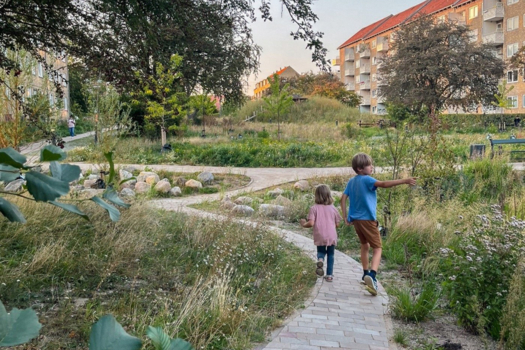
Parkplein aan de Eem is conceived as a project of re-sourcing in the broadest sense: heritage, materials, energy, space, and social life. Rather than demolition and replacement, it proposes urban transformation through reuse, adaptation, and regeneration, addressing ecological and social challenges in Amersfoort. The structurally sound NeNaFa, Van der Meiden, and ROVA buildings are preserved, renovated, and repurposed, acknowledging their intrinsic value and maintaining a tangible link to the site’s industrial history. New volumes are carefully positioned to frame a public space around them. Material reuse reinforces this narrative: demolition artifacts from surrounding industrial buildings are reintegrated into the landscape as paving, creating a “discoverable” park where traces of the past remain visible and meaningful. Energy strategies prioritize passive design, using sunlight and wind to reduce reliance on technical systems, operating costs, and lifetime emissions. Spatially, parking is placed above ground within urban blocks, built with circular, demountable materials. This anticipates reduced car dependency and allows parking structures to be transformed into park extensions over time, ensuring adaptability and resilience. Raised courtyards above parking create shared spaces for residents. Socially, Parkplein functions as the green living room of Kop van Isselt: a generous, multifunctional public space that supports diverse users, activities, and seasonal change, fostering interaction, inclusivity, and shared ownership. By prioritizing people, plants, and animals over cars, the project supports ecological regeneration, biodiversity, and social cohesion. Ultimately, Parkplein aan de Eem proposes a sustainable, adaptable urban future for Amersfoort—rooted in memory, identity, and the material legacy of its past while enabling renewal and long-term resilience.
2. How did the issues of your design and the questions raised by the site mutation meet?
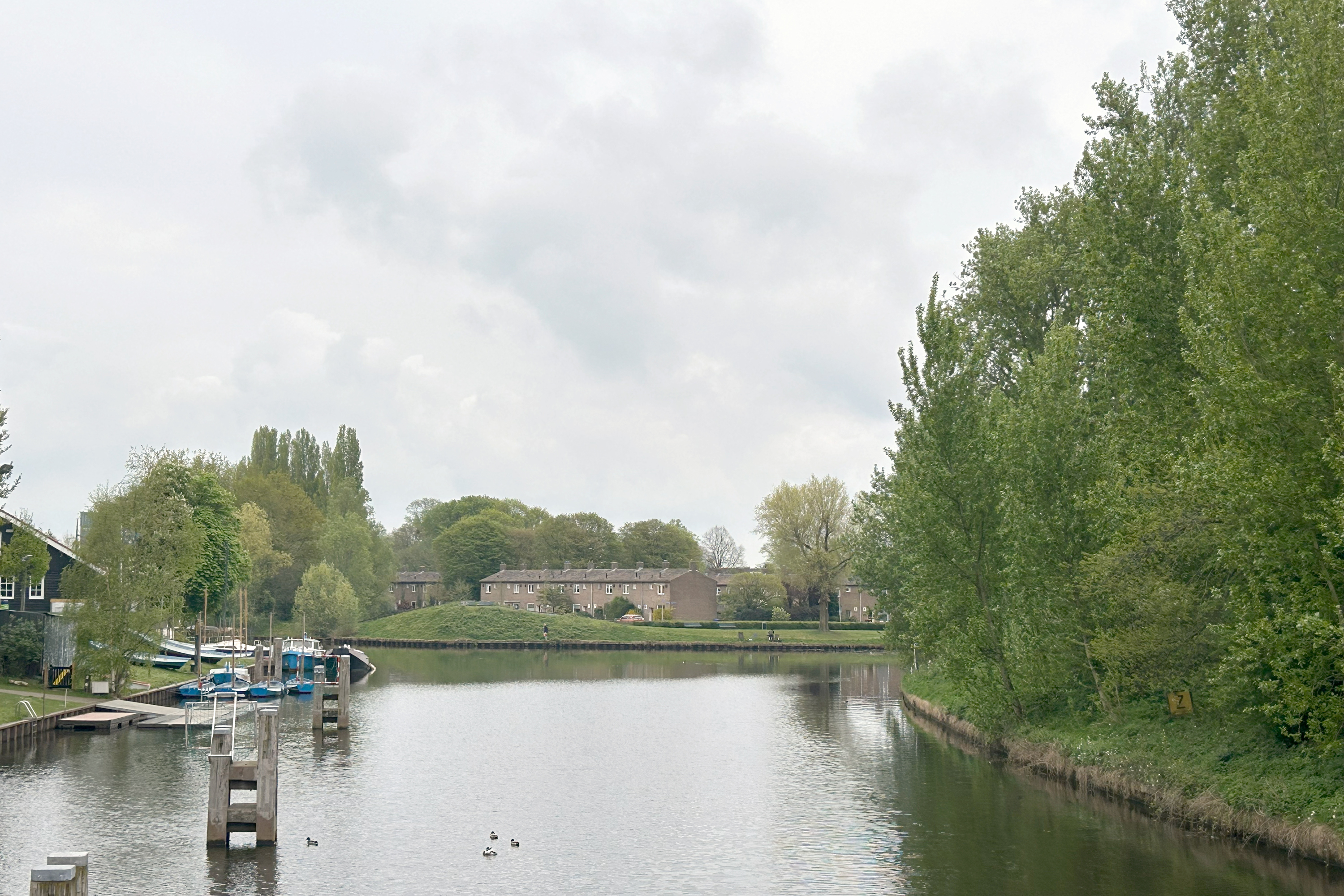
The transformation of Kop van Isselt raised the question of how to densify without erasing history or exhausting resources. The project proposes a hybrid of park and square that connects north and south neighbourhoods, ensures ecological continuity, and reactivates existing buildings, materials, and infrastructures as valuable resources.
PROJECT:
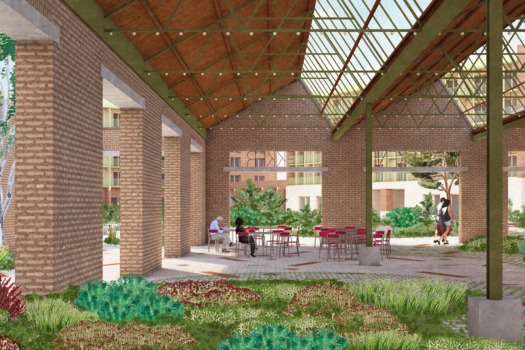
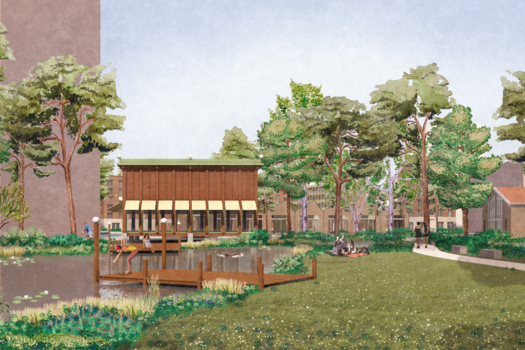
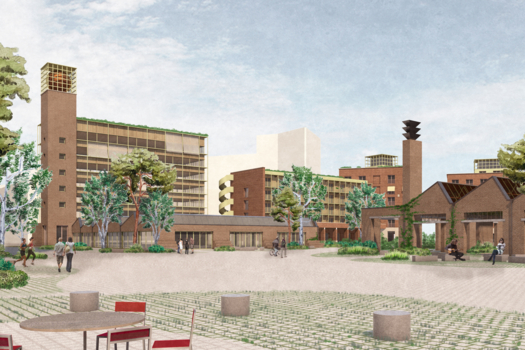
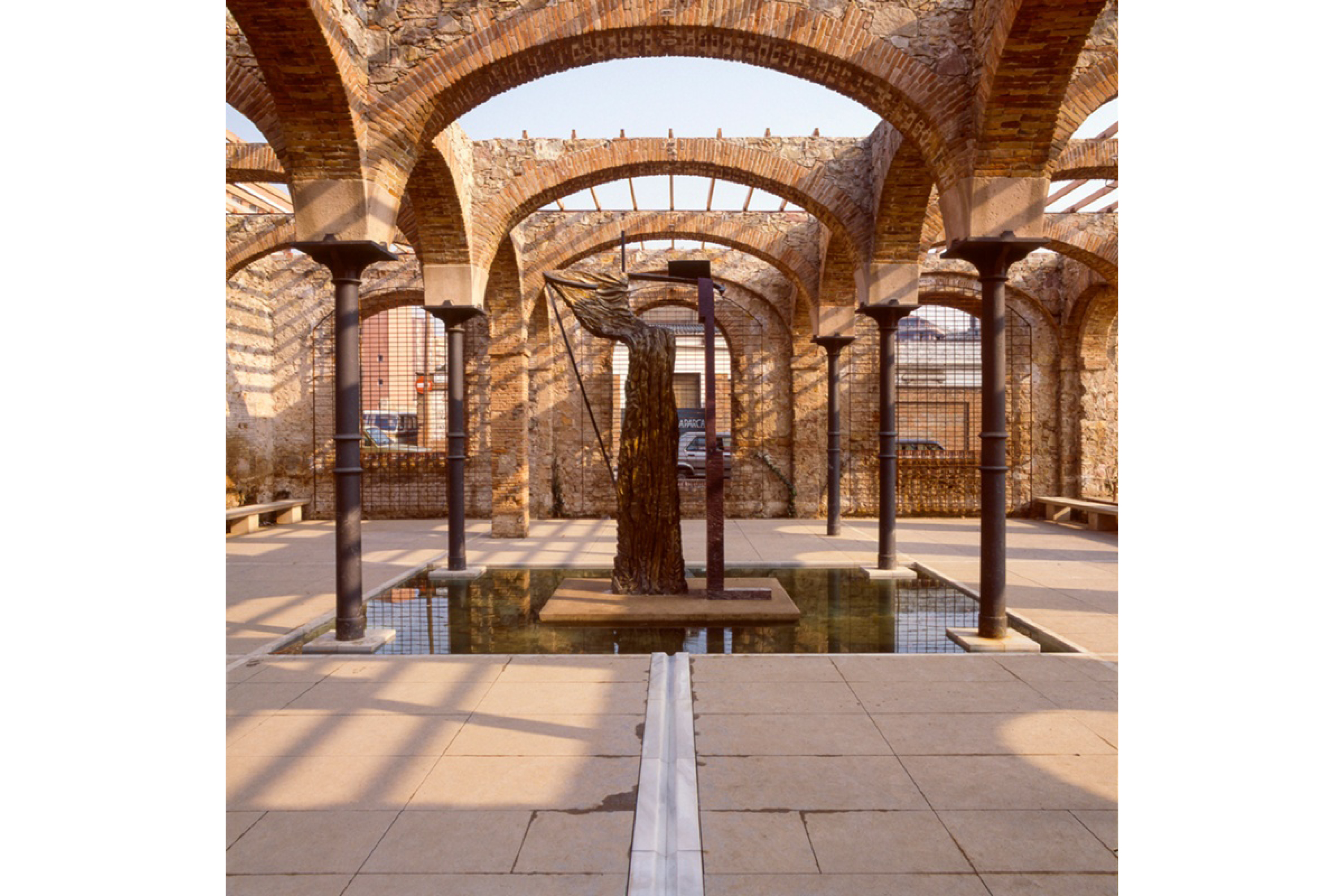
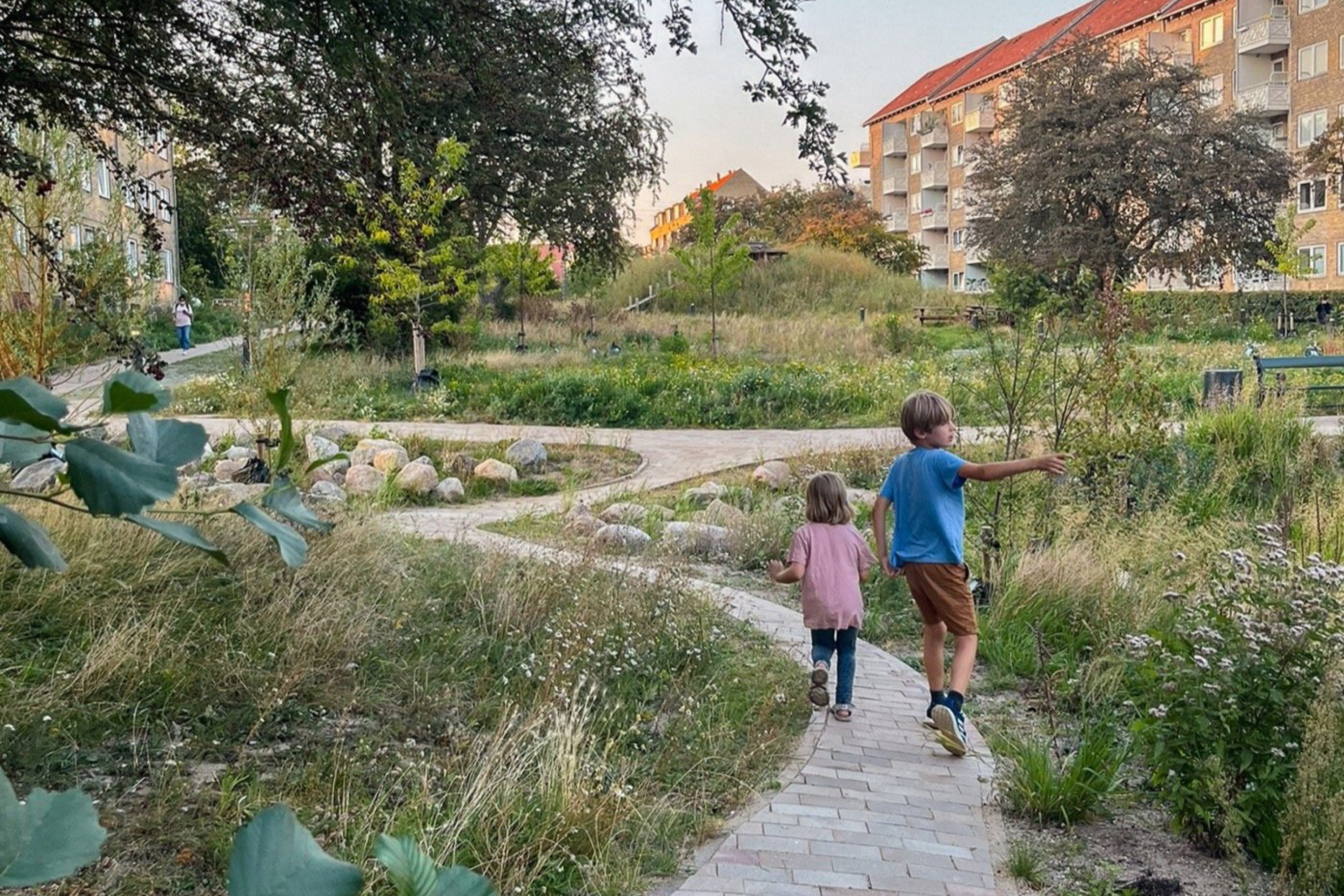
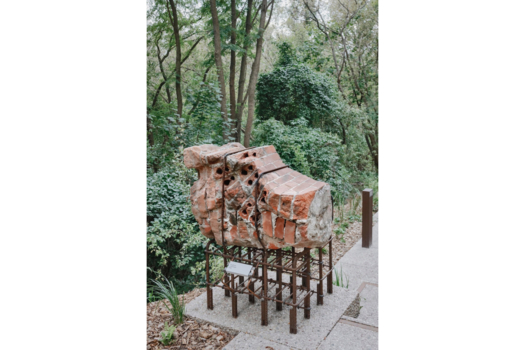
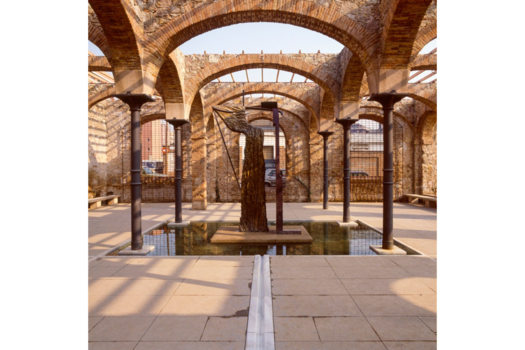
These issues are relevant today and central to architectural practice. The proposal draws inspiration from dense urban ensembles such as the Rabenhof in Vienna and the work of Kay Fisker in Denmark, where strong architectural gestures contrast with green surroundings. For landscape integration, the Grønningen–Bispeparken Climate Park served as a key reference.
SITE:
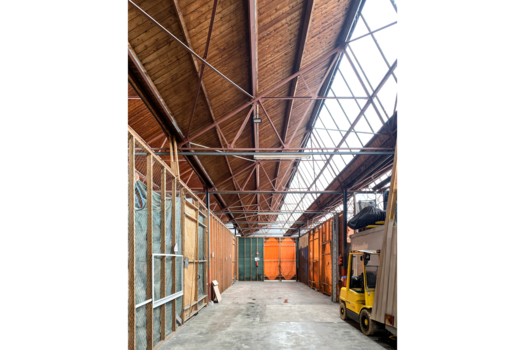
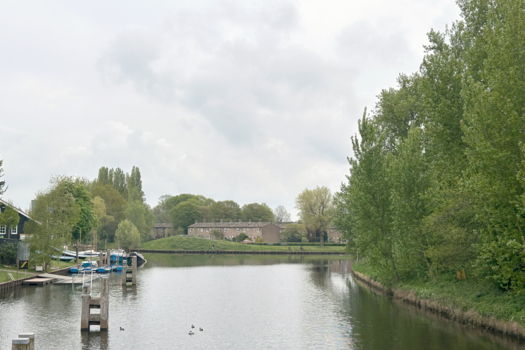
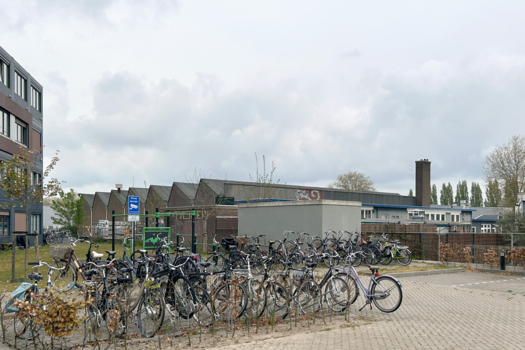
Parkplein aan de Eem follows Amersfoort’s phased development strategy. Phase 1 reactivates existing industrial buildings as cultural and social anchors, supporting the area’s transition. This enables Phase 2 to quickly realize the central Eempark as the district’s backbone. In Phase 3, low-rise perimeter blocks frame the site, using biobased materials and flexible layouts. Ground-level, demountable parking anticipates future reuse as car dependency declines.
REFERENCES:
5. How could this prize help you in your professional career?
This plot allowed us to address multiple themes in an integrated way. We see urbanism, structure, architecture, and landscape as inseparable parts of the built environment, stronger when designed together. With complementary backgrounds and a shared history from university, this project allowed us to build on each other’s strengths. Competitions help generate ideas and engage in meaningful, locally rooted projects.
TEAM IDENTITY
Legal status:
Team name:
Average age of the associates:
Has your team, together or separately, already conceived or implemented some projects and/or won any competition? if so, which ones?
Projects Office Overzee
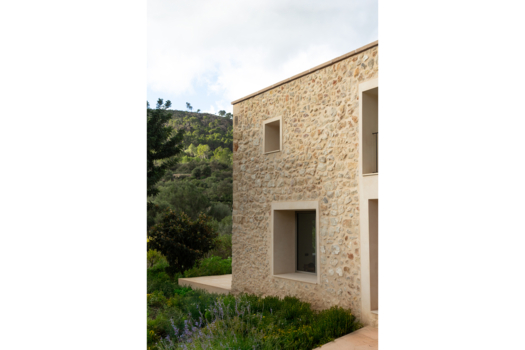
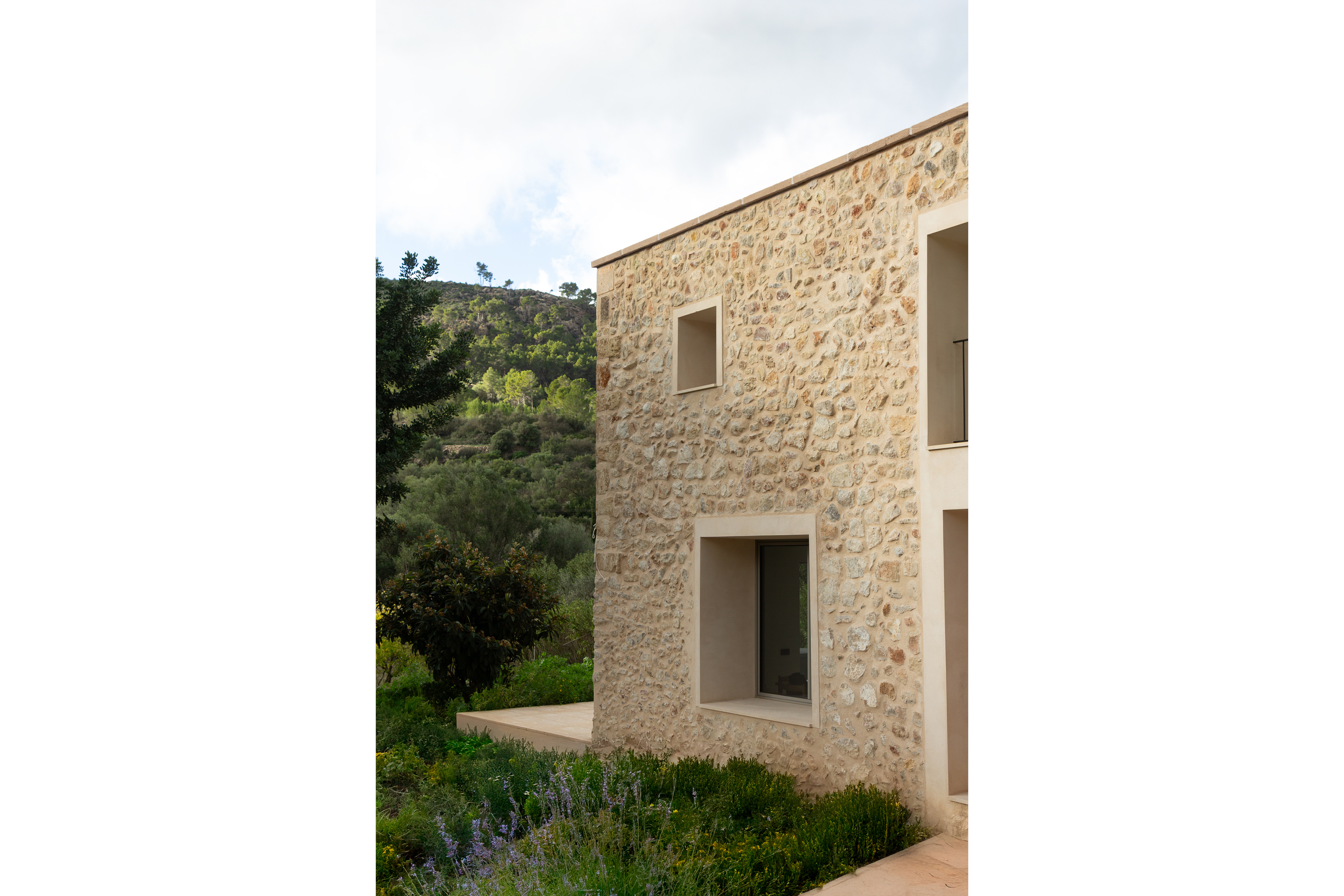
Casa de Marés. Small vacation retreat by the Mediterranean. Balearic Islands, ES. Completed 2022.
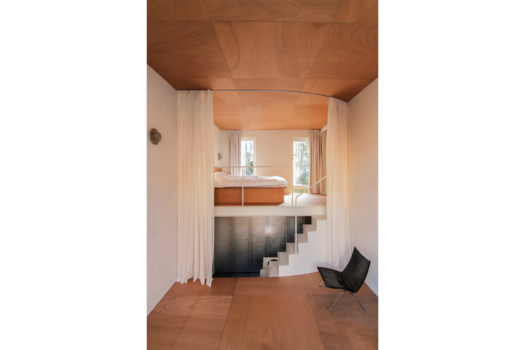
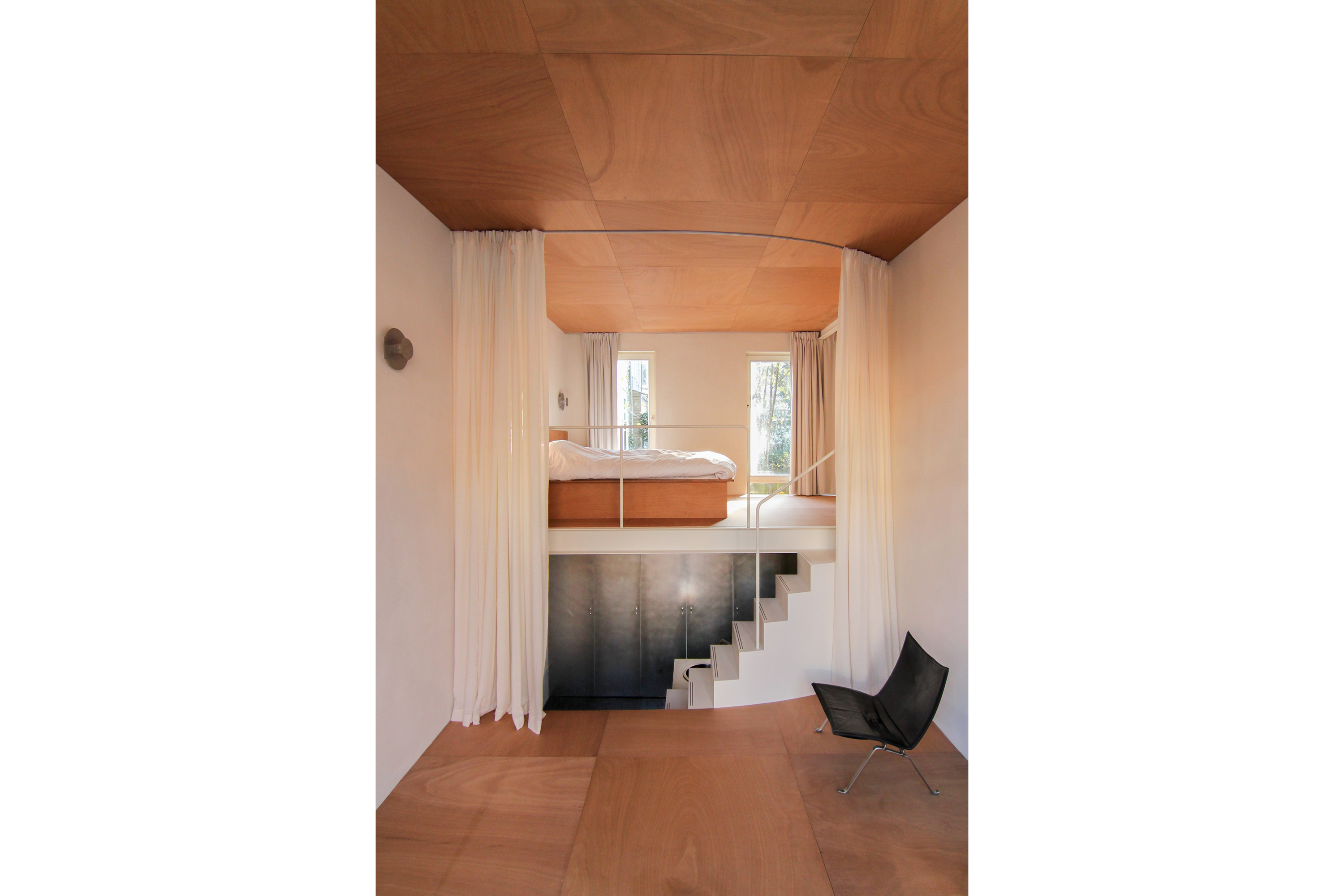
De Karbrug. Conversion of a barn into a house for guests. Huissen, NL. Completed 2022.
Wax Bar Paris. Audiophile listening bar. Paris, FR. Completed 2023.
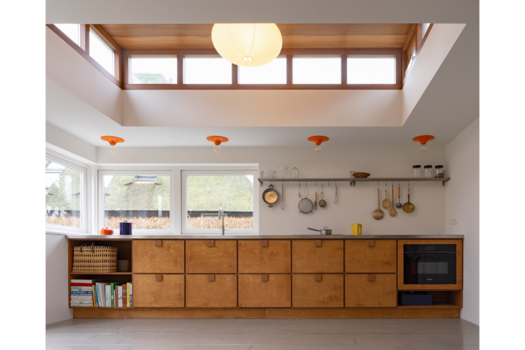
Cop de Xaloc. Restoration of a traditional Mallorcan house. Balearic Islands, ES. Completed 2024.
Atelier Schietbaanlaan. Painter’s atelier and guest house. Rotterdam, NL. Completed 2025.
Herenhuis Anna Paulownastraat. Transformation of a townhouse. The Hague. Completed 2025.
Drymades Village. Landscape and public spaces. Dhërmi, AL. Construction in progress.
Delta Gardens. Cooling gardens by a dry river delta. Palasë, AL. Construction in progress.
Linear Park Spitallë. Green urban public spaces. Durrës, AL. Construction in progress.
Joan Bauzà 64. Thirteen low-tech apartments. Palma de Mallorca, ES. In progress.
Voedselpark Amsterdam. Two buildings for culture and gastronomy. Amsterdam, NL. In progress.
Projects Marta Cendra i Vilardebo Groet. Family home renovation.
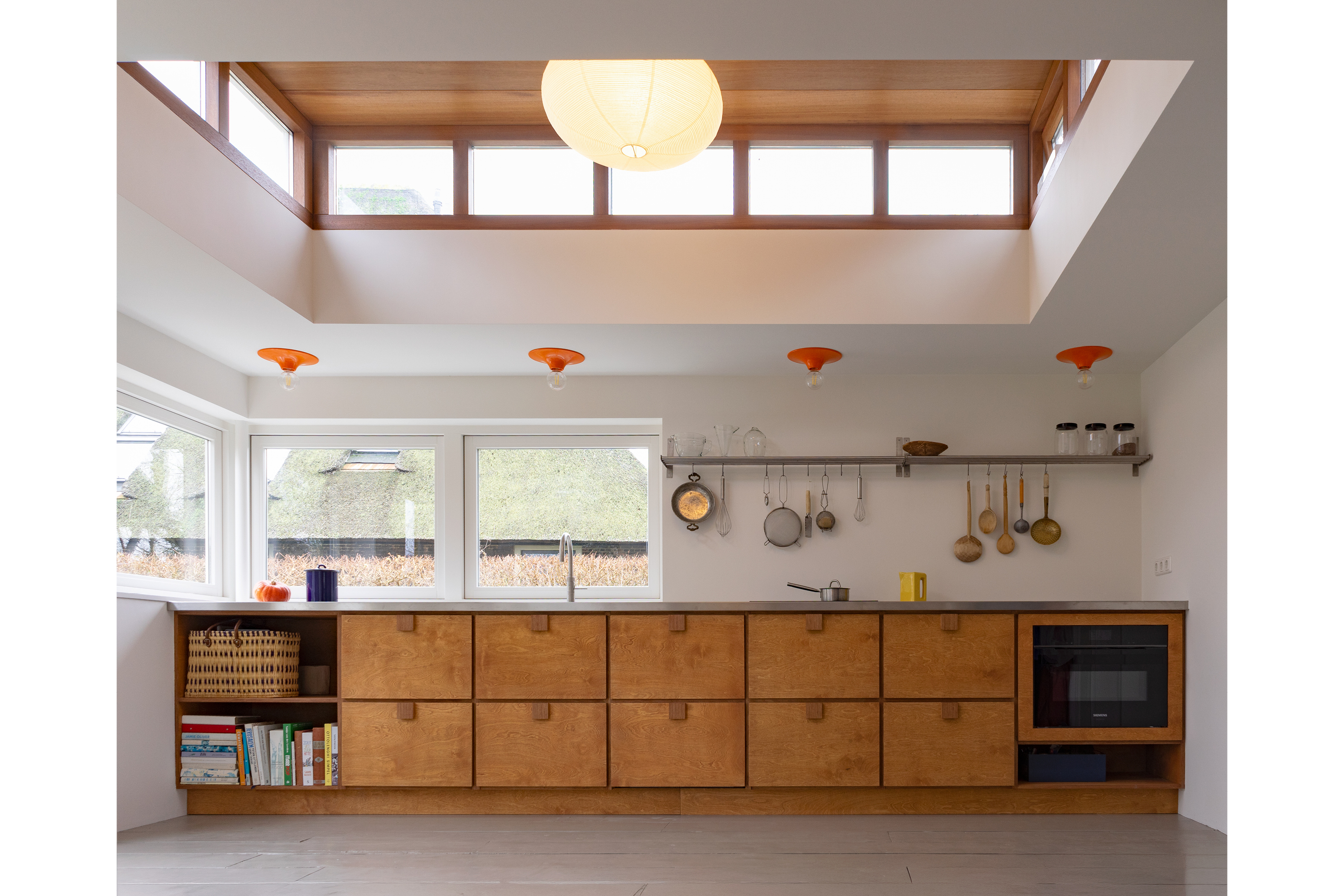
Groet, NL. Completed 2025.
LDC. Apartment renovation. Rotterdam, NL. Completed 2025.
HOV. Renovation of a football club cantine. Rotterdam, NL. In progress.
Can Solet. Family home. Castellcir, ES. In progress.
WORKS: