Radical softness
Miramas (FR) - Mentionné
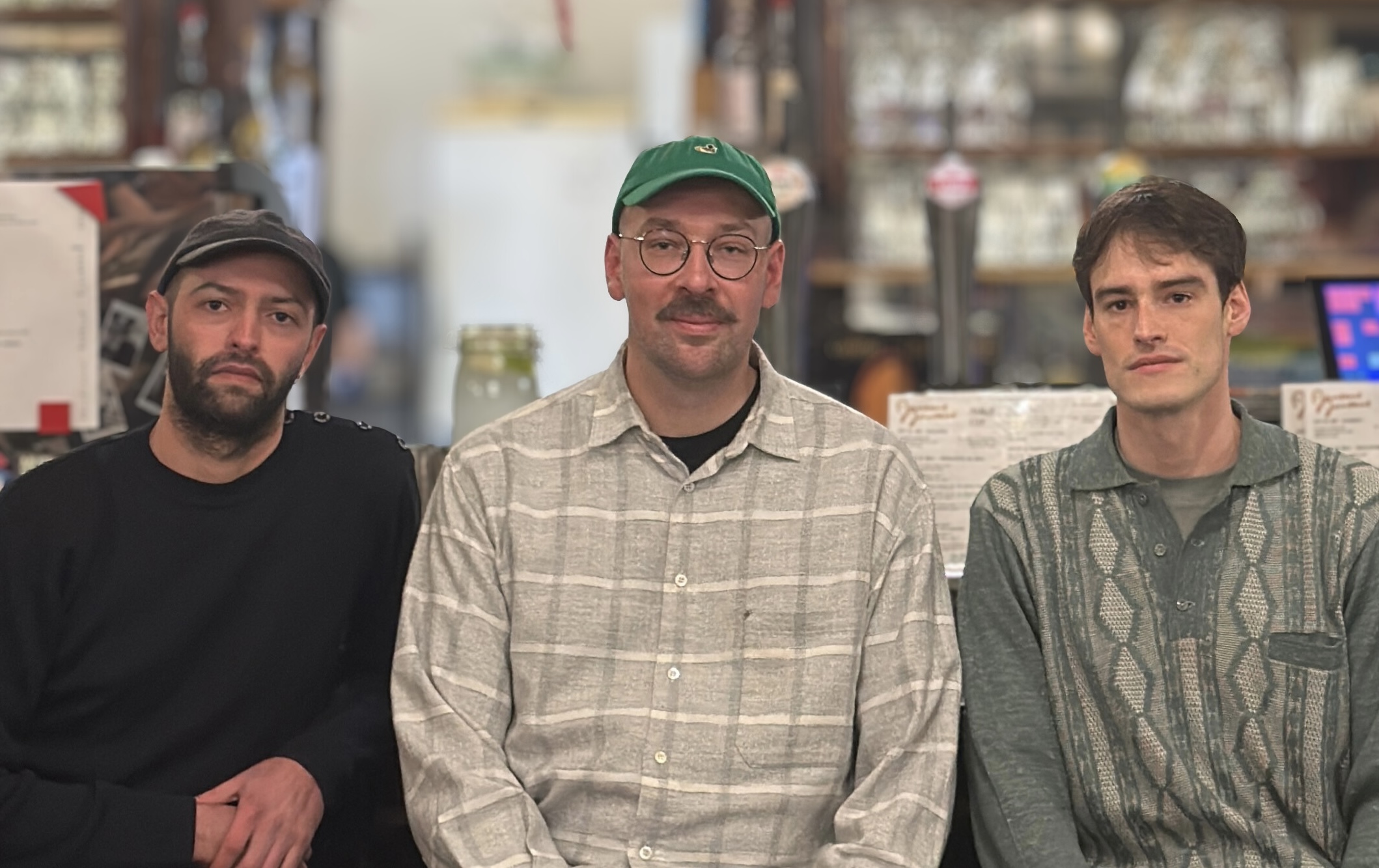
TEAM PORTRAIT
VIDEO (by the team)
INTERVIEW
Click on the images to enlarge
1. How do you define the main issues of your project in relation with the theme “Re-sourcing”? Re-sourcing thanks to nature, to social dynamics, to new materiality? In which way do you think your project can contribute to an ecological and/or social evolution? And in which way do you think your project can be called a “regenerative project”?
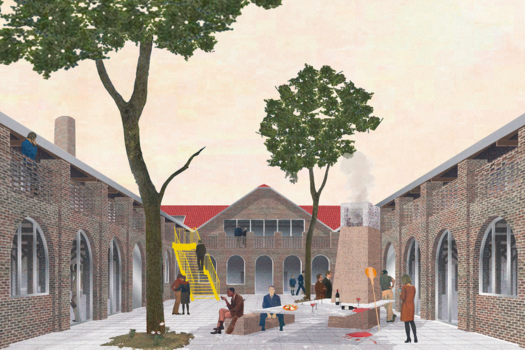
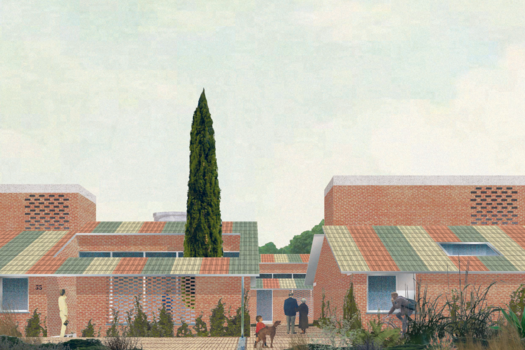
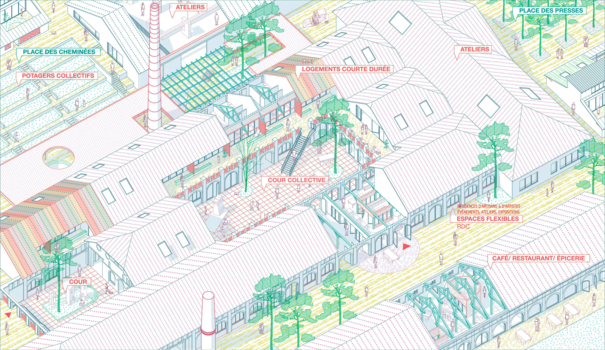
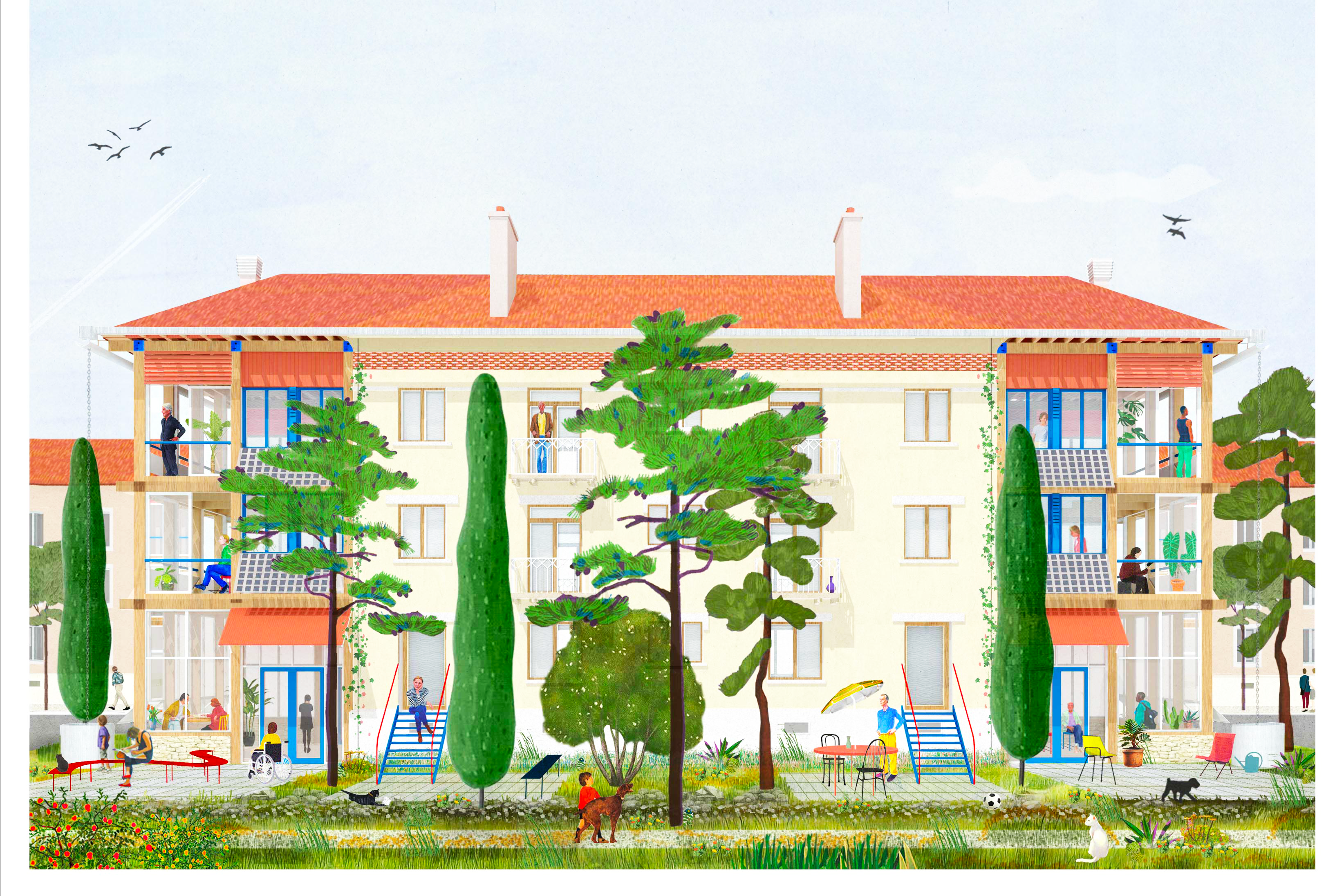
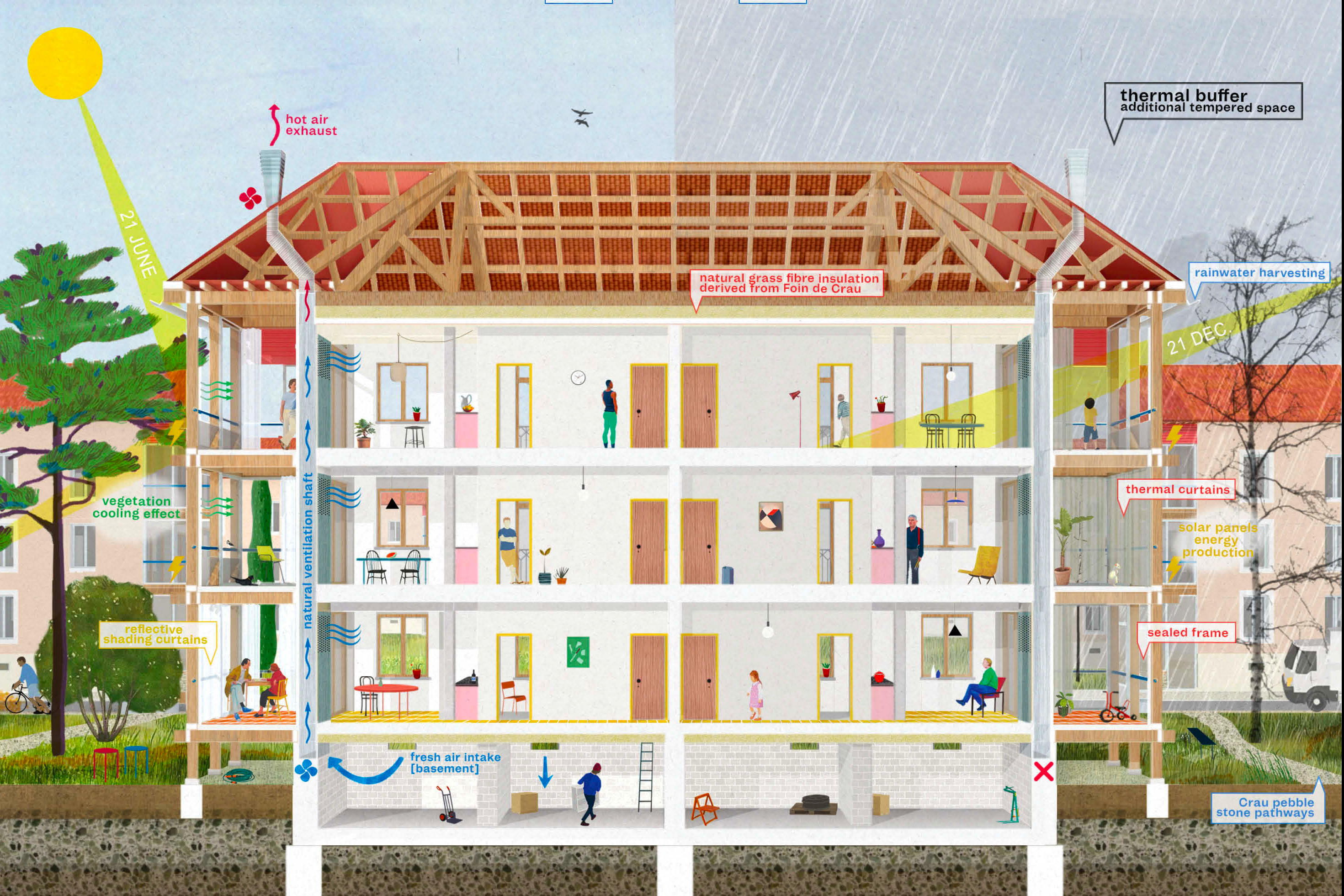
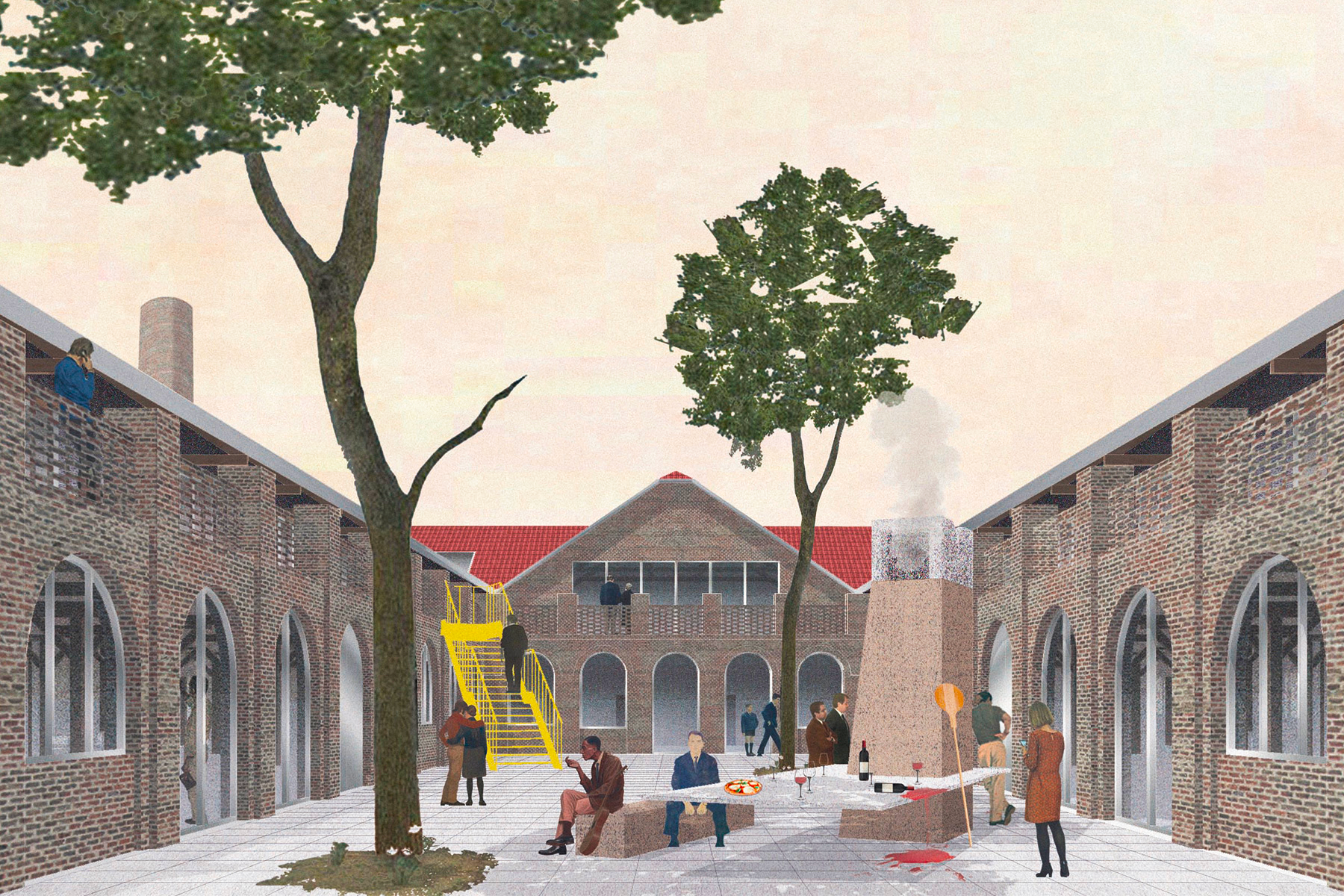
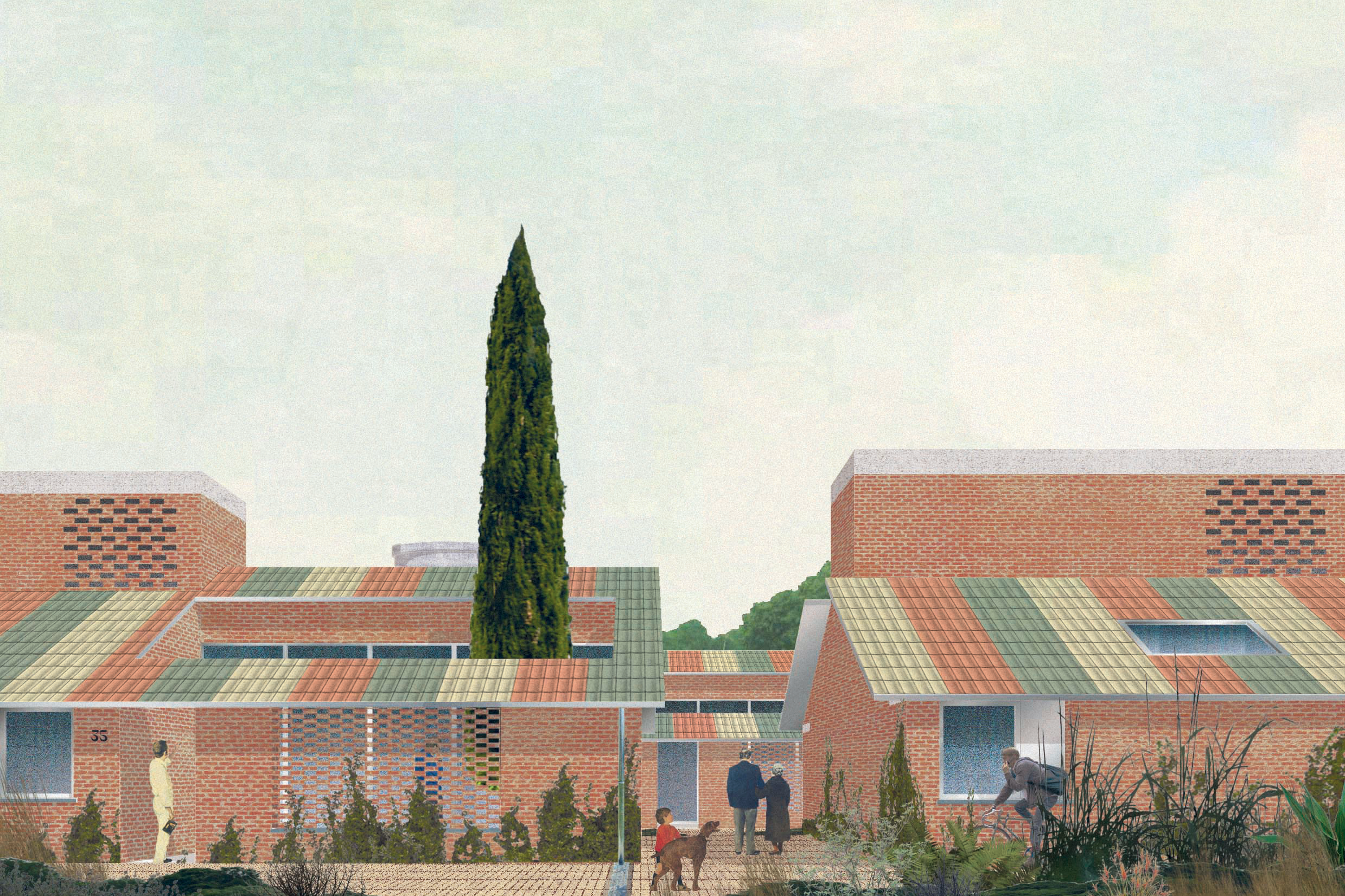
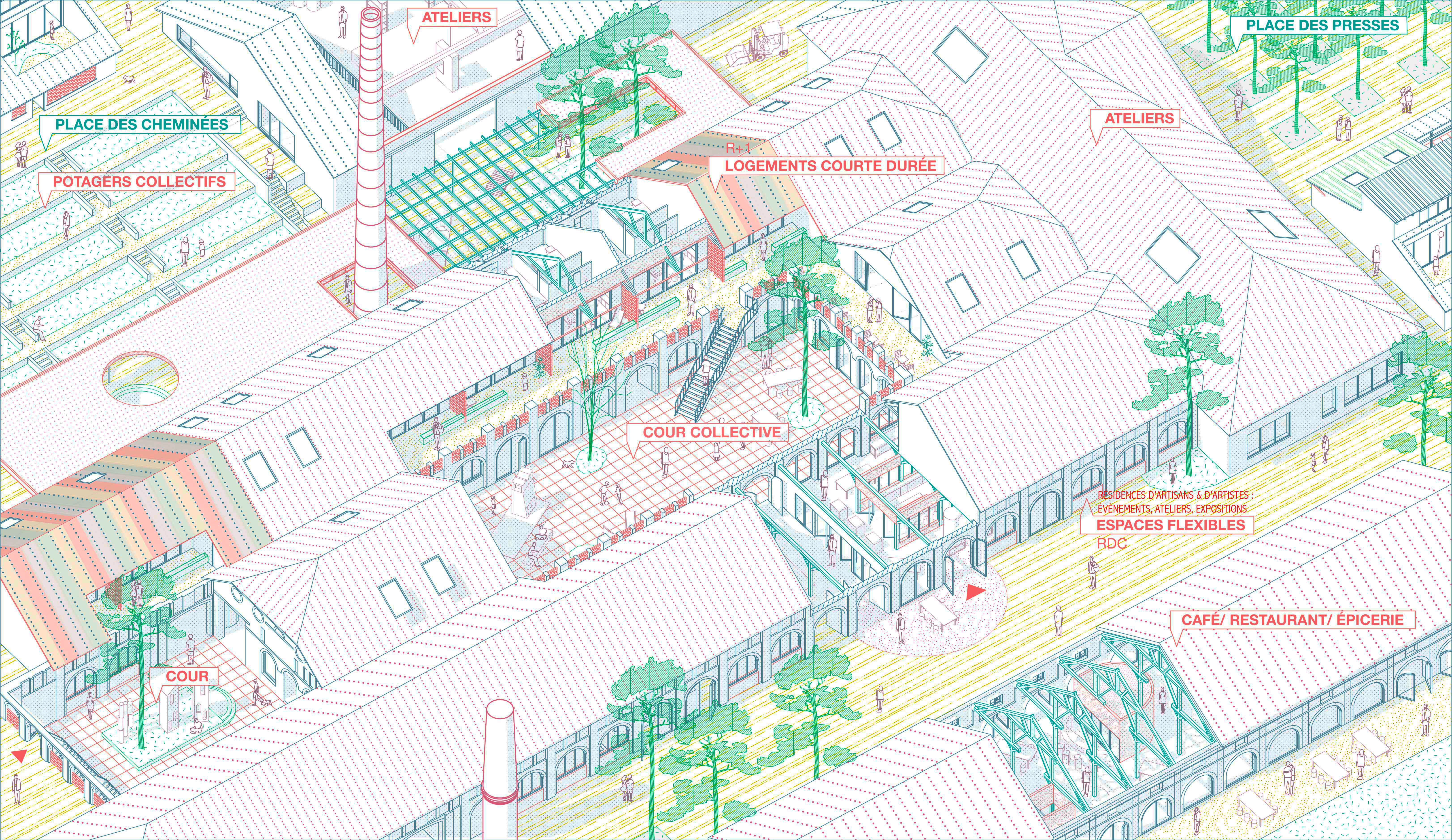
The challenges of the project lie in the ability to re-source housing from what is already there: the climatic environments of the Crau, local resources, existing buildings, and resident solidarities. The project is regenerative because it mobilizes the existing – buildings, soils, water, climate, uses – as the raw material of the project. It densifies without exhausting, improves living conditions, restores cycles, and strengthens interdependencies between humans, non-humans, and the territory.
2. How did the issues of your design and the questions raised by the site mutation meet?
Design challenges emerge directly from the site’s tensions: densify without altering, adapt to the climate without over-technologizing, welcome new residents without breaking existing balances. The project transforms these constraints into levers, making the site’s mutation a gradual, reversible process anchored in ecological and social resources.
PROJECT:
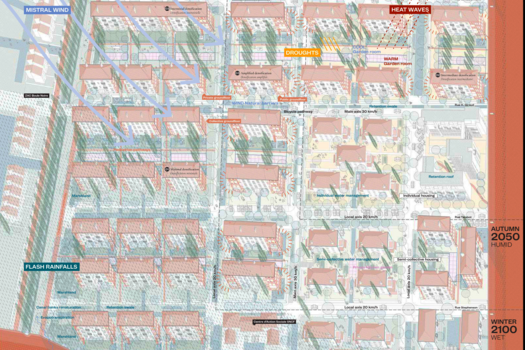
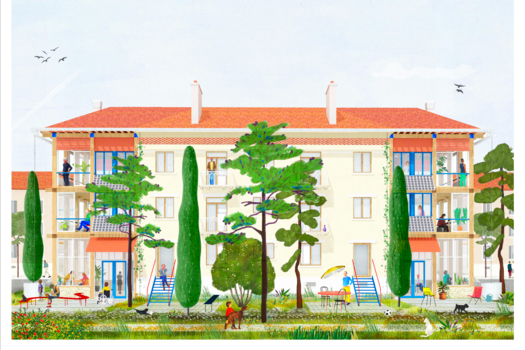
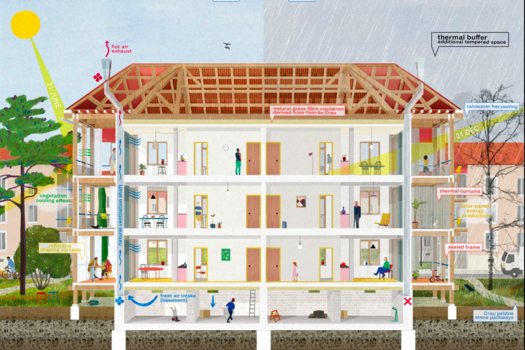
These challenges extend research conducted on several projects related to the transformation of existing housing, measured densification, and low-tech bioclimatic strategies. The project draws inspiration from cooperative housing, intermediate housing, and territorial approaches rooted in local resources and ecological cycles.
SITE:
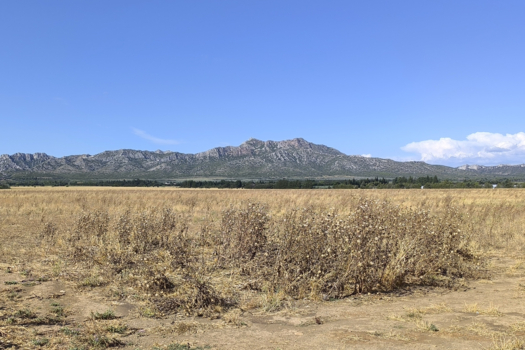
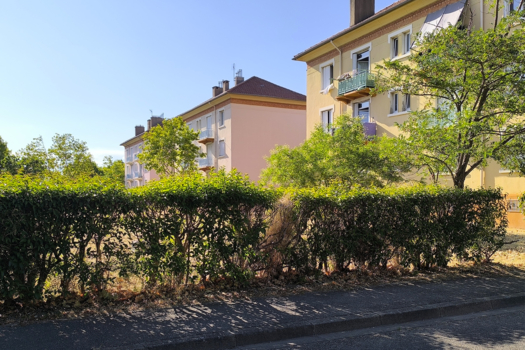
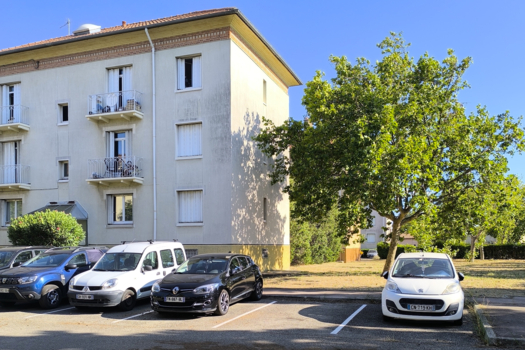
The project is conceived as a shared process: residents, the landlord, local authorities, and local actors, as well as professionals and field experts, are involved from the design phase. Progressive, modular, and phased interventions allow adapting the buildings without displacing residents, integrating their uses and needs to create a lively and evolving neighborhood over time.
5. How did you form the team for the competition and if so what are the skills you associated?
We are three architects, connected since our studies at La Cambre Horta in Brussels. We have collaborated before and wanted to work together again to confront our sensitivities and practices – architecture, landscape, urbanism, urban ecology, and anthropology – and mutually enrich our ideas in a transdisciplinary project, leveraging our interests and experiences from our respective practices and offices.
6. How could this prize help you in your professional career?
Europan offers valuable visibility and the opportunity to test our ideas in a real context. We are enthusiastic about continuing our reflections with the actors of the city of Miramas and consolidating and supporting the project in its future implementation.
TEAM IDENTITY
Legal status:
Team name:
Average age of the associates: 34 years old
Has your team, together or separately, already conceived or implemented some projects and/or won any competition? if so, which ones?
Two members of our team, Gautier Rey and Octavio Pineiro Aramburu, were distinguished at Europan 16 in Auneuil (FR).
WORKS: