THE JACQUARD SITE BETWEEN URBAN AND SOCIAL LINKS
Caen (FR) - Mentionné
TEAM PORTRAIT
VIDEO (by the team)
INTERVIEW
Click on the images to enlarge
1. How do you define the main issues of your project in relation with the theme “Re-sourcing”? Re-sourcing thanks to nature, to social dynamics, to new materiality? In which way do you think your project can contribute to an ecological and/or social evolution? And in which way do you think your project can be called a “regenerative project”?
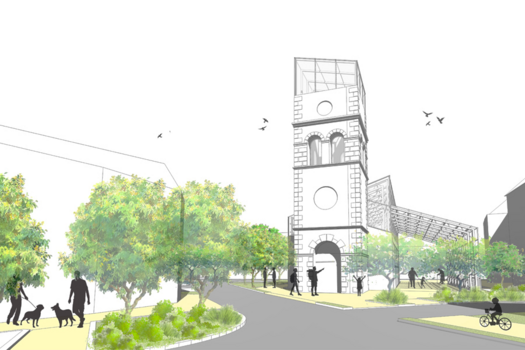
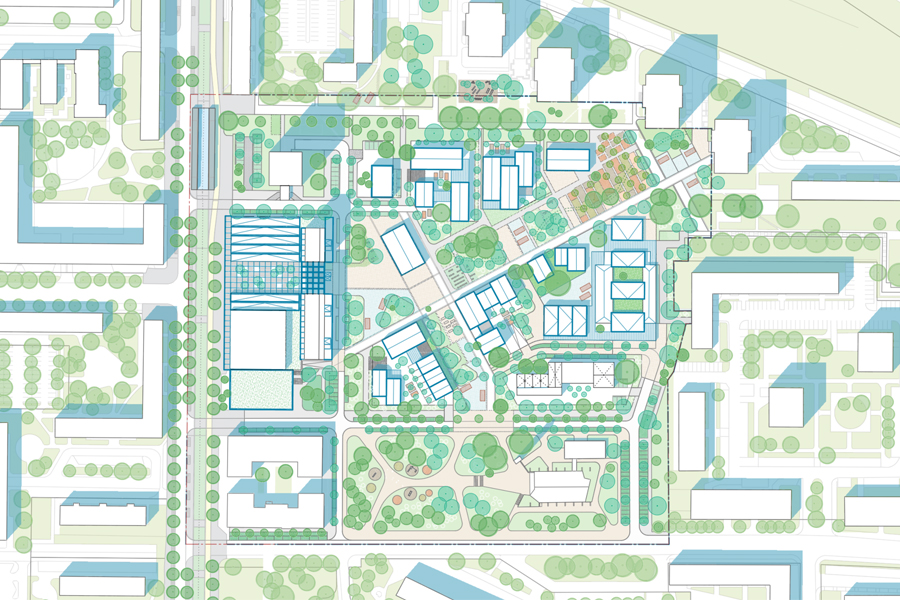
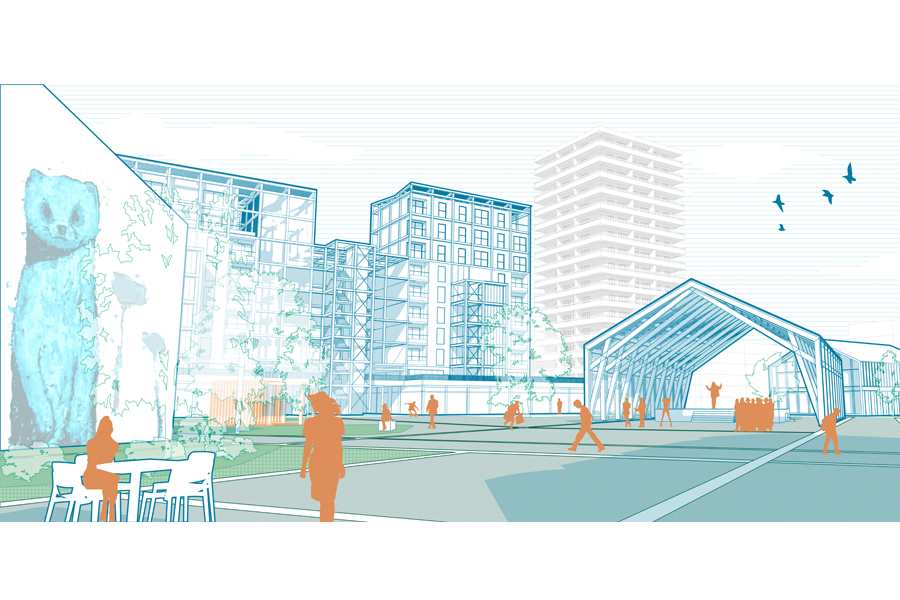
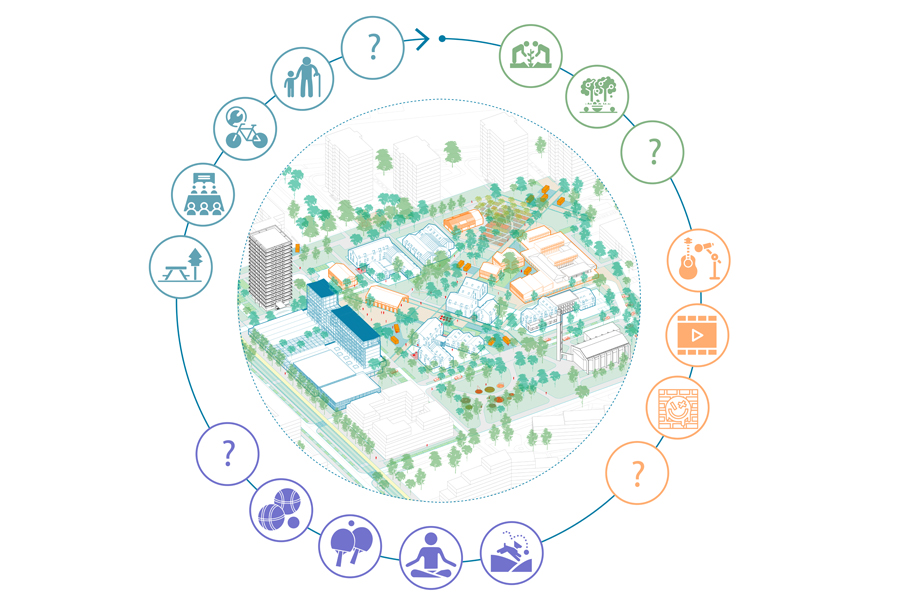
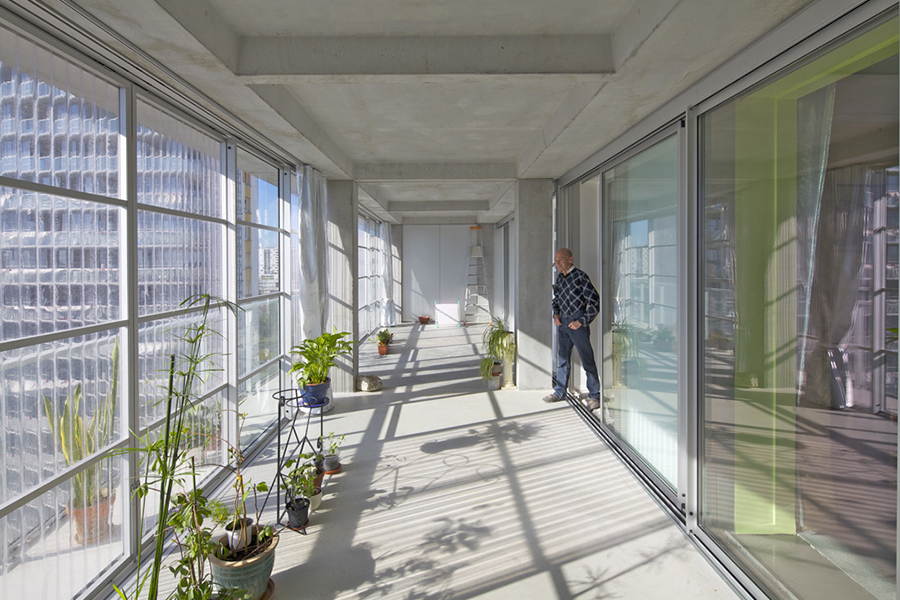
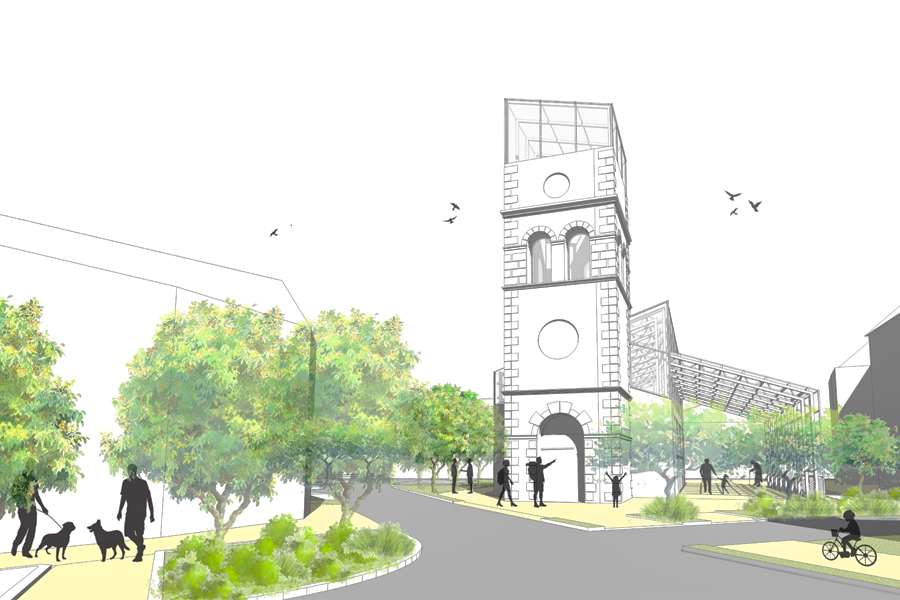
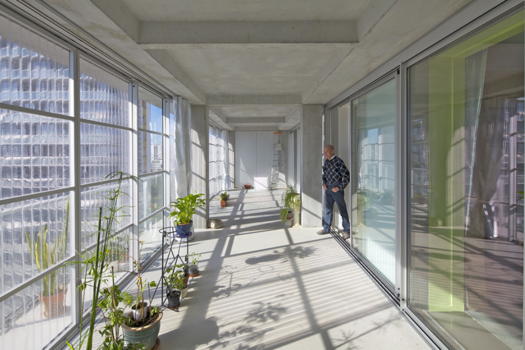
The project seeks to bridge the social, cultural, and spatial divides associated with the vacancy and demolition of the former middle school. It is based on the rehabilitation of the existing building to develop new forms of living, adapted to an aging population. Shared spaces and the boundary between private and public spaces are being redesigned to create direct continuity between housing and public space, thereby strengthening social interactions. The project is part of a participatory approach and a program focused on mutual aid networks, solidarity, and cultural and artistic practices. The public space thus becomes a medium for collective appropriation and a lever for reactivating lost social and cultural dynamics.
2. How did the issues of your design and the questions raised by the site mutation meet?
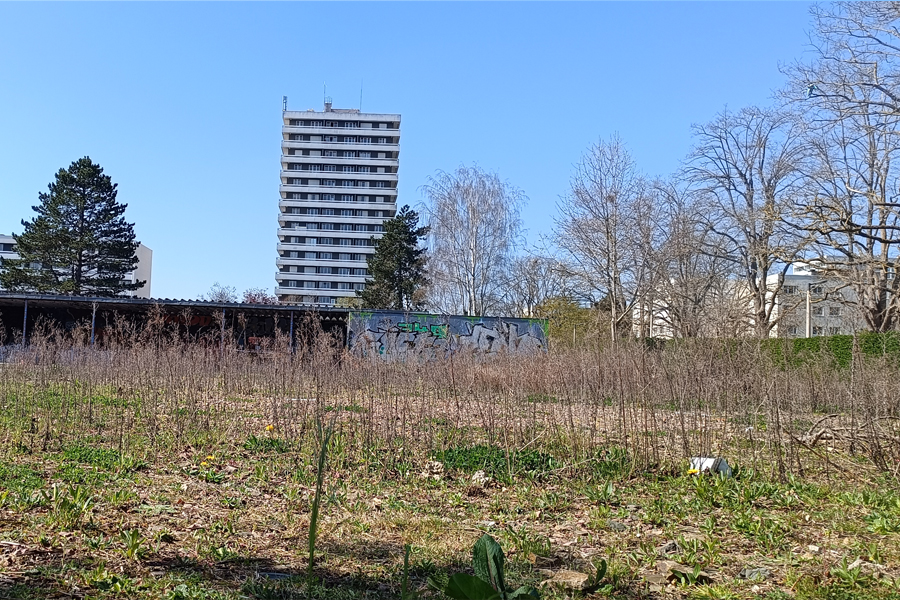
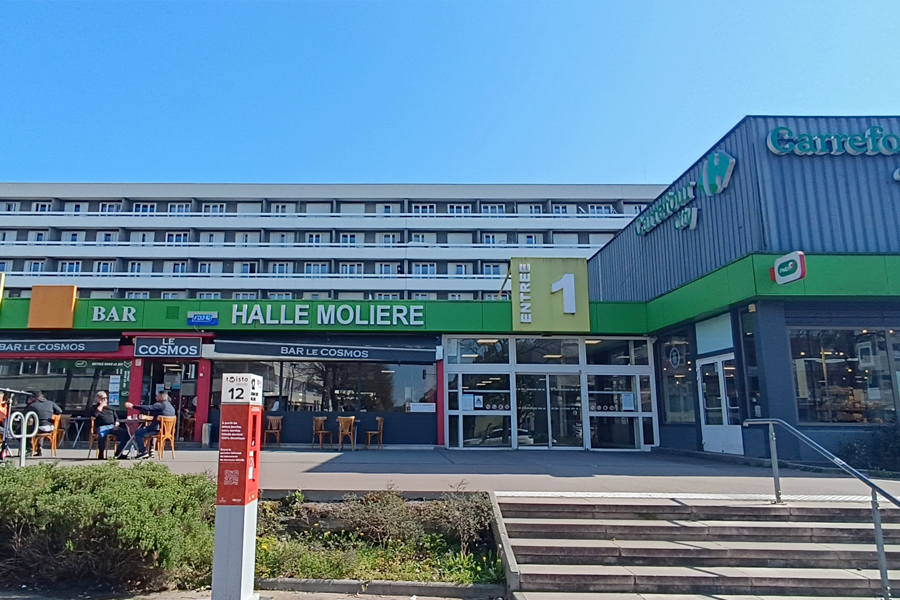
The departure of the middle school and then community life left a noticeable void in interactions with residents. The project's objectives were developed in response to this loss of social and cultural ties that structured the neighborhood's identity. The project aims to recreate a unifying framework that puts the community back at the heart of neighborhood life and encourages the emergence of new dynamics, while remaining consistent with the site's overall urban and landscape design.
PROJECT:
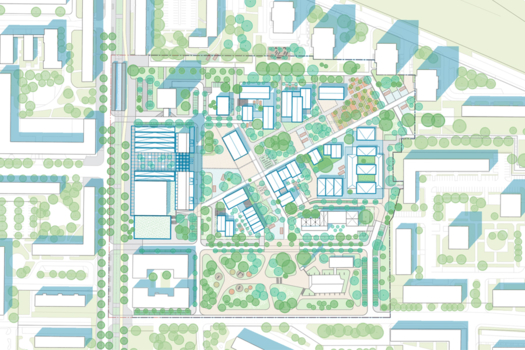
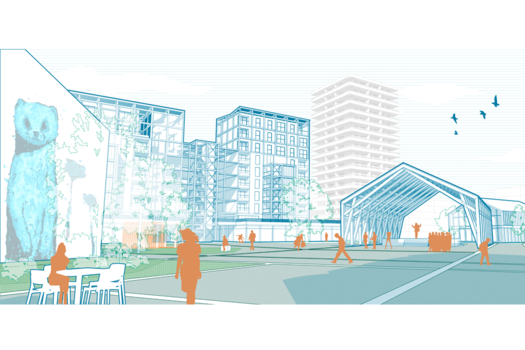
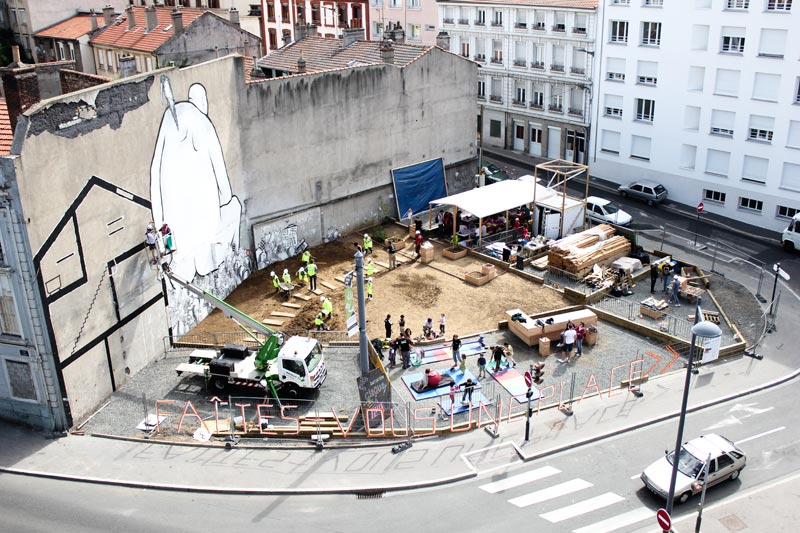
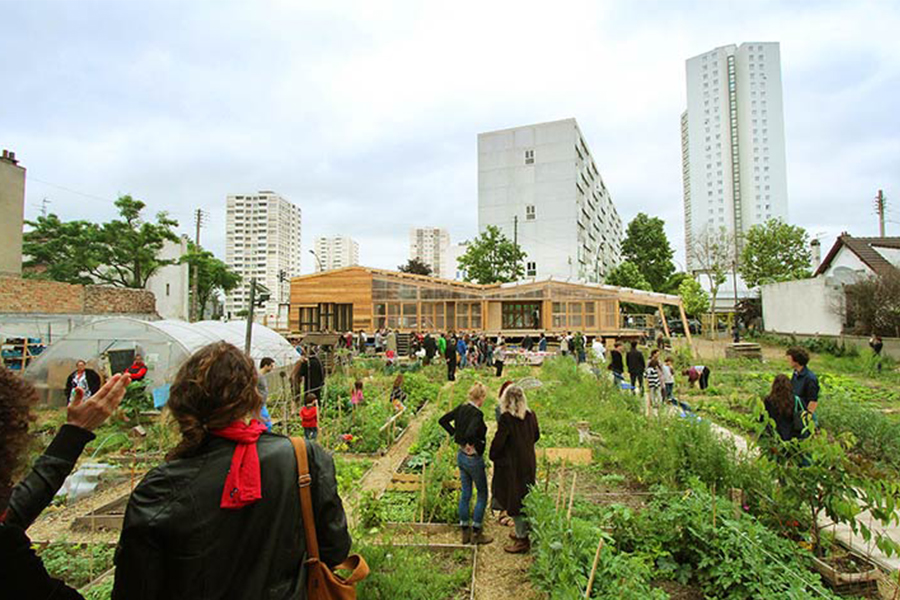
The frugal, contextual and social approach we took to the competition is consistent with our past experiences. Taking the social dimension into account in projects to renovate specialised care homes and medical-social institutions is in line with the idea of inclusive architecture that we wanted to bring to this project. Co-design with users and local residents, combined with virtuous urban and landscape composition, has also been developed through city centre redevelopment projects, where the relationship with the existing environment and uses is central. Finally, the action research projects of the Atelier d'Architecture Autogéré, such as Ecobox and R-Urban, as well as the open construction site initiatives led by the Etc collective, are major sources of inspiration for our proposal.
SITE:
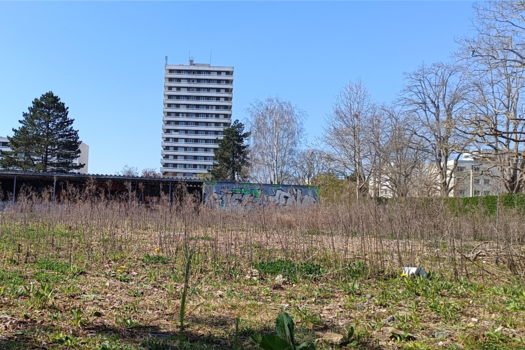
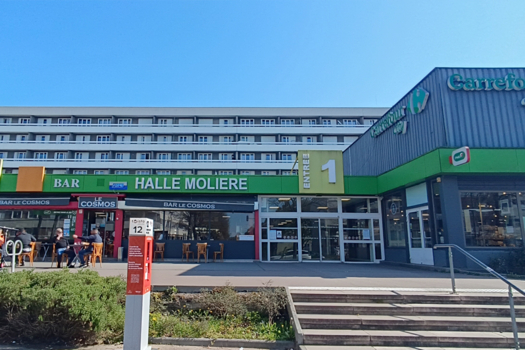
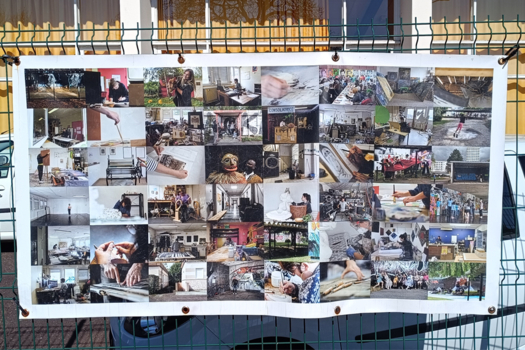
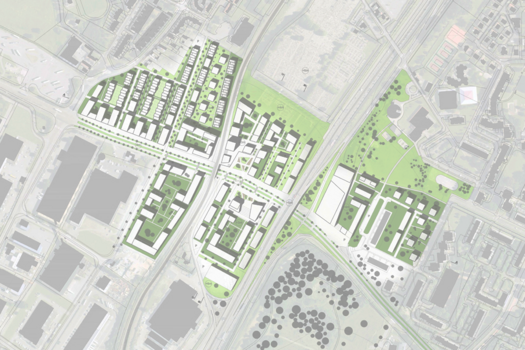
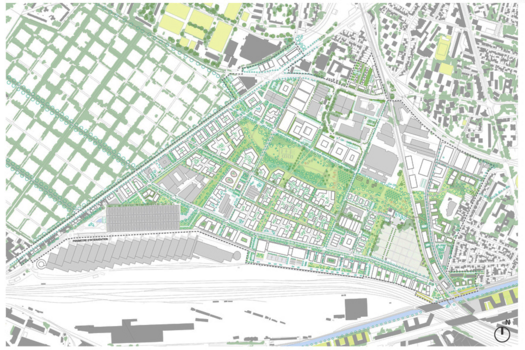
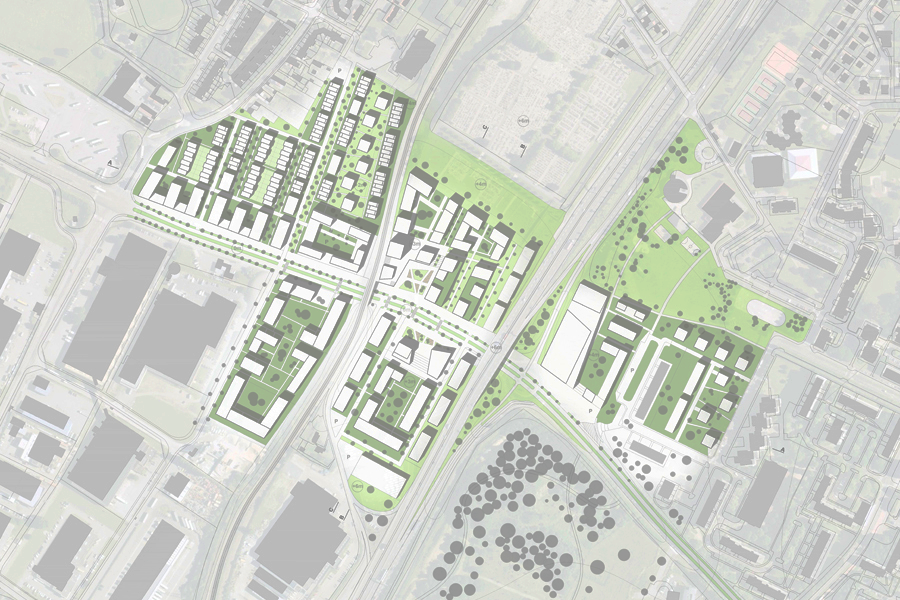
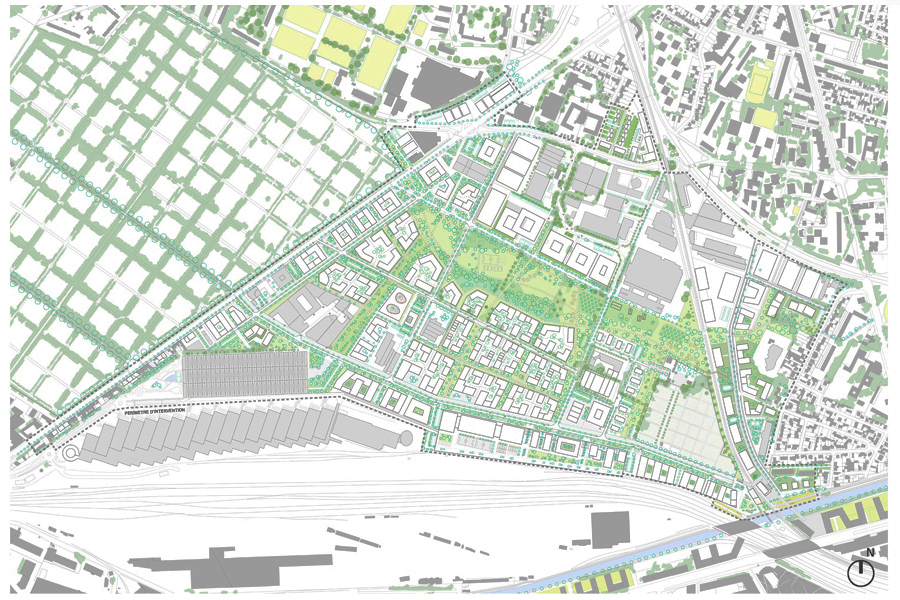
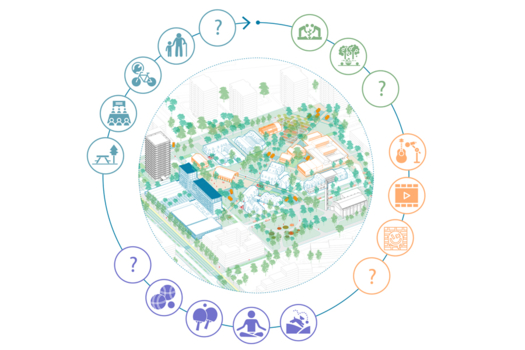
Our project revolves around a major public space that forms the basis of the project and will bring about a gradual transformation of the site in the short, medium and long term. Its implementation can be prioritised in order to support the spatial reorganisation of the site, while remaining part of a transitional approach. These phases of site activation (regeneration of social and cultural dynamics, mutual aid network, market gardening projects, etc.) will enable us to experiment with a participatory approach and adjust uses, making the project an evolving and shared foundation, open to collective enrichment.
REFERENCES:
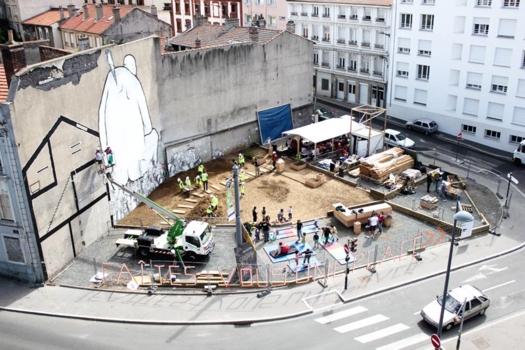
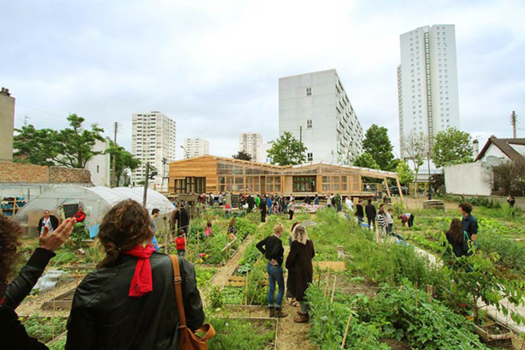
We have known each other since our studies at ENSA Normandie and have been collaborating on various competitions since 2017. This dynamic has continued alongside our careers in agencies, nurturing a shared architectural culture. Our complementary experiences give us a cross-disciplinary view of projects, skills in bioclimatic design at different scales (housing, facilities, tertiary, urban planning), and solid operational experience in urban projects and public spaces. Our commitment to sustainable architecture guides our entire practice.
6. How could this prize help you in your professional career?
This award extends and solidifies the momentum we have built since our studies, allowing us to move beyond the scope of design competitions and project ourselves into an operational context. It provides an opportunity to articulate themes that are important to us, to continue our collaborative approach, and to meet key players in land use planning.
TEAM IDENTITY
Legal status:
Team name:
Average age of the associates: 33-34 years old
Has your team, together or separately, already conceived or implemented some projects and/or won any competition? if so, which ones?
We have already collaborated on several competitions since 2017, including a competition for the redevelopment of a town centre and deconsecrated church in Le Vernet, entitled ‘Comme un air de vacances’ (mentioned by the jury), and we also worked together on our final year project, which addressed the question: what place does activity have in the Grand Paris metropolitan area? From a single-function territory to a mixed-use city.
WORKS: