The Mineral Network. From extraction to regeneration
Nome (NO) - Lauréat
DONNÉES DE L’ÉQUIPE
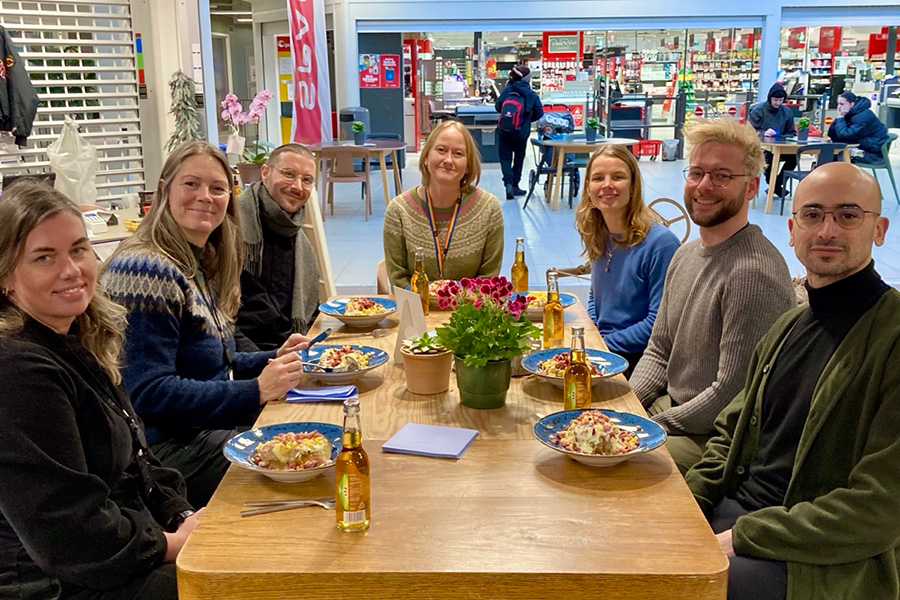
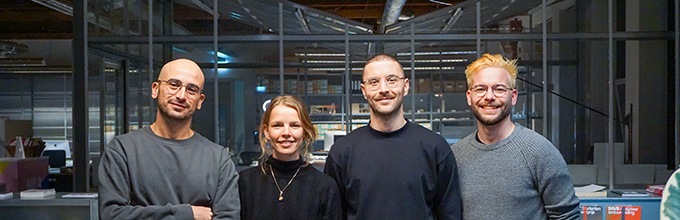
Associés: Giacomo Gallo (IT), Bregje Lidewij Walkate (NL), Maarten Johannes Filius (NL), Karlijn Simone Besse (NL) – architectes, Robert Thomas Younger (DE) – urbaniste, Remco Alexander van der Togt (NL) – architecte paysagiste, Tadej Gregorič (SI) – étudiant en urbanisme
giacomo@newenvironments.eu
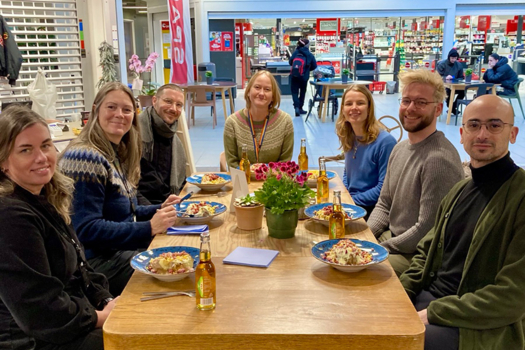
TEAM PORTRAIT
INTERVIEW
Click on the images to enlarge
1. How do you define the main issues of your project in relation with the theme “Re-sourcing”? Re-sourcing thanks to nature, to social dynamics, to new materiality? In which way do you think your project can contribute to an ecological and/or social evolution? And in which way do you think your project can be called a “regenerative project”?
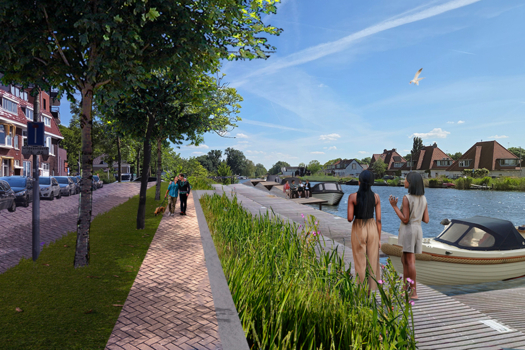
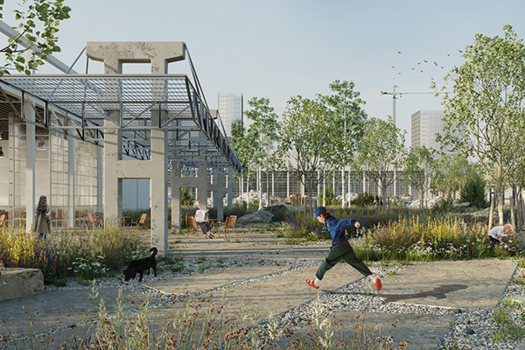
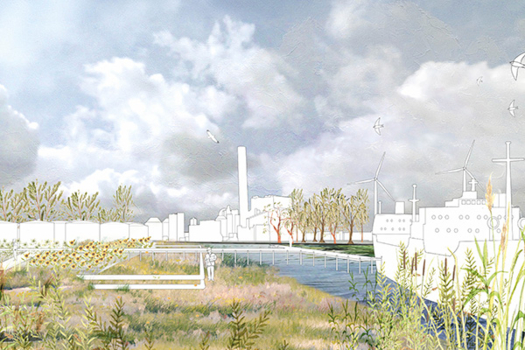
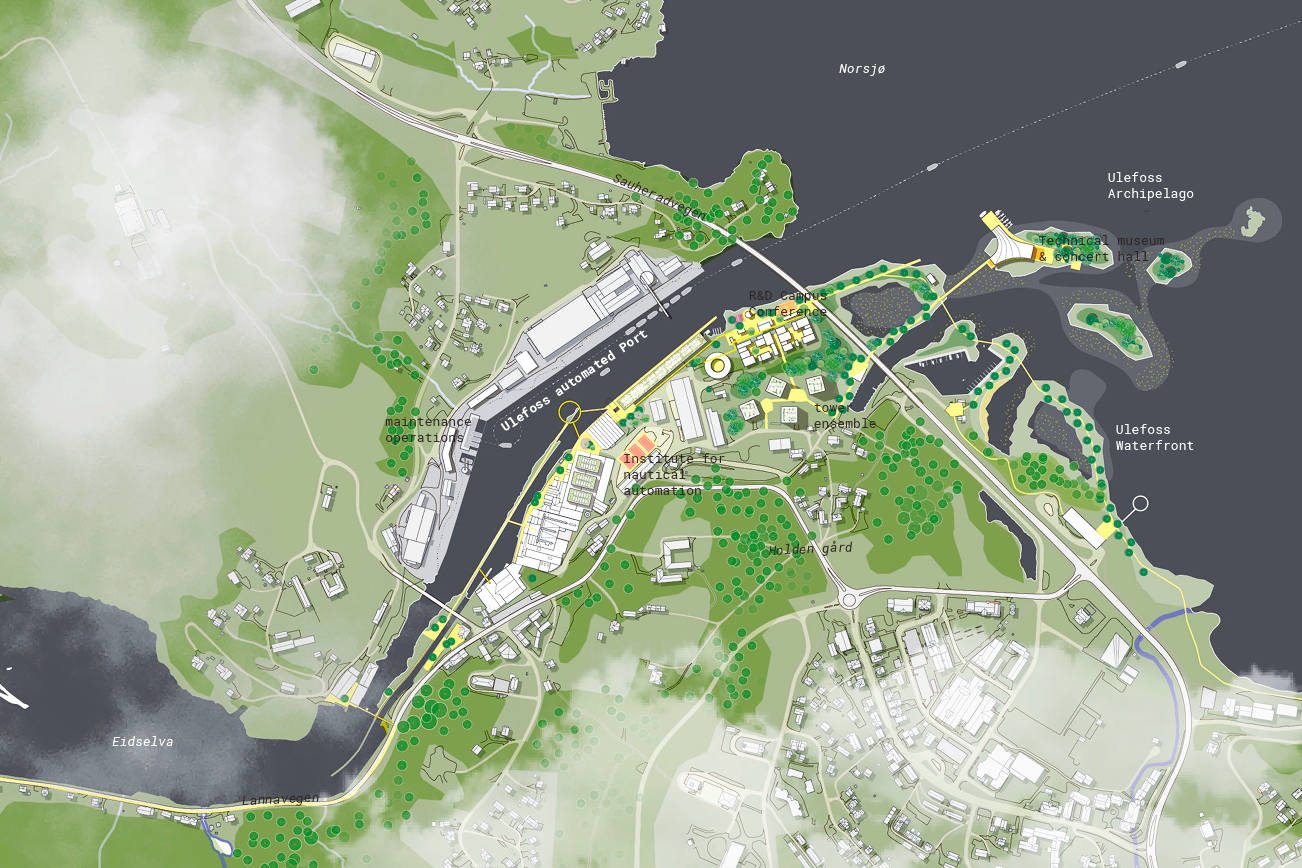
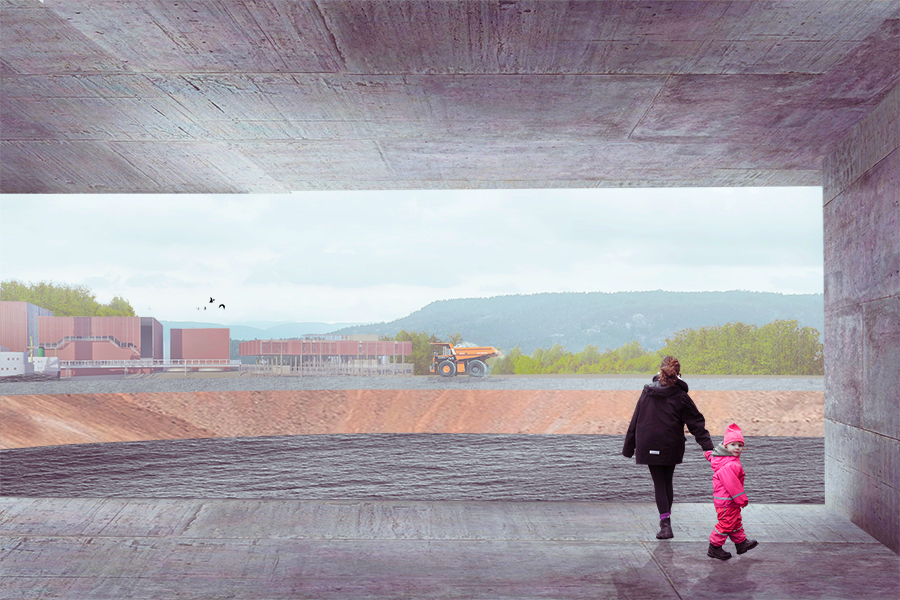
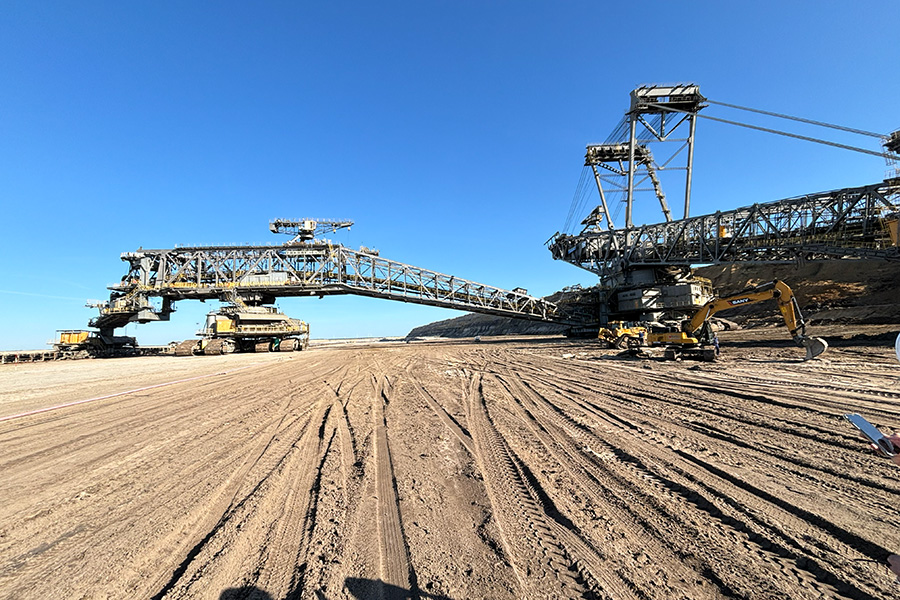
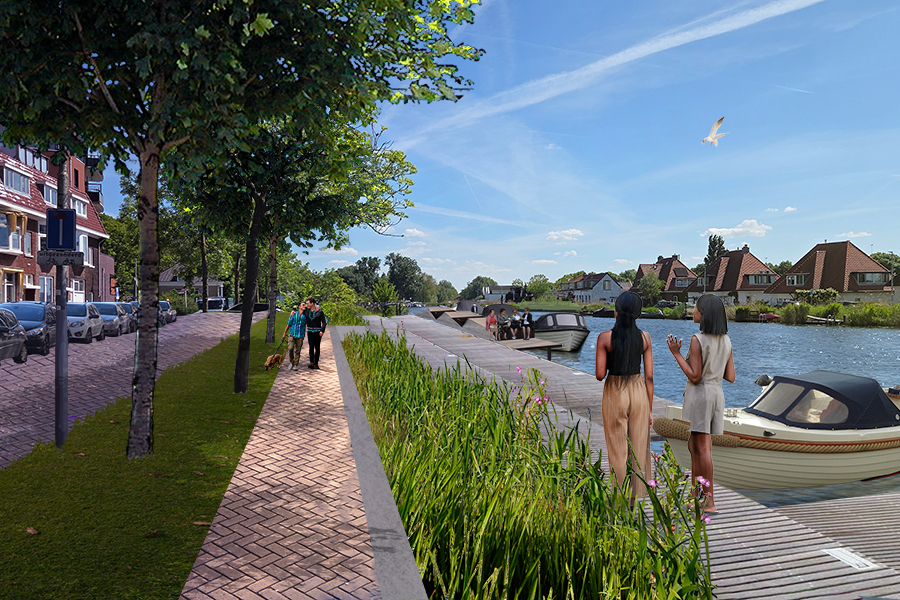
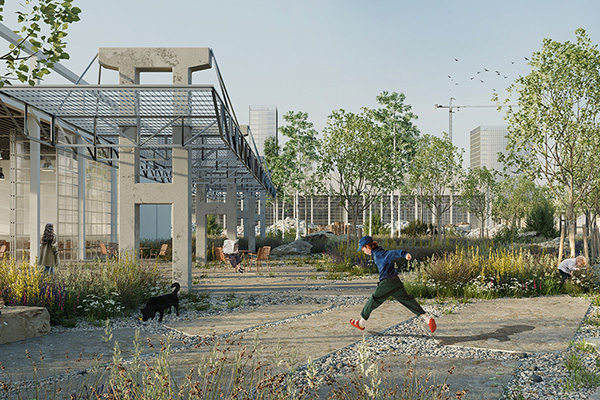
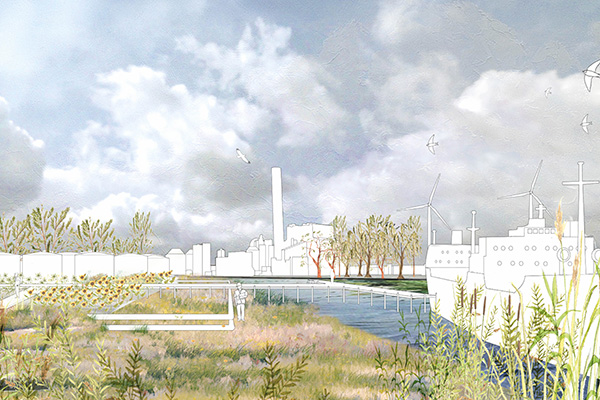
Our western lifestyle is powered by extraction, influencing every aspect of our lives. It's time to make these processes transparent and architecturally central to society. Our project regenerates tangible elements (wetlands, habitats, amenities) and intangible values (identity, community) by retaining the value the mine creates within the region through reinvestment in education and economy.
2. How did the issues of your design and the questions raised by the site mutation meet?
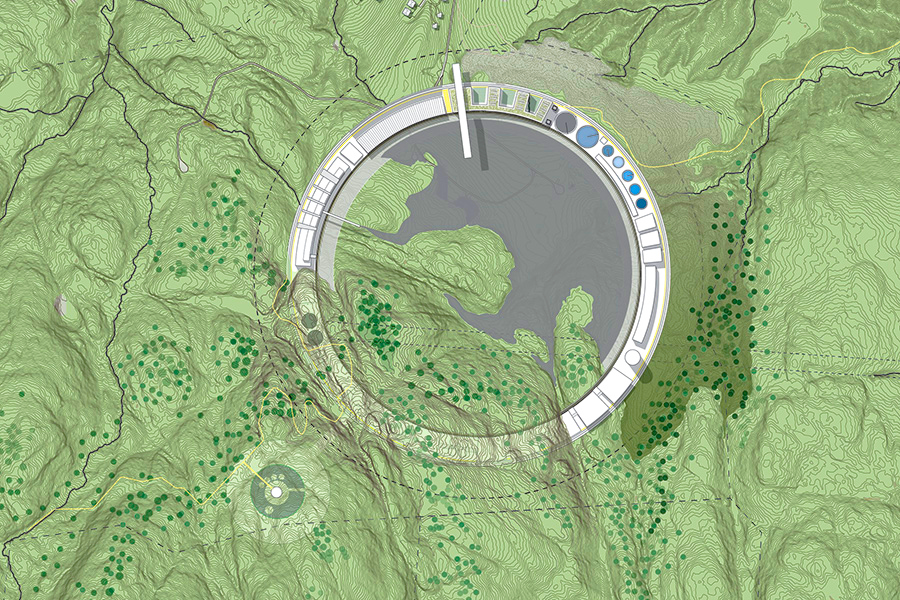
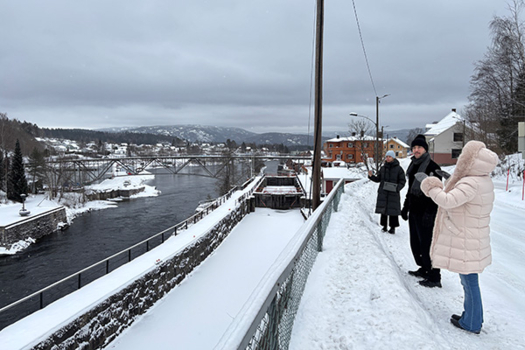
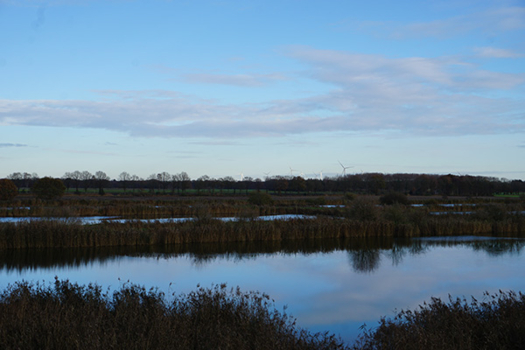
The REE Deposit was found in a pristine ecosystem with a remaining industry in forestry and former iron extraction. All the ingredients were therefore present on site. To make the extraction process least invasive it needed to contribute to the ecosystem and continue the mining tradition in an experienceable way.
PROJECT:
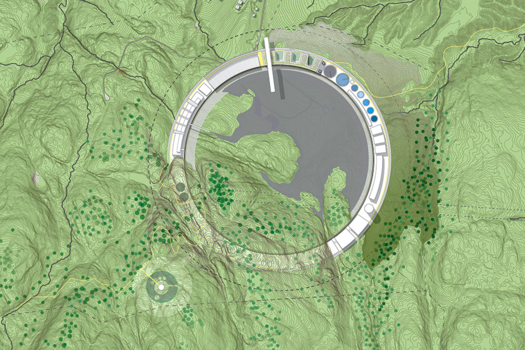
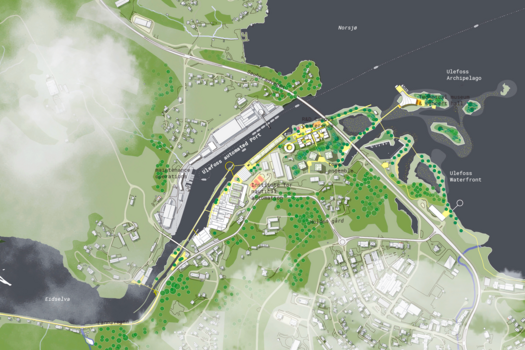
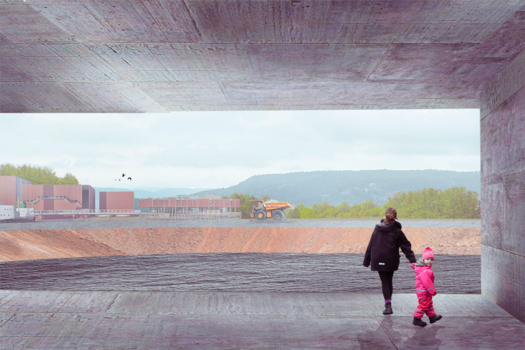
Yes, Our team was working in extraction sites in NL and the brown coal mines in DE. There was hardly any references as remediation is commonly done after an extraction rather than synchronized in parallel. The references in spirit nevertheless are the systemic thinking of HNS that let nature do the work in its time.
SITE:
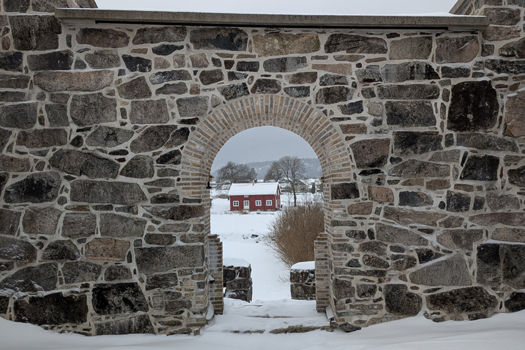
A Public-Private Partnership (PPP) is vital. Mining companies must engage with the public, and regenerative practices need implementing before extraction to be integral to operations. We are collaborating with local government to support negotiations and highlight synergies for the private sector. Since extraction profoundly impacts society and the environment, a broad stakeholder representation is essential.
REFERENCES:
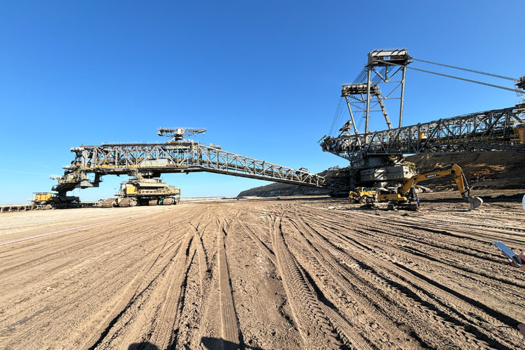
Since ecological regeneration was at the core of our concept we needed someone to integrate the seemingly paradoxical. We added an industrial ecologist & architect to our more traditional planning disciplines.Together this led us to think in systems and streams rather than an assemblage of buildings. Additionally we decided to expand the scope and scale to the region to make systemic dynamics evident.
6. How could this prize help you in your professional career?
Absolutely. Extraction will be a huge topic within the energy transition to renewables. A regenerative approach will be of the essence to prevent a further deterioration of climate and ecosystems. This project puts us into the position to establish a case study and design a prototypical workflow around regenerative mining operations with decisionmakers, specialist and the local community.
TEAM IDENTITY
Legal status:
Team name:
Average age of the associates: 36,25 years old
Has your team, together or separately, already conceived or implemented some projects and/or won any competition? if so, which ones?
No.
WORKS: