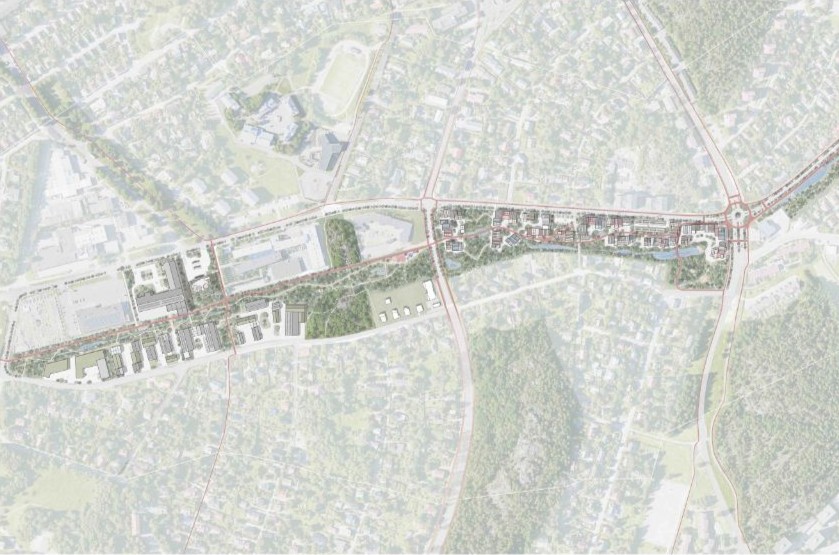
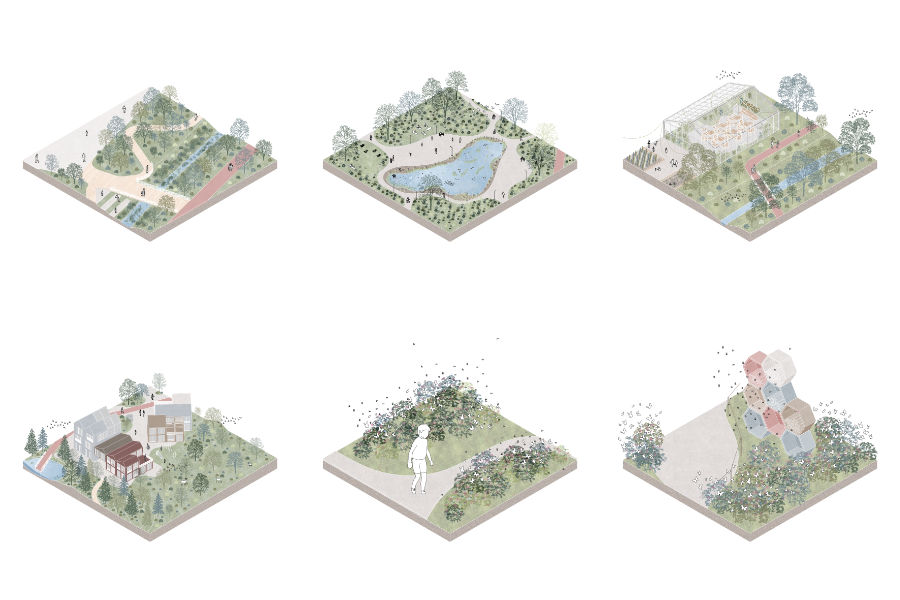
Vicus Selvaticus
Turku (FI) - Mention spéciale
DONNÉES DE L’ÉQUIPE
Associés: Sara Barera (IT), Alessandro Monaldi (IT), Fabrizio Accossato (IT), Niccolò Bellei (IT) – architectes, Sara Marzio (IT), Chiara Fabbri (IT) – architectes paysagistes, Maicol Negrello (IT) – architecte et concepteur urbain, Silvia Lanteri (IT) – architecte urbaniste, Junior Perri (IT) – historien et architecte, Chiara Bossù (IT) – artiste visuelle 3D, Gaia Cattaneo (IT) – étudiant en architecture
maicol.negrello@polito.it / collettivoselvaticus@gmail.com
collettivoselvaticus.com / www.instagram.com/collettivo_selvaticus/
TEAM PORTRAIT
INTERVIEW
Click on the images to enlarge
1. How do you define the main issues of your project in relation with the theme “Re-sourcing”? Re-sourcing thanks to nature, to social dynamics, to new materiality? In which way do you think your project can contribute to an ecological and/or social evolution? And in which way do you think your project can be called a “regenerative project”?
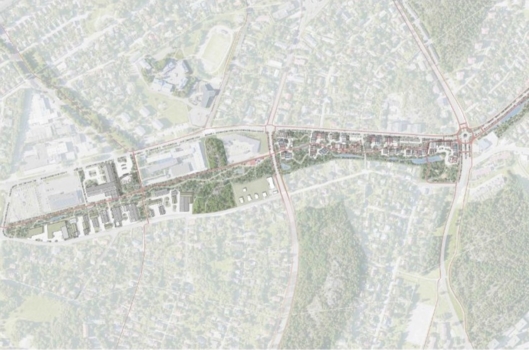
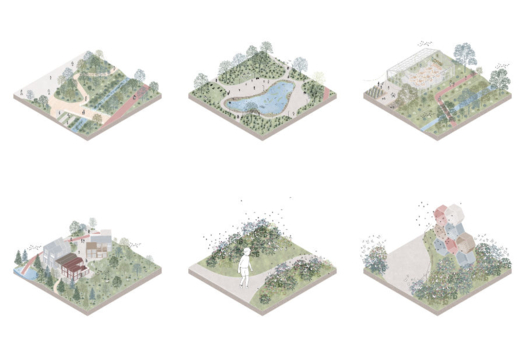
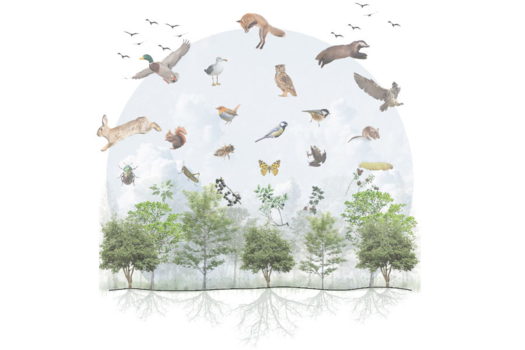
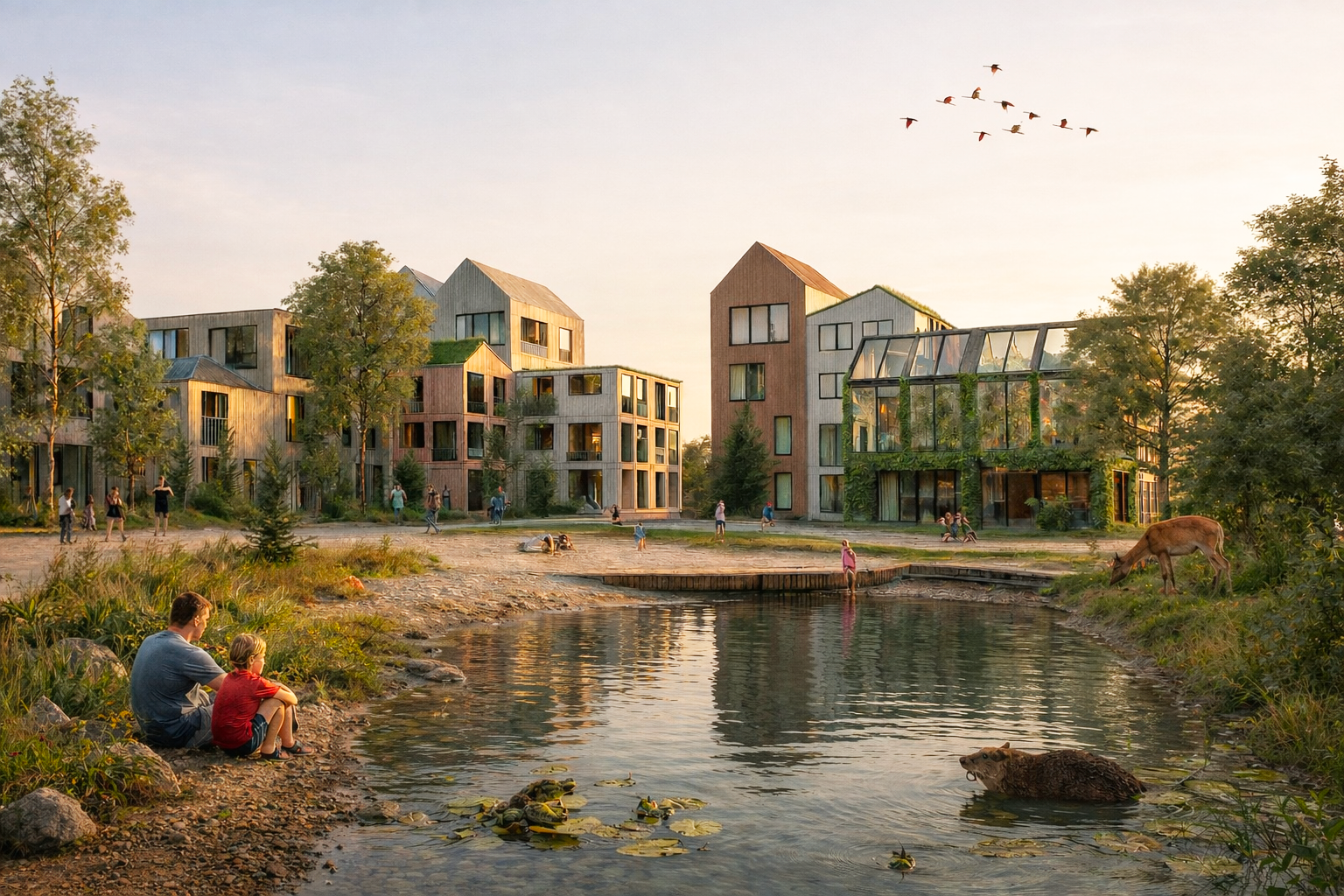
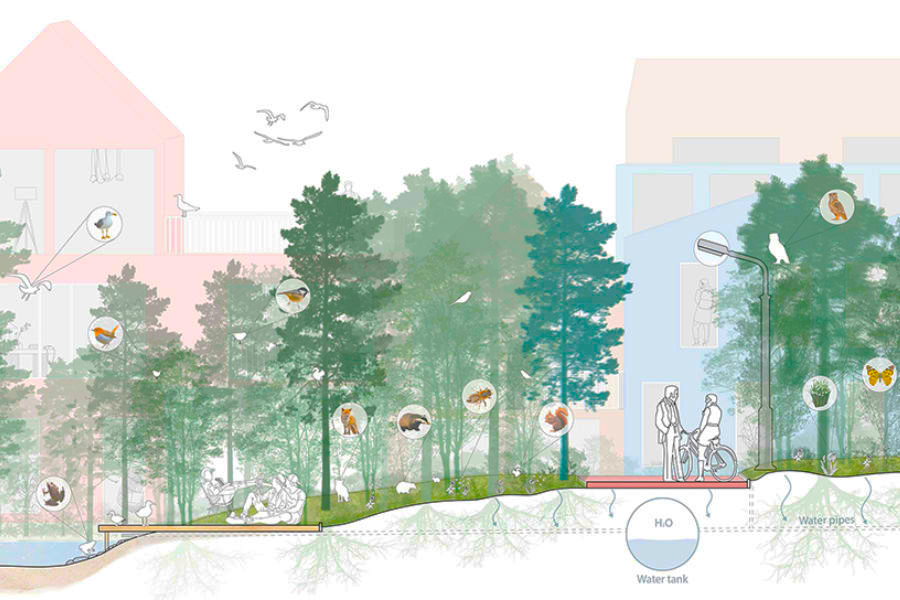
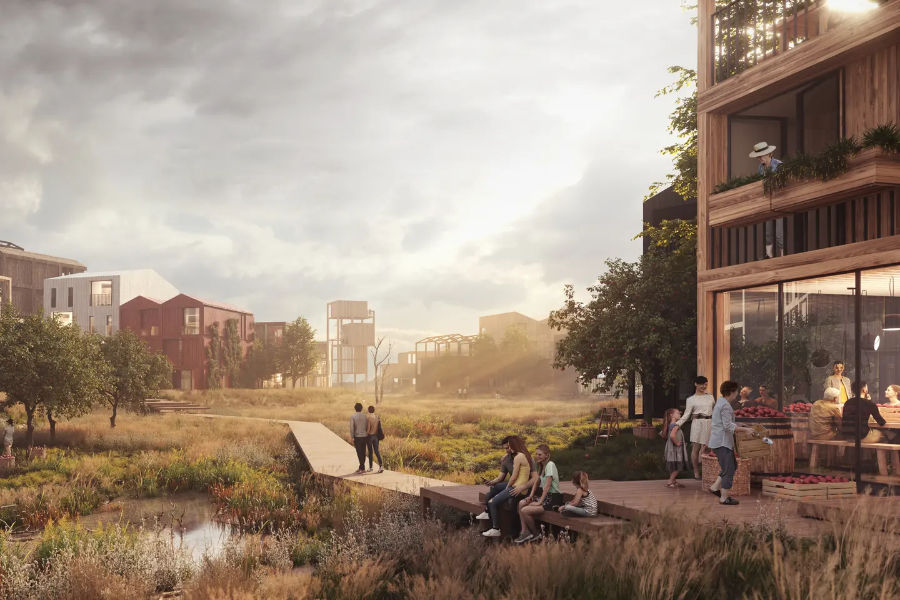
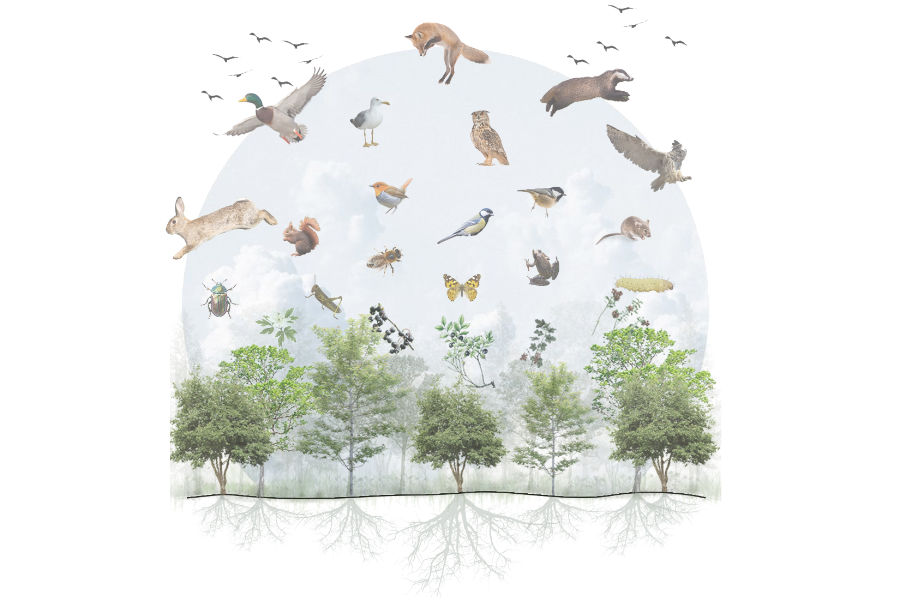
The project interprets Re-sourcing as the activation of latent ecological, social and material resources embedded in place. Nature-based systems regenerate water, soil and biodiversity; social dynamics foster shared spaces and local economies; reused materials close circular loops. It is regenerative as it restores ecosystems, empowers communities and evolves over time building resilience locally.
2. How did the issues of your design and the questions raised by the site mutation meet?
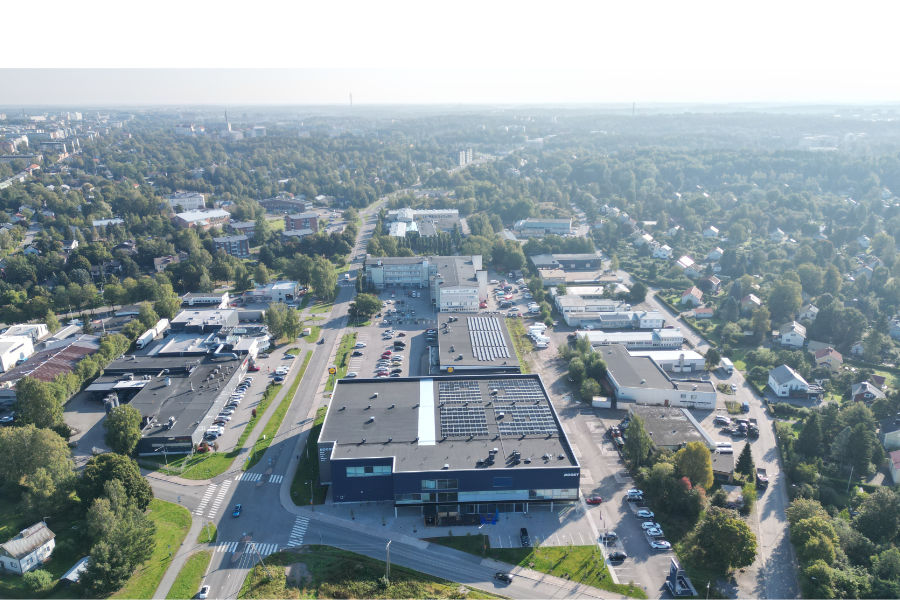
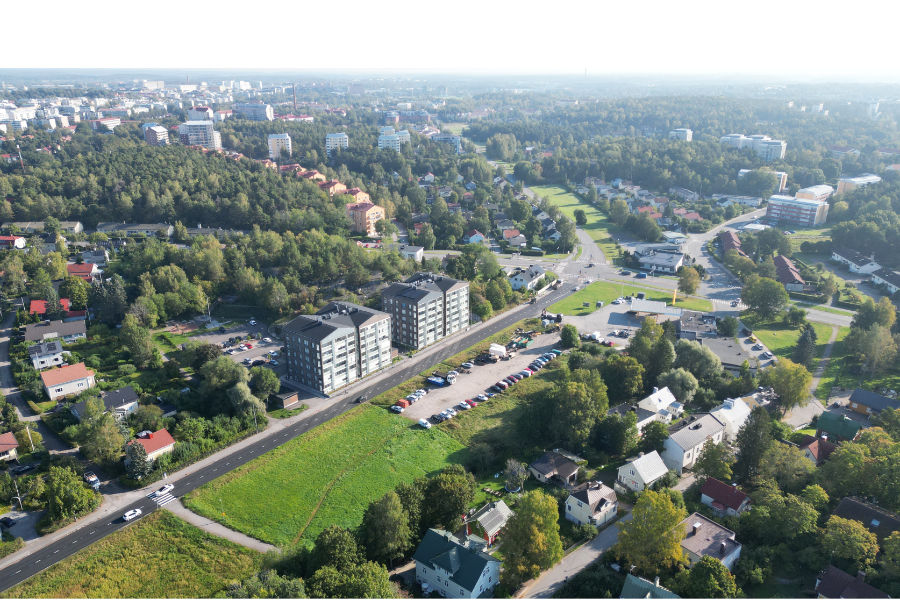
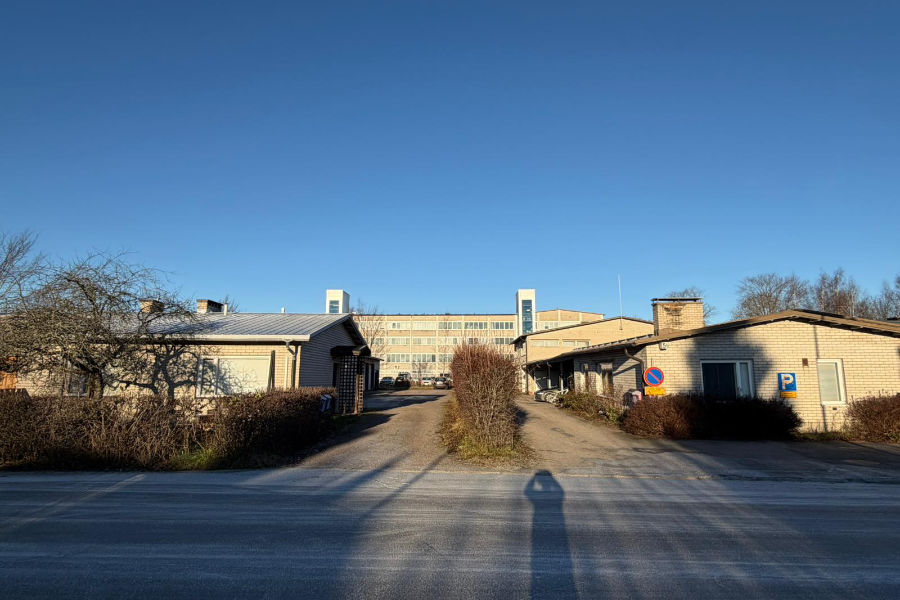
Design issues and site mutation converged through an interpretation of ecological fragmentation and social discontinuity as opportunities. Water dynamics, residual land and obsolete infrastructures guided the spatial strategy, turning constraints into blue-green systems and collective spaces. The project reframes transformation as a regenerative process rooted in local landscapes, everyday practices and long-term adaptability.
PROJECT:
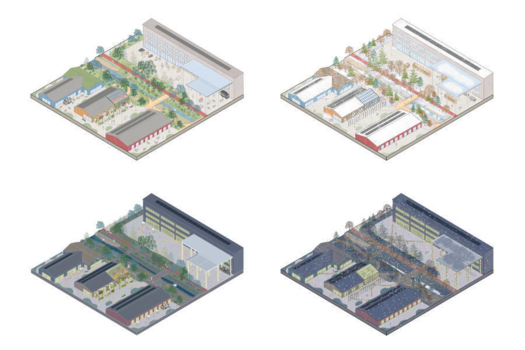
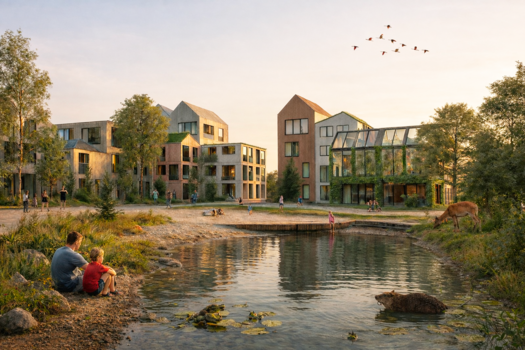
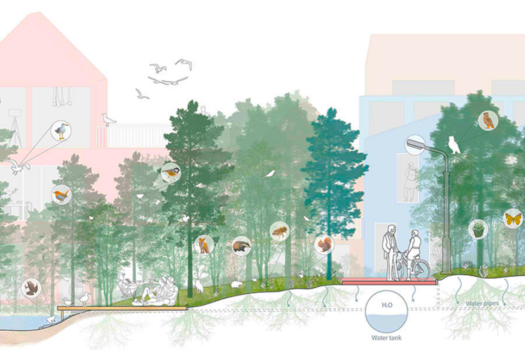
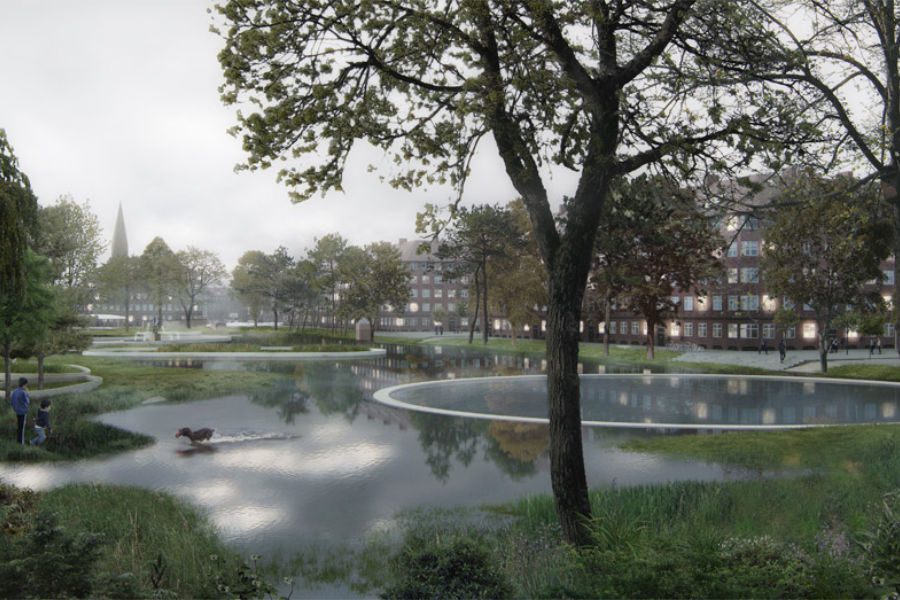
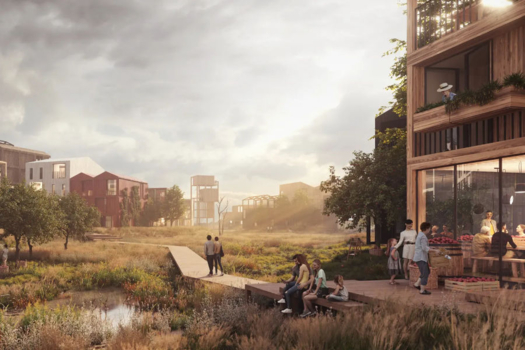
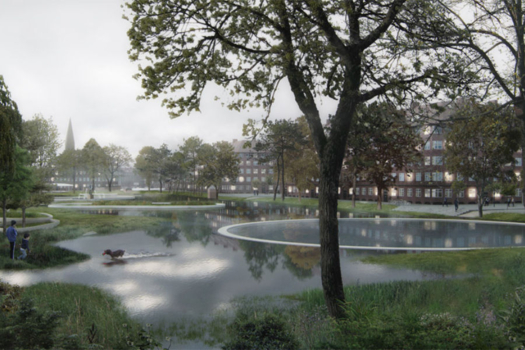
Yes, these issues were addressed in our previous Europan 17 projects in Piteå and Åkrehamn, as well as in reference projects such as Henning Larsen’s Fælledby neighbourhood and SLA’s Hans Tavsens Park. Together, these experiences informed a shared approach where landscape, ecology and social life act as active drivers of urban regeneration.
SITE:
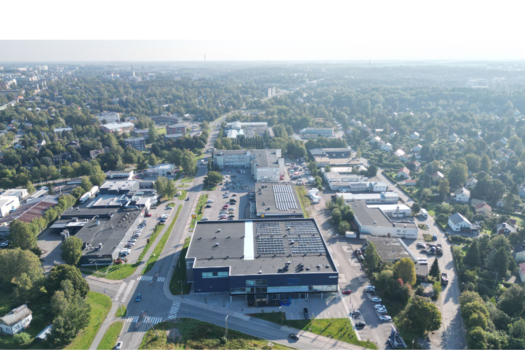
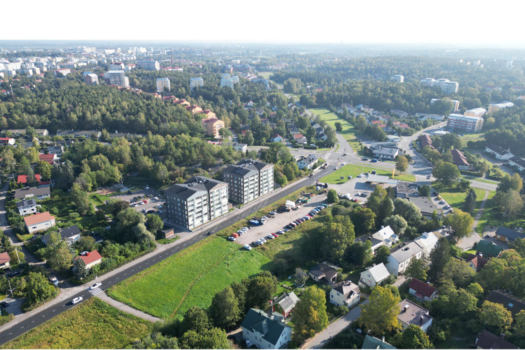
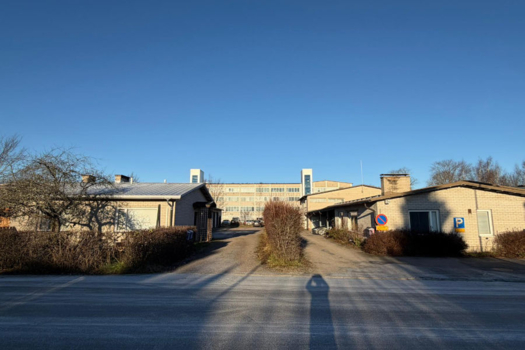
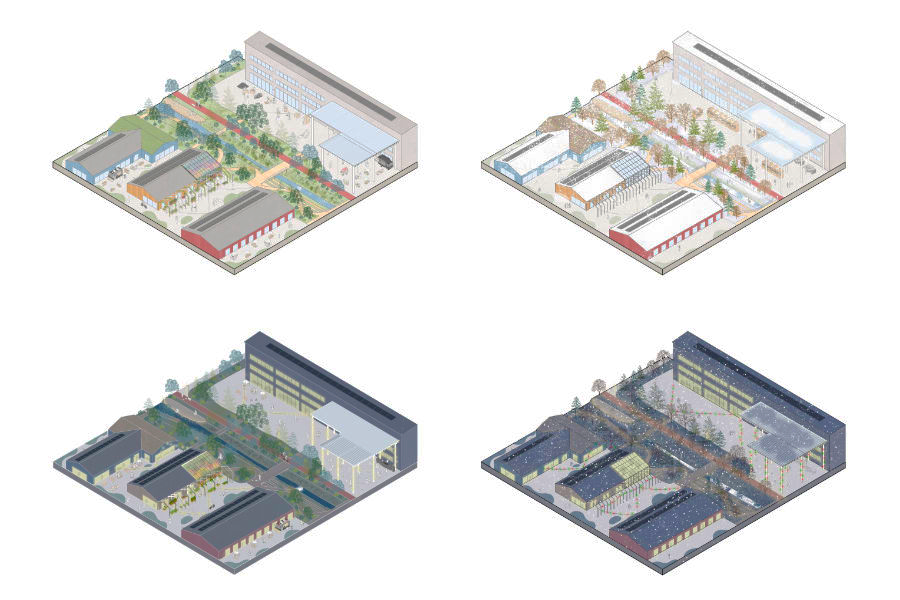
The project is conceived as a flexible and incremental framework, implemented through negotiation with public authorities, local communities and private actors. Phasing, temporary uses and adaptive reuse allow gradual transformation over time. This open process supports co-design, testing solutions in situ and aligning ecological goals with social and economic needs.
REFERENCES:
The team is a collective established three years ago, built on long-term collaboration. It combines architectural and urban design skills with landscape, nature-based solutions and academic research experience. The team is based across different European regions, including Finland, ensuring local knowledge of the contexts we work in and a strong international perspective.
6. How could this prize help you in your professional career?
Yes, this prize can act as a strong springboard for our professional career. It offers visibility, credibility and wider resonance, allowing our work to reach a broader audience. Beyond recognition, it strengthens communication, helping our research and design approach gain greater impact within professional and academic networks.
TEAM IDENTITY
Legal status:
Team name: Collettivo Selvaticus
Average age of the associates: 29 years old
Has your team, together or separately, already conceived or implemented some projects and/or won any competition? if so, which ones?
Yes, our team has already conceived and won several competition projects. These include Europan Italy in Cuneo (runner-up), Europan 17 in Åkrehamn, Norway (runner-up), a Special Mention at Europan 17 in Piteå, Sweden, and Europan Italy 18 in Polignano a Mare (second prize), along with other national competitions.
WORKS: