Where the Wildflowers Grow
Zagreb (HR) - Mentionné

TEAM PORTRAIT
VIDEO (by the team)
INTERVIEW
Click on the images to enlarge
1. How do you define the main issues of your project in relation with the theme “Re-sourcing”? Re-sourcing thanks to nature, to social dynamics, to new materiality? In which way do you think your project can contribute to an ecological and/or social evolution? And in which way do you think your project can be called a “regenerative project”?
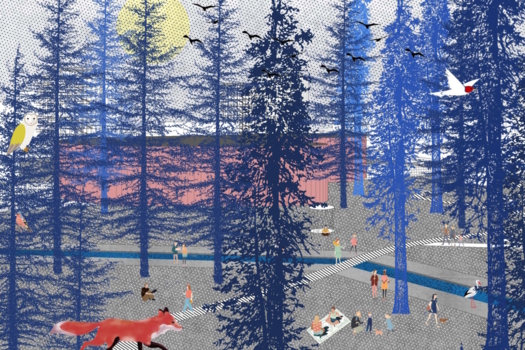
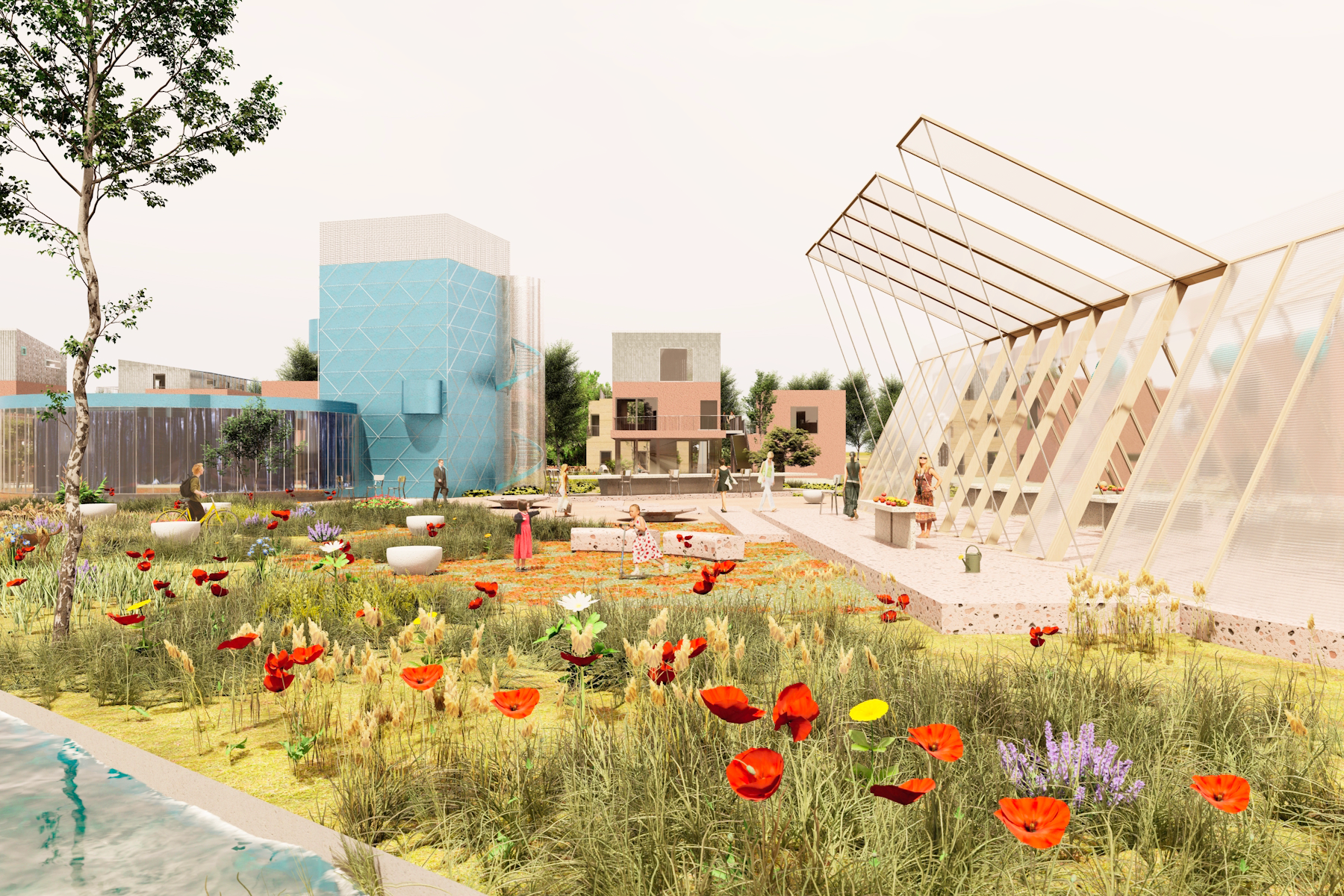
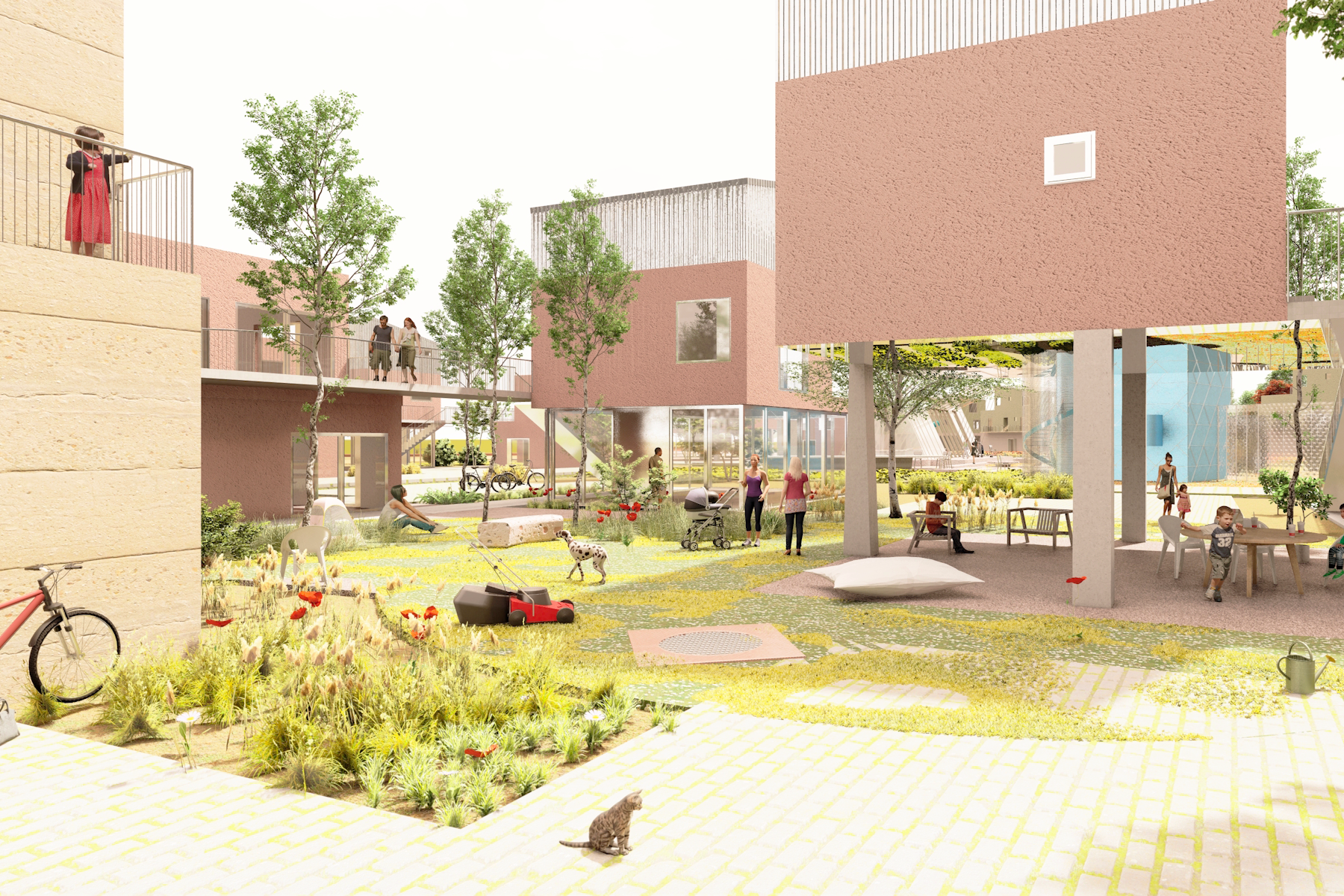
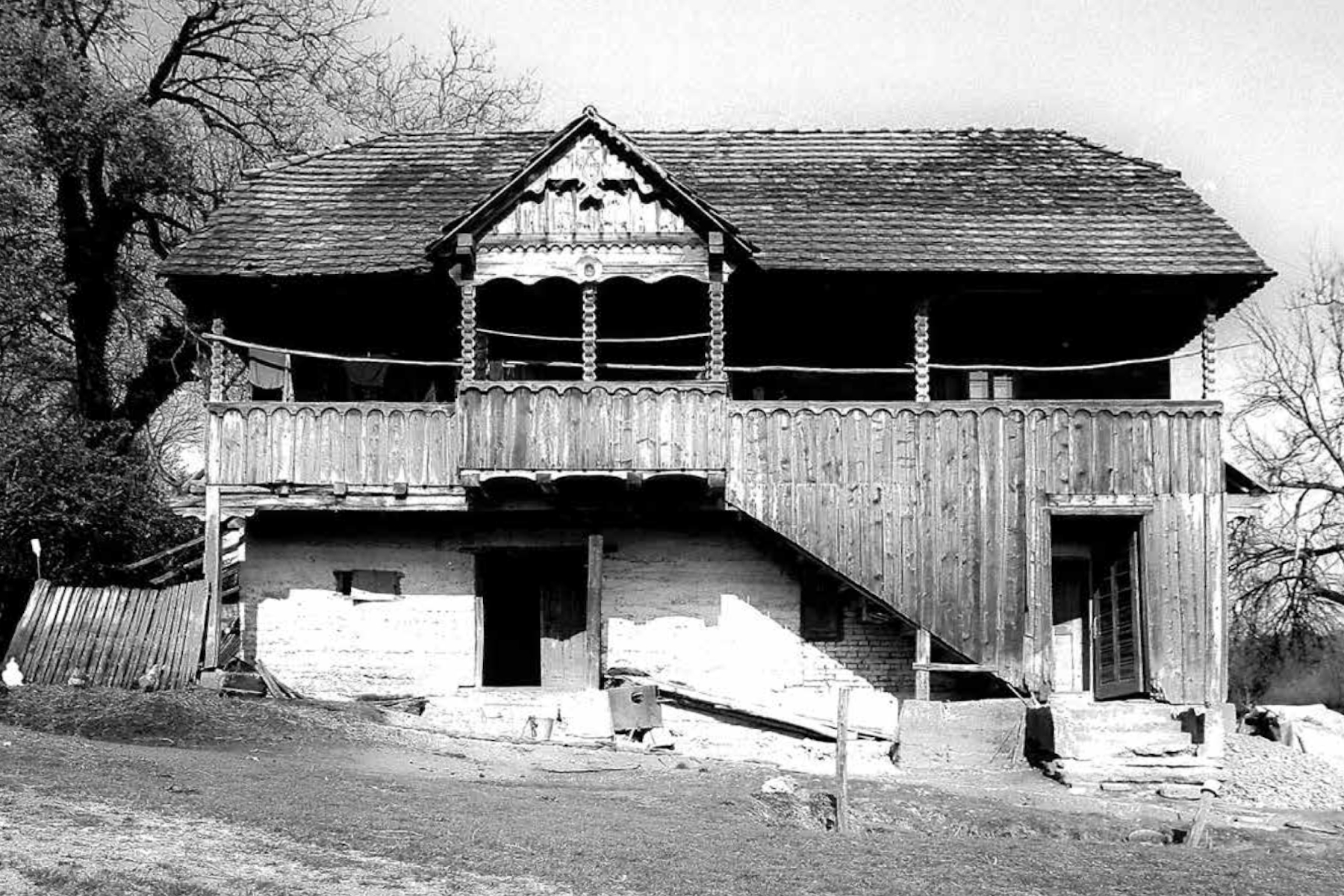
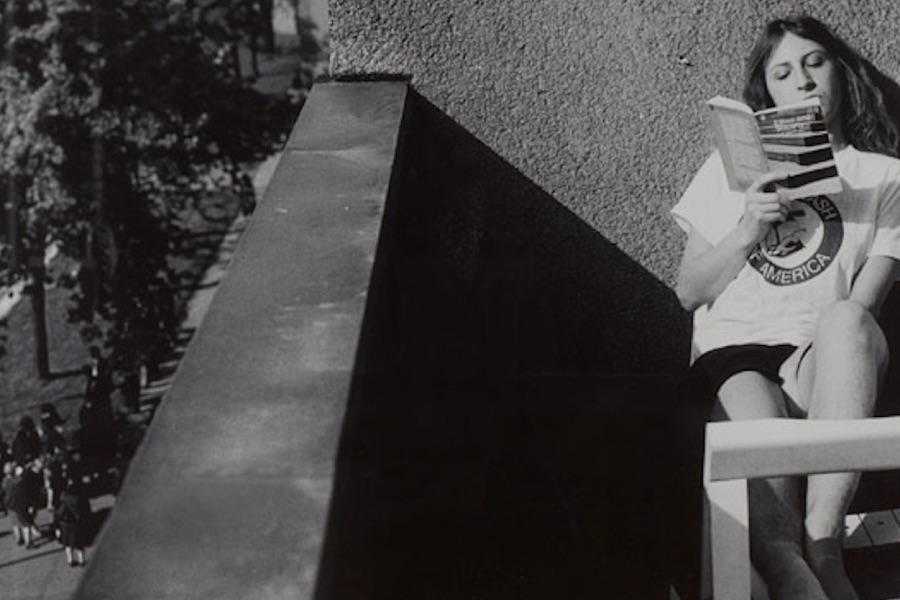
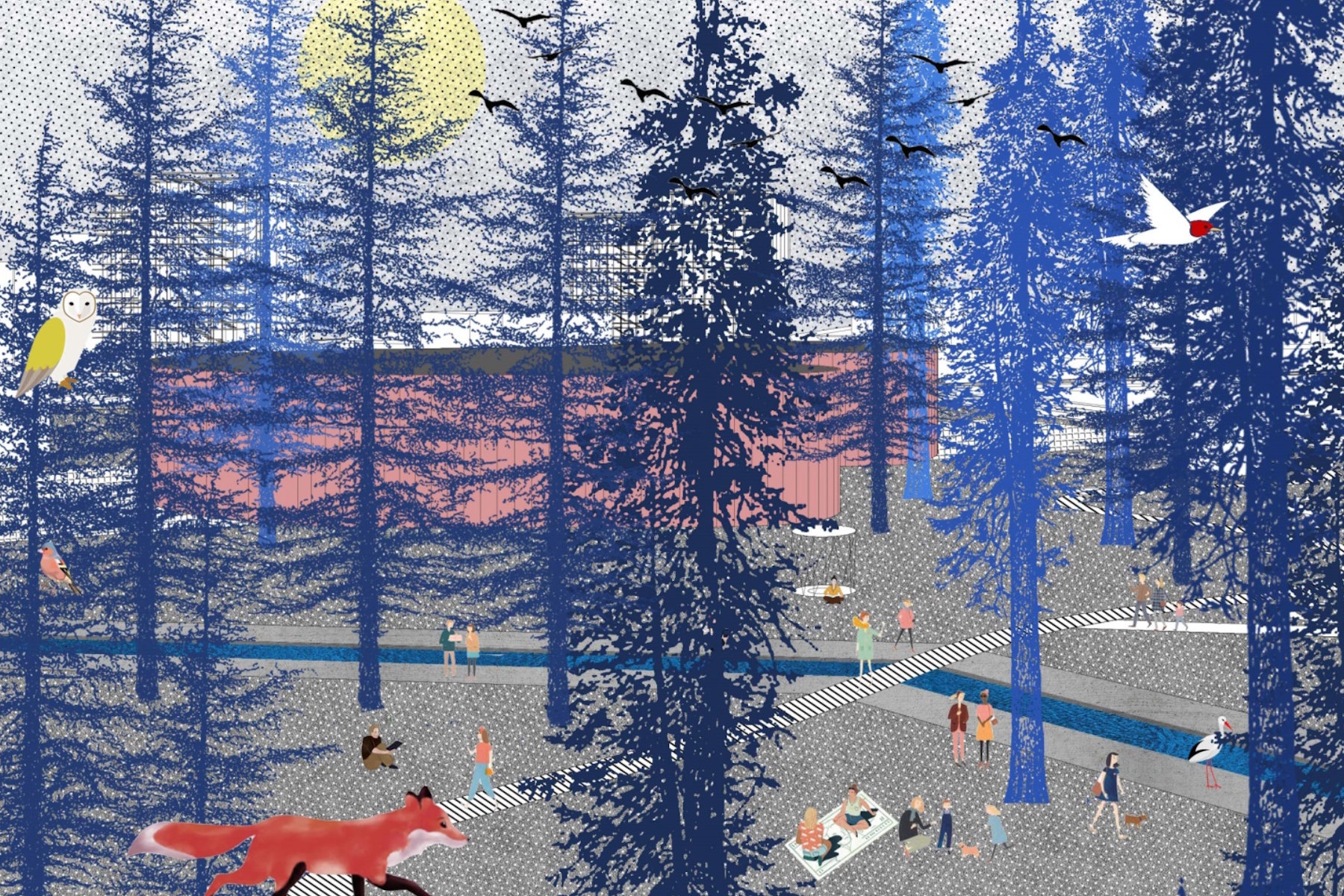
The project draws on a set of existing forms of knowledge embedded within the local context: the role of public and social infrastructure in the long-term success of New Zagreb’s urbanism, the capacity of Sveta Klara’s informal everyday practices to generate vibrant social dynamics, and the adaptive resilience of surrounding natural systems. It is regenerative in strengthening social ties and ecological performance while redefining the city’s edge as a productive condition.
2. How did the issues of your design and the questions raised by the site mutation meet?
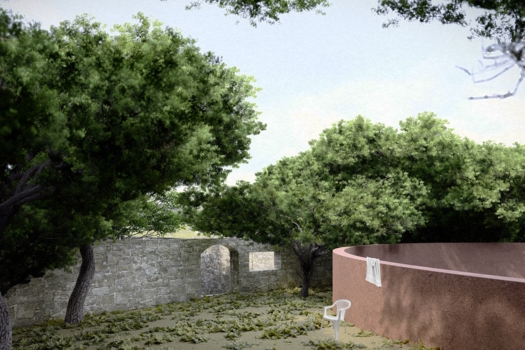
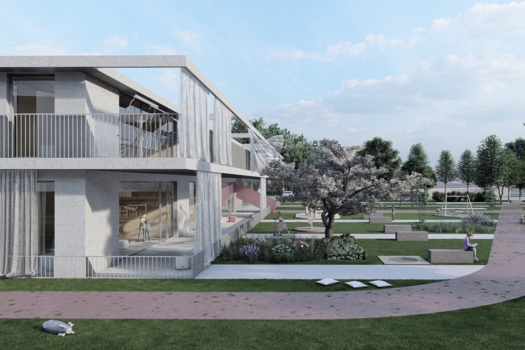
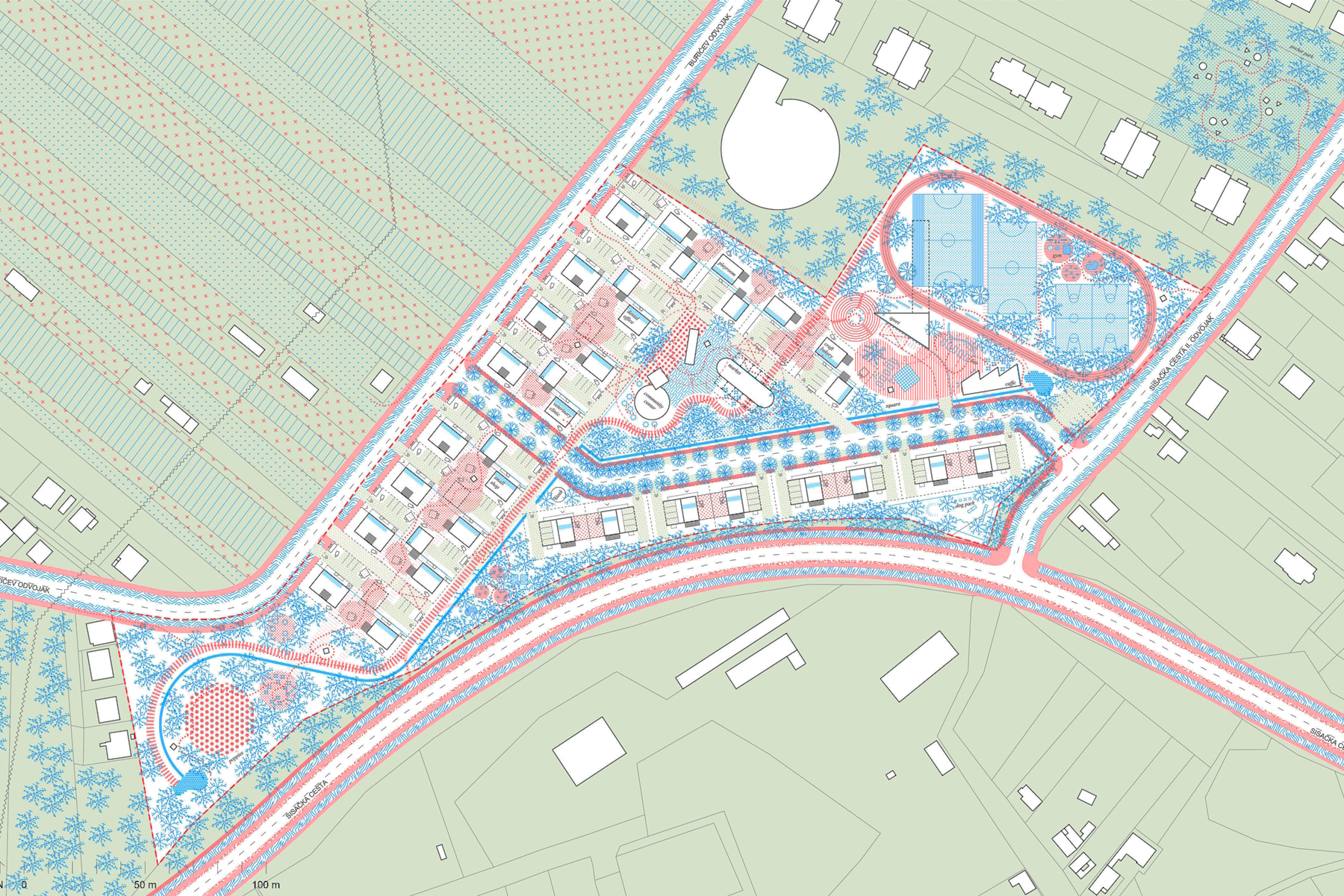
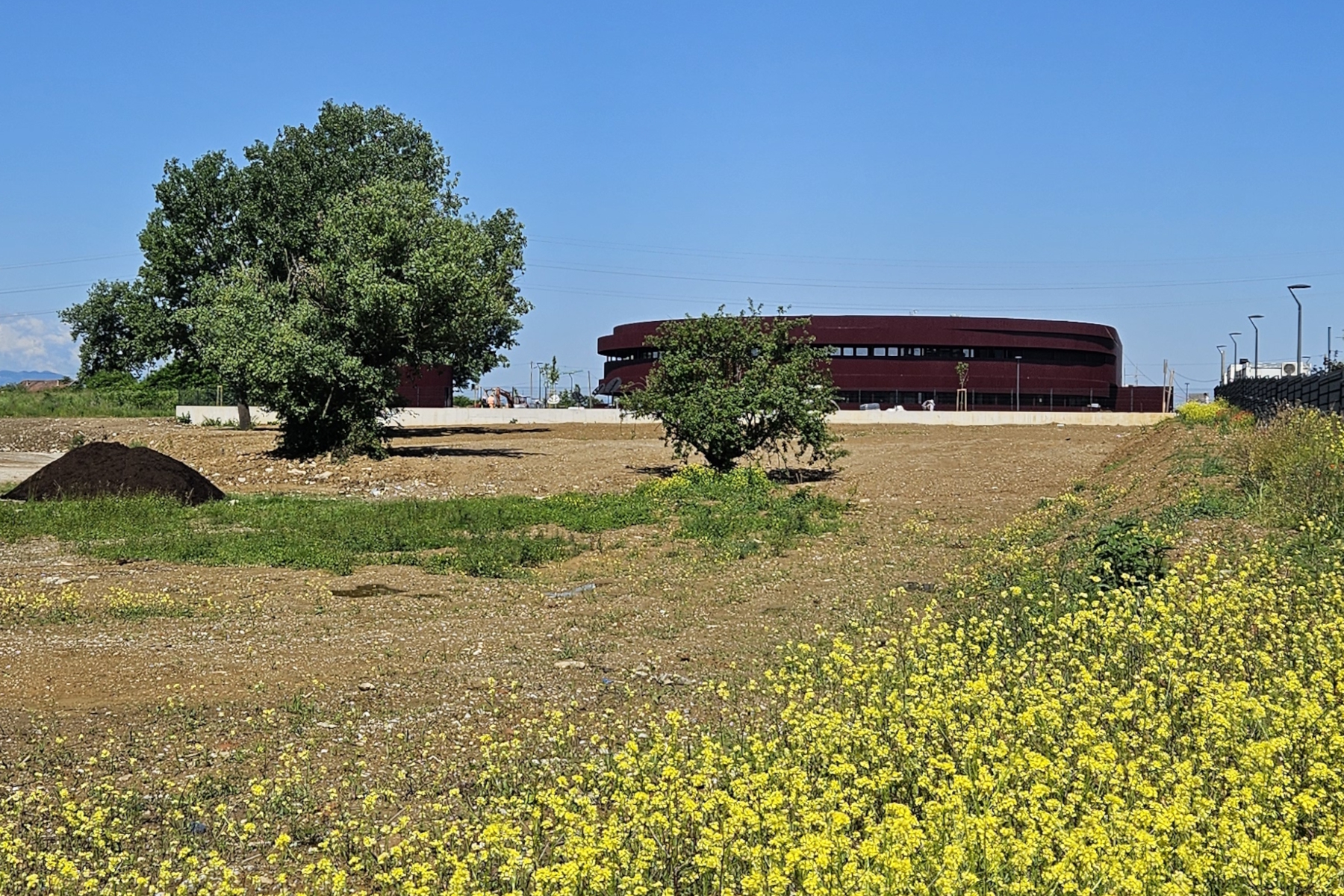
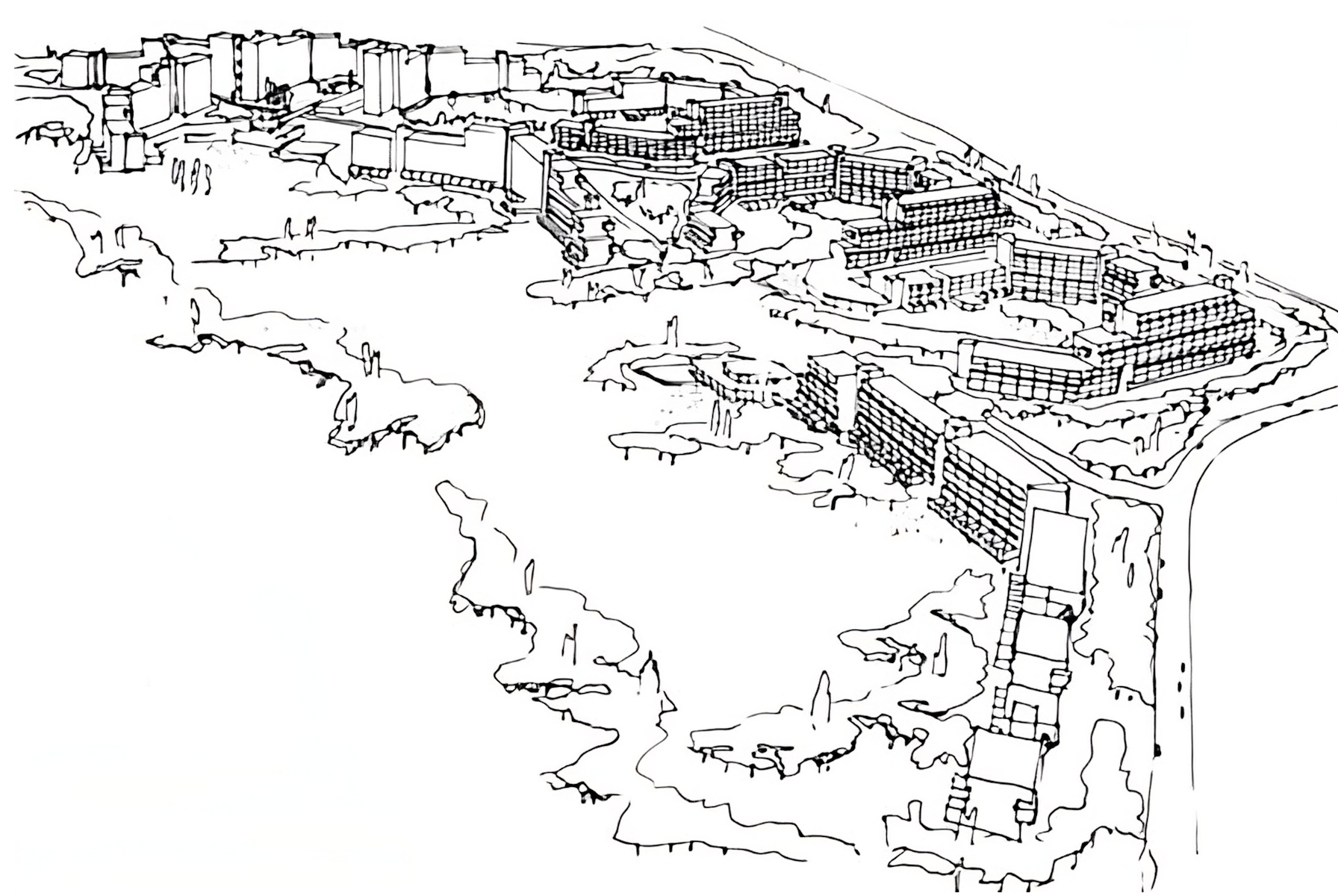
The project responds directly to the site’s ongoing mutation from a rural fringe condition to contemporary urban fabric. Locally specific insights orient the project towards universally relevant themes of relations between the individual, community and nature. Through a system of designed spatial thresholds and buffer zones, found within three building types adapted to topography and edges, the neighbourhood achieves varying permeability while balancing privacy and collective life.
PROJECT:
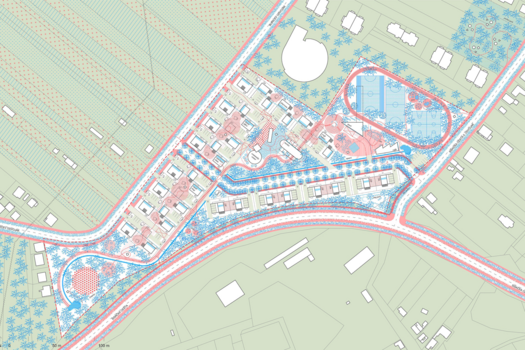
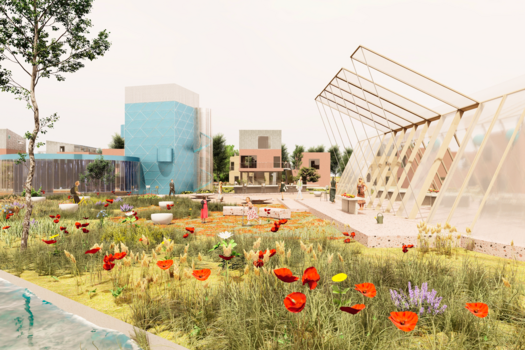
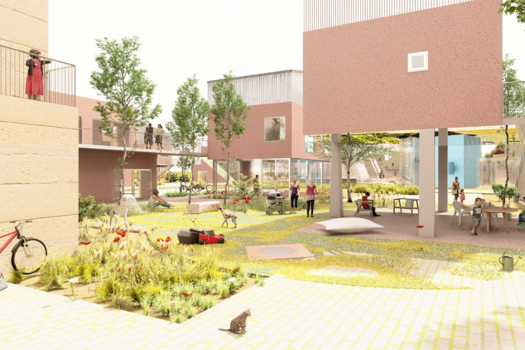
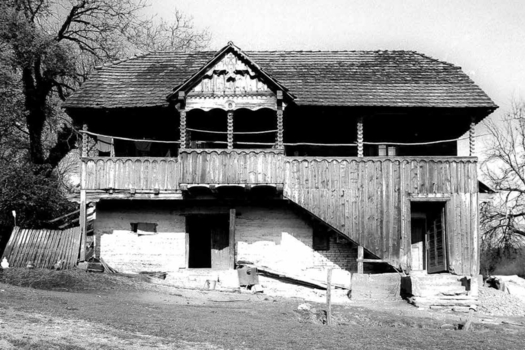
These issues have been explored in our previous work, particularly through Europan projects focused on housing and urban transformation. Other references include New Zagreb’s post-war urban expansion, contemporary European housing models and other architectural projects that include natural systems in their design, prioritising climate and site conditions over rigid spatial typologies.
SITE:
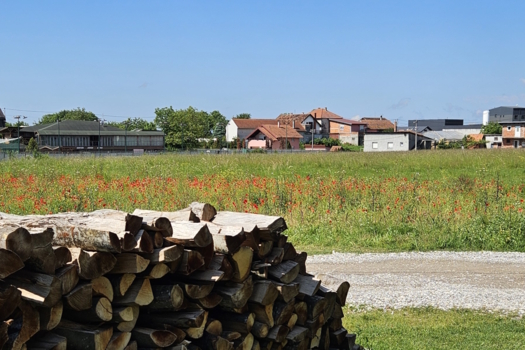
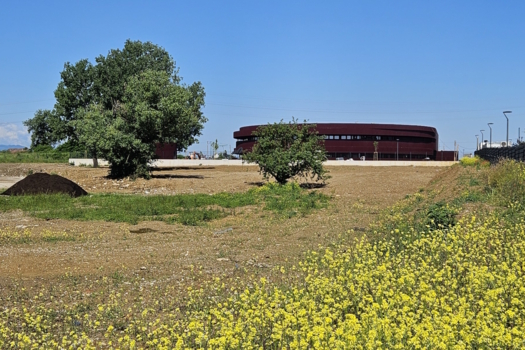
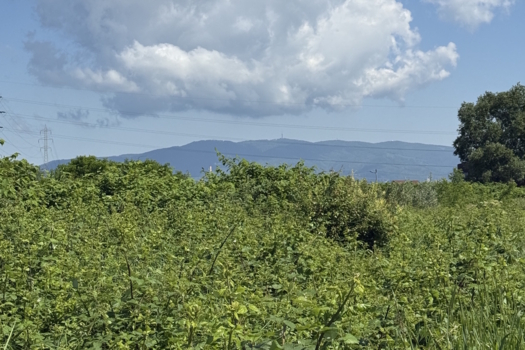
The project can be perceived as a flexible framework rather than a fixed blueprint. The design allows gradual implementation through cooperation between public authorities, residents and local stakeholders.
REFERENCES:


We have been working together for several years, particularly on public urban and architectural competitions. While each of us brings a distinct skill set to the team, what we share is a strong capacity to operate across scales – from urban strategies to architectural detail – and a common emphasis on research as an integral part of the design process.
6. How could this prize help you in your professional career?
Since graduating from the Faculty of Architecture in Zagreb in 2019, this is our fourth Europan entry and third award. We consider Europan to be a key platform for the professional development and visibility of young architects, and it has already played an important role in our practice. We see this prize as further encouragement to continue engaging in future Europan cycles, we are looking forward to them!
TEAM IDENTITY
Legal status: Hana Dašić's and Jana Horvat's office BURA (Bureau for Urbanism, Research and Architecture) has a continuous collaboration with Ria Tursan.
Team name:
Average age of the associates: 32 years old
Has your team, together or separately, already conceived or implemented some projects and/or won any competition? if so, which ones?
Our winning proposal for the urban transformation of ex-military barracks in Karlovac (Europan 15, with I. Erić), has been implemented into an urban development plan. We were also runners-up at Europan 17 for the site in Makarska (with S. Blekić and A. Divić).
WORKS: