ABRIR PUERTAS Y VENTANAS
Oviedo (ES) - Runner-up
TEAM DATA
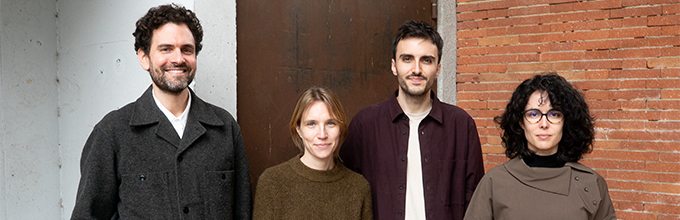
Associates: Carlos Canella Lozano (ES), Vania Collazo Pequeño (ES), Miguel de la Ossa Peinador (ES) Sofia Lens Bell (ES) – architects
info@lenscanella.com / www.lenscanella.com
See the complete listing of portraits here
See the site here
TEAM PORTRAIT
VIDEO (by the team)
INTERVIEW
Click on the images to enlarge
1. How do you define the main issues of your project in relation with the theme “Re-sourcing”? Re-sourcing thanks to nature, to social dynamics, to new materiality? In which way do you think your project can contribute to an ecological and/or social evolution? And in which way do you think your project can be called a “regenerative project”?
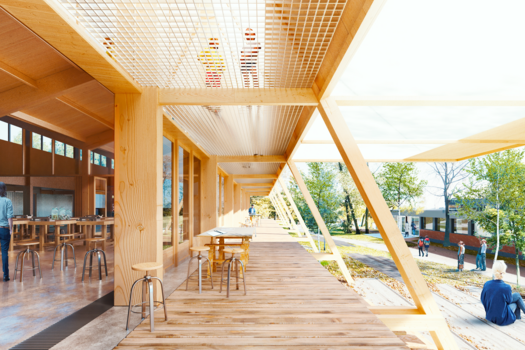
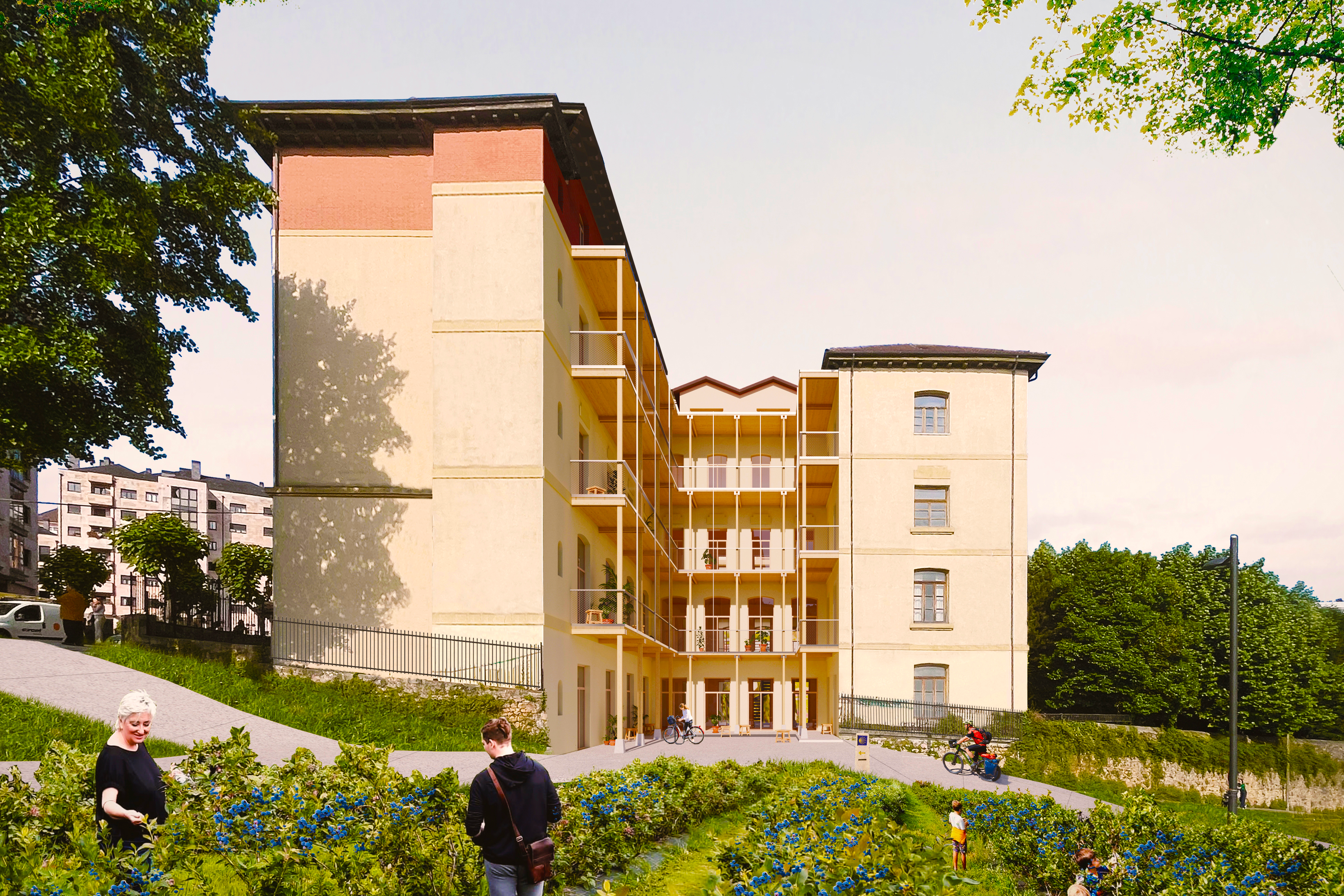
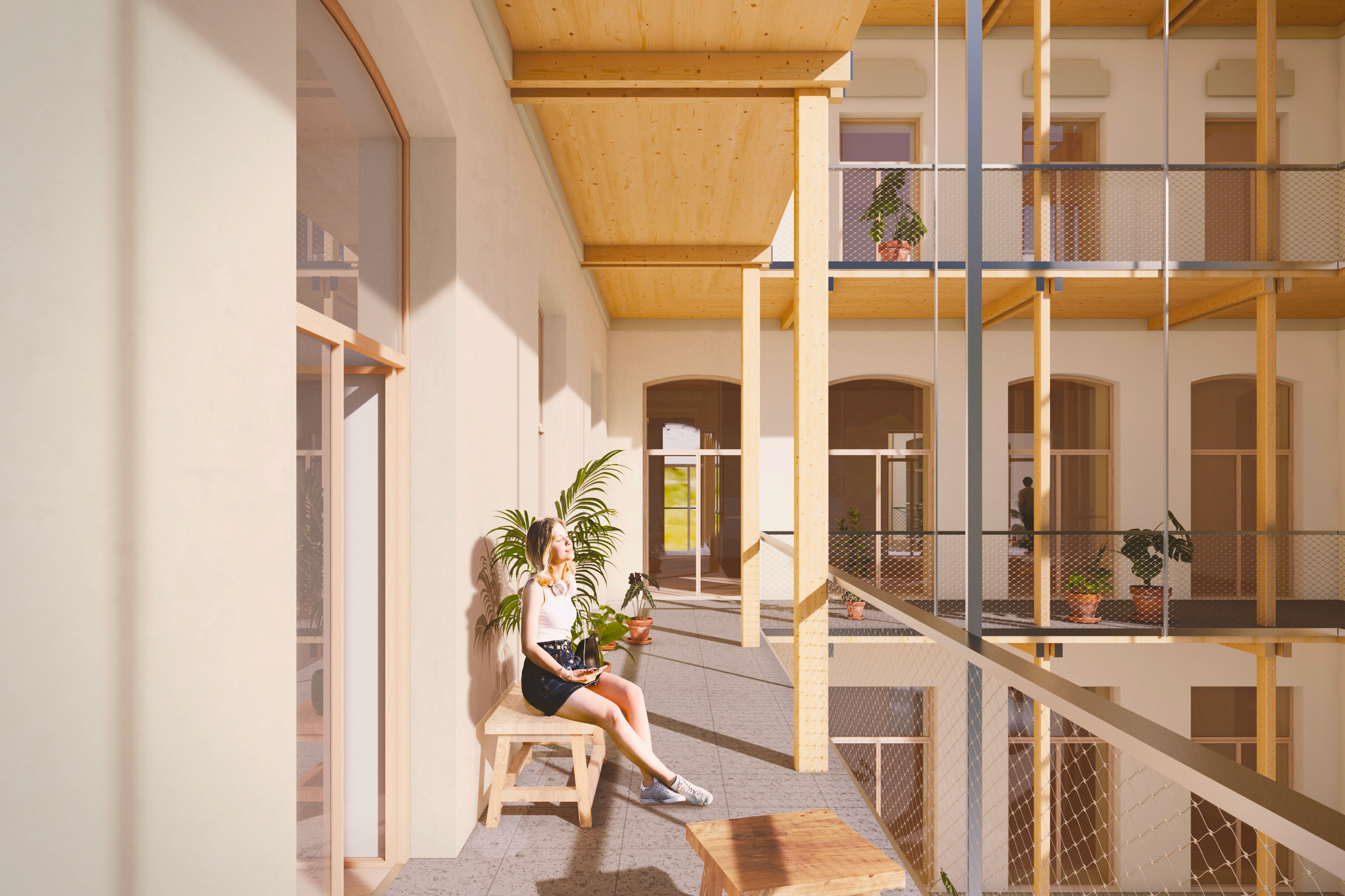
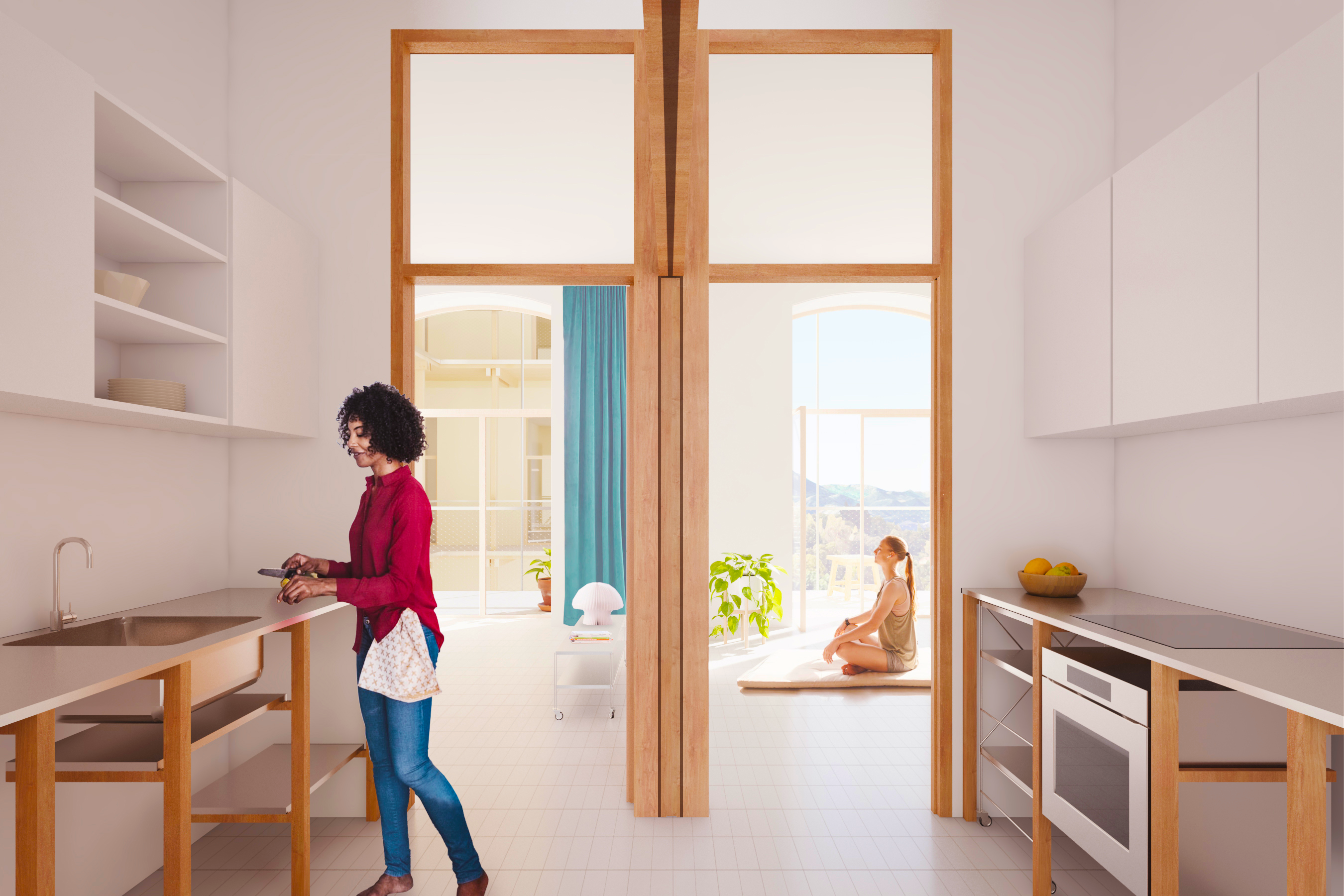
The proposal aims to re-source existing material, social and spatial structures through the preservation and resignification of the original building through the addition of local, sustainable materials and the reinterpretation of traditional housing typologies such as the Asturian vivienda-corredor. Ecology is defined by reinforcing existing social dynamics, which contribute to urban and social regeneration through continuity rather than invention.
2. How did the issues of your design and the questions raised by the site mutation meet?
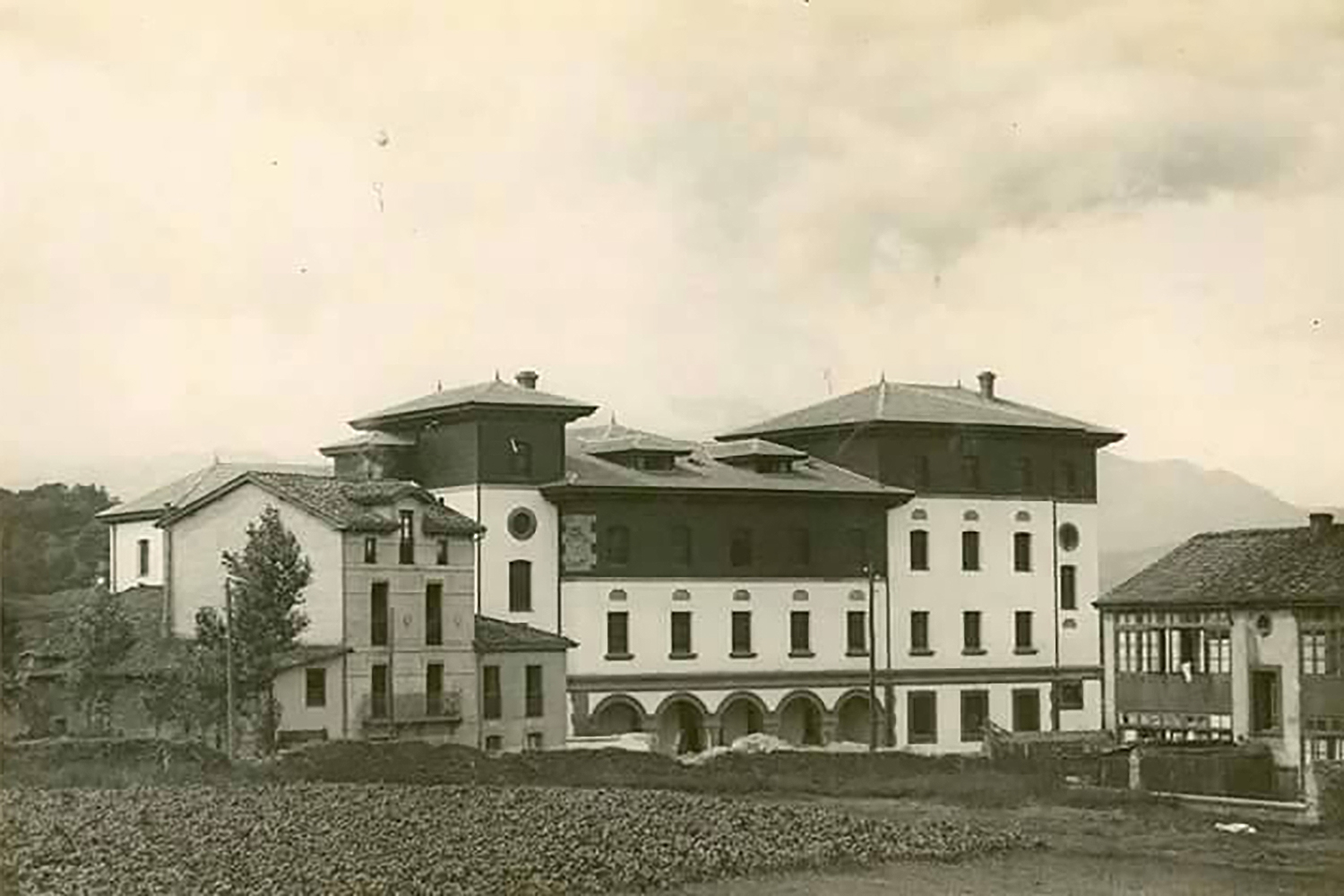
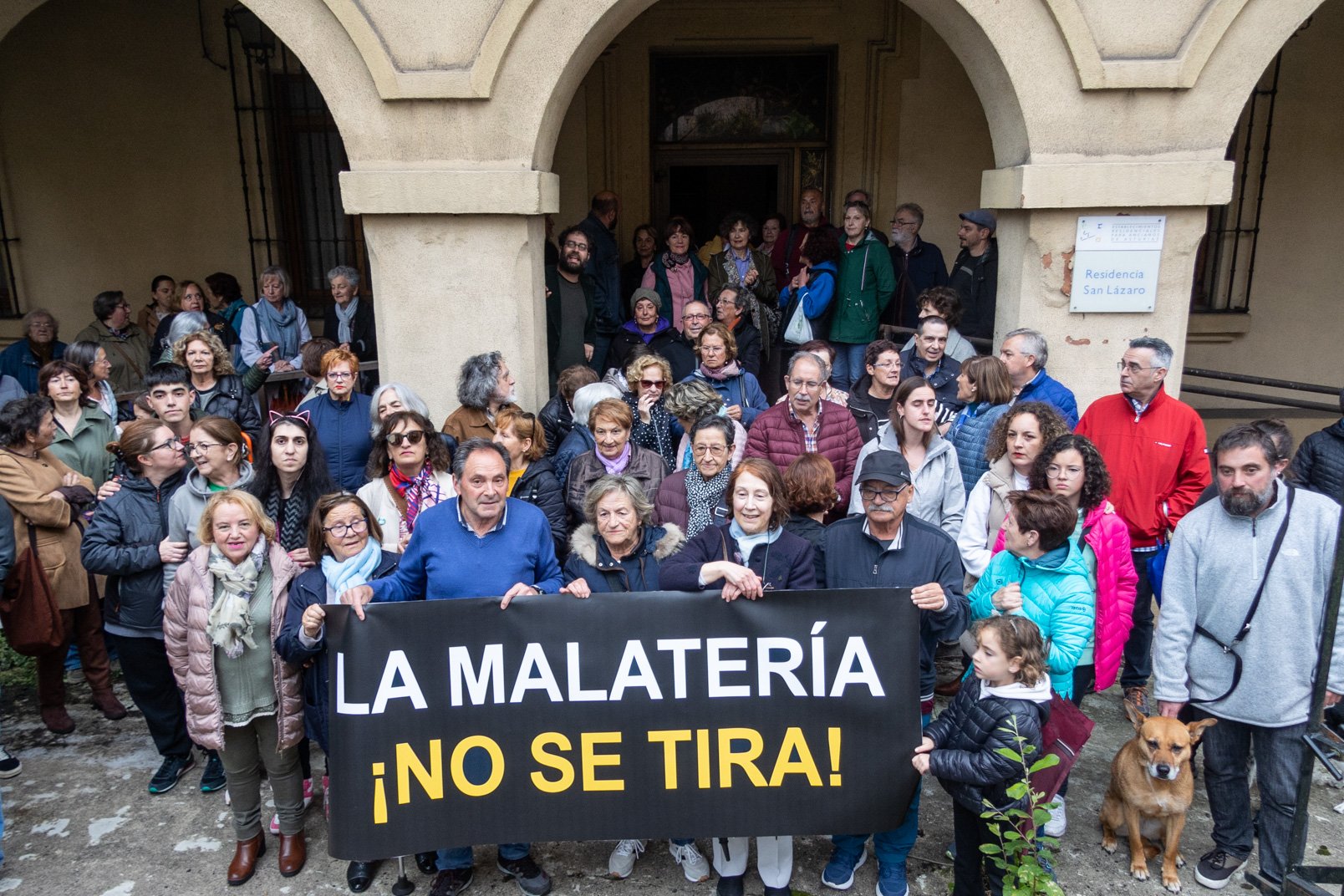
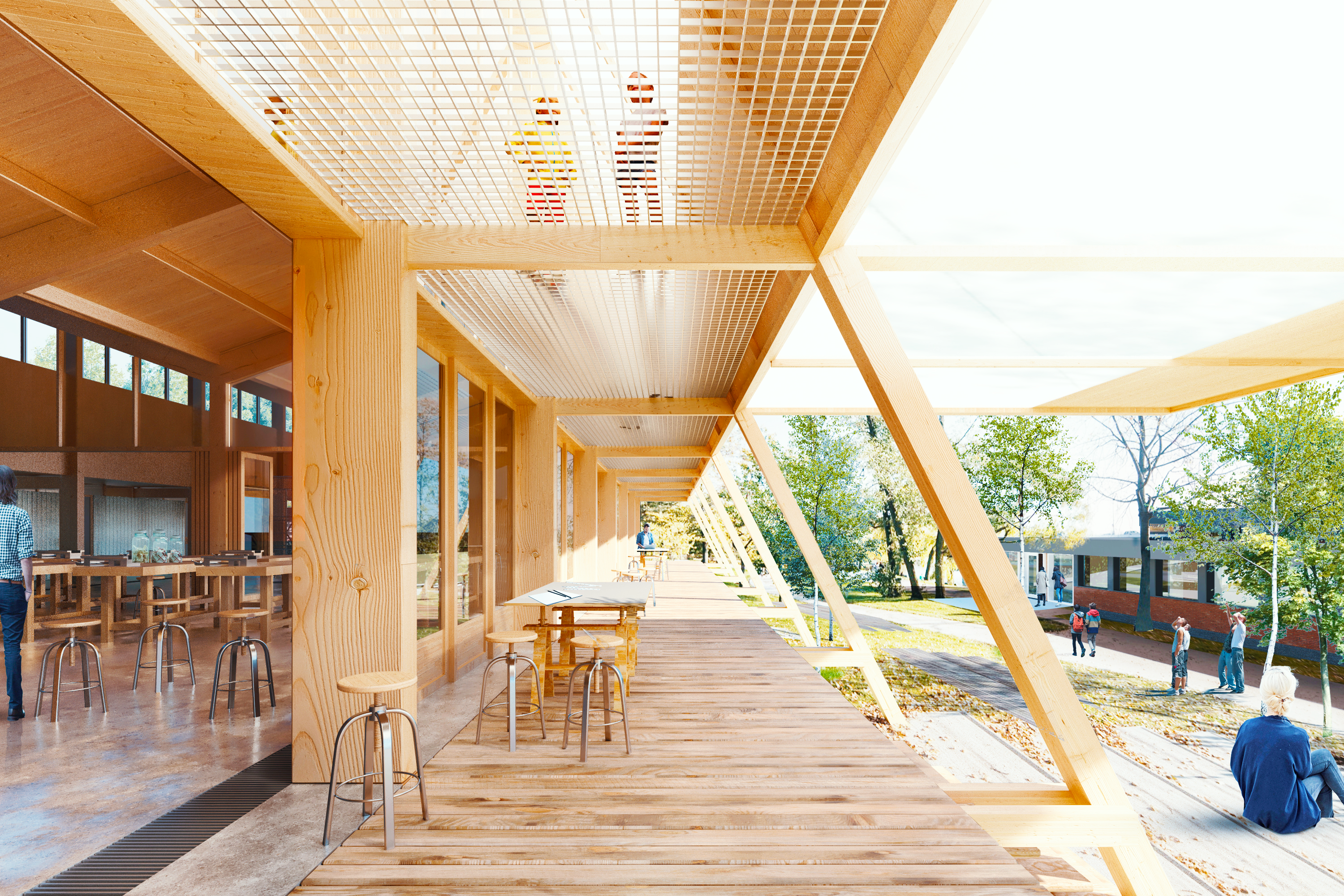
Following San Lázaro’s neighbourhood’s battle cry “La Malatería no se tira”, the project respects the building’s original image and typology through the addition of exterior circulation galleries in the existing courtyards. This enables the creation of bright, well-ventilated dwellings, spatious polyvalent spaces and open areas to reconnect residents amidst each other and their environment.
PROJECT:
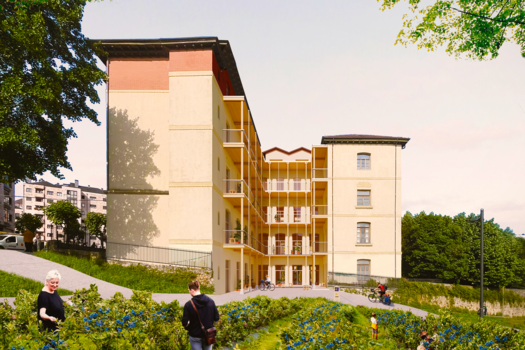
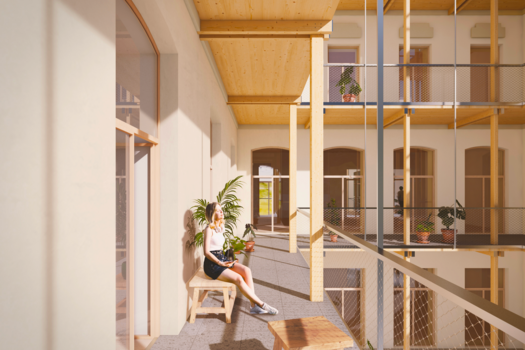
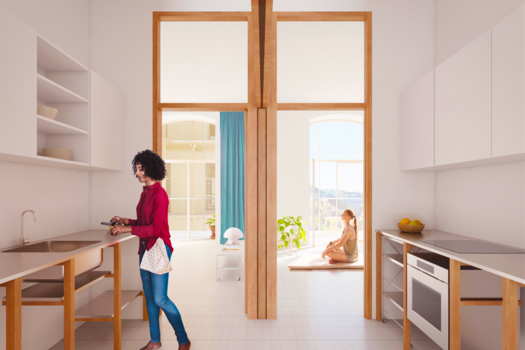
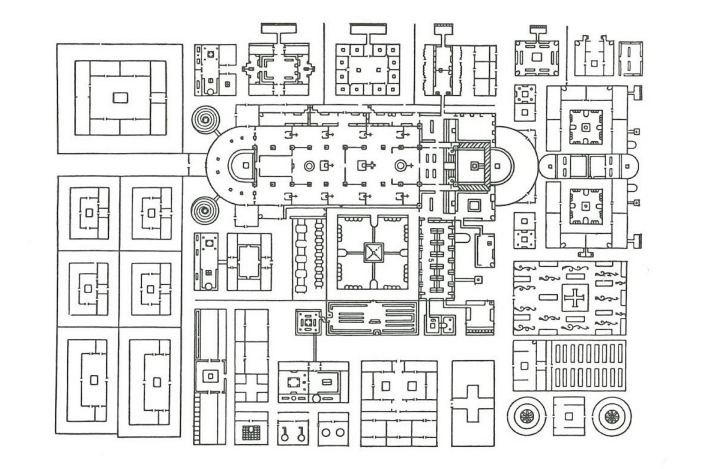
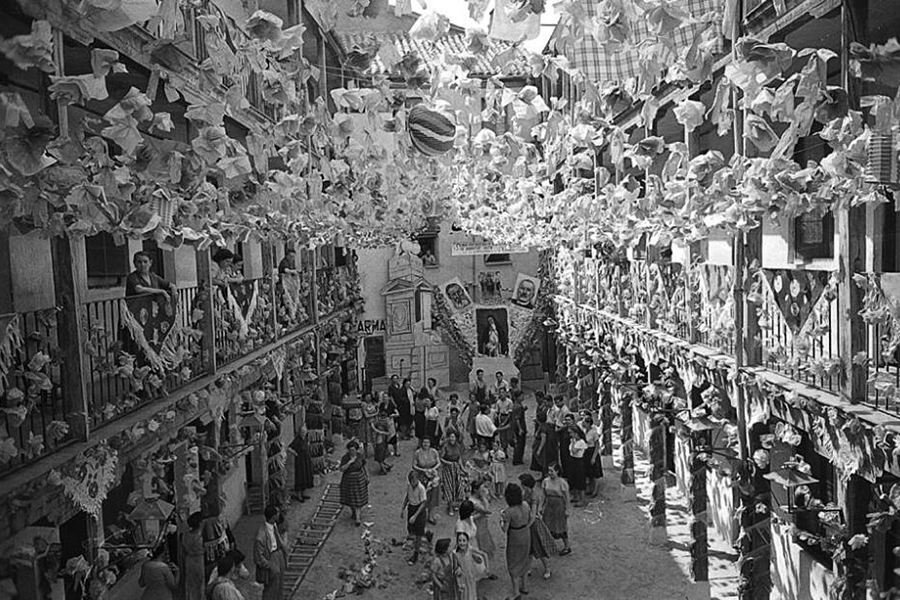
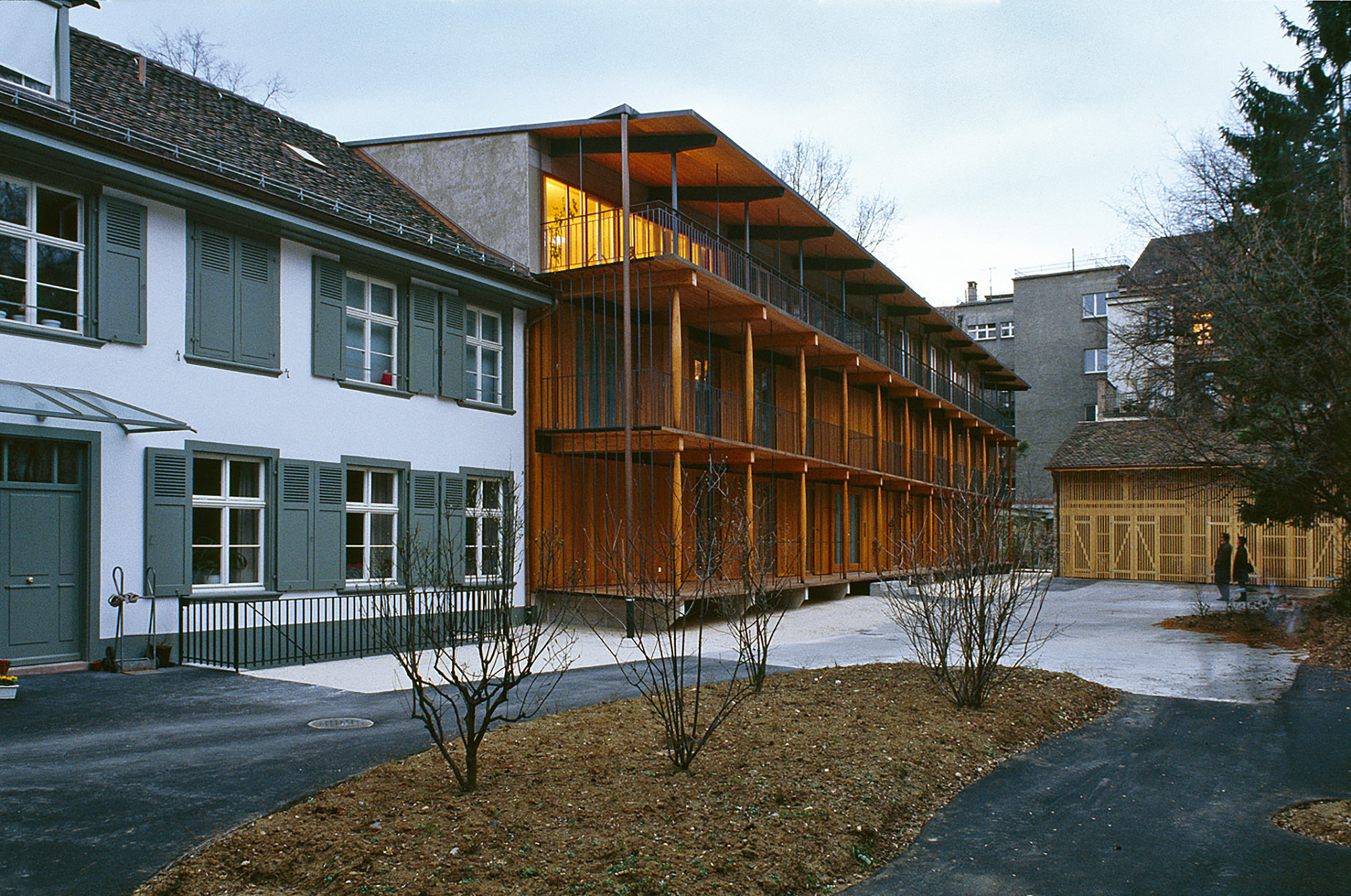
Although addressing outdated and low-quality housing in densely populates cities is a recurring challenge for Spanish architects, the specific historical and social context of La Malatería offered a unique opportunity to confront these issues. The proposal is inspired by contemporary public housing projects, as well as vernacular Spanish typologies such as the corrala and the vivienda-corredor.
SITE:
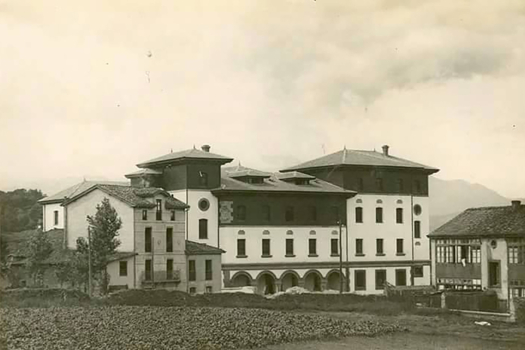
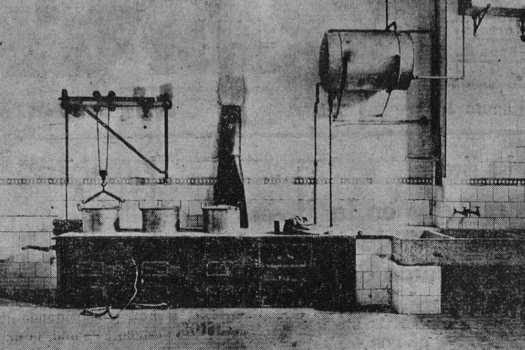
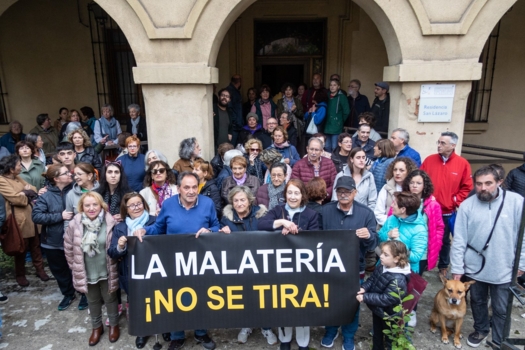
Our project builds on a specific context in which key actors—San Lázaro residents and regional authorities—have already initiated a public debate on the future of this emblematic building. The proposal establishes design and spatial frameworks for housing and community uses while keeping typologies, programmes and shared spaces flexible, allowing administrations and future users to negotiate and shape the project over time.
REFERENCES:
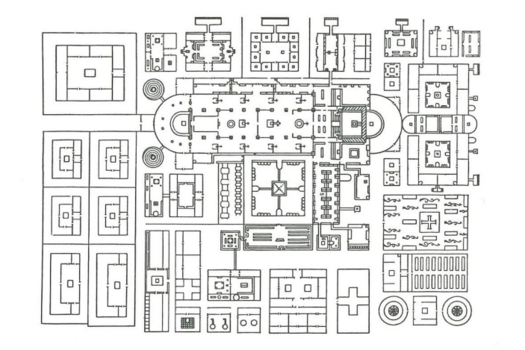
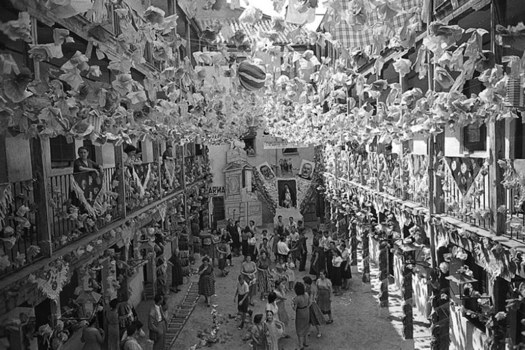
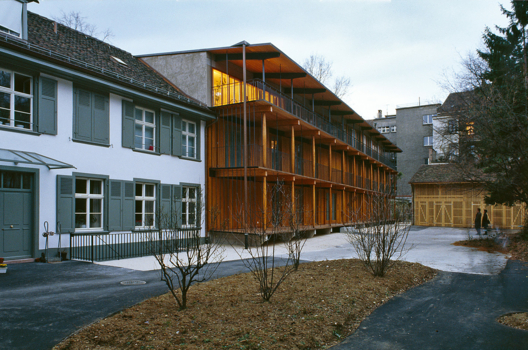
The team members met over fifteen years ago during our architecture studies. Since then, through friendship and diverse professional paths, we have collaborated on competitions and small- to medium-scale projects. For Europan 18 we reunited, sharing all aspects of design while each member contributed with their specific skills, from urban analysis and landscaping to the shaping of the proposal’s materiality and construction.
6. How could this prize help you in your professional career?
Being Runner-up at Europan 18 is an invaluable opportunity to present our vision of contemporary architecture and the future of our cities. This recognition gives us a strong motivation to further develop our architectural practice by pursuing less conventional approaches.
TEAM IDENTITY
Legal status:
Team name:
Average age of the associates: 34,75 years old
Has your team, together or separately, already conceived or implemented some projects and/or won any competition? if so, which ones?
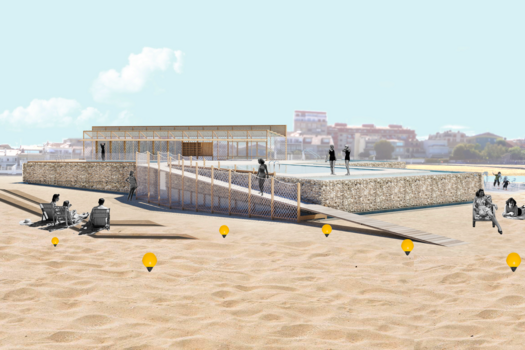
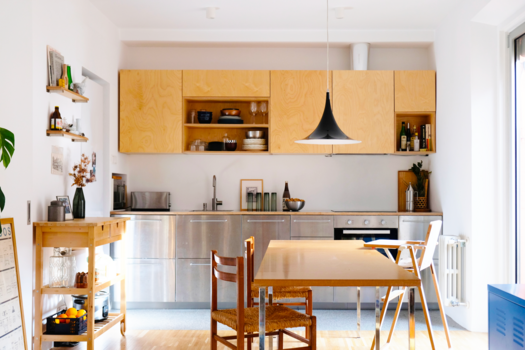
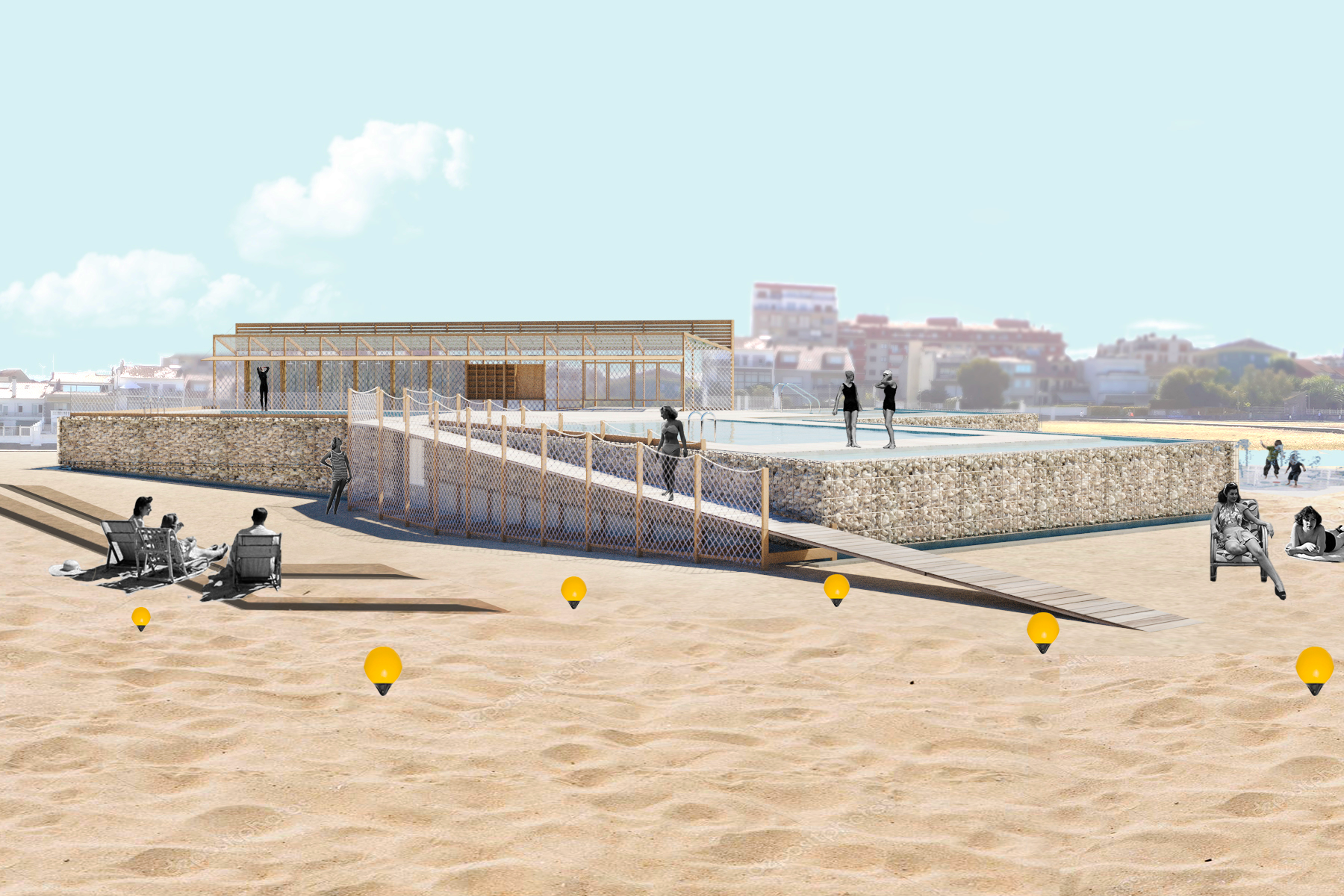
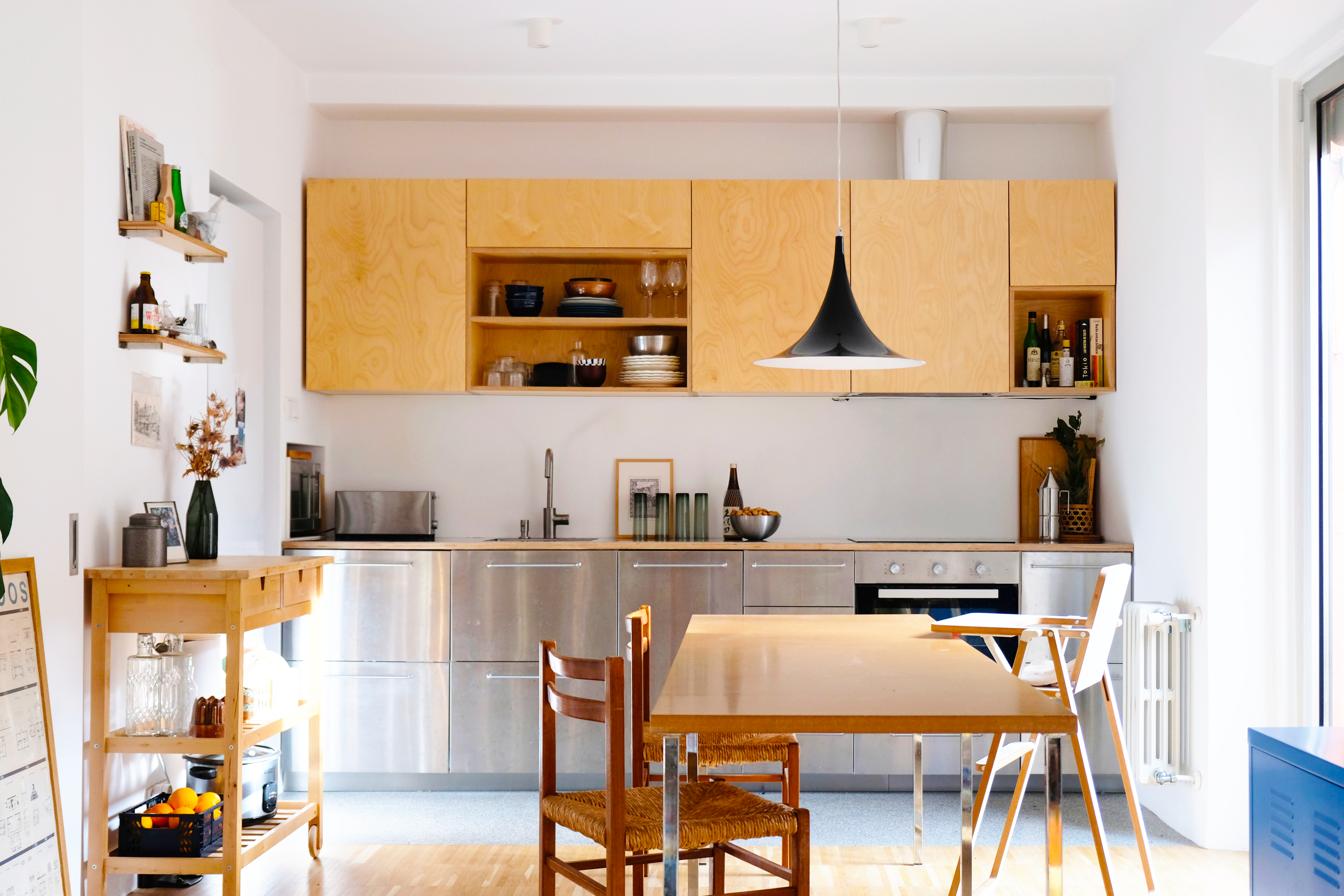
We have collaborated on several projects over the years; some have won awards, while others have been professional projects undertaken with other collaborators. Some examples include the open competitions for the Follo Museum in Norway (carried out with Gonzalo Rivas), or the Vilagarcía de Arousa Public Swimming Pools, as well as various small home renovation projects.
WORKS: