¡dame tira!
Oviedo (ES) - Winner
TEAM PORTRAIT
VIDEO (by the team)
INTERVIEW
Click on the images to enlarge
1. How do you define the main issues of your project in relation with the theme “Re-sourcing”? Re-sourcing thanks to nature, to social dynamics, to new materiality? In which way do you think your project can contribute to an ecological and/or social evolution? And in which way do you think your project can be called a “regenerative project”?
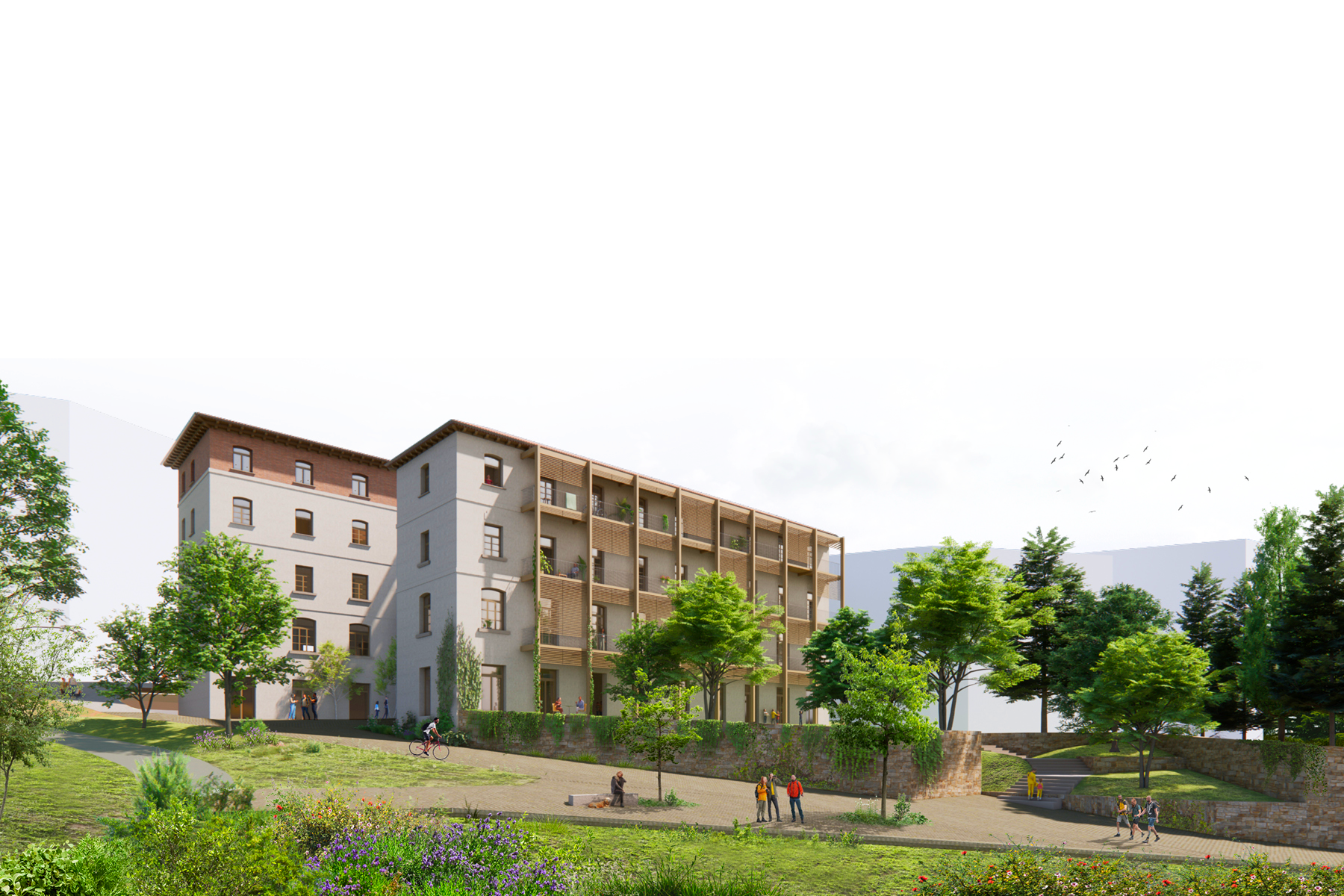
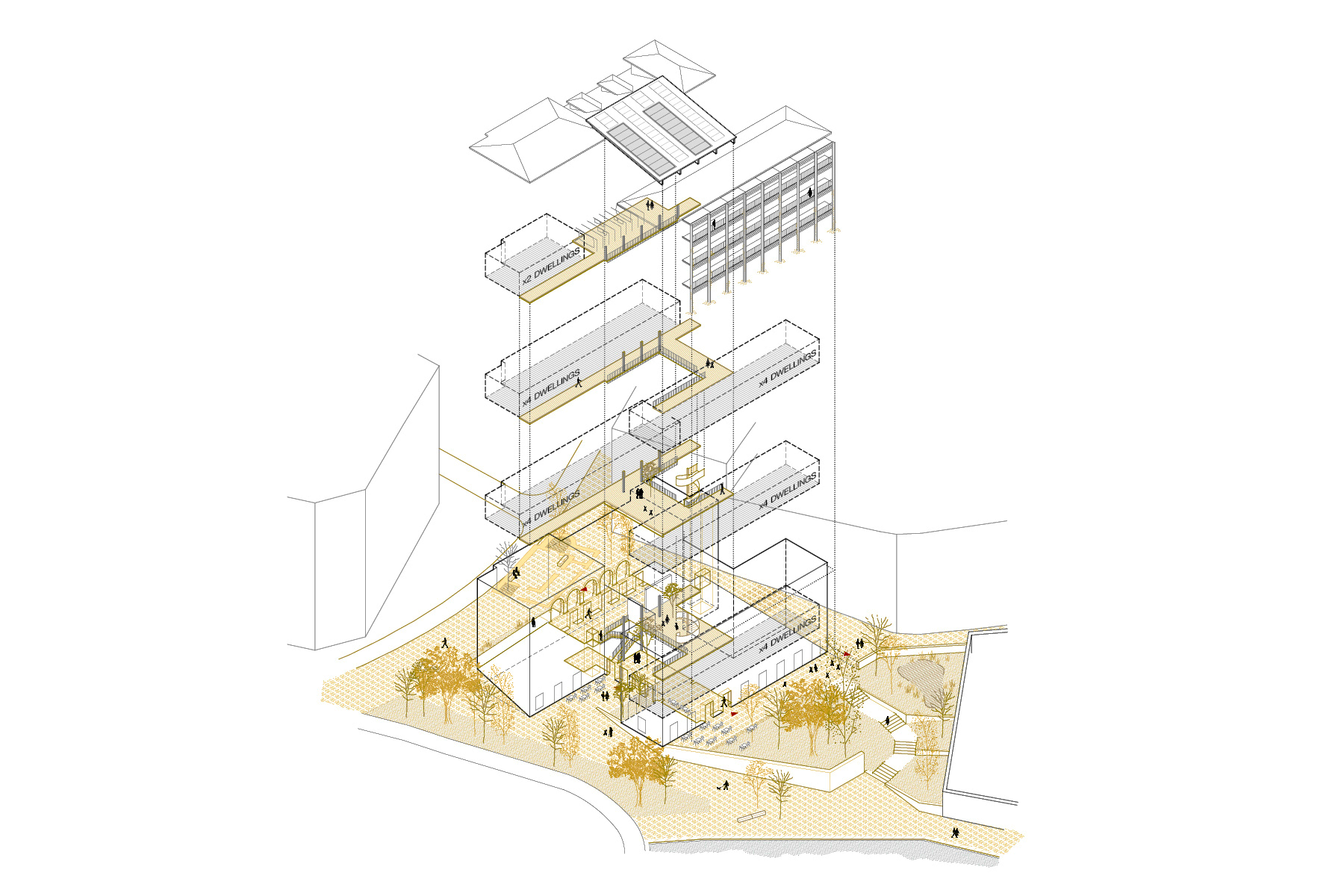
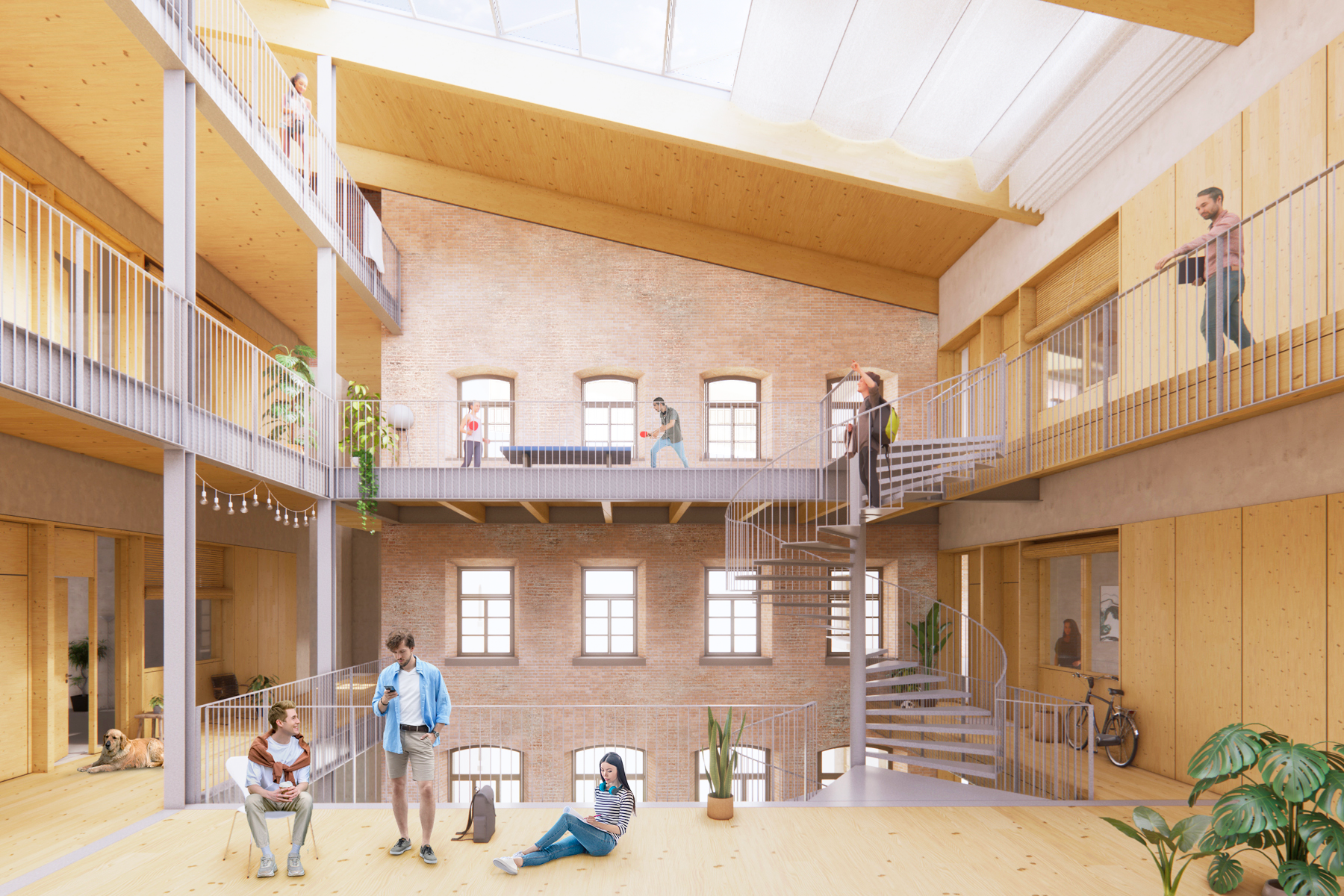
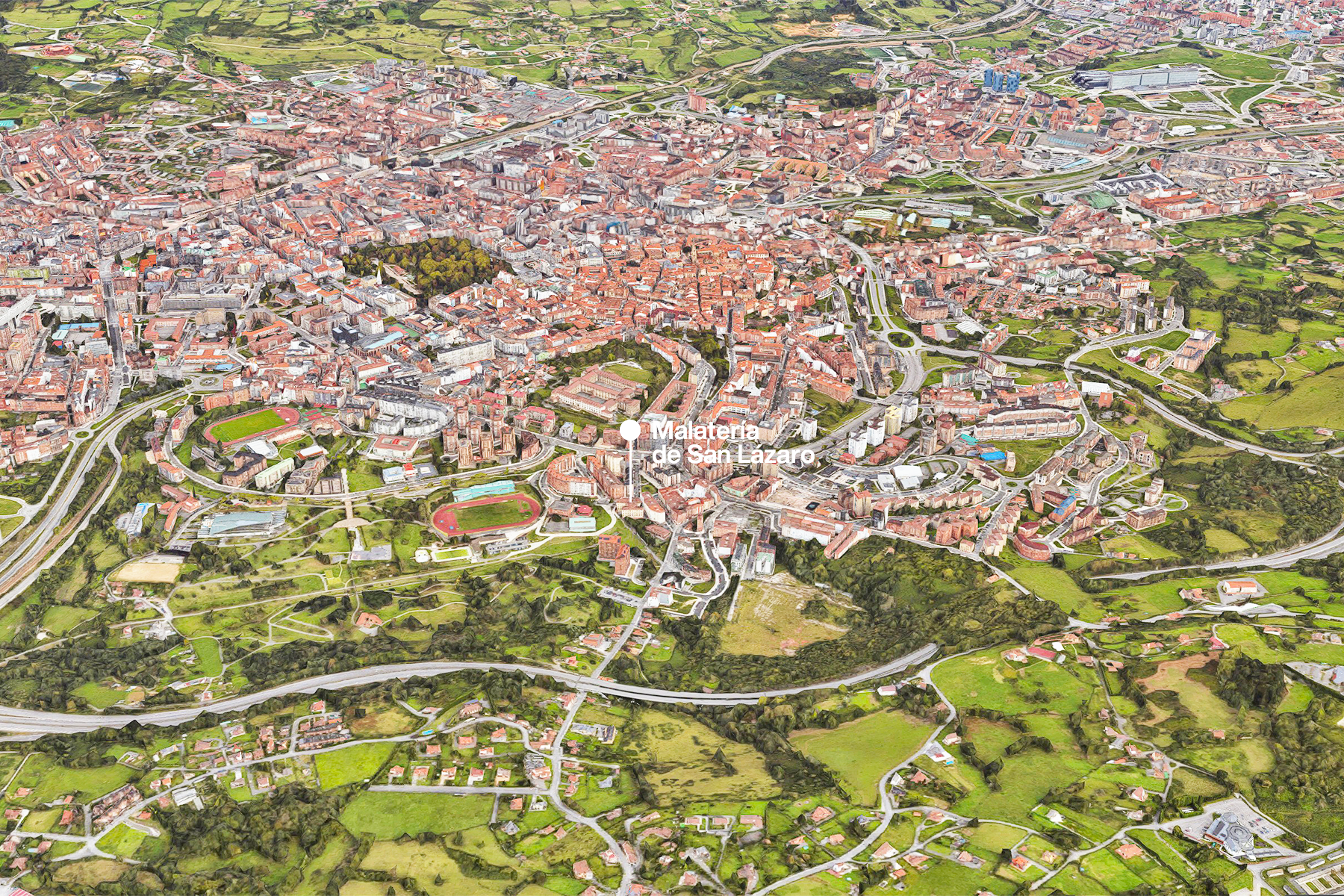
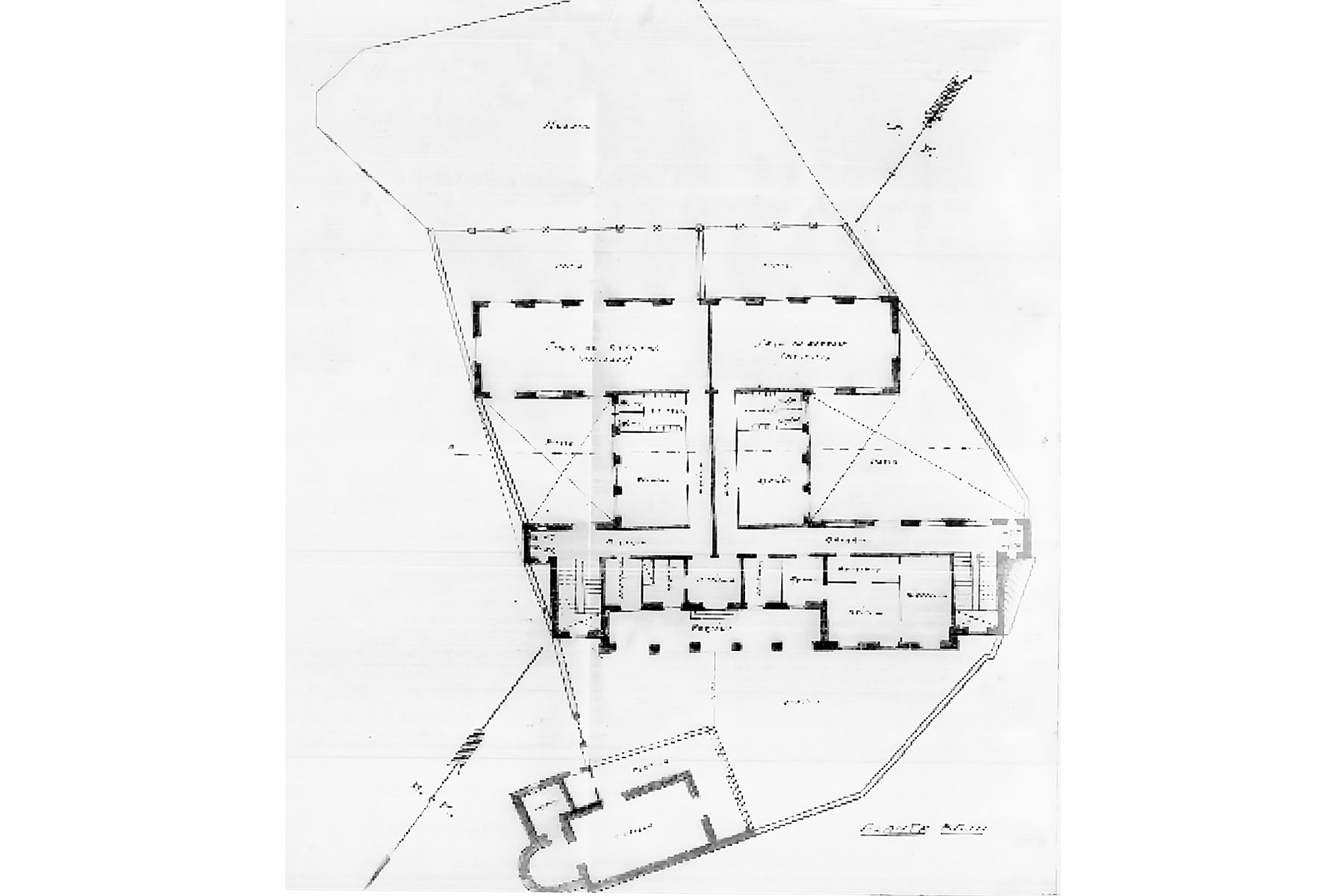
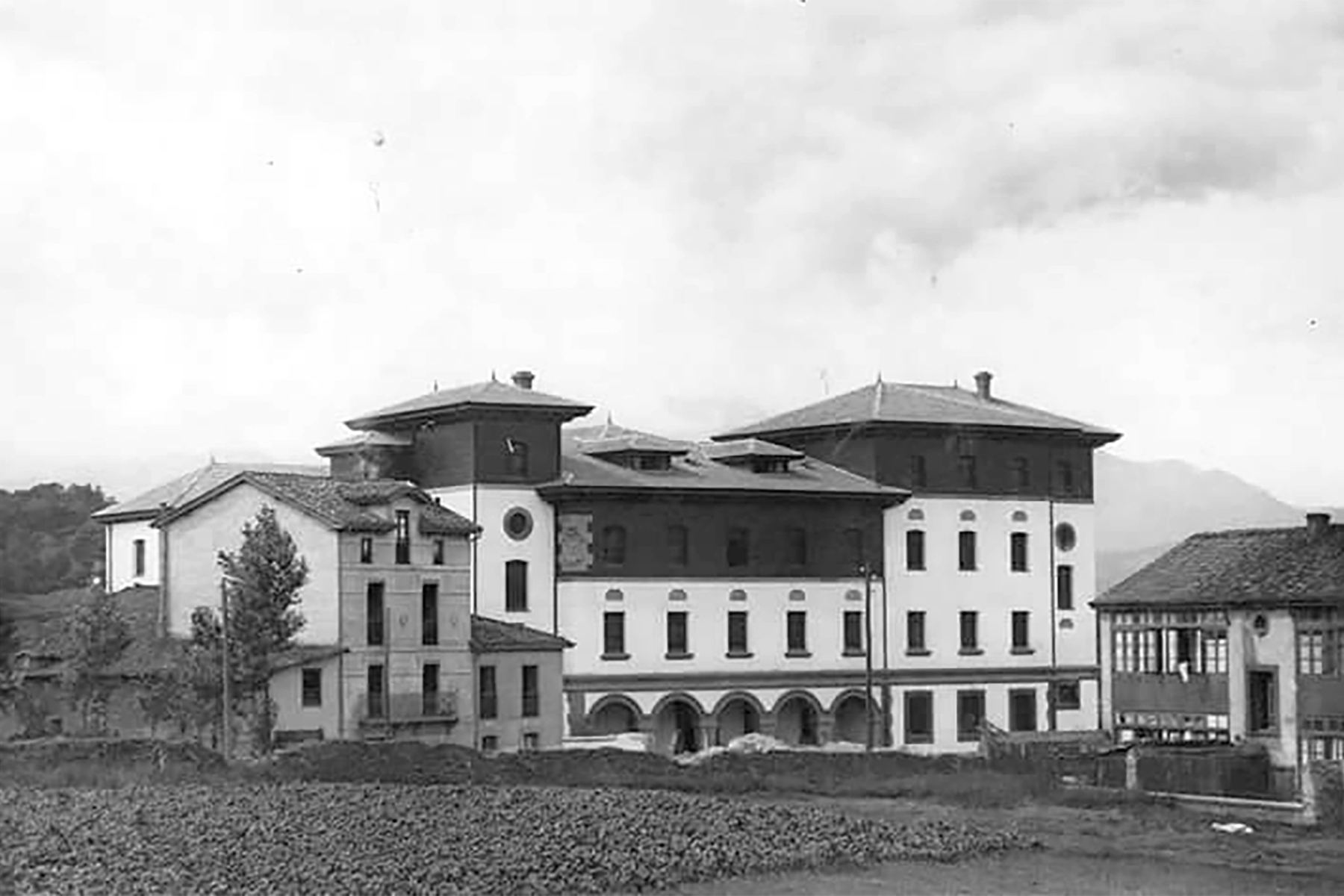
The project understands Re-sourcing as the activation of an existing building and its territorial, social, and ecological context. The former Malatería is reinterpreted as a threshold between city and nature, capable of reconnecting green networks, historic paths and the urban structure, transforming a void into an active node of centrality and biodiversity. At the same time, the project updates its historical vocation of care through a hybrid model of housing and community uses collectively managed, strengthening the neighbourhood’s social fabric. In this sense, the proposal is regenerative because it not only preserves but also generates new ecological, social, and urban relationships capable of evolving over time.
2. How did the issues of your design and the questions raised by the site mutation meet?
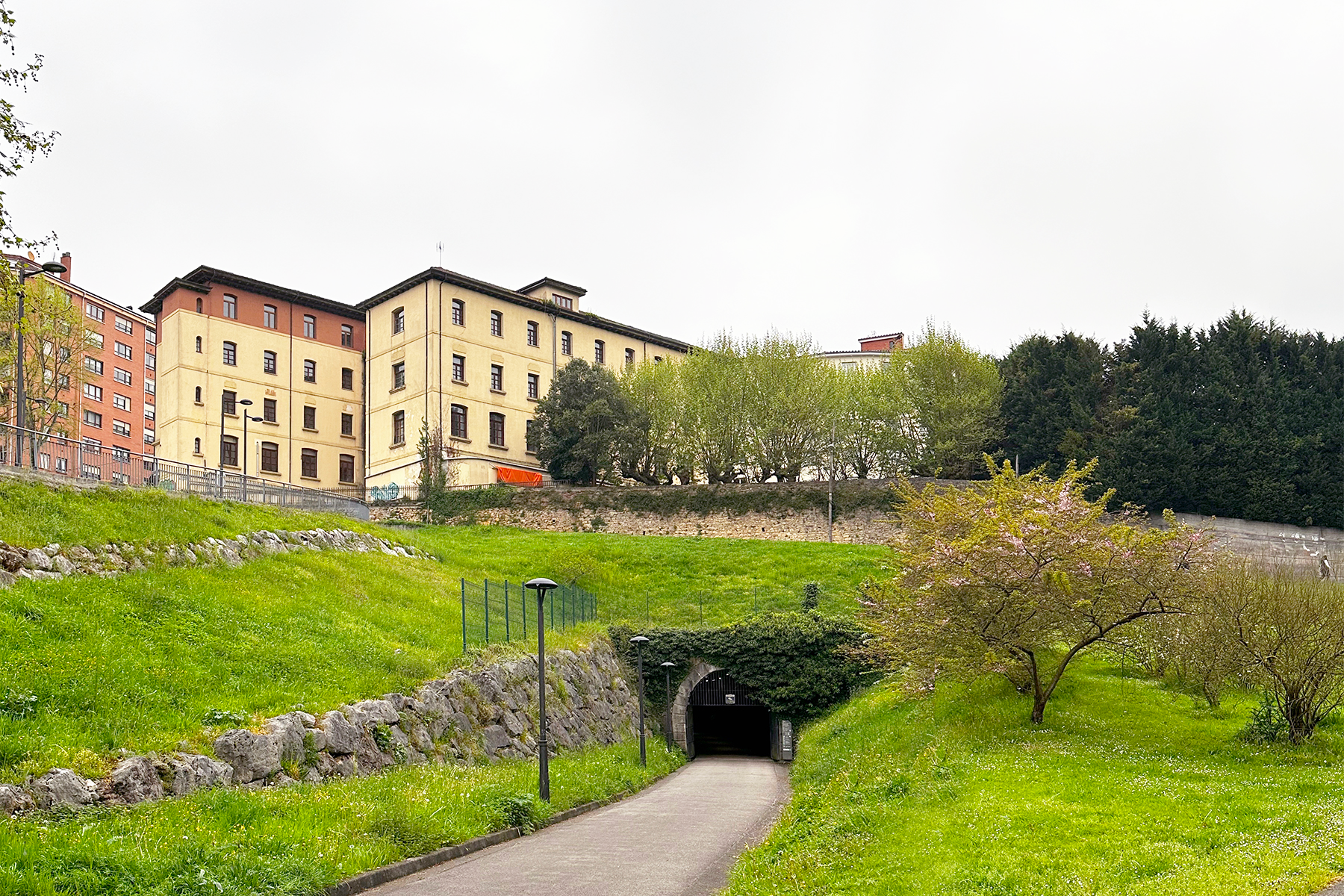
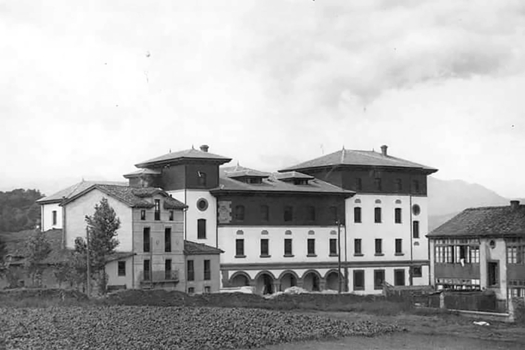
In our view, the site where the building is located required a transformation capable of connecting with all the gardens and outdoor spaces surrounding it, not only physically but also socially: the local community needed to be involved in the building’s reactivation. The intervention on the building, for us, required preserving its external essence. We were not concerned about whether the intervention would be visible from the outside, but it was important that the building remained intact as we know it, with particular respect for the appearance of the main façade facing the city.
PROJECT:
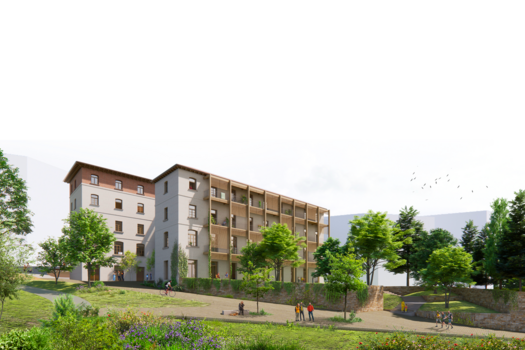
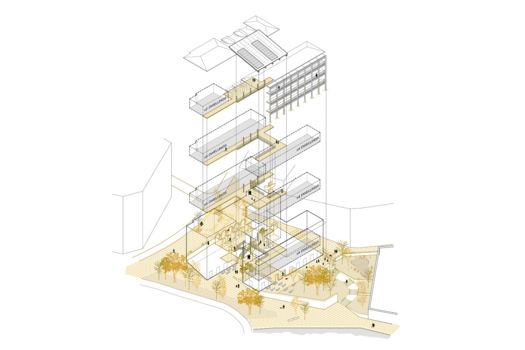
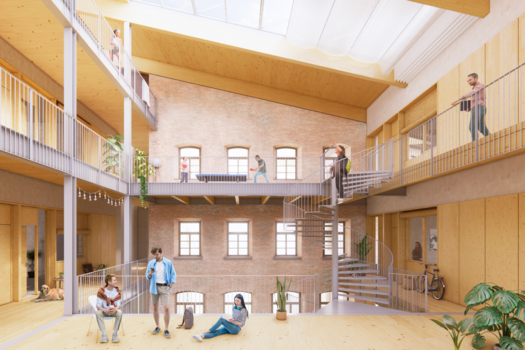
We believe that creating architecture through the regeneration of our existing buildings is the way we should approach the growth of our cities today and the creation of new housing. Increasingly, we are seeing examples of buildings that, although not originally conceived as residential, are being adapted for this purpose. In particular, we have been inspired by current housing cooperative projects, as they place greater emphasis on fostering community and social integration through the design of the architecture itself.
SITE:
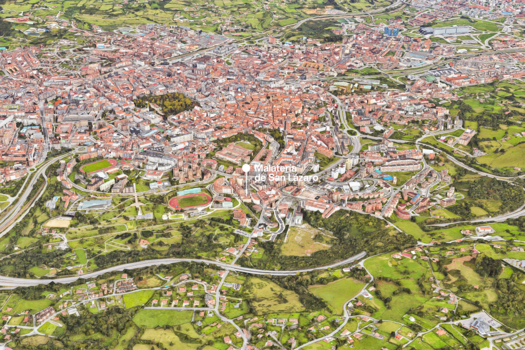
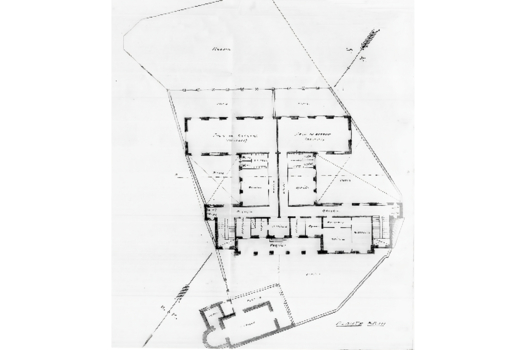
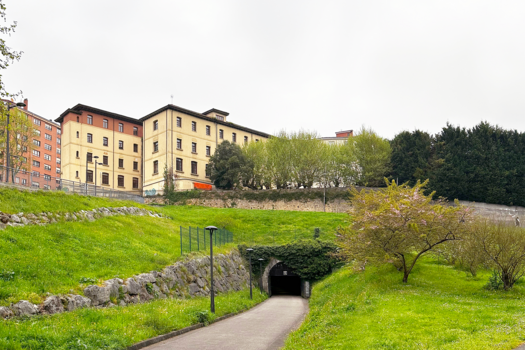
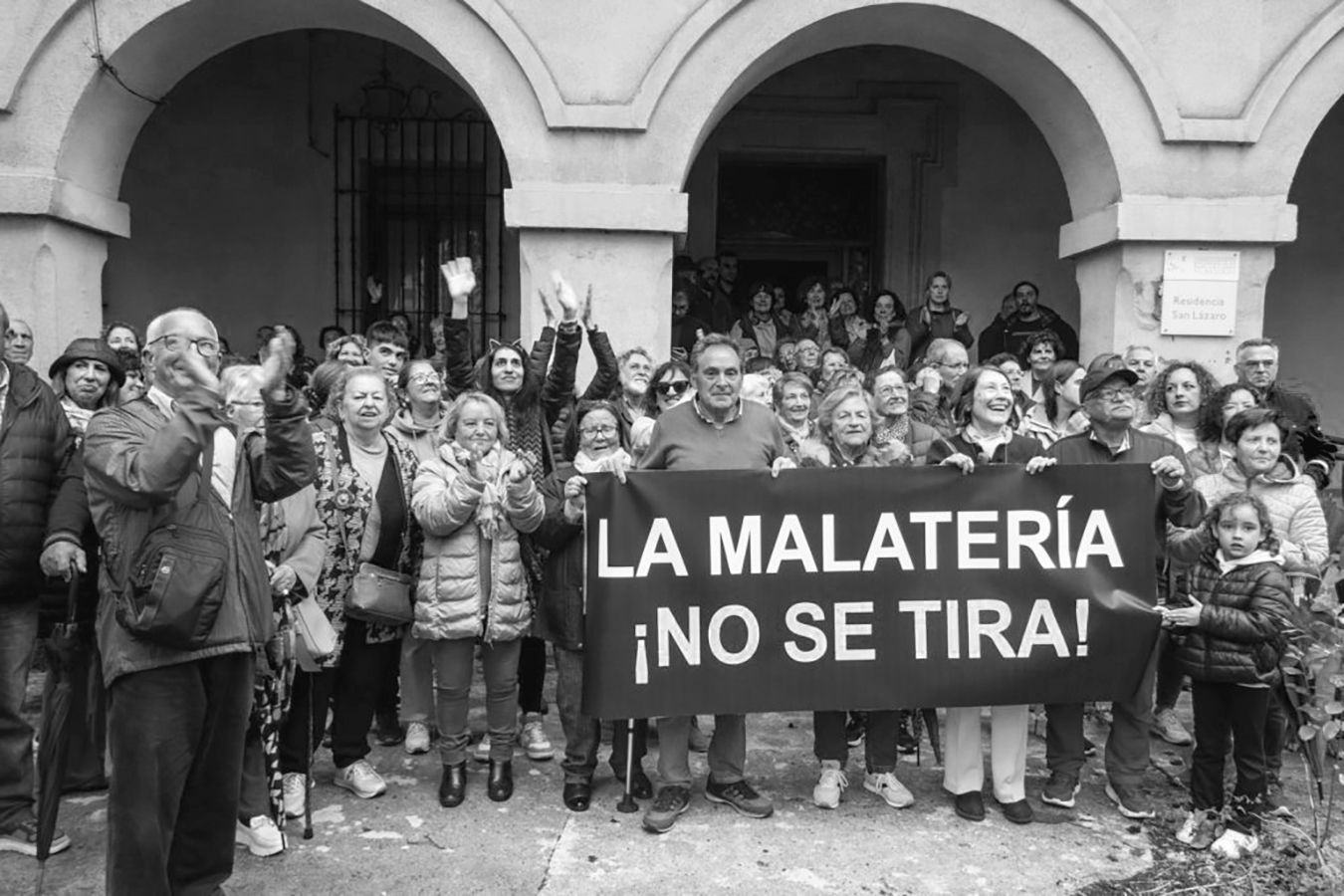
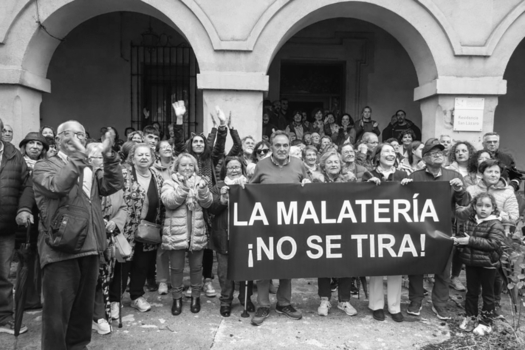
For us, it is essential that the outcome of the architecture responds to the real needs of the neighbourhood and the expectations of the residents of the San Lázaro district, who have fought to preserve the Malatería. The provision of spaces for community activities on the ground floors of the building opens the door for, in dialogue with the authorities, the implementation of uses that are truly needed by the local community.
REFERENCES:
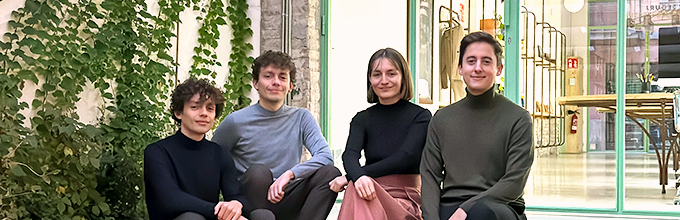
The competition team emerged from a shared interest in tackling a common challenge and having the opportunity to express our architectural and urban interests in a proposal. All of us are architects, with two of us specialising in landscape, which brings greater interdisciplinarity to the team and is of particular relevance to this project due to the importance of its urban and landscape dimensions.
6. How could this prize help you in your professional career?
We are very grateful for the award, and we hope that it will not only remain a form of recognition but also serve as the seed of a new professional chapter for us. We hope to have the opportunity to continue developing this project, allowing us to gain the knowledge and experience needed to continue creating architecture throughout our careers.
TEAM IDENTITY
Legal status:
Team name:
Average age of the associates: 28 years old
Has your team, together or separately, already conceived or implemented some projects and/or won any competition? if so, which ones?
No.