Erholsame Produktivräume
Speichersdorf (DE) - Winner
TEAM PORTRAIT
VIDEO (by the team)
INTERVIEW
Click on the images to enlarge
1. How do you define the main issues of your project in relation with the theme “Re-sourcing”? Re-sourcing thanks to nature, to social dynamics, to new materiality? In which way do you think your project can contribute to an ecological and/or social evolution? And in which way do you think your project can be called a “regenerative project”?
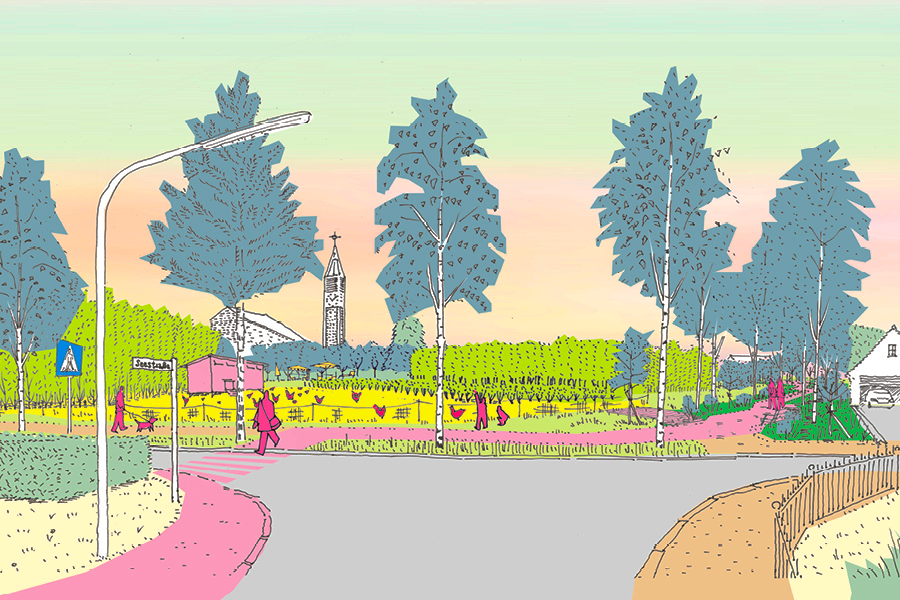
Renewed locality: We want to strengthen the relationship between people and territory, and foster appreciation of its ecological and agricultural processes and resources. A renewed sense of productivity: we want to curate the agricultural landscape in a way, so that it generates more than one crop: more soil formation, more CO₂ storage, greater climate resilience, more non-human habitats, greater (bio)diversity, a greater sense of belonging, greater views, greater access, greater recreation and greater beauty.
2. How did the issues of your design and the questions raised by the site mutation meet?
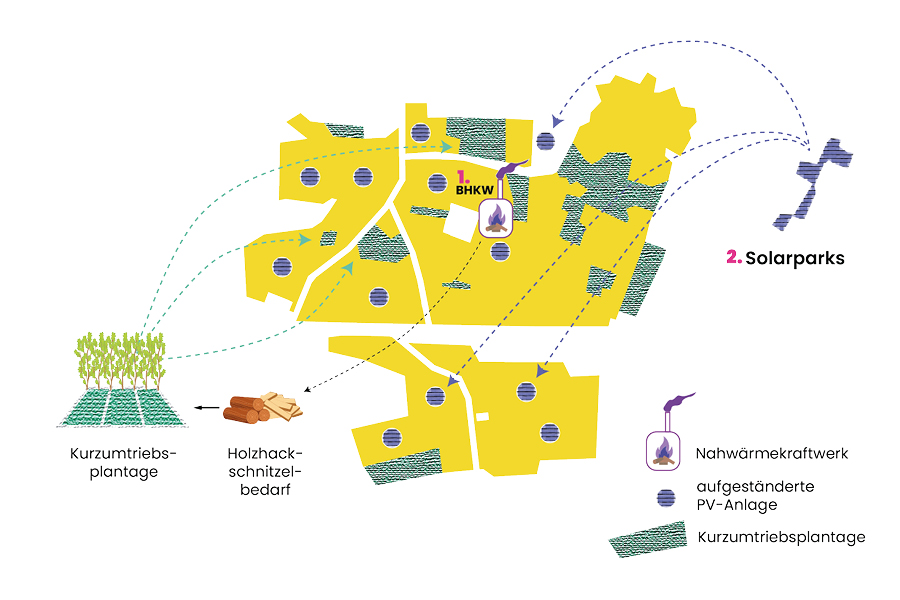
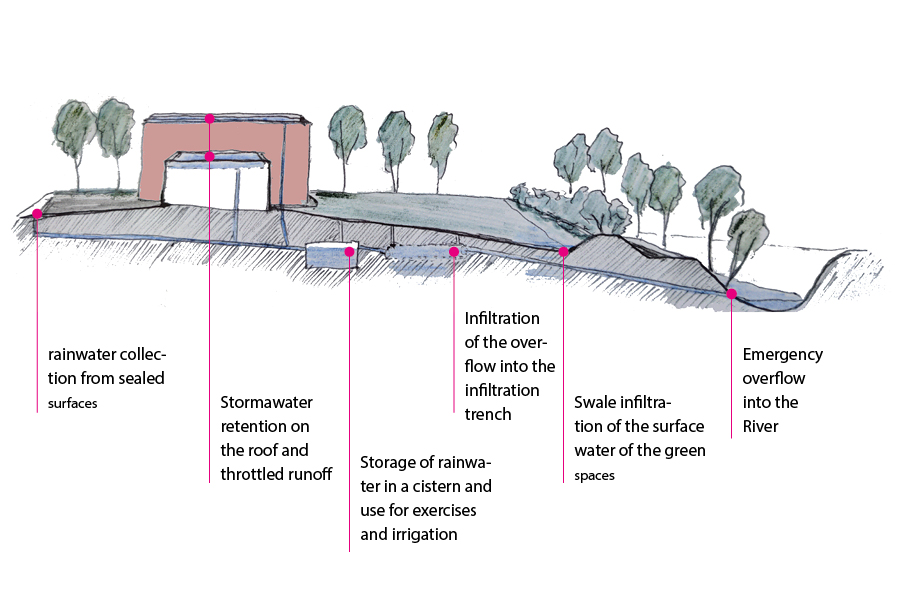
We found a community that already produces more renewable energy than it consumes, and we could build on this. The local farmers could be included in this circular economy by producing wood chips and adding biochar to their soils, on the condition that the processing method is changed from combustion to pyrolysis. Using the energy surplus to power a data processing center would further strengthen the local economy, and the waste heat could be used to heat the multipurpose hall.
PROJECT:
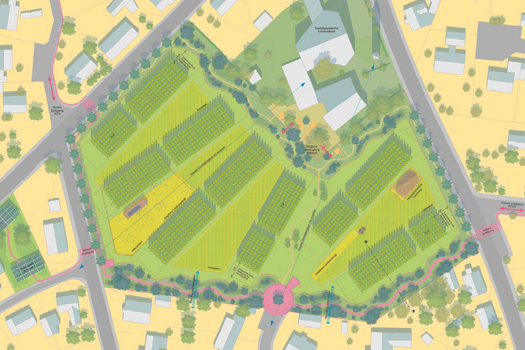
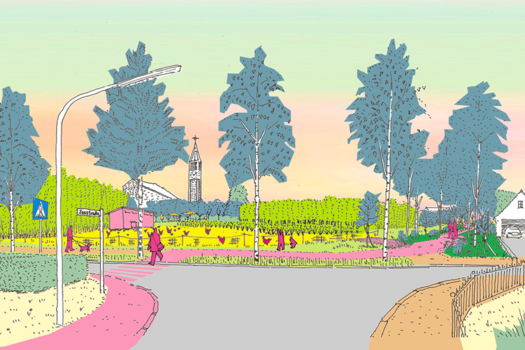
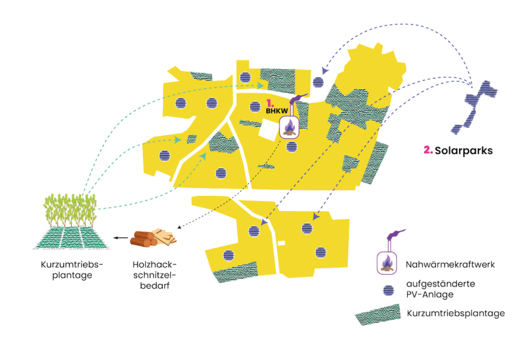
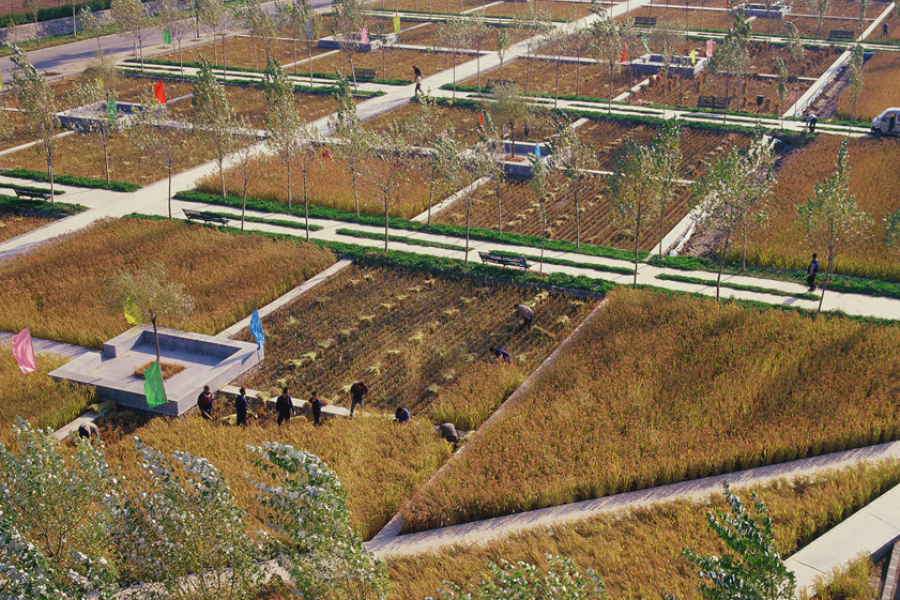
We approached the site as both a city in a rural setting and a productive agricultural landscape. References include the “Landwirtschaft 5.0” initiative, which addresses contemporary challenges in agriculture; the Waldlabor in Cologne, an experimental field of fast-growing trees integrated into a public park; and a single-family house in Dresden designed by Reiter Architekten, which utilises waste heat from servers for heating.
SITE:
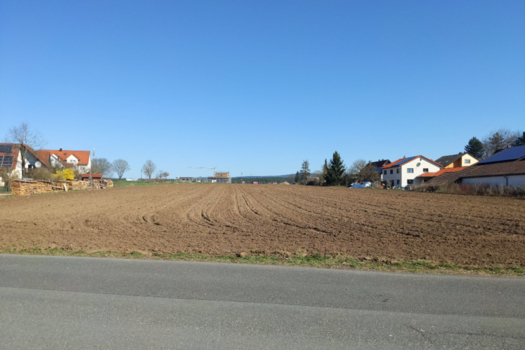
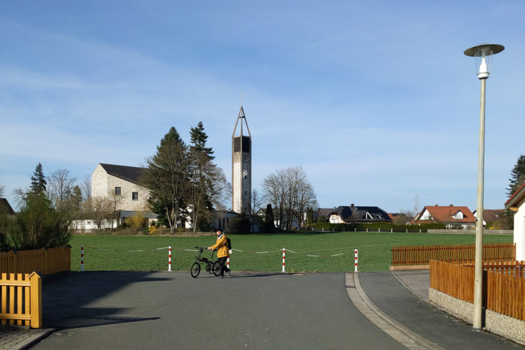
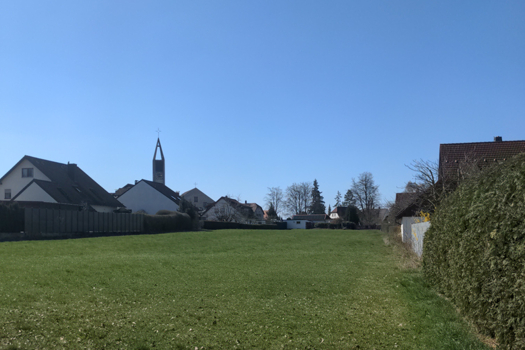
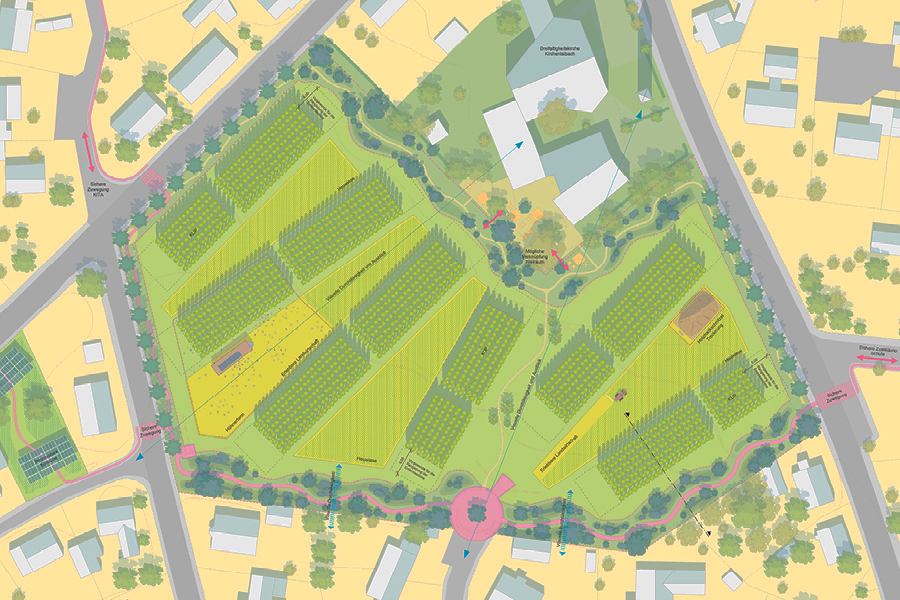
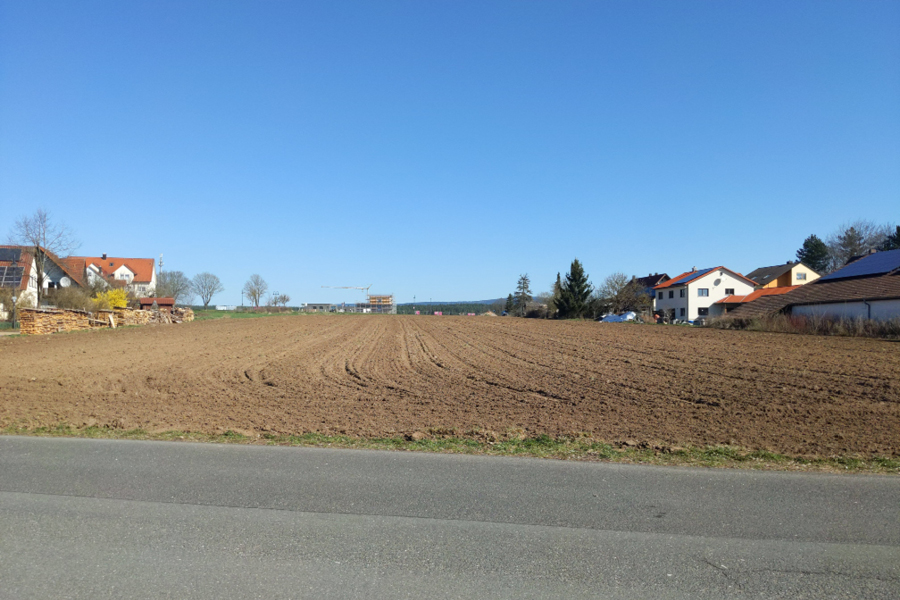
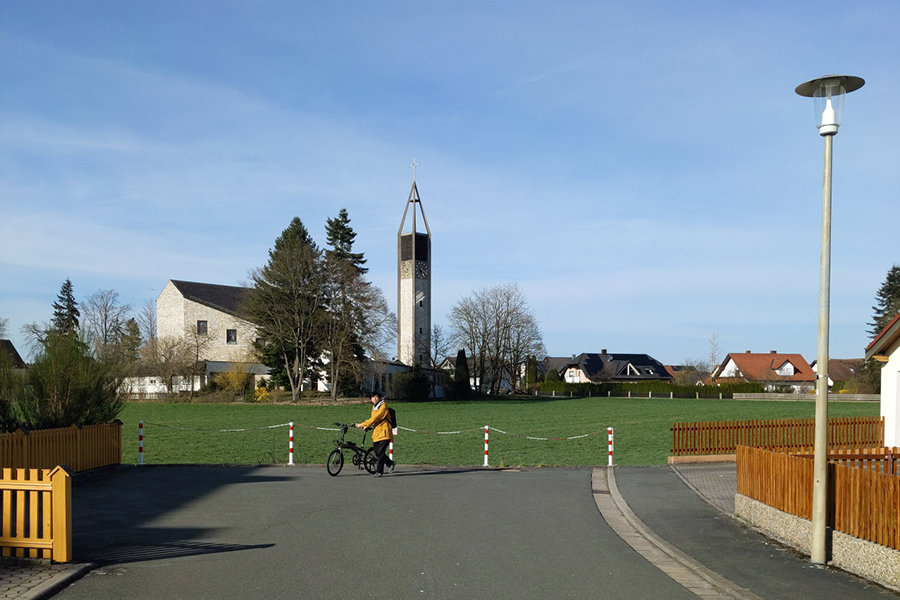
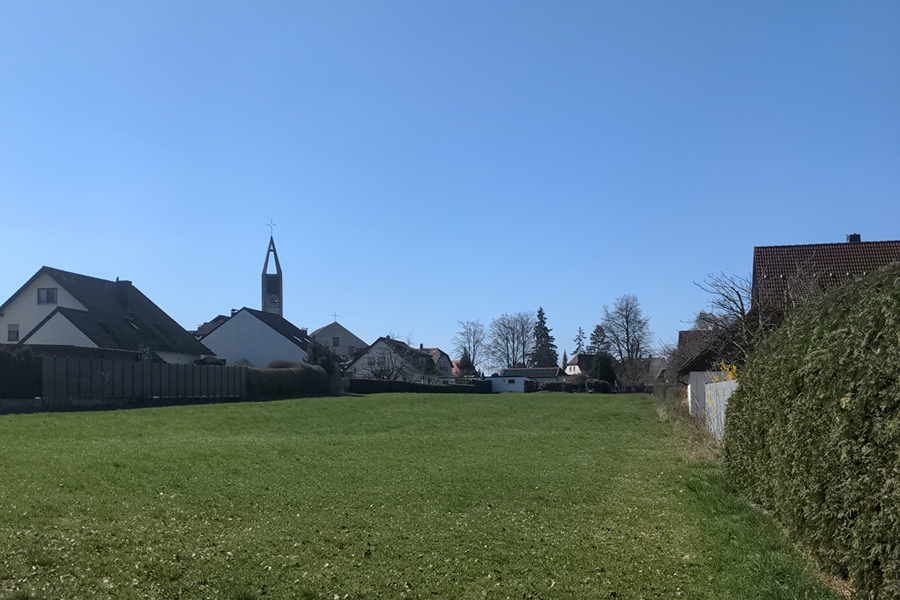
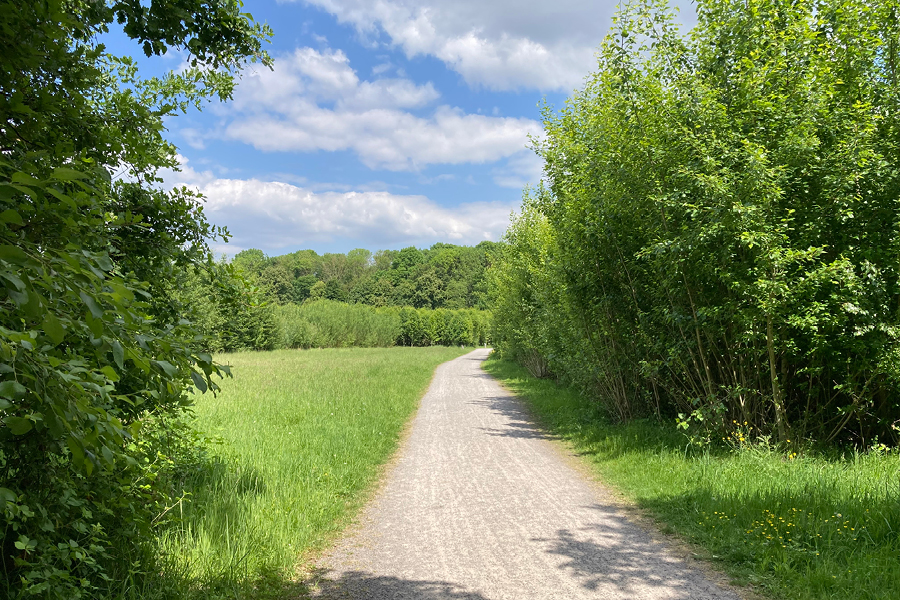
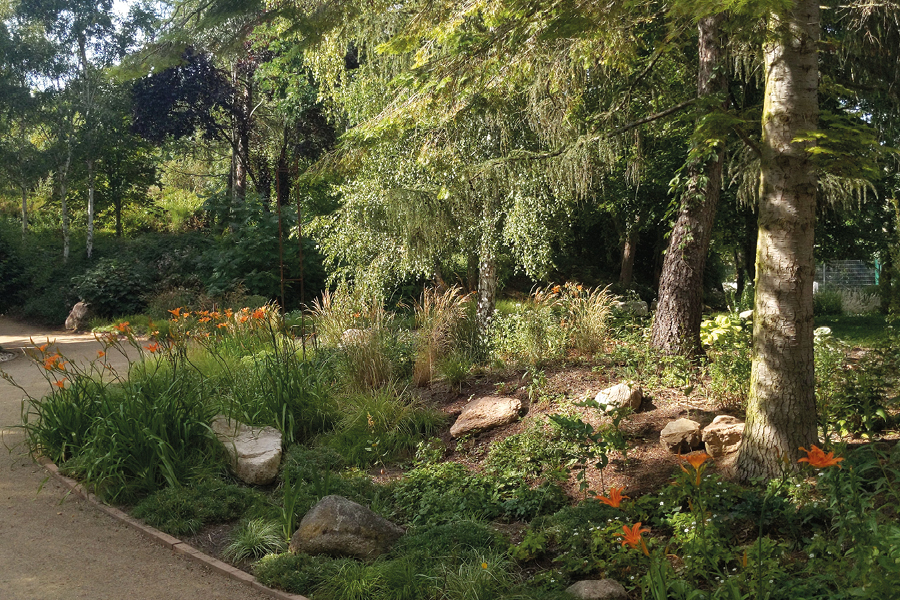
We developed a scheme that prioritises construction and non-construction zones. In zones not prioritised for building, we add a walkable belt in the form of a linear park to the fields, thereby maintaining the current agricultural use. In a second step, short rotation coppices could be introduced while maintaining the current use. Finally, the main agricultural use could change to crops that can be marketed directly to the surrounding city.
REFERENCES:
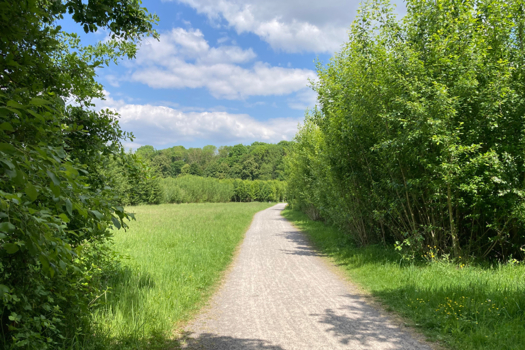
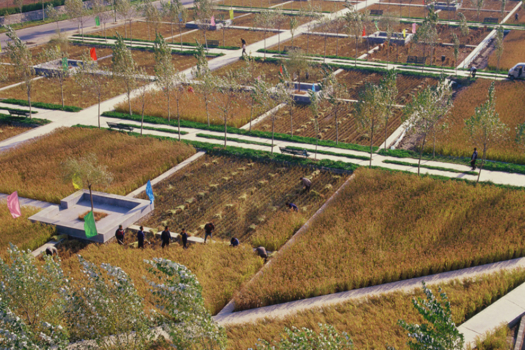
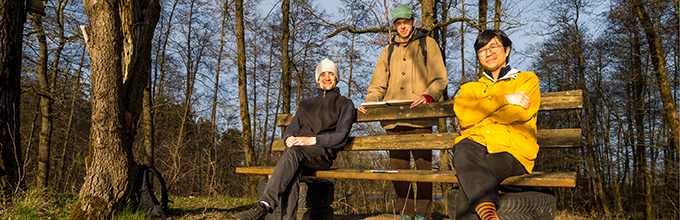
We are three friends who met while studying architecture and urban planning at Bauhaus University in Weimar. After completing our Bachelor's degrees, we went our separate ways for academic and professional reasons: one of us studied architecture in Braunschweig, one studied landscape architecture in Hanover, and one worked in architecture in Tokyo. It was the Europan 18 competition that finally gave us the opportunity to bring our diverse experiences together and collaborate.
6. How could this prize help you in your professional career?
Winning Europan 18 in Speichersdorf is a milestone, placing our work in international dialogue. Jury recognition affirms our ideas’ relevance to urban development debates. The prize strengthens our professional standing and opens opportunities for future collaborations.
TEAM IDENTITY
Legal status:
Team name:
Average age of the associates: 32 years old
Has your team, together or separately, already conceived or implemented some projects and/or won any competition? if so, which ones?
We have won and implemented different projects separately, while working in different offices.
WORKS: