FYRTÅRN
Trondheim (NO) - Runner-up
TEAM DATA
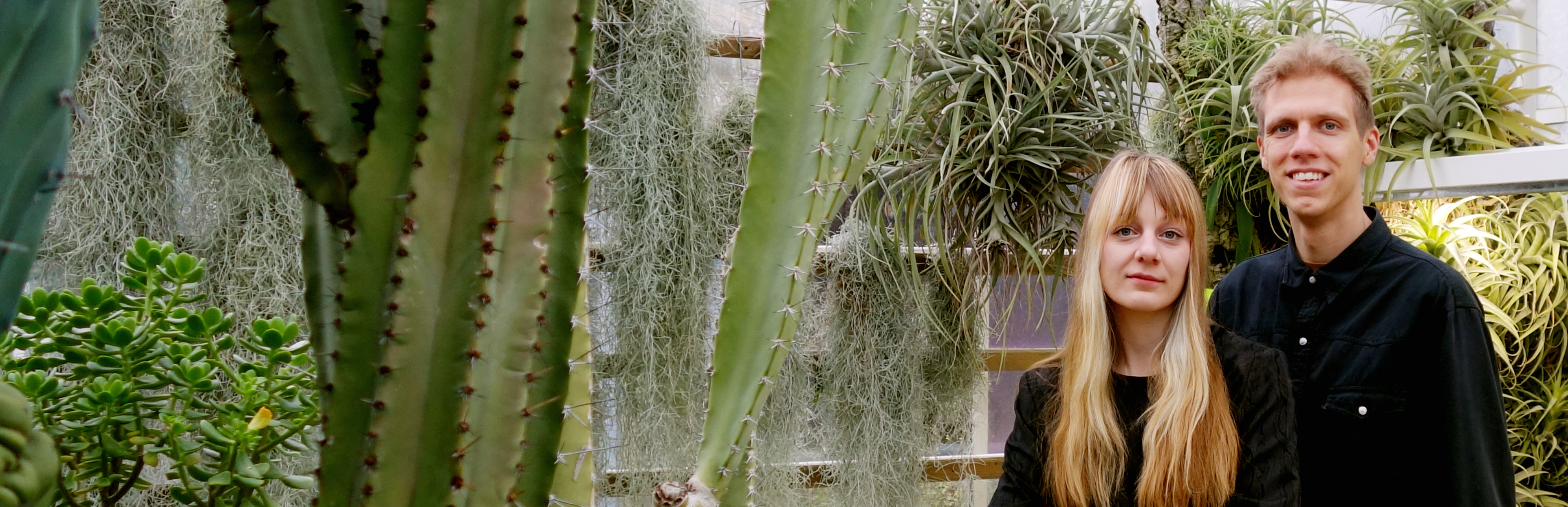
Associates: Heljä Nieminen (FI), Havu Järvelä (FI) – architects
helja@keltainentoimisto.fi
http://www.keltainentoimisto.fi/
See the complete listing of portraits here
See the site here
TEAM PORTRAIT
VIDEO (by the team)
INTERVIEW
Click on the images to enlarge
1. How do you define the main issues of your project in relation with the theme “Re-sourcing”? Re-sourcing thanks to nature, to social dynamics, to new materiality? In which way do you think your project can contribute to an ecological and/or social evolution? And in which way do you think your project can be called a “regenerative project”?
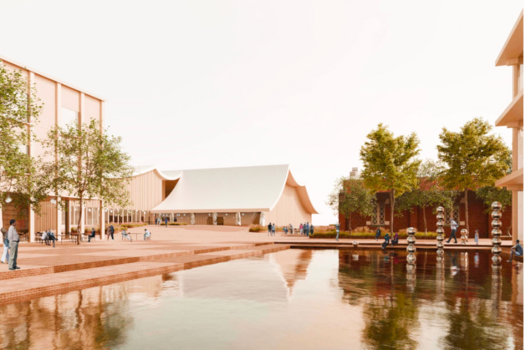
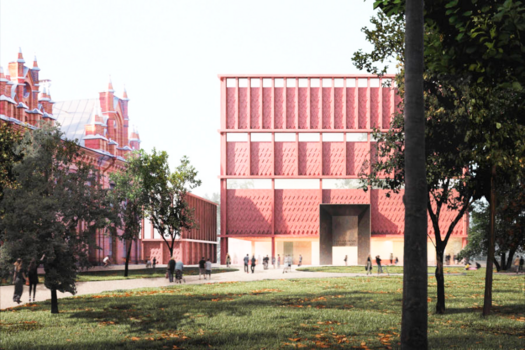
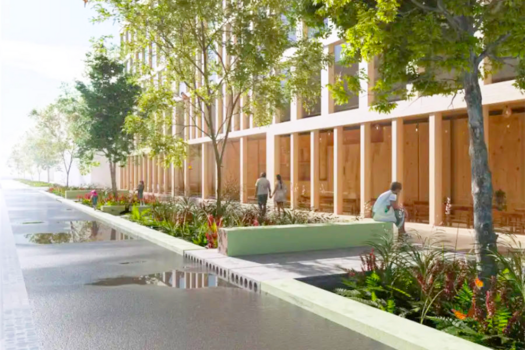
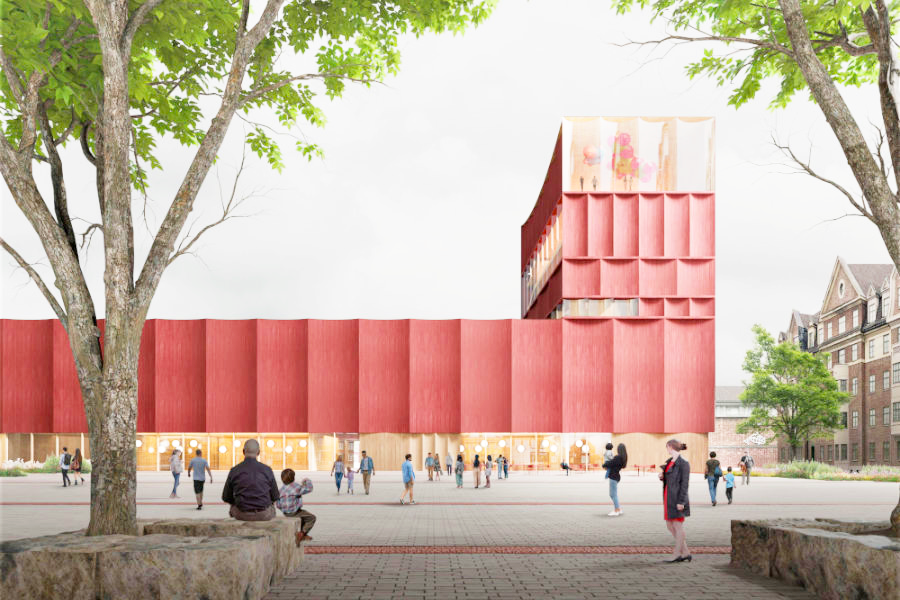
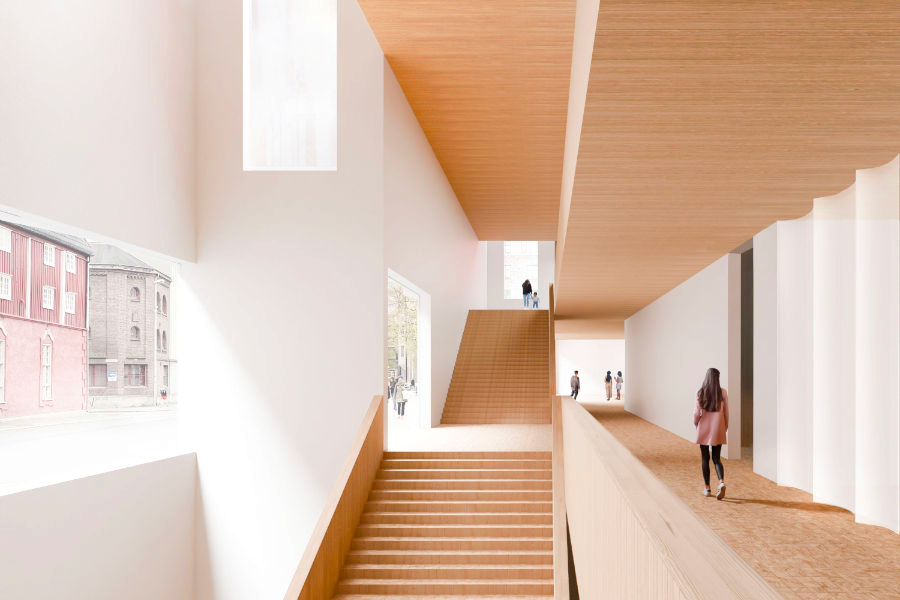
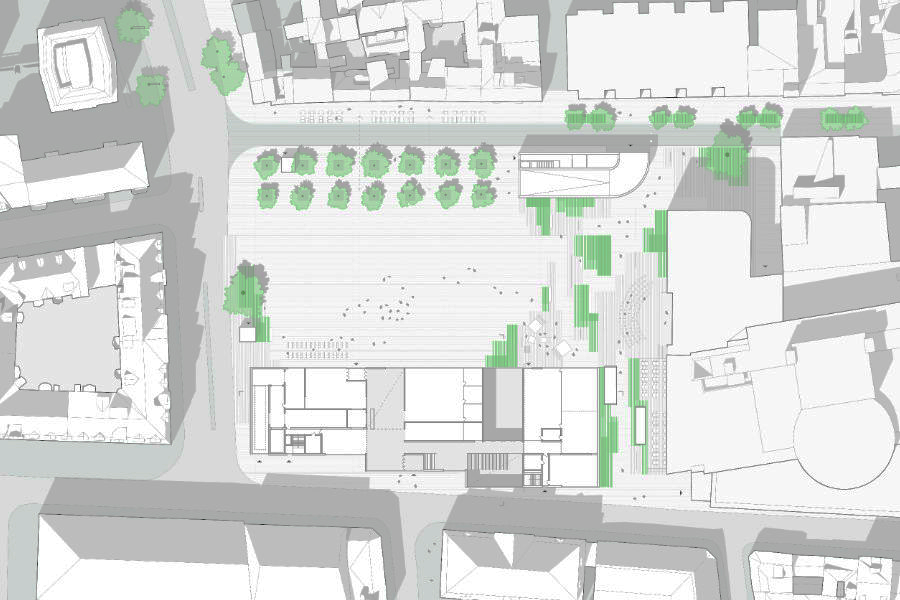
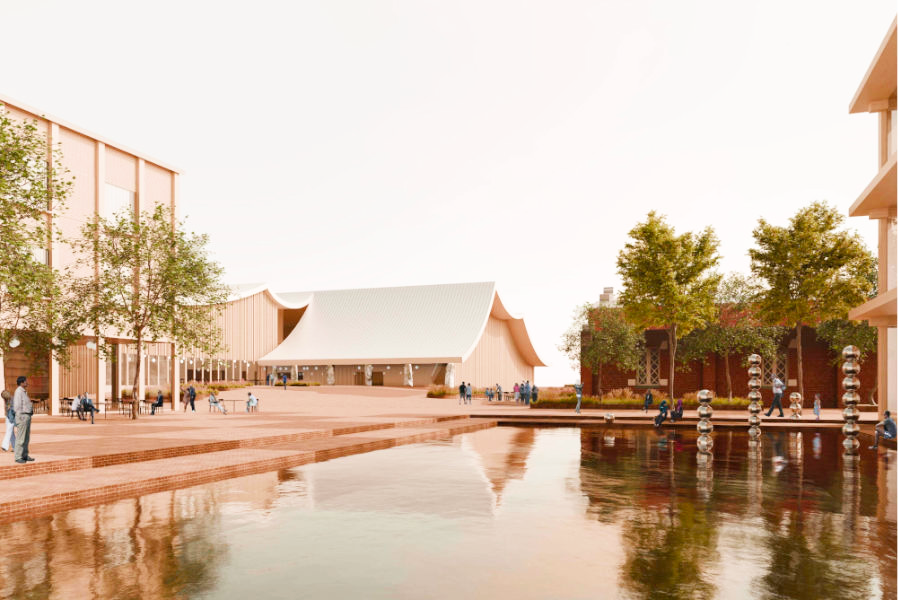
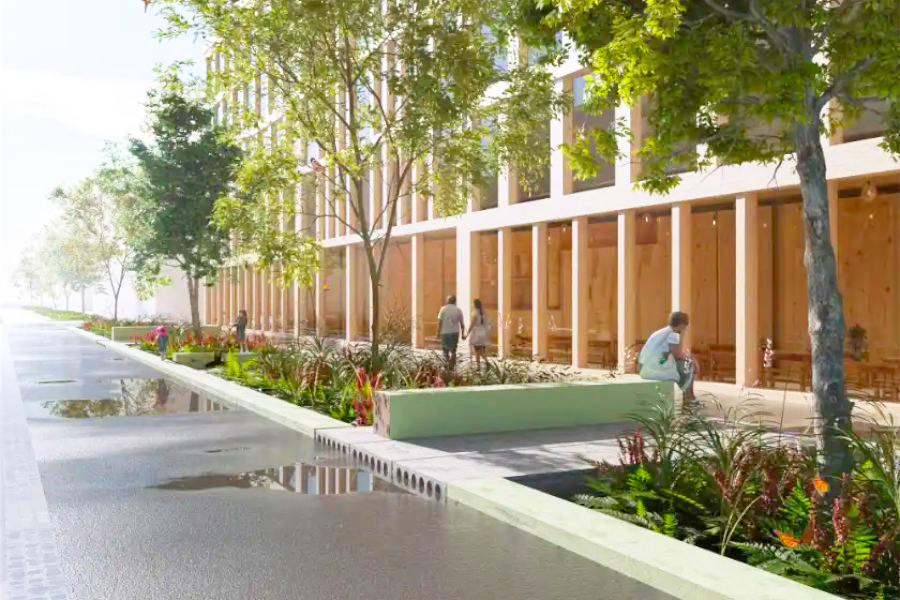
Our approach to "re-sourcing" challenges the traditional methodology of utilizing virgin, non-renewable materials to reconstruct already functional spaces. Instead, we aim to breathe new life into the existing plaza through thoughtful, minimal transformations. By harnessing the intrinsic value of the current urban structure, our project enhances the quality of the existing plaza, positioning the museum as an inviting cultural beacon. The essence of our strategy lies in the conservation of the existing underground structures, which significantly reduces the carbon footprint typically associated with demolishing old structures and constructing new ones to substitute for their program. The phased implementation or this strategy ensures minimal disruption and seamlessly transitions the square into a vibrant, pedestrian-friendly public domain without compromising the integrity of what's already been invested underground. By preserving existing trees and breaking down wall-like structures into smaller, more inviting sections, the project enhances ecological connectivity. Broadening sidewalks and creating terraces connected to Leuthenhaven Square support local businesses and encourage the square’s role as a vibrant meeting point. Novel public services, such as a restaurant and library on the ground floor facing the square, enhance connections among diverse community members. Additionally, workshops and multifunctional areas near Trøndelag Teater encourage collaboration and exchange, cementing the plaza as a locus of ecological preservation and cultural enrichment.
2. How did the issues of your design and the questions raised by the site mutation meet?
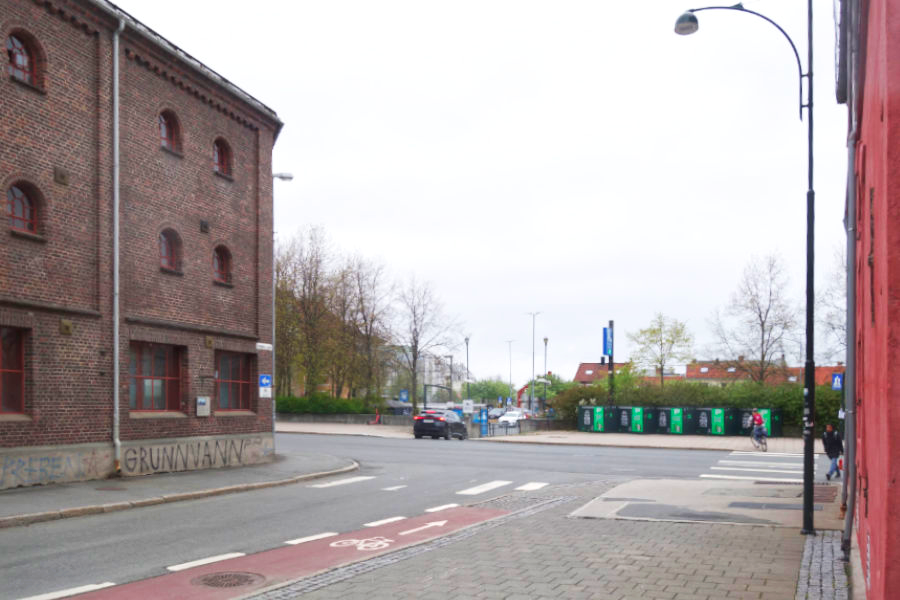
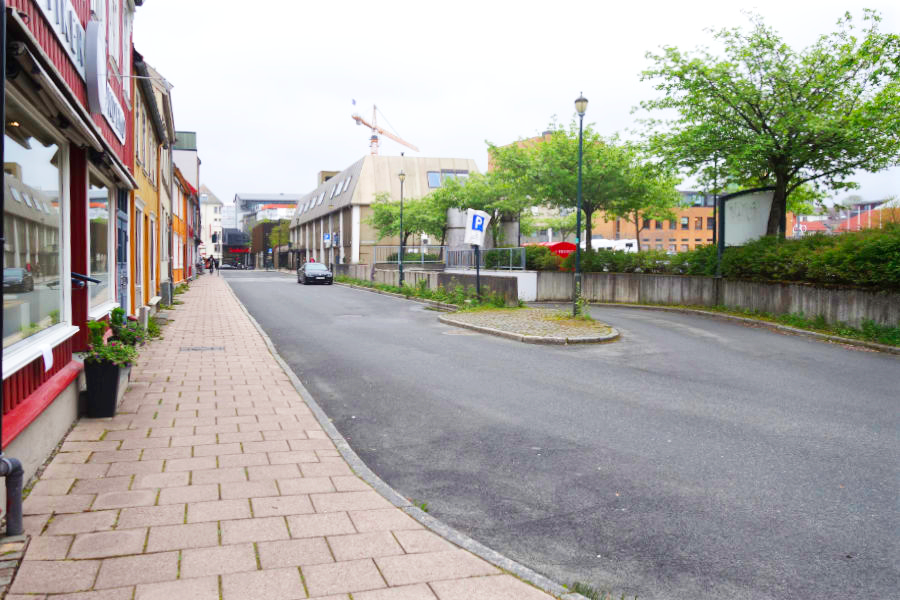
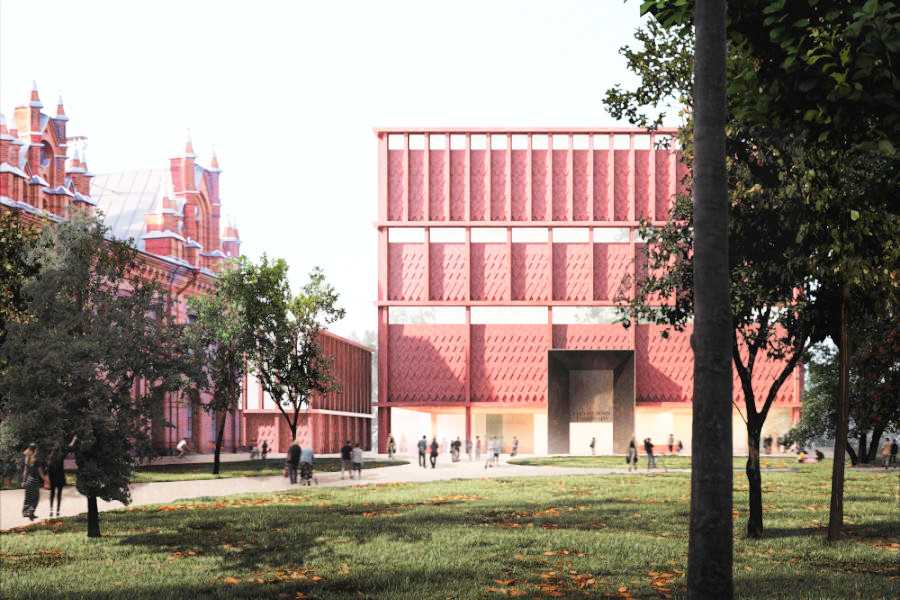
Positioned at the southern edge of Leuthenhaven plaza, the museum plays a pivotal role in revitalizing this space through strategic interventions aimed at enhancing pedestrian movement and active, soft city. Currently the square is challenged through its rigid exterior borders through the multiple underground ramps and wall-like structures. The square is reimagined with a novel entrance to underground parking from the North-East corner, facilitating a more fluid and welcoming connection to the surrounding city from all directions. The proposition reestablishes Repslagerveita’s northern side to the square, broadening the sidewalk to allow for the shops to have terraces towards south. The existing green plantings are preserved, and the wall-like planting basin is divided to smaller sections. The transformed Museum square offers diverse spaces for events in the open museum square alongside enjoying a lush passageway that lines its eastern edge, invigorating both ecological and social connectivity between the passerby, the museum and Trøndelag Teater’s terrace.
PROJECT:
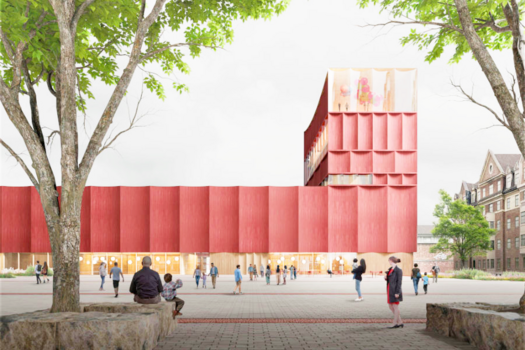
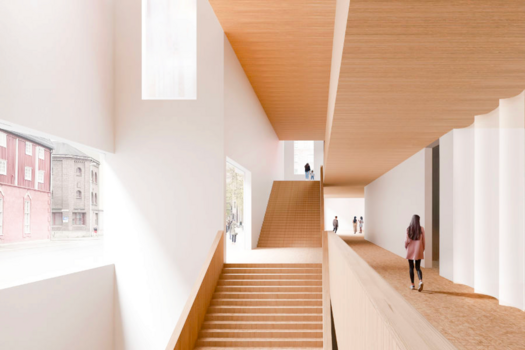
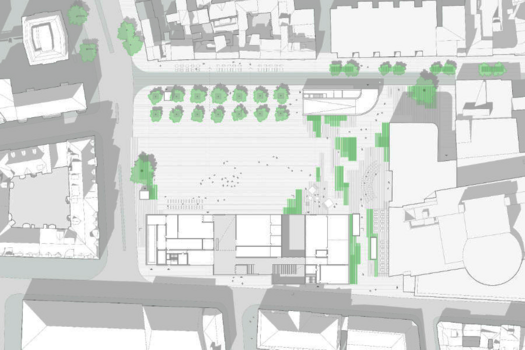
Celebrating the best qualities of the existing city image, softening hard borders, and fostering cultural care are central aspects of contemporary public architecture. Achieving these goals is best realized when architecture unites local communities and invites new user groups through bold design decisions. Transformative, ahead-of-their-time public projects that serve as references include the transformation of the Cable Factory in Helsinki (ILO Arkkitehdit), the redevelopment of Gundeldingerfeld in Basel (baubüro in situ), and the bold decision to preserve the existing plaza at Place Léon Aucoc in Bordeaux (Lacaton & Vassal).
SITE:
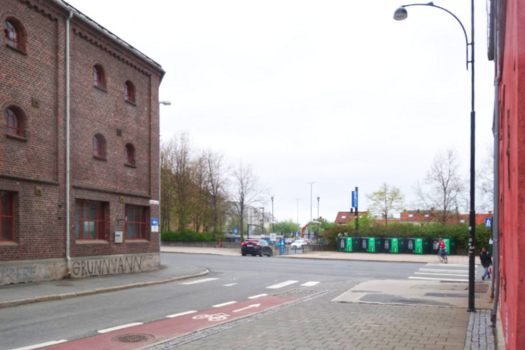
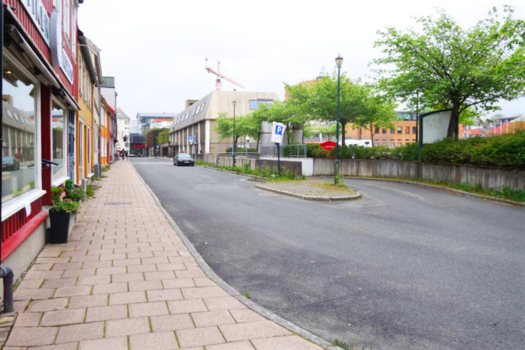
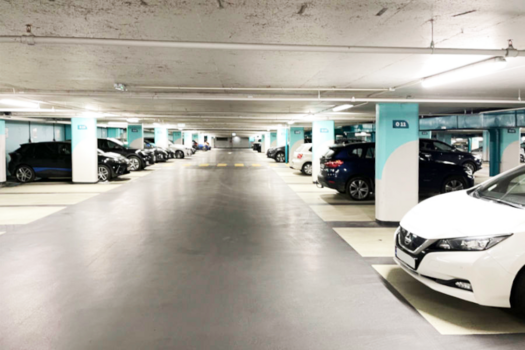
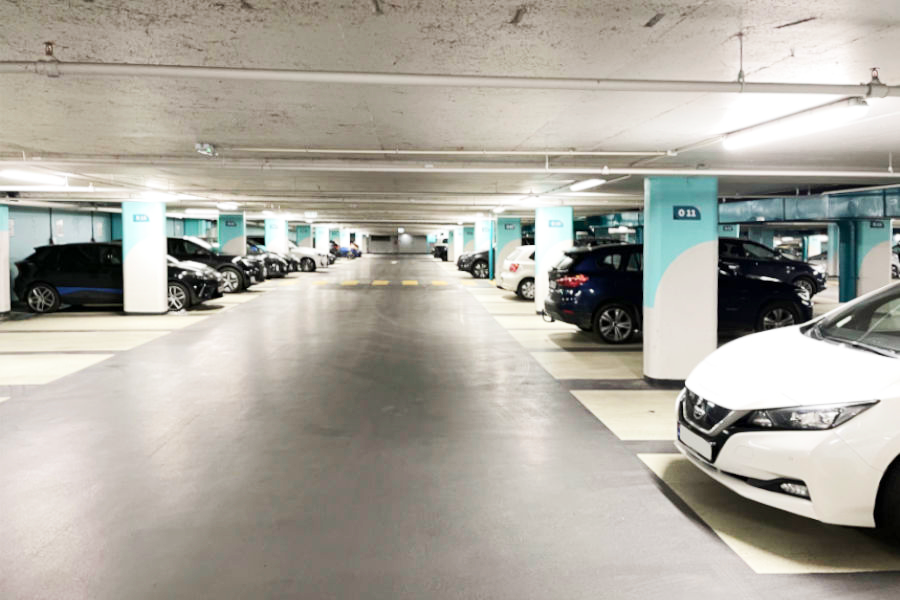
Our project strategically integrates sustainability by conserving existing underground structures and minimizing carbon emissions from new construction. We have carefully considered a phased approach to the construction process to ensure smooth implementation. Initially, the Ressurssenter building will be demolished while a new entrance ramp is constructed alongside the existing structures, allowing the underground car park to remain operational. Once the new connection is completed, the existing ramps will be removed, paving the way for the museum's construction without disrupting the car park's function. By preserving the current structure, we not only significantly reduce the carbon footprint associated with producing new materials but also transform the ground-floor plaza into a dynamic, pedestrian-friendly public space. The active ground floor with the restaurant, library and other public spaces facing towards Leuthenhaven square foster connection with the outdoor and between different actors. The workshops and multifunctional spaces are situated next to the Trøndelag Teater extension, supporting interaction between the actors, allowing for common events and encouraging multidisciplinary cultural cooperation, enriching the museum's engagement with the city’s wider artistic community. Our project embodies a negotiated process that respects existing infrastructures while progressively enhancing cultural and social dynamics, ultimately aiming towards a thriving urban environment.
REFERENCES:
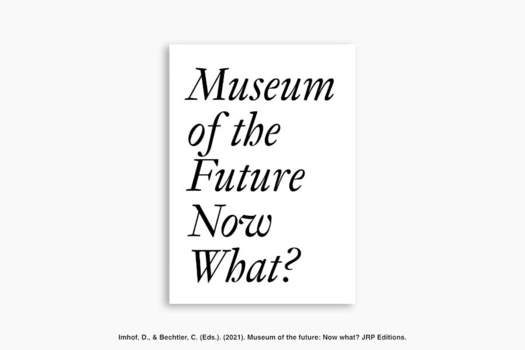
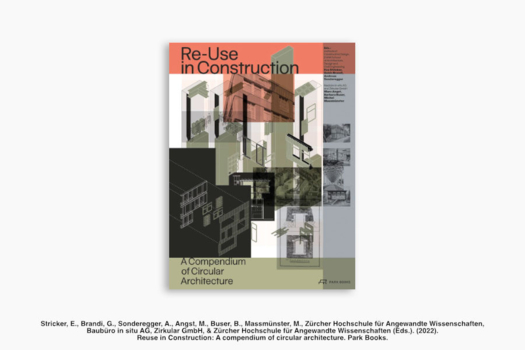
Our design team is carefully curated for comprehensive skillsets for realised pilot research and practice projects of public building design, circular building design and city planning.
6. How could this prize help you in your professional career?
This is our third international architecture competition museum prize during the last four years highlighting our values for conserving the existing built environment, aiming towards minimal environmental impact through careful resource use and healing the fragmented city image for the citizens with impactful design choices.
TEAM IDENTITY
Legal status: limited liability company, Keltainen toimisto Oy, FI32101797
Team name: keltainen toimisto
Average age of the associates: 29 years old
Has your team, together or separately, already conceived or implemented some projects and/or won any competition? if so, which ones?
Our practice is focused on biodiversity, culture, and resource efficiency. We have collectively earned various accolades, including an honorable mention in the Turku Museum of History and the Future (2024), a shared 3rd prize in the international Sara Hildén Art Museum competition (2021), an honorable mention in the Lapinjärvi Historical Centre Planning (2023), a 2nd prize in the Kera Halls Concrete Elements Reuse Design competition (2023), a 1st prize in the Reuse of Housing Concrete Elements competition (2021), and an honorable mention in the AYY Student Union Main Building competition (2018). Our team members are actively involved in research pilot projects focused on circular planning and building reuse, including the Entangled City project—aimed at protecting city forests through alternative city planning—and Closing Loops, Finland's first publicly funded project featuring completely reused bearing structures.
WORKS: