GreenCityPuzzle
Regensburg (DE) - Runner-up
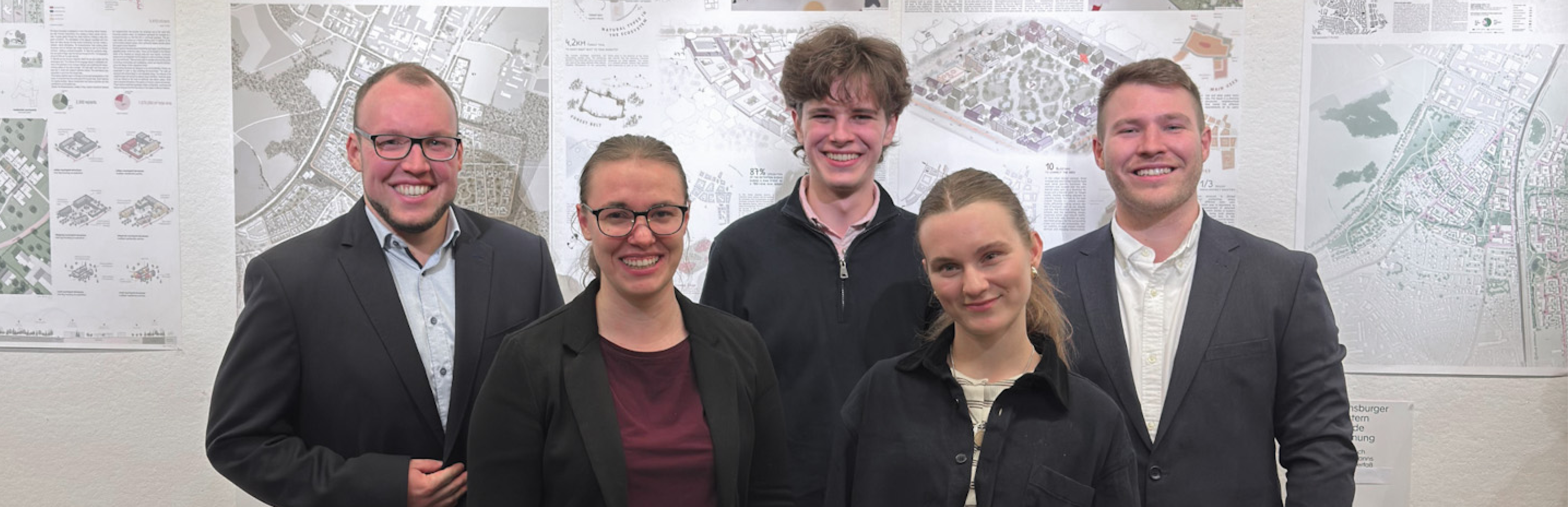
TEAM PORTRAIT
VIDEO (by the team)
INTERVIEW
Click on the images to enlarge
1. How do you define the main issues of your project in relation with the theme “Re-sourcing”? Re-sourcing thanks to nature, to social dynamics, to new materiality? In which way do you think your project can contribute to an ecological and/or social evolution? And in which way do you think your project can be called a “regenerative project”?
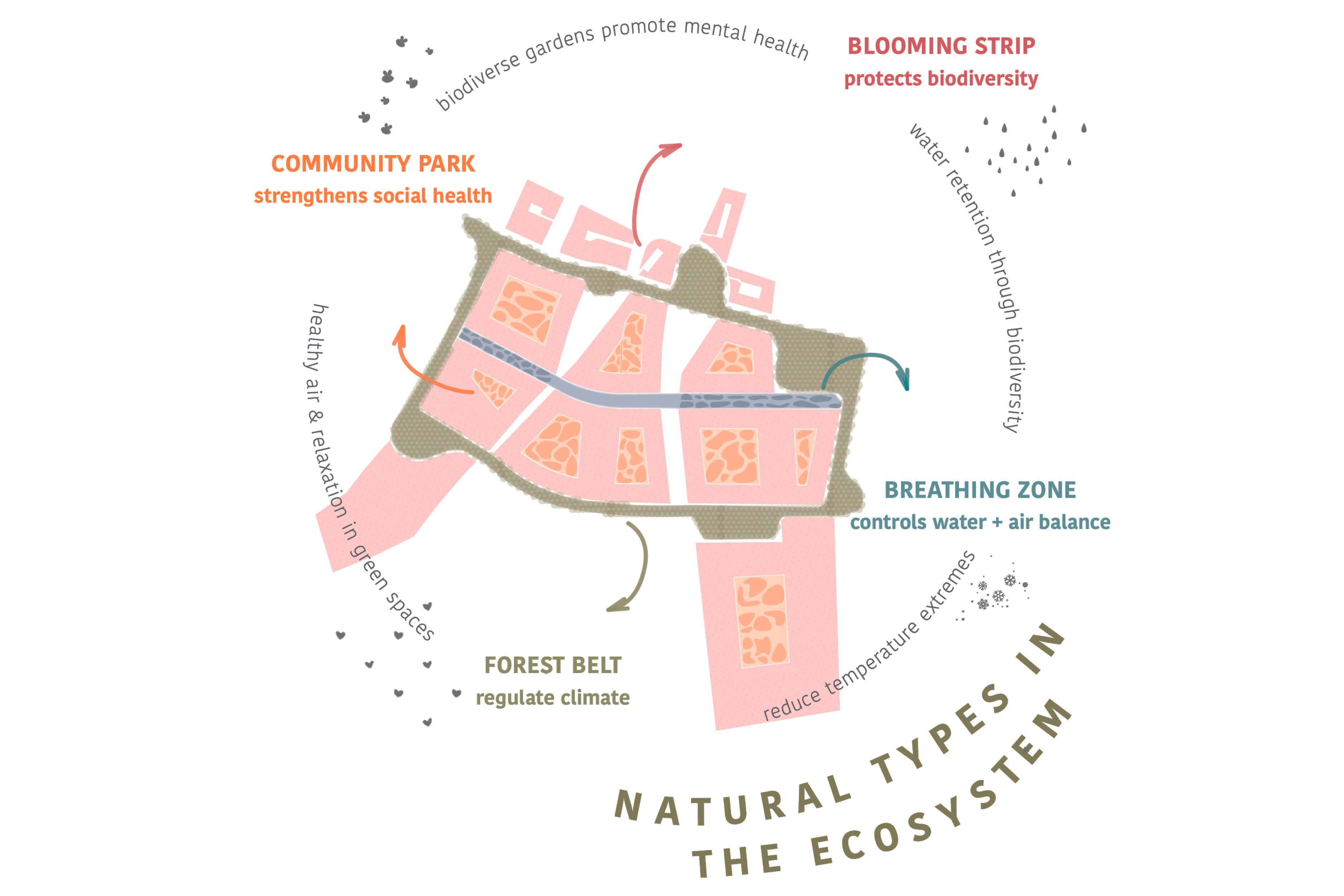
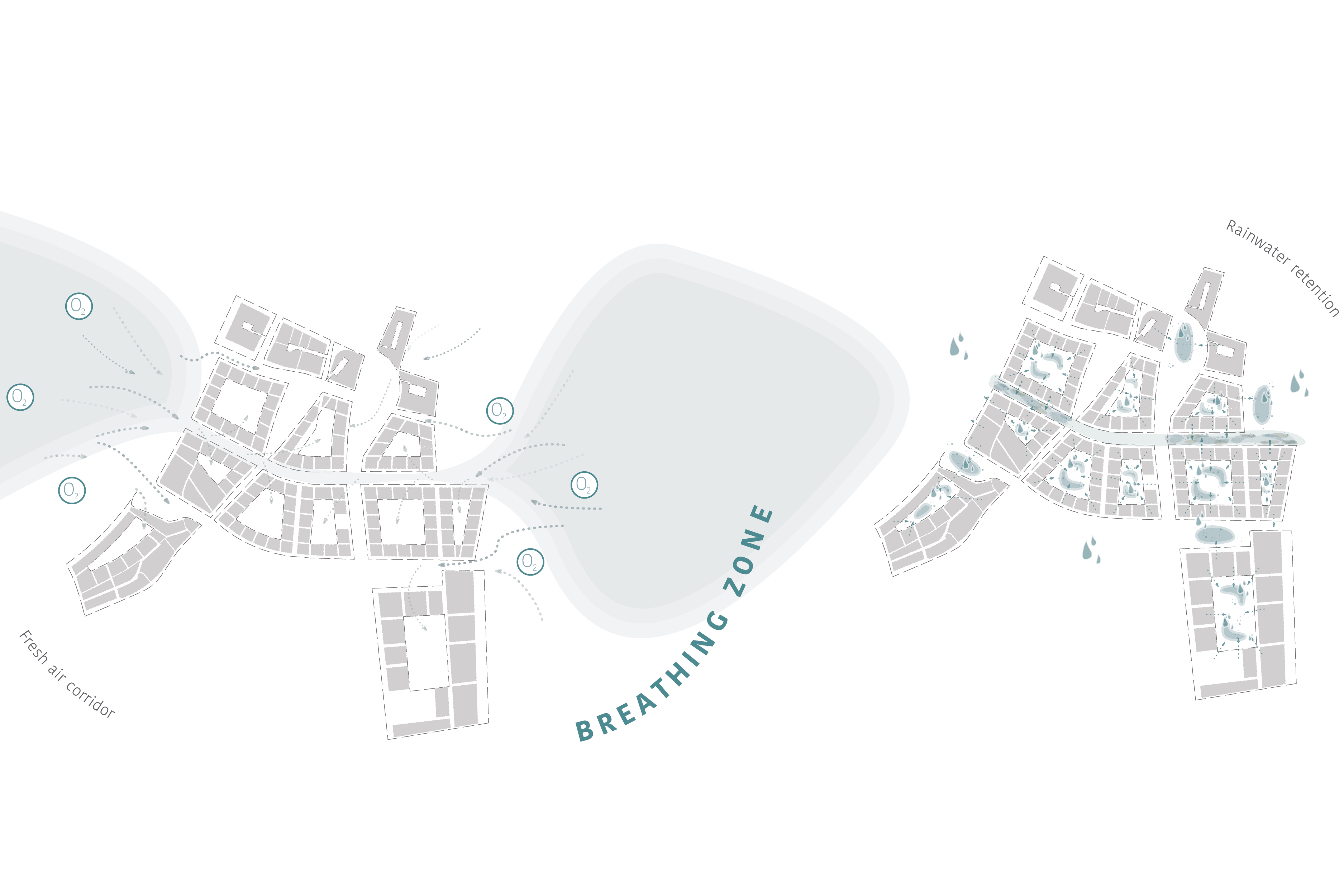
Our project understands “re-sourcing” as the deliberate activation of natural, social, and spatial resources. By connecting green spaces, fresh-air corridors, and retention areas, it strengthens biodiversity and climate resilience. At the same time, modular structures, diverse housing types, and communal spaces promote social participation and adaptability. As a regenerative project, the design restores ecological functions, activates community, and creates flexible, resilient structures for the long term.
2. How did the issues of your design and the questions raised by the site mutation meet?
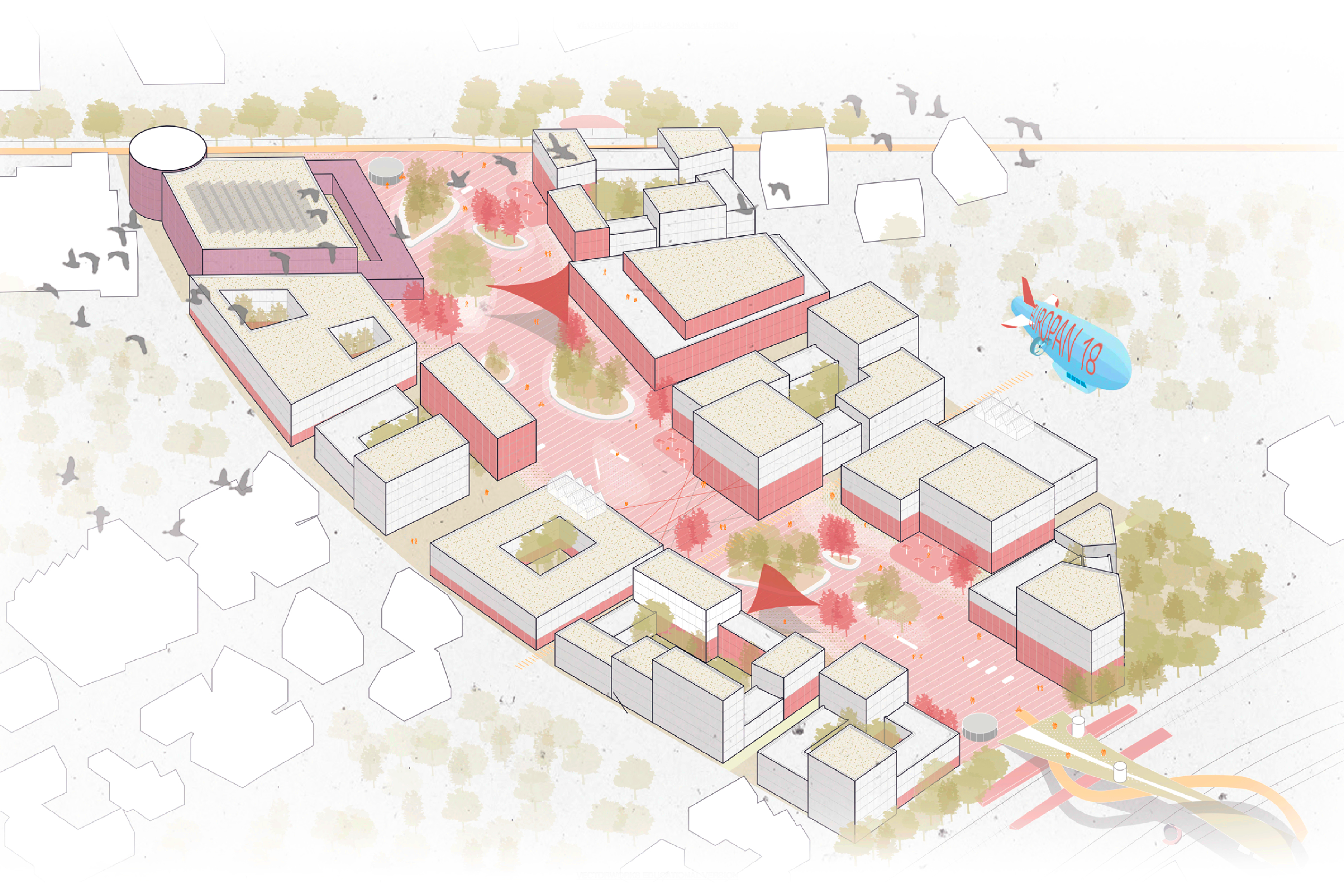
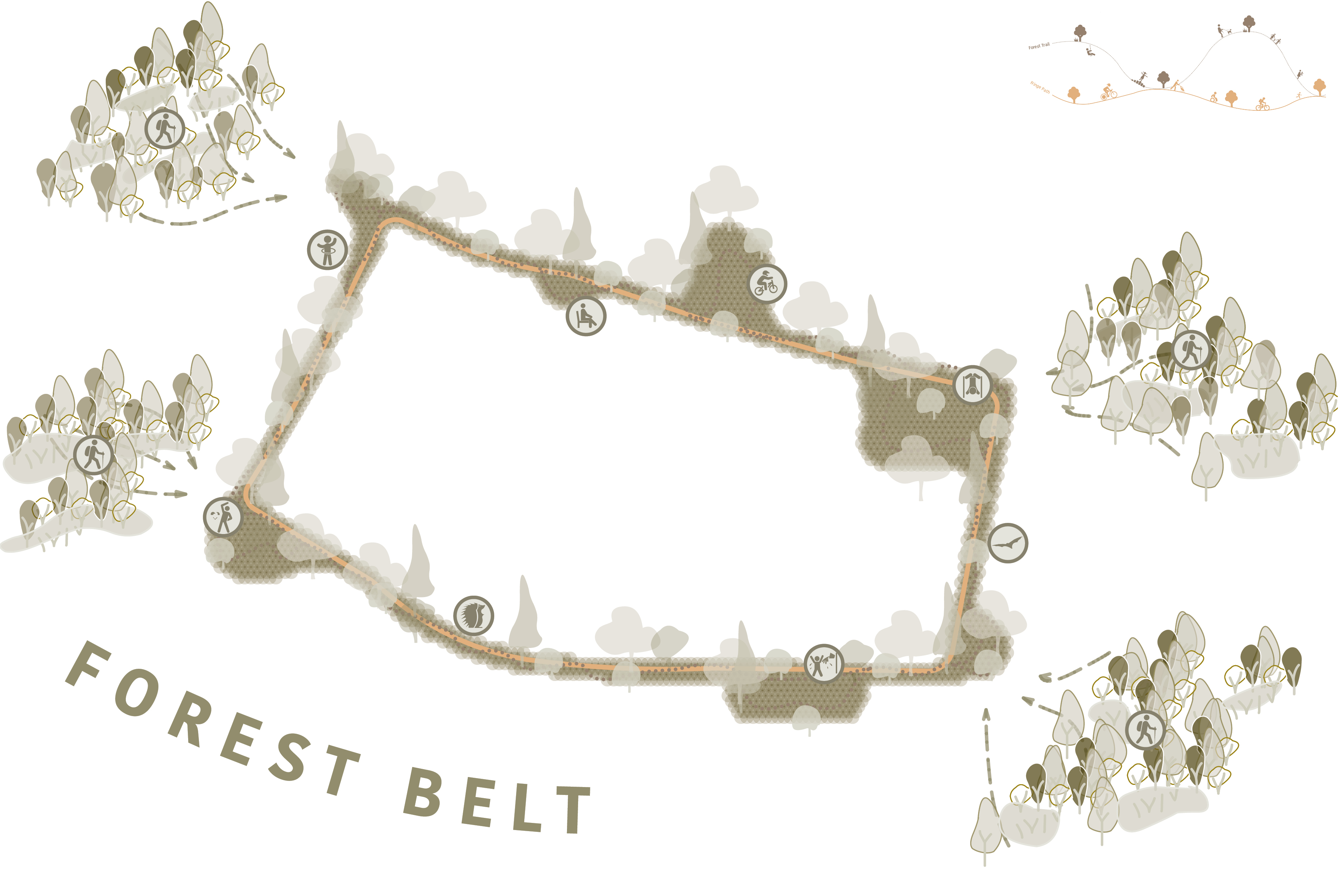
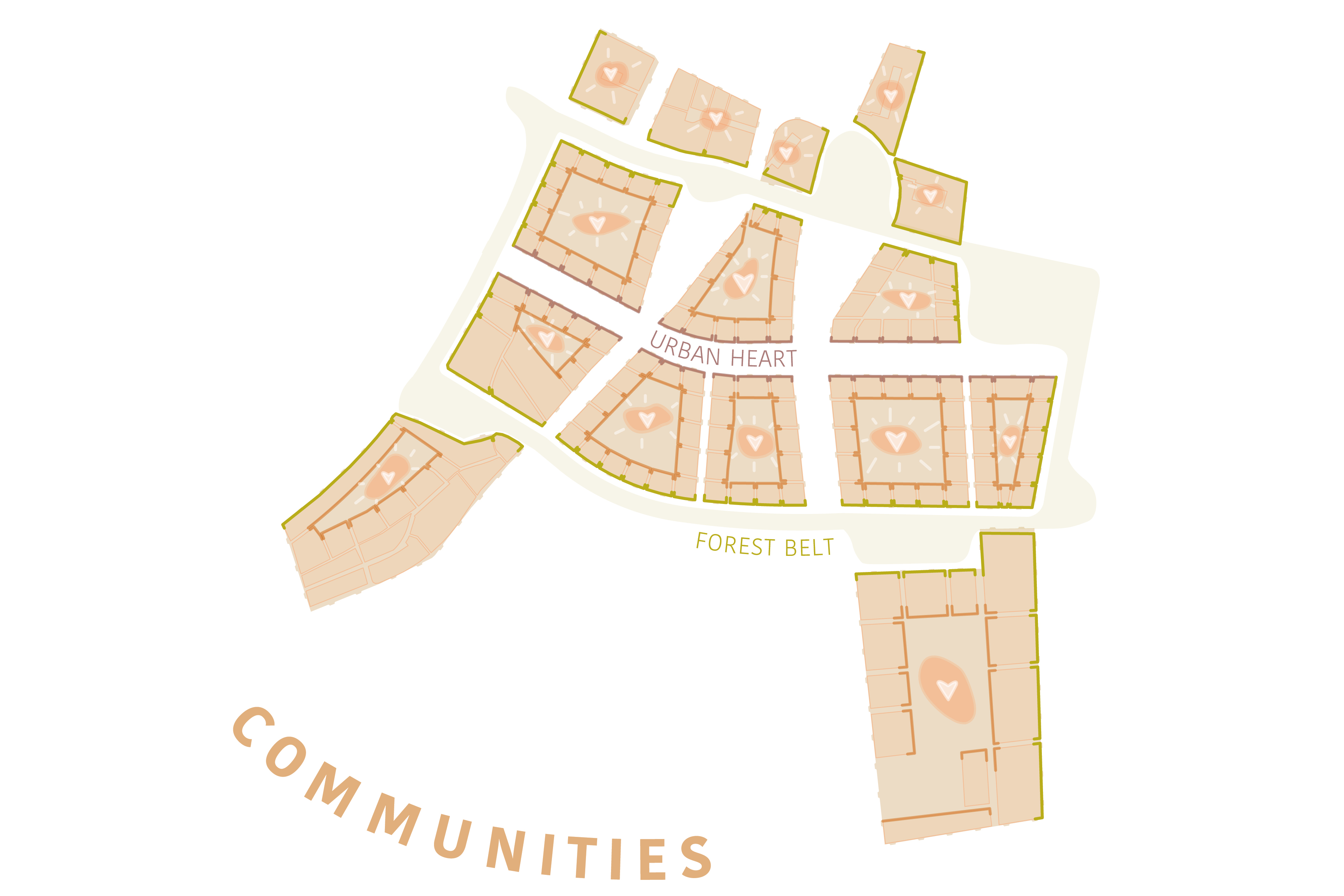
The questions guiding our design emerged directly from the transformation of the site. The challenge was to create urgently needed housing without compromising the landscape qualities and climatic functions of the urban edge. This led to a concept that connects and develops existing green spaces, fresh-air corridors, and settlement structures rather than overwriting them. The modular neighborhood structure, the Forest Belt, and the Breathing Zones respond specifically to the site’s spatial, ecological, and infrastructural requirements, translating the site’s transformation into a flexible, long-term adaptable urban model.
PROJECT:
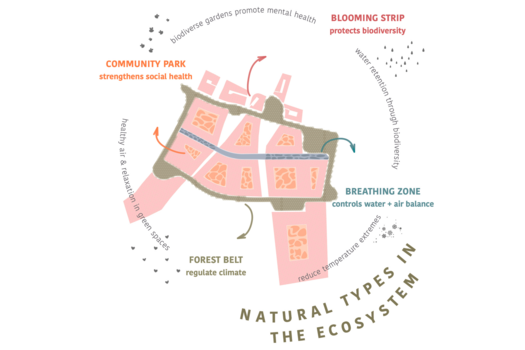
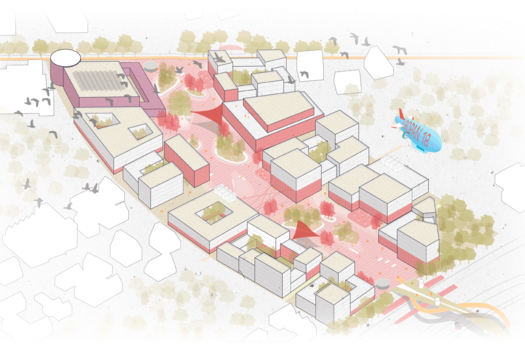
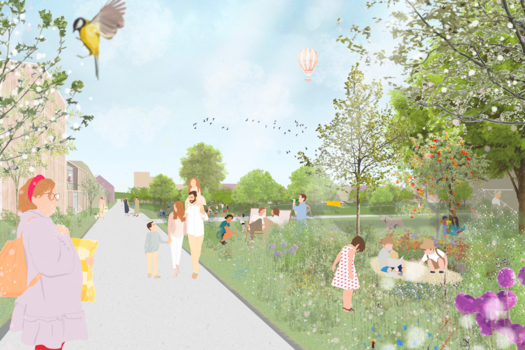
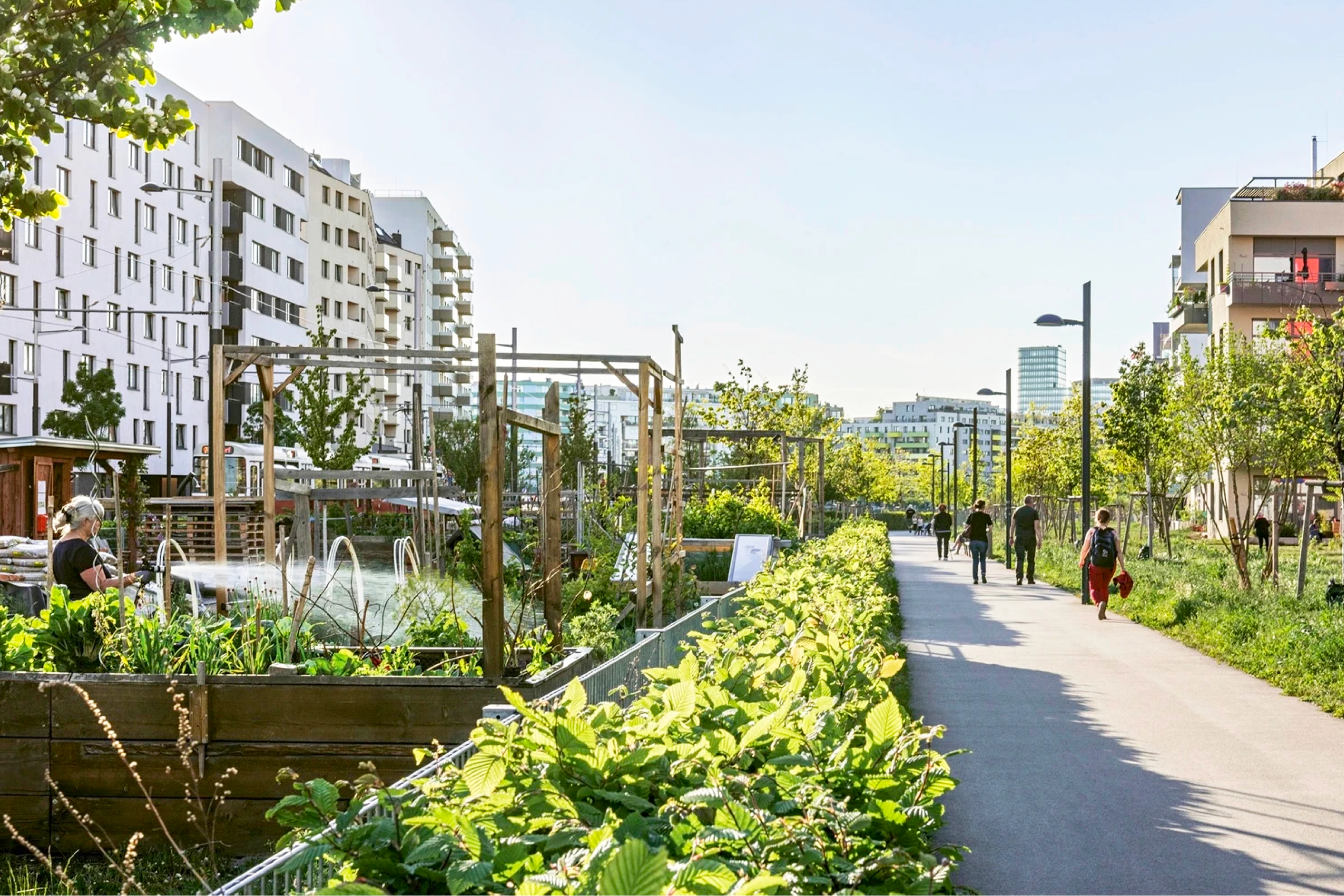
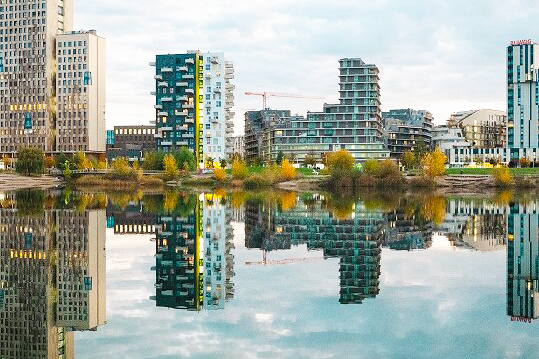
We studied modular urban blocks, garden city, and sponge city concepts, inspired by Vienna’s Seestadt Aspern and Sonnenwendviertel. Seestadt shows integration of water and green spaces, flexible housing, and modular neighborhoods, while Sonnenwendviertel sets benchmarks in density, green infrastructure, sustainable mobility, and social mix. GreenCityPuzzle Regensburg applies these lessons: ecological networks, adaptable neighborhoods, social diversity, flexible use, sustainable mobility, and vibrant public spaces.
SITE:
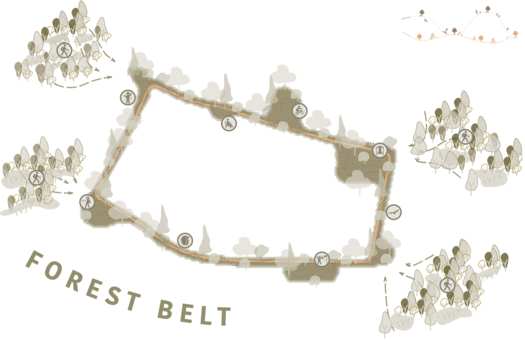
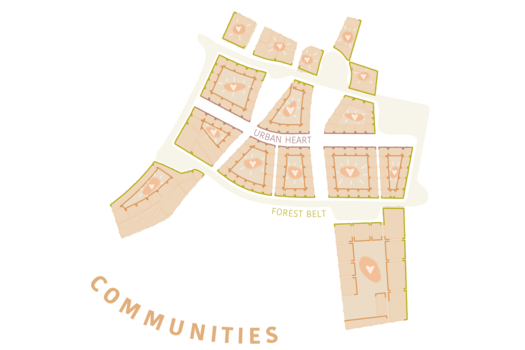
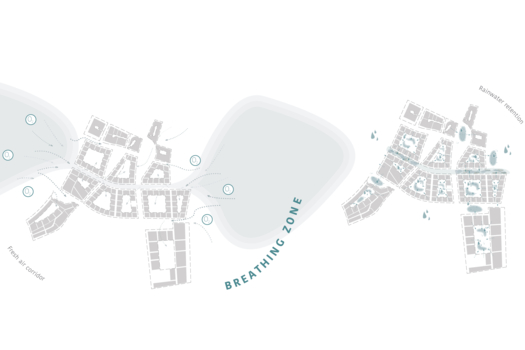
GREENCITYPUZZLE is being implemented as a dynamic, flexible, and phased process that actively involves all stakeholders – from future residents to urban planners, mobility providers, and local businesses. The modular neighborhood structure, flexible housing typologies, and interconnected green and mobility spaces enable a collaborative, long-term adaptable design of the district.
REFERENCES:
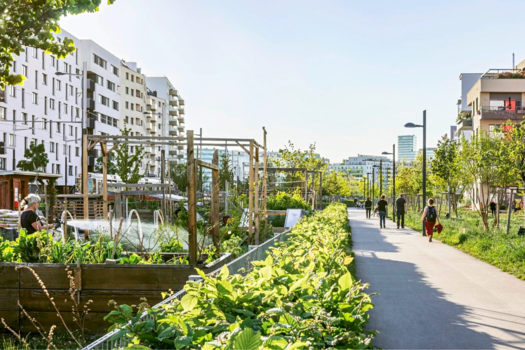
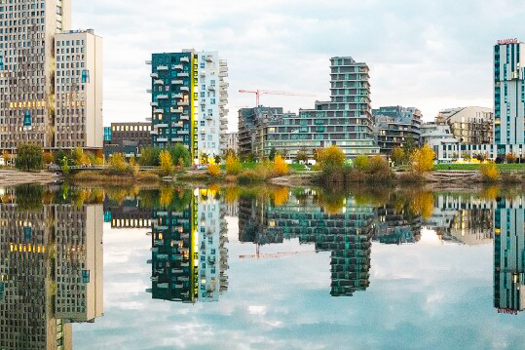
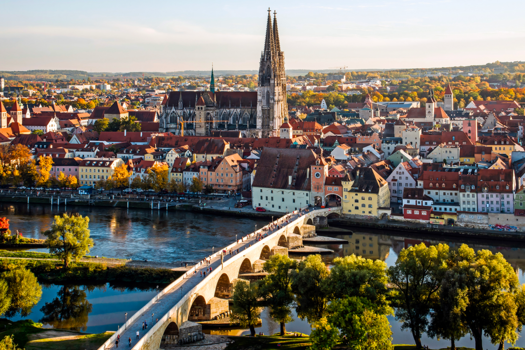
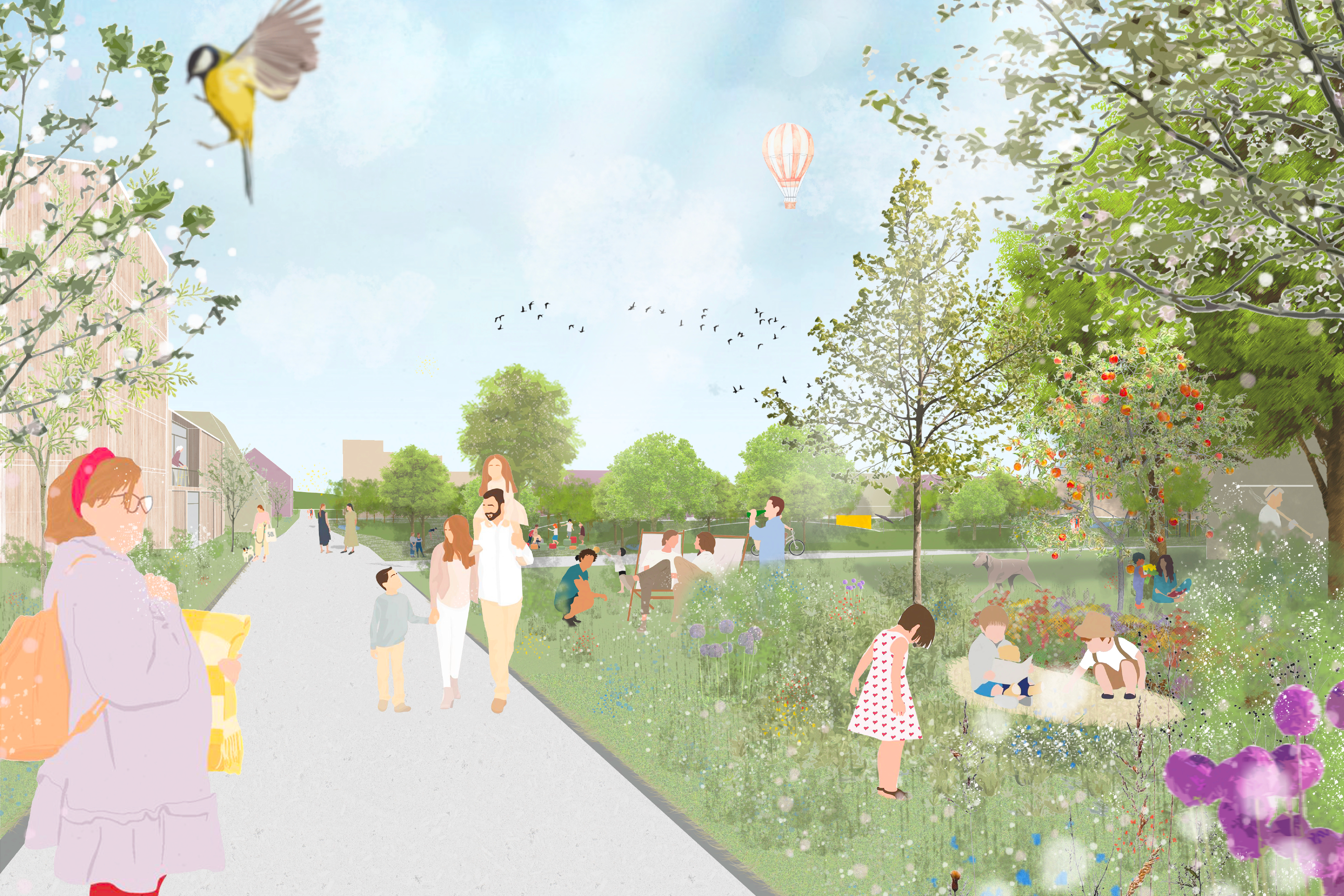
For the competition, we assembled an interdisciplinary team of architects and landscape architects. This collaboration combines urban and architectural thinking with a deep understanding of nature, green spaces, and ecological networks. The planned district embodies the ideal of a socially diverse and inclusive neighborhood, where living and open spaces are harmoniously integrated. Communal facilities, participatory housing, and flexible spaces foster community, solidarity, and equal opportunities for all residents.
6. How could this prize help you in your professional career?
Yes, we are convinced that the Europan18 award can significantly advance our professional careers. It not only provides visible recognition for our work but also opens the opportunity to implement innovative projects like GREENCITYPUZZLE in practice. At the same time, it strengthens our network within the European architecture and landscape architecture community and supports us in further developing sustainable, social, and future-oriented urban planning ideas.
TEAM IDENTITY
Legal status:
Team name:
Average age of the associates: 25 years old
Has your team, together or separately, already conceived or implemented some projects and/or won any competition? if so, which ones?
No.