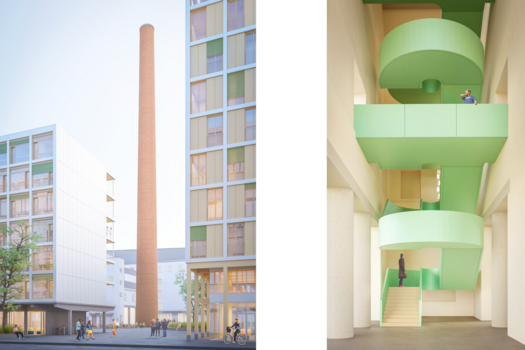
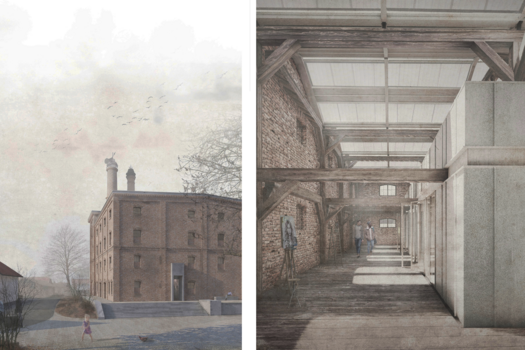
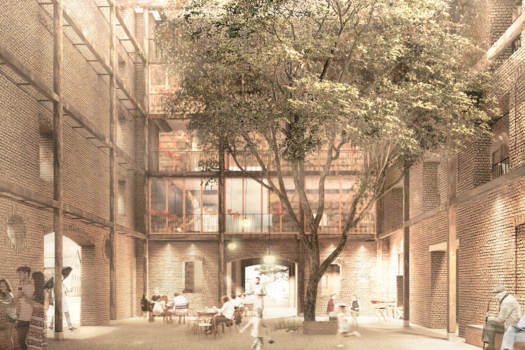
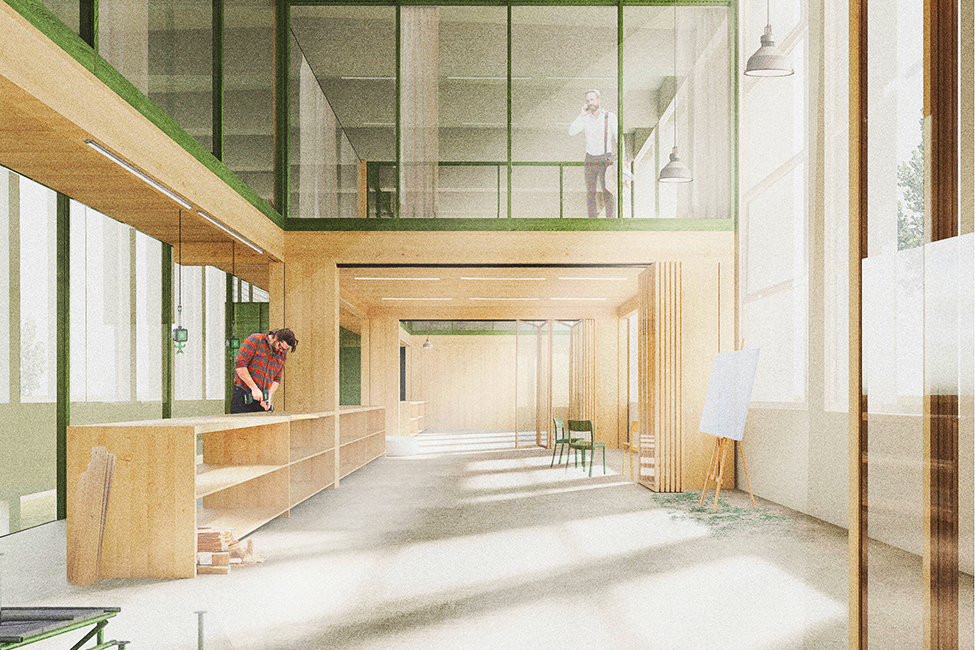
IDEENWERK creative engine
Speichersdorf (DE) - Runner-up
TEAM PORTRAIT
VIDEO (by the team)
INTERVIEW
Click on the images to enlarge
1. How do you define the main issues of your project in relation with the theme “Re-sourcing”? Re-sourcing thanks to nature, to social dynamics, to new materiality? In which way do you think your project can contribute to an ecological and/or social evolution? And in which way do you think your project can be called a “regenerative project”?
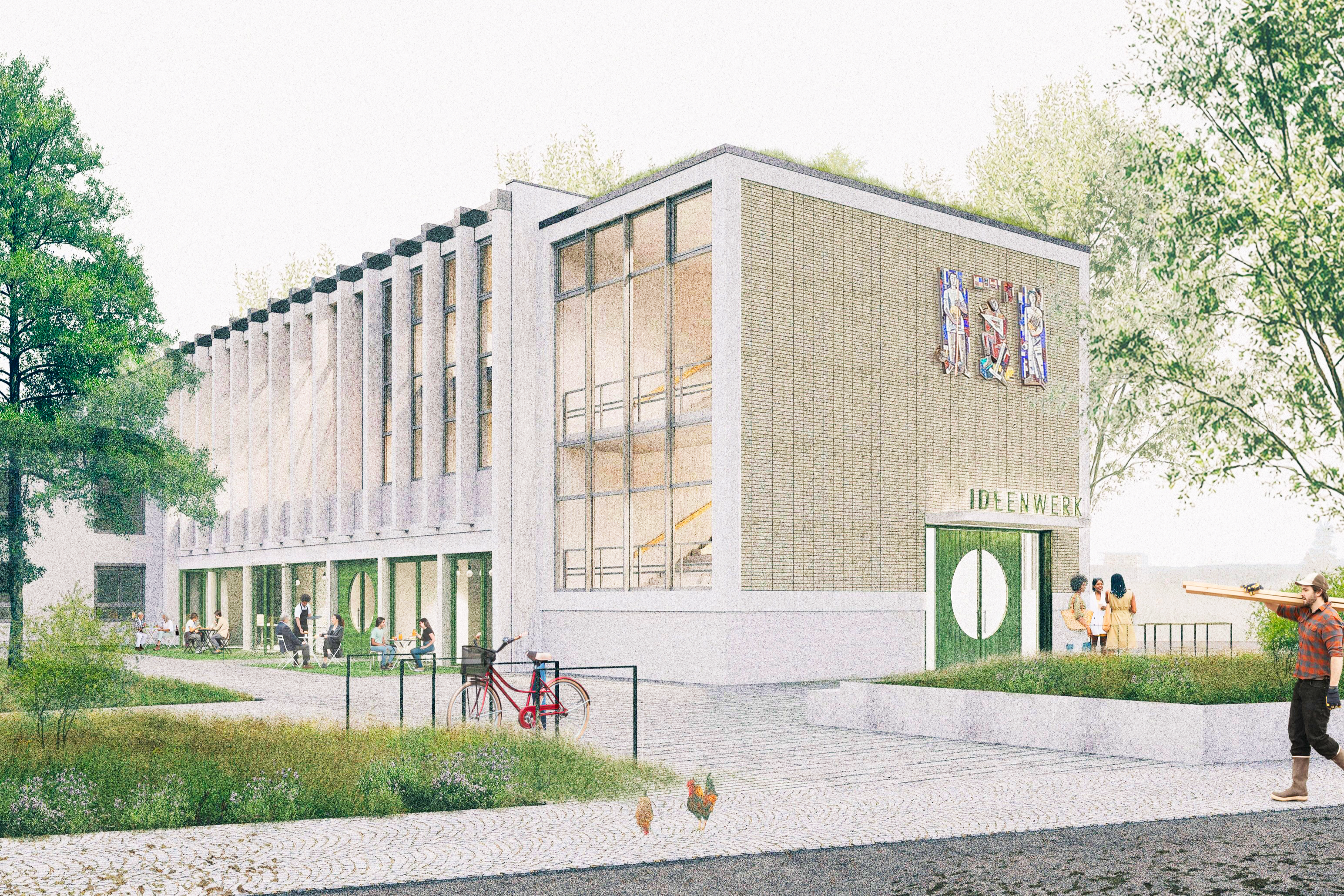
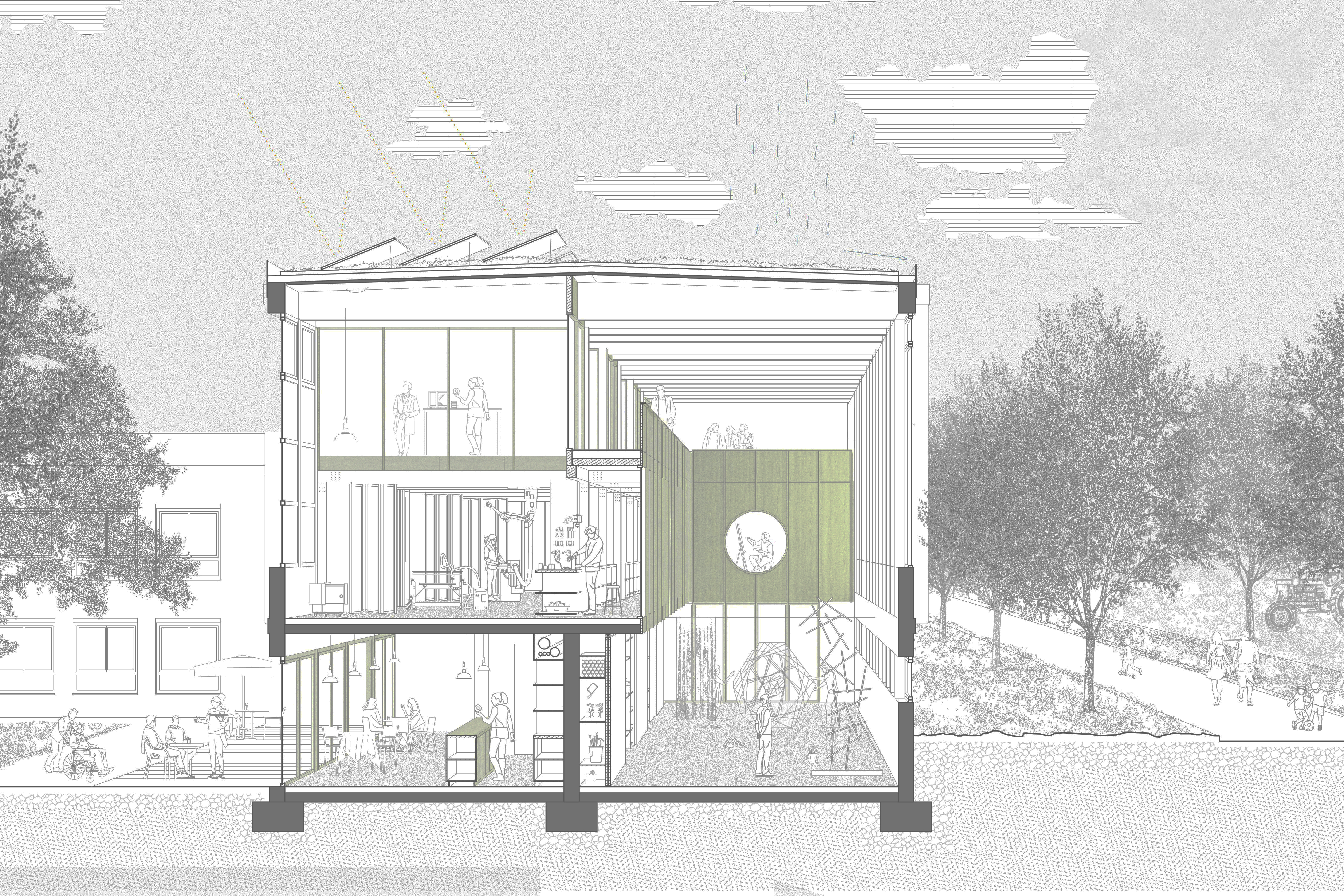
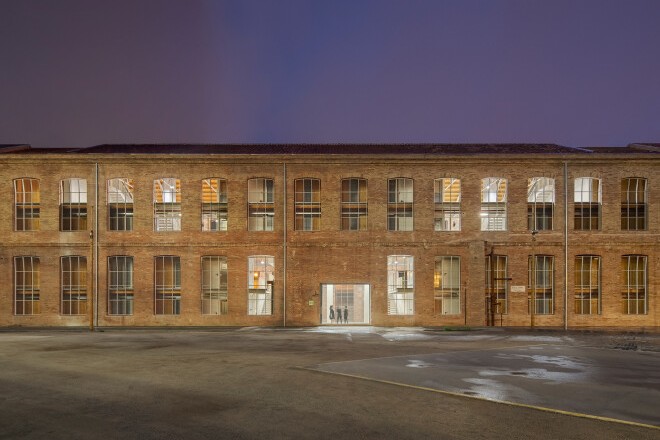
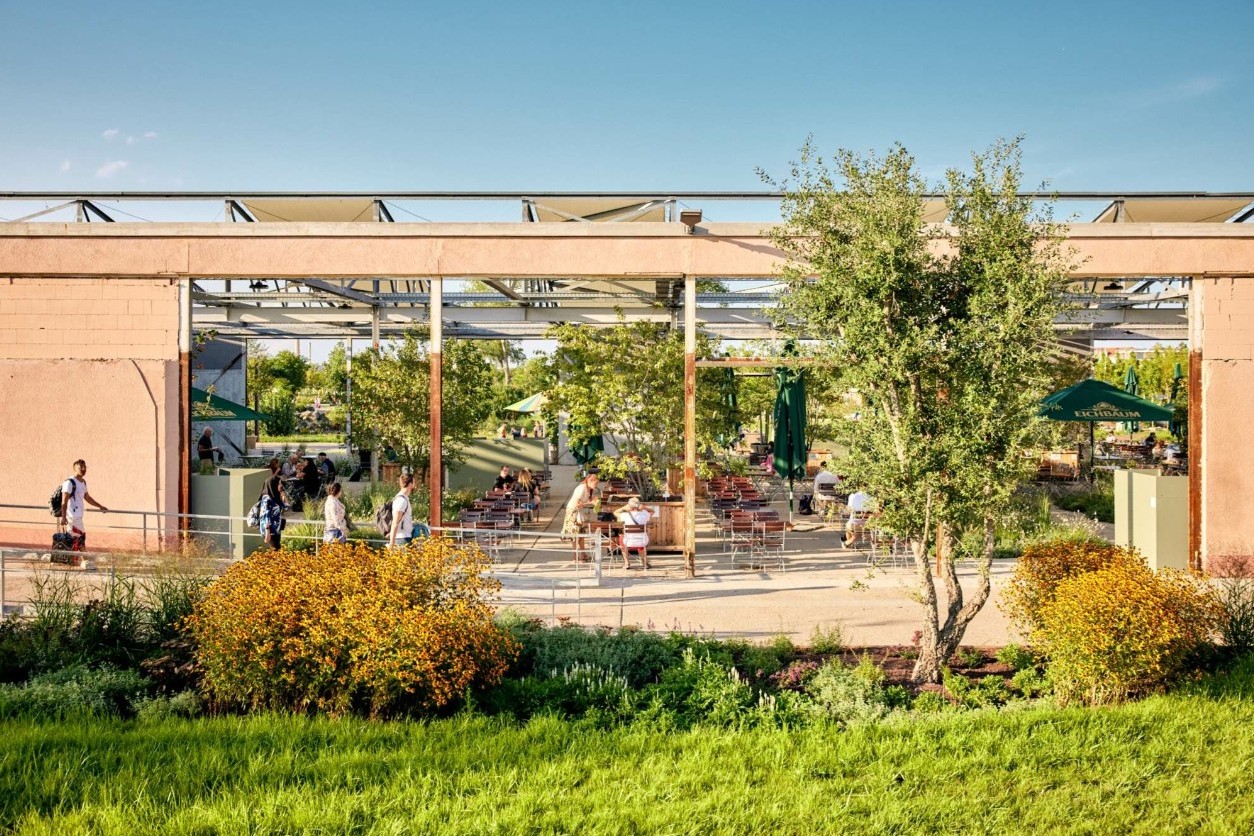
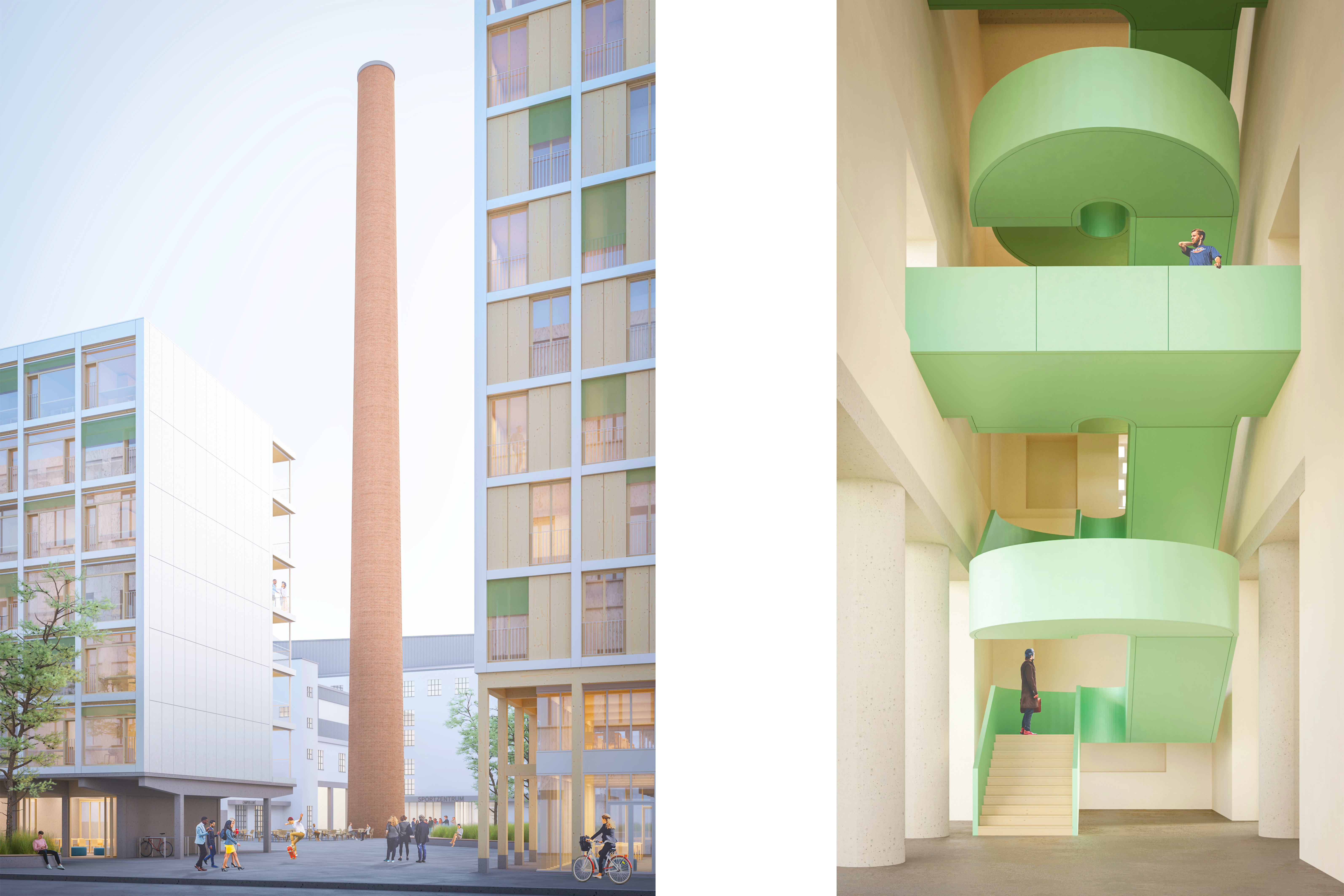
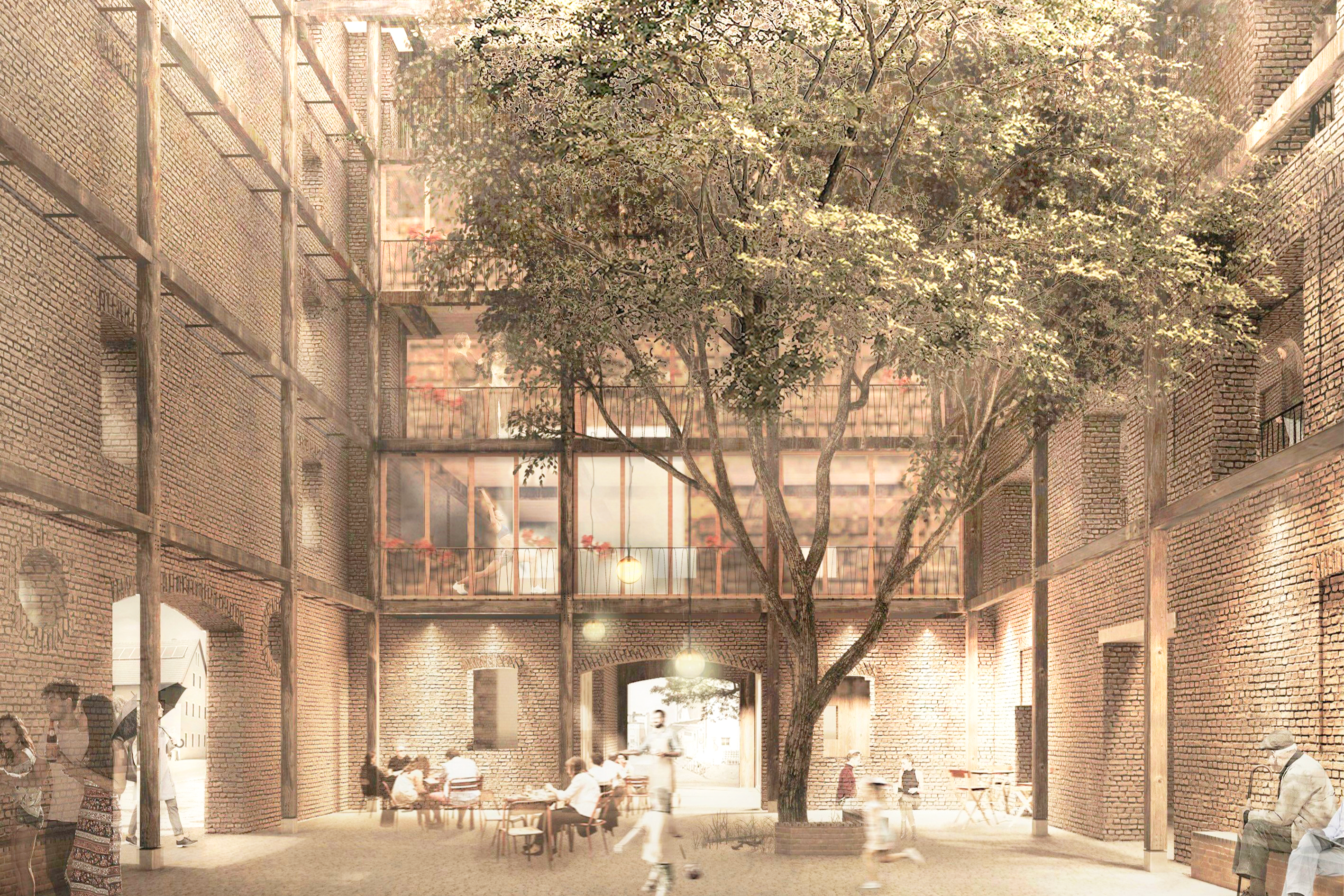
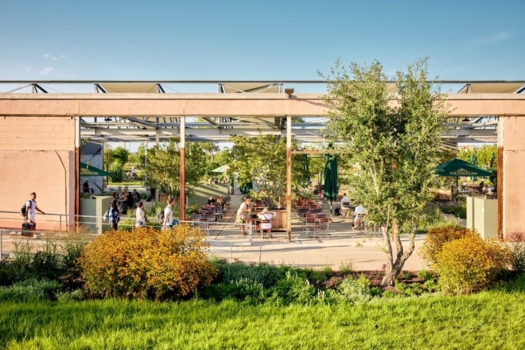
Our project defines the central challenges under the guiding principle of “re-sourcing” by reactivating existing spatial, material, and social resources. By transforming the vacant festival hall into an open, multifunctional space for ideas, new social dynamics emerge, while the careful handling of the existing building fabric and the reuse of structural elements enable ecological resource conservation. The project contributes to both social and ecological development by strengthening regional identity, generating new economic impulses,and integrating sustainable material and energy concepts. It positions itself as a regenerative project insofar as it not only preserves what already exists but also initiates new processes of value creation, exchange, and learning that generate lasting positive impacts for the place, the community, and the environment.
2. How did the issues of your design and the questions raised by the site mutation meet?
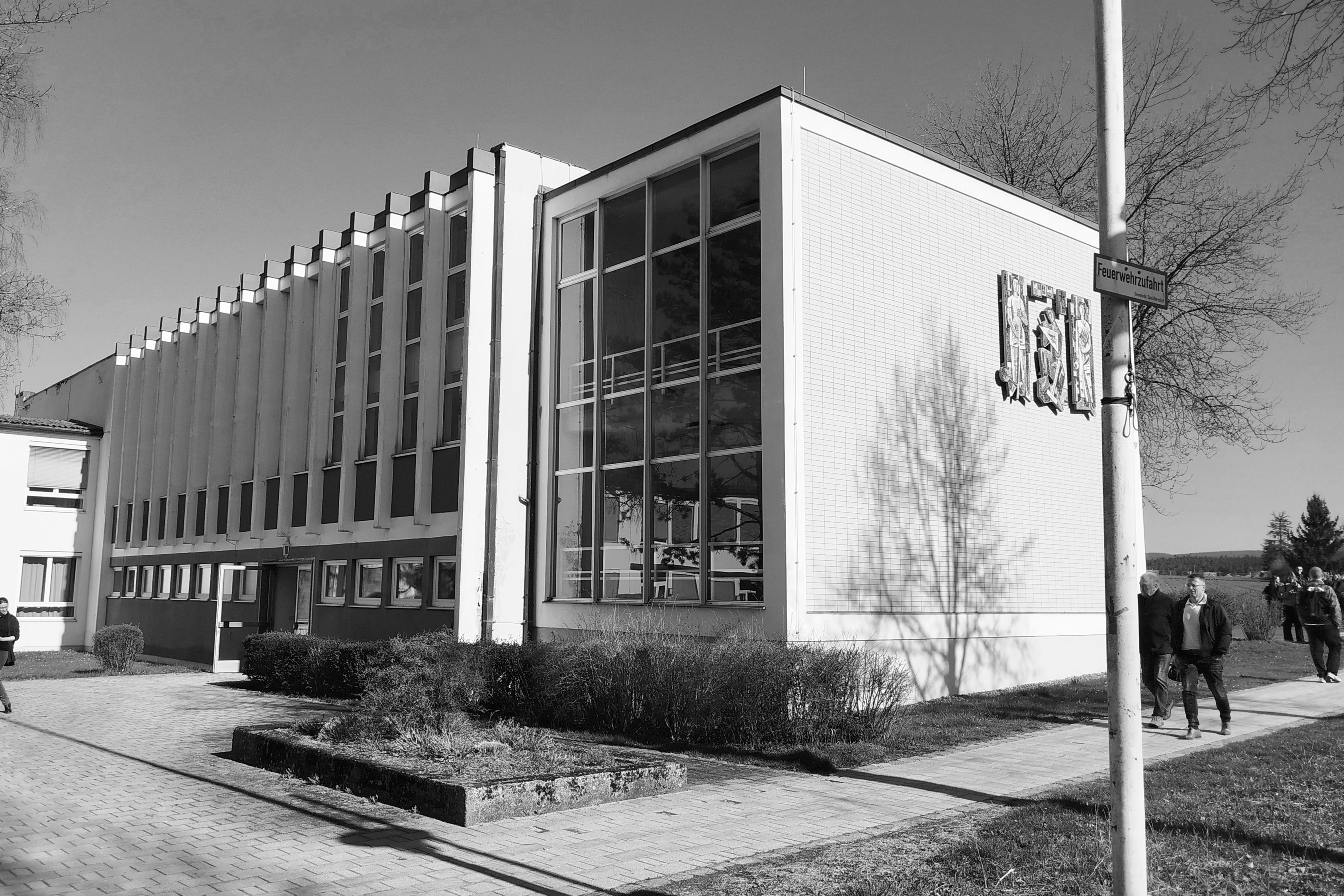
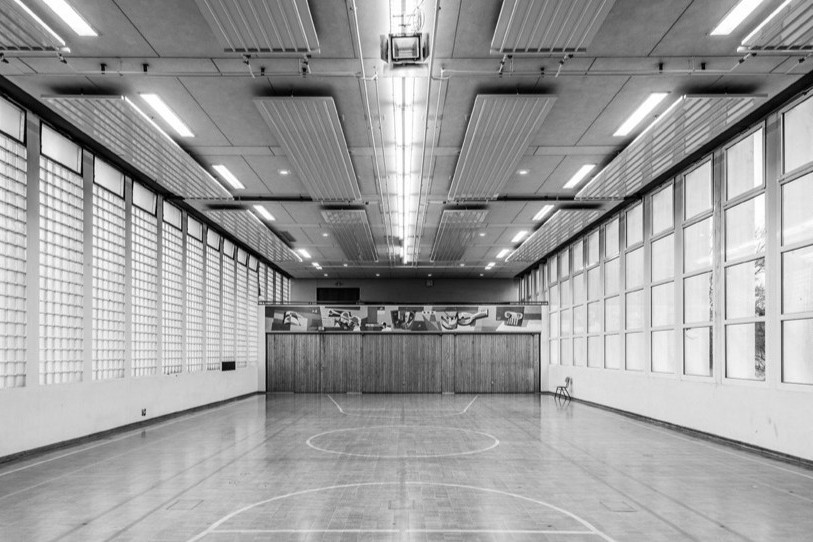
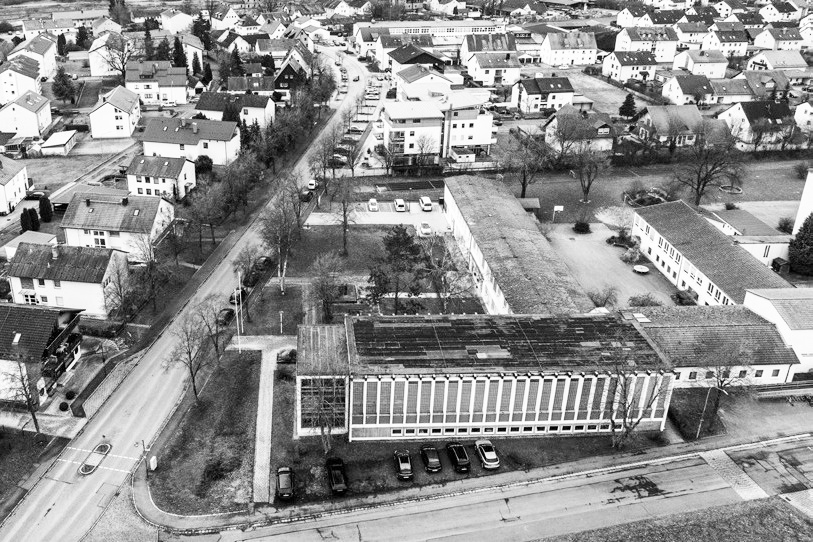
With the closure of Rosenthal, Speichersdorf loses not only economic stability but also a key point of local identity. At the same time, the new car-free town center and emerging residential typologies reflect a societal shift toward greater quality of stay and public interaction. This structural transformation calls for new identity-forming, socially activating, and economically viable offerings. Our project responds by opening the festival hall, integrating it urbanistically into the public realm, and repositioning it as a creative hub. At the same time, it protects the material and cultural resources of the existing structure, prevents demolition, and activates its spatial potential for new uses. In doing so, the spatial and societal changes of the town converge with a design that deliberately stimulates new social dynamics, fosters positive local development, and creates long-term perspectives for community and local identity.
PROJECT:
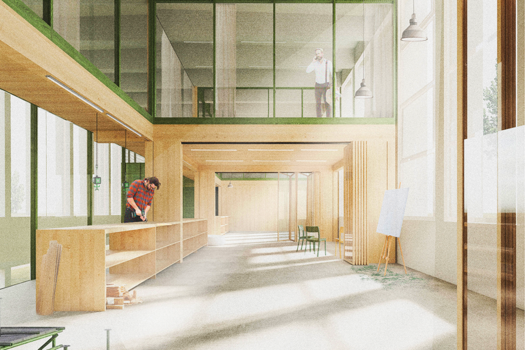
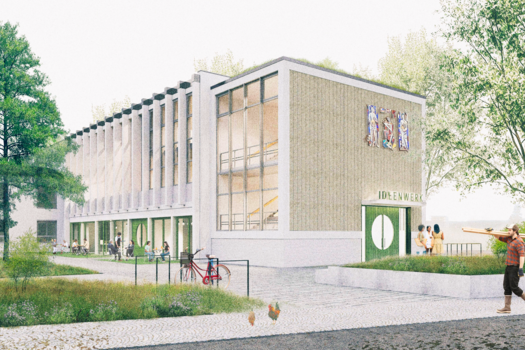
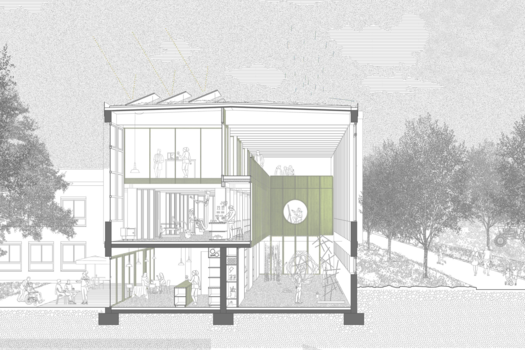
We have been engaged with the topic of “re-sourcing” and the responsible use of existing buildings for many years. During our studies, we explored this focus extensively: our graduation projects dealt with the revitalization of a historic malthouse and a vacant castle estate in rural Lower Bavaria, as well as the adaptive reuse of a large-scale inner-city brewery site in Munich. This in-depth engagement with existing structures, the particular qualities and atmospheres of specific places, and the social contexts surrounding them has profoundly shaped our approach to resource-conscious transformation processes. In our current practice, working with existing buildings remains central. For us, a holistic approach is essential—one that begins with the urban and societal context and continues consistently through to architectural detailing.
SITE:
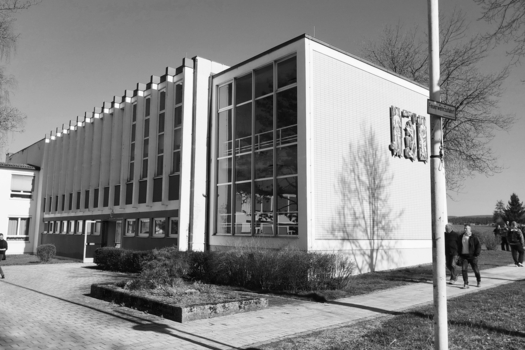
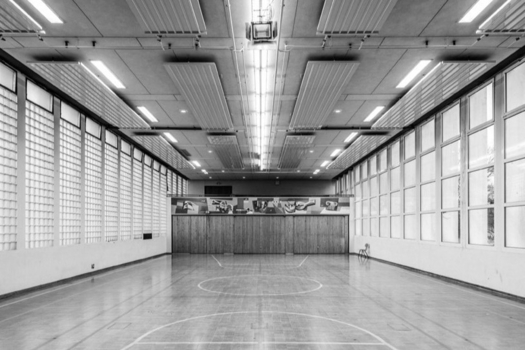
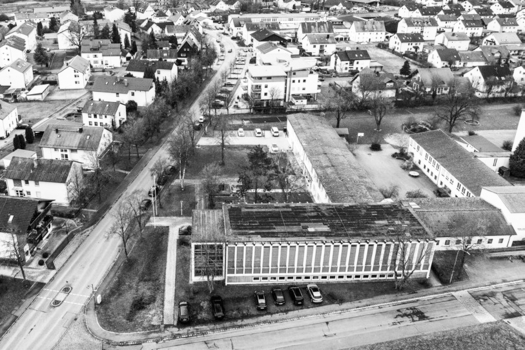
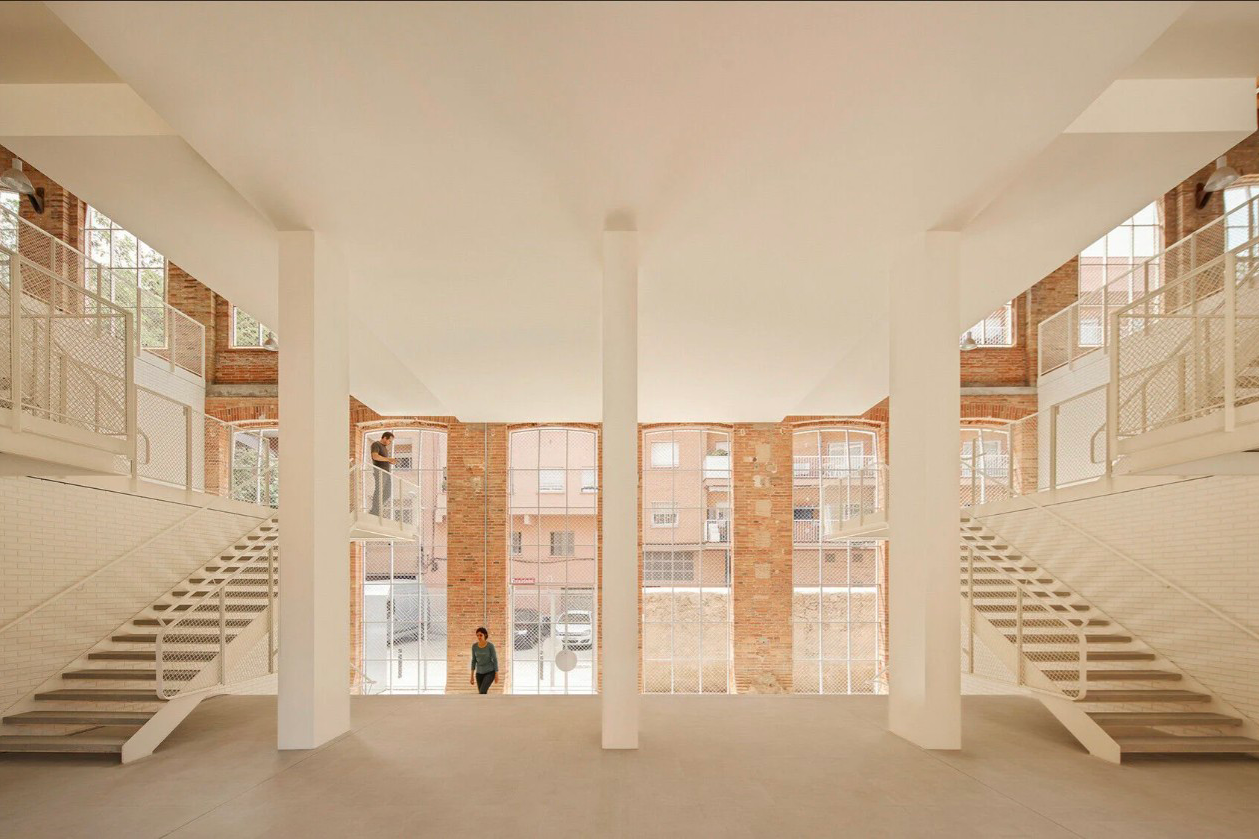
Our project presents a clear and feasible proposal for the transformation and further development of the festival hall. Through targeted and precise interventions in the existing structure, the building is transformed into a future-oriented space without requiring extensive construction work or economically unsustainable measures. These intentionally minimal yet effective interventions allow for a financially viable implementation while creating strong urbanistic and social qualities. The flexible structure introduced into the building enables easy adaptation to various uses and can be shaped in dialogue with local stakeholders according to the actual needs of residents and users. Thanks to the project’s socially and community-oriented direction, there is also the potential to integrate complementary funding programs that support and stabilize the transformation process over time.
REFERENCES:
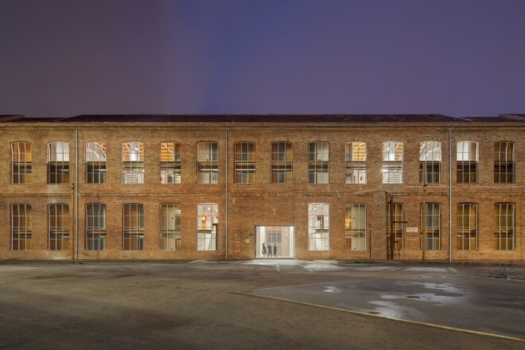
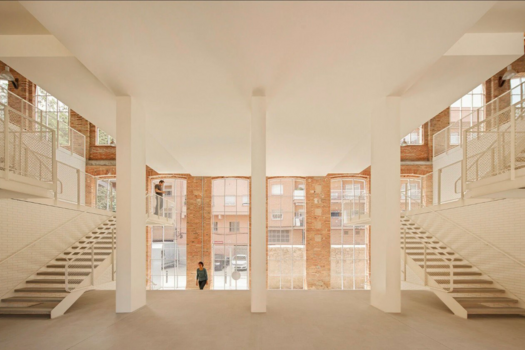
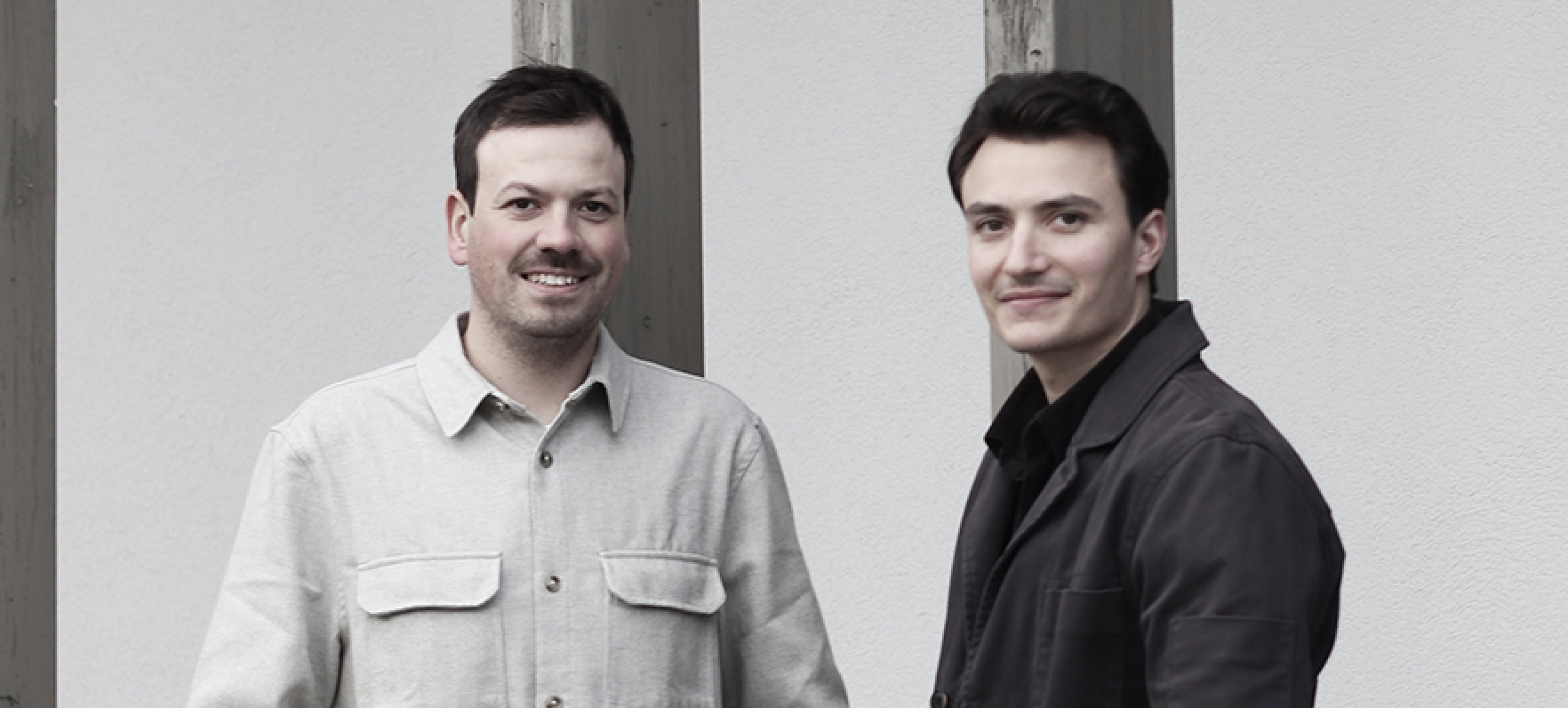
Our team has worked closely since our university years and continues this collaboration today through our shared practice, studio bader wastl. We are united by a holistic design approach and the consistent development of a clear concept down to constructive and material-related details. A particular strength of our team lies in the combination of architectural design expertise and hands-on craftsmanship, especially through Josef Bader’s qualification as a master carpenter. This strongly influences our thoughtful and honest approach to material and construction, enabling us to merge design, technical, and societal considerations into a coherent whole. In addition to resource-conscious building, we understand this approach as an essential component of a broader concept of sustainability. Projects should not only be ecologically responsible but also generate positive impulses for society as a whole.
6. How could this prize help you in your professional career?
We value the Europan E18 Award greatly, as it offers us the opportunity to present an innovative proposal beyond our current professional networks and to gain wider recognition for our project. Particularly meaningful to us is the prospect of further developing and implementing the project beyond the competition in order to realize the impulses it sets in motion for the town and its community in a lasting way. Moreover, the prize opens up opportunities to connect with like-minded professionals, enabling new synergies, collaborations, and creative exchanges.
TEAM IDENTITY
Legal status: GbR
Team name: studio bader wastl
Average age of the associates: 29 years old
Has your team, together or separately, already conceived or implemented some projects and/or won any competition? if so, which ones?
During our studies, we participated in student design competitions and achieved notable successes, including a first prize for the Hopfenhalle Au in der Hallertau (in collaboration with Markus Maier) and a shortlisting in the Pro:Holz student:trophy. Currently, in our office studio bader wastl, we work not only on competitions but also on small-scale projects. These projects are partly in the planning phase and partly already realized, such as the renovation of a listed historic farmhouse in Garmisch. We focus on building within existing structures, developing them thoughtfully, and also on creating buildings in a resource-efficient way.
WORKS: