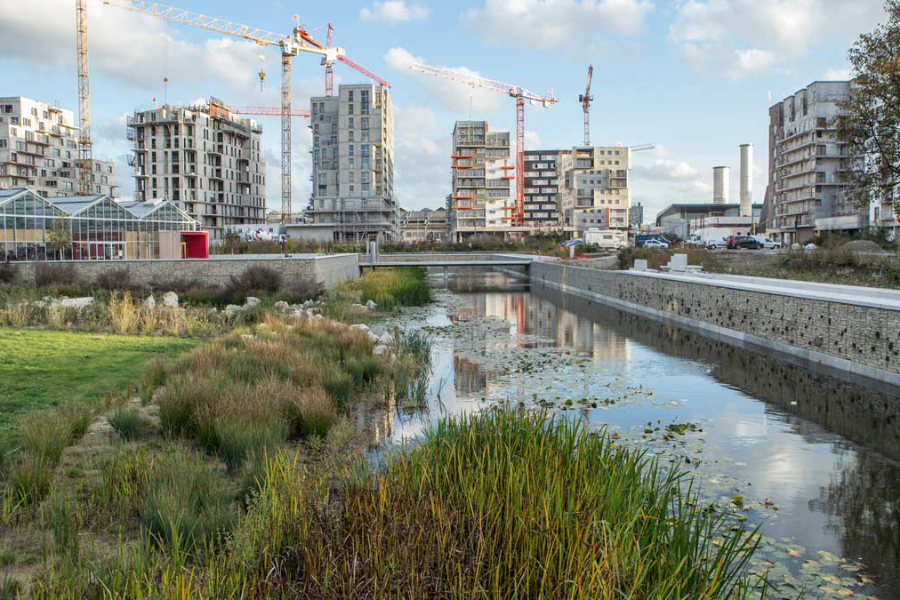
Landscape as a city - city as an island
Turku (FI) - Winner
TEAM DATA
Associates: Louise Audurier (FR) – urbanist, Yevheniia Likhachova (UA) – architect urbanist, Philipp Steinbacher (DE) – landscape architect, Oksana Chebina (UA), Johan Rey (CO) – architects
Contributors: Melissa Soh (AU) – landscape architect, Prakhar Rawal (IN) –
environmentalist, Nithish Kini Ullal (IN) –
building engineer
cityasisland@gmail.com
See the complete listing of portraits here
See the site here
TEAM PORTRAIT
VIDEO (by the team)
INTERVIEW
Click on the images to enlarge
1. How do you define the main issues of your project in relation with the theme “Re-sourcing”? Re-sourcing thanks to nature, to social dynamics, to new materiality? In which way do you think your project can contribute to an ecological and/or social evolution? And in which way do you think your project can be called a “regenerative project”?
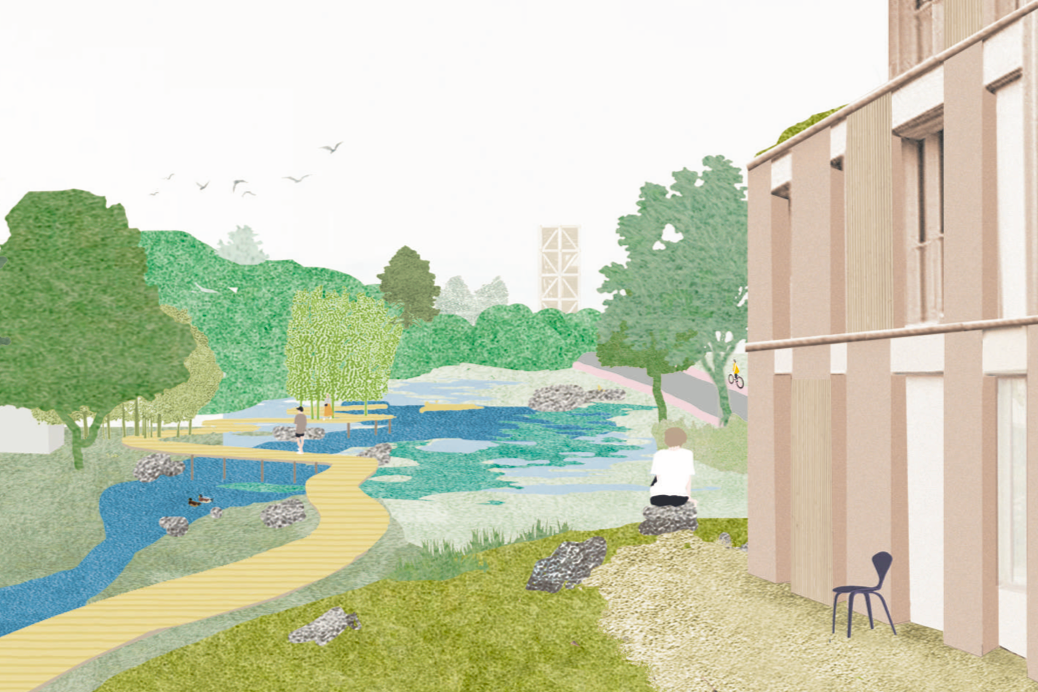
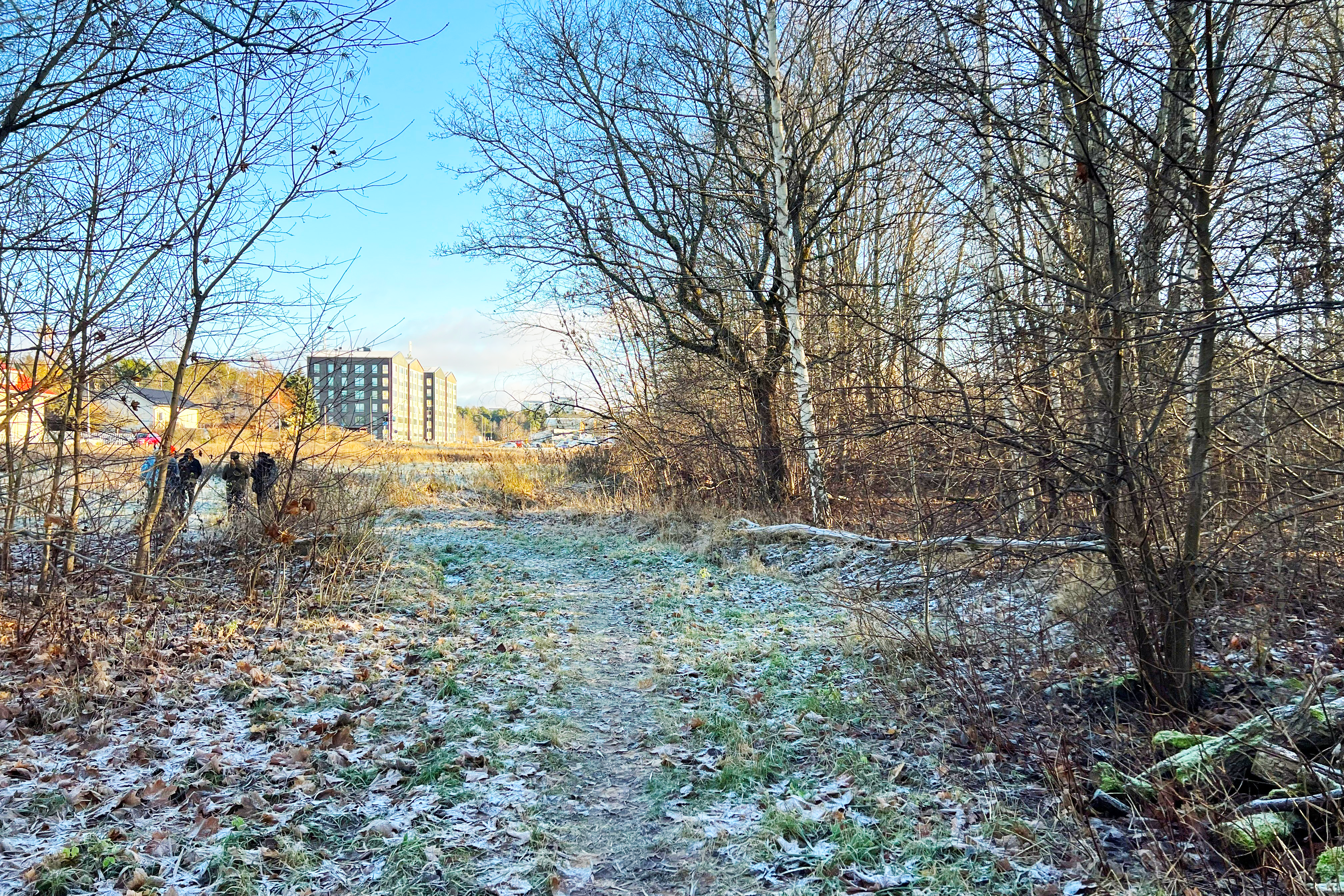
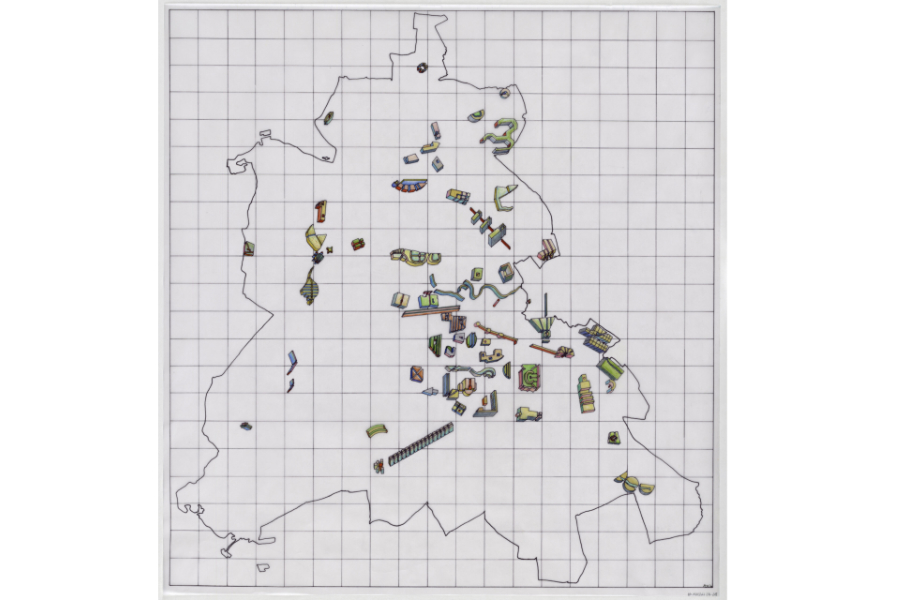
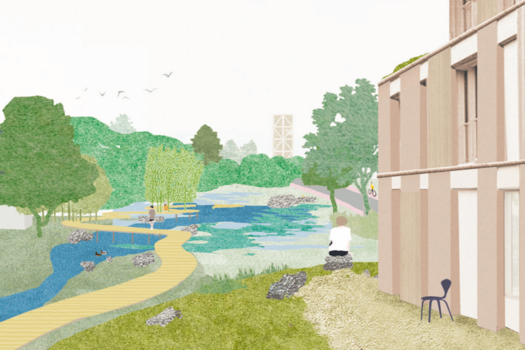
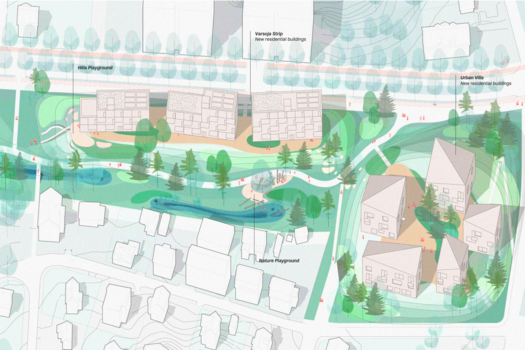
For us, Re-sourcing begins with a change of perspective. Reading historical maps of Turku, we observed how the city was built “on top” of its archipelagic landscape, imposing a rigid urban grid onto a territory shaped by rock formations, water flows, and diverse biotopes. Natural systems were often straightened, buried, or treated as interruptions to urban order. Our project reads these interruptions (rocky outcrops, residual biotopes, the buried Varsoja stream) not as leftover conditions, but as existing sources of spatial, ecological, and cultural value. Re-sourcing therefore begins by revealing and reconnecting what is already there. More broadly, we believe that working with reuse, and the shift in planning methods it requires, calls for clear and powerful imagery. In this sense, the archipelago motif emerged for us as a particularly compelling framework: a catchy, robust, and open solution that can guide transformation while remaining adaptable over time.
2. How did the issues of your design and the questions raised by the site mutation meet?
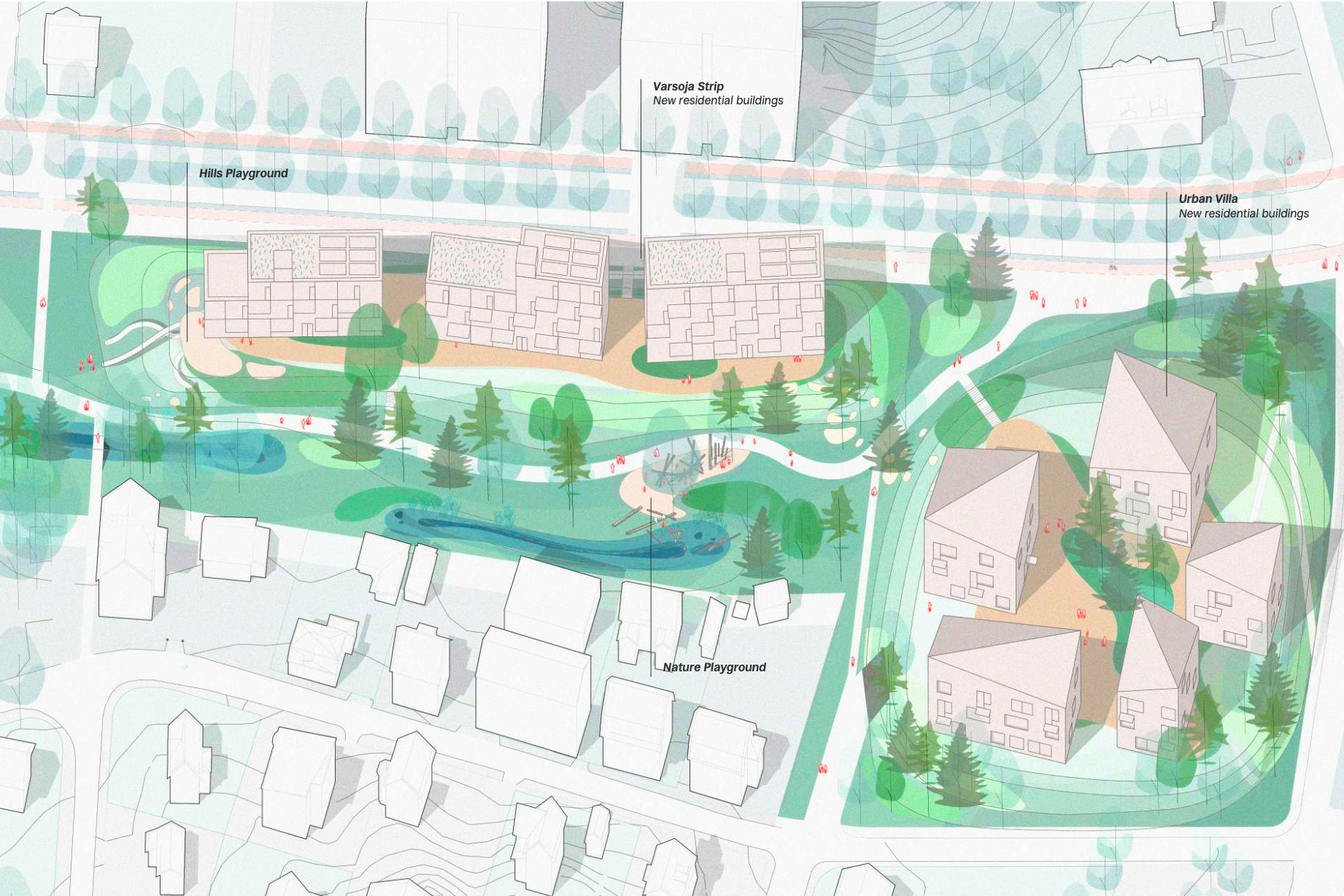
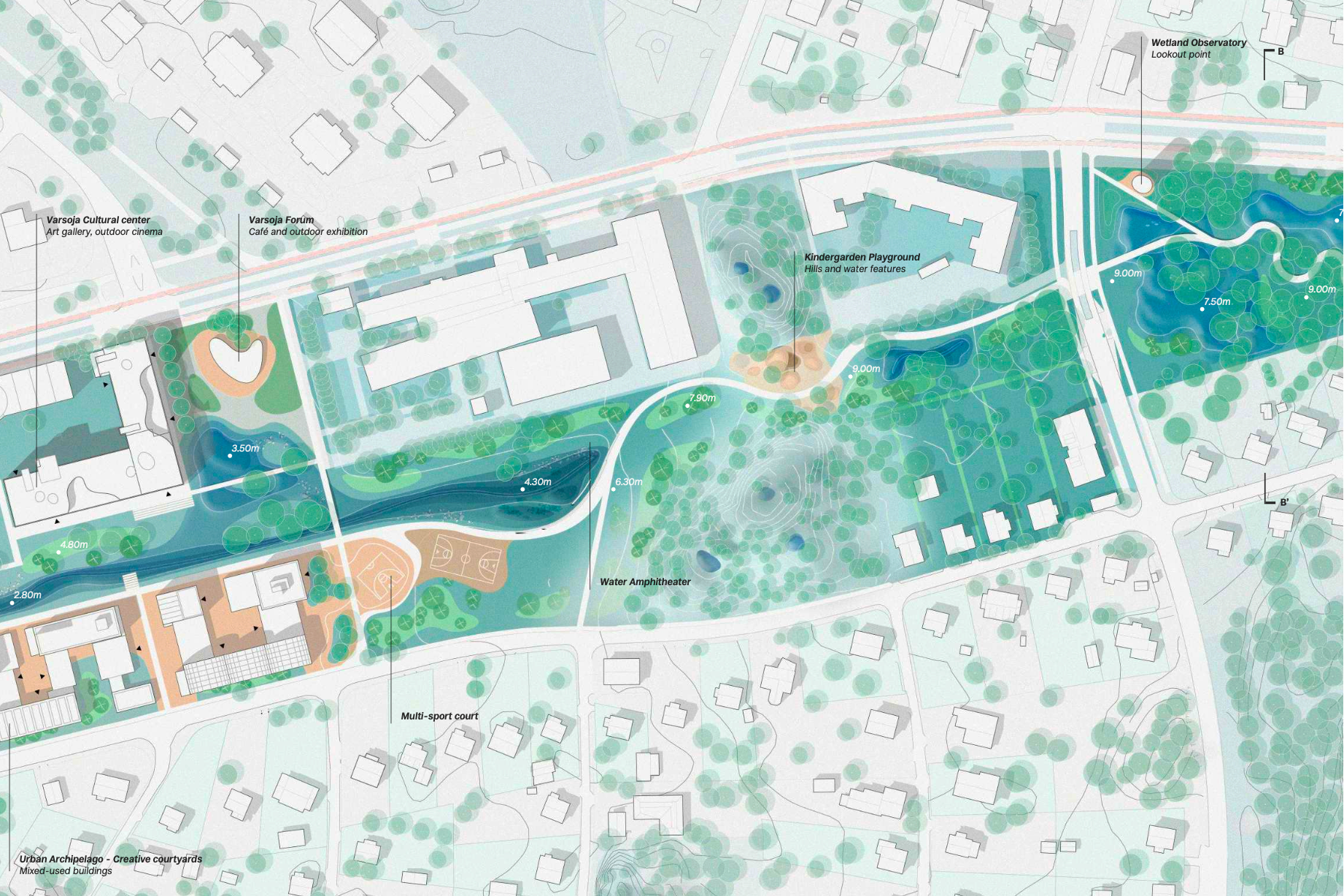
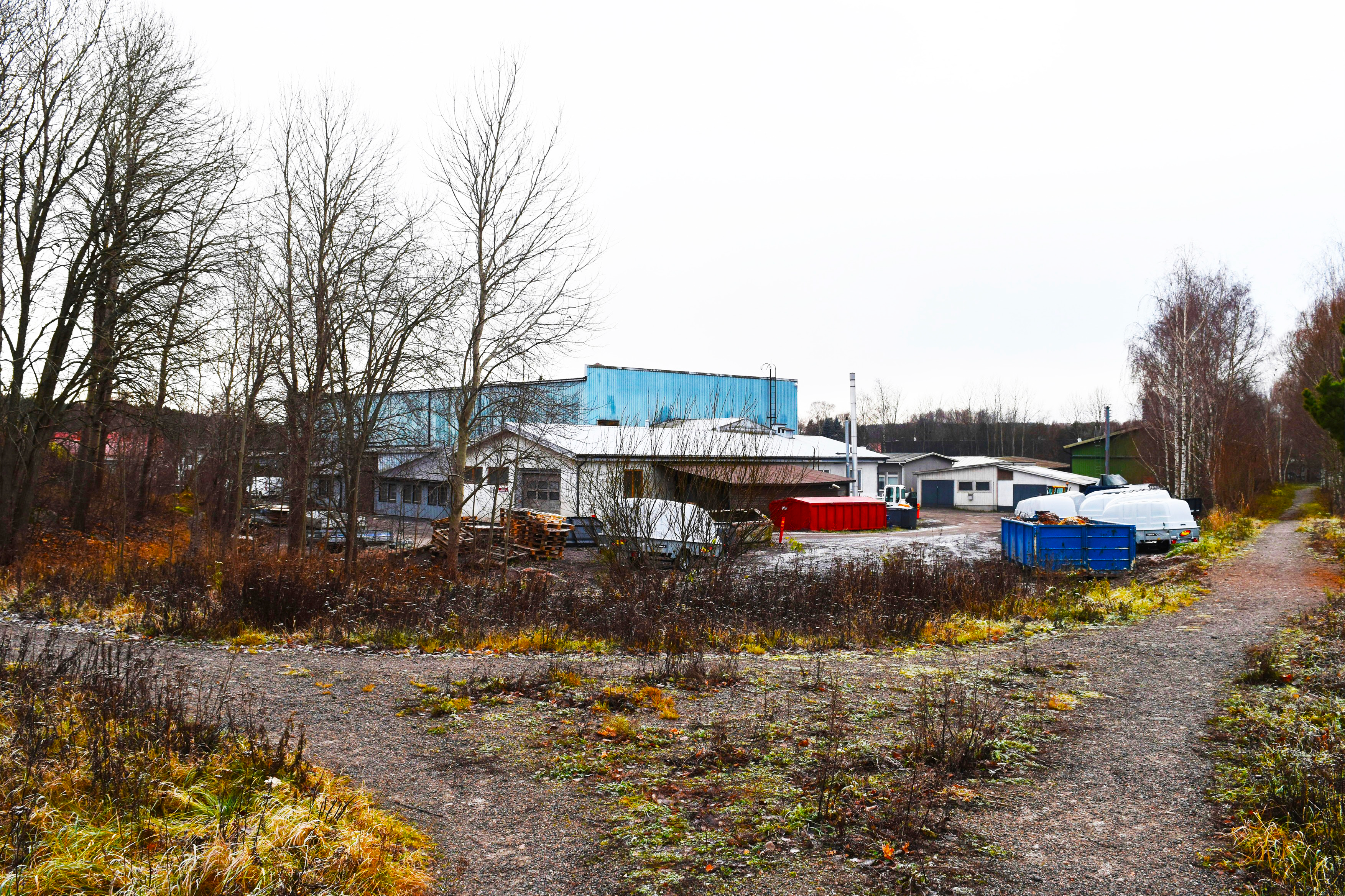
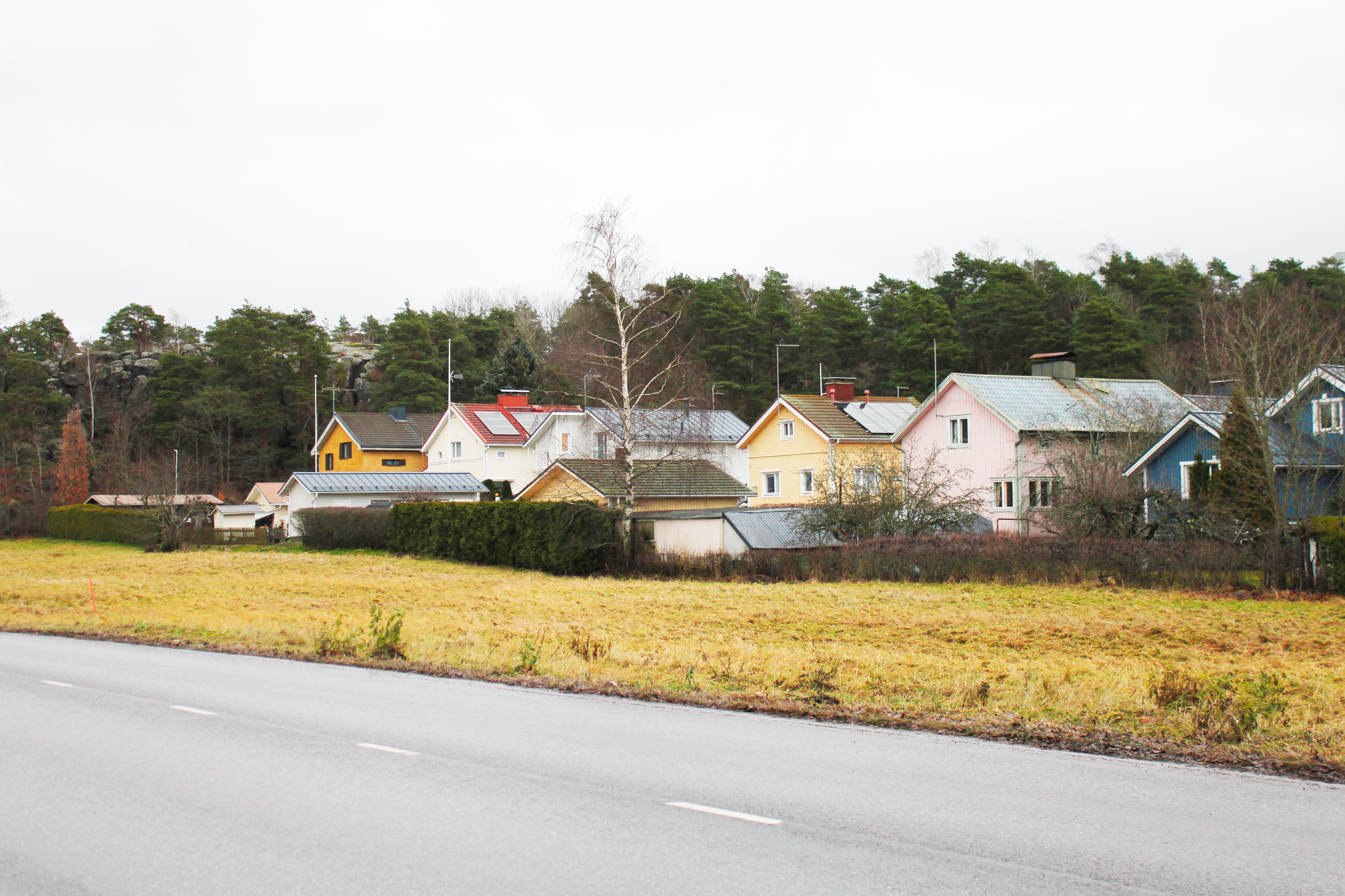
The site’s mutation revealed a territory in transition: a fragmented district shaped by past industrial uses, infrastructural barriers, heterogeneous housing, and leftover natural elements without a coherent structure. The key question was how this area could densify and evolve without erasing its ecological potential or repeating the logic of isolated urban objects. Our design issues emerged precisely from this condition. Instead of “repairing” fragmentation through a new rigid order, we recognised fragmentation itself as the site’s defining quality — spatially, ecologically, and socially. This led to the archipelago concept, where distinct neighbourhood entities coexist within a continuous landscape framework. The mutation of the site therefore becomes an opportunity to shift from scattered urban growth to a model where landscape structure guides development.
PROJECT:
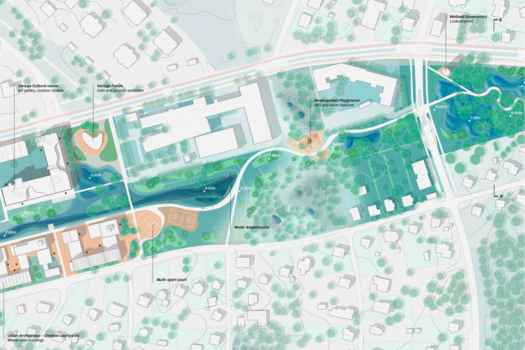
Yes, these issues are central to our practice. The question of re-sourcing has become increasingly relevant in contemporary urban projects, especially in contexts shaped by water systems, post-industrial landscapes, and climate adaptation. We have frequently engaged with the renaturation of riverbanks and water-based landscapes, an issue that has become recurrent in recent competitions in Germany. In these projects, water is not treated as a technical constraint but as a structuring element for public space, biodiversity, and identity.
SITE:
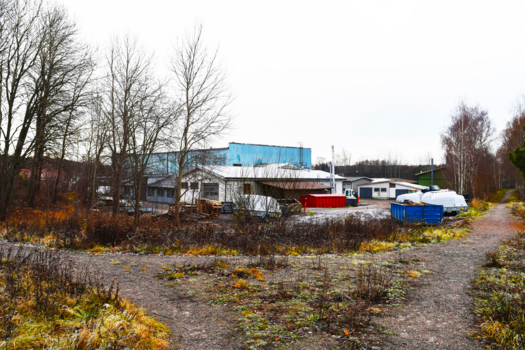
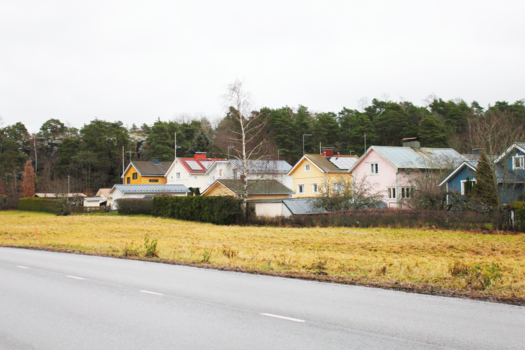
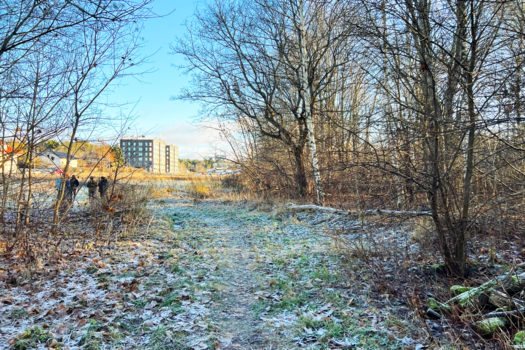
The project is conceived as a framework that can evolve over time through collaboration between public authorities, local actors, and future residents. The reopening of the stream, the creation of wetlands, paths, and public spaces can begin early and function independently from the full build-out. These landscape interventions establish the ecological structure and shared identity of the area, creating immediate public value and a common ground for negotiation between stakeholders. Architecture is organised in distinct “archipelagos,” which allows development to proceed step by step according to land ownership, funding, and local needs. This structure makes it possible to integrate different actors (housing cooperatives, cultural initiatives, small businesses, and municipal services) into specific clusters without compromising the overall landscape framework. Participation is also embedded in the process. Early phases, such as the activation of creative courtyards or community-oriented spaces, are conceived as places where local residents and organisations can be involved in shaping uses and programs.
REFERENCES:
Our team was formed for Europan 18. We had worked together in various constellations before – in other competitions, at university or in the office. In our collaboration, we were able to benefit from our different areas of expertise in architecture and urban planning. We are united by our interest in unusual design tasks, as well as our focus on community building and sustainable urban development/architecture.
6. How could this prize help you in your professional career?
We did not all know each other at the beginning, but we had been connected indirectly through previous collaborations and shared professional networks. Our team brought together individuals from different countries, cultures, and disciplinary backgrounds, which became a key strength of the project. Yevheniia and Louise contributed an urbanism perspective, Philipp and Melissa a landscape-oriented approach, and Oksana and Johan an architectural one. Prakahr, whose PhD focuses on waterbirds diversity, reinforced the ecological dimension, while Kini provided expertise in sustainable energy systems.
TEAM IDENTITY
Legal status:
Team name:
Average age of the associates: 32 years old
Has your team, together or separately, already conceived or implemented some projects and/or won any competition? if so, which ones?
Yes, definitely. Winning this prize gives us visibility and recognition, which will hopefully open new professional opportunities for our team.