niu
Barcelona-La Verneda (ES) - Runner-up

TEAM PORTRAIT
VIDEO (by the team)
INTERVIEW
Click on the images to enlarge
1. How do you define the main issues of your project in relation with the theme “Re-sourcing”? Re-sourcing thanks to nature, to social dynamics, to new materiality? In which way do you think your project can contribute to an ecological and/or social evolution? And in which way do you think your project can be called a “regenerative project”?
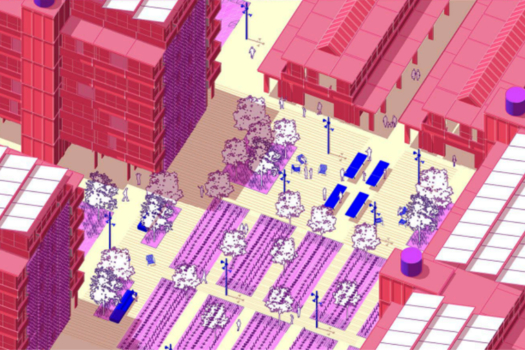
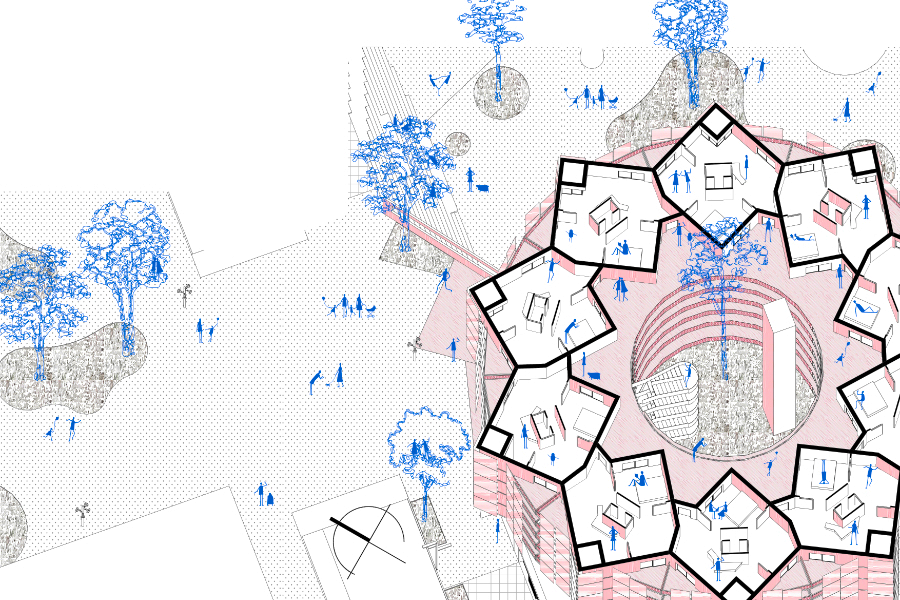
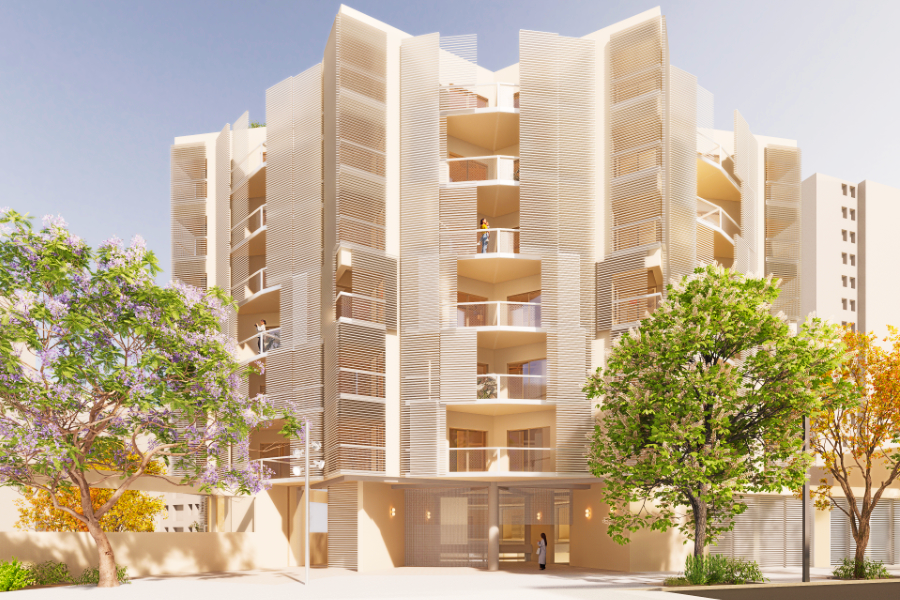
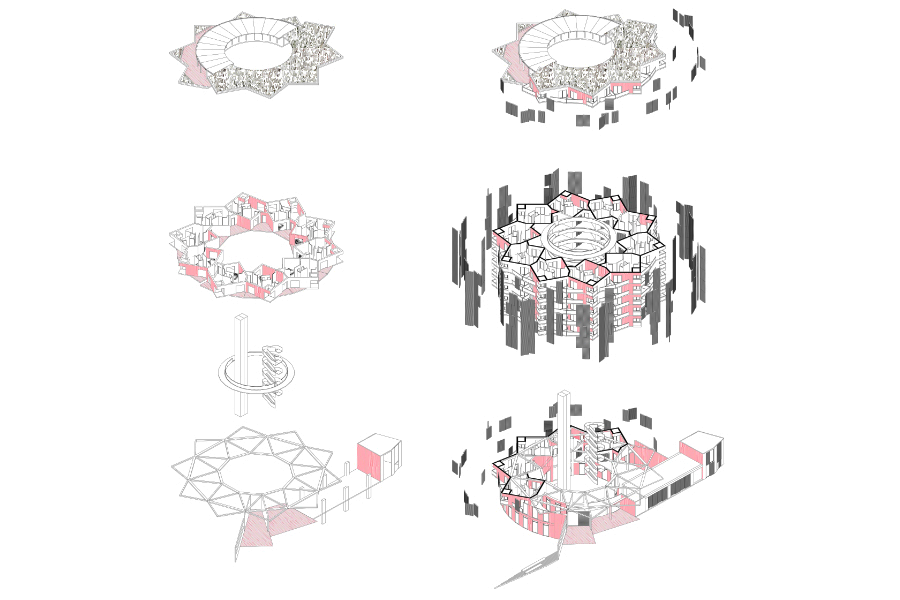
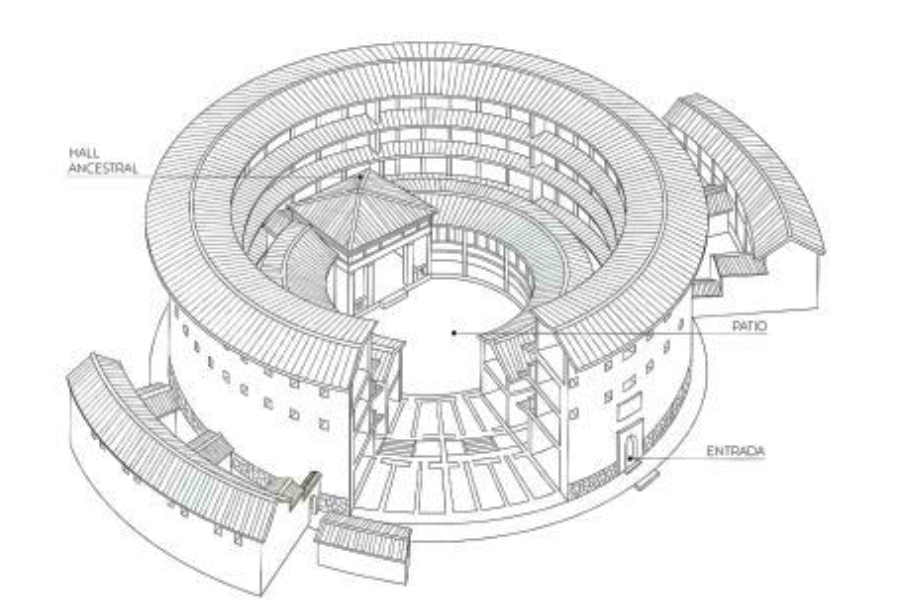
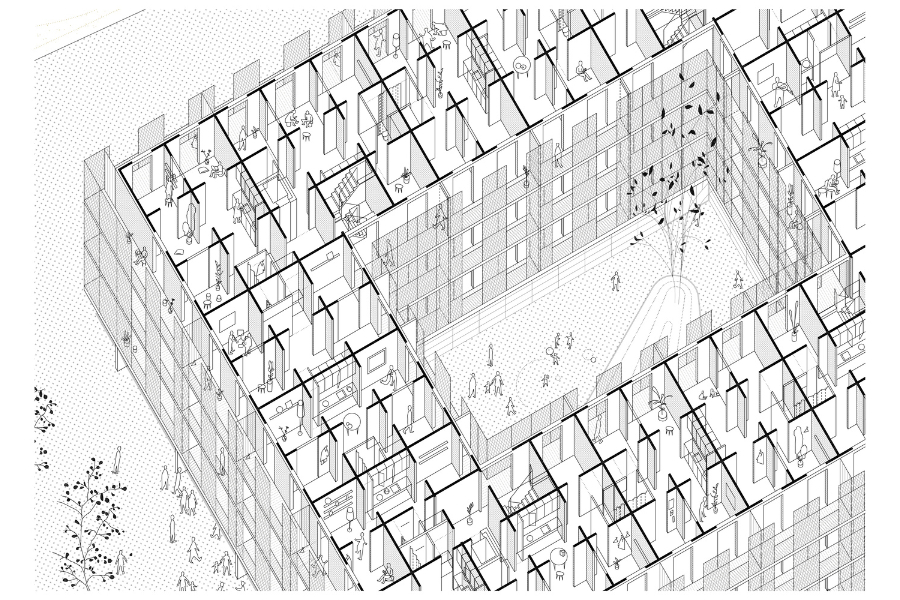
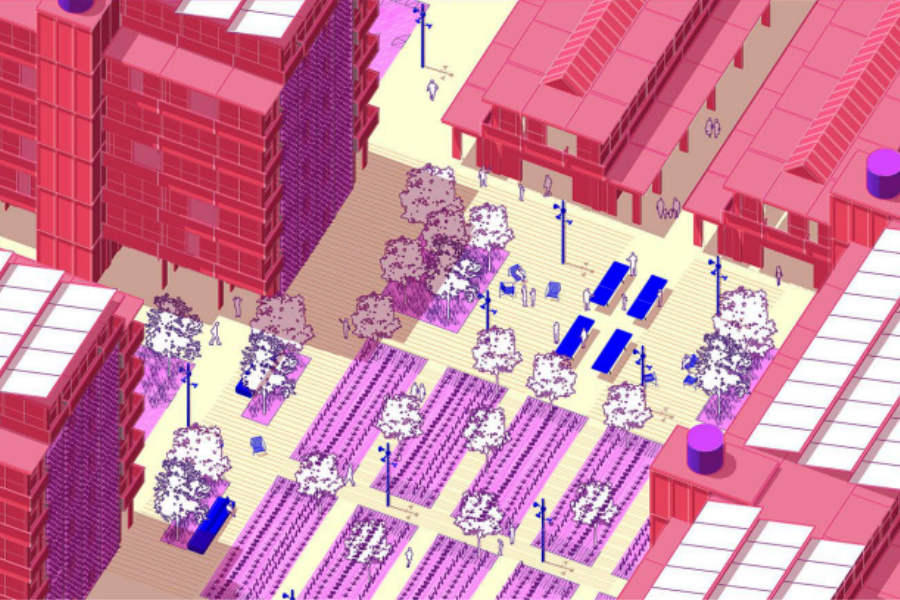
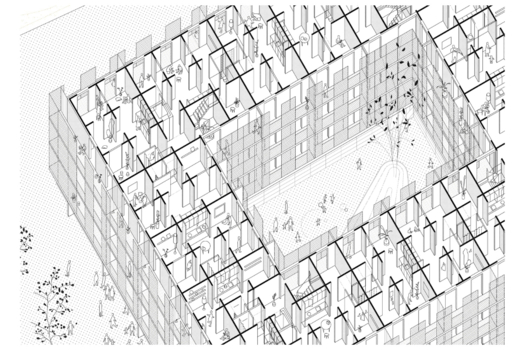
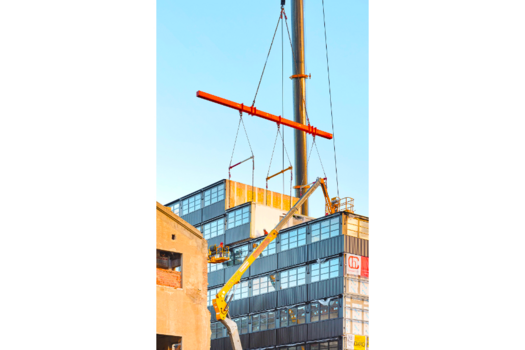
NIU re-sources local assets. Nature: The porous design amplifies Besòs breezes for passive cooling. Social: Inspired by permeable Tulous, activates community via shared workshops. Materiality: Off-site 3D modules minimize waste and embodied energy, treating time and precision as renewable resources. Socially, central kitchens and corridor-free layouts challenge gender roles, socializing domestic labor. Ecologically, rooftop hydroponics feed ground-floor workshops, closing metabolic loops. The porous volume fights the heat island effect, actively healing the urban microclimate.
2. How did the issues of your design and the questions raised by the site mutation meet?
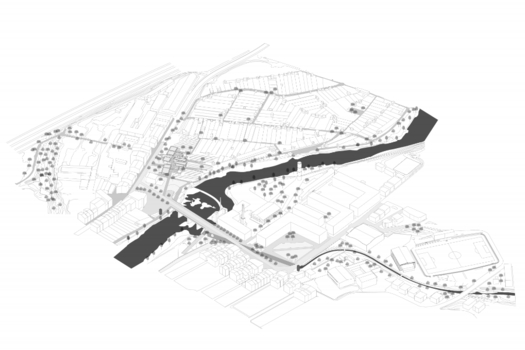
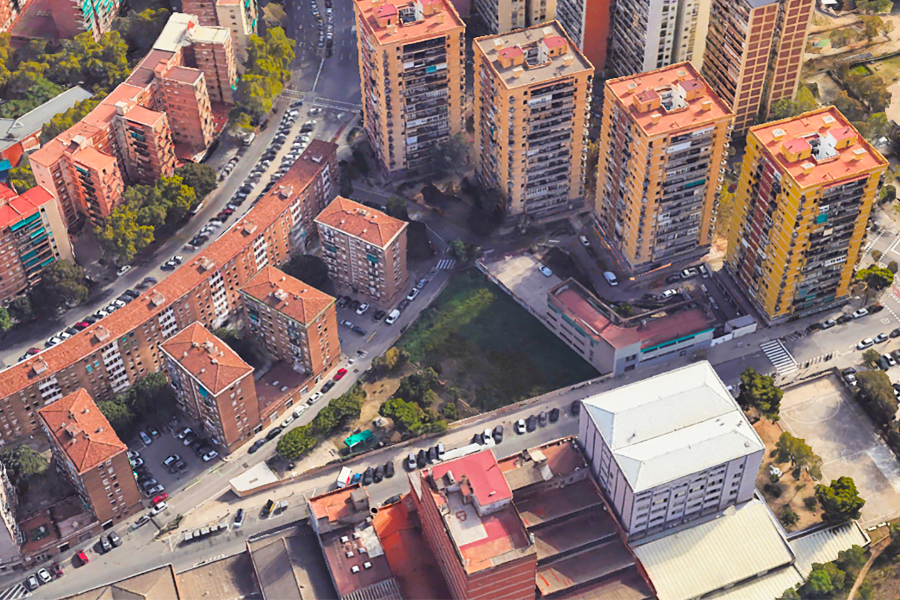
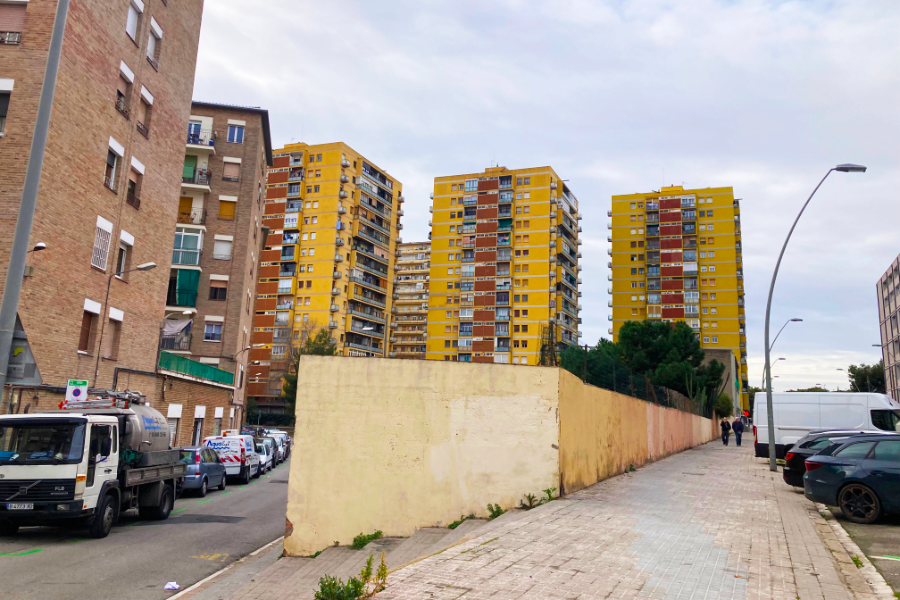
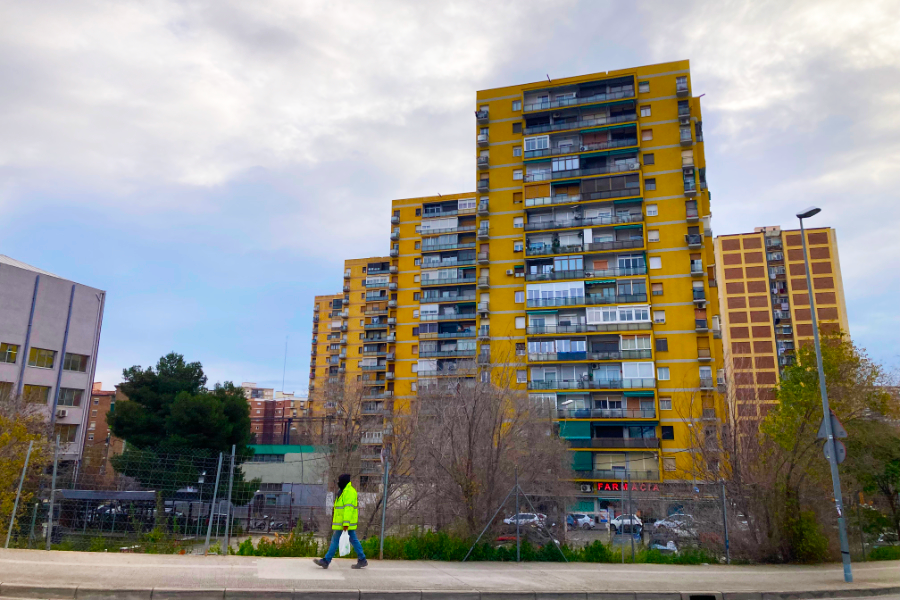
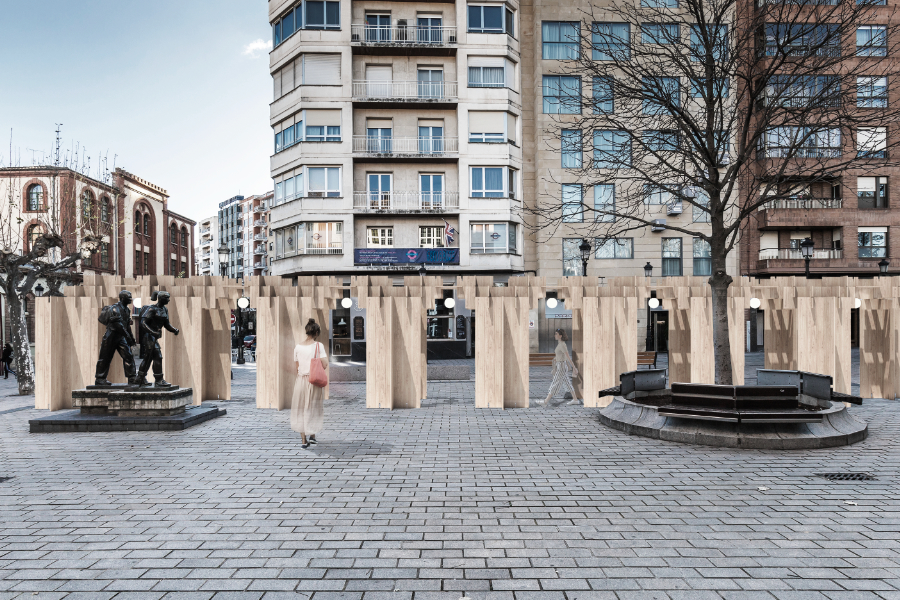
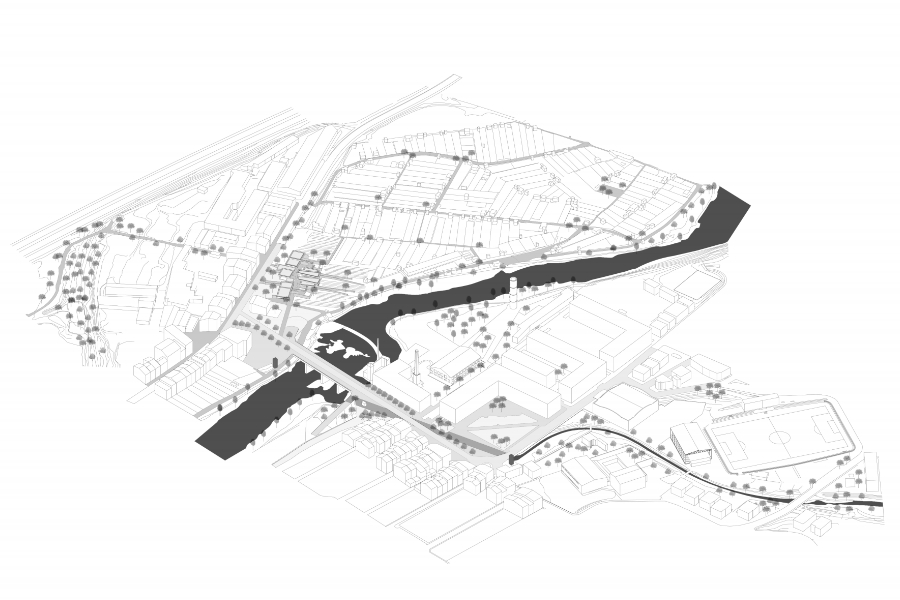
Situated at the friction between industrial and residential fabrics, NIU acts as a porous urban hinge. Its circular geometry optimizes orientation, while the open ground floor blurs boundaries, transforming a fragmented edge into a permeable meeting point for the neighborhood.
PROJECT:
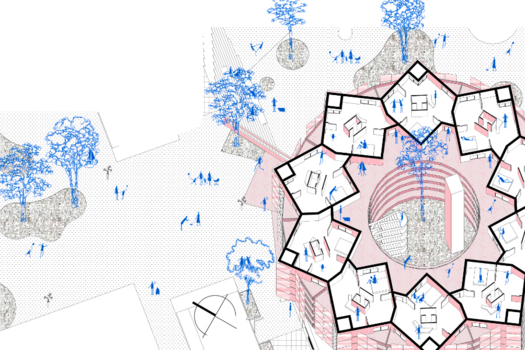
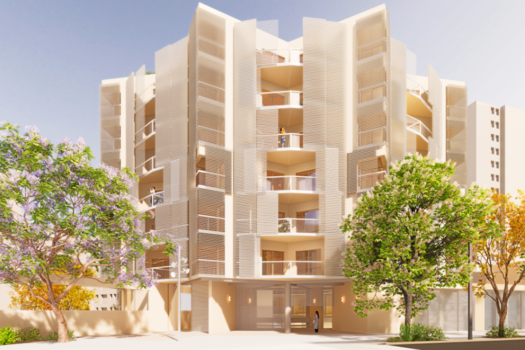
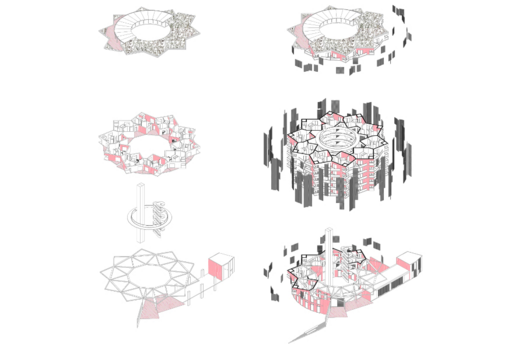
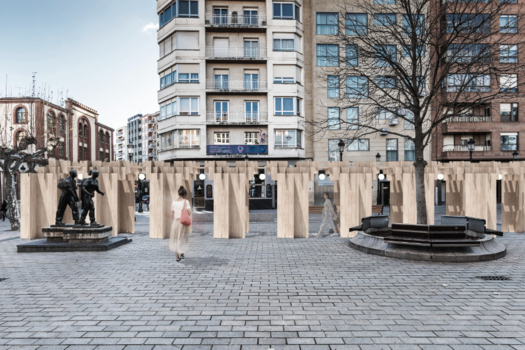
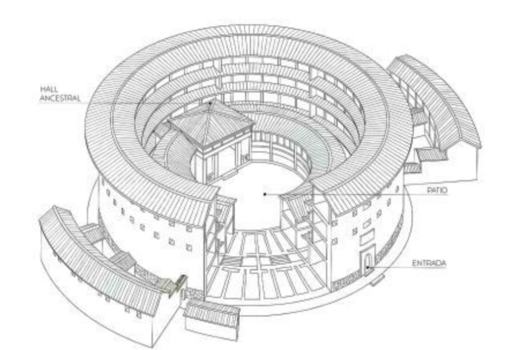
The primary reference is the Hakka Tulou: communal circular housing. This typology is inverted in order to be porous rather than defensive. I also draw on Catalan new wave residential architecture of flexible intermediate spaces to create a "productive nest" that balances shelter with open interaction.
SITE:
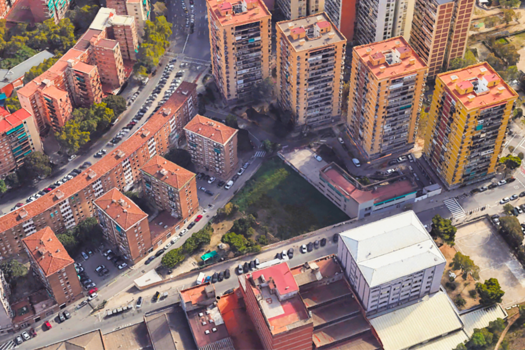
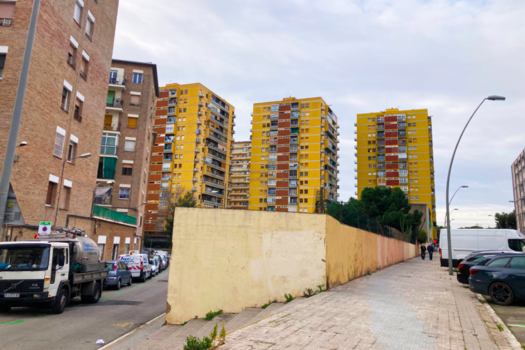
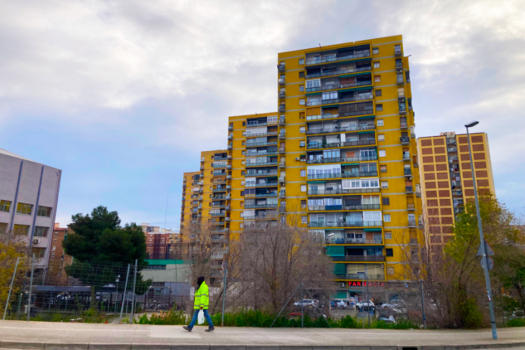
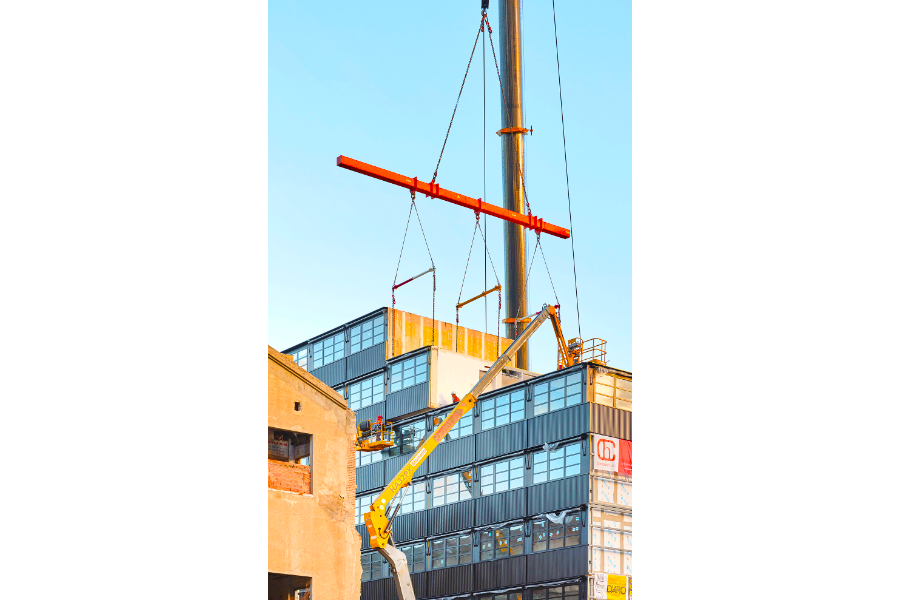
It’s proposed a hybrid timeline: off-site 3D modules are manufactured simultaneously with on-site foundations, drastically reducing disruption. The timber structure allows flexible partitions, enabling residents to negotiate and adapt layouts over decades, ensuring long-term social sustainability.
REFERENCES:
I work for the public administration as an architect, so I didn't have enough time to build a team. Instead, I spent my evenings sketching to ensure I had a good proposal ready by the deadline.
6. How could this prize help you in your professional career?
I'm sure it will be useful for my professional career, whether because of the recognition I've received or because of what I've learned in the process.
TEAM IDENTITY
Legal status:
Team name:
Average age of the associates: 34 years old
Has your team, together or separately, already conceived or implemented some projects and/or won any competition? if so, which ones?
I haven't won a first prize in any competition yet. I did receive an honorable mention in the previous Europan 17. But I have designed a lot of public space that has been built and is now enjoyed by the residents of Esplugues de Llobregat, the municipality where I work.
WORKS: