Old Walls New Ties
Amersfoort-Amicitia (NL) - Runner-up
TEAM PORTRAIT
VIDEO (by the team)
INTERVIEW
Click on the images to enlarge
1. How do you define the main issues of your project in relation with the theme “Re-sourcing”? Re-sourcing thanks to nature, to social dynamics, to new materiality? In which way do you think your project can contribute to an ecological and/or social evolution? And in which way do you think your project can be called a “regenerative project”?
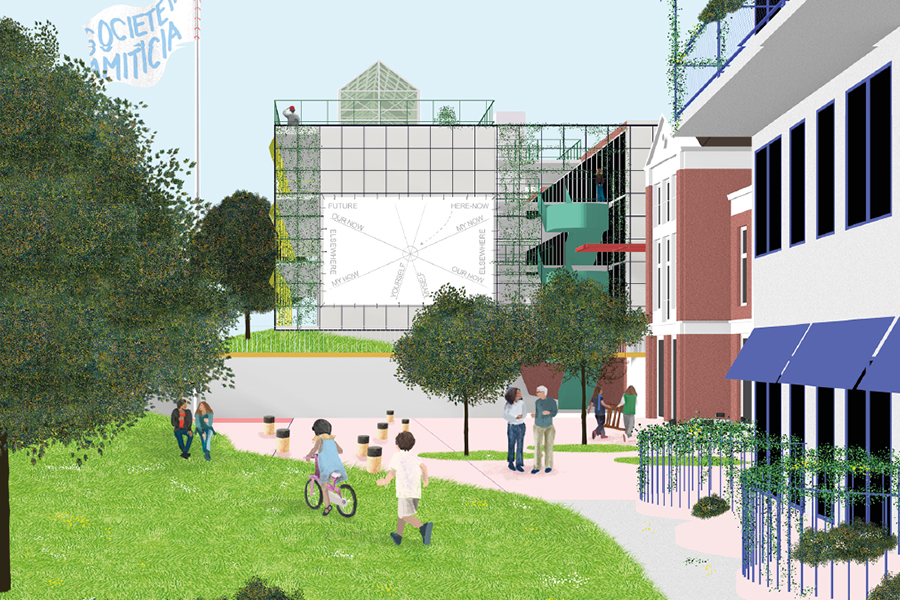
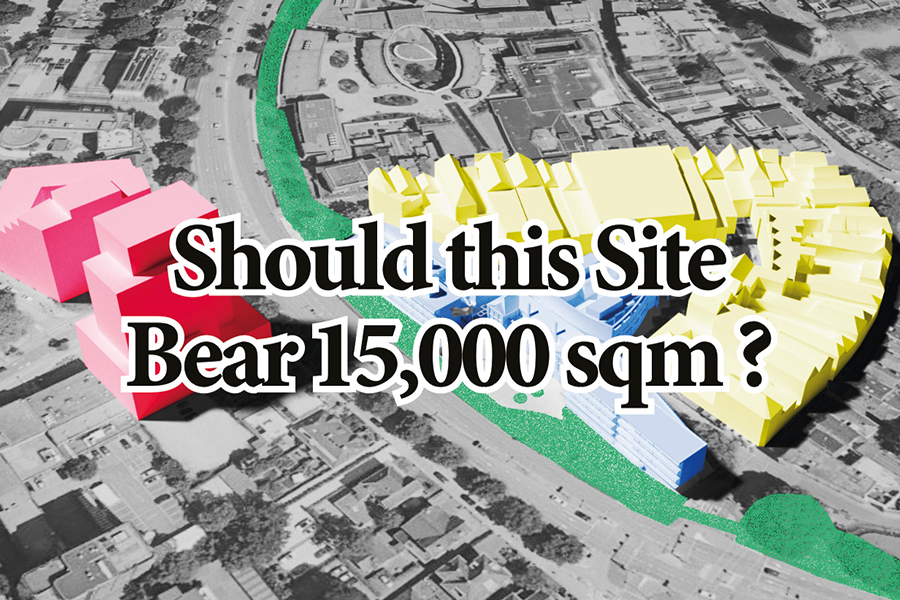
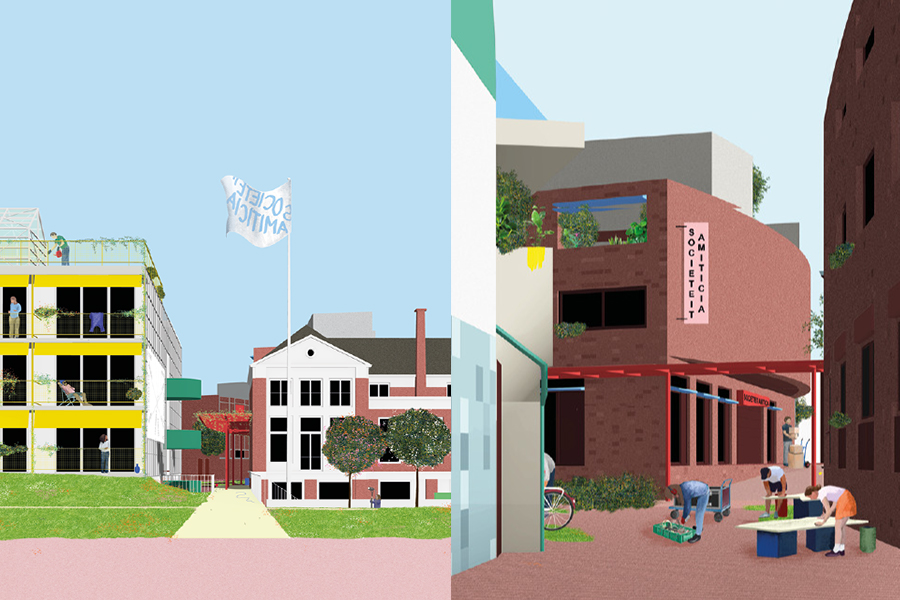
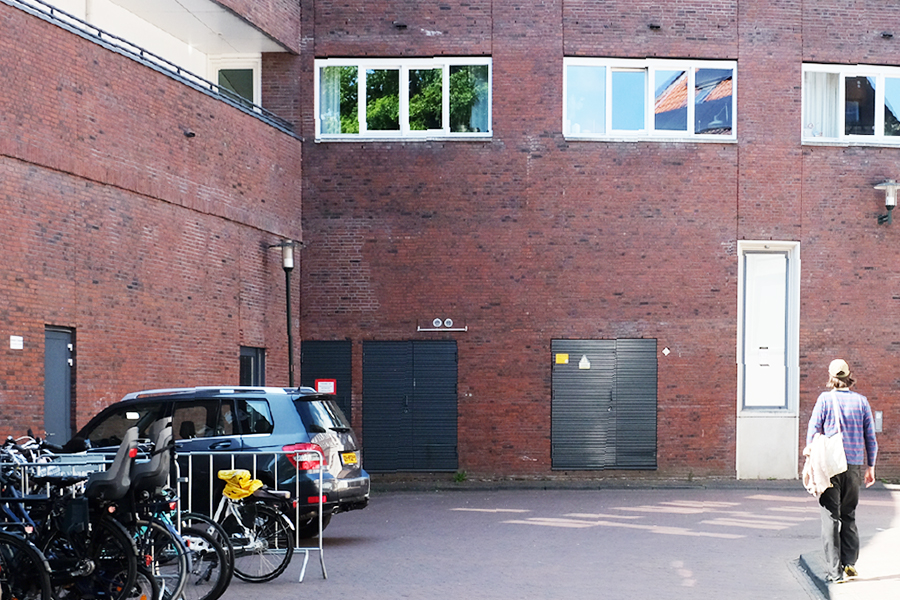
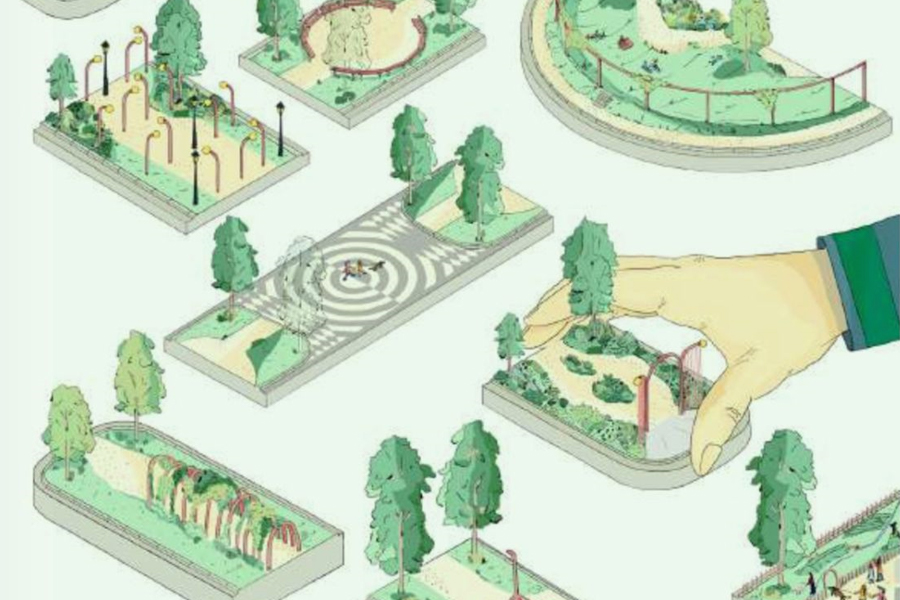
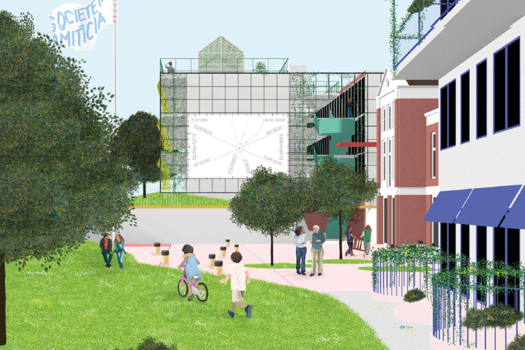
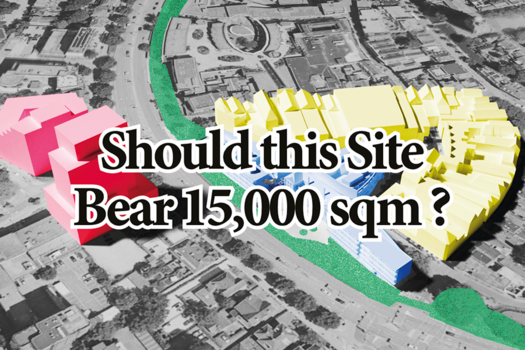
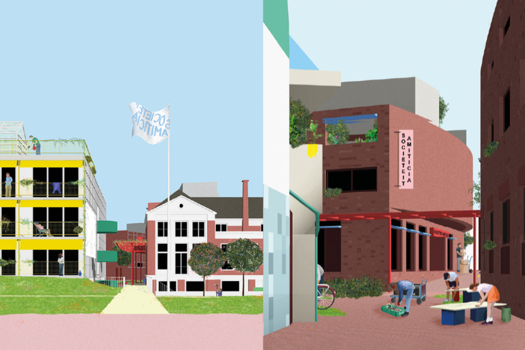
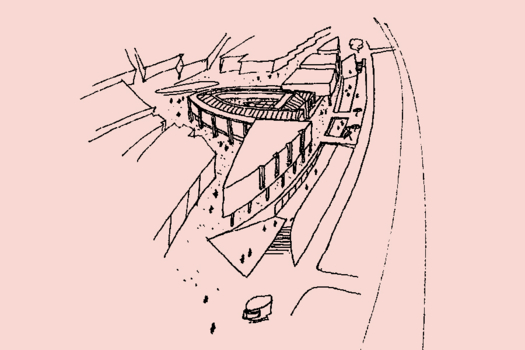
The project re-sources the site at three levels. Firstly, it embraces the brief by extending the ‘green belt’ in front of the estate. Secondly, it challenges its requirements by mitigating site density, preferring to reactivate the site through reprogramming and precise subtractions. Finally, it asserts that everything is heritage and grafts contemporary extensions onto the building to actualise its material identity.
2. How did the issues of your design and the questions raised by the site mutation meet?
If not for the site’s mutations, the broader development of Amersfoort has truly informed the design issues. Considering the city’s plan to extend its green belt and the current developments across the site, or even in the Nieuwe Stad, led us to shift the core focus of the interventions toward the idea of a ‘livable city.’ Hence, we prioritized transforming this former barrier into a scale mediator between the city center, the corridor park, and the future ring.
PROJECT:
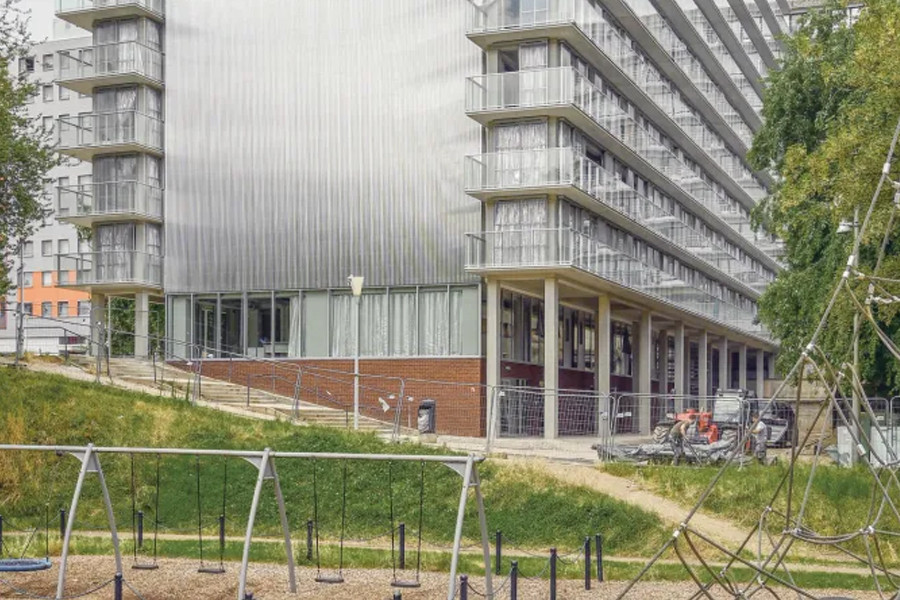
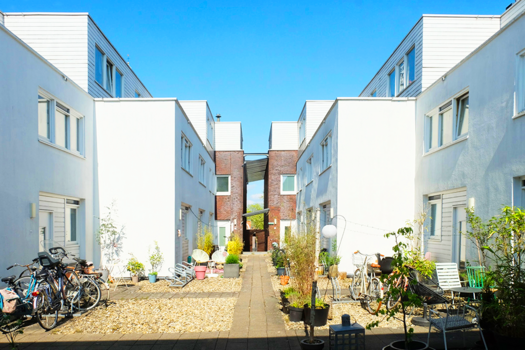
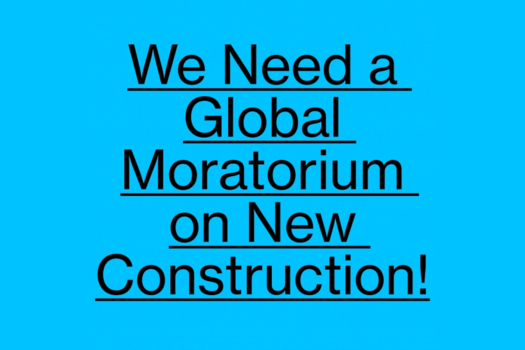
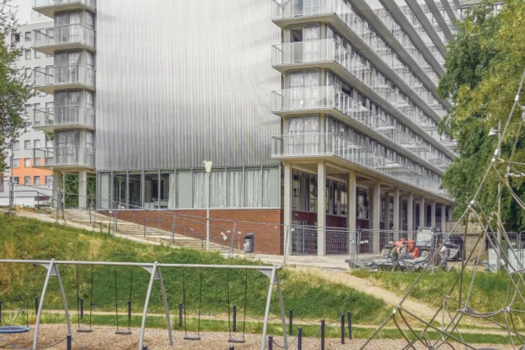
The team has shown an interest in the retrofitting of modern heritage since their studies. Their professional paths have led them to work on transformations across a wide range of scales, from houses to neighbourhoods. Along the way, projects such as the Moratorium on New Construction, from C. Malterre-Barthes or Lacaton & Vassal refurbishments and extensions have particularly stayed in our minds.
SITE:
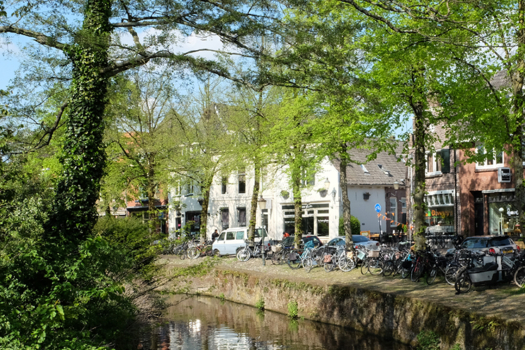
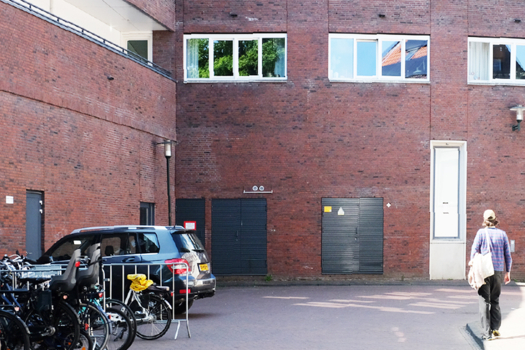
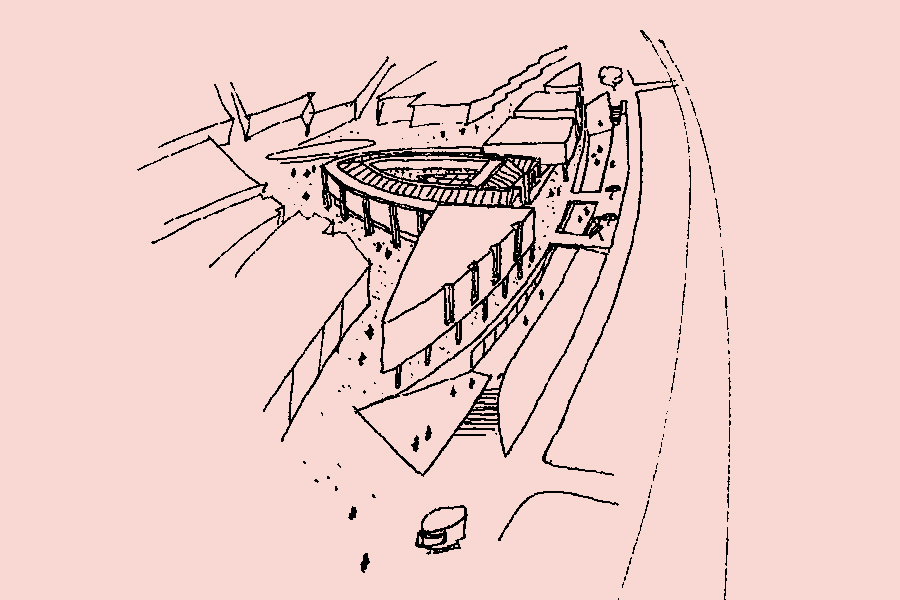
The project is conceived as a phased process and calls for dialogue; where space for negotiation lies. Subtractive interventions, ground-floor activation and public realm are first realised, while extensions, densification and urban orientations remain adaptable. The project’s scale, between architecture and urban planning, can only be pursued through exchanges with actors. We believe in Europan’s DNA and hope such encounters allow the project to evolve further.
REFERENCES:
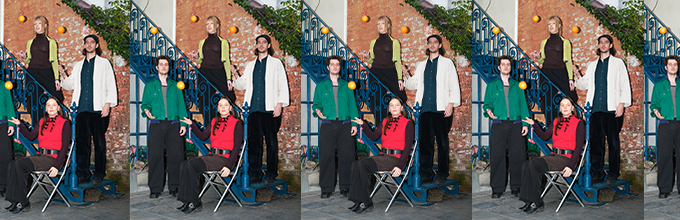
We united around curiosity for this uncanny, almost undesirable site. Fascinated by banal yet generic late-20th-century typologies, we sought to test learnings beyond our offices. Several members specialize in large-scale urban transformation, some in modern heritage inclusive transformations, and others in open-process projects. This combination of architectural design, urban strategy and actors-oriented skills allowed us to place trust in the team.
6. How could this prize help you in your professional career?
Europan has stood the test of time; many practices we admire have ticked the prize's box earlier in their career. Its ethos, visibility, and credibility are certainly helpful, and we hope it will lead to opportunities for real commissions sooner or later.
TEAM IDENTITY
Legal status:
Team name:
Average age of the associates: 27,25 years old
Has your team, together or separately, already conceived or implemented some projects and/or won any competition? if so, which ones?
No.
WORKS: