panarchy cycles 3p4o
Santa Pola (ES) - Runner-up
TEAM PORTRAIT
VIDEO (by the team)
INTERVIEW
Click on the images to enlarge
1. How do you define the main issues of your project in relation with the theme “Re-sourcing”? Re-sourcing thanks to nature, to social dynamics, to new materiality? In which way do you think your project can contribute to an ecological and/or social evolution? And in which way do you think your project can be called a “regenerative project”?
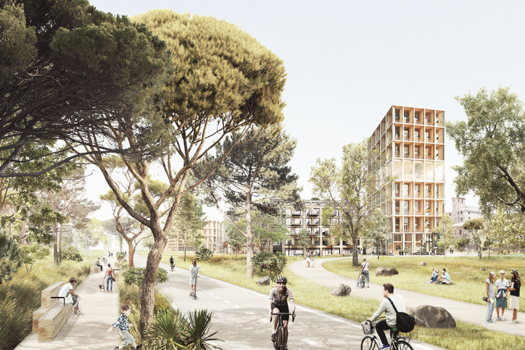
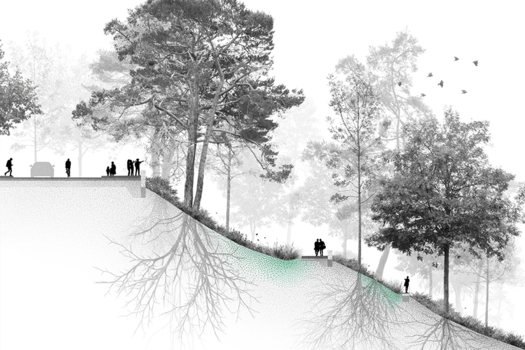
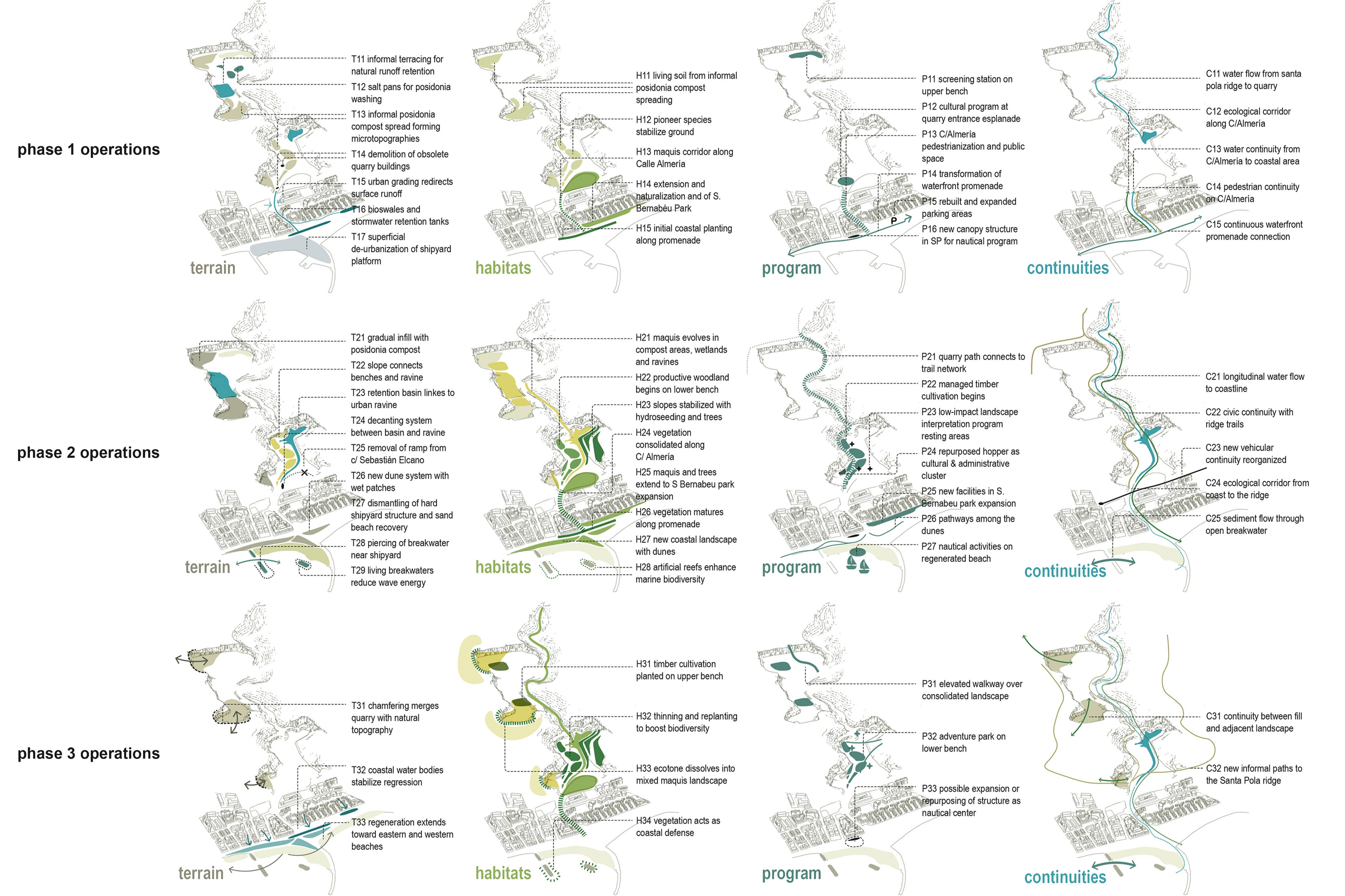
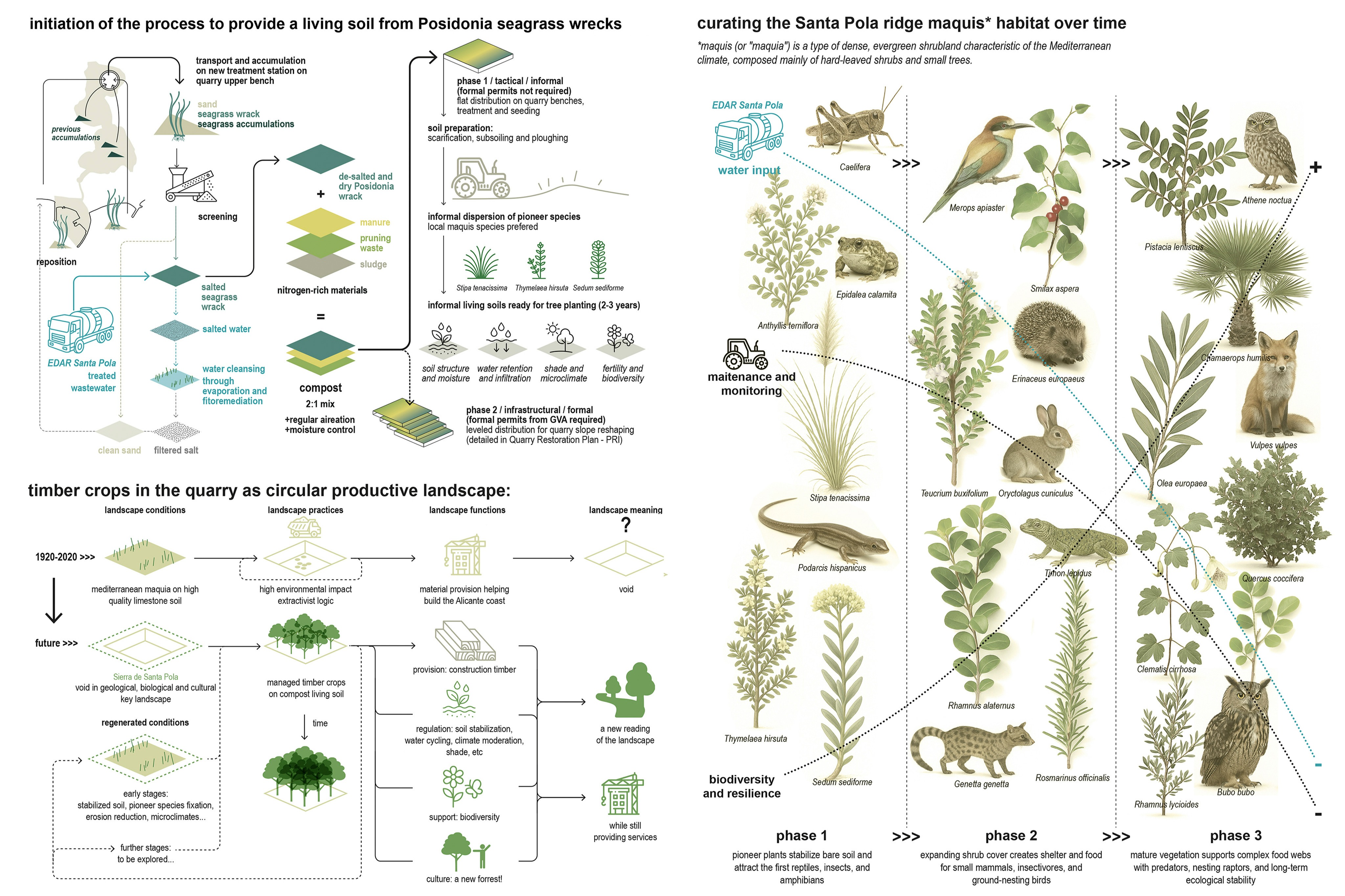
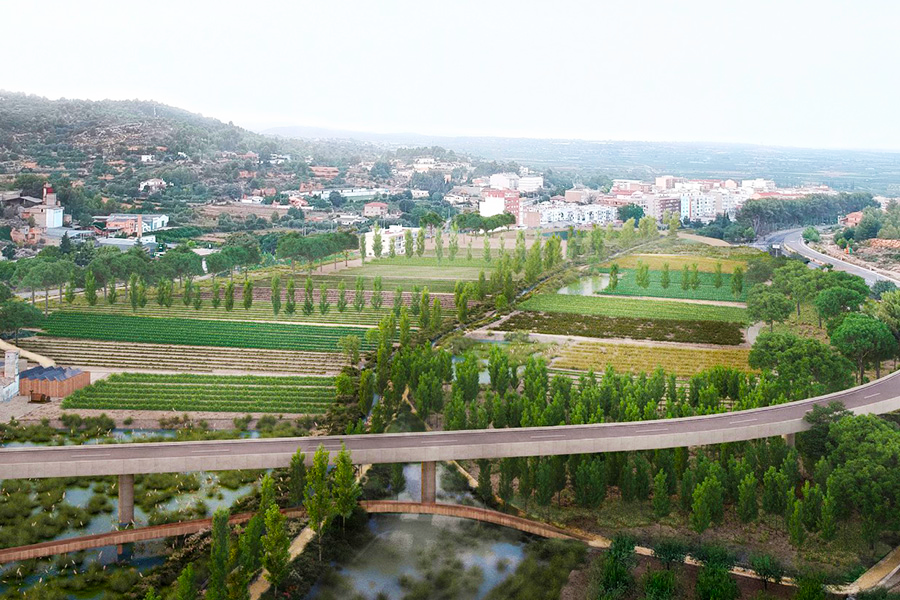
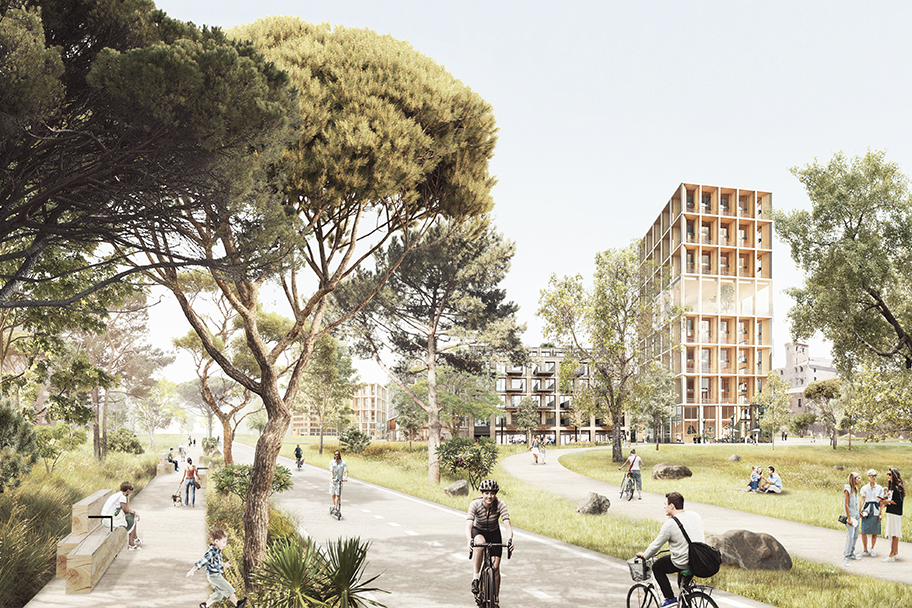
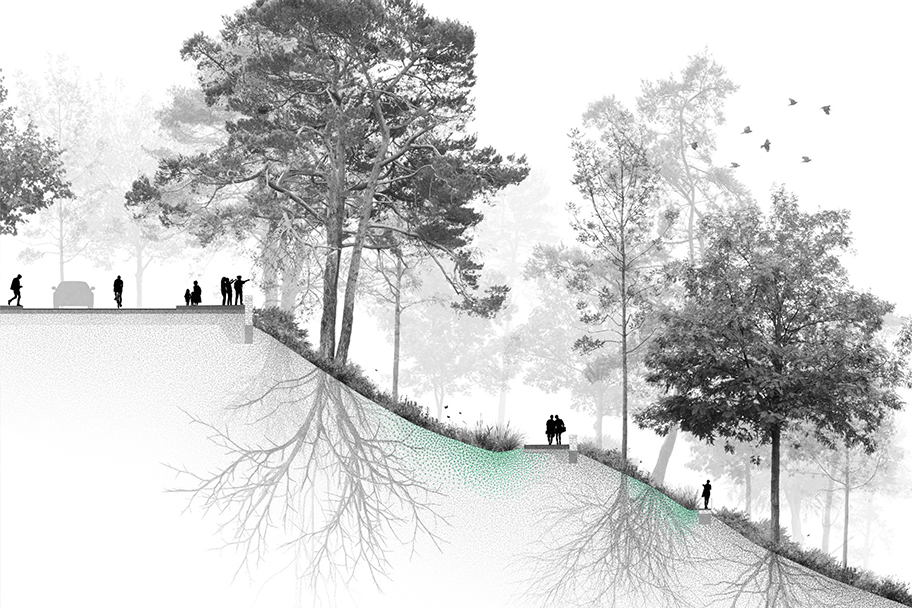
Re-sourcing is understood as a process that reactivates the site’s latent ecological, social, material, and institutional capacities. Rather than importing resources, the project works with disrupted natural cycles, evolving social practices, and adaptive infrastructures. Through phased interventions, ecological systems and social uses co-evolve, restoring territorial continuity and enhancing the landscape’s ability to regenerate, adapt, and sustain long-term value.
2. How did the issues of your design and the questions raised by the site mutation meet?
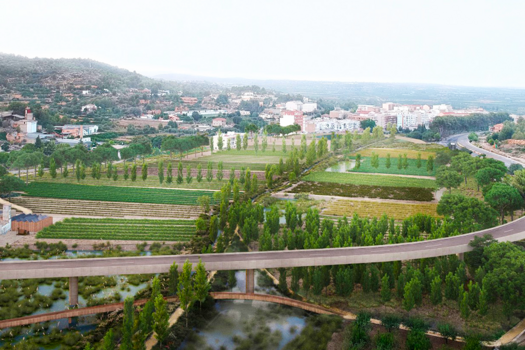
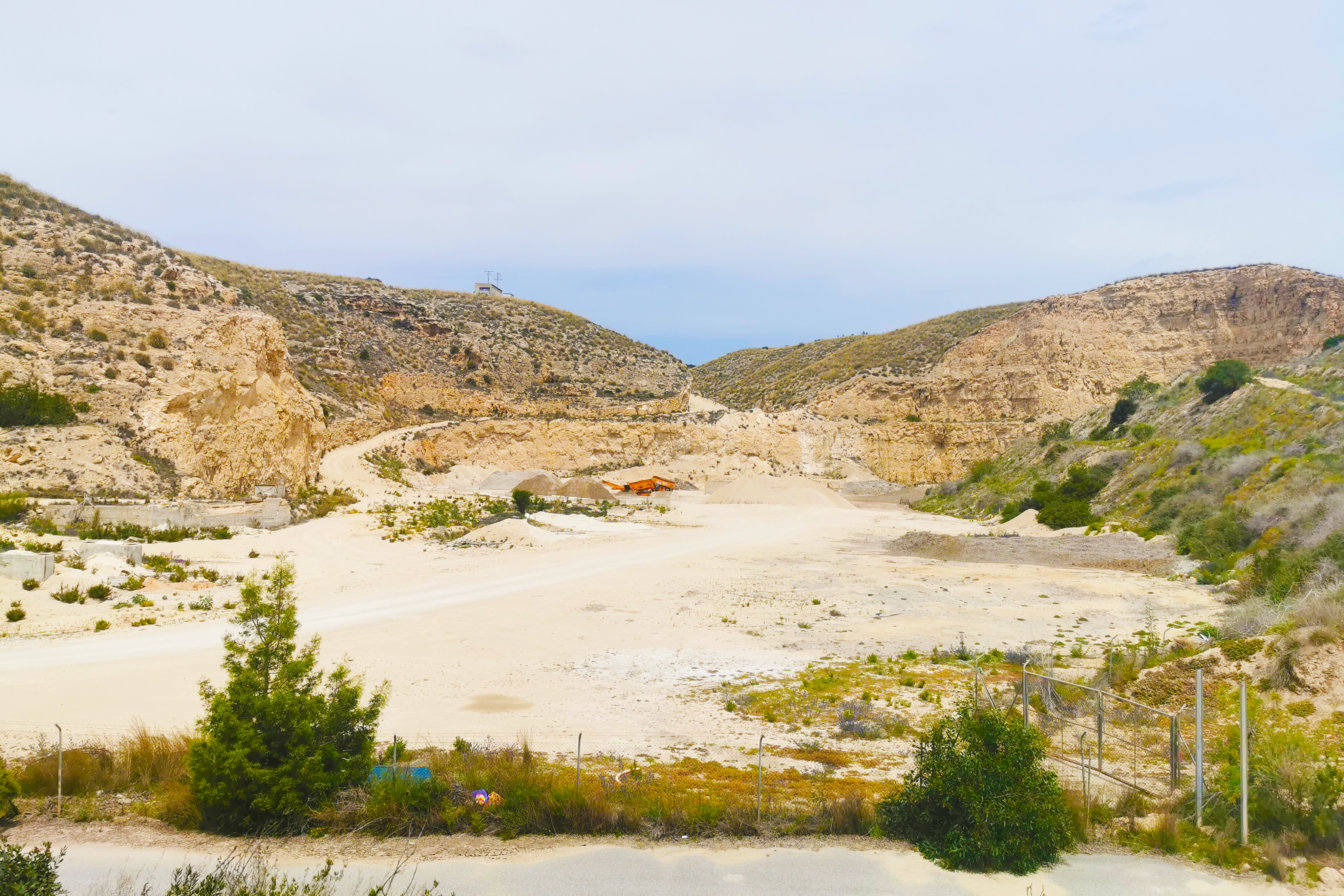
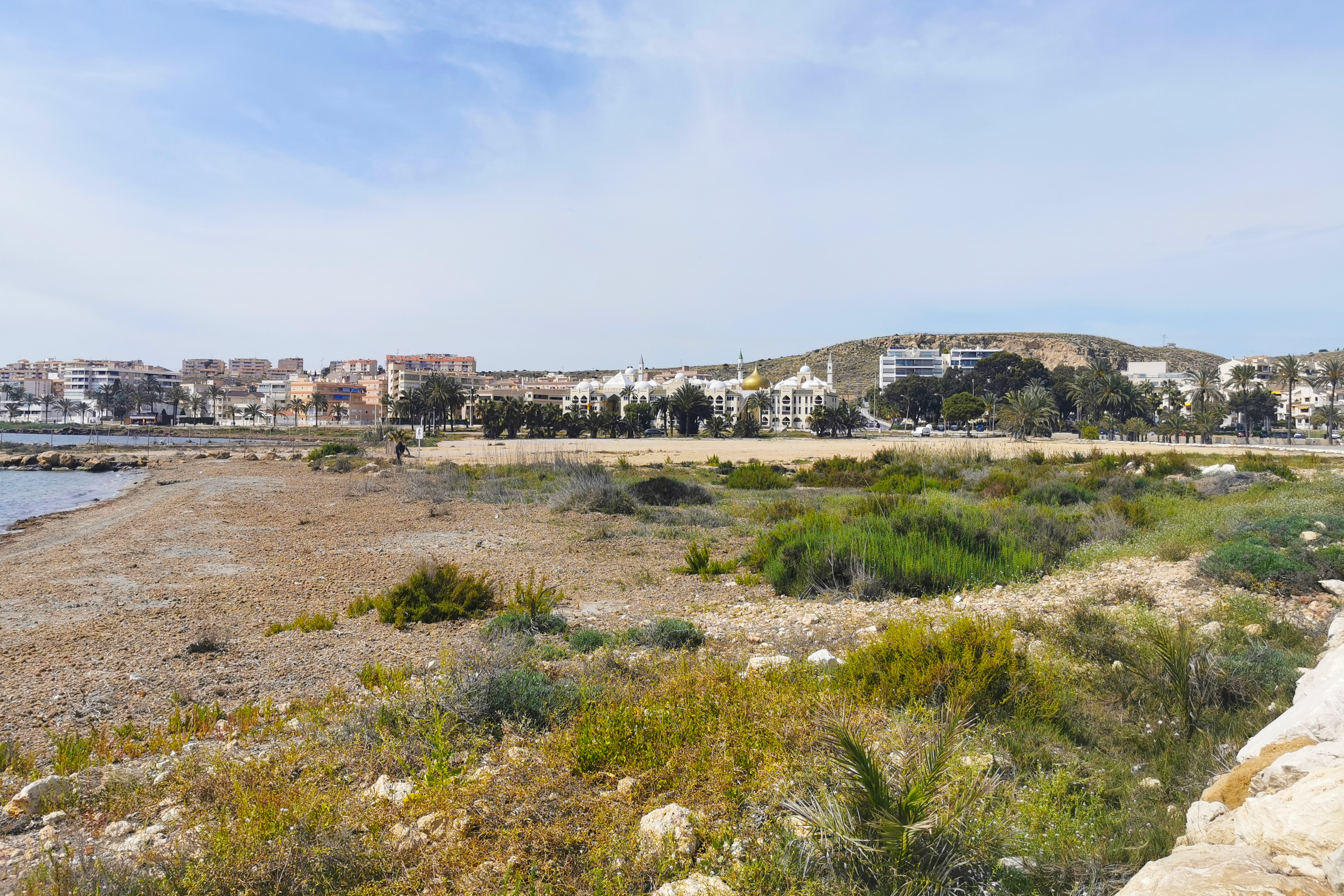
The Varadero area has been shaped by physical, ecological, and administrative mutations through extractive scars, altered hydrology, and shifting planning, environmental, and coastal regulations. The proposal embraces its intertwined identity to trigger a new mutation toward adaptation, redefining participation, resources, infrastructure, and regulation as drivers of regenerative transformation.
PROJECT:
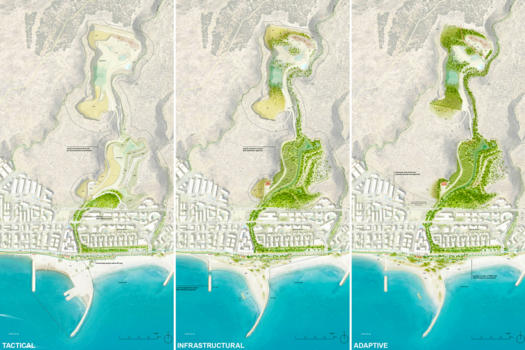
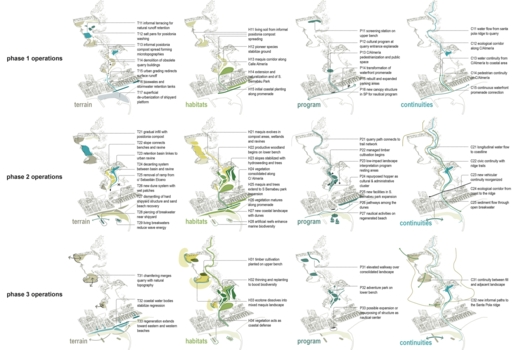
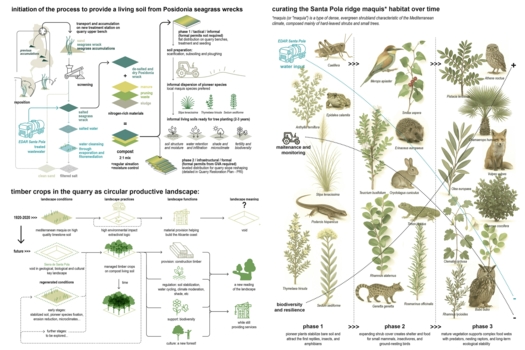
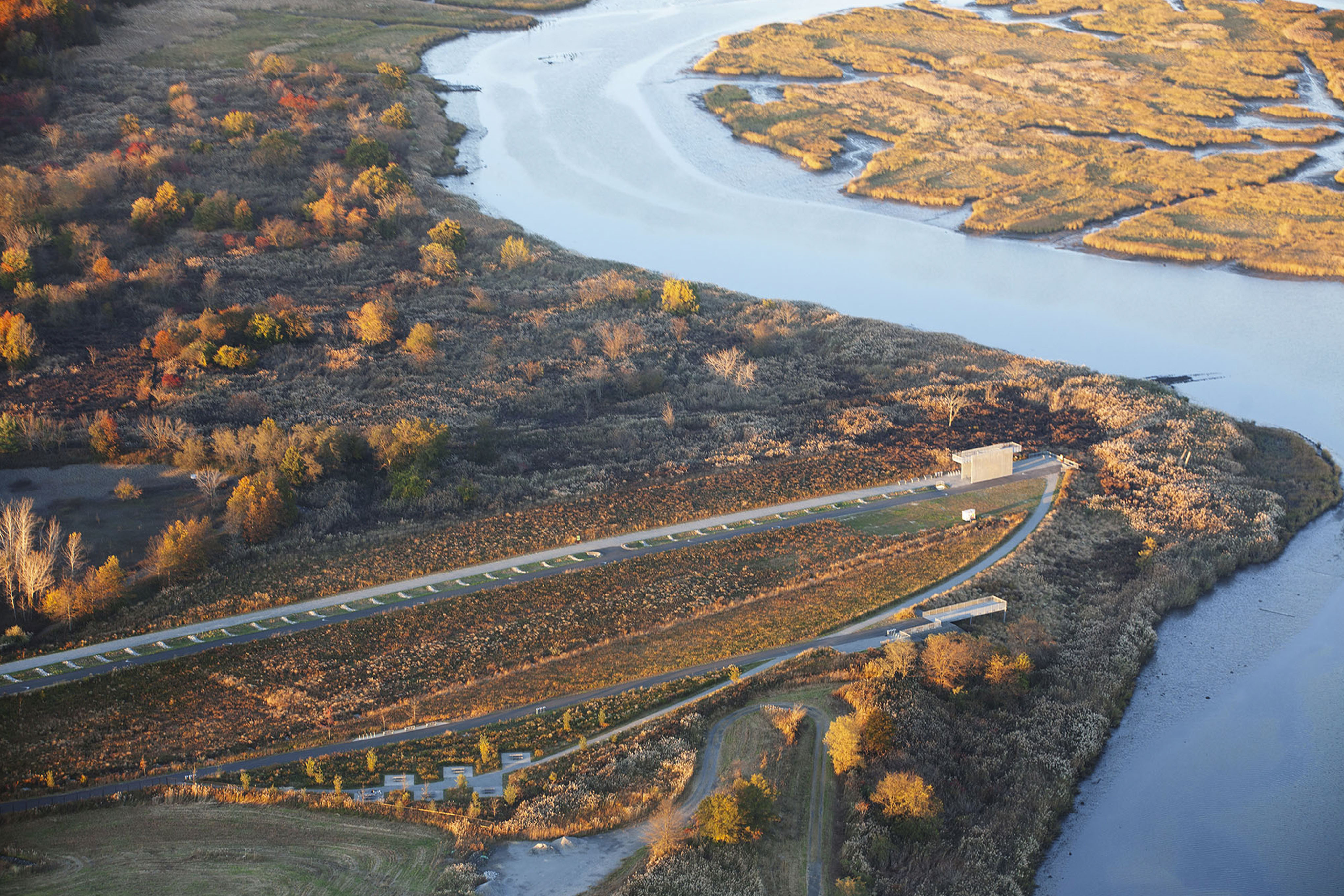
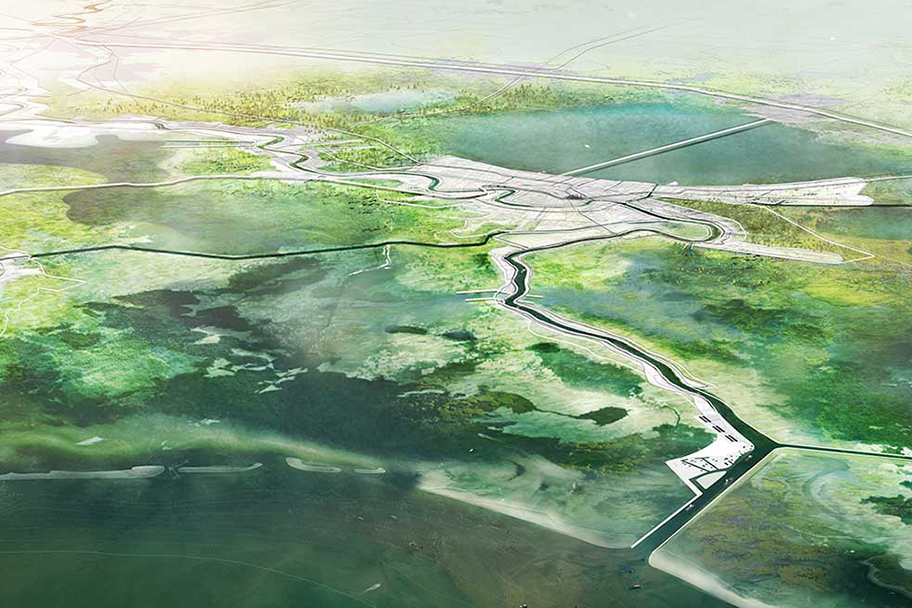
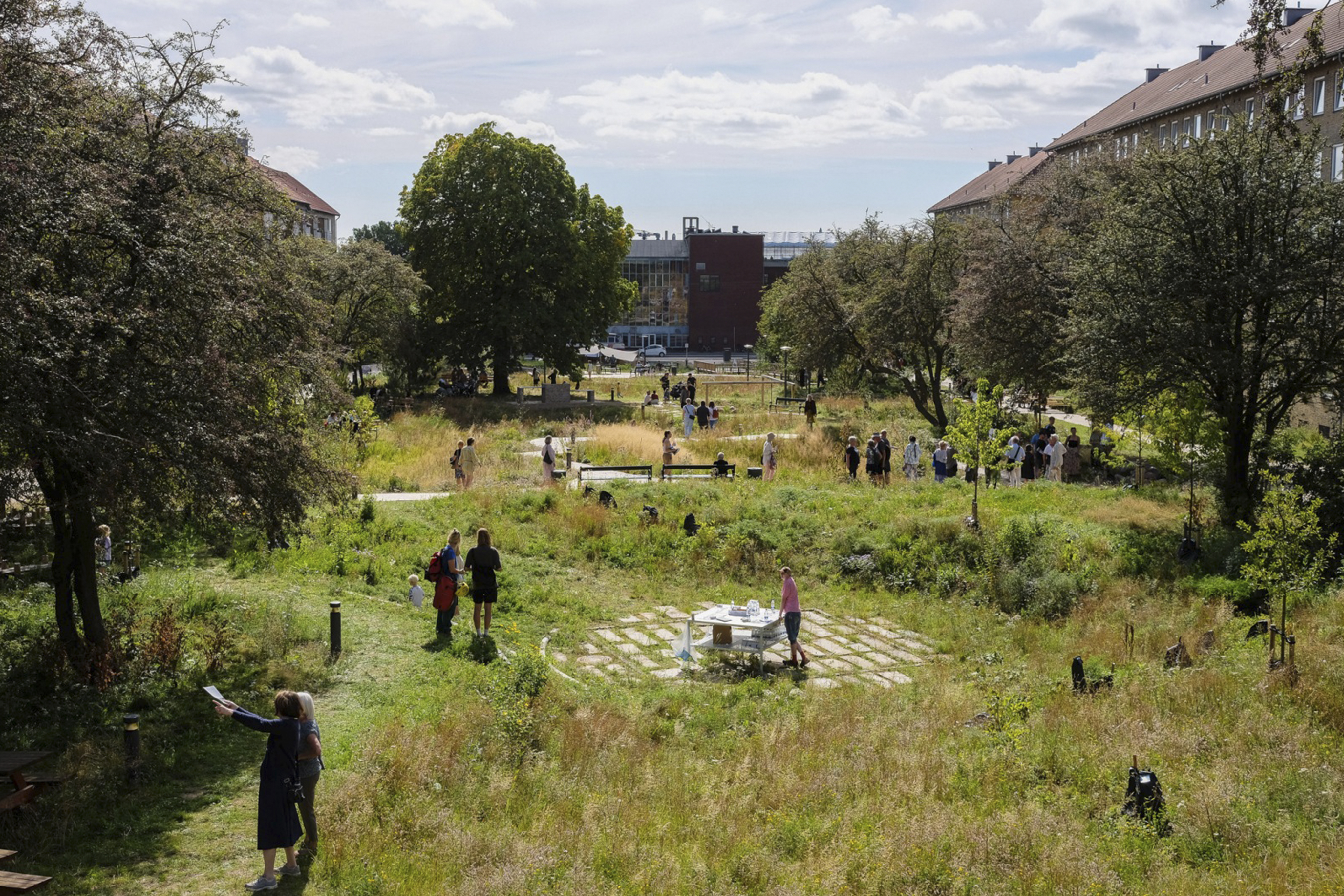
Yes, these challenges have been addressed through both previous work and key references. Projects such as Freshkills Park by James Corner-Field Operations, the proposals presented to the Changing Course competition for the Mississippi Delta or the recently awarded Grønningen-Bispeparken in Copenhagen by SLA were especially influential. They approach disturbed landscapes as evolving systems, shaped by ecological processes, time, uncertainty, and community-driven use rather than fixed or formal solutions.
SITE:
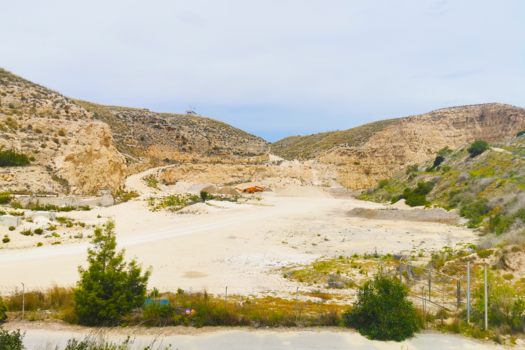
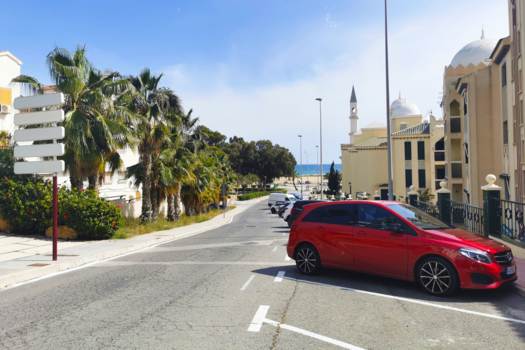
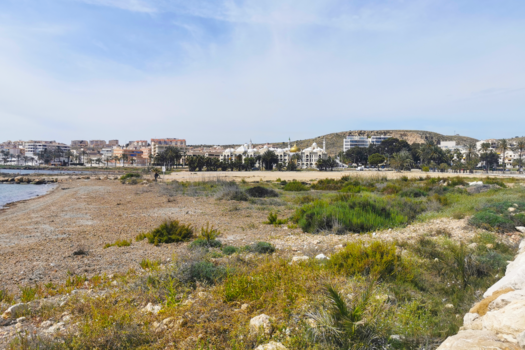
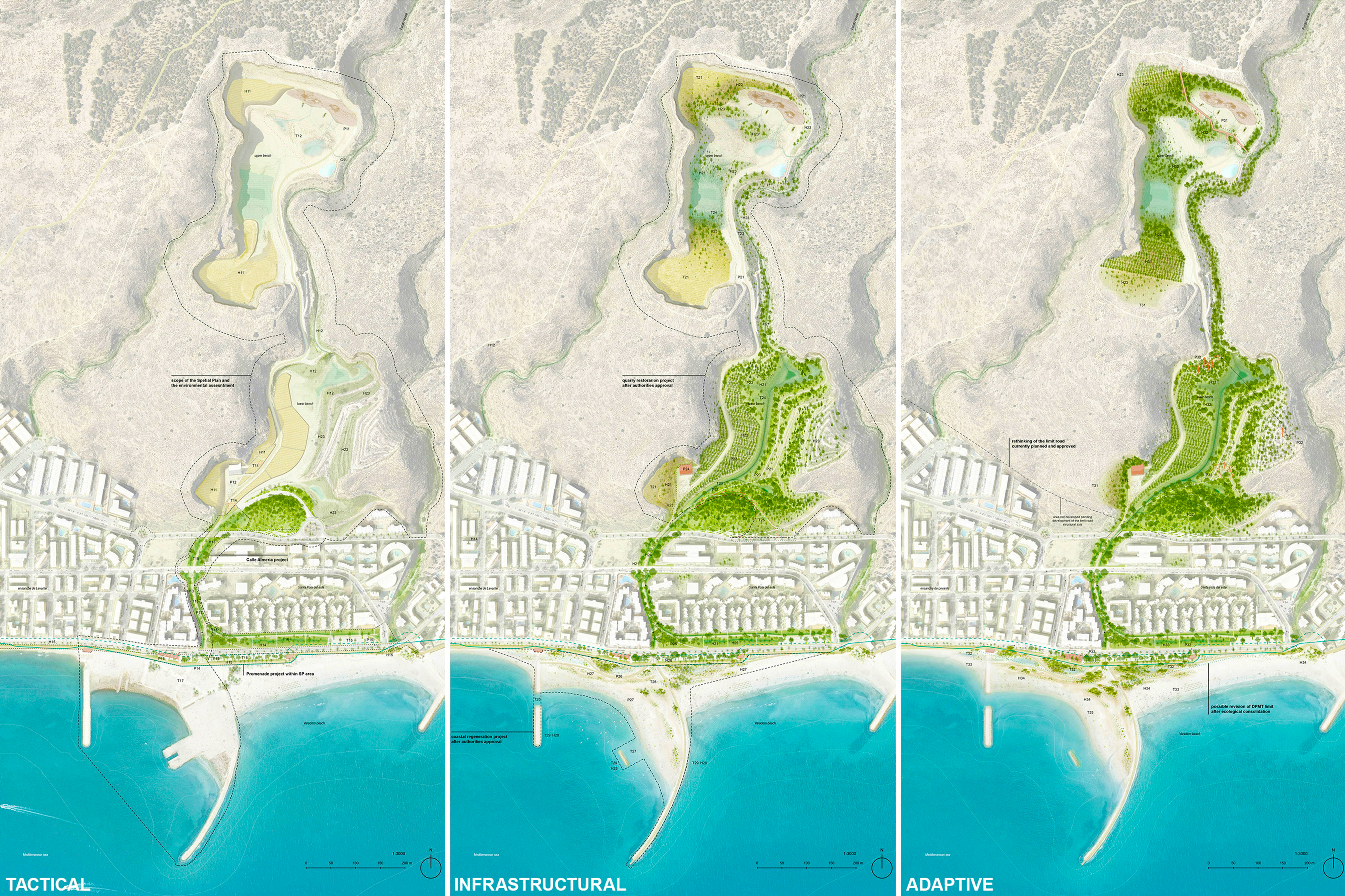
Our project defines a negotiated, time-based process rather than a fixed plan. Its phased implementation allows institutions, communities, and stakeholders to engage progressively, along regulatory, ecological, design, and social rhythms. Tactical actions anticipate formal planning, while management evolves through feedback, making infrastructure and adaptation a shared responsibility over time.
REFERENCES:
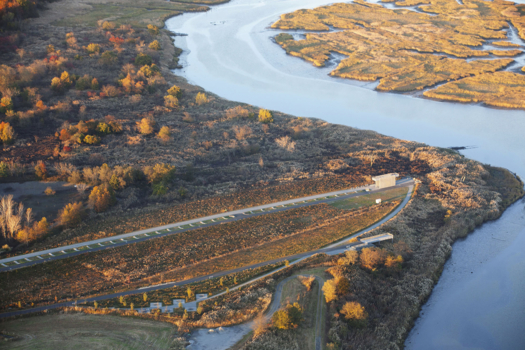
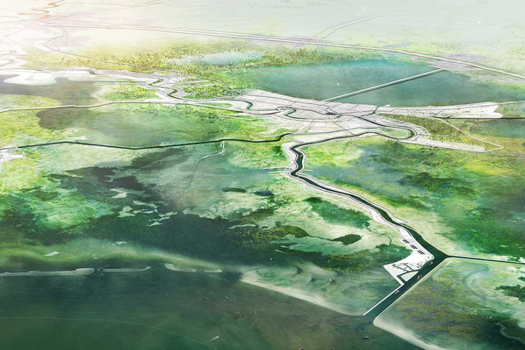
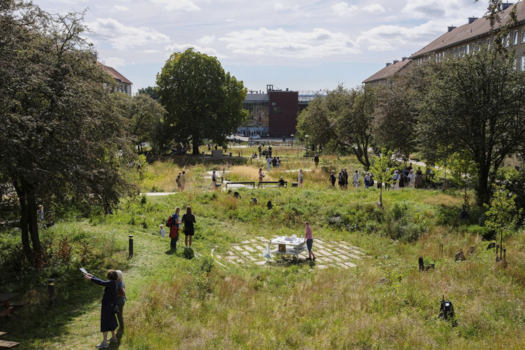
The team brings together complementary backgrounds in architecture, landscape, and territorial planning. Skills in ecological and adaptive design, risk management, and strategic urban planning were combined with a shared interest in large-scale landscapes and adaptive processes. This interdisciplinary approach enabled the integration of socio-ecological, infrastructural, and policy perspectives into a coherent regenerative framework.
6. How could this prize help you in your professional career?
Yes, receiving a runner-up prize is a valuable recognition that strengthens our professional trajectory. It validates our research-driven and process-based approach to landscape and urban regeneration, increases the project’s visibility, and helps us build credibility when engaging with institutions, collaborators, and future commissions focused on adaptive and regenerative design.
TEAM IDENTITY
Legal status:
Team name:
Average age of the associates: 34 years old
Has your team, together or separately, already conceived or implemented some projects and/or won any competition? if so, which ones?
Yes. Both team members have individually developed similar projects in previous professional roles. Daniel Dent Murgui worked on the Beniopa Ravine Masterplan in Gandía and was awarded a runner-up prize in the Europan 17 Chiva (ES) site, with other highly rated competition proposals in the past years. While working at OMGEVING, Manu Esteban Álvarez worked on the Environmental Restoration, Landscape Intervention, and Public-Use Conditioning of the Teruel Slopes. Together, they collaborated on the winning Valencia South Green Corridor proposal led by OMGEVING in 2023.
WORKS: