PINCH ME! L202 just woke up...
Bregenz-Hard-Fussach-Höchst (AT) - Runner-up
TEAM PORTRAIT
VIDEO (by the team)
INTERVIEW
Click on the images to enlarge
1. How do you define the main issues of your project in relation with the theme “Re-sourcing”? Re-sourcing thanks to nature, to social dynamics, to new materiality? In which way do you think your project can contribute to an ecological and/or social evolution? And in which way do you think your project can be called a “regenerative project”?
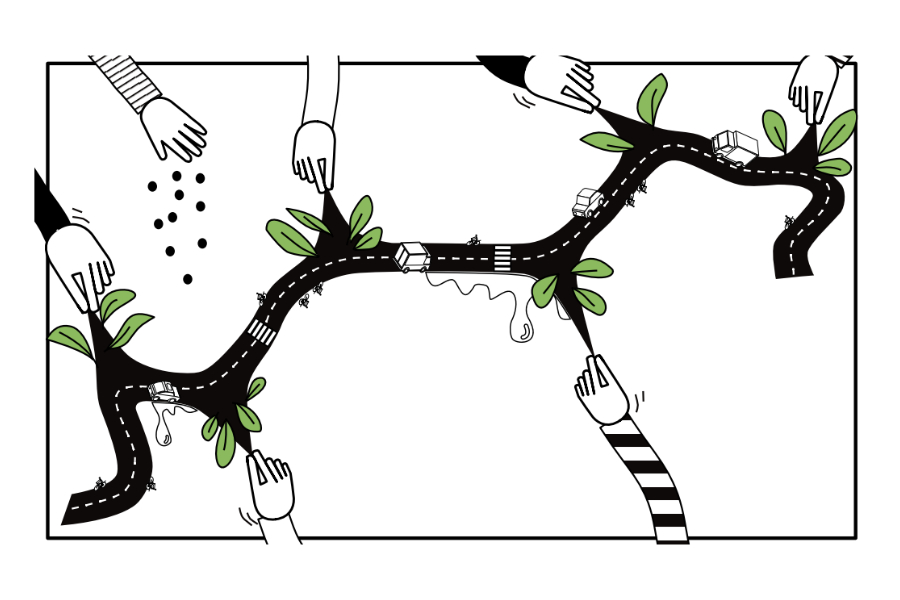
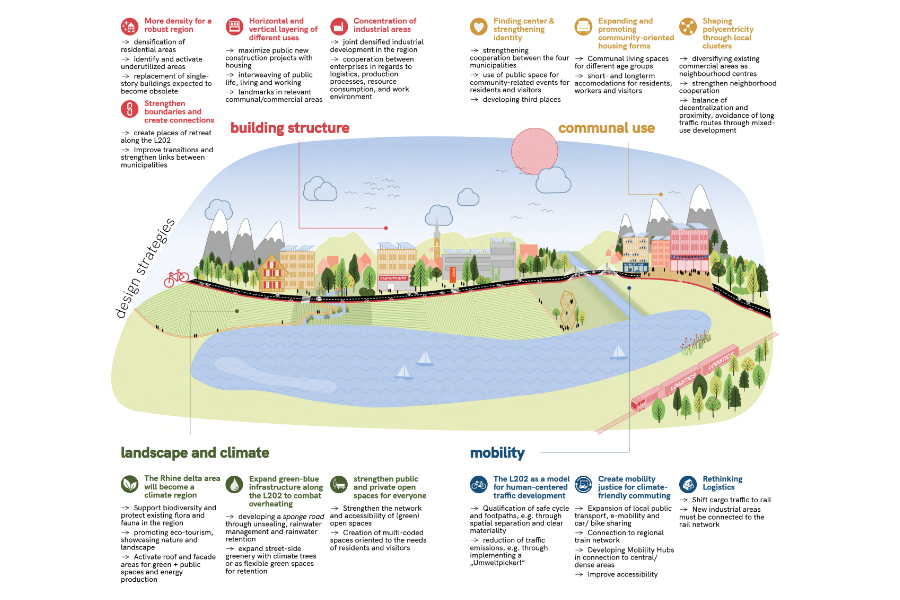
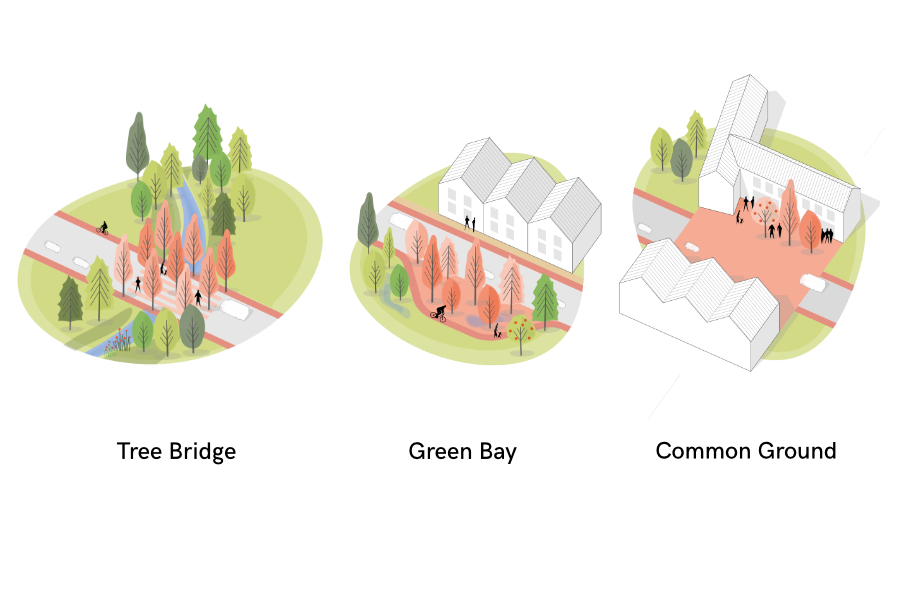
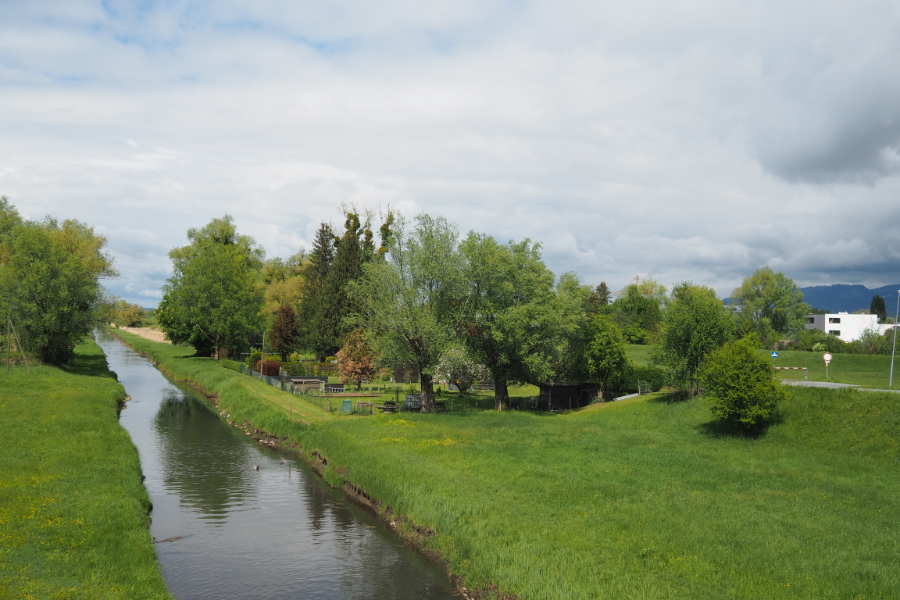
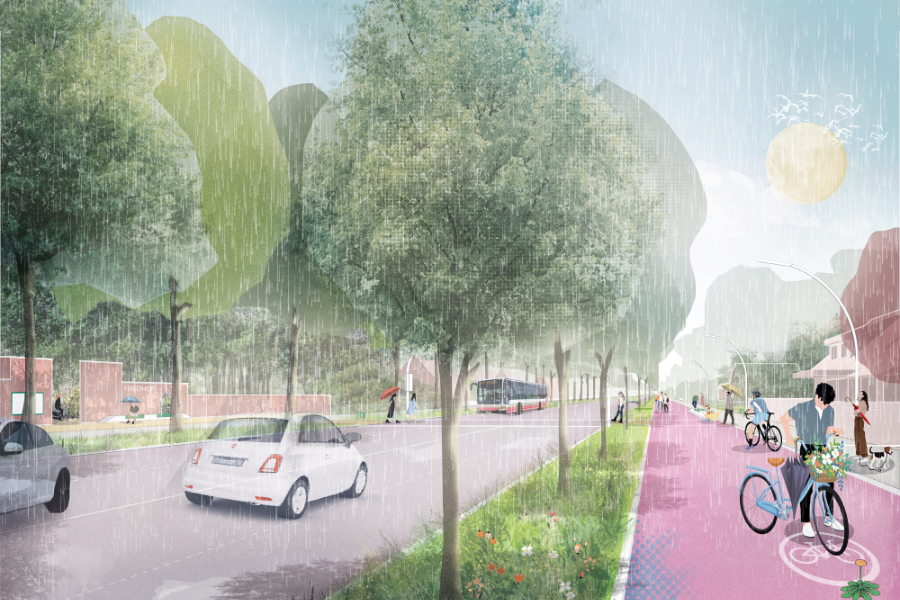
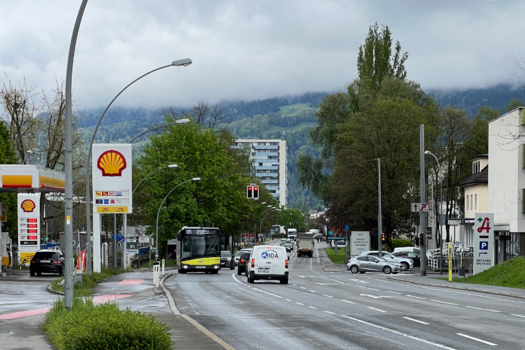
The Rhine Delta is characterized by a diverse landscape, a productive economy, and historic village structures. The L202 represents a barrier, but at the same time it is the connecting backbone of the region. It is precisely this ambivalence that offers great potential. For us, re-sourcing means reinterpreting the L202 as a connecting resource: ecological, social, and identity-forming.
2. How did the issues of your design and the questions raised by the site mutation meet?
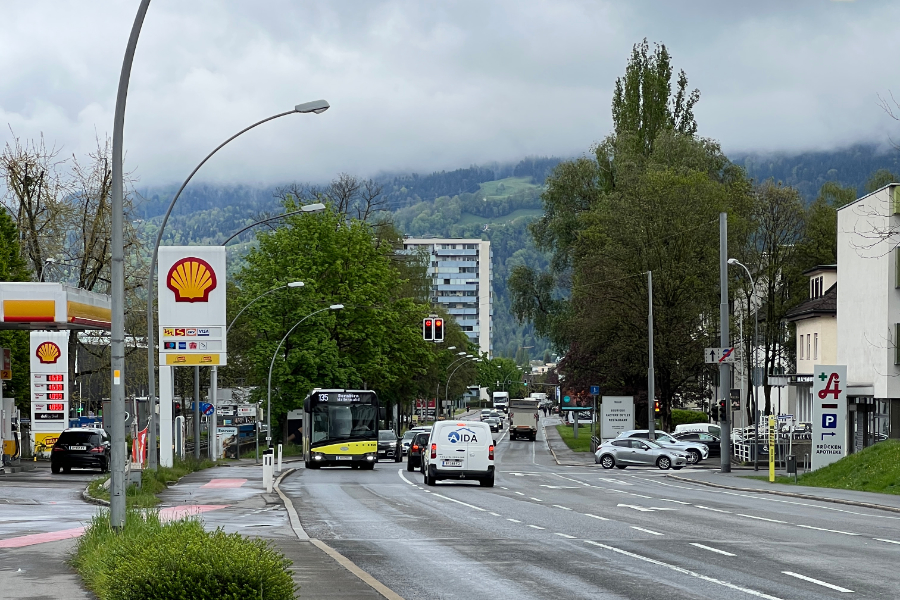
Only through the site-visit could we grasp the extent of the noise and presence of the L202. The streets complexity and supra-regional role posed a major challenge in the design process. We believe our design proposal could improve the situation though smale-scale interventions. Nevertheless political action and regional planning strategies are necessary to resolve these issues in a long-term and sustainable manner.
PROJECT:


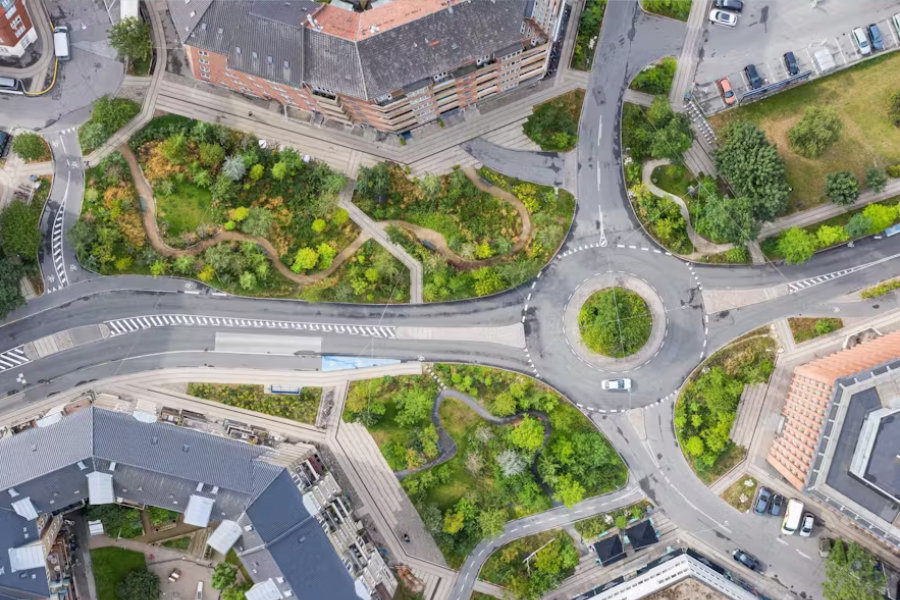
Part of our team had already developed strategies for regional development. However, this focus on a street was new to us — and that's what made it interesting. We found the City of Hamburg's project to develop climate streets particularly inspiring. In addition, we wanted to contribute our experience in activating stakeholders and strengthening identity.
SITE:
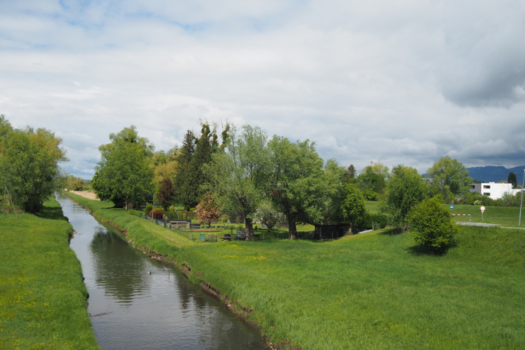
An integrated transformation process involving various stakeholders and the general public was very important to us. Especially with a project that is so complex — due to the length of the road and the number of stakeholders/municipalities involved. It is essential to develop a common approach and divide the “big task” into smaller, manageable sections.
REFERENCES:
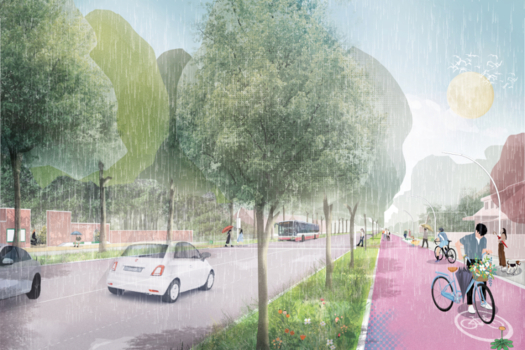
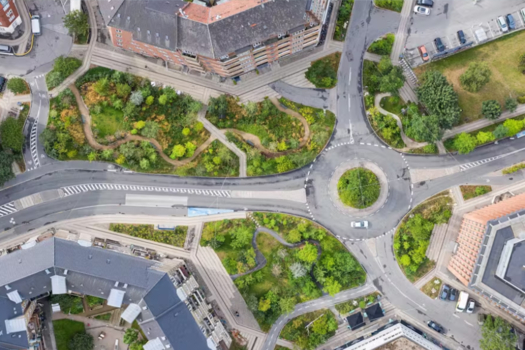
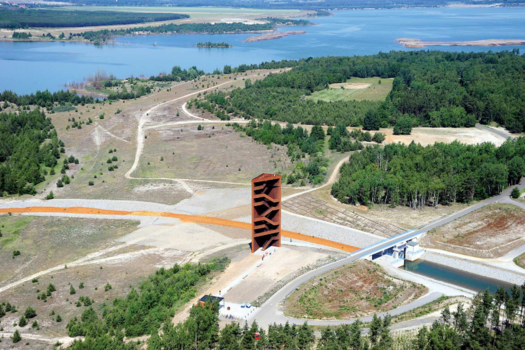
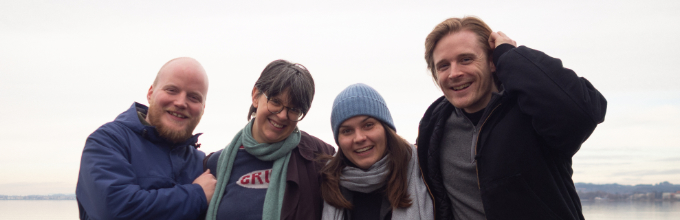
Our team was formed for Europan 18. We had worked together in various constellations before – in other competitions, at university or in the office. In our collaboration, we were able to benefit from our different areas of expertise in architecture and urban planning. We are united by our interest in unusual design tasks, as well as our focus on community building and sustainable urban development/architecture.
6. How could this prize help you in your professional career?
Being awarded a prize in Europan 18 is a special honor for us – we are excited to see what opportunities this will bring for us. We hope the discussion surrounding the L202 will continue. For us, this award also shows that we are a great team. We look forward to working on joint projects in the future.
TEAM IDENTITY
Legal status:
Team name:
Average age of the associates: 30 years old
Has your team, together or separately, already conceived or implemented some projects and/or won any competition? if so, which ones?
Janke Rentrop has received an award from the “Pfeiffer-Stiftung für Architektur” for her master thesis.