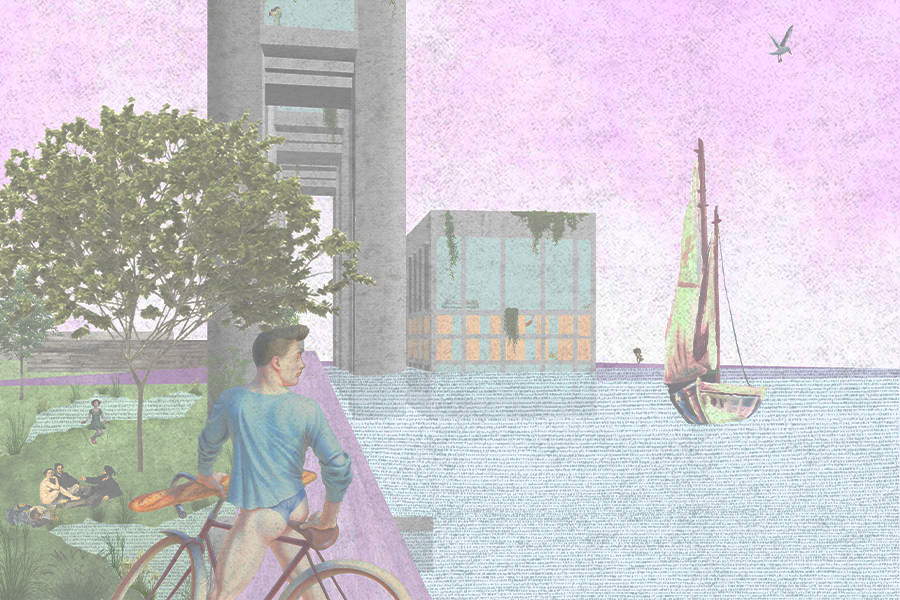
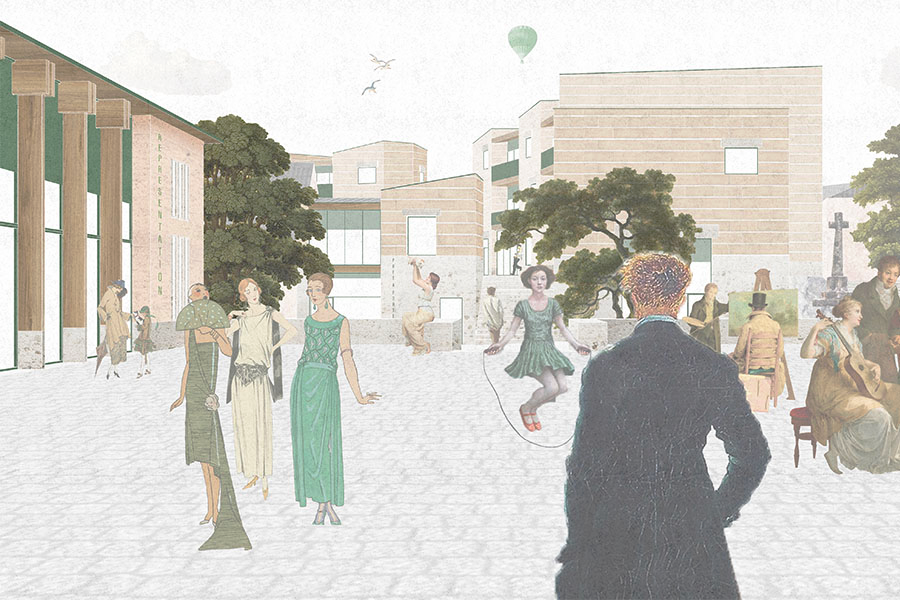
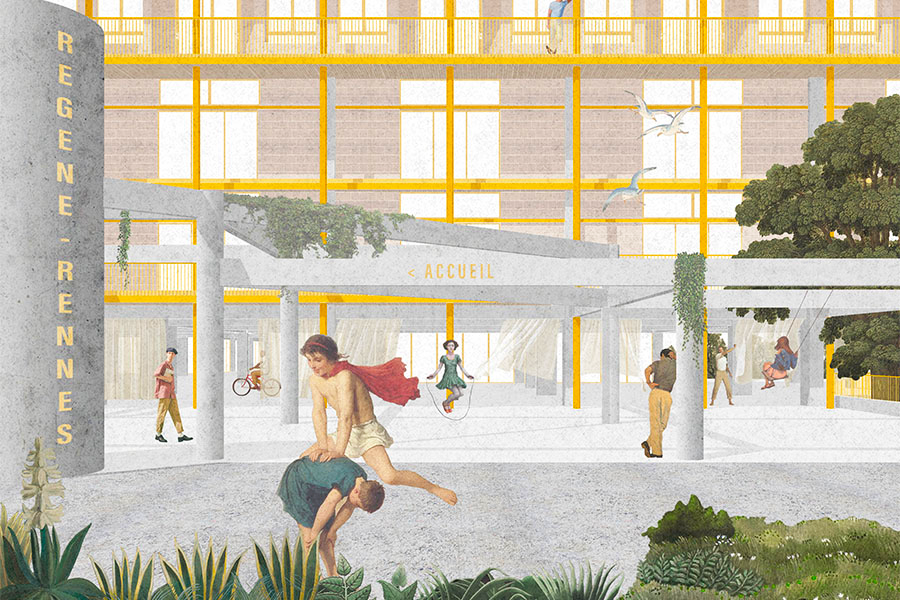
re-garde l'eau.
Nailloux (FR) - Winner
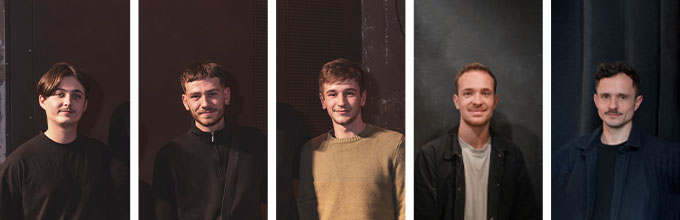
TEAM PORTRAIT
VIDEO (by the team)
INTERVIEW
Click on the images to enlarge
1. How do you define the main issues of your project in relation with the theme “Re-sourcing”? Re-sourcing thanks to nature, to social dynamics, to new materiality? In which way do you think your project can contribute to an ecological and/or social evolution? And in which way do you think your project can be called a “regenerative project”?
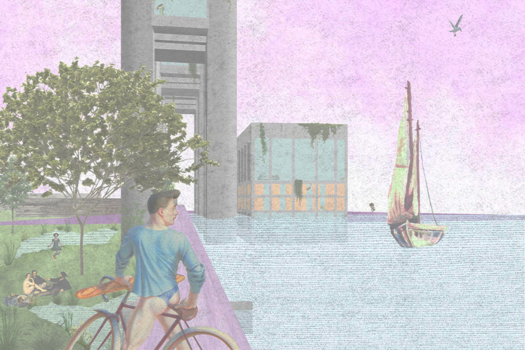
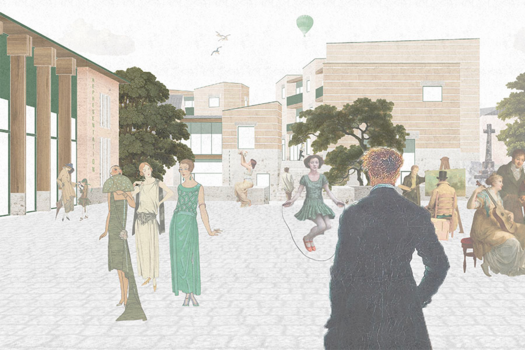
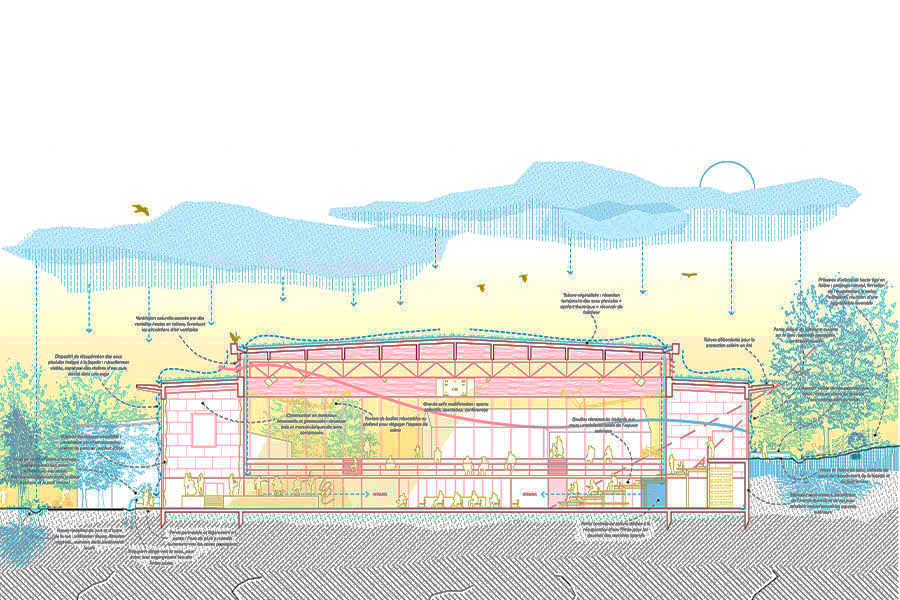
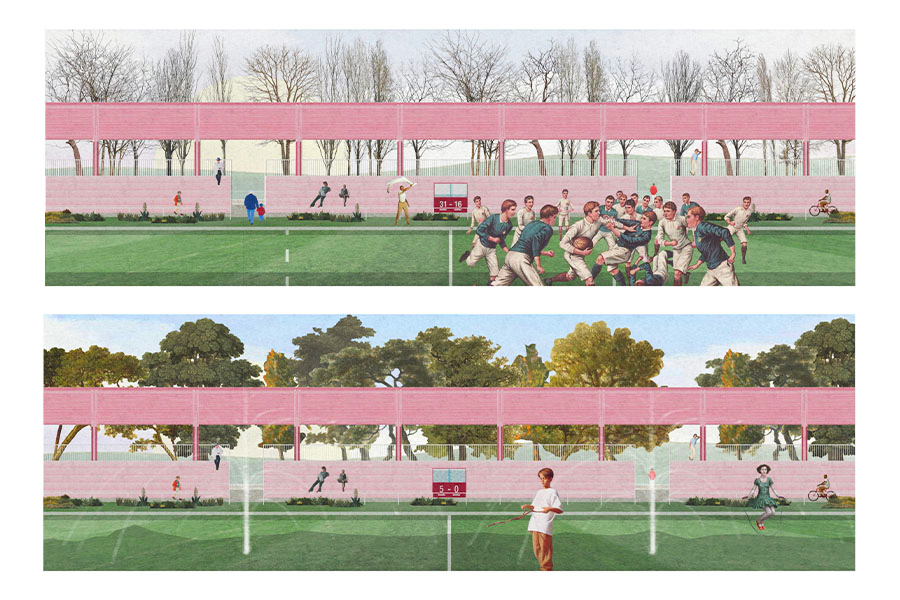
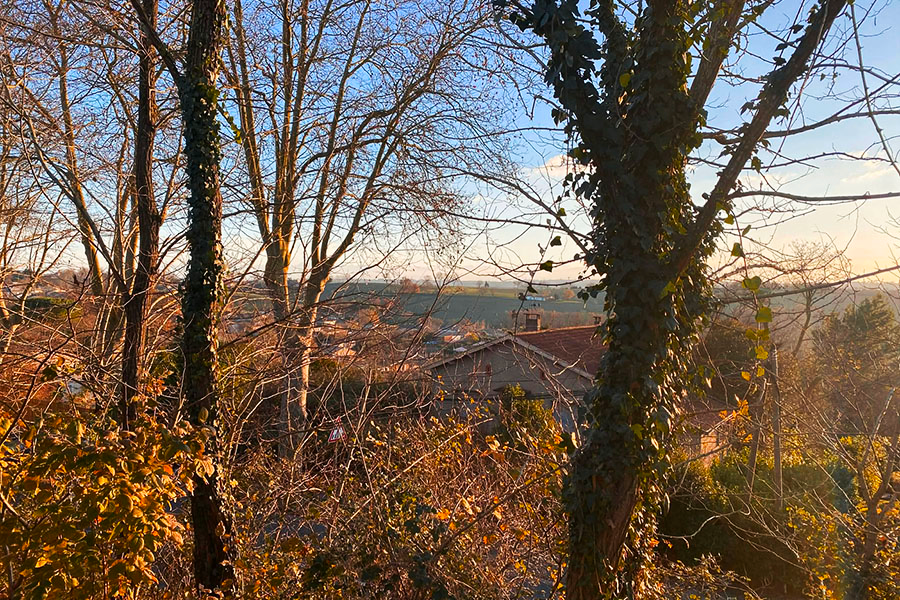
Re-garde l’eau. reveals the interconnection between nature and the built environment, at every scale, creating a city connected to its territory by water, through housing, facilities, public spaces and the landscape. The project takes advantage of this fractal as a basis for Nailloux: a destination to be lived, a more autonomous city in harmony with the resources offered by its territory.
2. How did the issues of your design and the questions raised by the site mutation meet?
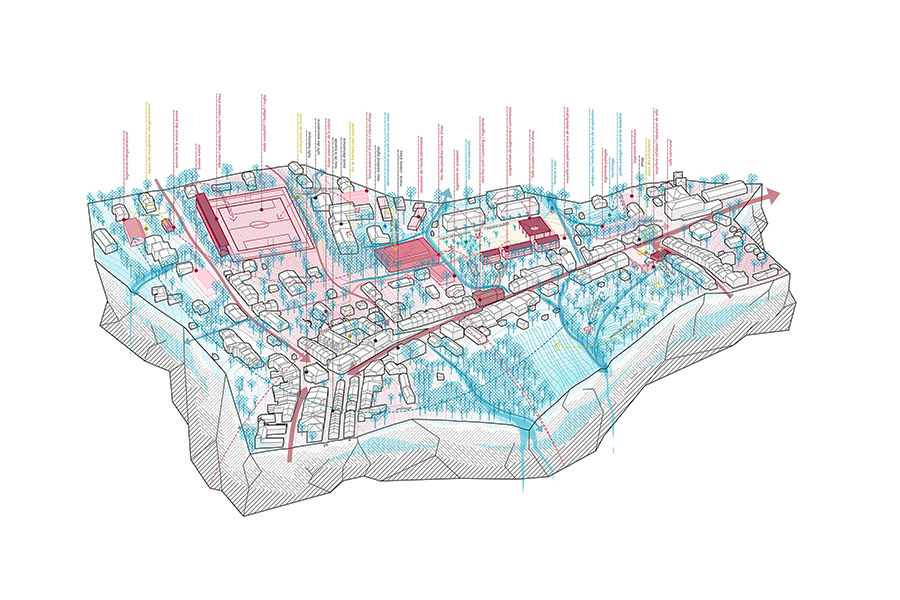
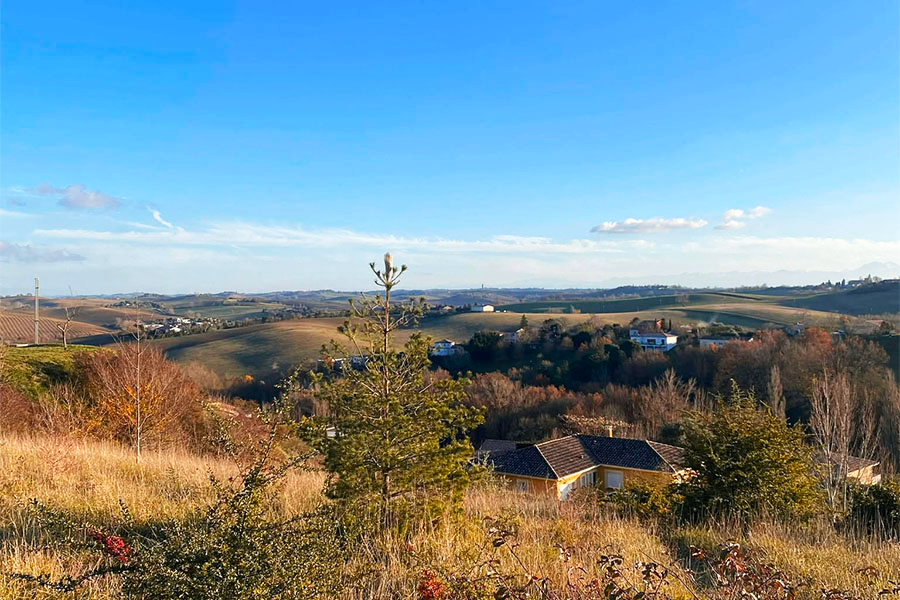
The urban form is made intelligible by defining souleillas, areas that follow the topography of the site, between ridges and valleys. This process-based project considers these souleillas as clear boundaries for urbanization. Each hydrological framework provides easy access to the larger landscape from home, while each urban footpath leads you to communal services and facilities.
PROJECT:
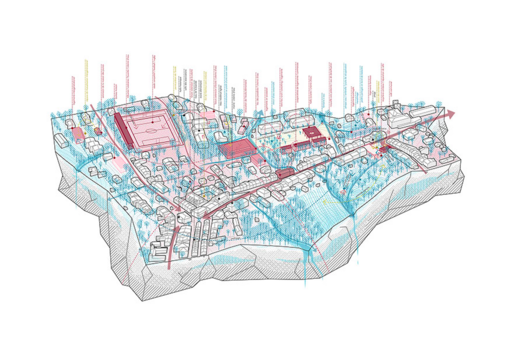
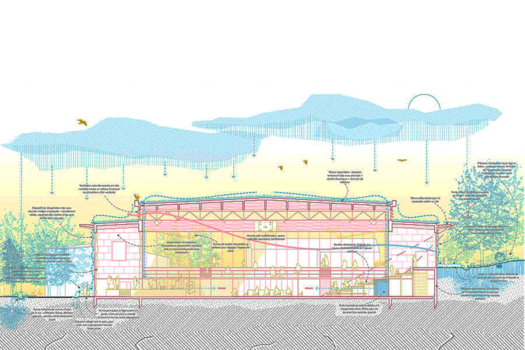
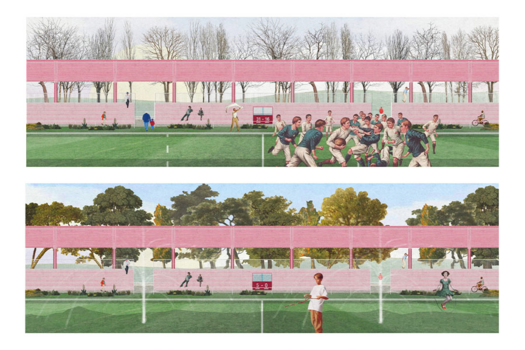
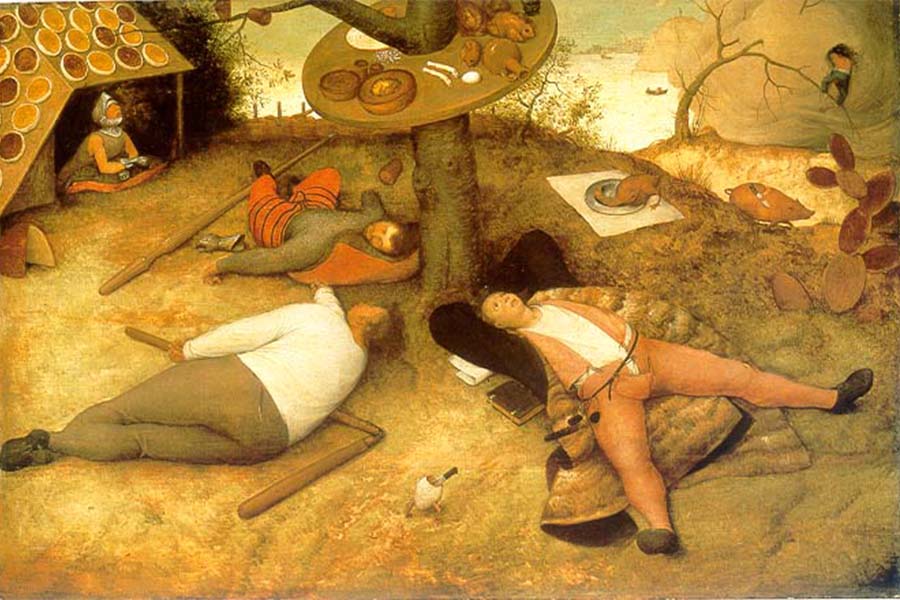
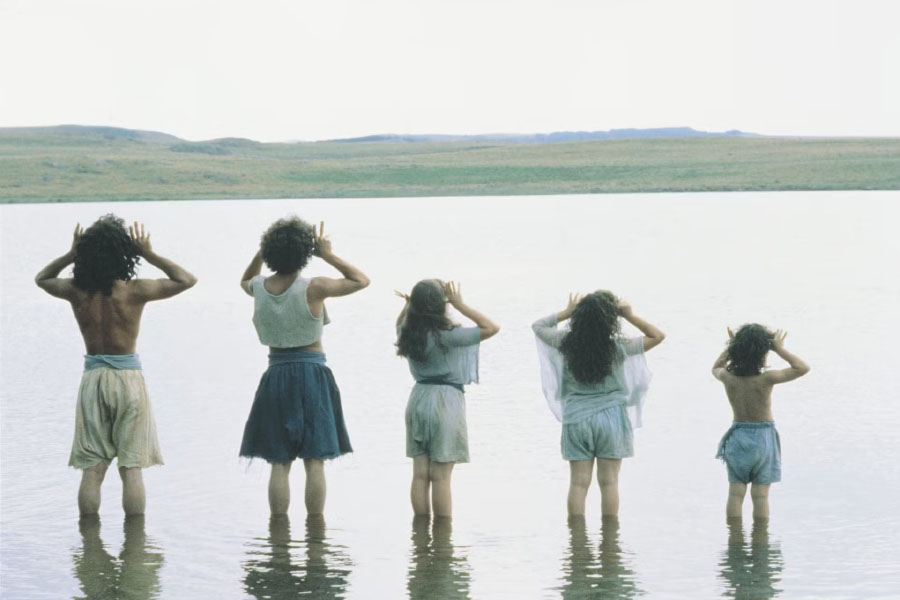
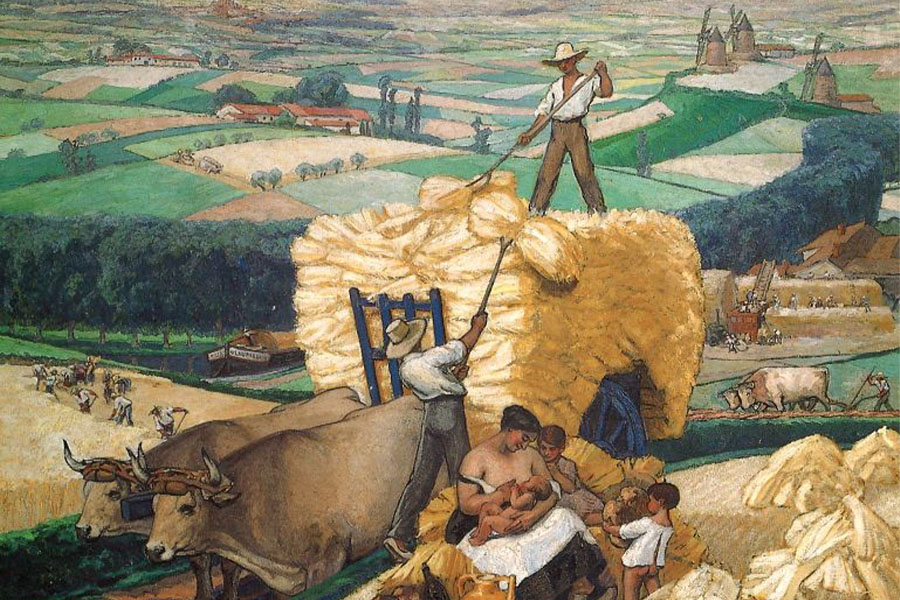
Yes, during our studies, we treated subjects as peri-urban areas, rural sites and hydrological subjects. Indeed, our final thesis focuses on a territorial situation similar to Nailloux, which led us to want to work on this site. Some works / researches we had for this project were :
- Gaston Bardet
- Edouard Glissant
- Jean Yves Chapuis
SITE:
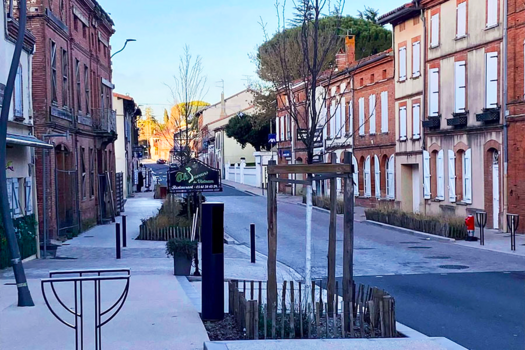
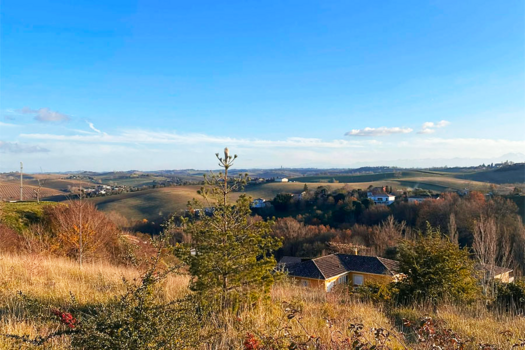
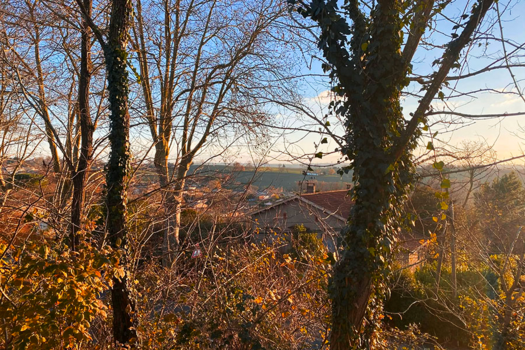
Phasing is an important input parameter of re-garde l’eau. All interventions at different scales are considered over a span from 10 to 30 years. We already had the chance to present our project to the local elected representatives and the inhabitants during a public conference. These initial discussions seemed really significant to us, to initiate a collaborative reflection all through the project.
REFERENCES:
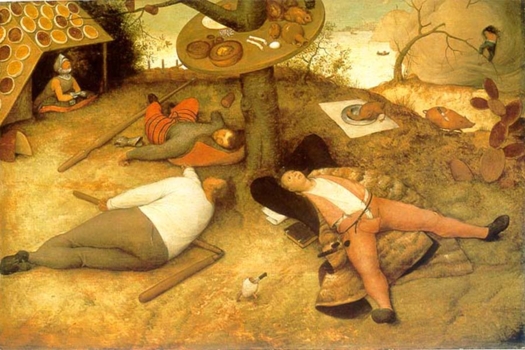
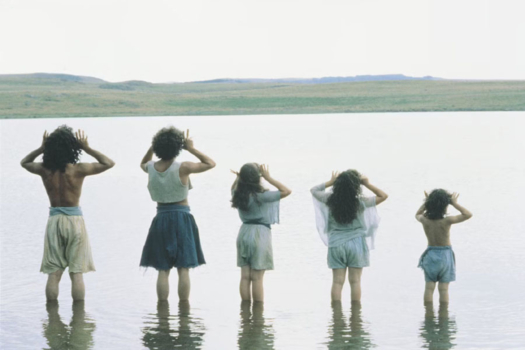
We all know each other from the architecture school of Rennes (ENSAB). Some of us have already initiated several post-studies projects together. With this one, we associate skills such as architecture, urbanism and engineering.
6. How could this prize help you in your professional career?
Of course. Europan can be a real boost to our professional careers. Especially now that we are in the process of setting up our own architecture firm. Indeed, Europan could provide us with valuable references in the future in terms of urban planning and architecture, which are fundamental for accessing public contracts and developing our activities.
TEAM IDENTITY
Legal status: SAS
Team name: co·re architecture (associated with Antoine Ryo & Germain Pluvinage for E18)
Average age of the associates: 26 years old
Has your team, together or separately, already conceived or implemented some projects and/or won any competition? if so, which ones?
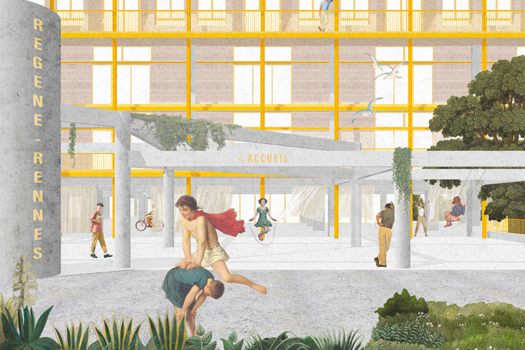
Rémy Itard, Jules Padioleau & Léonard Pinel, have already been rewarded for their project régéné-rennes, an Europan 17 project. All team members participate in project management roles within architecture and engineering firms.
WORKS: