RE[VI]URE ES SINDICAT. Cooperative heritage reborn, nature restored
Felanitx-Es Sindicat (ES) - Winner
TEAM PORTRAIT
VIDEO (by the team)
INTERVIEW
Click on the images to enlarge
1. How do you define the main issues of your project in relation with the theme “Re-sourcing”? Re-sourcing thanks to nature, to social dynamics, to new materiality? In which way do you think your project can contribute to an ecological and/or social evolution? And in which way do you think your project can be called a “regenerative project”?
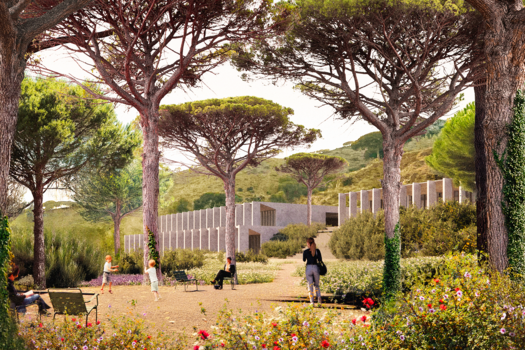
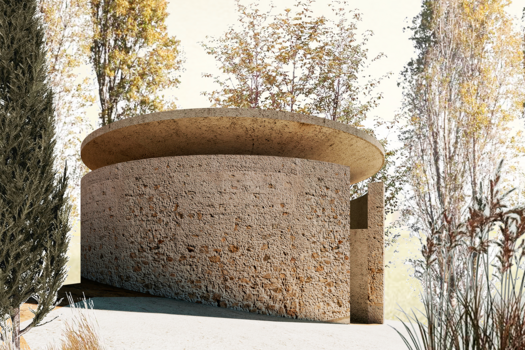
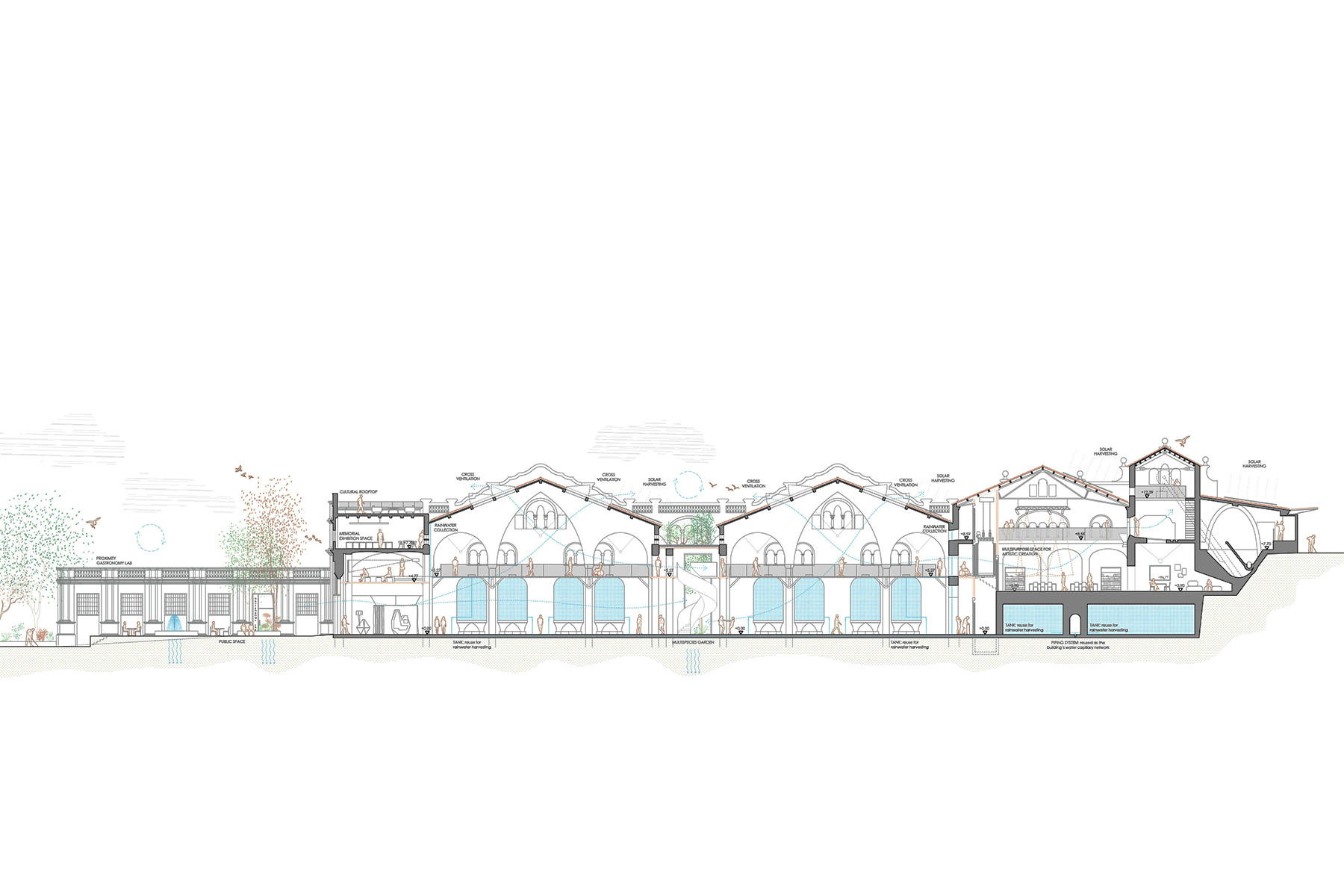
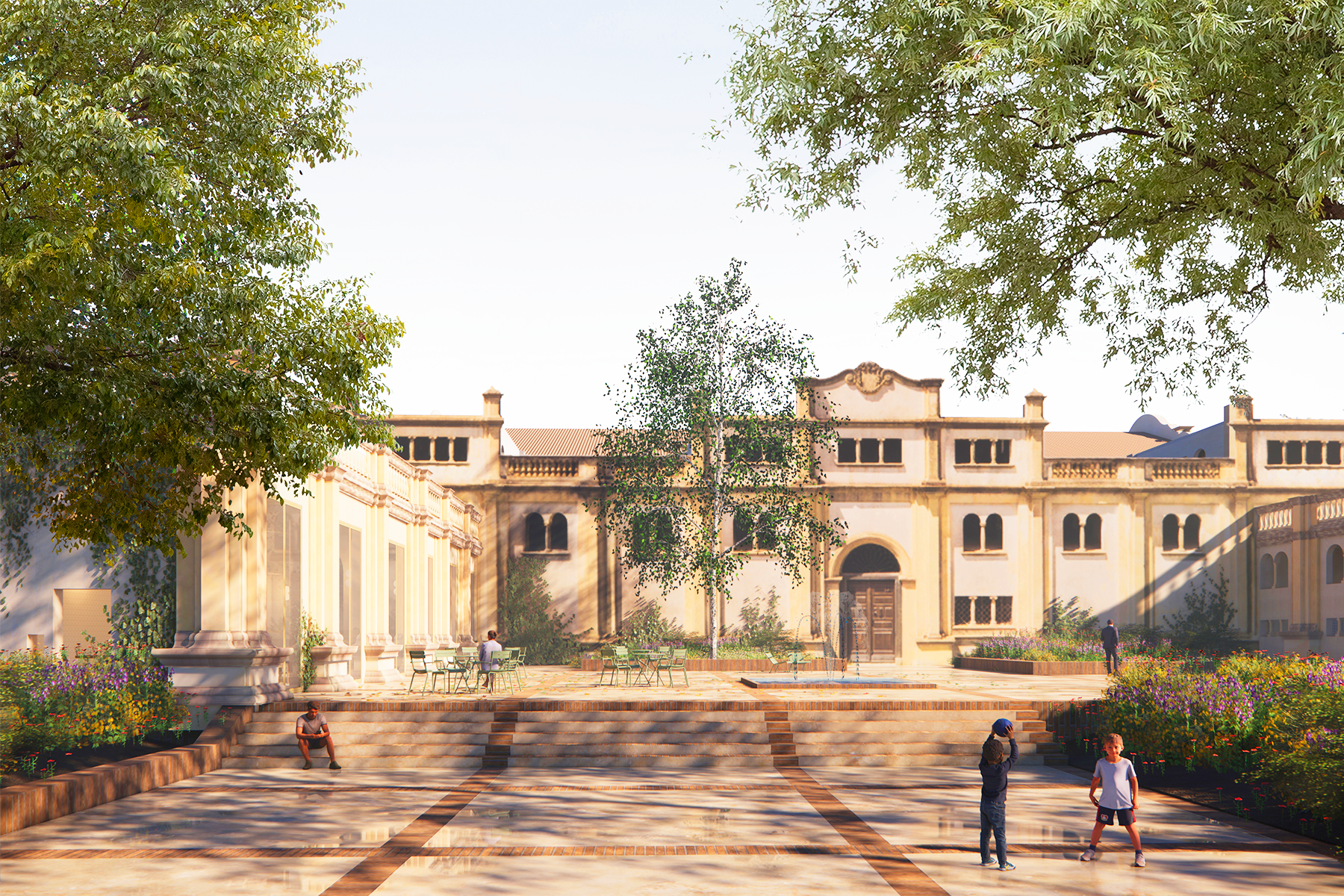
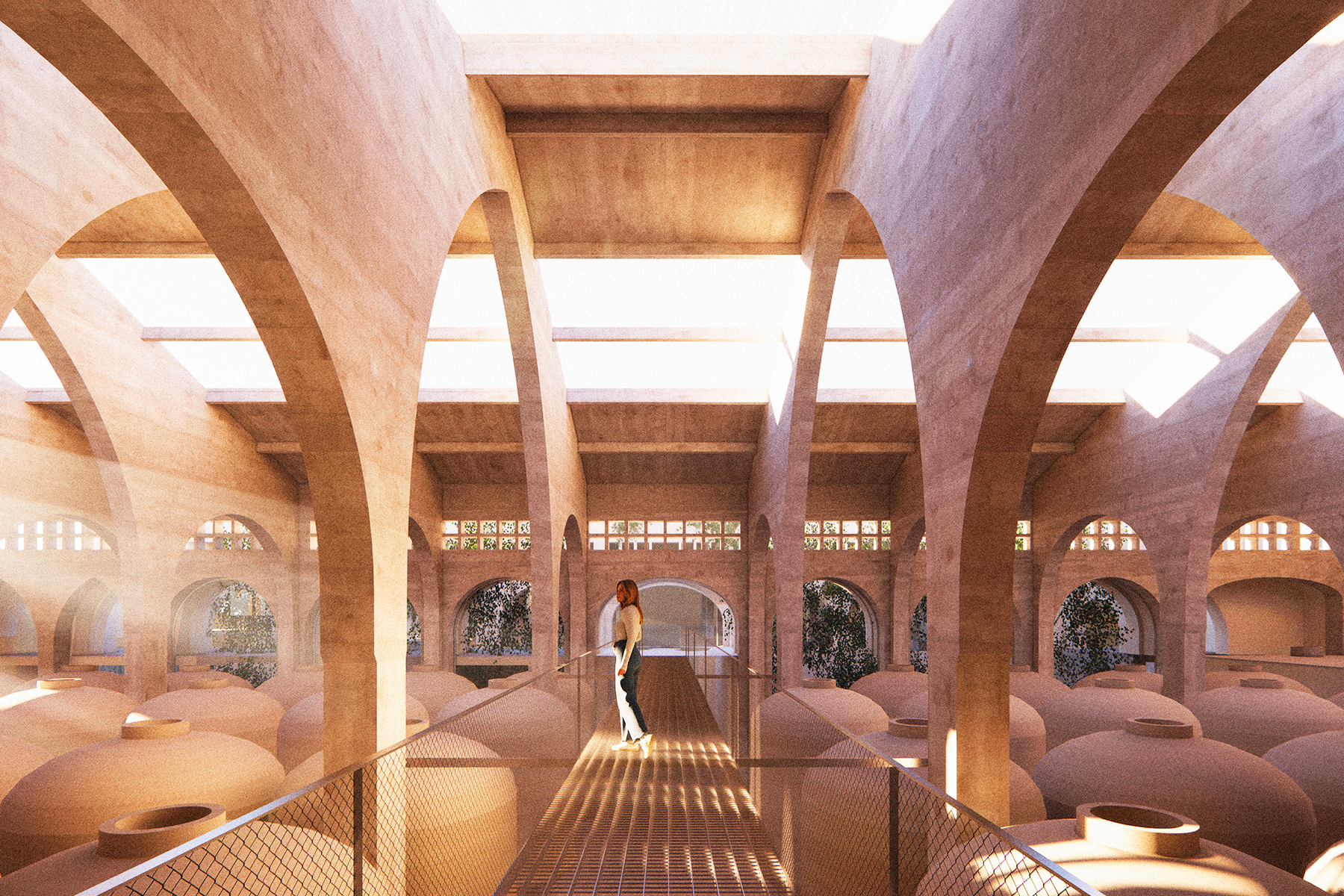
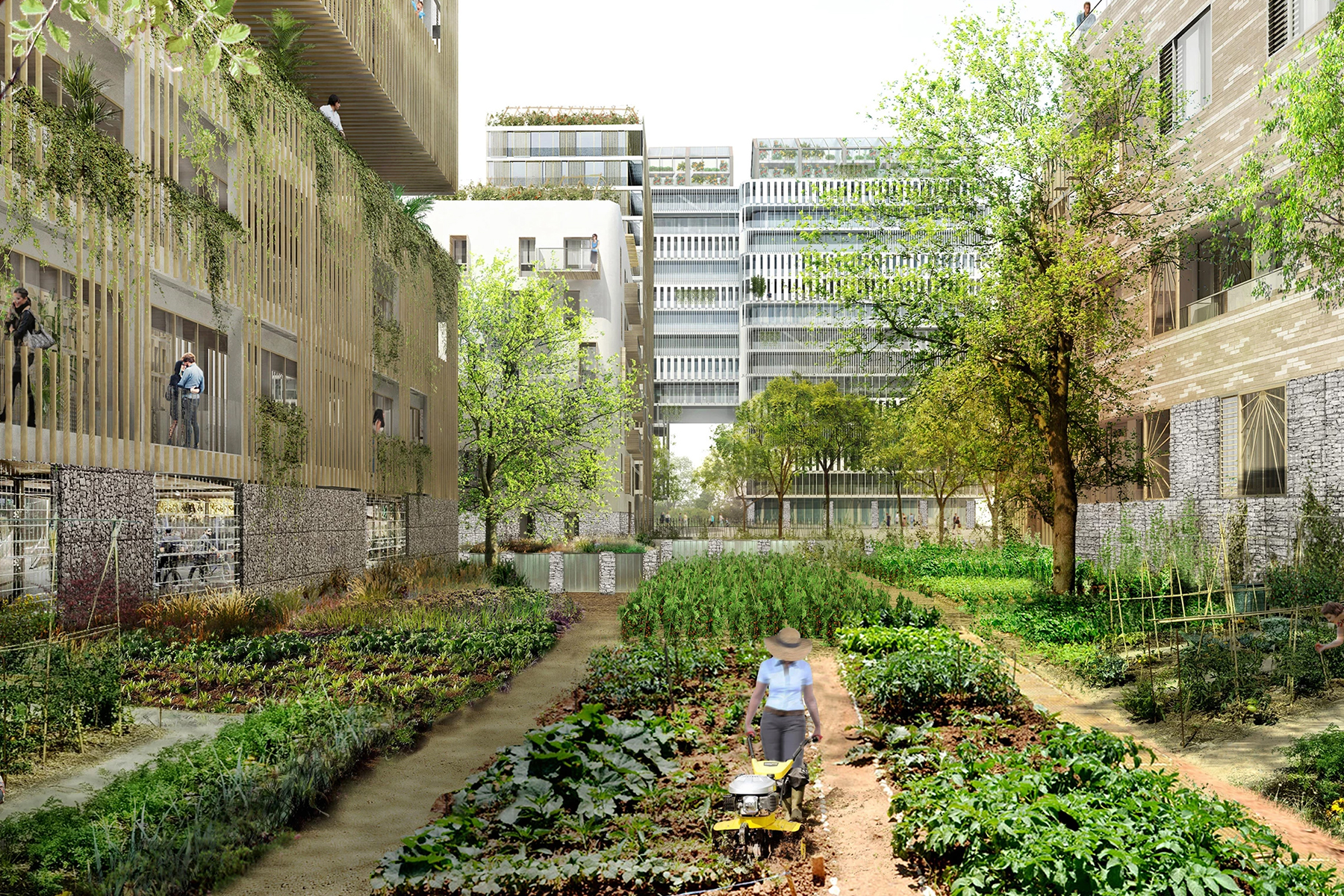
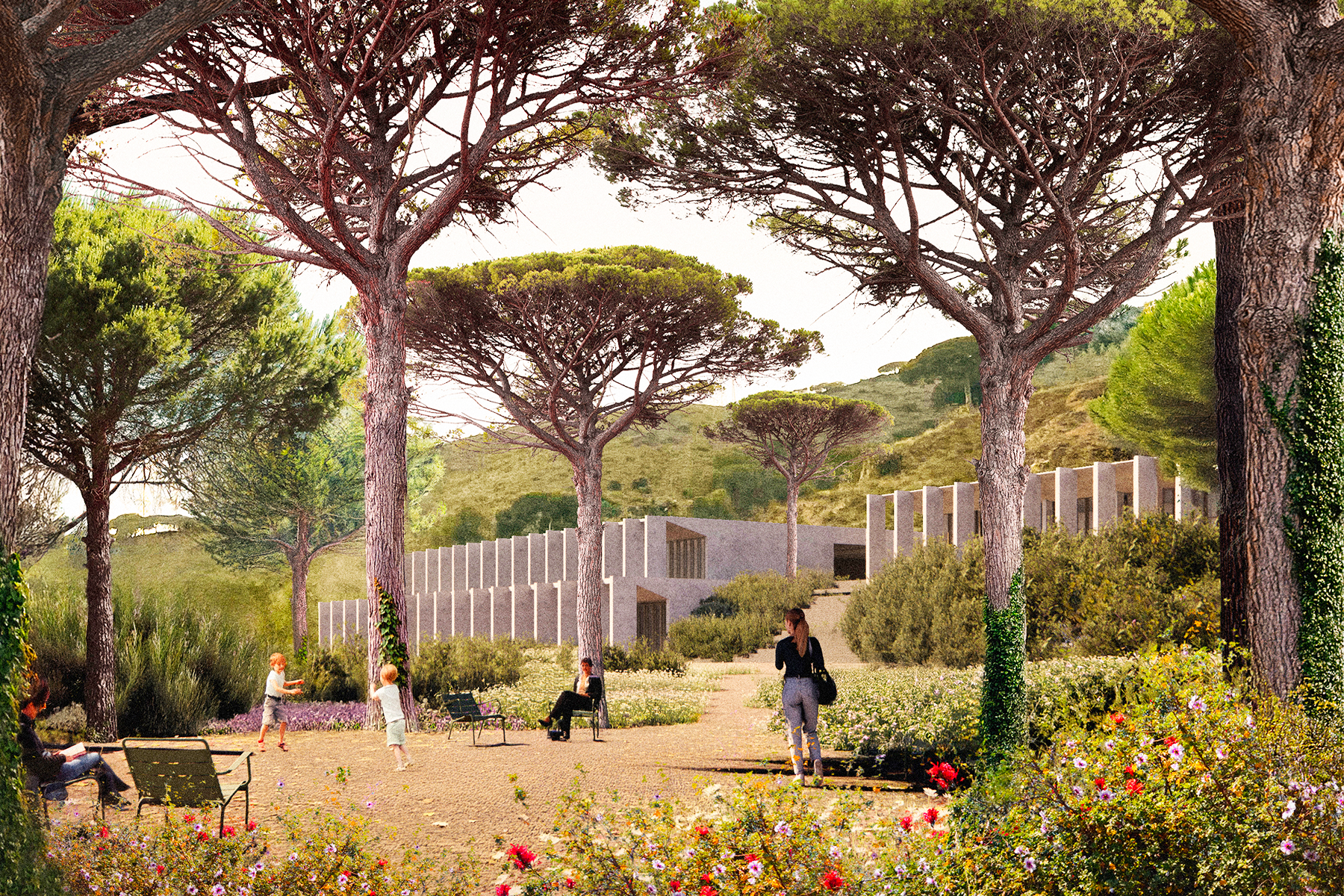
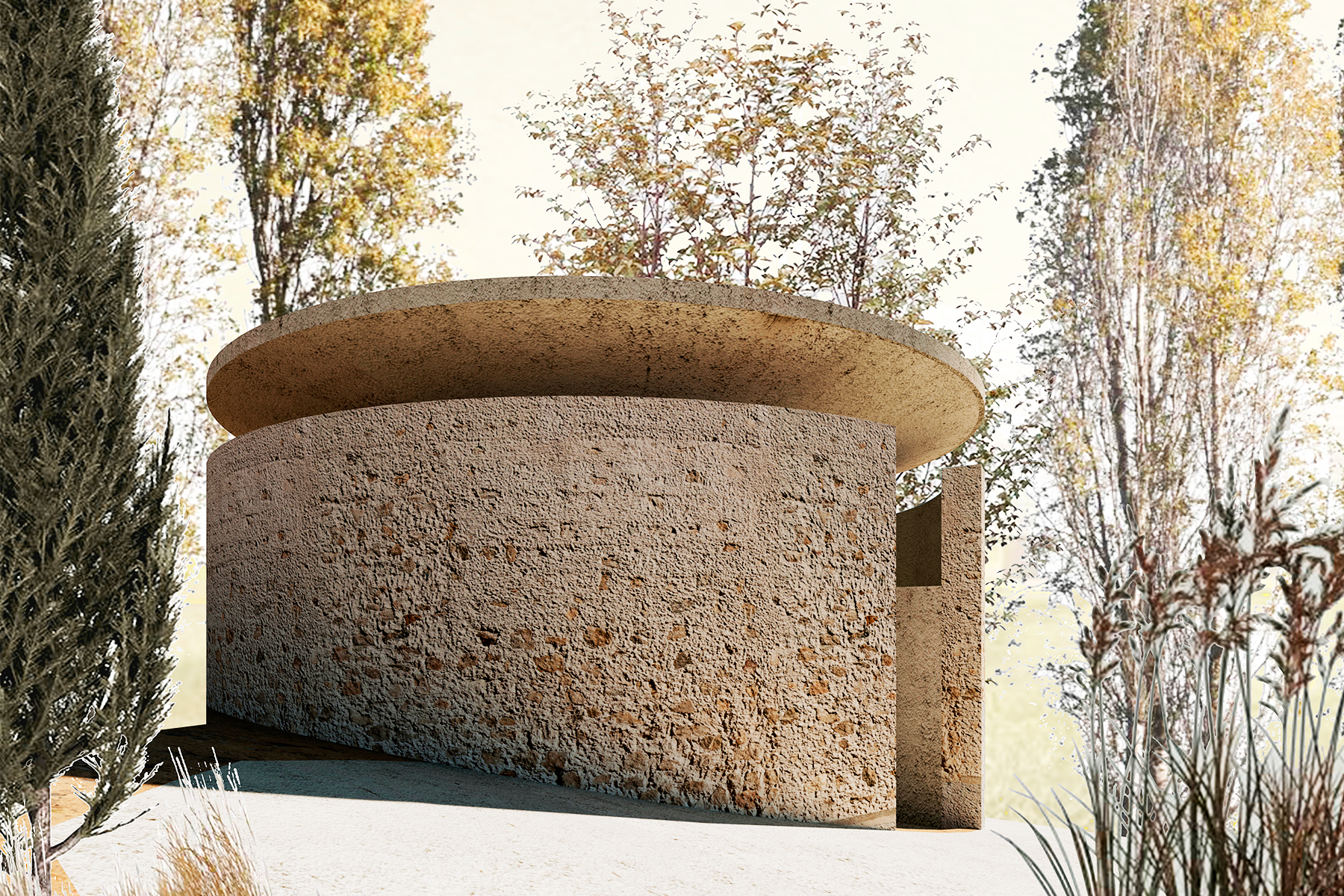
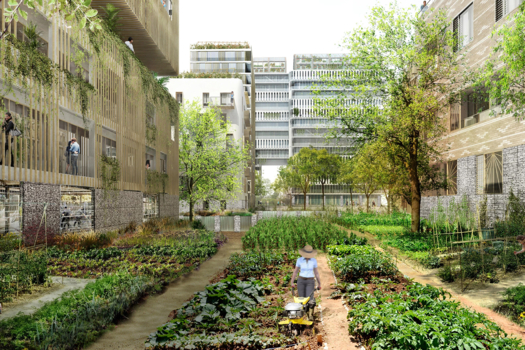
Our project re-sources through nature, heritage and cooperation. It regenerates obsolete industrial heritage by linking it to productive landscapes, biodiversity and circular water and material systems. By reconnecting ecosystems, reactivating social uses and reusing existing structures, Es Sindicat becomes a regenerative project that produces ecological, cultural and social value over time.
2. How did the issues of your design and the questions raised by the site mutation meet?
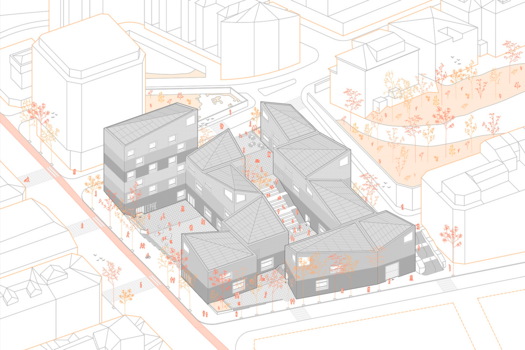
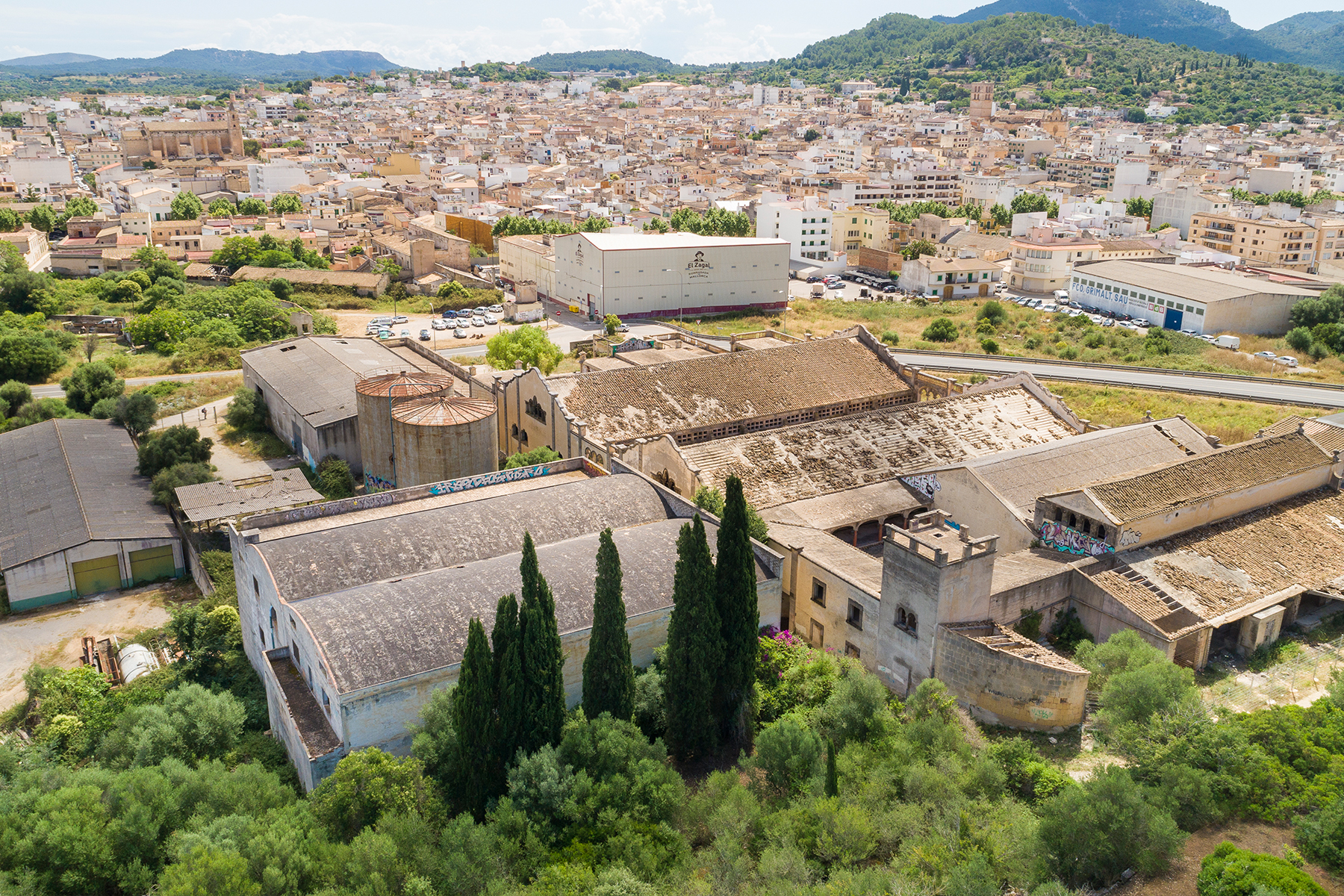
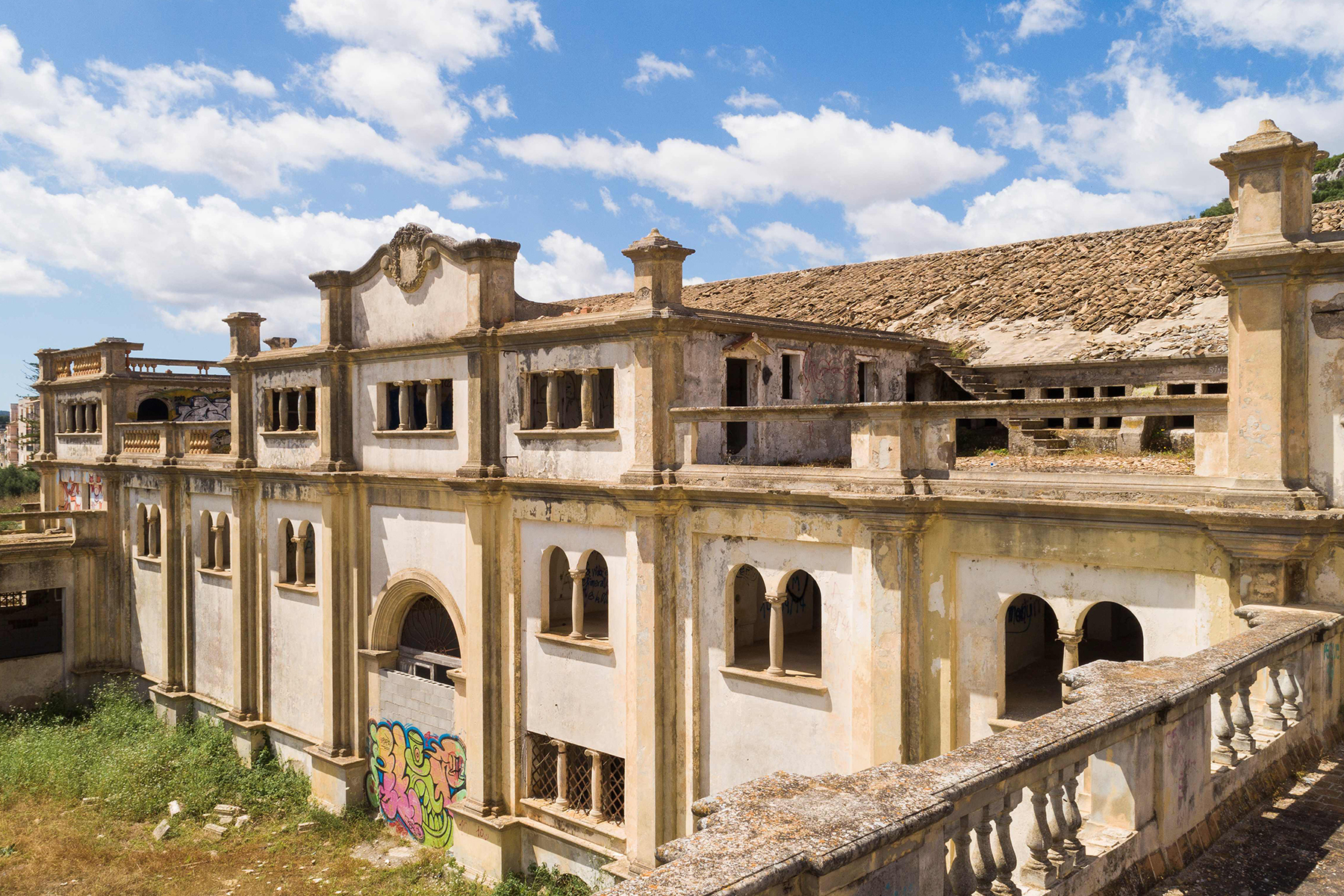
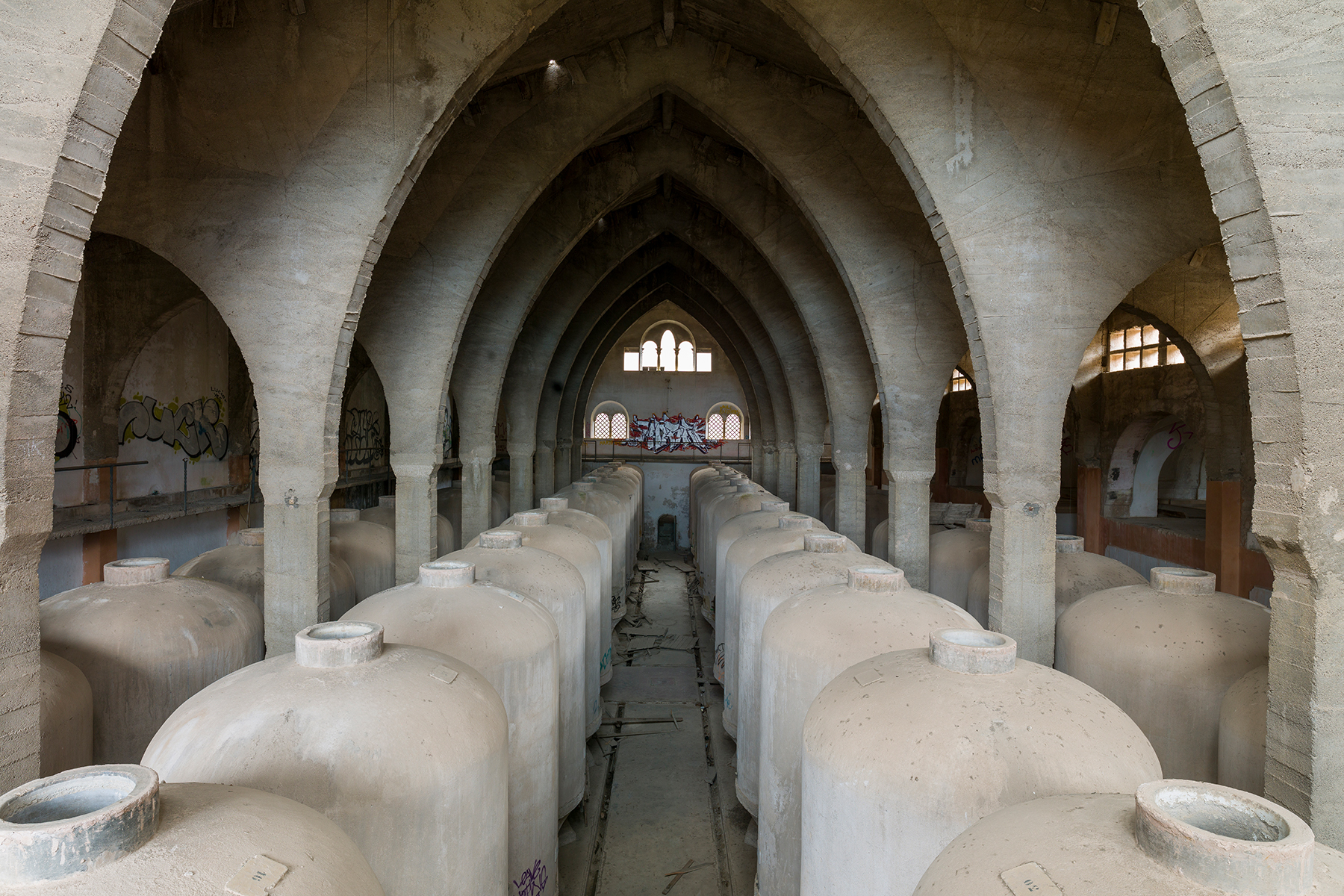
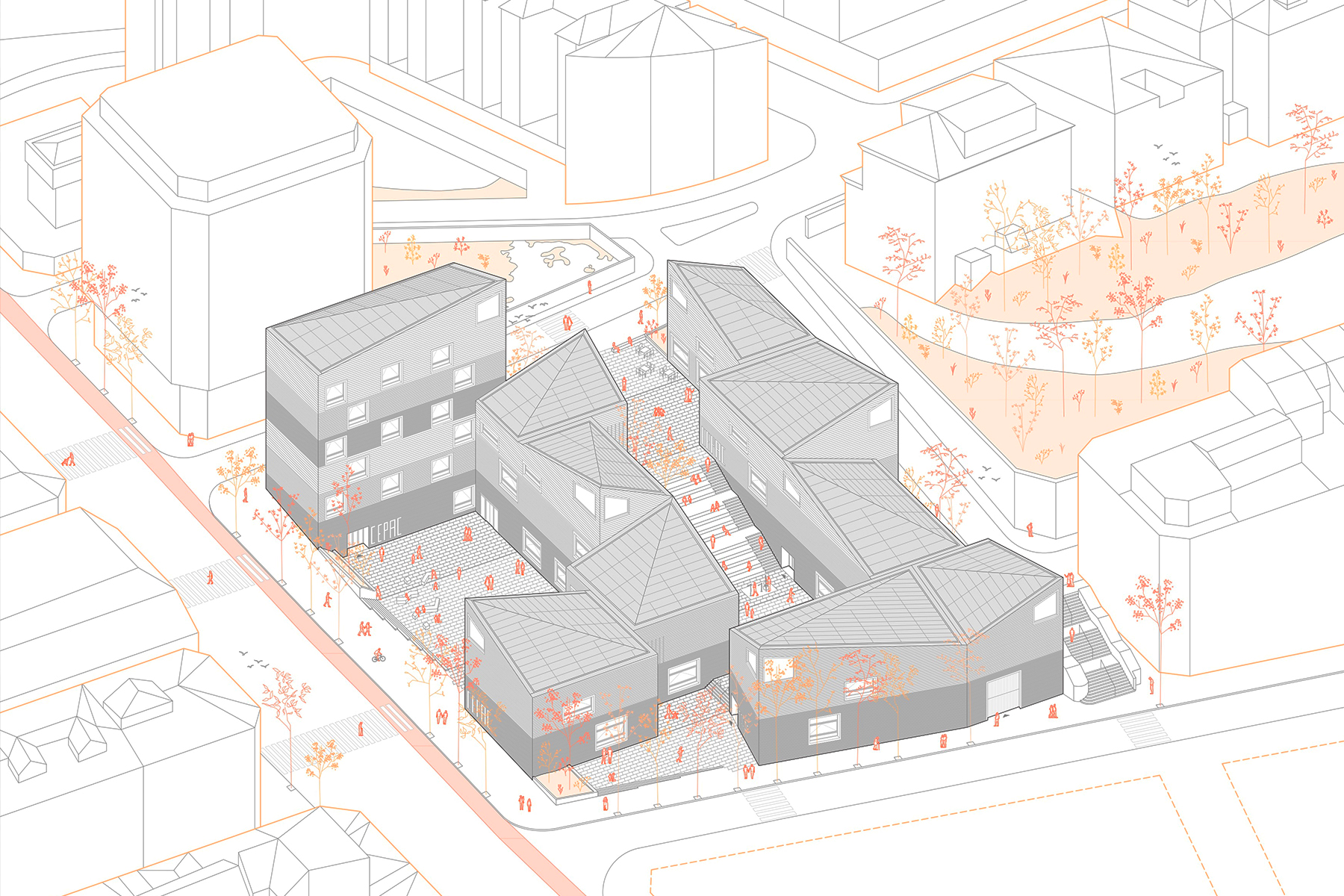
The project arises from the site’s condition as a fragmented edge between urban fabric and natural systems. The transformation of this former winery into an obsolete void met our design questions on continuity, reuse and resilience. Architecture, landscape and infrastructure merge to turn a barrier into a connective, productive and ecological hinge for the city.
PROJECT:
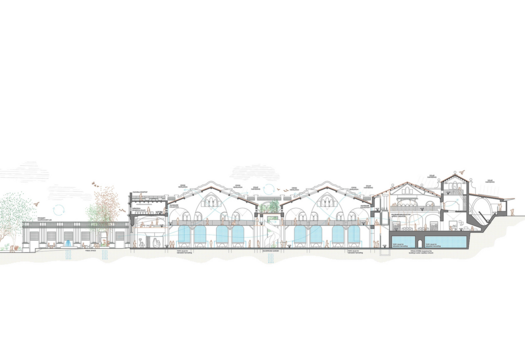
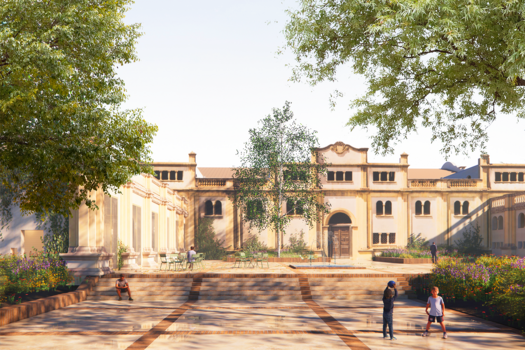
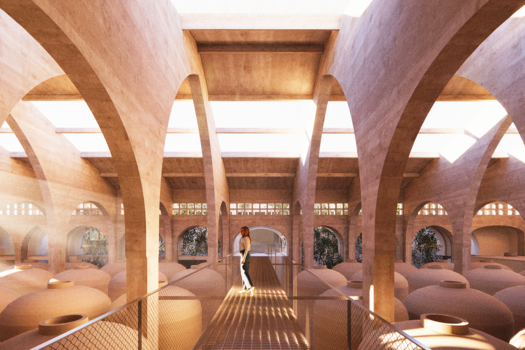
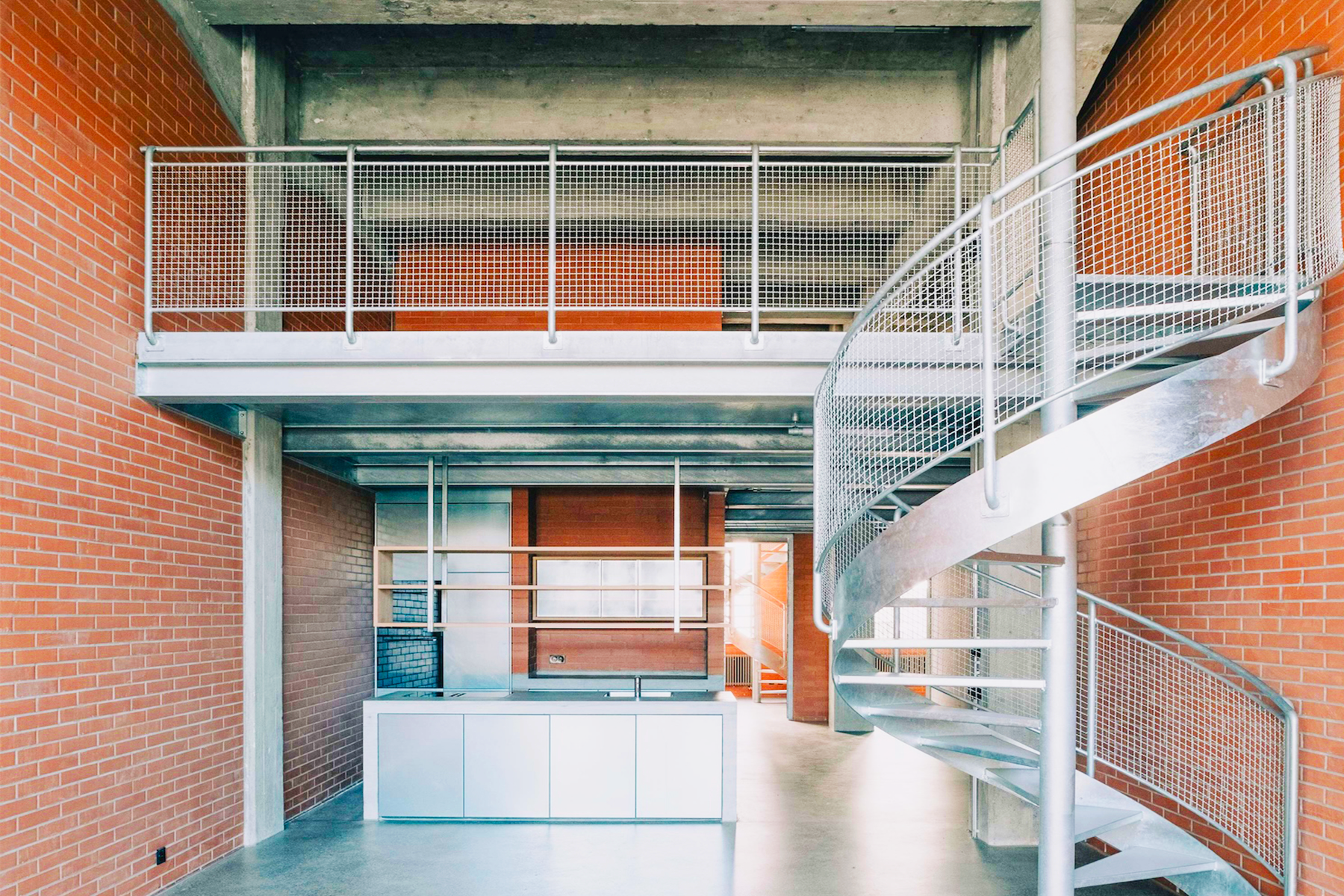
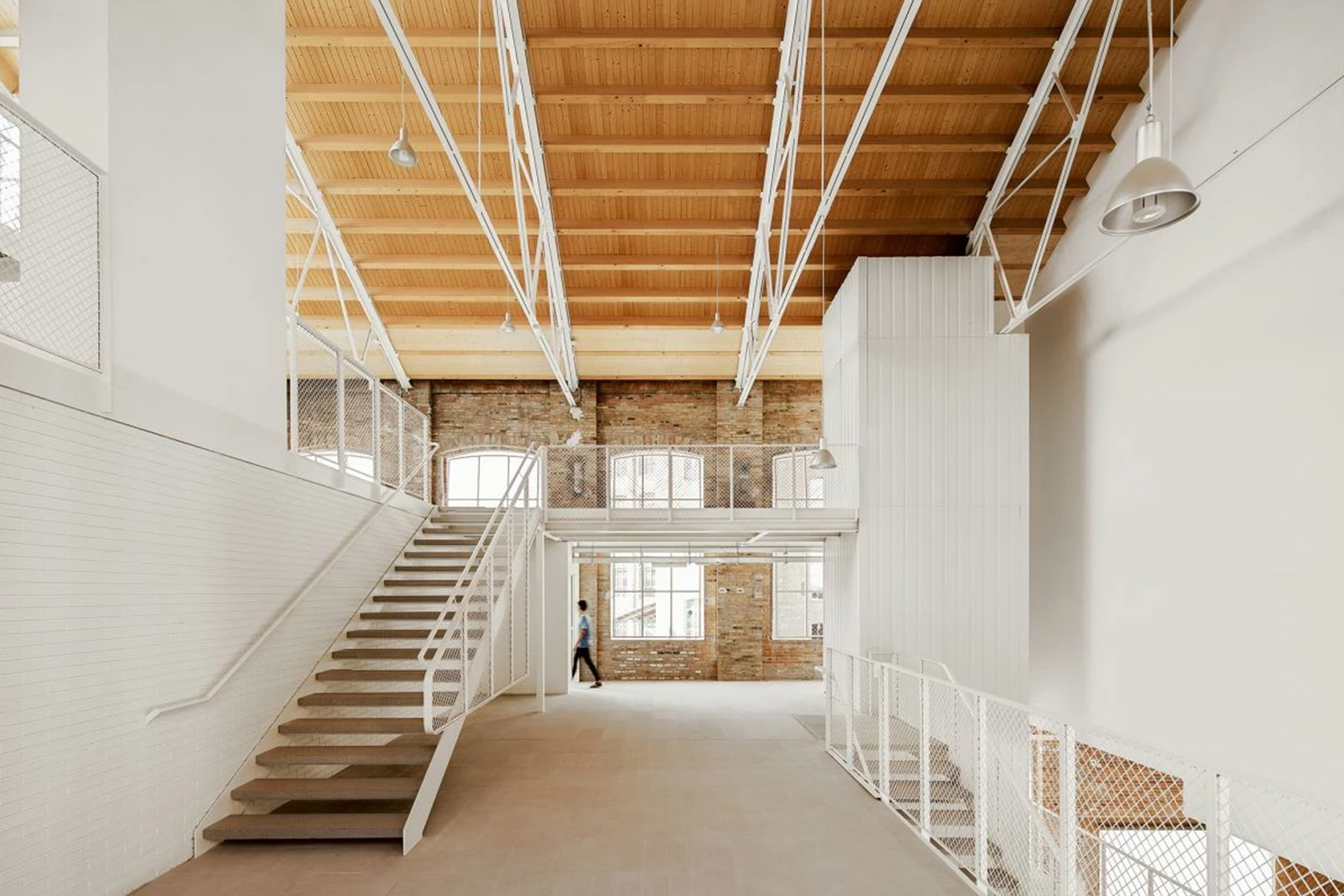
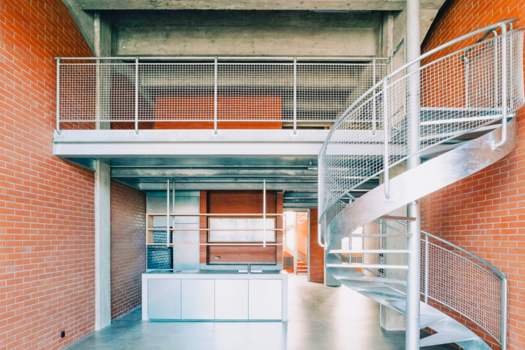
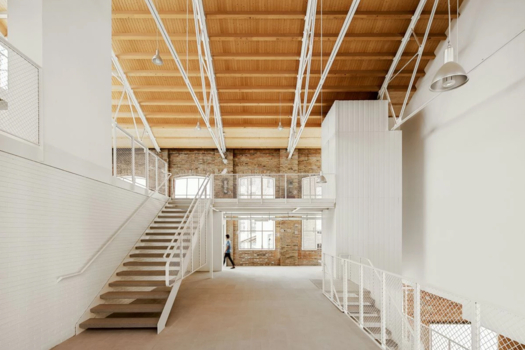
Heritage rehabilitation has been recurrent in our academic, research and professional paths. Our final degree and master projects explored reuse strategies at architectural, urban and territorial scales. One team member is currently conducting a PhD thesis on the reconversion of obsolete industrial heritage into public housing. Our references include projects of Lacaton & Vassal, Roldán + Berengué, Boltshauser Architekten and productive landscape studies.
SITE:
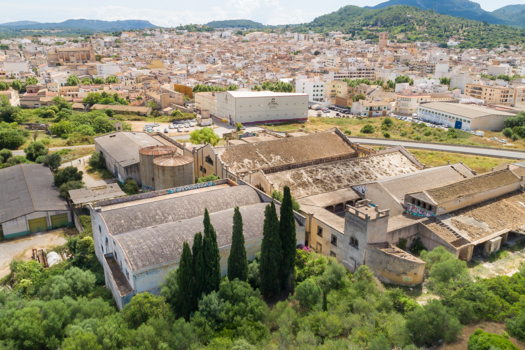
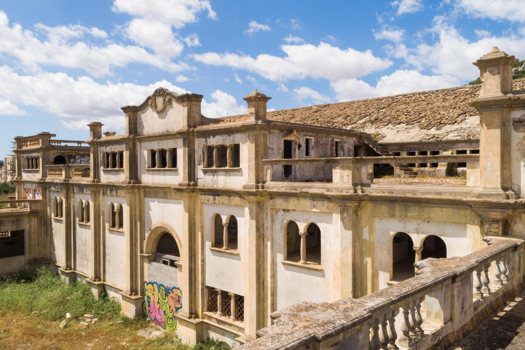
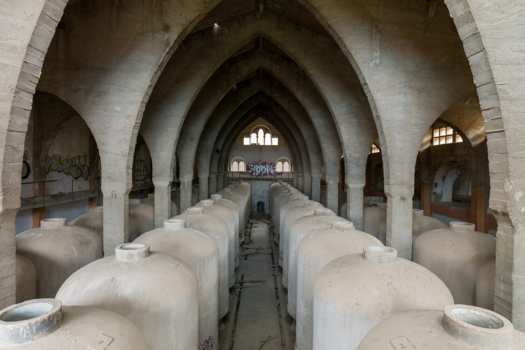
The project is conceived as an open and phased framework, enabling gradual implementation through negotiation with public authorities, local communities and cultural agents and producers. Flexible programs, cooperative and public housing, productive landscapes and shared spaces allow adaptation over time, ensuring long-term social appropriation, collective management and resilience of the proposal.
REFERENCES:
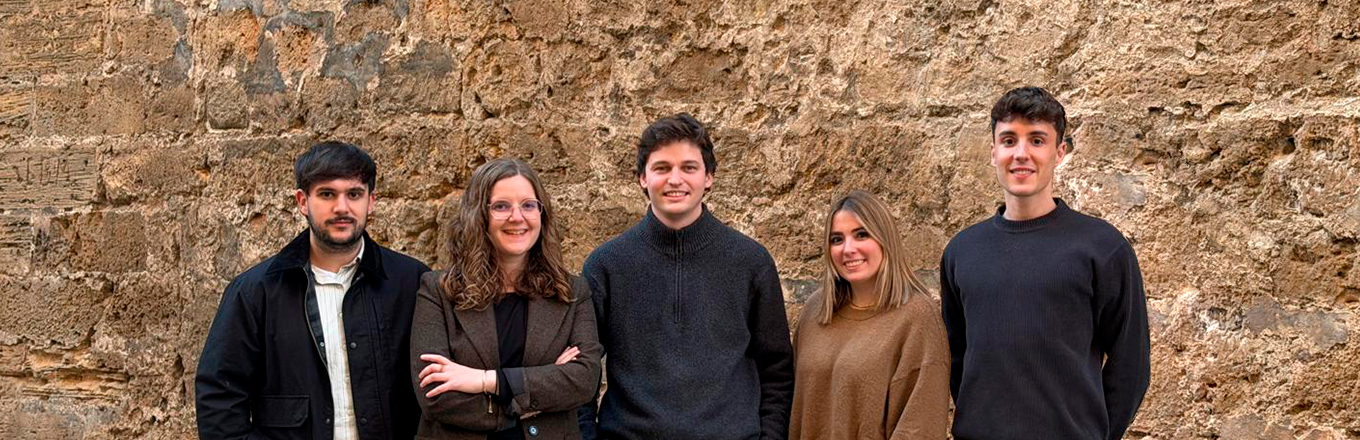
We are five young architects who graduated three to four years ago and are currently working in offices across Mallorca, Barcelona and San Sebastián, Spain. We met at ETSAB and have continued collaborating ever since. Our skills combine architectural design, urban and landscape thinking, heritage intervention and academic research, allowing us to operate coherently across multiple scales.
6. How could this prize help you in your professional career?
Winning Europan represents a decisive impulse at the beginning of our professional careers. It helps us consolidate as a team, gain international visibility and strengthen our commitment to research-based, socially and ecologically driven architecture. The prize encourages us to further develop this project and to grow through future opportunities derived from it.
TEAM IDENTITY
Legal status:
Team name:
Average age of the associates: 28 years old
Has your team, together or separately, already conceived or implemented some projects and/or won any competition? if so, which ones?
Yes. Together and individually, we have conceived academic and professional projects and participated in architectural competitions. Some team members have taken part in previous Europan editions, and two of us obtained the third prize in the International Competition for Young Architects to Remodel 10 Party Walls in Barcelona (UNESCO-UIA, Barcelona 2026 World Capital of Architecture).
WORKS: