Ressources de la Nive
La Nive (FR) - Winner
TEAM DATA
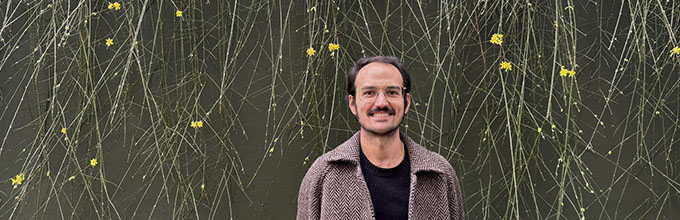
Associate: Julio Gotor Valcárcel (ES) – architect
julio@studiogotor.ch
http://www.studiogotor.ch/
See the complete listing of portraits here
See the site here
TEAM PORTRAIT
VIDEO (by the team)
INTERVIEW
Click on the images to enlarge
1. How do you define the main issues of your project in relation with the theme “Re-sourcing”? Re-sourcing thanks to nature, to social dynamics, to new materiality? In which way do you think your project can contribute to an ecological and/or social evolution? And in which way do you think your project can be called a “regenerative project”?
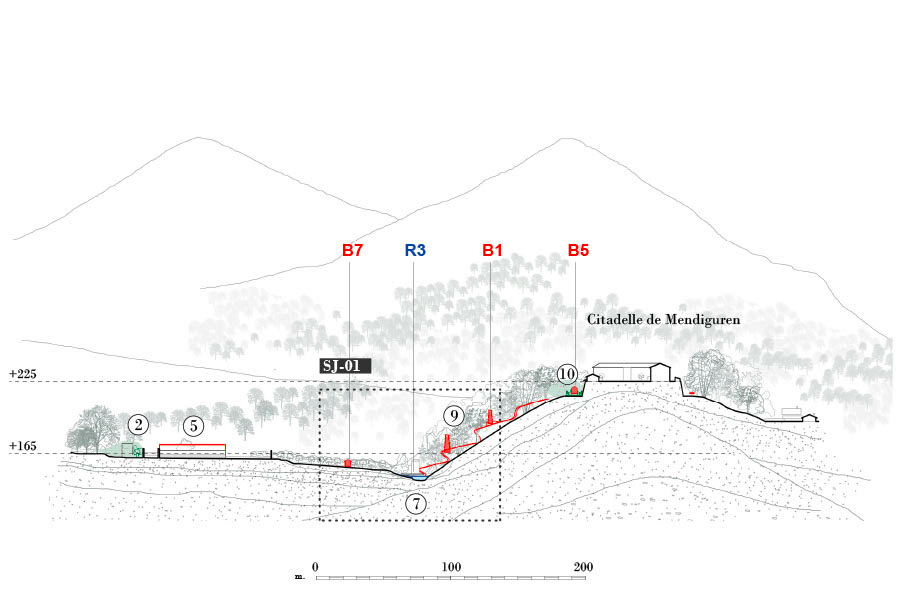
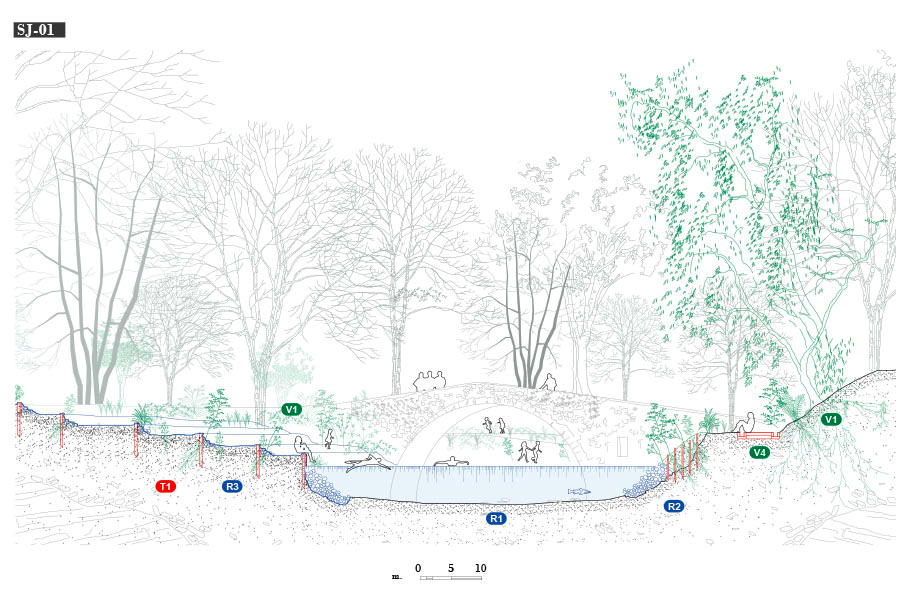
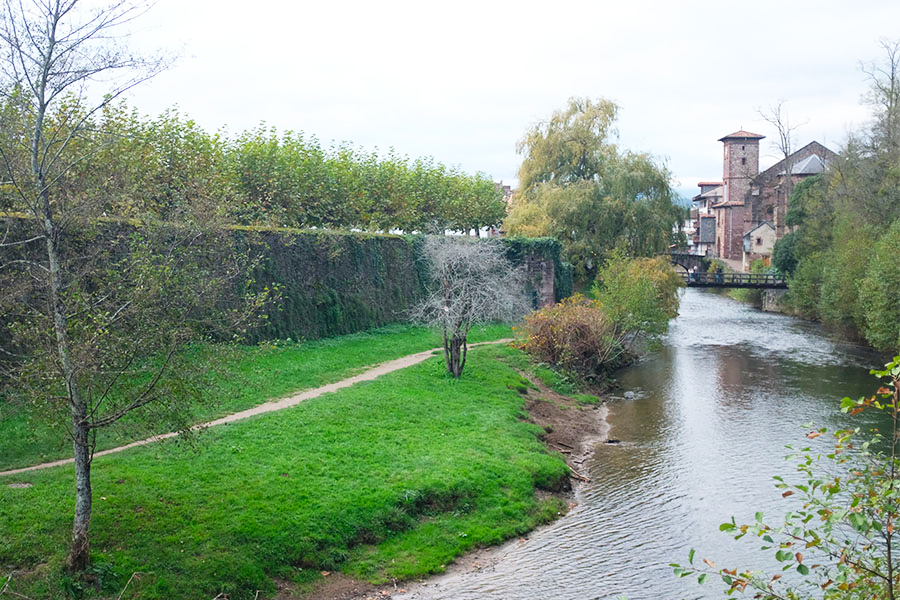
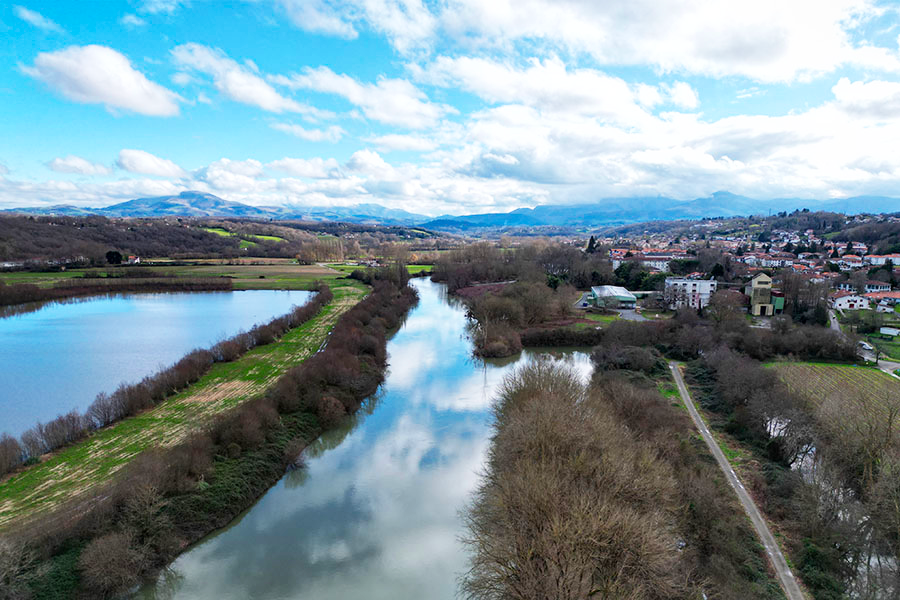
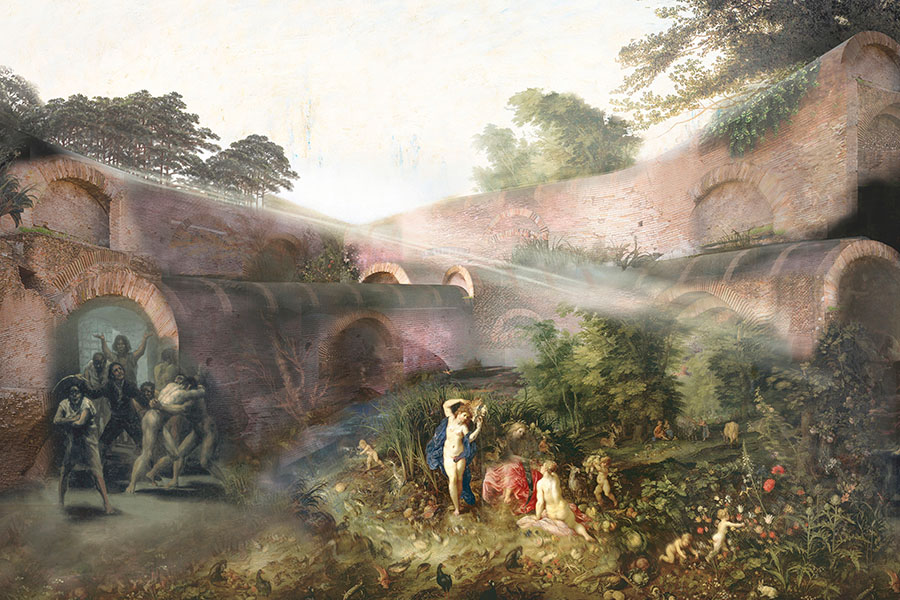
The project addresses the sustainable regeneration of the Nive territory by re-sourcing natural, social, and material resources. The strategy for managing the territory in a resilient and sustainable way lies in the river basin itself, its natural resources, materials, and ecosystems. The goal is to integrate sustainable use of resources and social dynamics to promote ecology and social inclusion.
2. How did the issues of your design and the questions raised by the site mutation meet?
The project redefines the meaning of resource from a critical perspective, proposing a radically sustainable use of the resources of the Nive river basin. In doing so, the masterplan establishes principles for a resilient, flexible, and long-term strategy to manage the territory, serving both as a tool for territorial regeneration and as a driver of socio-economic development and social cohesion.
PROJECT:

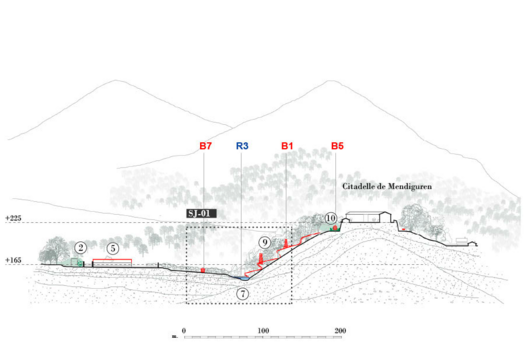

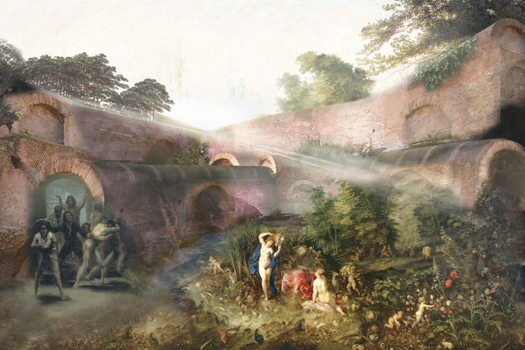
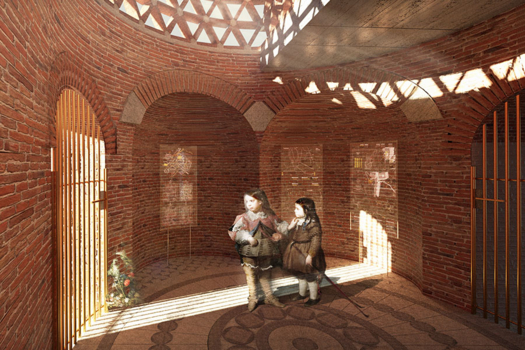
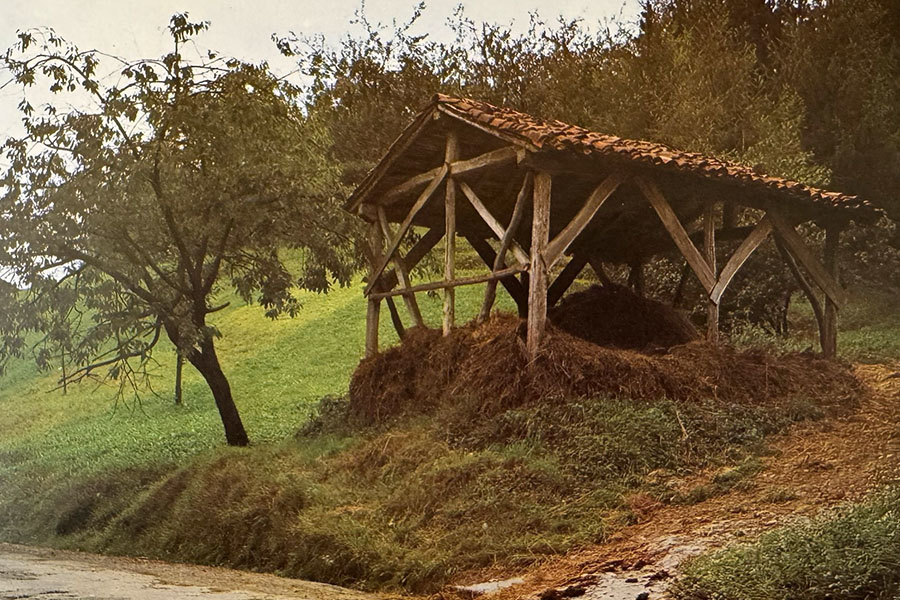
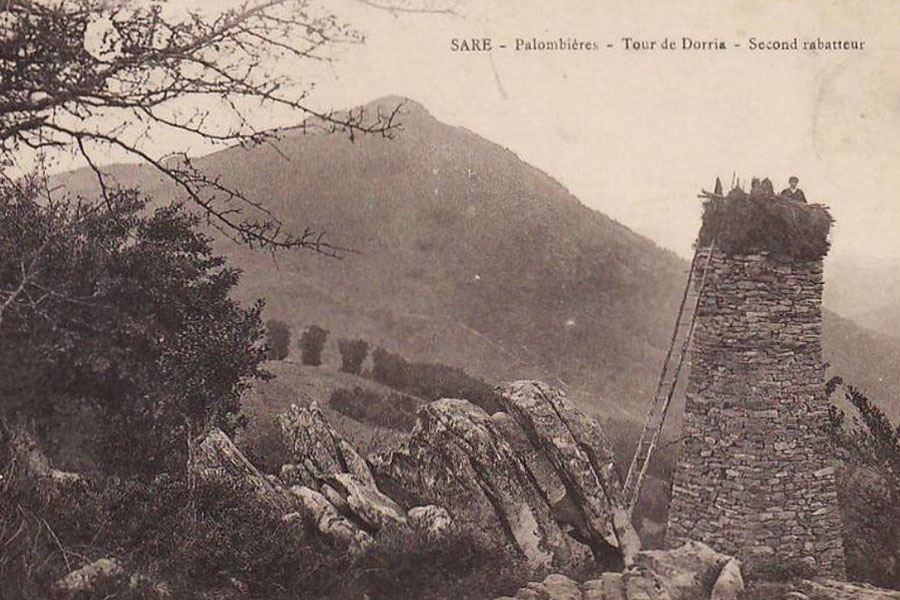
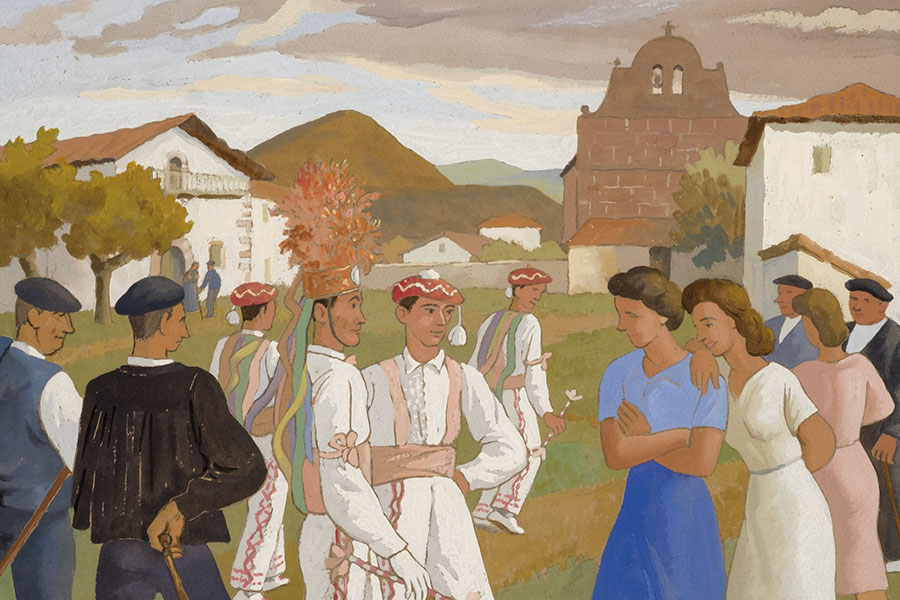
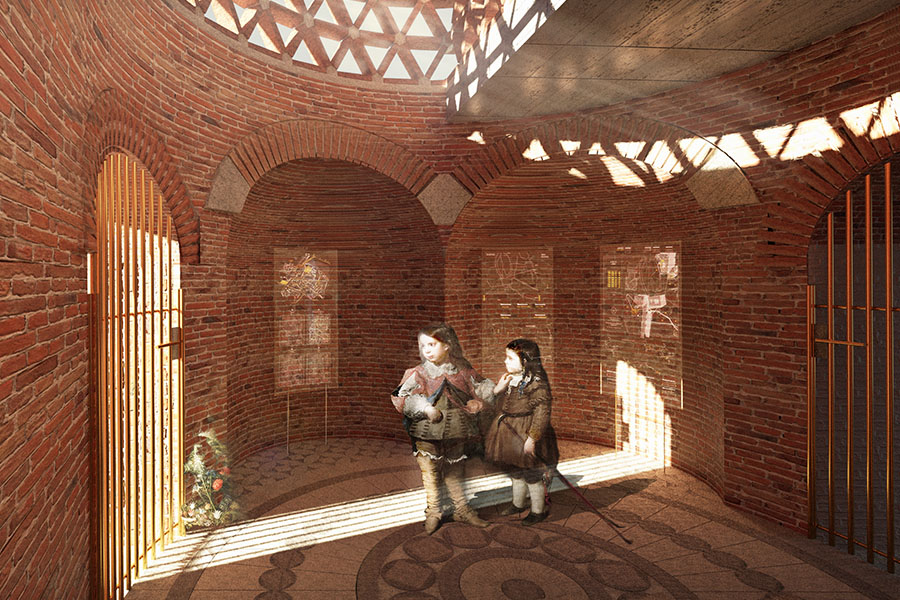
The topic of territory and how it is shaped has been of interest to me since university. The references that inspire this project include local typologies and traditional knowledge of wood construction, the rational use of resources, such as Basque vernacular architecture, ancient typologies like the palombière, and representations of the territory in the work of the Basque painters, the Arrue brothers.
SITE:
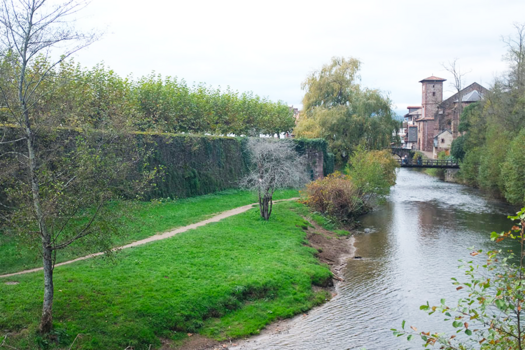
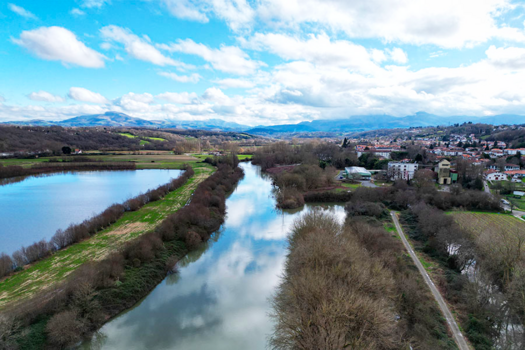
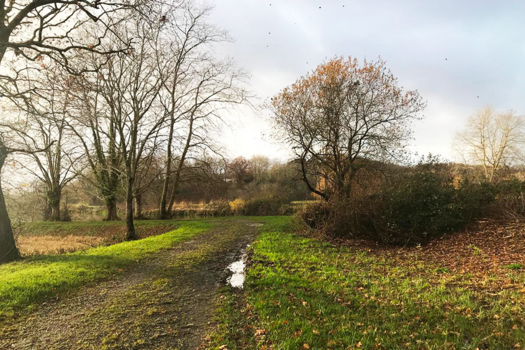
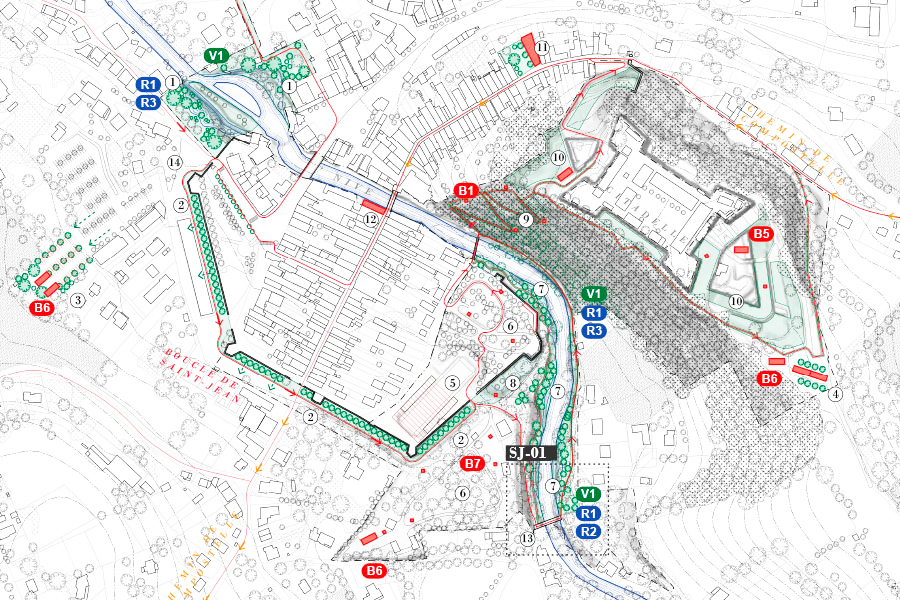
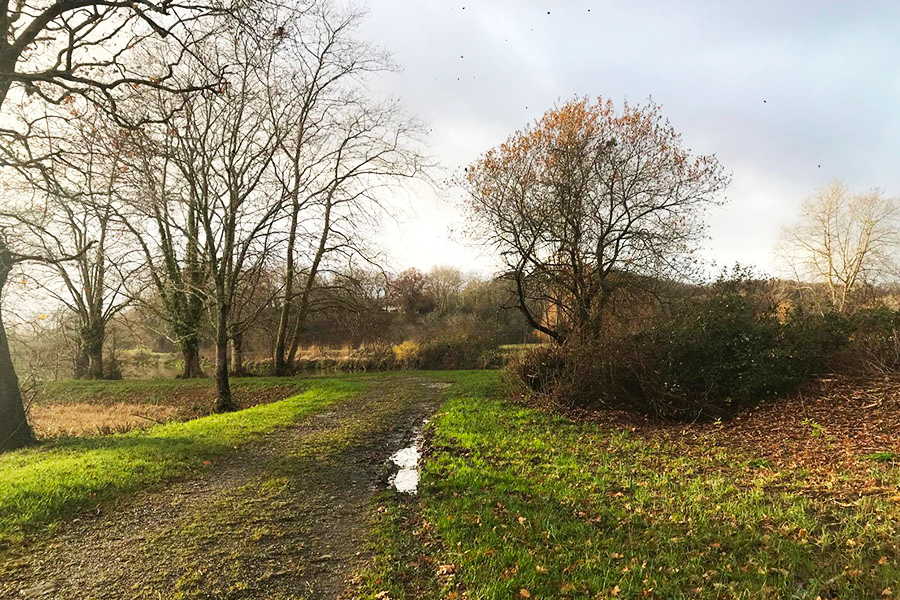
The project is structured around three axes: water management, ecological management, and community management. Each axis is applied from a large scale down to specific proposals. At an operational level, the project begins by establishing territorial guidelines, which can then be developed along these three axes into concrete interventions over time through a negotiated and adaptive process.
REFERENCES:
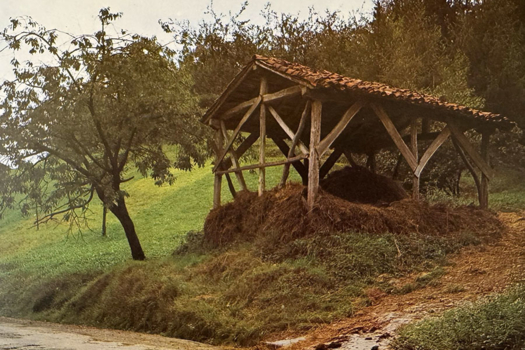
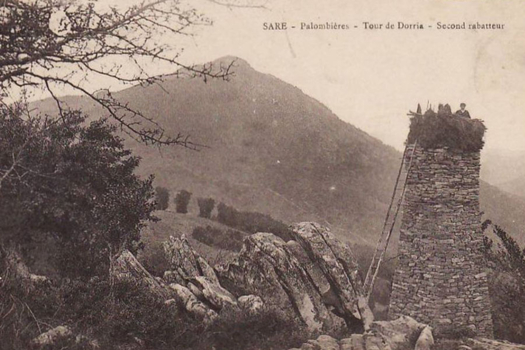
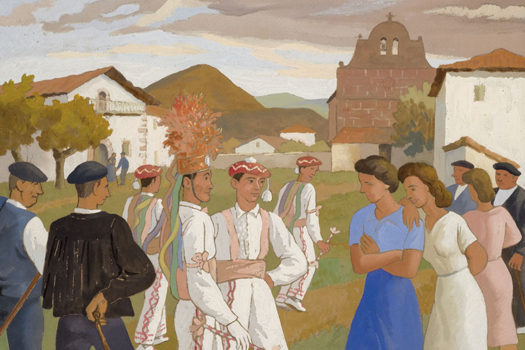
I developed the project independently, based on my professional background and personal interest in the notion of territory and landscape. These are topics that I have had the opportunity to study since my university years, both from a research perspective and in a practical way through my professional experience.
6. How could this prize help you in your professional career?
The prize can significantly help my professional career, not only by increasing my visibility but also by giving me the opportunity to put my concepts and ideas into practice. It would allow me to collaborate with key actors and representatives in a specific territory and to actively participate in the future management of its territory and landscape.
TEAM IDENTITY
Legal status: My company is called Studio Gotor, it is an “Einzelfirma” (Sole proprietorship) based in Basel, and was founded in June 2025
Team name: Studio Gotor
Average age of the associates: 32 years old
Has your team, together or separately, already conceived or implemented some projects and/or won any competition? if so, which ones?
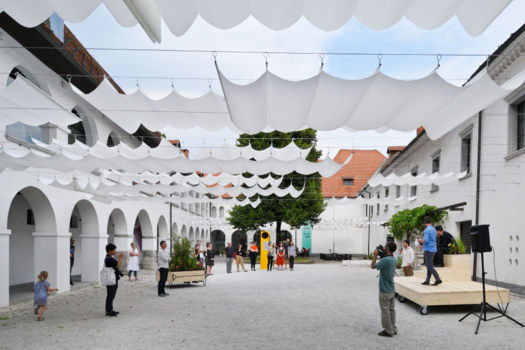
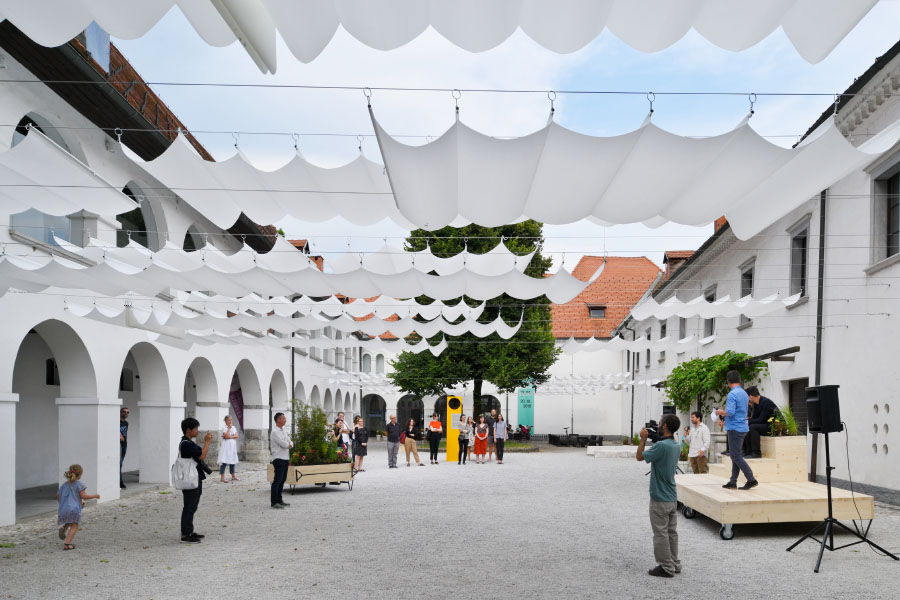
In 2017, I was awarded the Young Talent Architecture Award by the Mies van der Rohe Foundation. In 2019, I won the international competition for the renovation and intervention at the Museum of Architecture and Design (MAO) in Ljubljana, Slovenia, which was successfully implemented in the same year.
WORKS: