Roa's Rag Rug
Roa (NO) - Winner
TEAM DATA
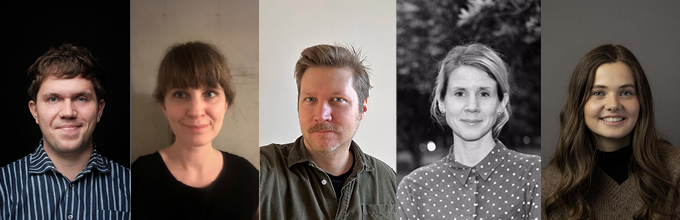
Associates: Joanna Attvall (SE), David Ottosson (SE) – architect urbanists, Josephine Philipsen (SE) – landscape architect, Mikael Petterson (SE), Isabella Landvreter (SE) – architects
joanna.attvall@fojab.se / david.ottoson@fojab.se
See the complete listing of portraits here
See the site here
TEAM PORTRAIT
VIDEO (by the team)
INTERVIEW
Click on the images to enlarge
1. How do you define the main issues of your project in relation with the theme “Re-sourcing”? Re-sourcing thanks to nature, to social dynamics, to new materiality? In which way do you think your project can contribute to an ecological and/or social evolution? And in which way do you think your project can be called a “regenerative project”?
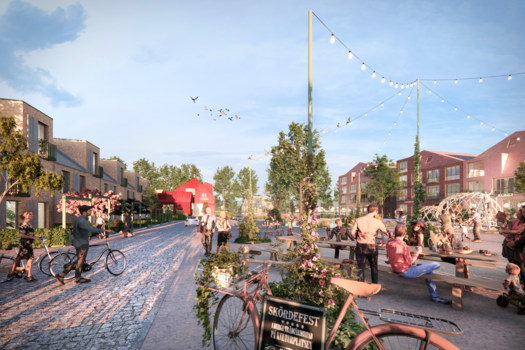
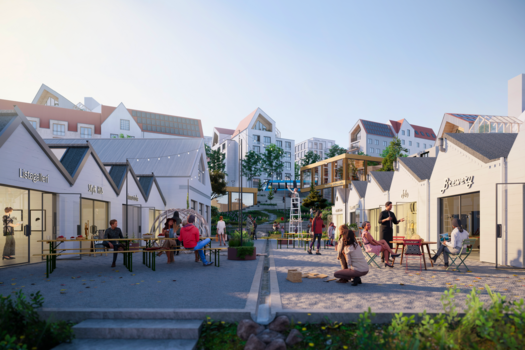
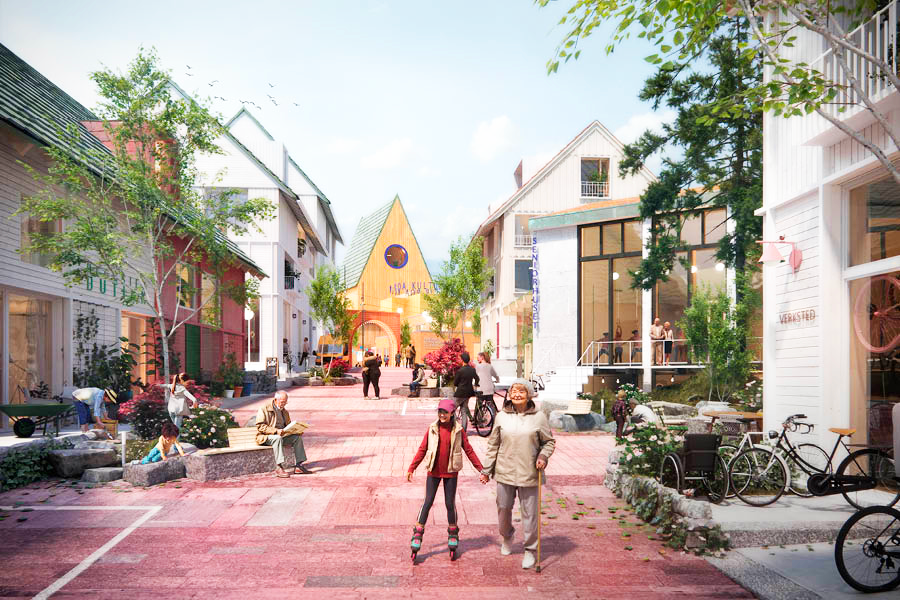
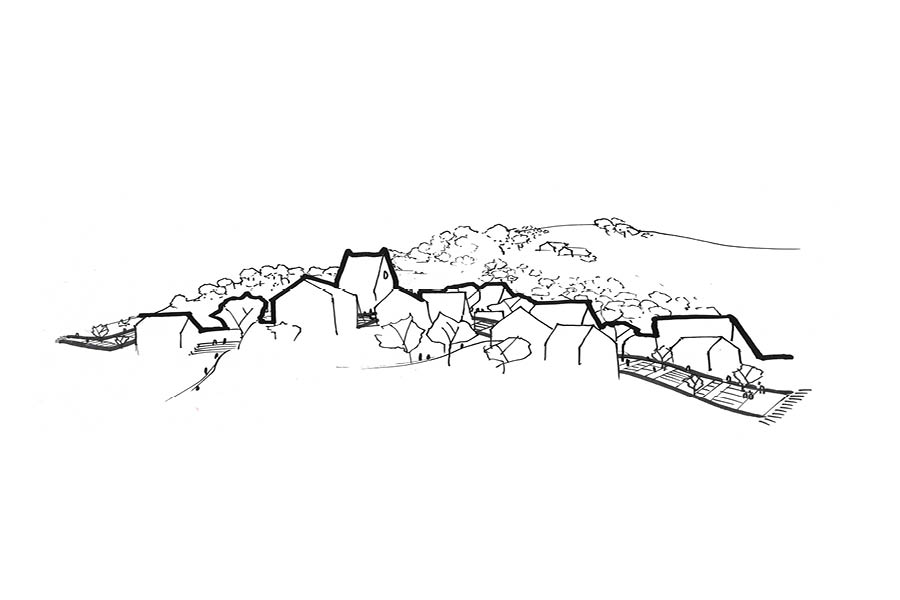
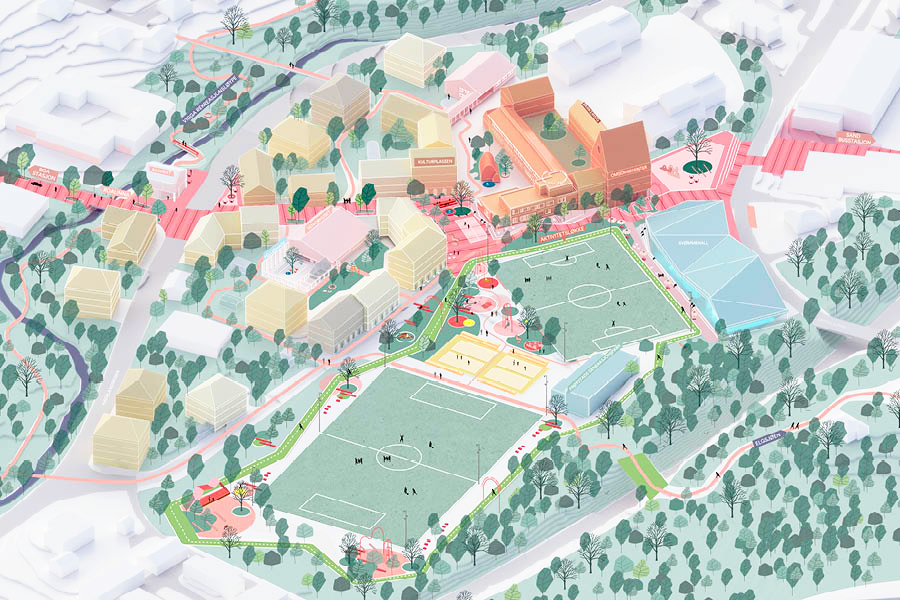
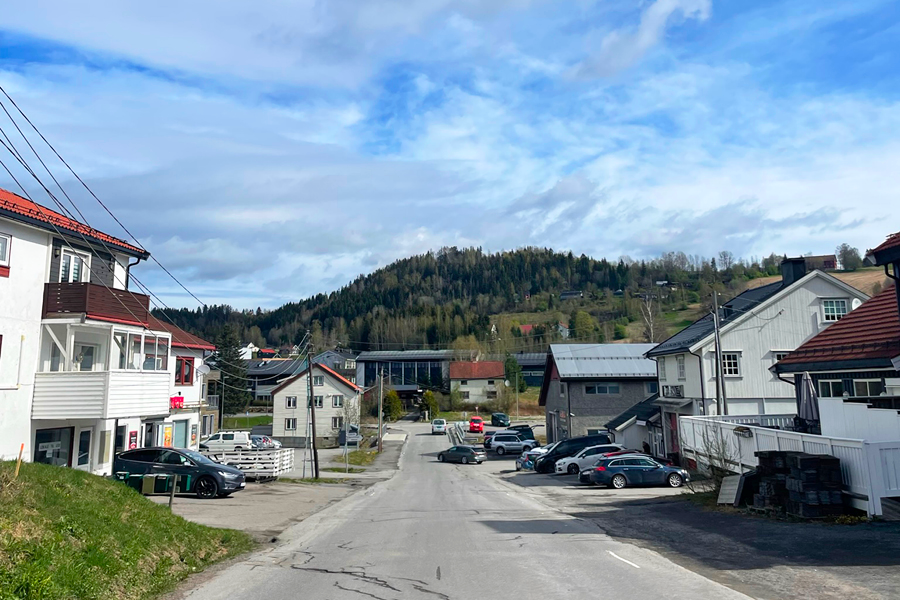
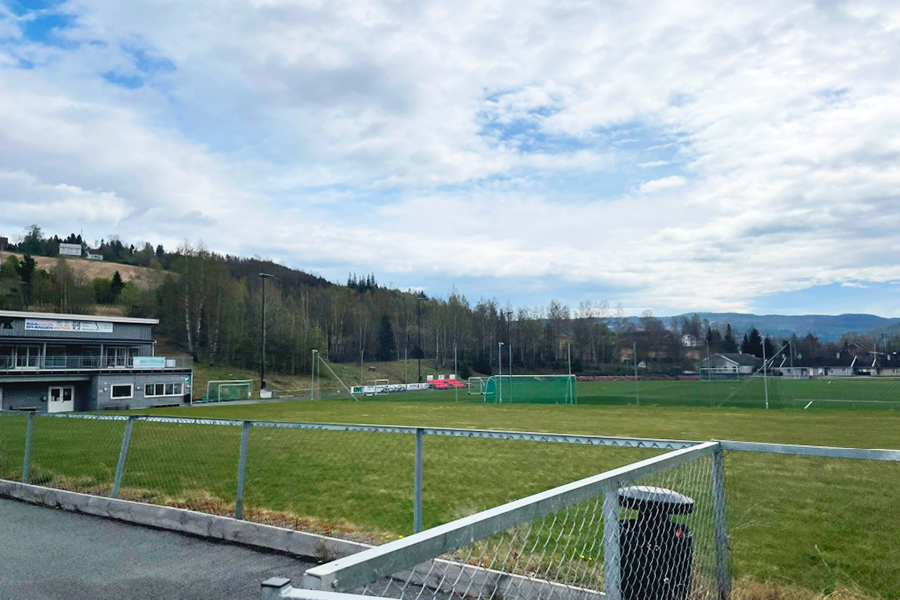
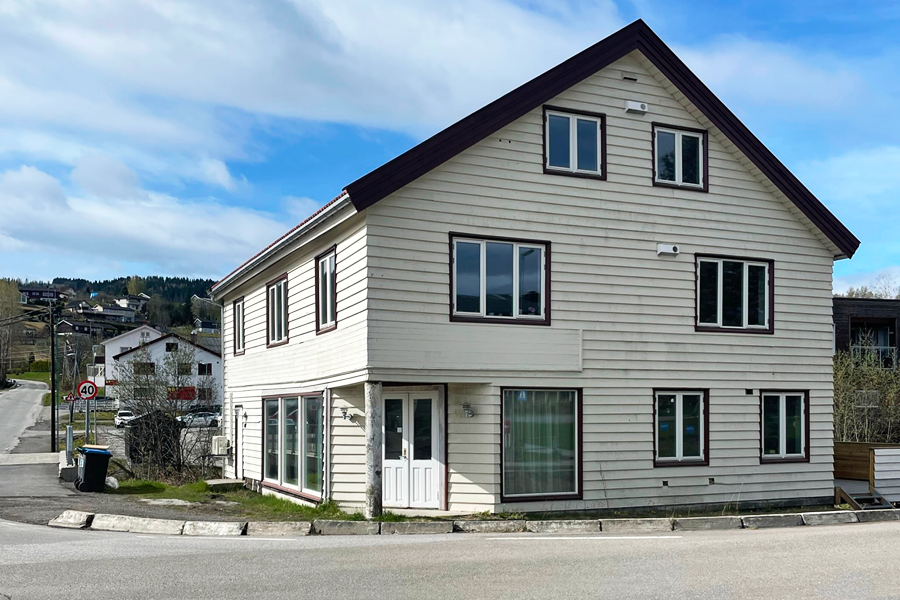
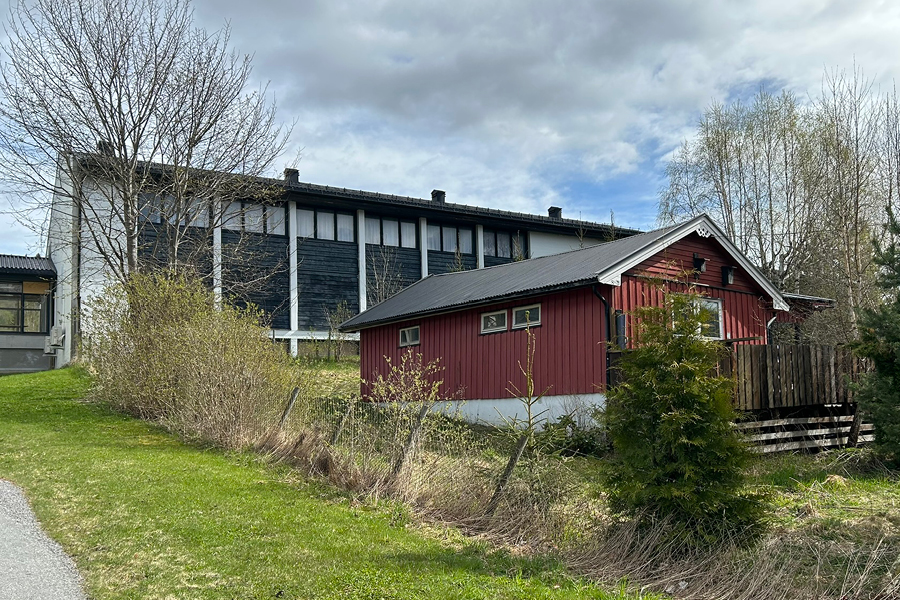
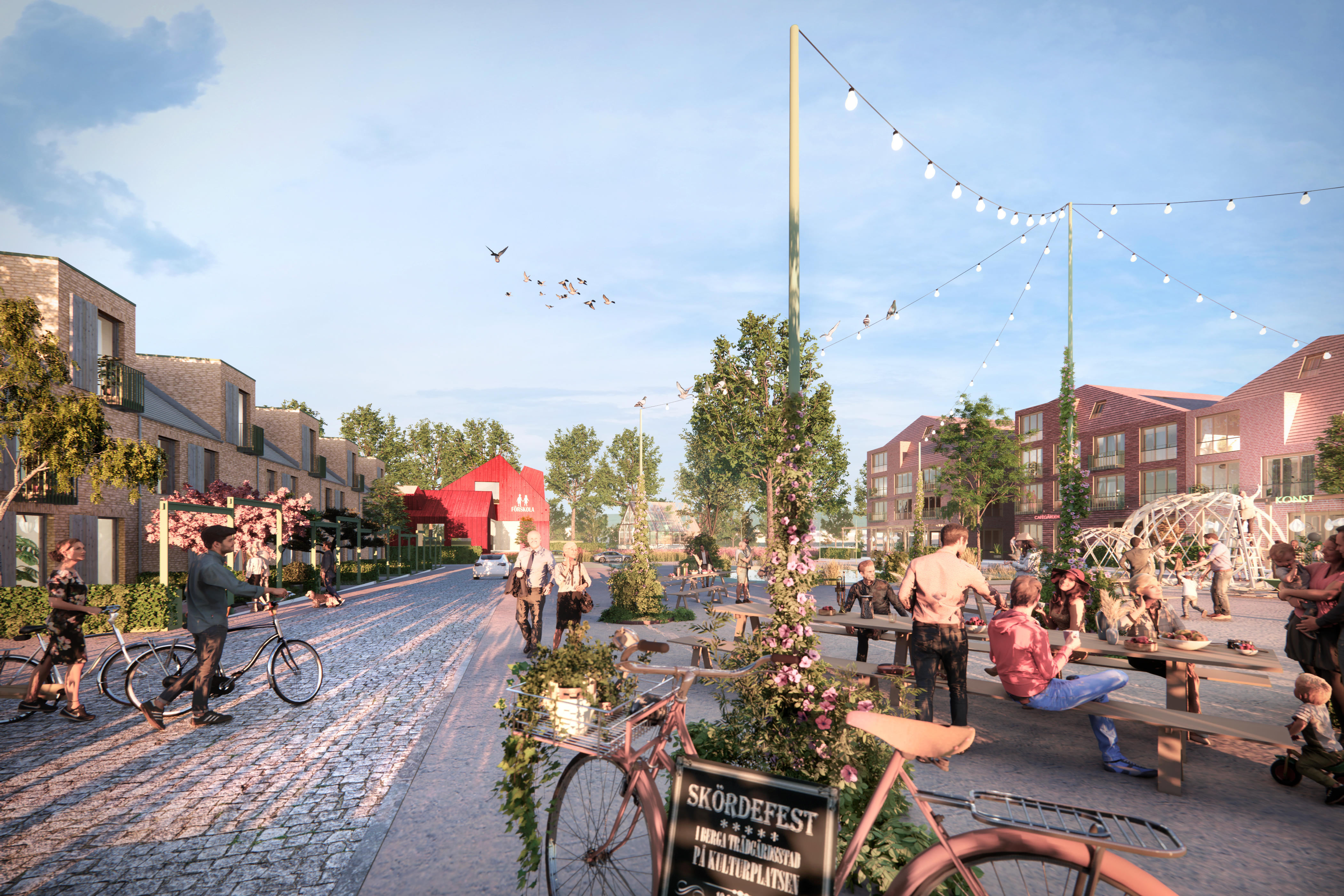
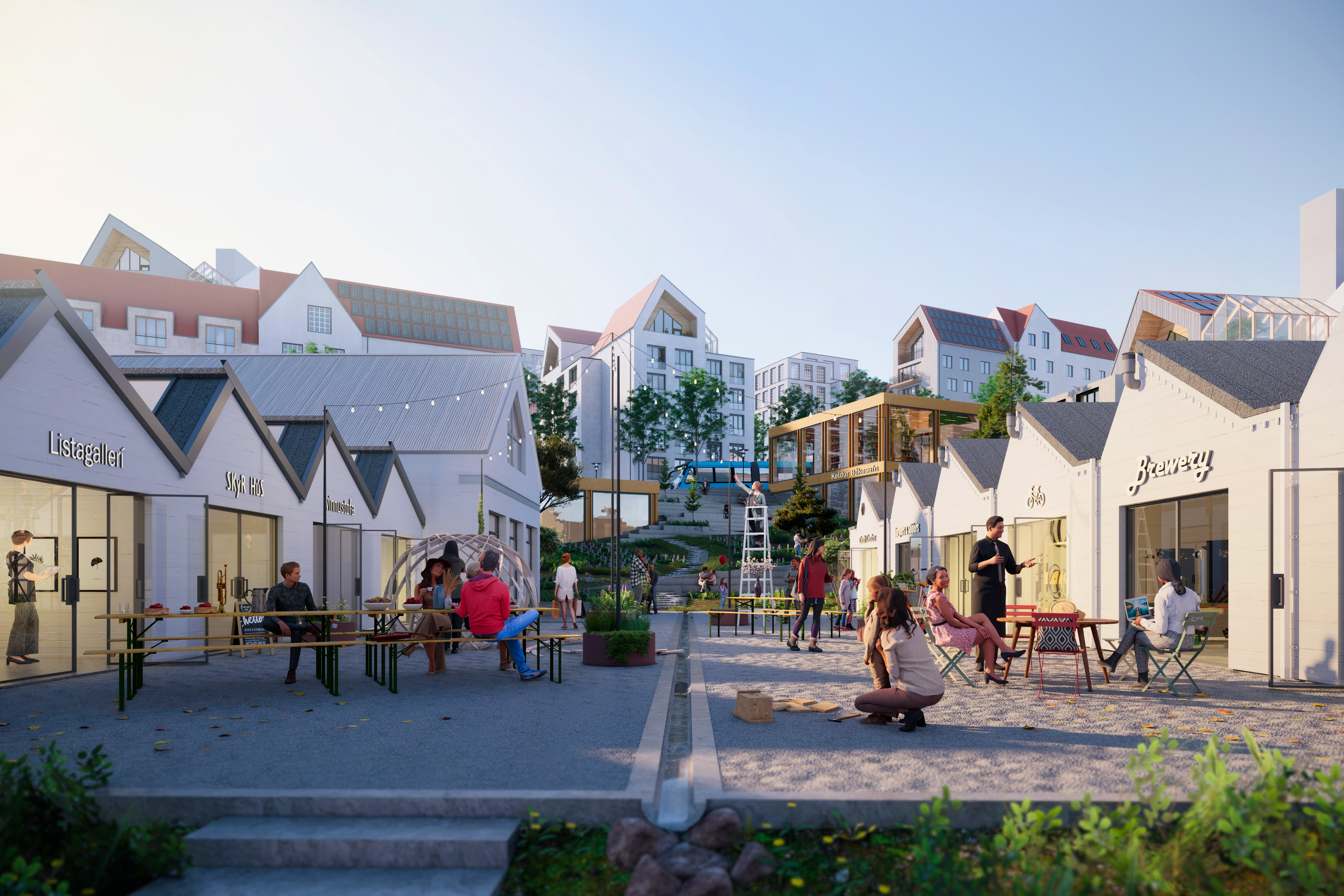
The proposal builds on and amplifies qualities already present in Frøystad. this includes qualities of the built environment, qualities of landscape, and qualities related to programming and social life. Rather than introducing something entirely new, the project re-sources what is already there and reinterprets it for the future. The ambition is to create a Fröystad that contributes to a higher quality of life not only locally, but for Roa as a whole. A place that clearly feels like Roa, only more so. Pleasantly varied and rich in character, yet intuitive and easy to get to know and care for. The project can be described as regenerative in the way it strengthens local identity and pride by establishing a new, shared heart for the village.
2. How did the issues of your design and the questions raised by the site mutation meet?
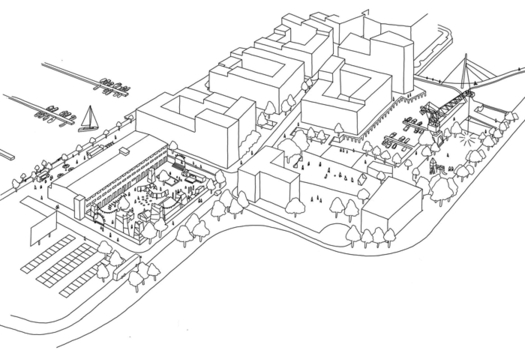
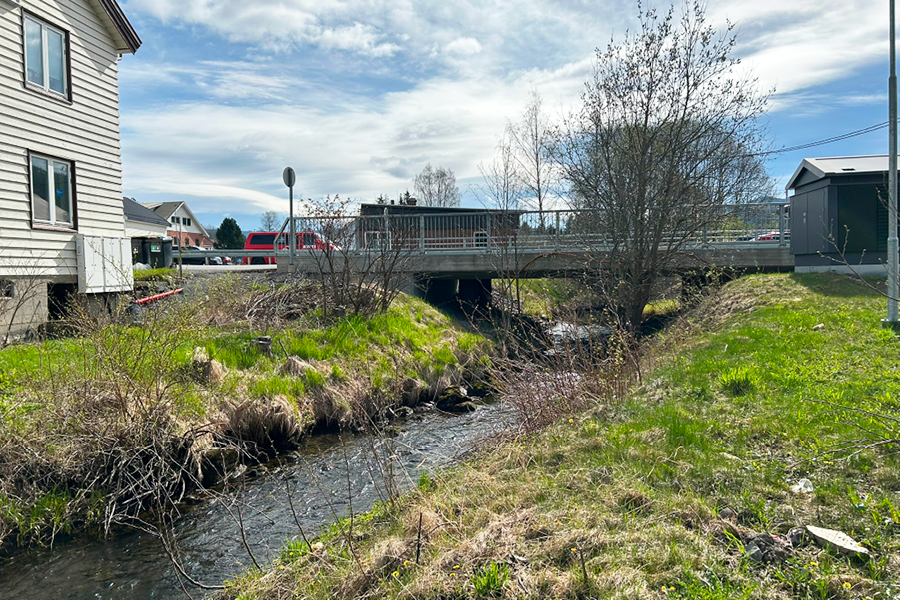
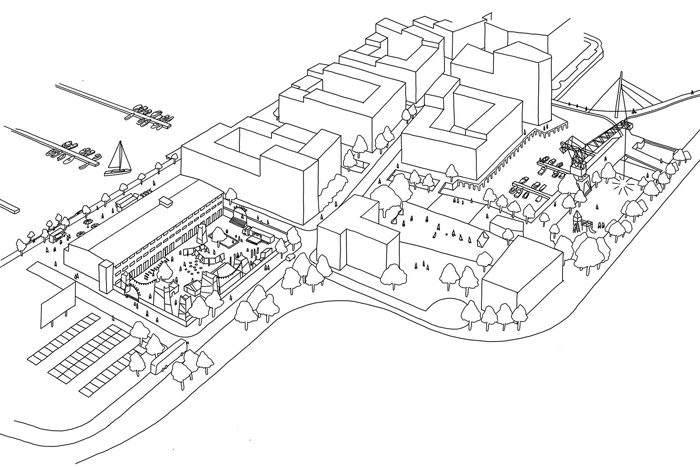
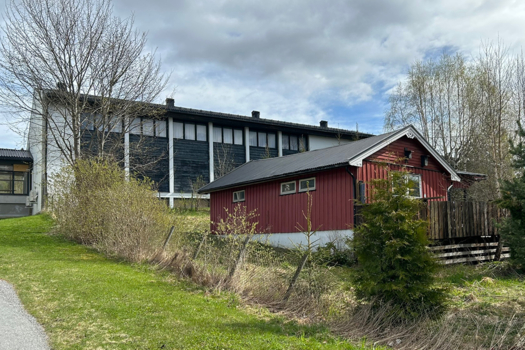
The challenges and opportunities raised by the site have directly shaped the proposal. The mutation of the area called for connections rather than separation, which resulted in the new extended village street, Roalinna. It links the historical parts of Roa with the transformed areas and the planned big box developments, creating continuity within a changing context.
PROJECT:
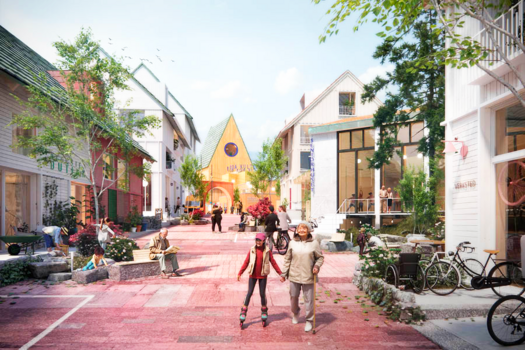
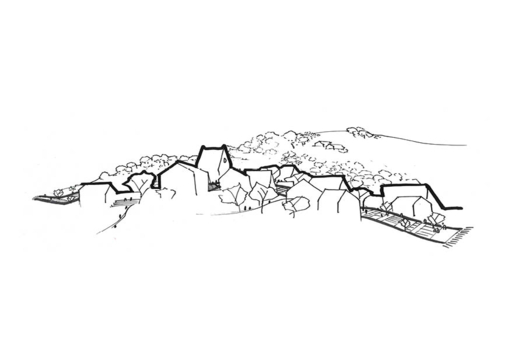
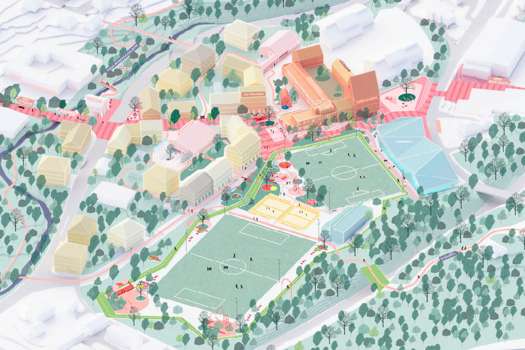
Working closely with the site, the local identity, and the social structure through strong unifying ideas is a recurring approach in our practice. Most of the team is currently working on a sustainable urban development project in Reykjavik, Iceland, which has served as an important reference, particularly in terms of long term urban resilience, identity building, and climate conscious planning.
SITE:
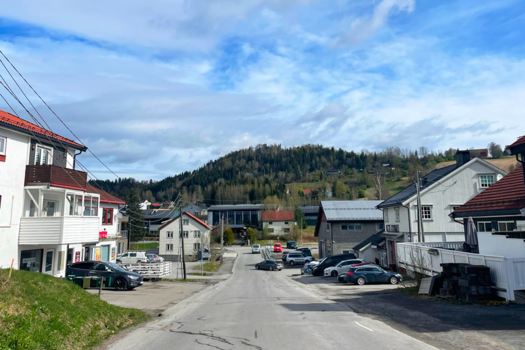
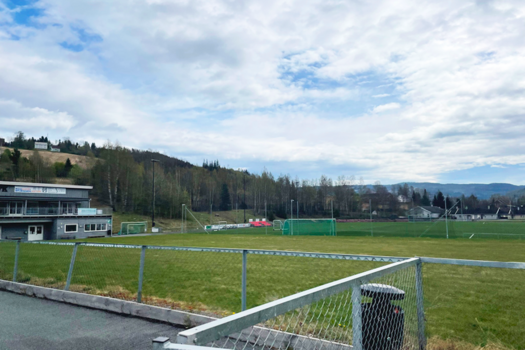
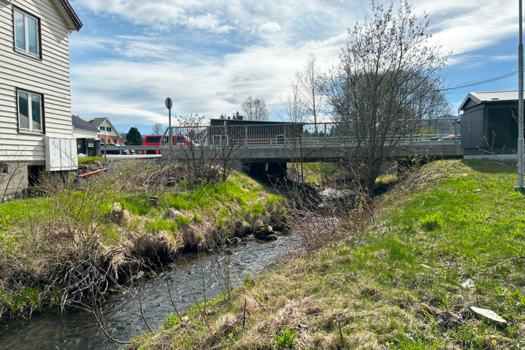
We see strong potential for implementing the proposal through collaboration with local stakeholders over time. The project is based on a clear and robust concept that allows for flexibility, making it possible to adapt, negotiate, and gradually develop the proposal in response to changing needs and conditions.
REFERENCES:
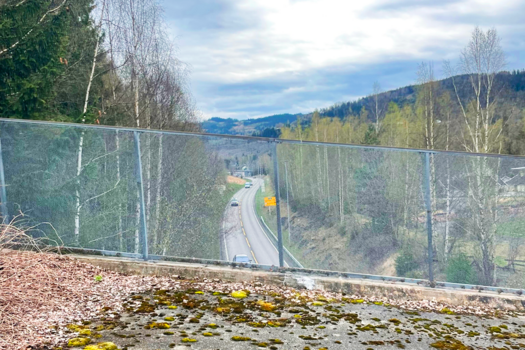
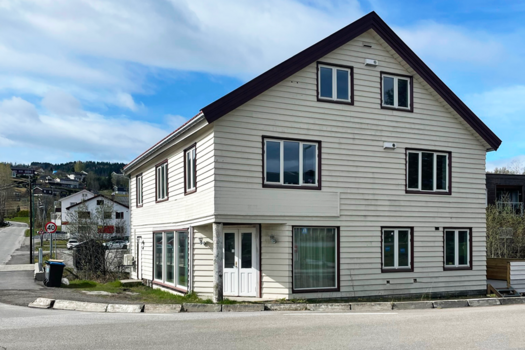
The team consists of people who have worked together extensively before, though not in this exact constellation. This mix created a dynamic collaboration where different skills and perspectives complemented each other well. The process involved many engaging discussions and became a learning experience for all of us.
6. How could this prize help you in your professional career?
Yes. Both the competition and the prize have been highly motivating for us. They encourage us to explore new ideas, challenge our own methods, and stay curious about the future challenges of our profession.
TEAM IDENTITY
Legal status: No, our team doesn’t have a formal legal status. Most of us work at the same architectural firm, FOJAB, but the project has been developed independently, in our own time.
Team name:
Average age of the associates: 35,6 years old
Has your team, together or separately, already conceived or implemented some projects and/or won any competition? if so, which ones?
Yes, the team has previous experience working together in different constellations. Examples of competitions and invited projects we have contributed to include Keldur in Reykjavik (Joanna, Josephine, Mikael), Vejle (Josephine), Jägerso structure plan and Berga trädgårdsstad (Joanna, Mikael), Europan 15 Helsingborg (David).
WORKS: