The Common Green
Zagreb (HR) - Winner
TEAM PORTRAIT
VIDEO (by the team)
INTERVIEW
Click on the images to enlarge
1. How do you define the main issues of your project in relation with the theme “Re-sourcing”? Re-sourcing thanks to nature, to social dynamics, to new materiality? In which way do you think your project can contribute to an ecological and/or social evolution? And in which way do you think your project can be called a “regenerative project”?
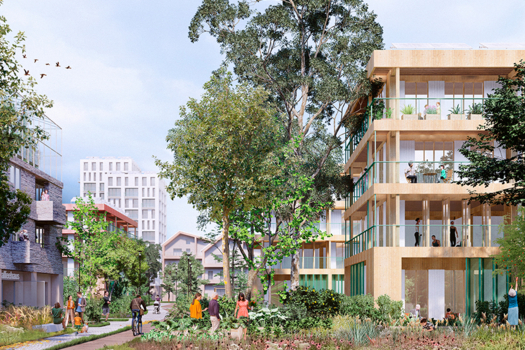
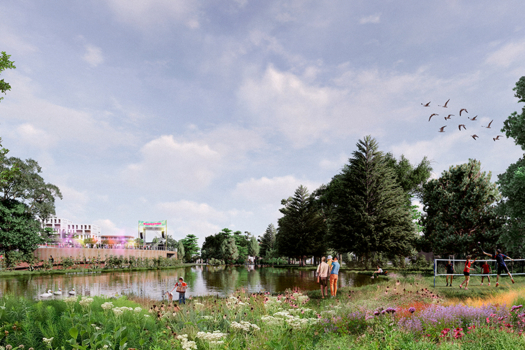
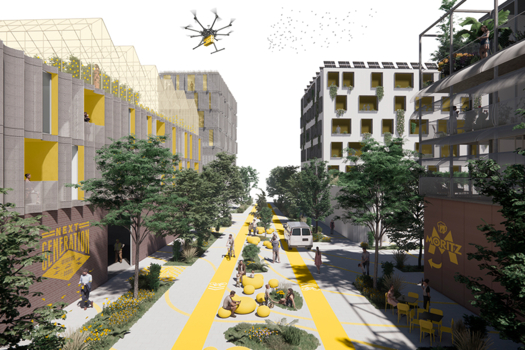
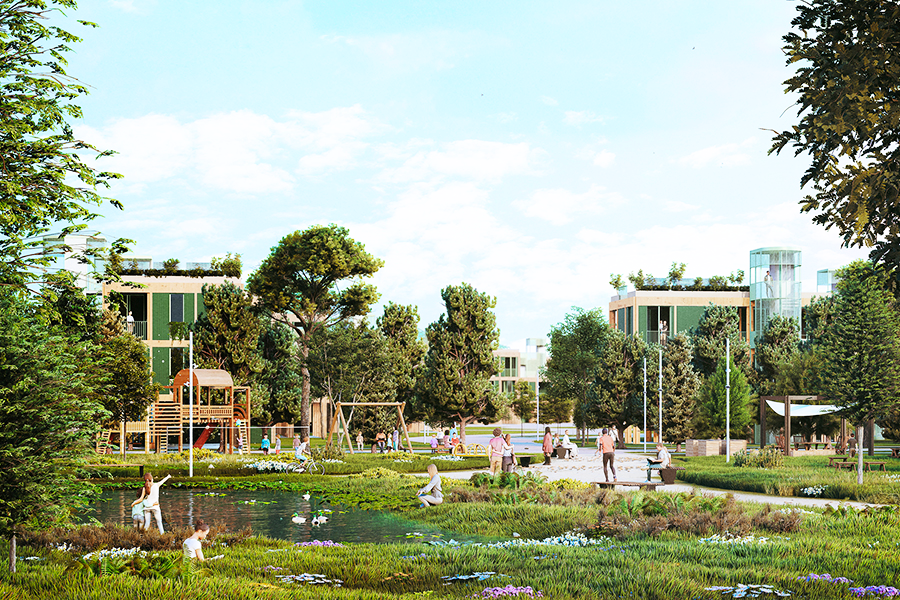
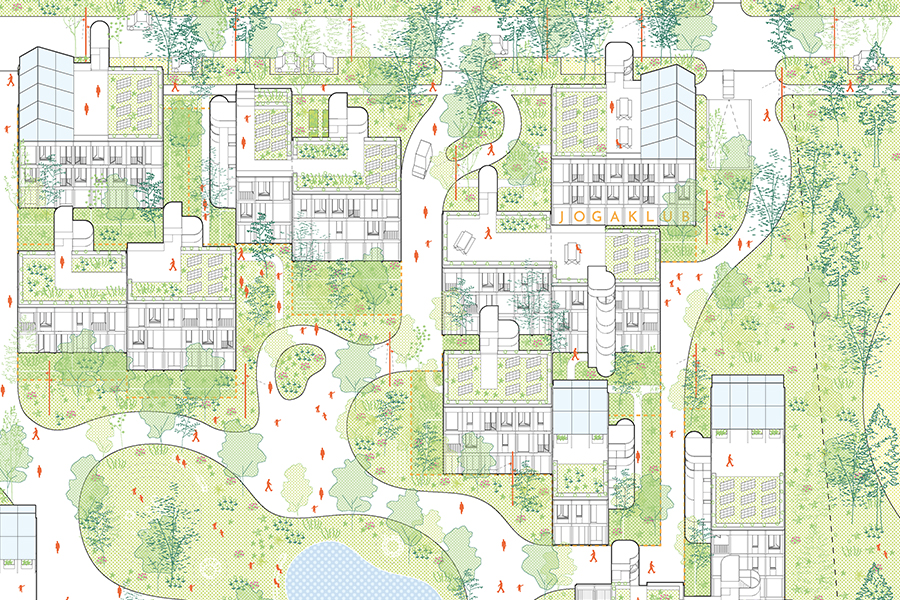
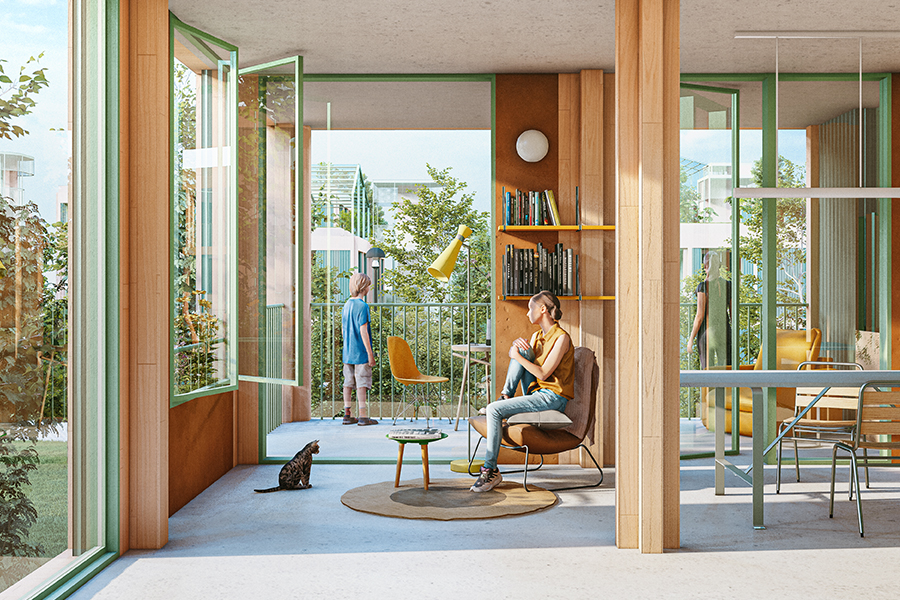
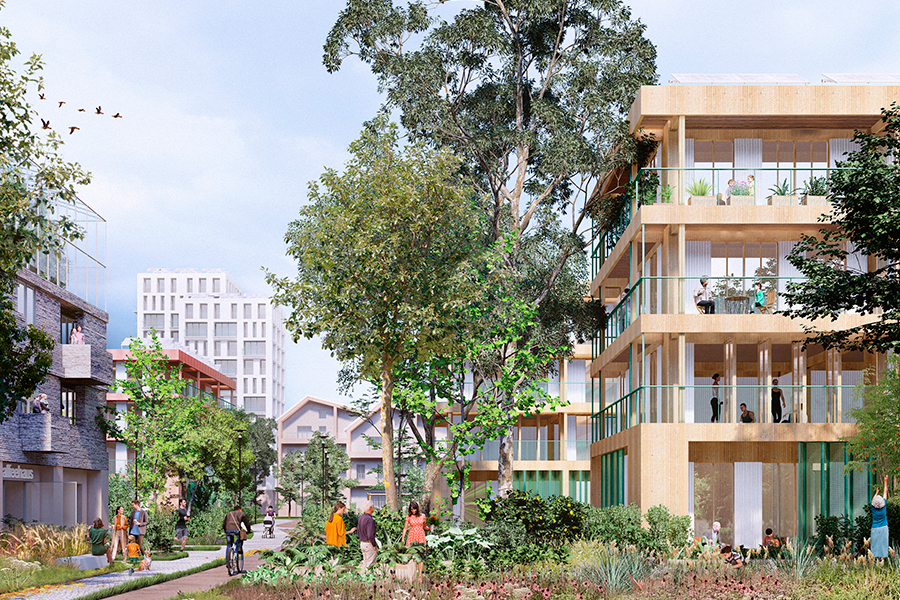
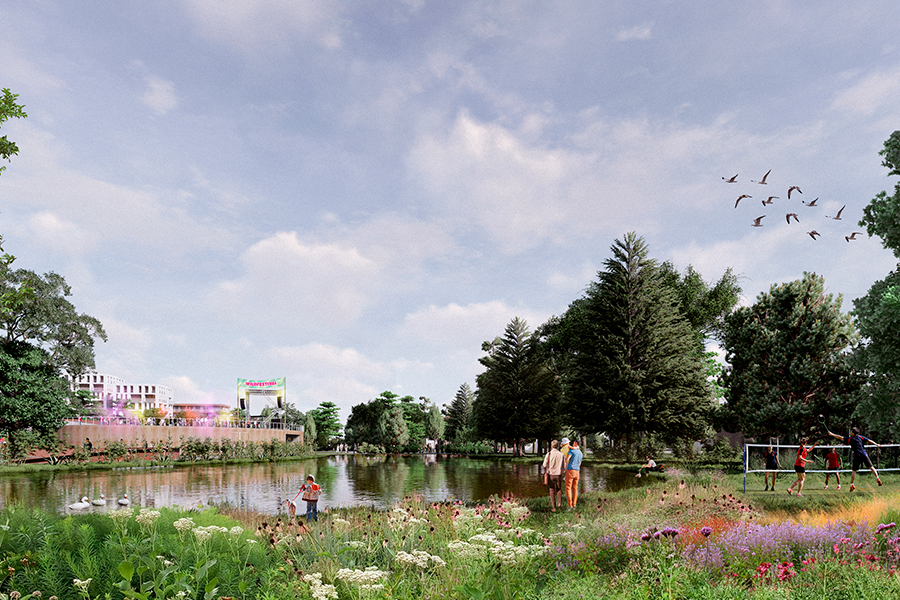
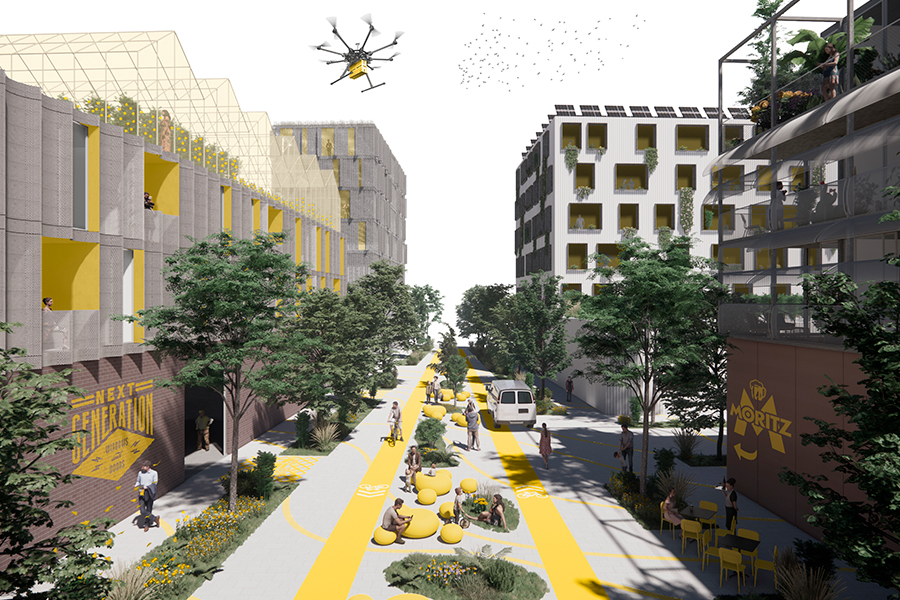
For us, “Re-sourcing” means taking advantage the potential of the site and working within the existing conditions. The Common Green activates the soil, vegetation, water dynamics, and social proximity as key urban resources. Nature is understood as infrastructure, structuring public space, mobility, and housing. On a social level, shared gardens and collective spaces encourage responsible stewardship and everyday interaction. On a material level, dry wood assembly systems introduce circularity and adaptability. The project is regenerative because it reinforces ecological continuity while building long-term social frameworks for care.
2. How did the issues of your design and the questions raised by the site mutation meet?
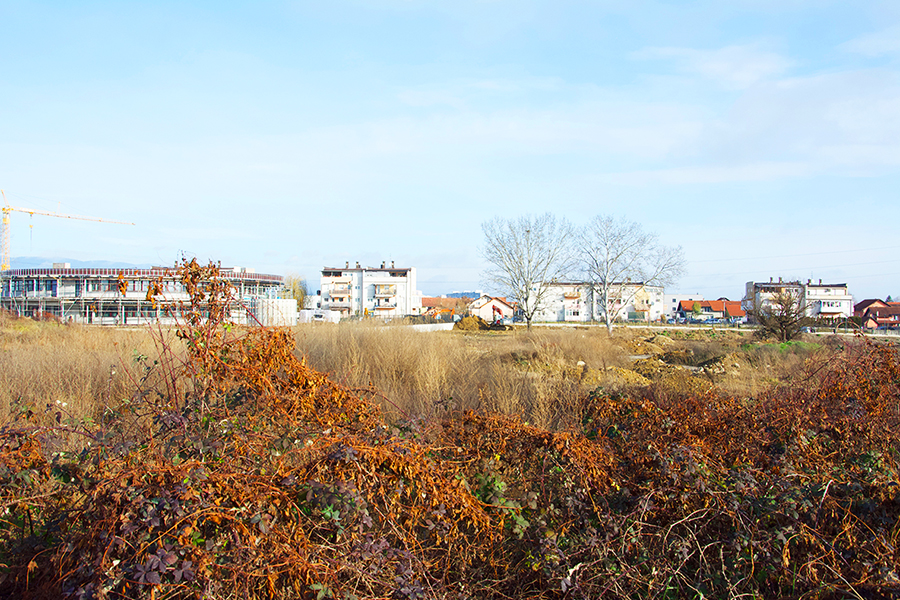
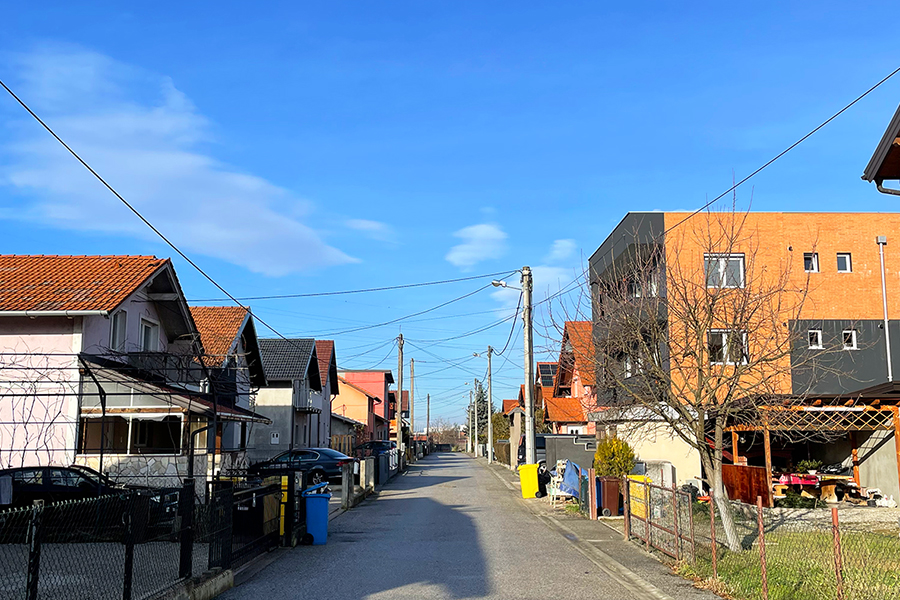
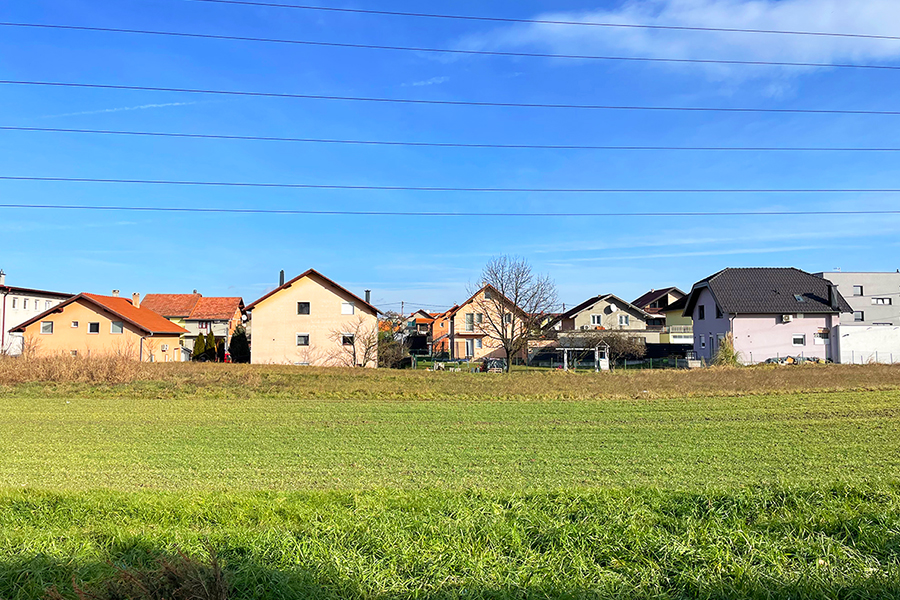
The proposed transformation of the site raises some fundamental questions about the growth of contemporary cities and how to urbanize the periphery without reinforcing fragmentation and uncontrolled expansion. Rather than proposing a fixed form, it responds with a flexible framework. By considering the landscape as the first layer of the project, urban growth adapts to ecological conditions. The grouping of buildings focuses on controlling building density while preserving permeability, allowing future transformations to reinforce environmental continuity and neighborhood identity rather than diluting them.
PROJECT:
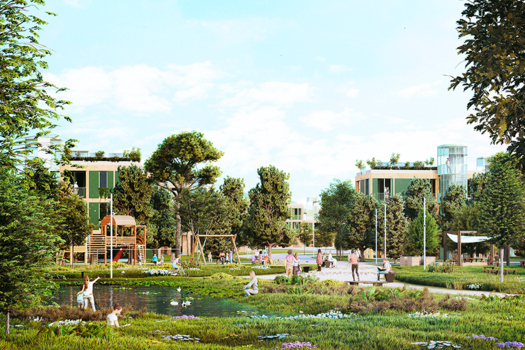
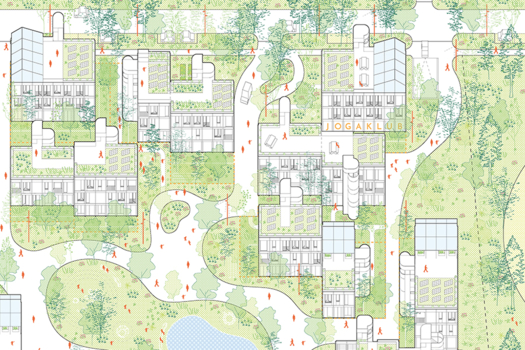
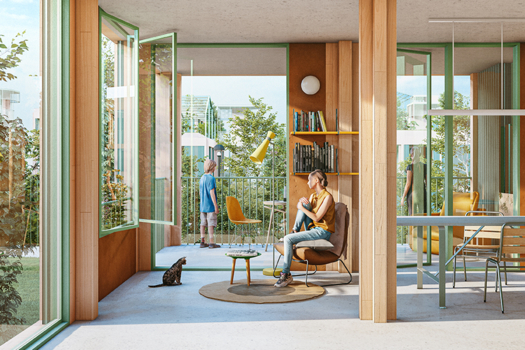
All these mentioned issues are part of an ongoing interest in ecological urbanism, housing flexibility, and collective space. Previous Europan projects have been important references, especially those treating landscape as infrastructure and housing as an adaptable system. Timber-based construction, sponge-city principles, and cooperative housing models also informed the proposal, reinforcing the idea of urbanism as a gradual process shaped by both environmental and social dynamics.
SITE:
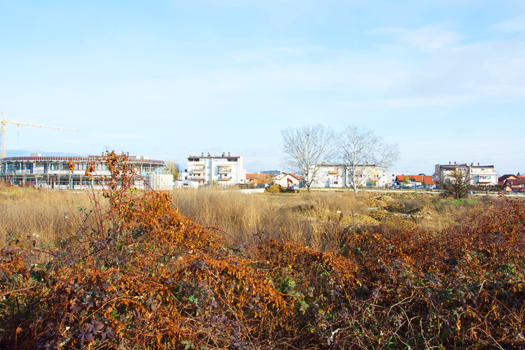
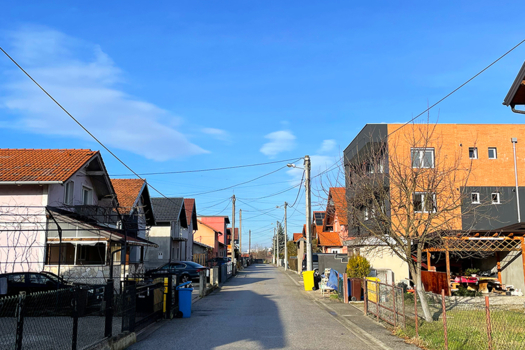
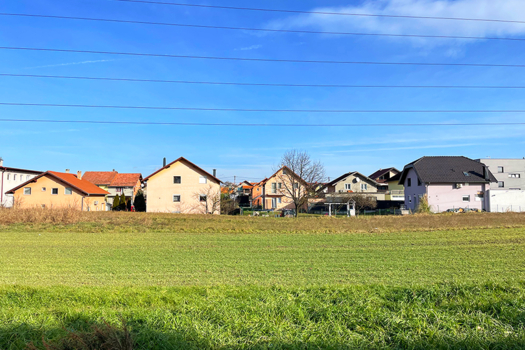
The project is conceived as an open system that can evolve over time. Its urban structure and typological diversity allow for phased implementation and negotiation between different actors, including institutions, developers, technicians, and residents. The proposal is to implement participatory processes through workshops and collective decision-making tools that help define priorities and adapt the project as it grows.
REFERENCES:
The team was formed from previous academic and professional collaborations, sharing a common interest in housing, landscape and urban-scale projects. Each member brings complementary skills, combining urban strategy, architectural design and ecological thinking. The team proposes a collaborative way of working, essential for addressing the complexity of the site and integrating social, environmental and material considerations into the winning proposal.
6. How could this prize help you in your professional career?
We reckon that Europan represents an important opportunity to work on real urban challenges and collaborate with public administrations beyond the competition phase. This award helps to position our practice in an international context and supports the development of research-based projects focused on innovative ideas. It also reinforces our interest in architecture as a long-term process that connects landscape, social dynamics and urban transformation.
TEAM IDENTITY
Legal status:
Team name:
Average age of the associates: 30 years old
Has your team, together or separately, already conceived or implemented some projects and/or won any competition? if so, which ones?
Both teams have collaborated in several competitions.
2025 Winner – EUROPAN 18 International Competition. The Common Green. Zagreb [HR]
2023 Runner-up – EUROPAN 17 International Competition. Into the Wilderness. Vienna [AT]
Individually we hold the following prizes:
CRAC (Carlos Rebolo + Alejandro Caraballo):
2025 Honorable Mention – EUROPAN 18 International Competition. Five Skins - Bustaldea. Vitoria-Gasteiz [ES]
2024 Special Jury Mention – Affordable Housing Prototypes for CAPBA
2023 Second Prize – Editorial direction COAM Architecture Magazine
2023 1st Accesit – Spanish Pavilion at the Biennale Archittetura Venezia
2022 Honorable Mention – COAM Under 34. Curatorship of cultural activities for the COAM
2020 Winner – Casa Agave | Félix Candela Award in the framework of the Spanish Architecture Festival
pepelacruzarch (José Lacruz):
2025 Winner – EUROPAN 18 International Competition. Hej Våxnäs! – Karlstad [SE]
2024 Winner – 10 Blind Walls International Ideas Competition for Young Architects Barcelona
2026 UNESCO-UIA World Capital of Architecture. The Golden Gateway. Barcelona [ES] Completion expected in 2026.
2021 Winner – EUROPAN 16 International Competition. Industrial Re-Evolution. Barcelona [ES]
2020 Gaudí Architecture Prize International Award. Category: Industrial Building Award
2020 Prominent Mention – Félix Candela Award in the framework of the Spanish Architecture Festival
2018 Winner – Arquia Scholarship Competition (Awarded by Eduardo Souto de Moura)
WORKS: