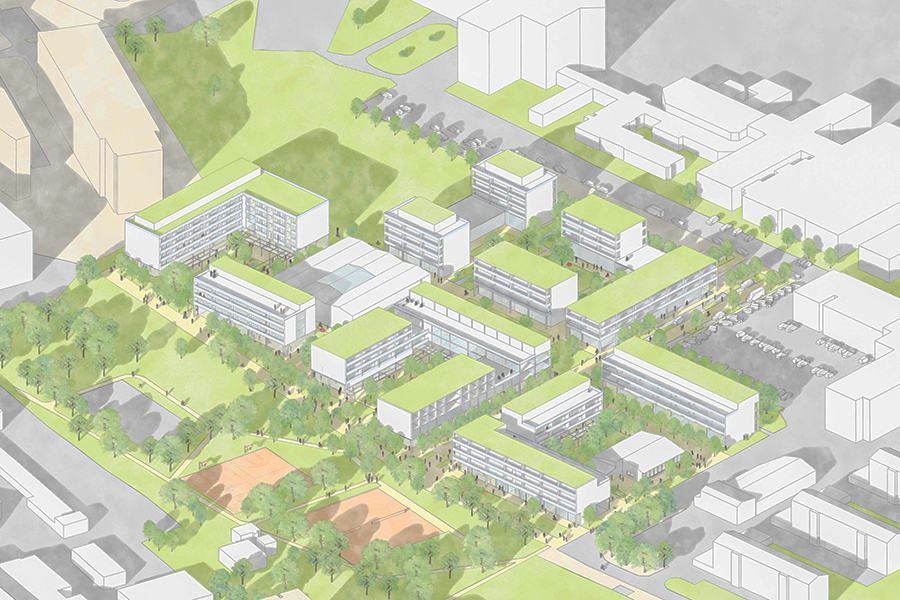
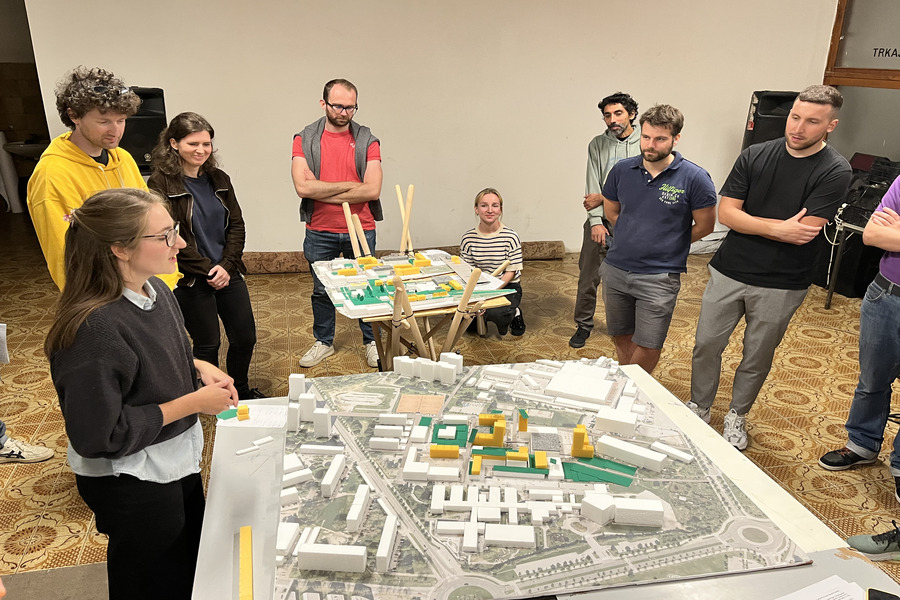
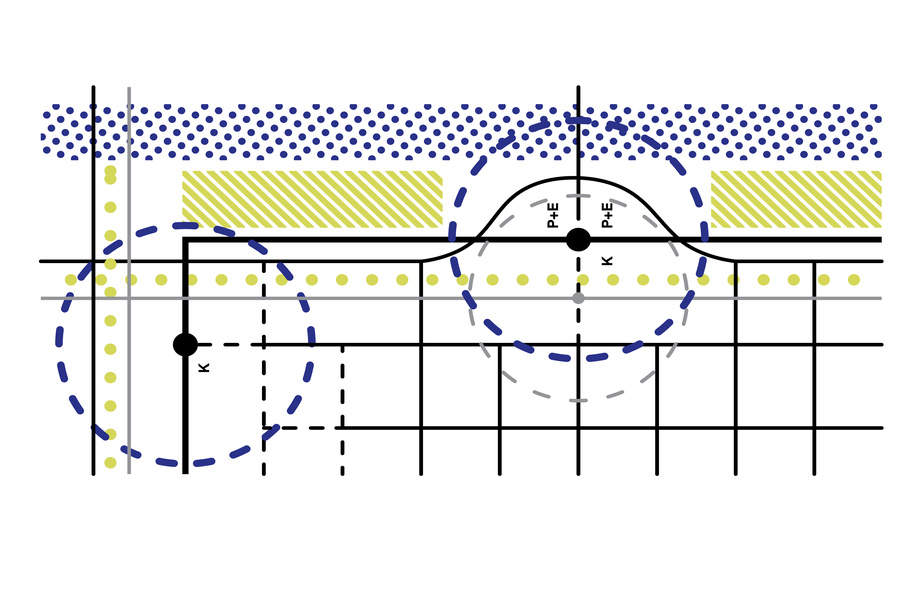
The Landscape of Havens
Bregenz-Hard-Fussach-Höchst (AT) - Runner-up
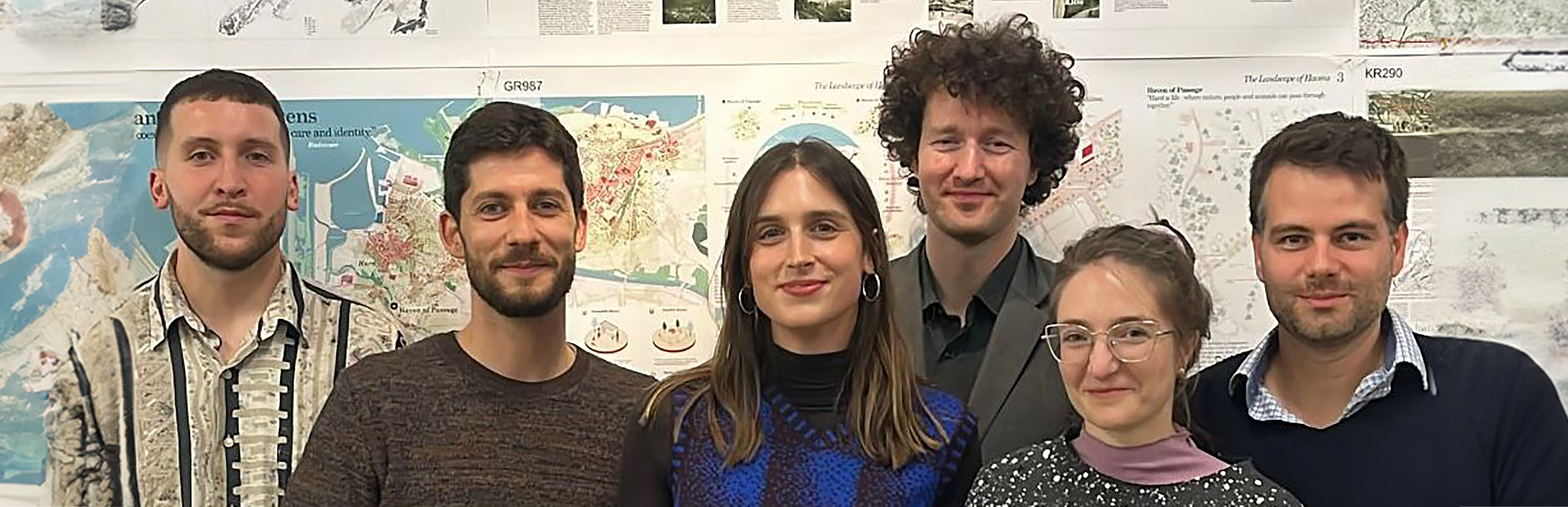
TEAM DATA
Associates: Katarina Kuk (SI), Zala Koleša (SI), Andraž Podvez (SI) – architects urbanists, Andrej Panker (SI) – architect, Martin Valinger Sluga (SI) – urban planner, Quentin Drouet (FR) – spatial planner, Nika Marn (SI) – landscape architect
Contributors:
Maria Ljuština (HR) – architect, Nik Erik Neubauer (SI) – artist
kuk.katarina8@gmail.com
See the complete listing of portraits here
See the site here
TEAM PORTRAIT
VIDEO (by the team)
INTERVIEW
Click on the images to enlarge
1. How do you define the main issues of your project in relation with the theme “Re-sourcing”? Re-sourcing thanks to nature, to social dynamics, to new materiality? In which way do you think your project can contribute to an ecological and/or social evolution? And in which way do you think your project can be called a “regenerative project”?
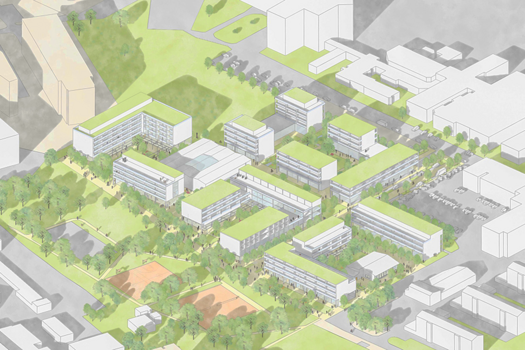
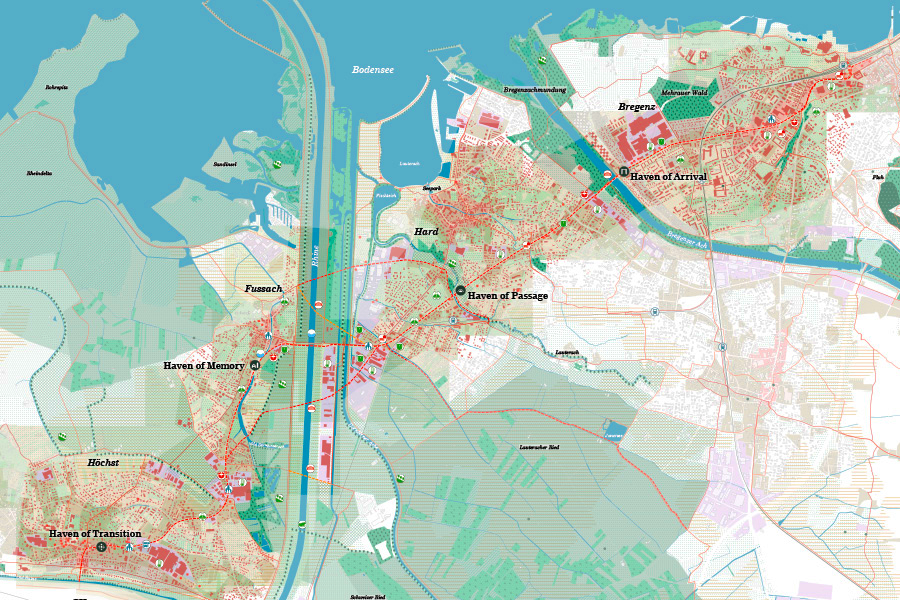
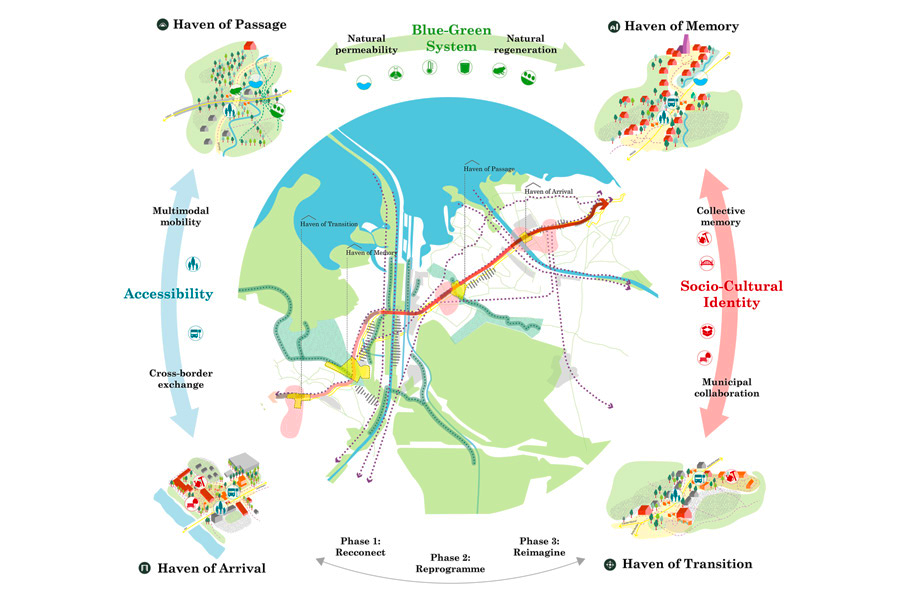
Our project re-sources the L202 by transforming a car-oriented barrier into a regenerative corridor. Blue-green infrastructure restores ecological connectivity; collective memory and shared spaces strengthen socio-cultural identity; and adaptive reuse and sustainable mobility support climate mitigation. Regeneration emerges through ecosystem recovery, strengthening community life, and reducing traffic-related externalities.
2. How did the issues of your design and the questions raised by the site mutation meet?
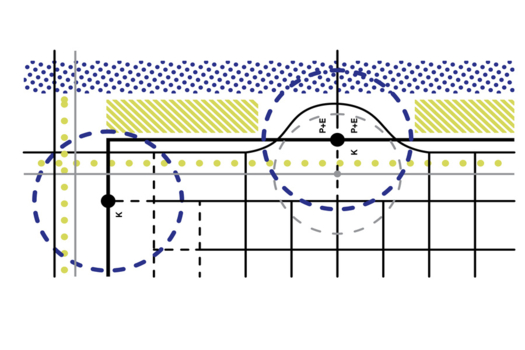
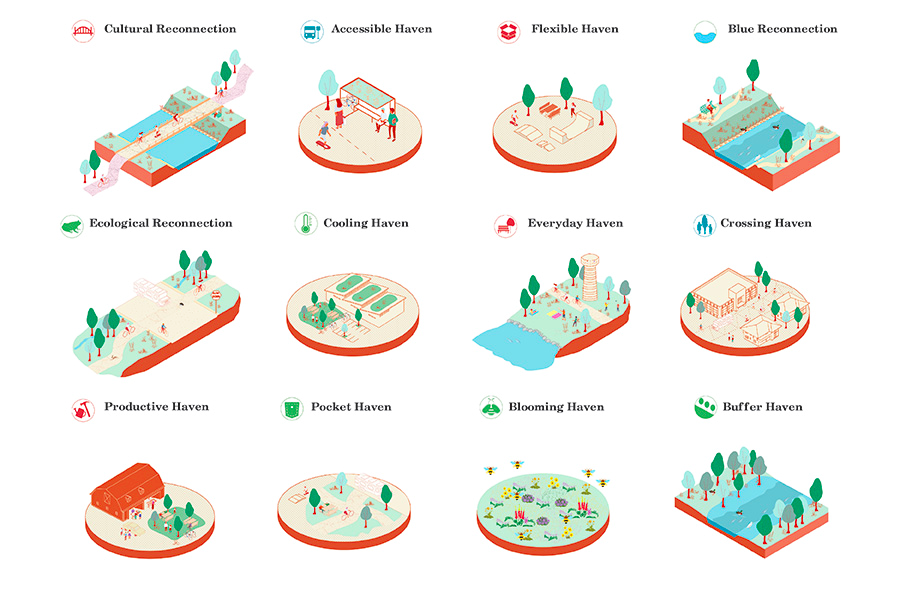
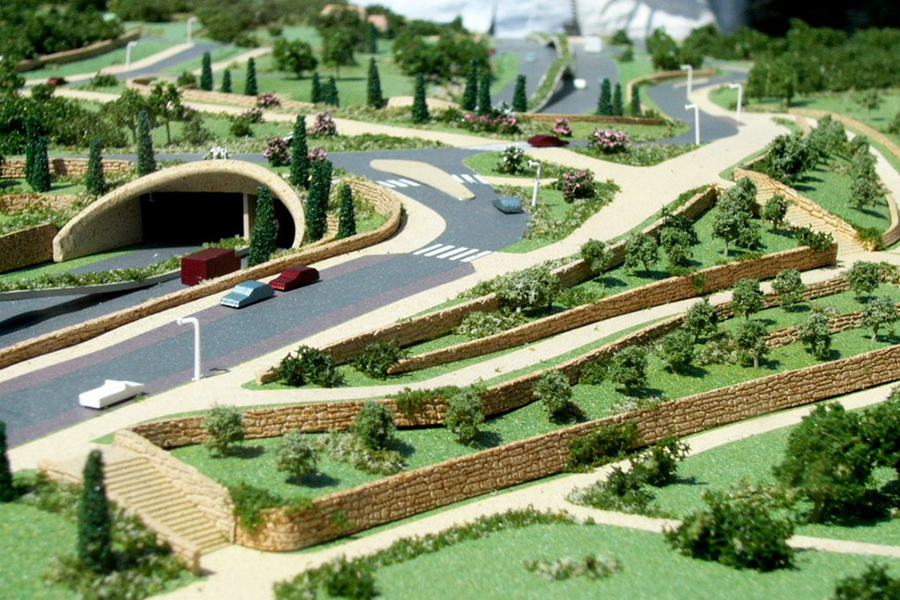
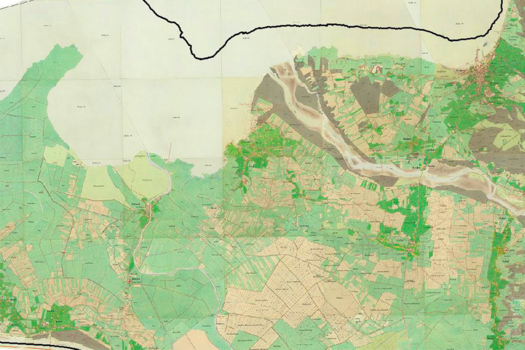
The design approach addresses the L202’s traffic burden by reshaping it into a 'caring corridor' that supports multimodal mobility, everyday human activities and ecological flows. Key challenges, including habitat fragmentation, noise and air pollution, safety risks, and severance, are tackled through site-specific 'havens' that reconnect ecosystems, improve accessibility, and transform the road into a sequence of connective landscapes.
PROJECT:
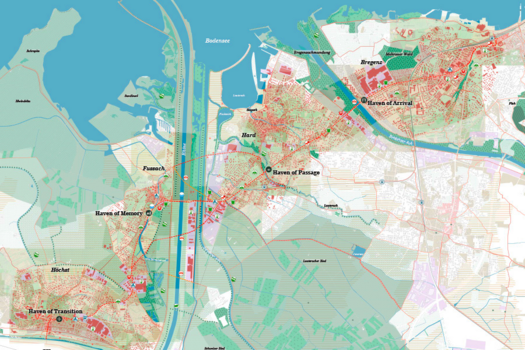
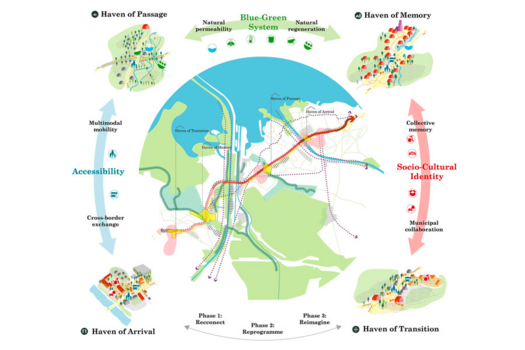
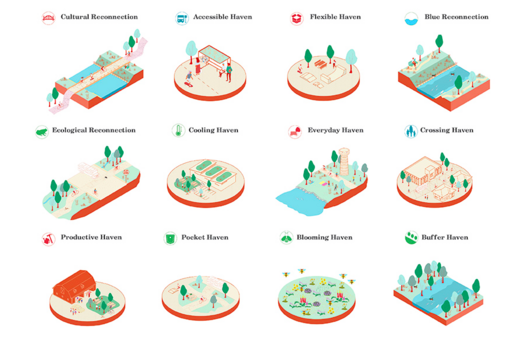
This project grew out of our experiences with spatial conflicts, public space and active mobility, and ecological design approaches, shaped through both shared academic work and professional practice. We were inspired by landscape regeneration projects, multimodal hubs, and nature-based infrastructures that reframe traffic corridors as social and ecological spaces.
SITE:
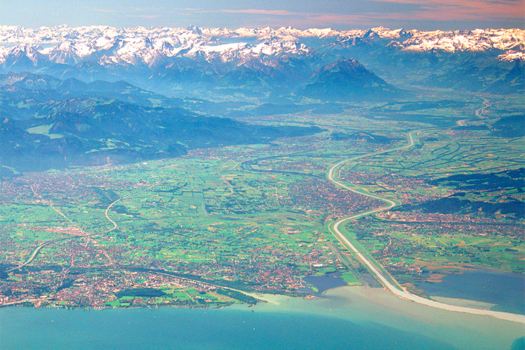
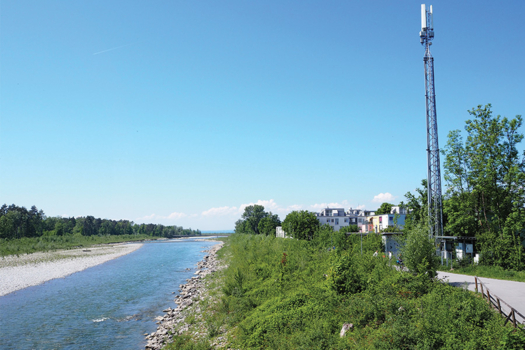
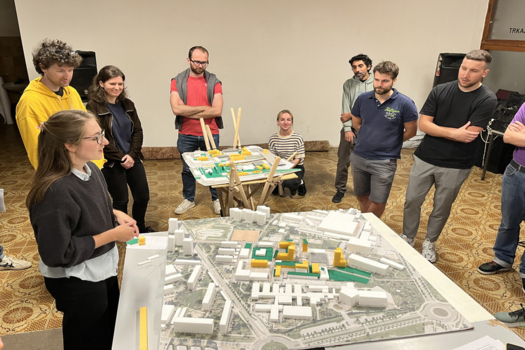
The project is conceived as a phased and negotiated process. Havens function as modular interventions co-developed with residents, municipalities, and local industry, allowing piloting before scaling. Step-by-step implementation, from safety and accessibility measures to ecological restoration, supports shared decision-making, adaptability, and the protection of public health and the environment.
REFERENCES:
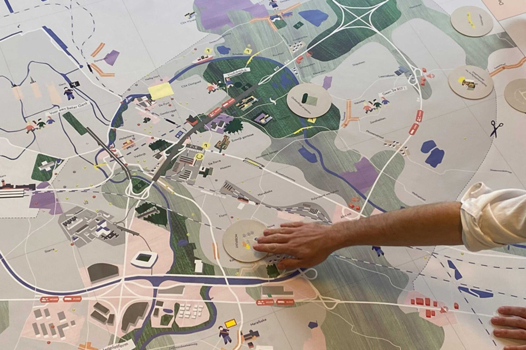


The team was formed specifically for the competition, bringing together members connected through university networks and shared work on participatory urban design projects in Ljubljana. We combined skills in integrated urbanism, sustainable architecture, strategic spatial planning, and landscape design, supported by visual communication and storytelling.
6. How could this prize help you in your professional career?
We are honoured to receive the runner-up prize. It validates our approach, gives visibility to our work, and encourages us to continue developing projects grounded in care, collaboration, and spatial responsibility towards people and nature.
TEAM IDENTITY
Legal status:
Team name:
Average age of the associates: 32 years old
Has your team, together or separately, already conceived or implemented some projects and/or won any competition? if so, which ones?
Europan 18 is the first competition we entered together in this team configuration. Some members have previously collaborated on other competition entries, others work together through the inclusive housing and urban development initiative in Ljubljana, and some have been colleagues since university.
WORKS: