The Rewilding Grounds
Polignano a Mare (IT) - Winner

TEAM PORTRAIT
VIDEO (by the team)
INTERVIEW
Click on the images to enlarge
1. How do you define the main issues of your project in relation with the theme “Re-sourcing”? Re-sourcing thanks to nature, to social dynamics, to new materiality? In which way do you think your project can contribute to an ecological and/or social evolution? And in which way do you think your project can be called a “regenerative project”?
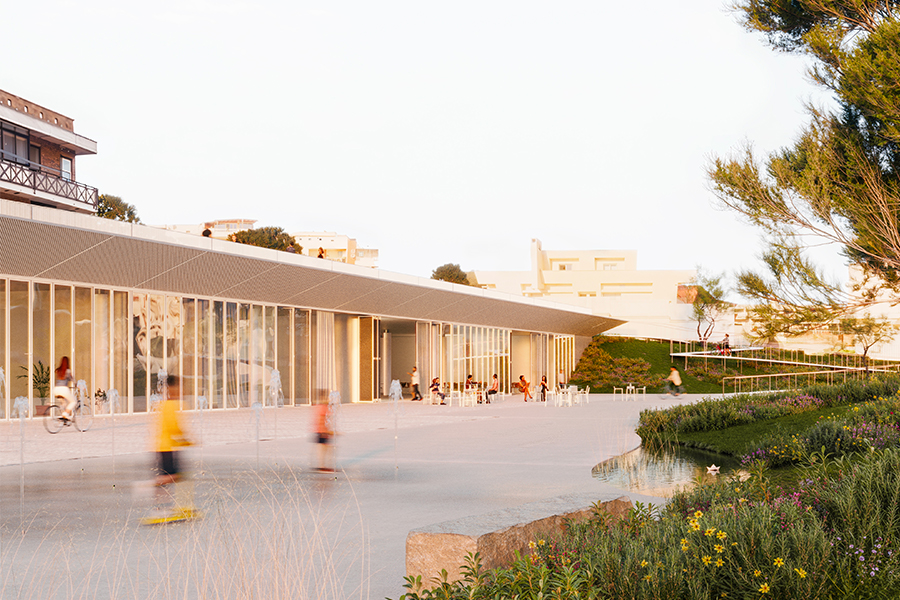
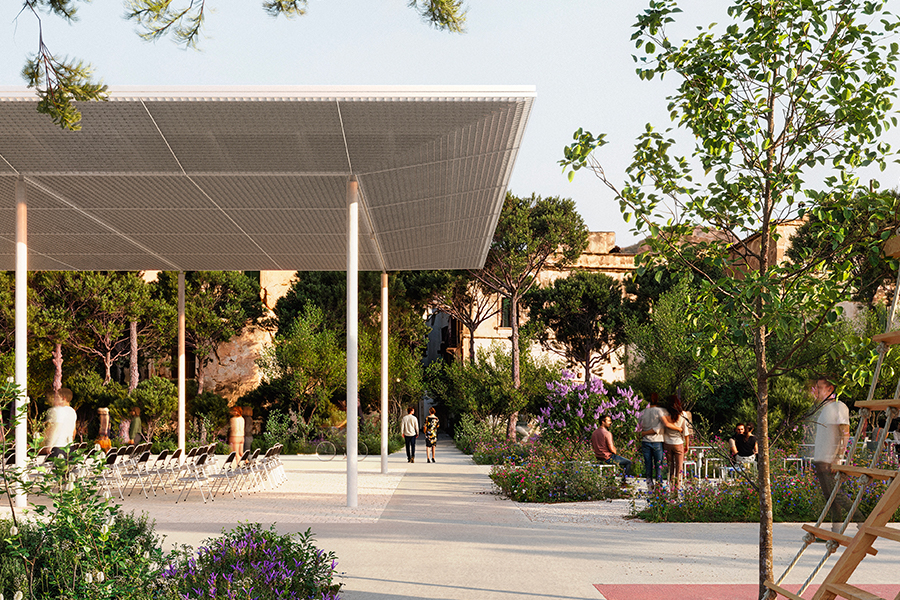
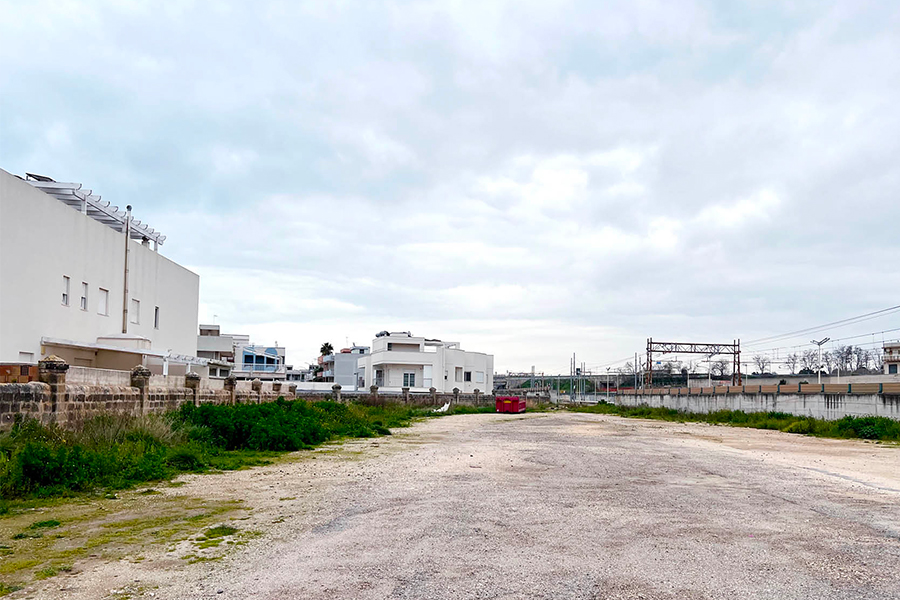
The Rewilding Grounds is an urban research seeking to reconnect Polignano with its natural and agricultural landscape. The project is structured around three interrelated strategies: ecological regeneration, public space enhancement and sustainable mobility. Through a new green-blue infrastructure along the railway, it aims to support biodiversity and foster inclusive and resilient development.
2. How did the issues of your design and the questions raised by the site mutation meet?
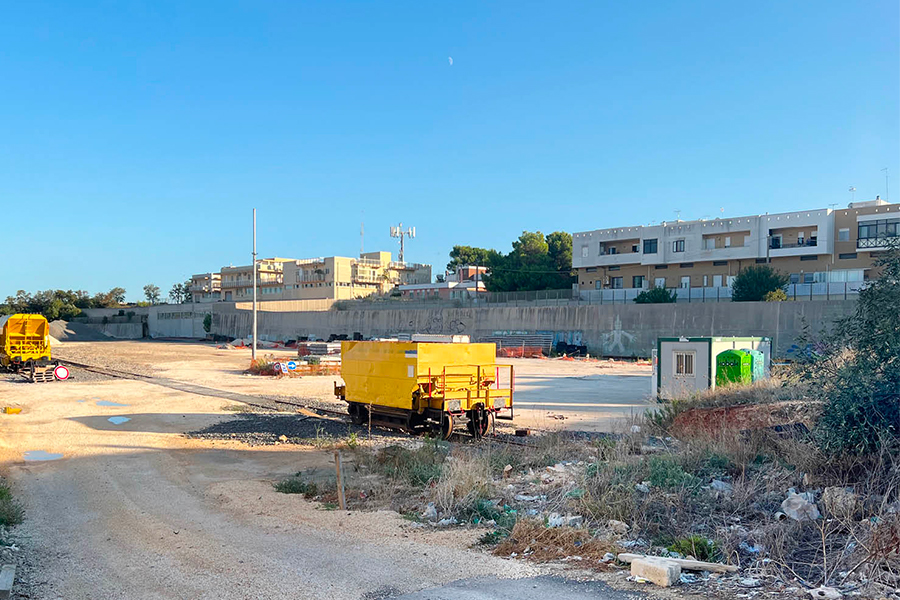
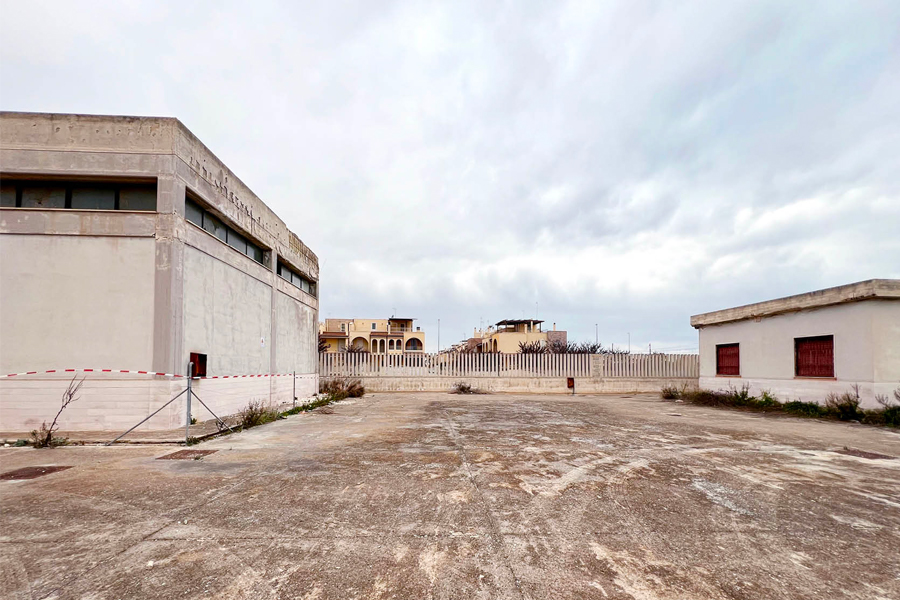
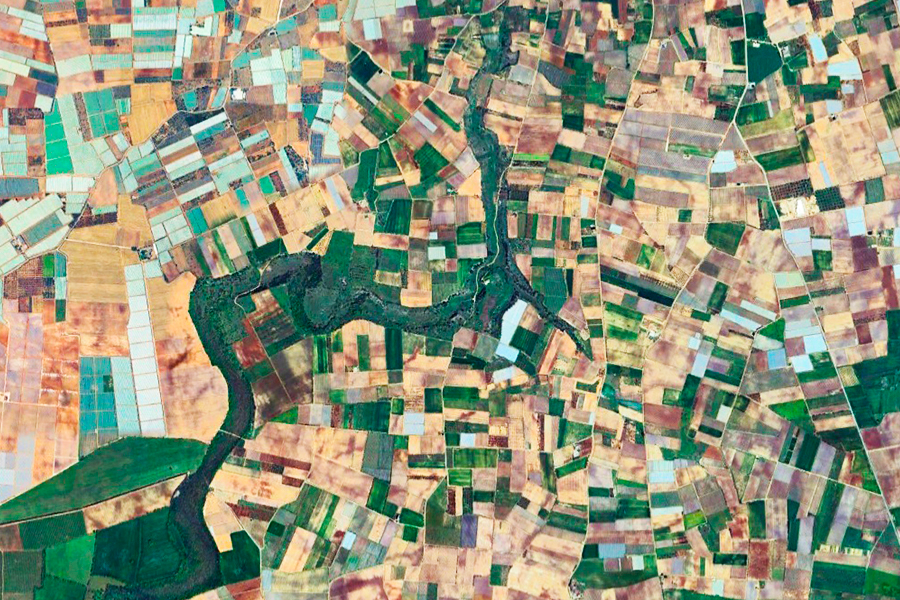
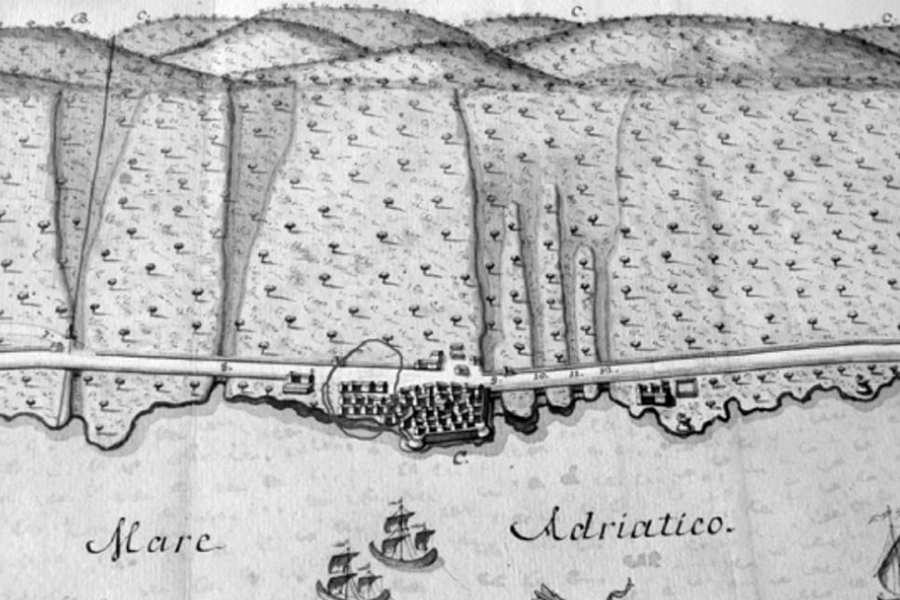
Our project addresses complex needs rooted in a territory whose exceptional landscape value is both a resource and a fragility. Climate, proximity to the sea and the historic cliffside center define the city’s identity. By reconnecting maritime and agricultural vocations, the project promotes a balanced, multi-attractive city, creating stable resources for residents and preserving local identity.
PROJECT:
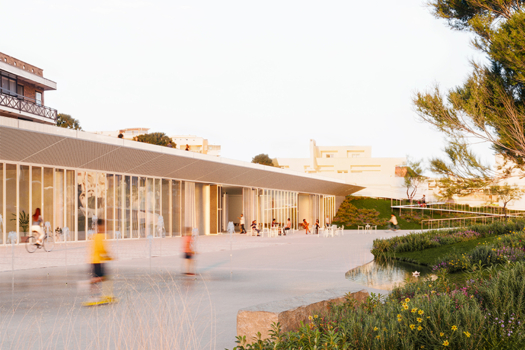
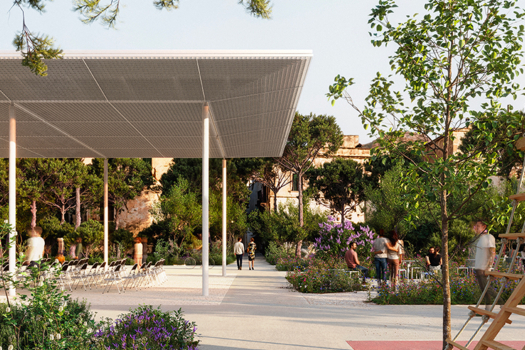
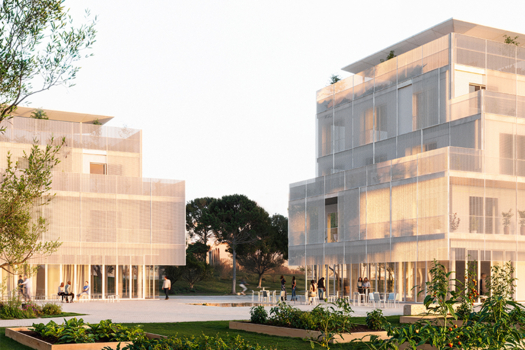
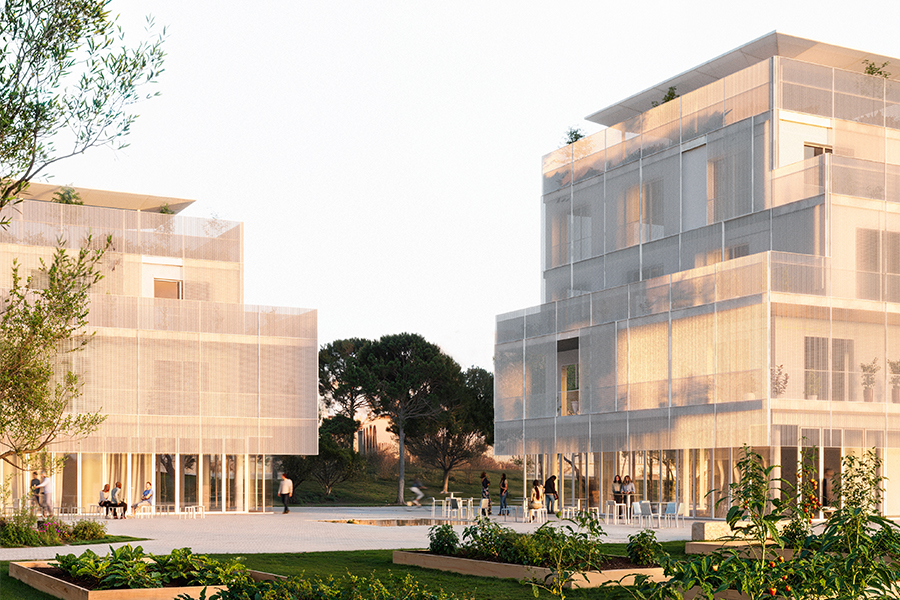
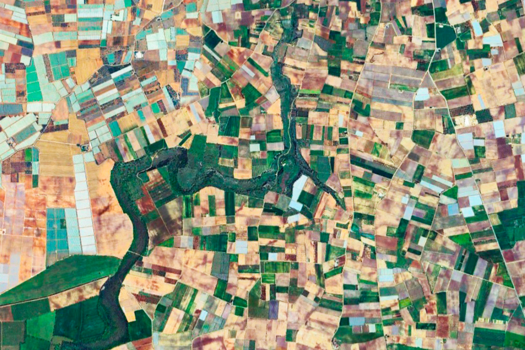
These issues have shaped our education and reflections as young architects. We envisioned architectures integrated into a new landscape, with a strong identity that foster community and respect the site’s specificity. The project draws on the Apulian countryside variety and vernacular bioclimatic principles, including natural ventilation, rainwater harvesting and solar energy use.
SITE:
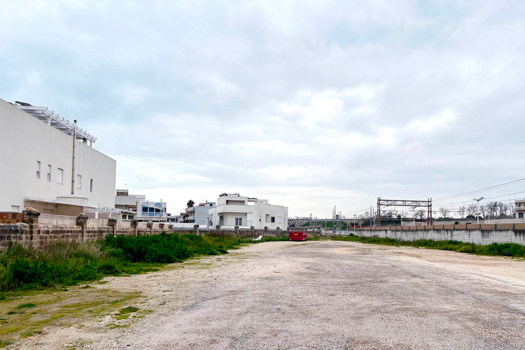
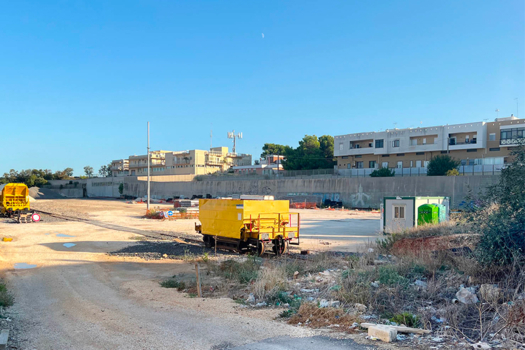
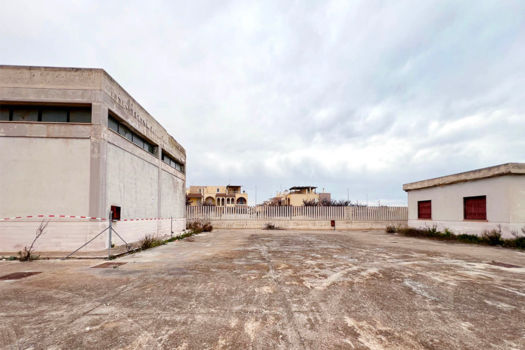
We believe our project can play a key role for the future of the city, addressing all users and responding to the community’s needs outlined in the brief. From this early stage, it considers feasibility and timing as crucial aspects and serves as a basis to be further developed through dialogue and negotiation with investors, local authorities and community, ensuring collaborative implementation.
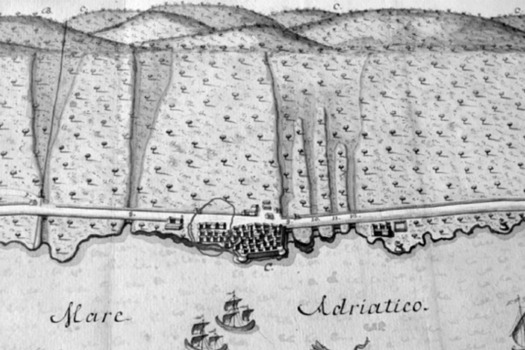
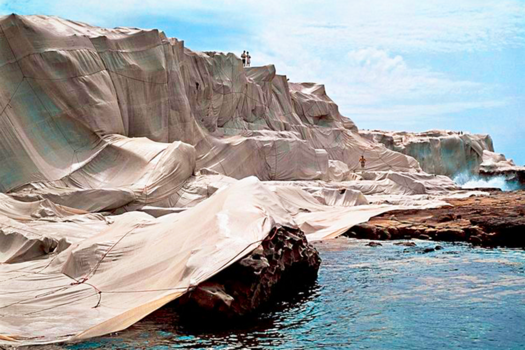
REFERENCES:
Our team is composed of architects, each with different educational backgrounds and professional path, developed through collaborations with both emerging and international practices in dynamic and collaborative contexts. While sharing a common vision, the diversity of skills and interests within the team fosters constructive dialogue and enriching exchanges.
6. How could this prize help you in your professional career?
Definitely. We are grateful to have been awarded first prize at Europan 18 Italy. This recognition represents a valuable opportunity to further develop our research and expand our professional network.
TEAM IDENTITY
Legal status:
Team name:
Average age of the associates: 28 years old
Has your team, together or separately, already conceived or implemented some projects and/or won any competition? if so, which ones?
Europan 18 was the first time we collaborated as a team. This experience represents an important opportunity for us to explore a shared way of working and may provide a basis for future collaborations and projects together.