THOLOS
Getafe (ES) - Runner-up
TEAM PORTRAIT
VIDEO (by the team)
INTERVIEW
Click on the images to enlarge
1. How do you define the main issues of your project in relation with the theme “Re-sourcing”? Re-sourcing thanks to nature, to social dynamics, to new materiality? In which way do you think your project can contribute to an ecological and/or social evolution? And in which way do you think your project can be called a “regenerative project”?
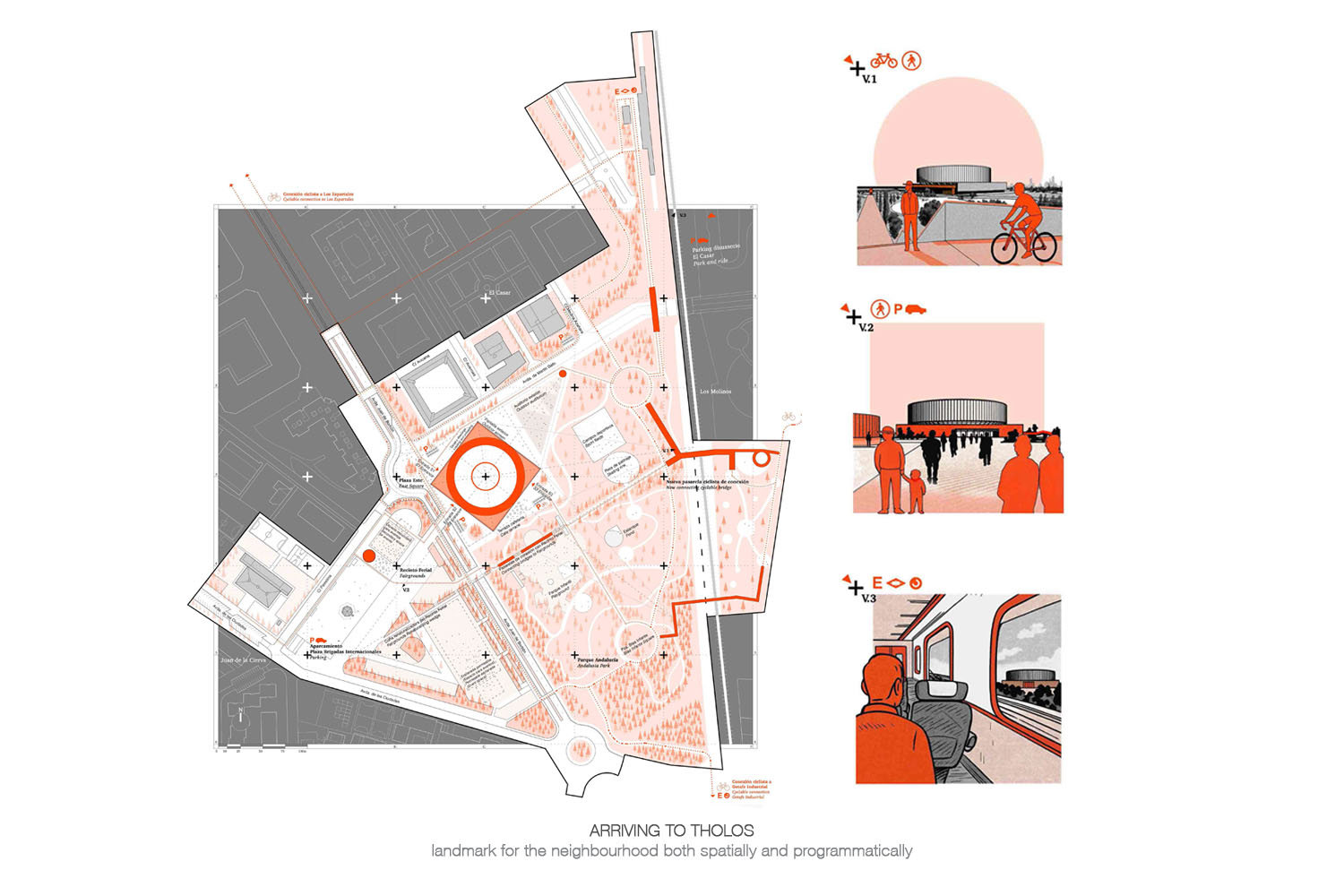
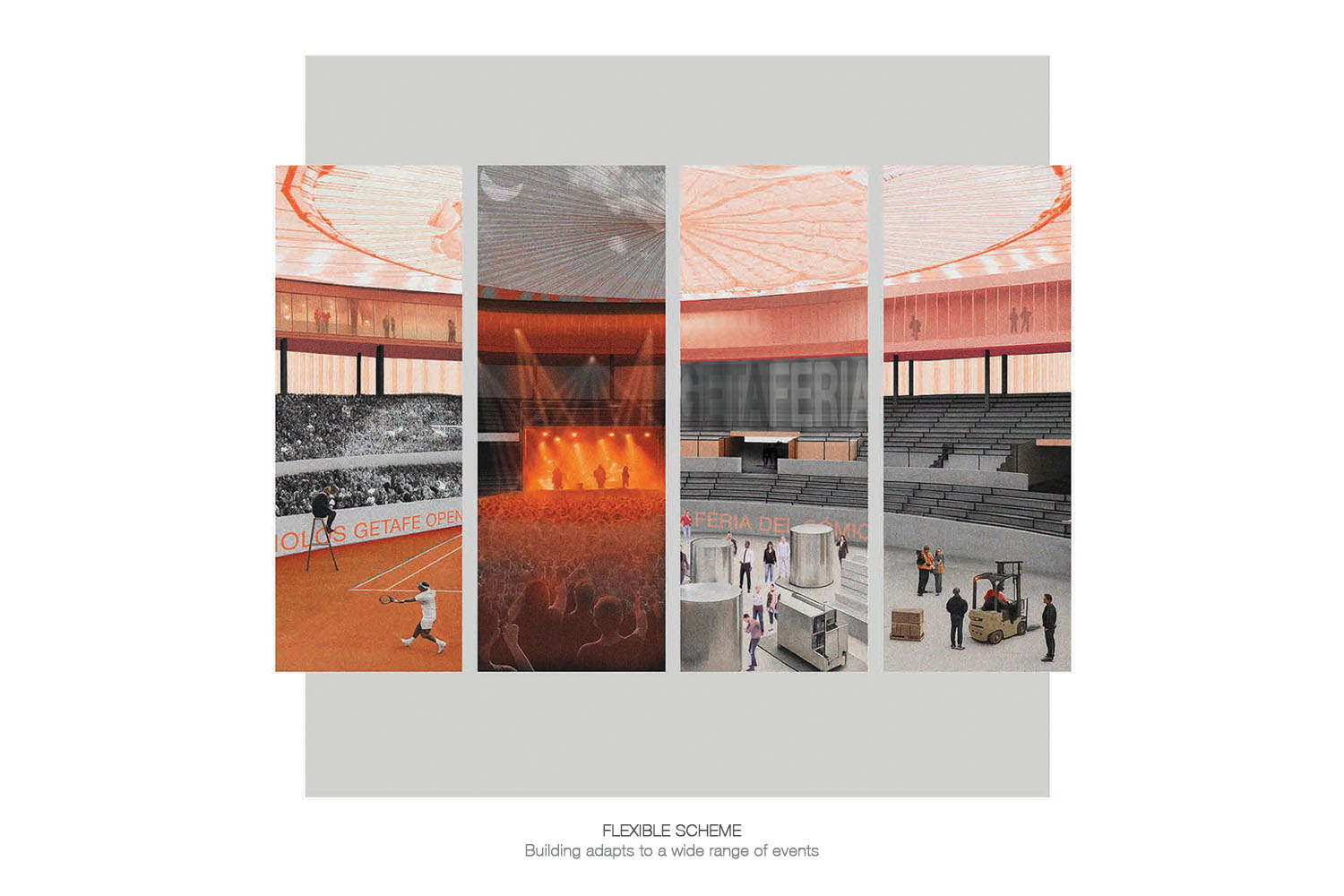
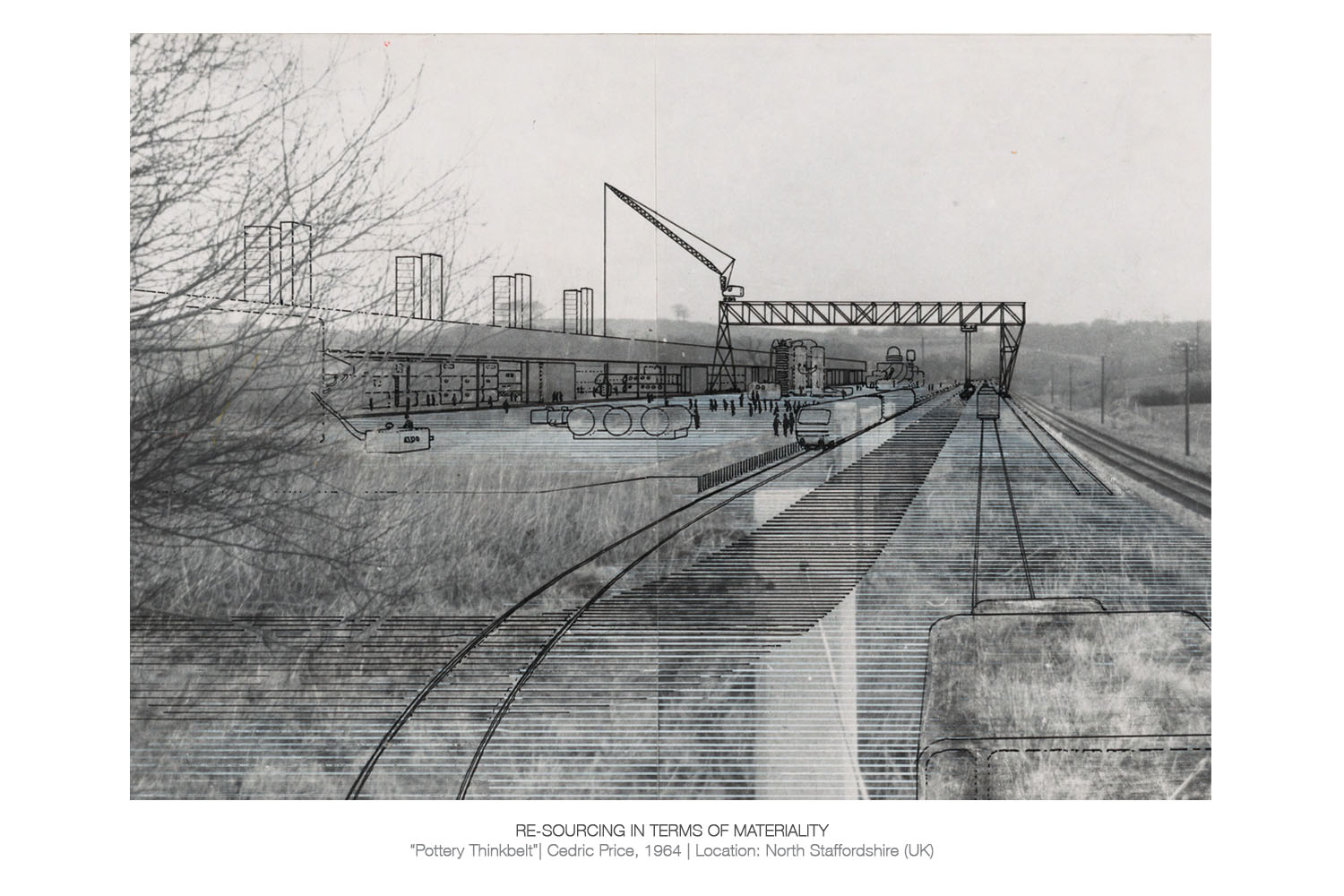
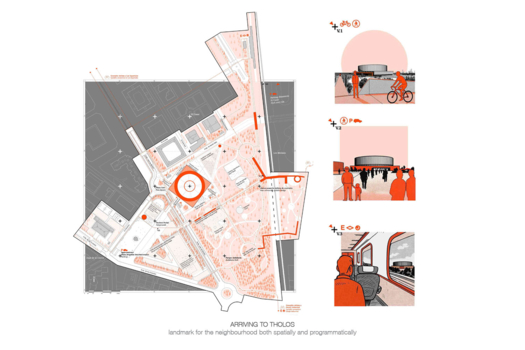
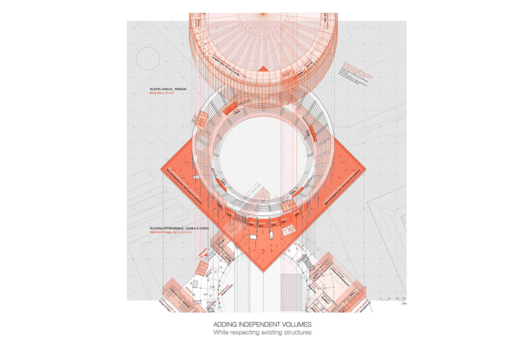
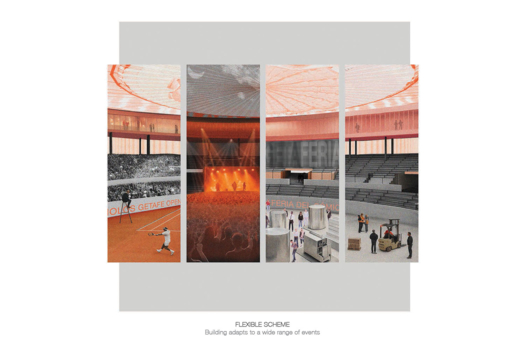
Tholos is fundamentally a project of re-sourcing, because it transforms an underused piece of urban infrastructure into a renewed civic engine. It re-sources nature by introducing a green corridor that stitches together the Recinto Ferial (fairground), Parque Andalucía and Los Molinos, renaturalizing hard surfaces through permeable pavements, vegetative screens and a green wedge that humanizes the public realm. It re-sources social dynamics by reframing the Plaza de Toros as a connector between neighborhoods—Las Margaritas, Juan de la Cierva and Los Molinos—and equipping it with daily-use programmes (cafés, multipurpose rooms, cultural spaces) that keep the building alive beyond large-scale events. Finally, it re-sources materiality through a circular strategy: the reuse of existing structures, targeted consolidation rather than demolition, and a construction logic based on reusable metal components aligned with Cradle-to-Cradle principles. Ecologically, Tholos regenerates both the site and its surroundings by introducing new soft-mobility infrastructures, permeable landscapes and a renaturalized public realm that supports biodiversity and reduces heat-island effects. Socially, it regenerates a dormant facility by transforming it into a polyvalent civic hub, capable of hosting everything from international events to everyday neighborhood life, encouraging coexistence, cultural exchange and community empowerment. The project is “regenerative” because it does not merely mitigate impact—it creates new environmental and social value. It unlocks mobility, restores urban continuity, activates green systems, and anchors a new metropolitan model of decentralized event infrastructures that distributes opportunities across the territory instead of concentrating them in the urban core of Madrid.
2. How did the issues of your design and the questions raised by the site mutation meet?
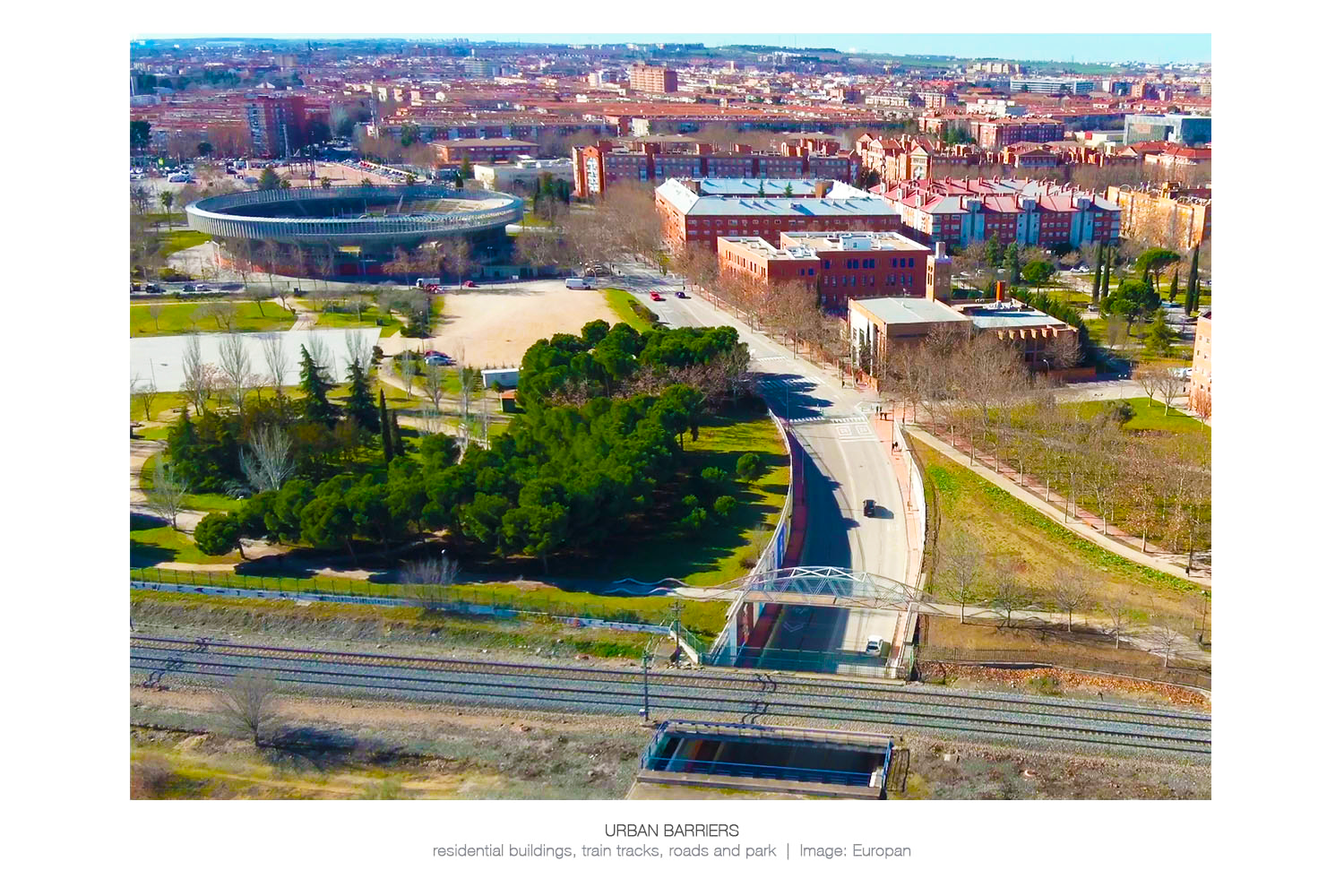
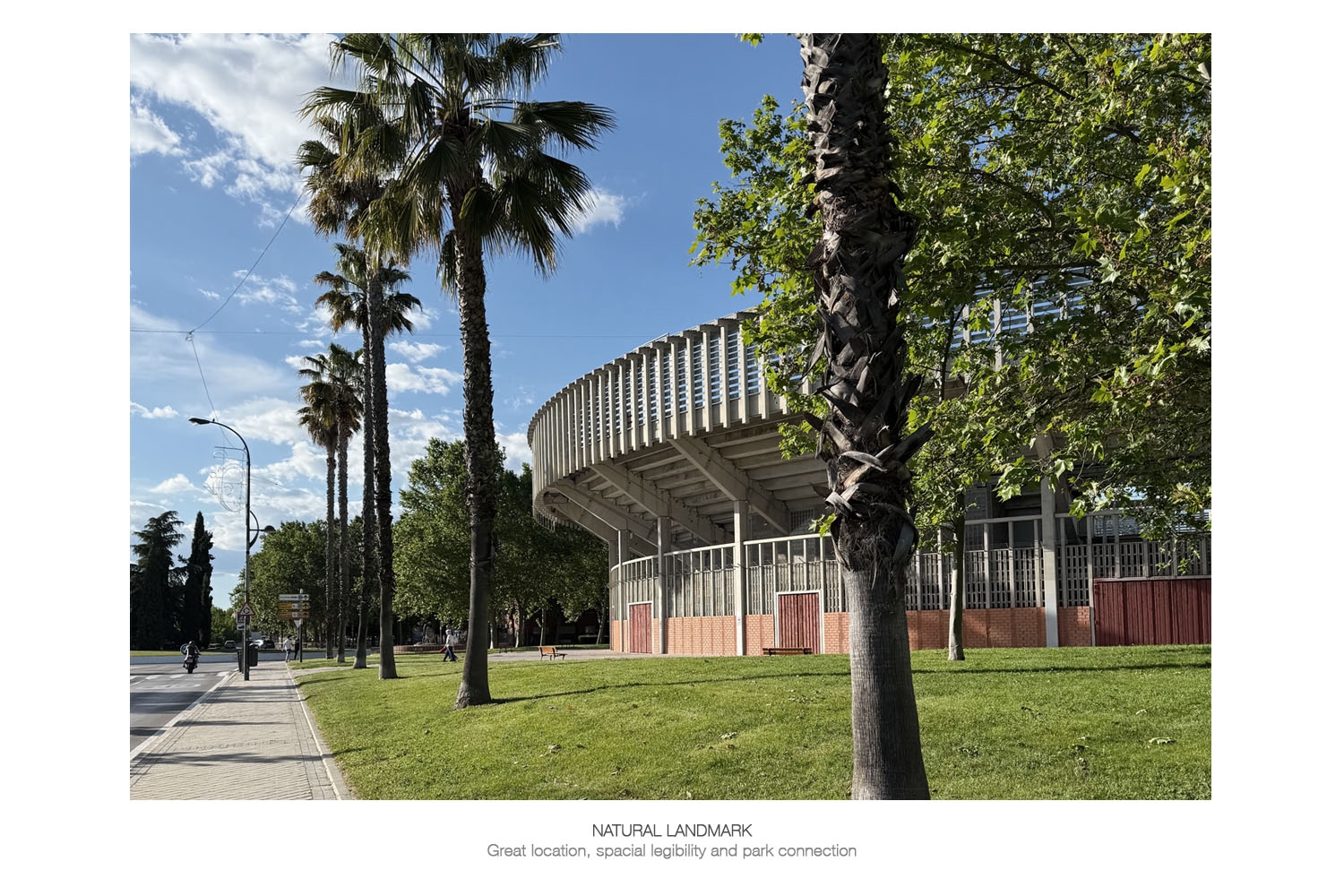
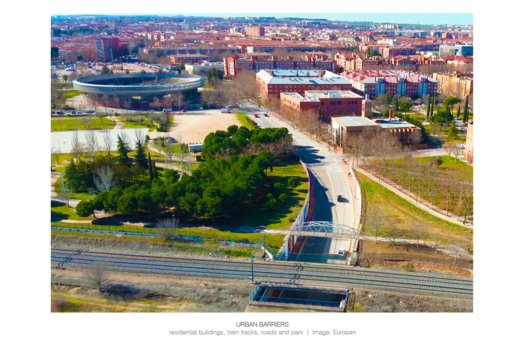
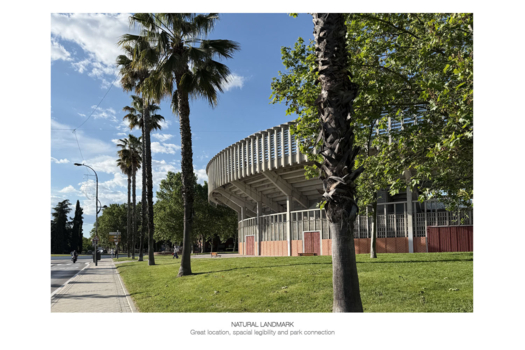
The site is defined by fragmentation: large-scale developments isolated by major roadways and railway barriers. The design challenge was to respond to this condition not by adding another isolated object, but by turning the existing Plaza de Toros into an urban hinge—a strategic connector between the Recinto Ferial (fairground), Parque Andalucía and El Casar station– with a multi-scale program that allows a continuous use of the space. The project aligns precisely with the ongoing urban mutation of Getafe, where investments in public transport, soft mobility and public space demand infrastructures that are both permeable and spatially legible. Tholos becomes the architectural instrument that enables this territorial shift.
PROJECT:
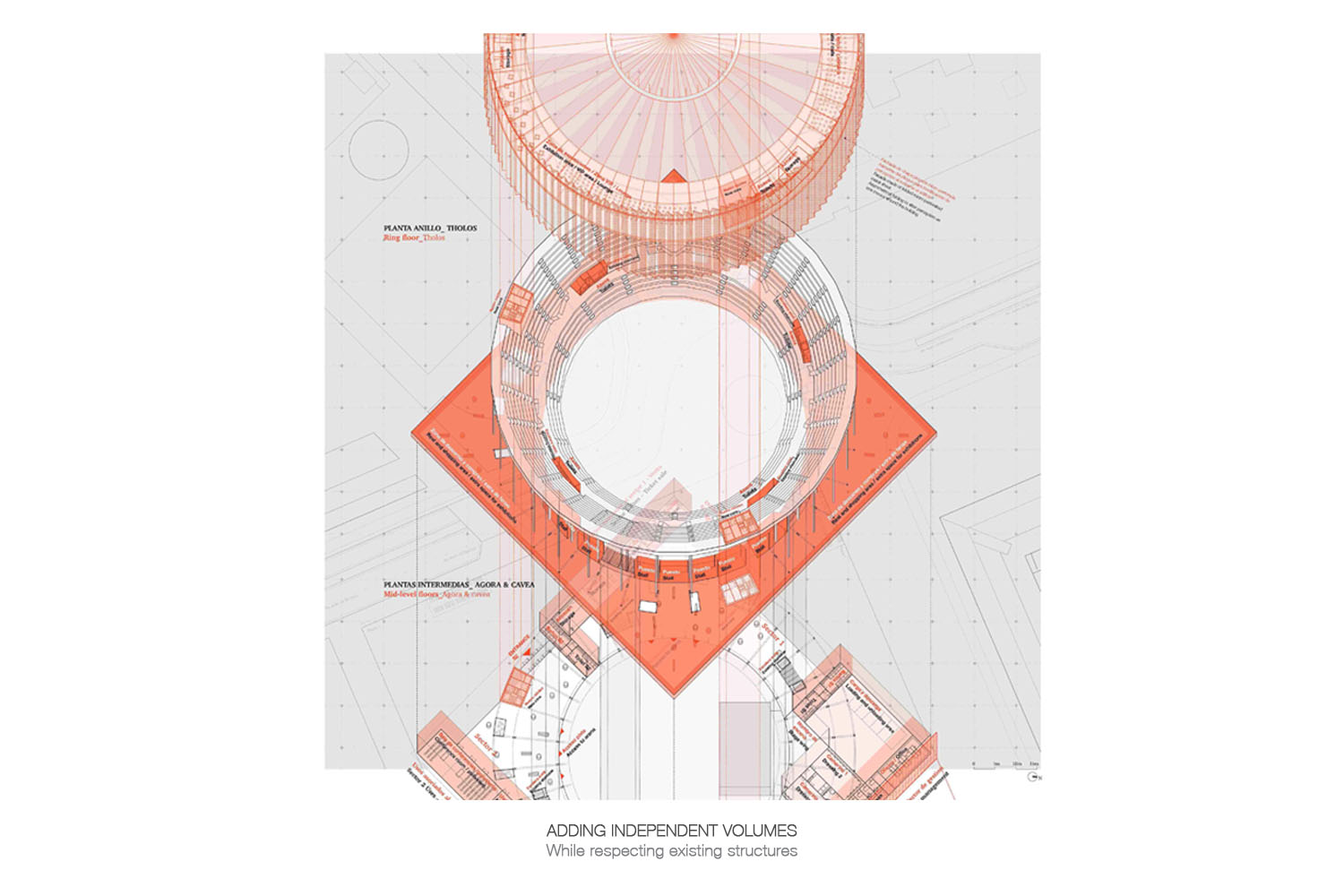
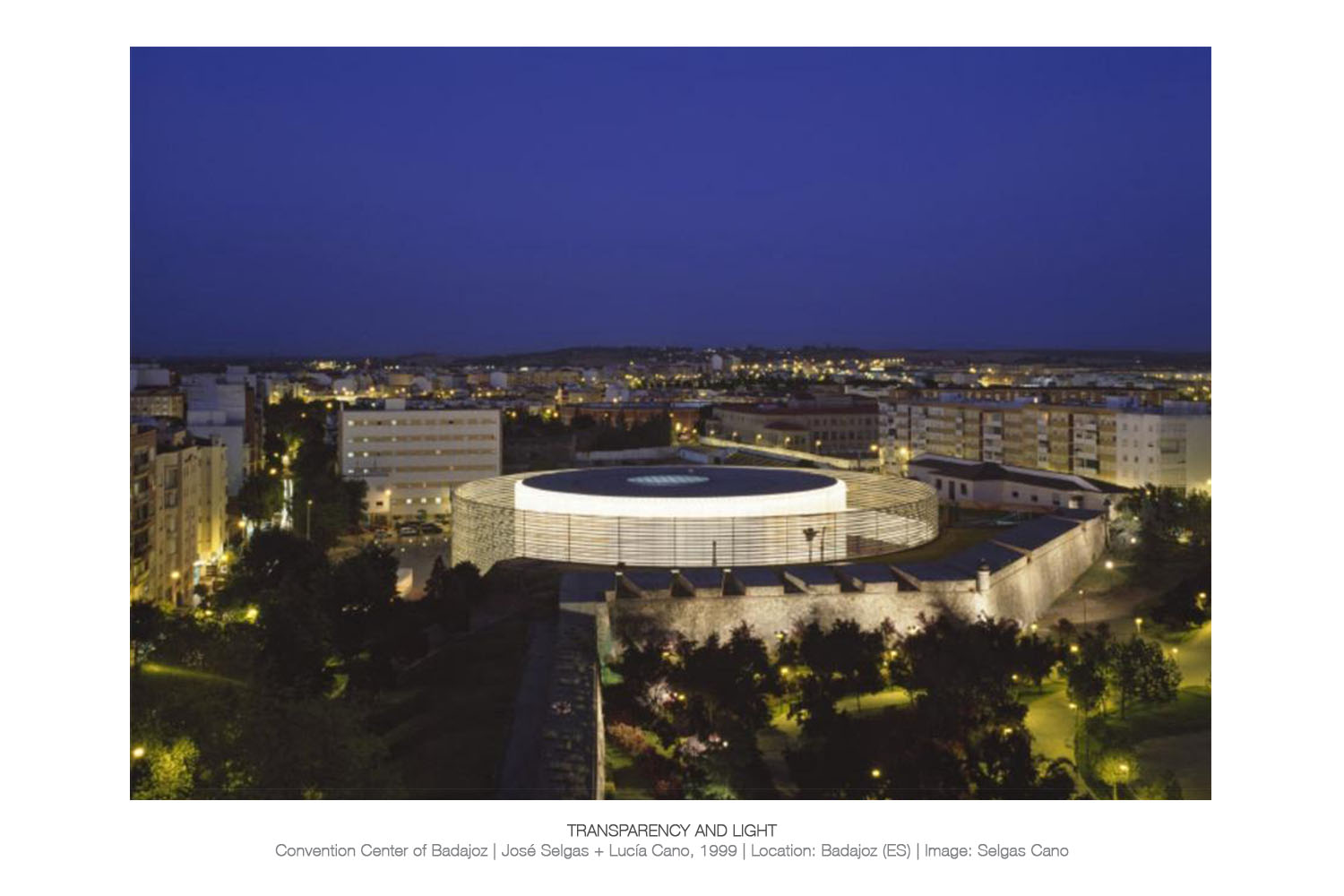
Yes. We faced similar challenges in previous EUROPAN editions. Our proposal for EUROPAN 15 “Productive cities”, Baserritar 4.0, taught us to understand architecture as a social infrastructure capable of generating coexistence and new relational dynamics. La Buzzana, in turn, immersed us in questions of circularity, metabolic flows and the strategic reuse of existing structures. These two awarded projects form the foundation of our approach to Tholos, where social activation, ecological reasoning and reversible architectural systems are combined. Tholos synthesizes lessons from both: respecting what exists, adding flexible layers, and creating spaces that support both everyday life and exceptional events.
SITE:
Implementation is conceived as phased and negotiable, making collaboration with institutional, civic and private actors intrinsic to the strategy. The four-phase sequence—structural consolidation, architectural expansion, urbanization and metropolitan connectivity—allows progressive activation without interrupting ongoing uses of the Recinto Ferial (fairground) and the park. Each phase has independent value and can be aligned with municipal budgets, public-private partnerships or community-led initiatives. The project is designed to remain adaptive: each actor can participate according to timing, resources and needs, ensuring long-term governance and shared ownership.
REFERENCES:
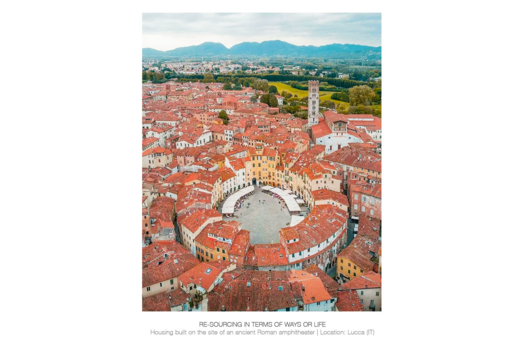
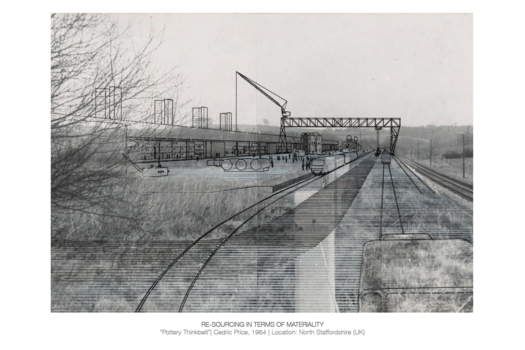
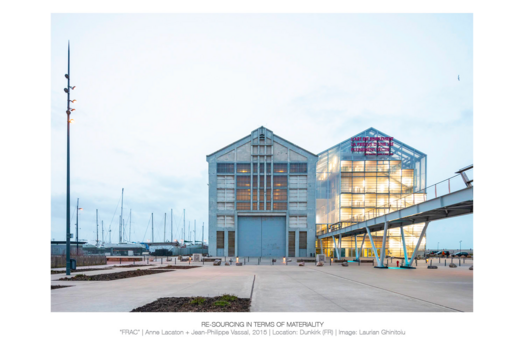
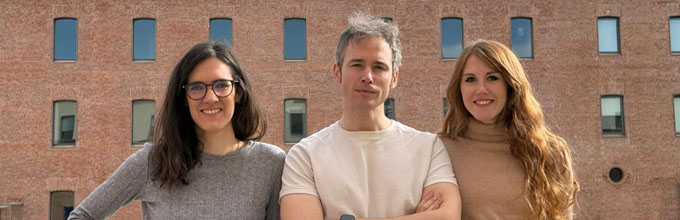
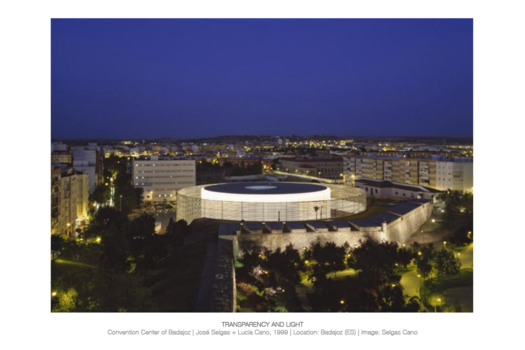
Our team—Ana Sabugo, José Manuel de Andrés and Alicia Peña—was formed through a shared academic background at ETSAM and a long-standing affinity in how we understand architecture, urban regeneration and ecological thinking. Our previous collaborations in Europan confirm this alignment: both Baserritar 4.0 (Lasarte-Oria, Gipuzkoa), developed with Ester Moreno and Ana Carreño, and La Buzzana (La Bazana, Badajoz) received Special Mentions, demonstrating our ability to combine strategic urban analysis, circular materiality, social innovation and coherent architectural expression. Tholos is the direct continuation of this shared methodology and collaborative strength.
6. How could this prize help you in your professional career?
Yes. A Europan distinction amplifies our visibility as a team and reinforces a trajectory already recognized in Baserritar 4.0 and La Buzzana, both awarded Special Mentions. It strengthens our position in fields central to contemporary practice—regenerative design, circular transformation of existing structures and socially grounded public infrastructures—and opens institutional and professional opportunities for implementing large-scale, future-oriented projects.
TEAM IDENTITY
Legal status:
Team name:
Average age of the associates: 34 years old
Has your team, together or separately, already conceived or implemented some projects and/or won any competition? if so, which ones?
Yes, we are always taking part of competitions while working for private clients. We have been previously awarded in EUROPAN 14 and 15.